







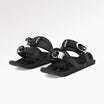













Sure! Here's a clear breakdown: Yes, you can ride skiblades on icy slopes, but the right model depends on your skill level and what you’re looking for. Snowfeet offers three skiblade sizes - 65 cm, 99 cm, and 120 cm - each with its own strengths.
- 65 cm ($635): Great for beginners. Super nimble and easy to control but less stable at high speeds or steep icy terrain.
- 99 cm ($675): A middle-ground option for intermediate riders. Offers better grip and stability while staying agile.
- 120 cm ($775): Ideal for advanced skiers who want stability and grip for fast, steep runs. Less playful but handles speed and ice like a pro.
Each model works well on ice, but the longer the blade, the better the edge grip and speed stability. Shorter ones are more fun for quick turns and casual riding. Regular maintenance - like sharpening edges and waxing - is key to keeping them in top shape.
Quick takeaway: Beginners should go for the 65 cm, intermediates will love the 99 cm, and advanced riders should pick the 120 cm for serious icy performance.
Snowboarder tries Snowfeet* | Which Snowfeet* Short Ski is the Best? | Snowblades 44, 65, 99 Review

1. Snowfeet* Skiblades (65 cm)
At just 25.6 inches (65 cm) long, the Snowfeet* Skiblades offer a compact and fun alternative for tackling icy slopes. Priced around $635, they’re a practical option for those who want to skip the hassle of traditional ski rentals at many U.S. resorts. Let’s dive into what makes these skiblades stand out when it comes to grip, control, stability, and durability on icy terrain.
Grip on Icy Terrain
The 65 cm Snowfeet* Skiblades feature an edge design that focuses pressure on a smaller contact area, giving them impressive grip on hard-packed snow and icy surfaces. This concentrated pressure helps you stay steady on freshly groomed trails or those slick morning runs. Unlike longer skis that spread pressure over a larger area, these skiblades engage quickly, making them a reliable choice for icy conditions.
Control and Maneuverability
Thanks to their compact length, these skiblades are incredibly nimble. They’re perfect for quick pivots and sharp turns, which is especially handy when weaving through crowded slopes or navigating tricky icy patches. Beginners and intermediate riders will appreciate how responsive they feel, making controlled turns on steeper groomed runs a breeze. Compared to longer skis that require more deliberate movements, these skiblades offer a more intuitive and agile experience.
Stability at Speed
The 65 cm skiblades shine at moderate speeds, offering excellent responsiveness and precision on icy terrain. However, their design leans more toward agility than high-speed stability. As you push the pace, you might notice more vibrations and less absorption of bumps or imperfections. If you’re a speed enthusiast looking for extra stability on ice, you might want to consider one of the longer Snowfeet* models. But for casual riders who prioritize quick edge control and precision, this model delivers.
Durability and Maintenance
Built to endure the challenges of icy slopes, these skiblades are tough. That said, their shorter design means any damage - like a dinged edge or core - can have a bigger impact on performance. Regular upkeep is key. Keep the edges sharp for better grip, and don’t skip waxing to improve glide and protect against wear. After a day on icy trails, dry them thoroughly and store them in a cool, dry place to prevent rust or other damage. A little care goes a long way in keeping them ready for your next adventure.
2. Snowfeet* Skiblades (99 cm)
Measuring 39 inches (99 cm) and priced at $675, the Snowfeet* Skiblades are all about blending agility with stability. Designed for smooth carving and precise control, especially on icy slopes, these skiblades build on the nimbleness of the 65 cm model while offering better grip and a more stable ride.
Grip on Icy Terrain
The 99 cm skiblades shine on icy runs, thanks to their metal edges and a longer contact length. Compared to the shorter 65 cm version, the extra length increases edge engagement, giving you a firmer grip on hard-packed snow. Whether you're carving through early morning ice or navigating slick patches, these skiblades dig in and hold their edge like pros.
Control and Maneuverability
Control is where the 99 cm model really stands out. Perfect for carving on icy trails or tackling technical terrain, they give you more precision than the shorter model while keeping that quick, playful feel of short skis. Turning is a breeze - you won’t need to twist your whole body like with traditional skis, so adjusting your line feels effortless.
Stability at Speed
When you pick up speed on groomed, icy runs, these skiblades keep things smooth and steady. They’re designed to reduce vibrations, giving you a balanced ride even on steep slopes. While they don’t offer the rock-solid stability of longer skis, they make up for it by staying light and agile. You’ll feel confident and in control, able to react quickly to changing conditions while still enjoying a smooth track at speed.
Durability and Maintenance
Built tough for icy terrain, the metal edges are made to last through regular use on hard surfaces. To keep them in top shape, a little TLC goes a long way - regular tuning, waxing, and a quick wipe-down after each session will keep the edges sharp and ready to perform. With proper care, these skiblades can stay reliable season after season, no matter how much you push them.
sbb-itb-17ade95
3. Snowfeet* Skiblades (120 cm)
At 47 inches (120 cm) and priced at $775, the Snowfeet* Skiblades deliver a solid mix of stability on icy slopes and the quick maneuverability of shorter skis. They’re a great option for skiers looking to transition from traditional skis to something more agile without sacrificing control.
Grip on Icy Terrain
These skiblades are built for icy conditions, thanks to their extended edge length and metal edges. The longer edge provides a better grip on hard-packed snow, giving you more confidence when carving sharp turns. Compared to the shorter 65 cm and 99 cm models, the 120 cm version offers a larger contact area, which means more reliable edge engagement. Plus, the wood core adds just enough weight to enhance edge contact, making them dependable on slick surfaces.
What makes these skiblades stand out is how they handle edge control. While traditional skis, often 160–180 cm in length, excel at straight-line stability, they can feel bulky and harder to control in tight spots. The 120 cm skiblades strike a balance: they carve beautifully on icy slopes while remaining nimble enough for quick adjustments when conditions shift. This combination of grip and agility makes them a standout choice for icy groomers.
Control and Maneuverability
When it comes to control, the 120 cm skiblades shine. They’re perfect for medium-radius carved turns, offering a smooth and agile ride that feels familiar to skiers used to traditional skis but with a more responsive edge. Compared to the shorter 65 cm skiblades, the 120 cm version provides more stability, especially at higher speeds.
Even on steep, icy slopes, these skiblades keep you in control. Their responsiveness helps reduce chatter, making for a smoother ride. Adopting a slightly narrower and more forward stance can improve edge grip even further, giving you an extra boost of confidence on icy terrain.
Stability at Speed
For those who love speed, the 120 cm skiblades don’t disappoint. They handle high-speed runs on icy slopes with ease, offering stability that rivals traditional long skis - but without the added bulk. The wood core construction helps absorb vibrations, so you’ll experience less chatter when hitting rough patches of ice or hardpack.
While traditional skis might still win in straight-line stability at maximum speed, they often require more effort and space to control. The 120 cm skiblades, on the other hand, offer a great balance of speed and maneuverability, making them a versatile choice for varying conditions.
Durability and Maintenance
Designed to handle icy terrains, these skiblades feature durable metal edges and a sturdy wood core. However, regular maintenance is key to keeping them performing at their best. The 120 cm model complements the shorter options in the Snowfeet* lineup, offering a well-rounded mix of grip, control, and durability that’s perfect for tackling icy slopes with confidence.
Pros and Cons
Here’s a quick rundown of the pros and cons to help you decide which Snowfeet* skiblades suit your needs. Each model brings its own strengths and trade-offs, so knowing what you’re looking for - whether it’s agility, stability, or versatility - will make your decision easier.
65 cm Snowfeet* Skiblades
The 65 cm model is all about quick, nimble movements. At just 26 inches long and priced at $635, these skiblades are perfect for riders who value agility. Beginners especially love them for their forgiving nature - shorter blades make it easier to recover from small mistakes, and their lightweight design means you’ll feel less tired after a full day on the slopes.
But there’s a catch. The shorter edge length struggles on steep, icy slopes. If you’re tackling blue or black runs, you might notice less grip and some chatter at higher speeds. Advanced riders who crave aggressive carving might find these blades a bit lacking in edge contact and stability.
99 cm Snowfeet* Skiblades
At 39 inches and $675, the 99 cm skiblades offer a nice middle ground. They provide better edge hold on icy terrain compared to the 65 cm version, thanks to their longer metal edges. This makes carving on icy groomers feel more secure while still keeping a good level of maneuverability. They’re also more stable at moderate speeds, making them a versatile choice.
However, they’re not as beginner-friendly. The extra length requires more technical skill, and while they’re stable, they don’t match the 120 cm model’s performance on steep, fast descents.
120 cm Snowfeet* Skiblades
The 120 cm model, priced at $775, is the top performer for icy slopes. With 47 inches of edge length, these skiblades deliver excellent grip and stability, comparable to traditional skis in the 160–180 cm range. A wood core construction helps absorb vibrations, giving you a smoother ride even on rough ice. These are ideal for advanced riders who want the control of long skis but in a more compact package.
The trade-off? They’re less playful than the shorter models. Tight turns take more effort, and the added weight can be challenging for beginners still working on their technique. Plus, they’re the priciest option in the lineup.
Performance Comparison
| Feature | 65 cm Skiblades | 99 cm Skiblades | 120 cm Skiblades |
|---|---|---|---|
| Grip on Ice | Moderate – shorter edges limit contact | Good – extended edges improve hold | Excellent – maximum edge length for reliable grip |
| Control | High maneuverability, less stable at speed | Balanced control with good responsiveness | Superior stability, smooth carved turns |
| Stability | Best for slow-to-moderate speeds | Stable at moderate speeds, some chatter at high speed | Handles high speeds with minimal vibration |
| Durability | Durable metal edges, requires regular sharpening | Robust construction, needs consistent maintenance | Wood core and metal edges built for repeated icy use |
| Best For | Beginners, playful riding, terrain parks | Intermediate riders, versatile conditions | Advanced skiers, steep icy groomers, high-speed carving |
This table highlights how each model performs under different conditions, making it easier to find the right fit for your style.
Maintenance Matters
Performance isn’t just about the skiblades themselves - it’s also about keeping them in top shape. Sharp edges are crucial for gripping icy terrain, especially at typical U.S. resorts where true ice can be unforgiving. Regular maintenance ensures you’re carving cleanly instead of skidding.
- The 65 cm model is ideal for those who prioritize fun, playful riding, and quick turns over raw speed.
- The 99 cm version is a versatile choice for riders who want a balance of agility and stability.
- The 120 cm skiblades are the go-to for experienced skiers looking for high performance and control on steep, icy slopes without the bulk of traditional skis.
Each model has its sweet spot, so think about your skill level and the conditions you’ll face when making your pick.
Conclusion
Skiblades shine on icy slopes, especially when you pick the right model to match your riding style. Based on our review, each Snowfeet* model caters to specific skill levels and preferences.
- For beginners: The 65 cm Snowfeet Skiblades* ($635) are perfect for learning. They’re agile, easy to control, and forgiving on groomed runs.
- For intermediate riders: The 99 cm Snowfeet Skiblades* ($675) strike a great balance. They offer smooth maneuverability and solid edge hold, making them versatile across different terrains.
- For advanced riders: The 120 cm Snowfeet Skiblades* ($775) are built for speed and precision. They deliver excellent grip and stability on steep, icy slopes while maintaining a compact feel.
Snowfeet* is reshaping winter sports by offering compact and agile alternatives to traditional skis. These skiblades make life easier with their portability, quicker learning curve, and ability to handle tight spaces or terrain parks effortlessly. They prove that sometimes, smaller gear can bring bigger thrills and more control where it matters most.
FAQs
How well do Snowfeet skiblades perform on icy slopes compared to traditional skis?
Snowfeet skiblades shine when it comes to tackling icy slopes. Thanks to their shorter length, they allow for more focused pressure on the edges, giving you better grip and making it easier to stay steady on slick surfaces. Plus, turning feels almost effortless, giving you a smooth and controlled ride.
Compared to traditional skis, which can feel clunky and hard to manage on hard-packed snow, Snowfeet skiblades are quick and easy to maneuver. Whether you're just starting out or you've been shredding for years, their design makes edge control feel natural, boosting your confidence even on the iciest runs.
How can I maintain my Snowfeet skiblades to keep them performing well and lasting longer?
To keep your Snowfeet skiblades performing their best, a little maintenance goes a long way. Start by cleaning the base with a base cleaner after each use - this keeps dirt and grime from affecting your glide. Regularly applying liquid wax will also ensure smooth and effortless movement on the slopes.
Sharpen the edges every 5–10 uses to maintain a solid grip, especially when you're tackling icy conditions. After each session, make sure to dry the edges thoroughly to avoid rust. For long-term storage, store them in a cool, dry spot and lightly oil the edges to protect against moisture. These quick and easy steps will help your skiblades last longer and keep you carving like a pro.
What techniques can help improve control and stability with Snowfeet skiblades on icy slopes?
To stay in control and keep your balance on icy terrain with Snowfeet skiblades, it’s all about the right stance and smooth, deliberate movements. Start by standing with your feet shoulder-width apart, and place one foot slightly ahead of the other for better balance. Keep your posture relaxed and upright, but shift your weight just a bit toward the mid-back of your feet. Oh, and don’t forget to bend your knees slightly - this helps absorb shocks and keeps you flexible.
When it comes to turning or adjusting your edges, go for slow and steady movements. Roll onto the edges of your skiblades gradually, and tilt them more sharply than you would with regular skis. Put more weight on your outside ski during turns, and use your upper body to counterbalance - it’ll give you that extra stability you need. Mastering these moves will help you grip the ice and stay in control, even when the slopes get tricky.












Leave a comment
This site is protected by hCaptcha and the hCaptcha Privacy Policy and Terms of Service apply.