
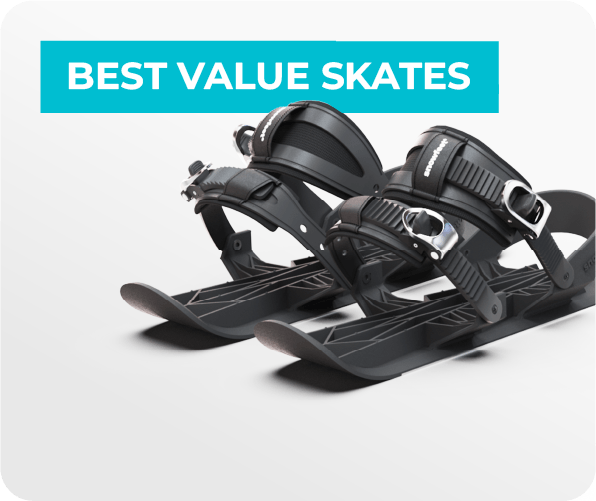
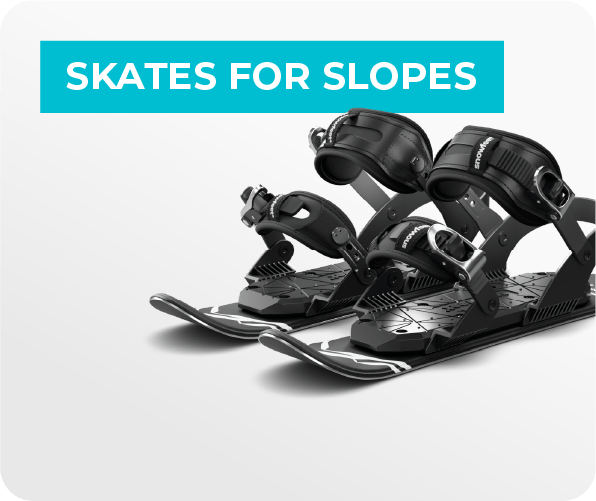
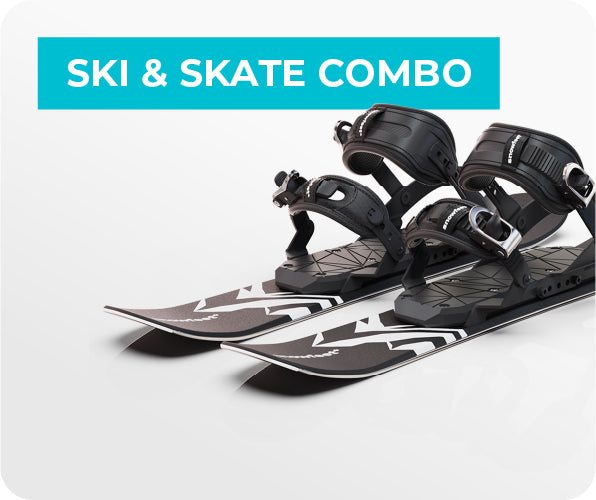
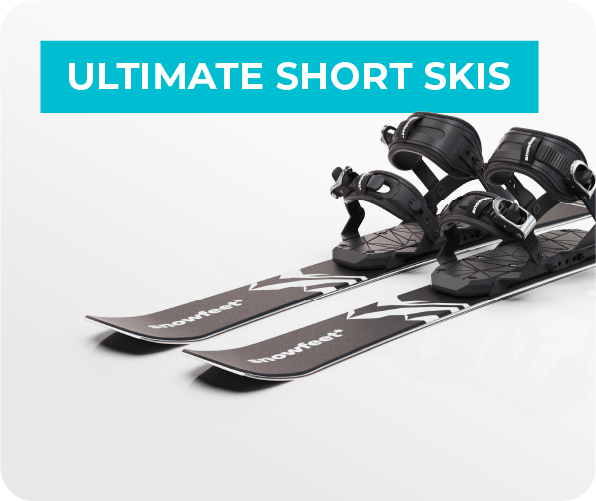
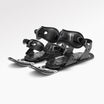
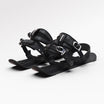
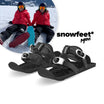
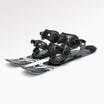
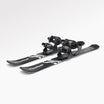
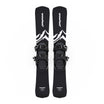
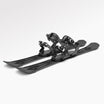
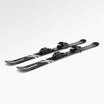
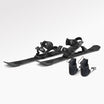
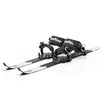
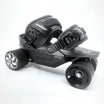
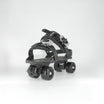
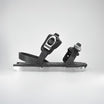
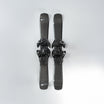

I’d pick Snowfeet* 65 cm Skiblades for a modern Bigfoot-style ride. But if you want a vintage pair, get a shop to confirm it can service the bindings before you buy. A low price won’t help if you can’t ride them.
Here’s how I’d weigh the three options:
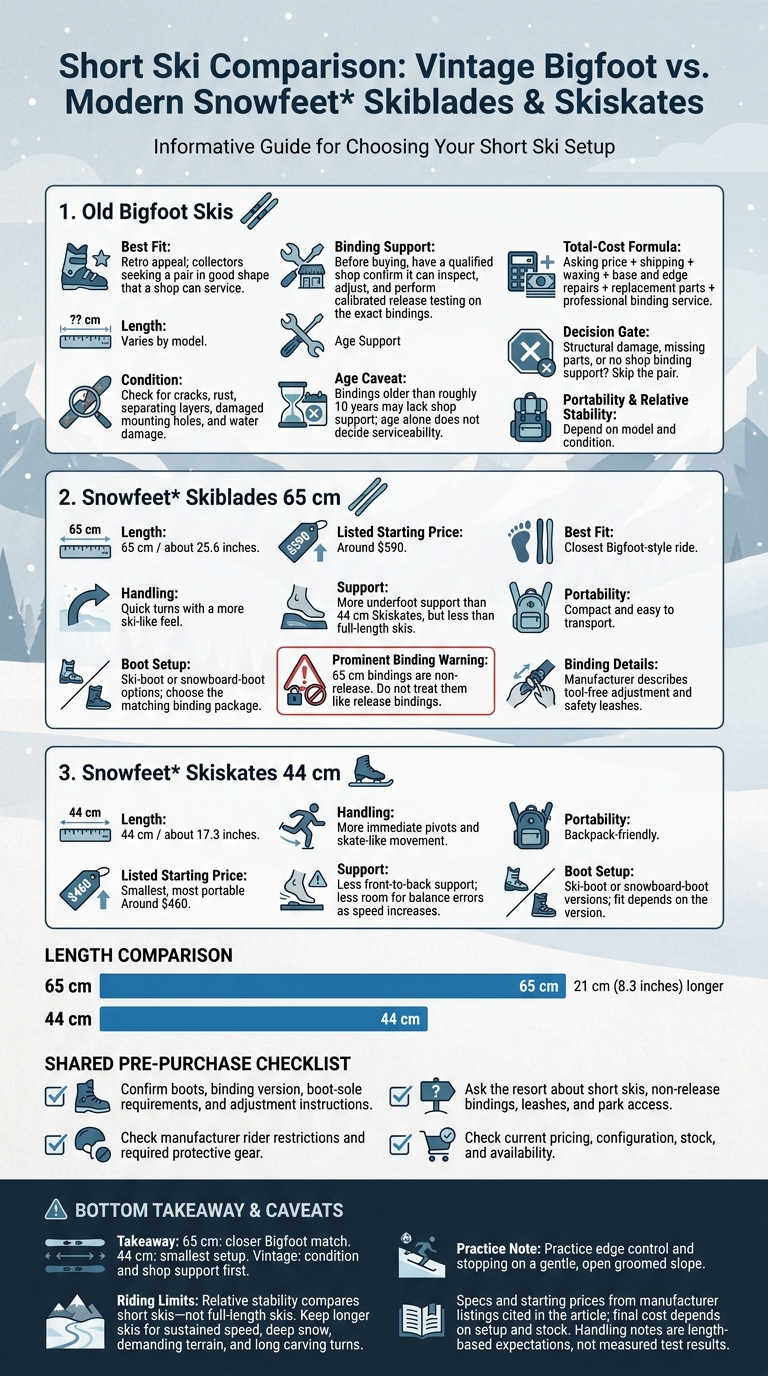
- Old Bigfoot skis: Best for the retro appeal. Check for cracks, rust, and separating layers. Add shipping, repairs, parts, and binding service to the price.
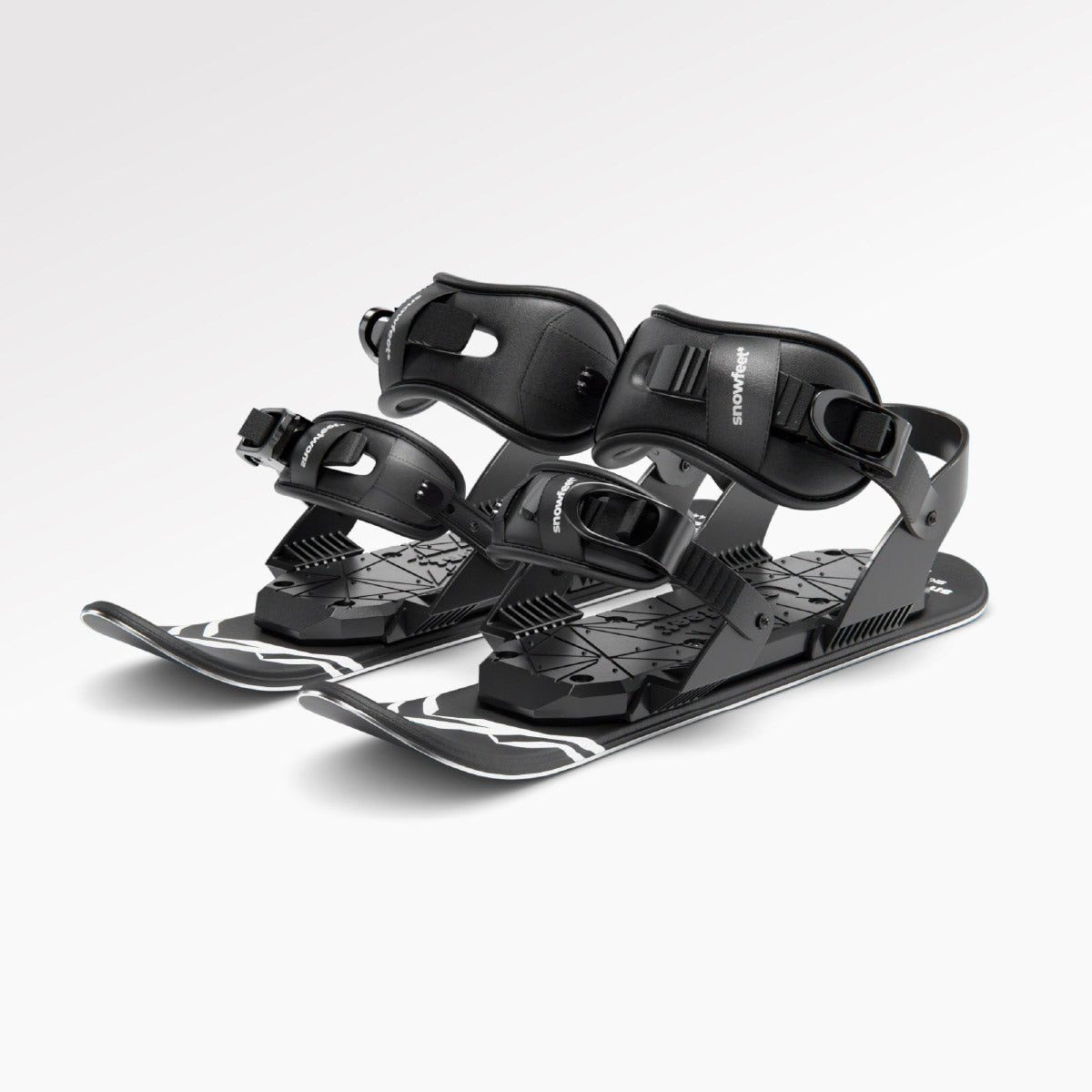
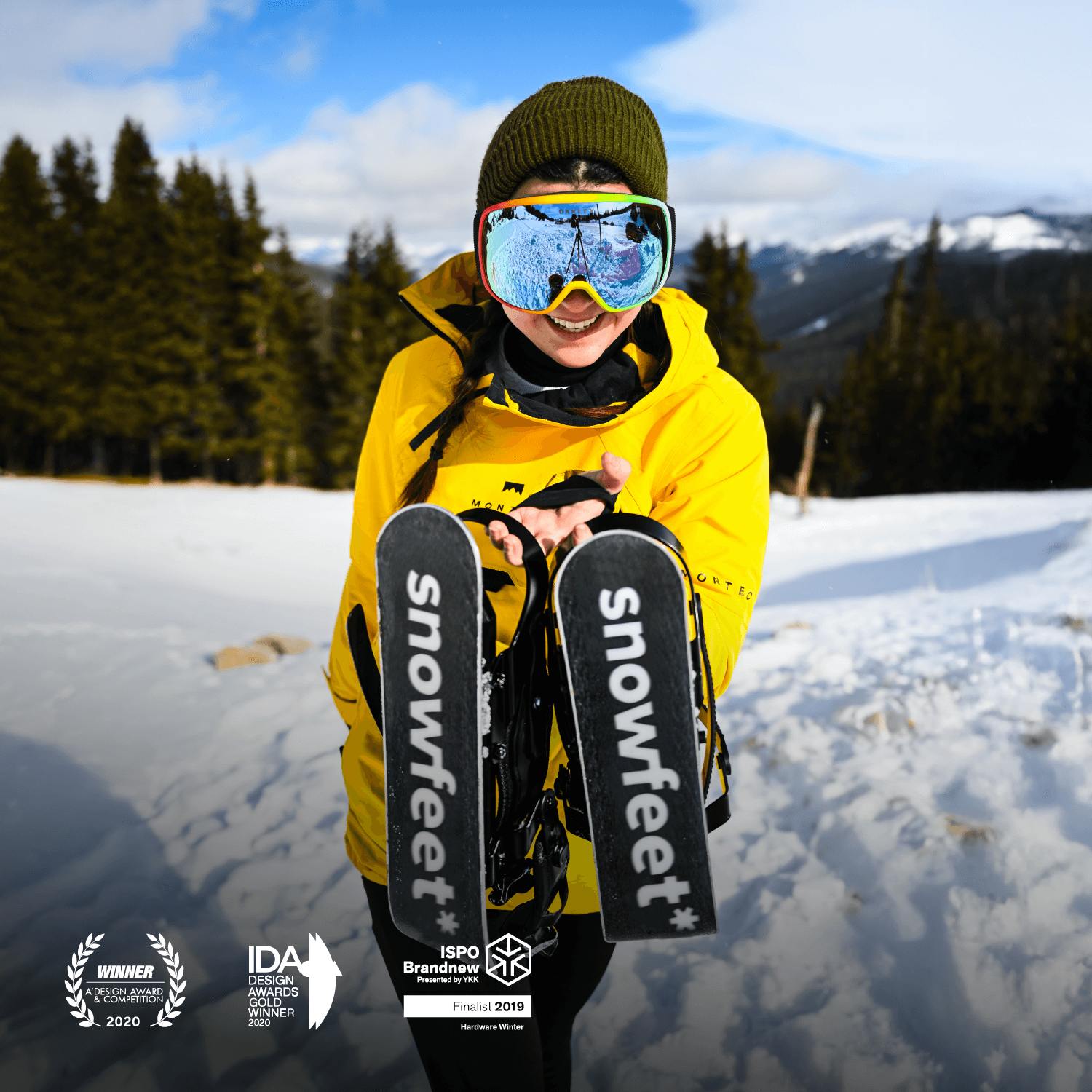
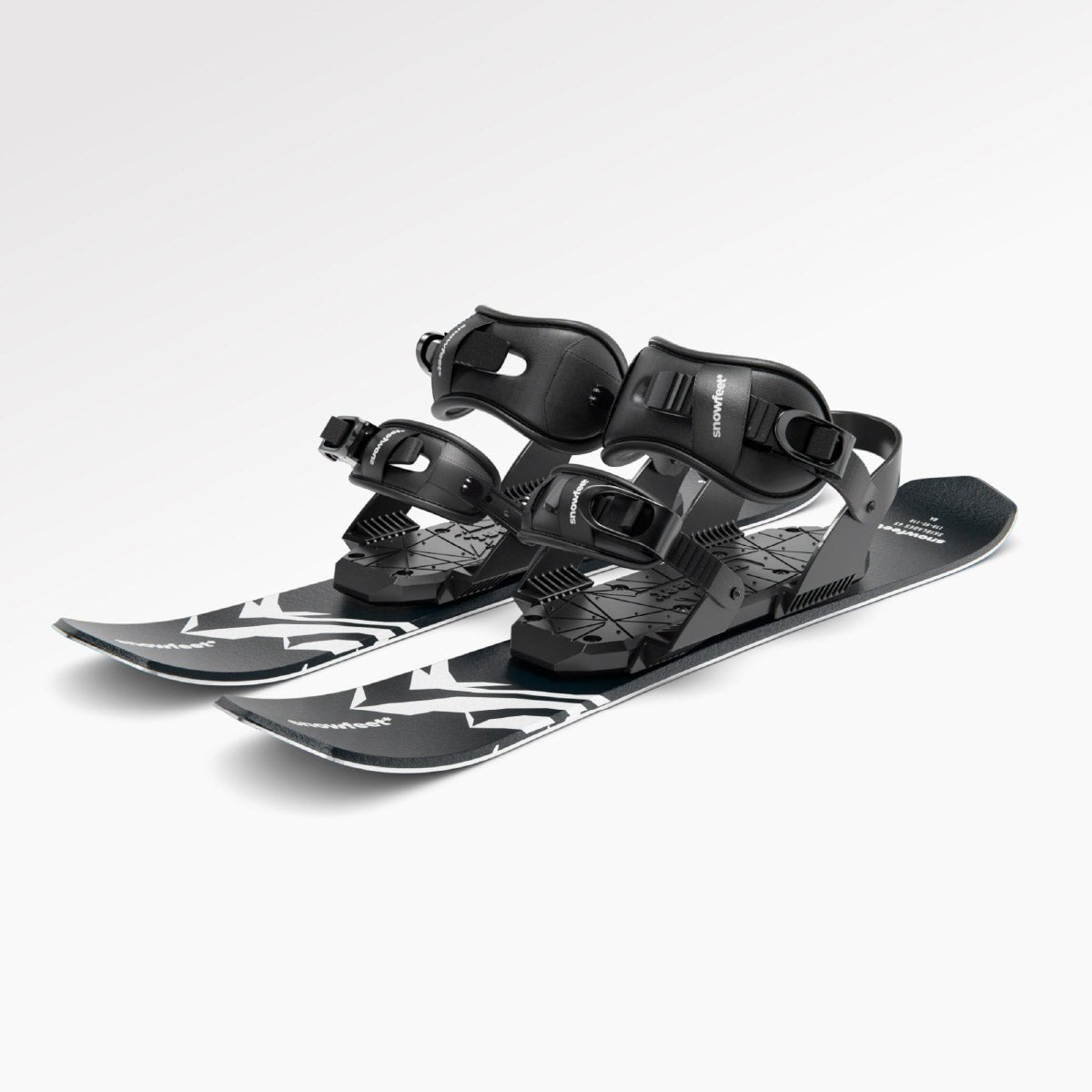
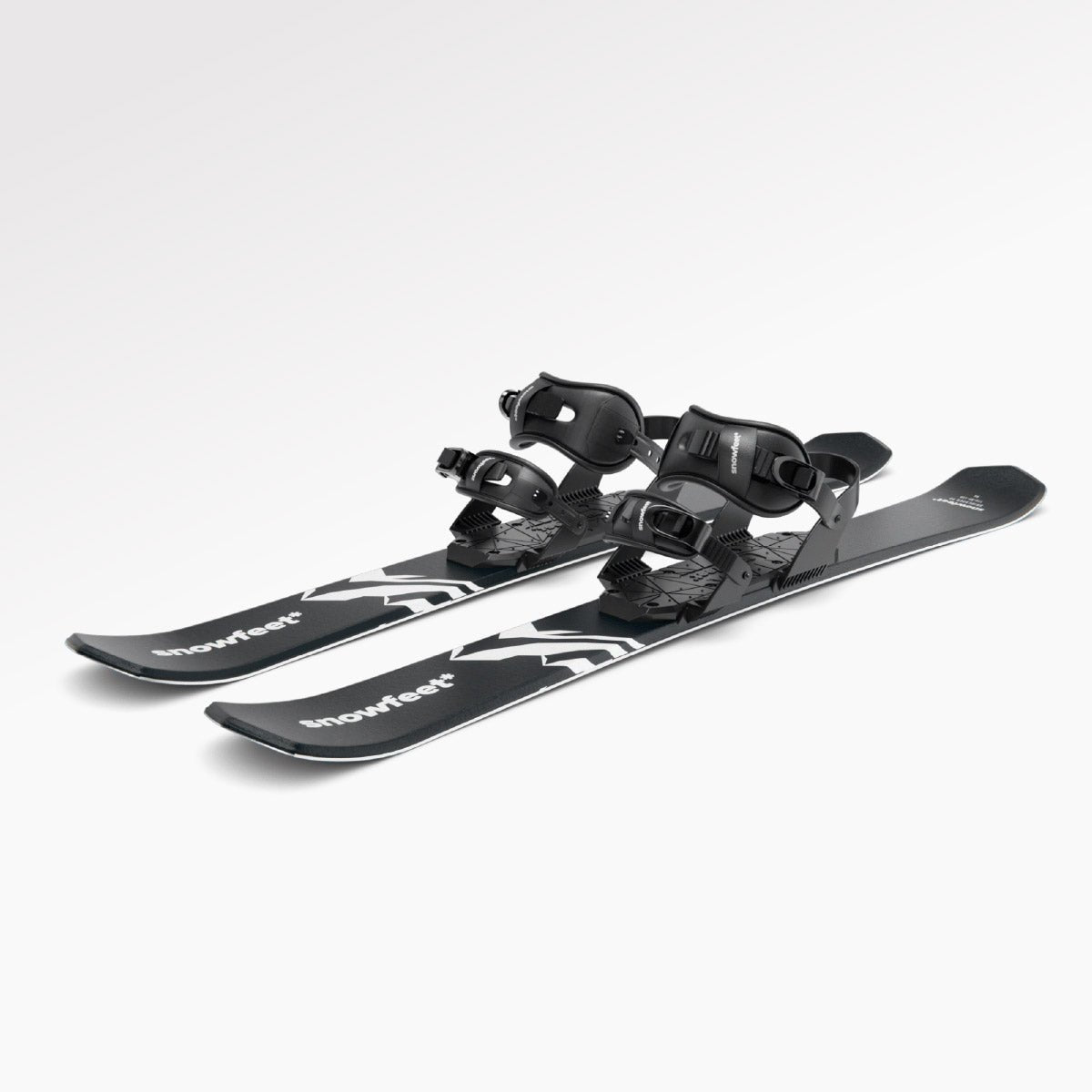
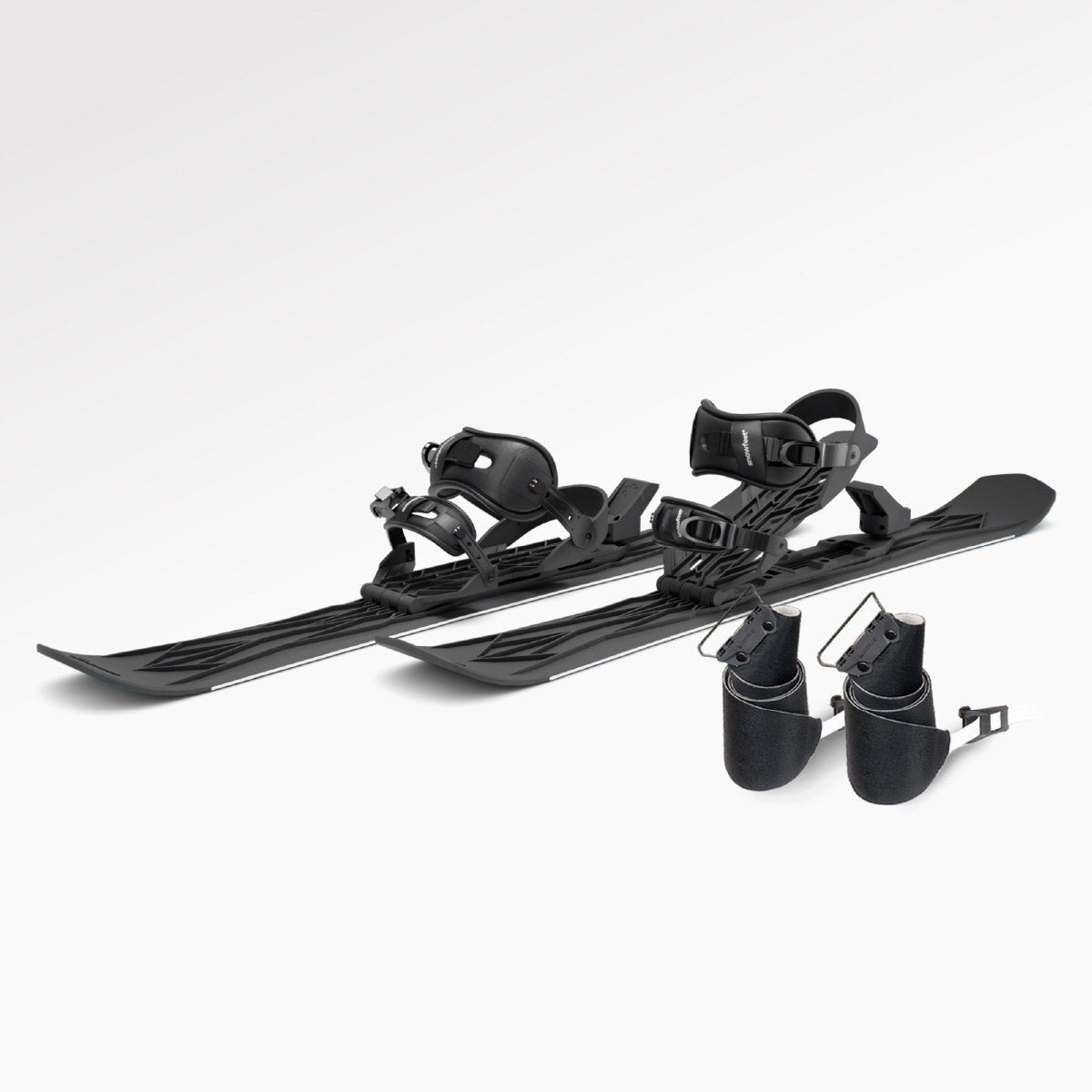
- 65 cm Skiblades: About 25.6 inches long, with more support than Skiskates and a more ski-like feel. Listed prices start around $590.
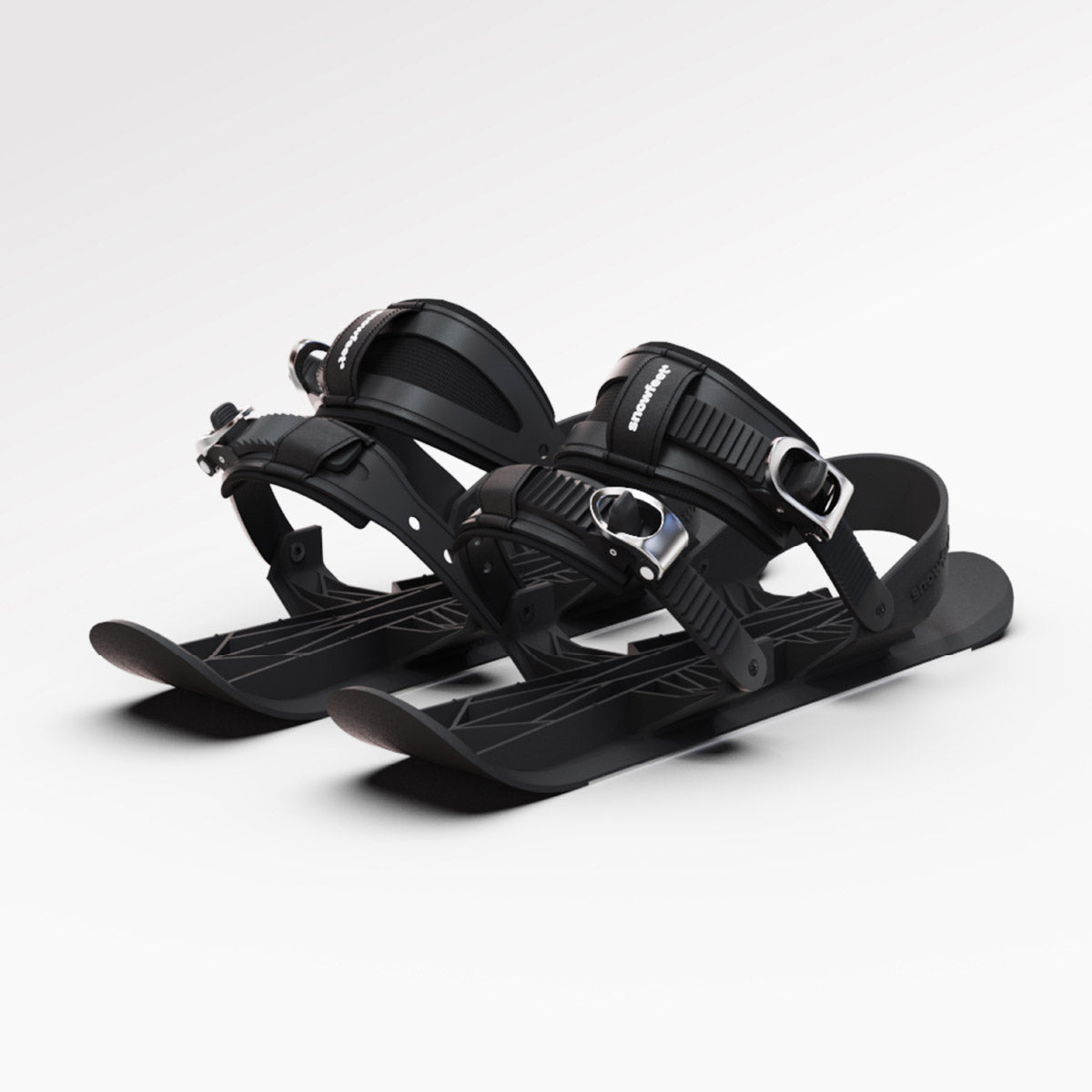
- 44 cm Skiskates: About 17.3 inches long, with skate-like handling and a backpack-friendly size. Listed prices start around $460.
<u>Check boots, bindings, and resort rules before spending.</u> Both Snowfeet* models offer ski-boot and snowboard-boot setups, but fit depends on the version. The 65 cm bindings are non-release - don’t expect them to work like release bindings on full-length skis.
My take? Choose 65 cm for the closer Bigfoot match or 44 cm for the smallest setup. Keep longer skis for sustained speed, deep snow, and long carving turns.
Old Bigfoot Skis vs. Snowfeet*: Which Fits Your Ride?
Snowboarder tries Snowfeet* | Which Snowfeet* Short Ski is the Best? | Snowblades 44, 65, 99 Review
Old Bigfoot Skis: Condition and Total Cost
Vintage Bigfoot skis can be fun, but most are a restoration project - not a ready-to-ride pair. The key is whether you can make them safe to ride at a price that makes sense. Ask for the exact model, measurements, binding details, repair history, and close-up photos. Check the ski structure first, then find out whether a shop can still service the bindings.
| Factor | Vintage Bigfoot skis | New Snowfeet* Skiblades / Skiskates |
|---|---|---|
| Condition uncertainty | Storage history, hidden damage, and missing parts may be unknown | New condition means less uncertainty |
| Binding support | Depends on the exact model, available parts, and shop policy | Published binding setups and boot-size ranges let you check fit before ordering |
| Maintenance | May need repairs, replacement hardware, and a professional inspection | Normal care rather than vintage restoration |
Check Bases, Edges, and Ski Structure
Look for deep gouges or exposed core; cracked, separating, or heavily rusted edges; delamination; damaged mounting holes; and topsheet or sidewall lifting or water damage.
Compare both skis for similar camber and flex. Gently check for soft spots or uneven resistance, and stop if you hear cracking or see layers separating. Minor scratches and light surface rust may be fixable. If the structure fails, stop there - the pair isn’t worth restoring.
Check Whether a Shop Can Service the Bindings
Check for cracked plastic, corrosion, sticky mechanisms, missing screws, damaged mounting plates, and bent brakes, if fitted.
Before buying, send the binding model, photos, and your boot details to a qualified shop. Ask whether it can inspect, adjust, and perform calibrated release testing on the bindings. Looks alone can’t tell you whether they’ll release as they should.
Bindings older than roughly 10 years may lack shop support, but age alone doesn’t decide whether they can be serviced.
Add Up the Full Used-Pair Cost
The asking price is just the start. Add up price + shipping + waxing + base and edge repairs + replacement parts + professional binding service.
Get repair quotes first. If parts are missing or the shop won’t service the bindings, skip the pair. If repairs or binding service push the total too high, Snowfeet* is the simpler buy.
For comparison, current Snowfeet* listings start around $460 for the 44 cm (about 17.3-inch) Skiskates and $590 for the 65 cm (about 25.6-inch) Skiblades. The final cost depends on the setup and stock.
Next, compare the 65 cm Skiblades and 44 cm Skiskates for the short-ski feel you want.
sbb-itb-17ade95
Snowfeet* Skiblades 65 cm vs. Skiskates 44 cm
If a used Bigfoot pair doesn’t pass the cost-and-condition check, these are the closest modern options. Choose Skiblades for a more ski-like ride; choose Skiskates for the smallest, most skate-like setup.
Specs come from manufacturer listings. Handling notes describe what to expect based on length.
| Comparison | Snowfeet* Skiblades 65 cm | Snowfeet* Skiskates 44 cm |
|---|---|---|
| Length | 65 cm / 25.6 inches | 44 cm / 17.3 inches |
| Binding type | Ski-boot or snowboard-boot options | Ski-boot or snowboard-boot versions |
| Turning feel | Quick turns with a more ski-like feel | More immediate pivots and skate-like movement |
| Stability at speed | More underfoot support than Skiskates, but less than full-length skis | Less room for balance errors as speed increases |
| Best for | Casual riders seeking the closest Bigfoot replacement | Riders who want compact size and skate-like handling |
The main difference? How much ski you want under your feet.
Skiblades 65 cm: The Closest Short-Ski Replacement
For a Bigfoot-like feel, 65 cm Skiblades are the closer match. Their extra 21 cm (8.3 inches) gives you more underfoot support and edge hold than Skiskates. They favor quick turns and playful slope or park riding, where allowed, rather than long, sweeping arcs.
Pick the ski-boot or snowboard-boot binding package that matches your boots. Snowfeet* describes the 65 cm bindings as tool-free adjustable and non-release, with safety leashes. Don’t treat them like release bindings.
Skiskates 44 cm: Compact Size and Skate-Like Handling
Skiskates put quick pivots ahead of a ski-like stance. Their shorter running surface can make pivots feel more immediate, but gives you less front-to-back support. They suit casual riders who want the smallest setup and skate-like handling rather than a closer Bigfoot replacement.
Check Boot Fit, Resort Rules, and Riding Limits
Confirm your chosen binding’s boot-sole requirements and adjustment steps with Snowfeet*. Check the manufacturer’s rider restrictions and required protective gear, too.
Before you travel, ask the resort about short skis, non-release bindings, leashes, and park access. Rules vary by mountain and riding area.
Practice edge control and stopping on a gentle, open groomed slope. Longer skis remain the better choice for sustained speed and long carving turns.
Conclusion: Which Snowfeet* Option Fits Your Riding?
For a retro setup, buy vintage Bigfoot skis only if they’re in good shape and a qualified shop confirms binding support. For casual riding without a restoration project, choose Snowfeet*: 65 cm for a more ski-like feel or 44 cm for the smallest, most portable setup.
| Decision factor | Vintage Bigfoot skis | Snowfeet* Skiblades 65 cm | Snowfeet* Skiskates 44 cm |
|---|---|---|---|
| Boot setup | Confirm boot compatibility and whether a shop can service the bindings | Ski or snowboard boots with matching bindings | Ski or snowboard boots with matching bindings |
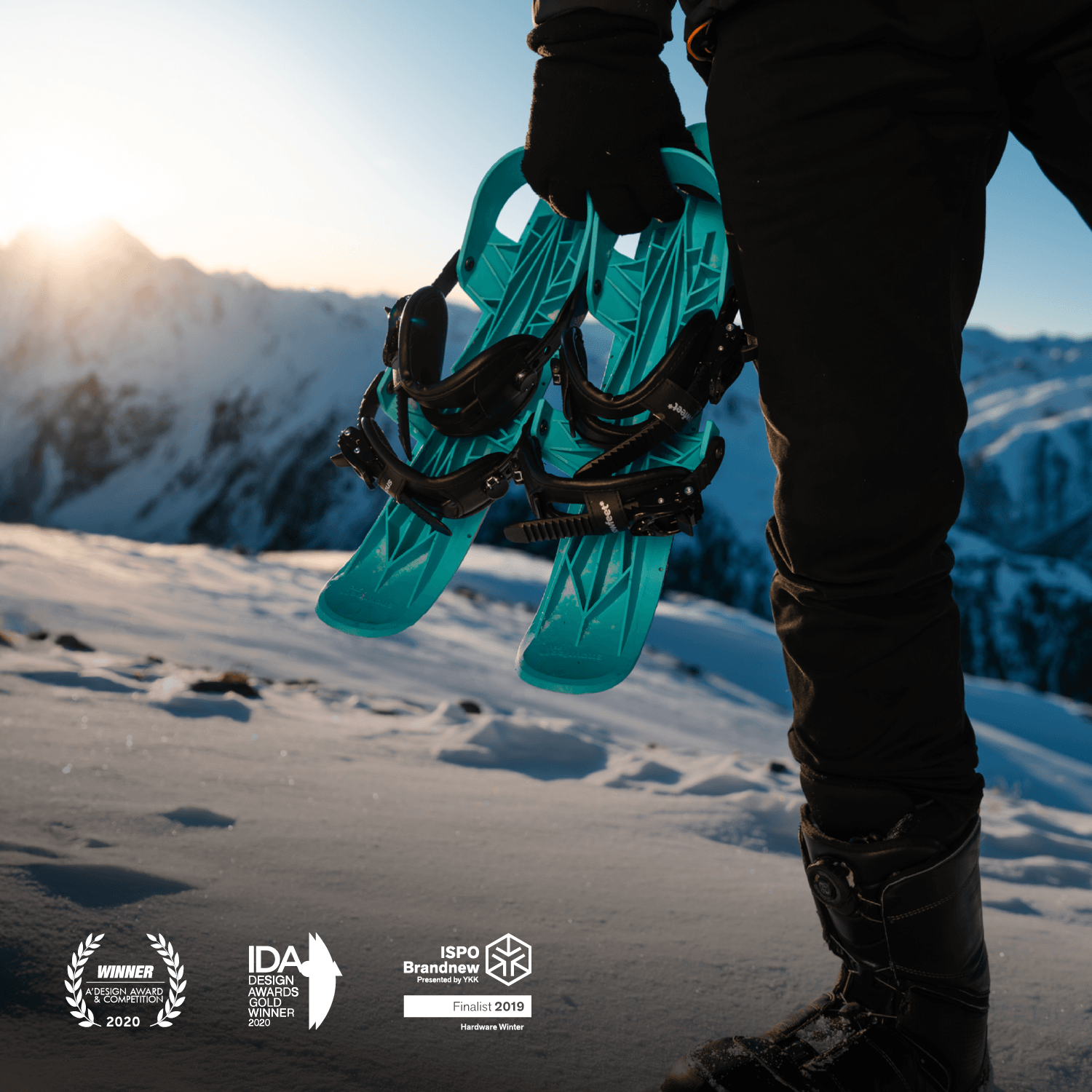
| Portability | Varies by model | Compact and easy to transport | Most compact and backpack-friendly |
| Relative stability | Depends on model, shape, and condition | More stable and ski-like than the 44 cm version | Less stable and more skate-like |
| Best fit | Collectors seeking a pair in good shape that a shop can service | Closest Bigfoot-style ride | Smallest, most portable setup |
Stability here means compared with other short skis - not full-length skis. Keep your long skis for sustained speed, deep snow, demanding terrain, and long carving turns.
Before ordering, check Snowfeet* pricing, configurations, boot compatibility, and availability.
FAQs
Are Snowfeet* short skis easy for beginners to learn?
_Yes, Snowfeet short skis and skiblades are generally easier to learn on than long skis._* They’re lighter, smaller, and easier to turn, which helps beginners build balance and control - often within a day.
Longer skis work better for high-speed carving and deep powder. But for casual resort riding, Snowfeet* offers an easy way to get started. The 44 cm (about 17-inch) Skiskates or 50 cm (about 20-inch) Snowfeet PRO are both good choices for newcomers.
How does my weight affect which Snowfeet* model I choose?
You don’t need to pick your Snowfeet* model based on weight. Unlike long skis, which need to match your height and weight, Snowfeet* models fit a broad range of riders.
Choose based on how and where you ride:
- 44 cm (17.3 in) Skiskates: For a skating feel.
- 65 cm (25.6 in) Skiblades: For playful riding and park tricks.
- 99 cm (39 in) Skiblades: For the best all-around stability and carving performance.
What should I know before using non-release bindings?
Non-release bindings don’t detach during a fall, which can put strong twisting forces on your legs. Vintage gear may also have worn-down materials or parts that shops no longer service. Check for rust, cracked plastic, and loose hardware. Make sure your boots fit the specific binding - an improper fit can be dangerous.
For better safety, reliability, and modern performance, Snowfeet* products offer updated, tested options in place of risky vintage gear.




Leave a comment
This site is protected by hCaptcha and the hCaptcha Privacy Policy and Terms of Service apply.