
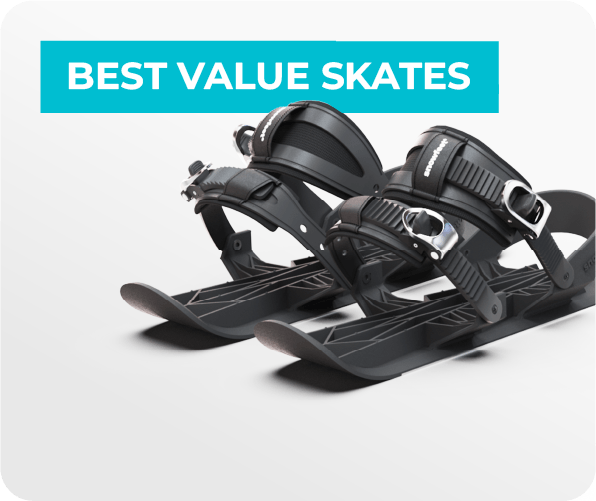
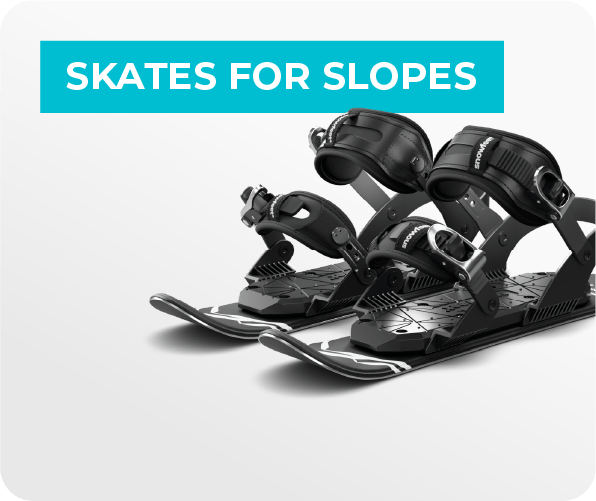
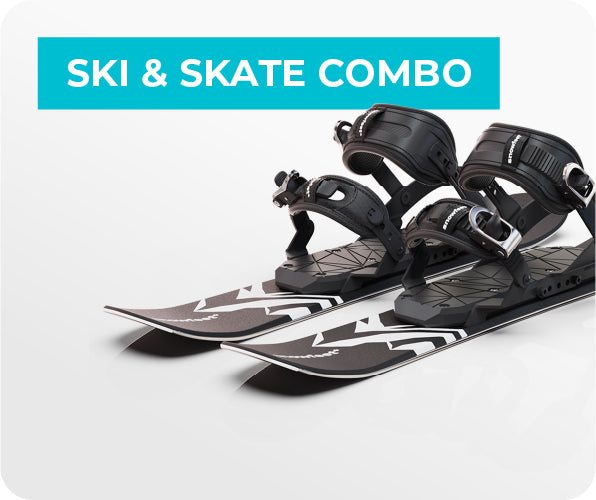
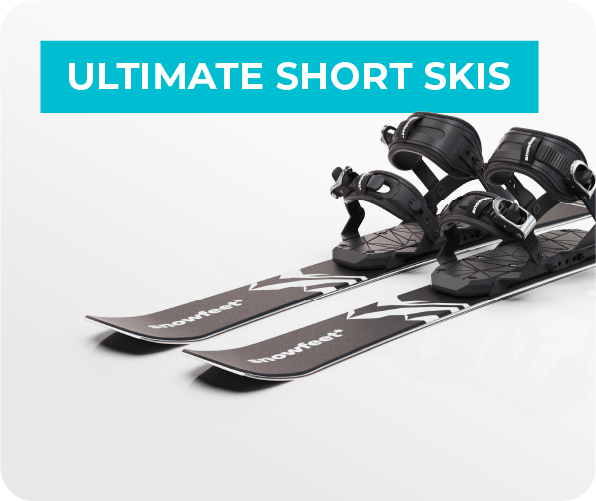
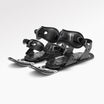
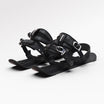
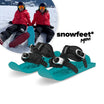
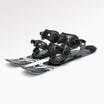
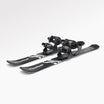
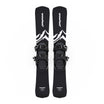
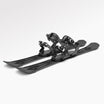
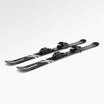
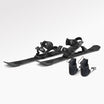
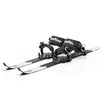
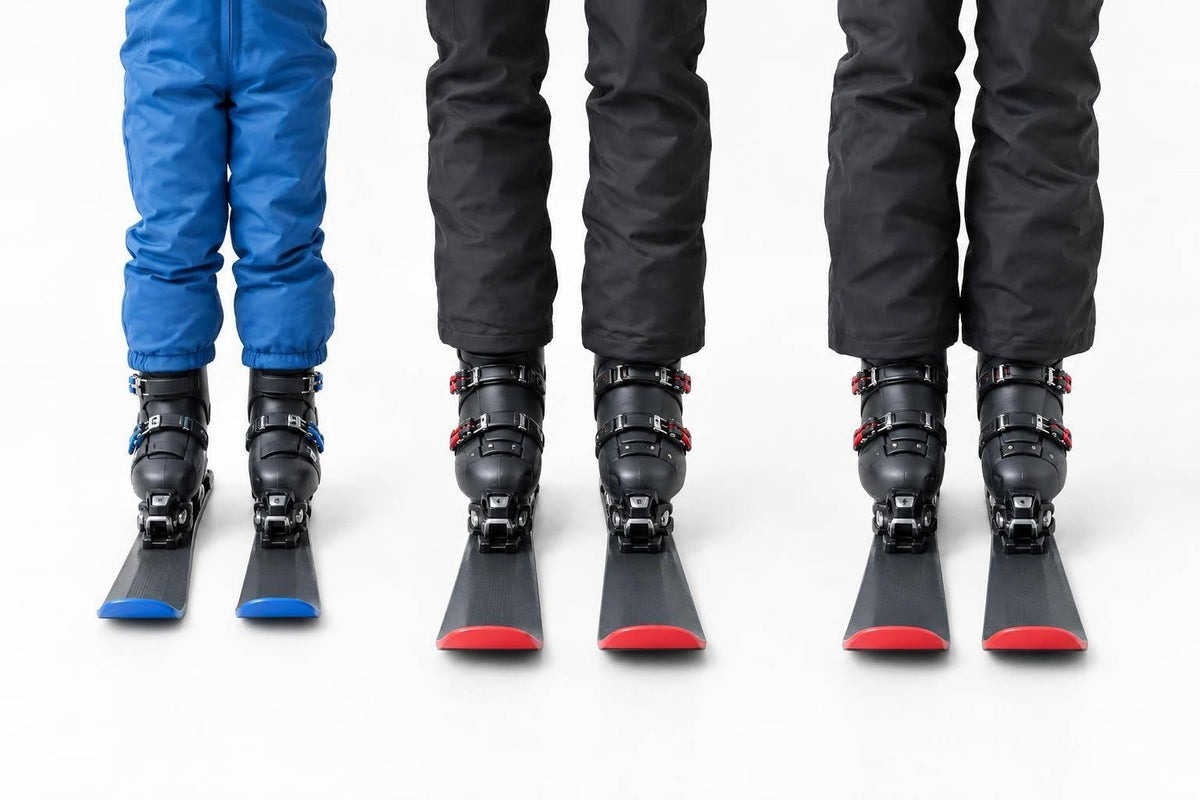
I’d plan one pair of short skis for each person riding at the same time. For a family of four, that means four pairs to ride together - or two pairs if you take turns and both setups fit the riders sharing them.
Here’s what I’d check before buying:
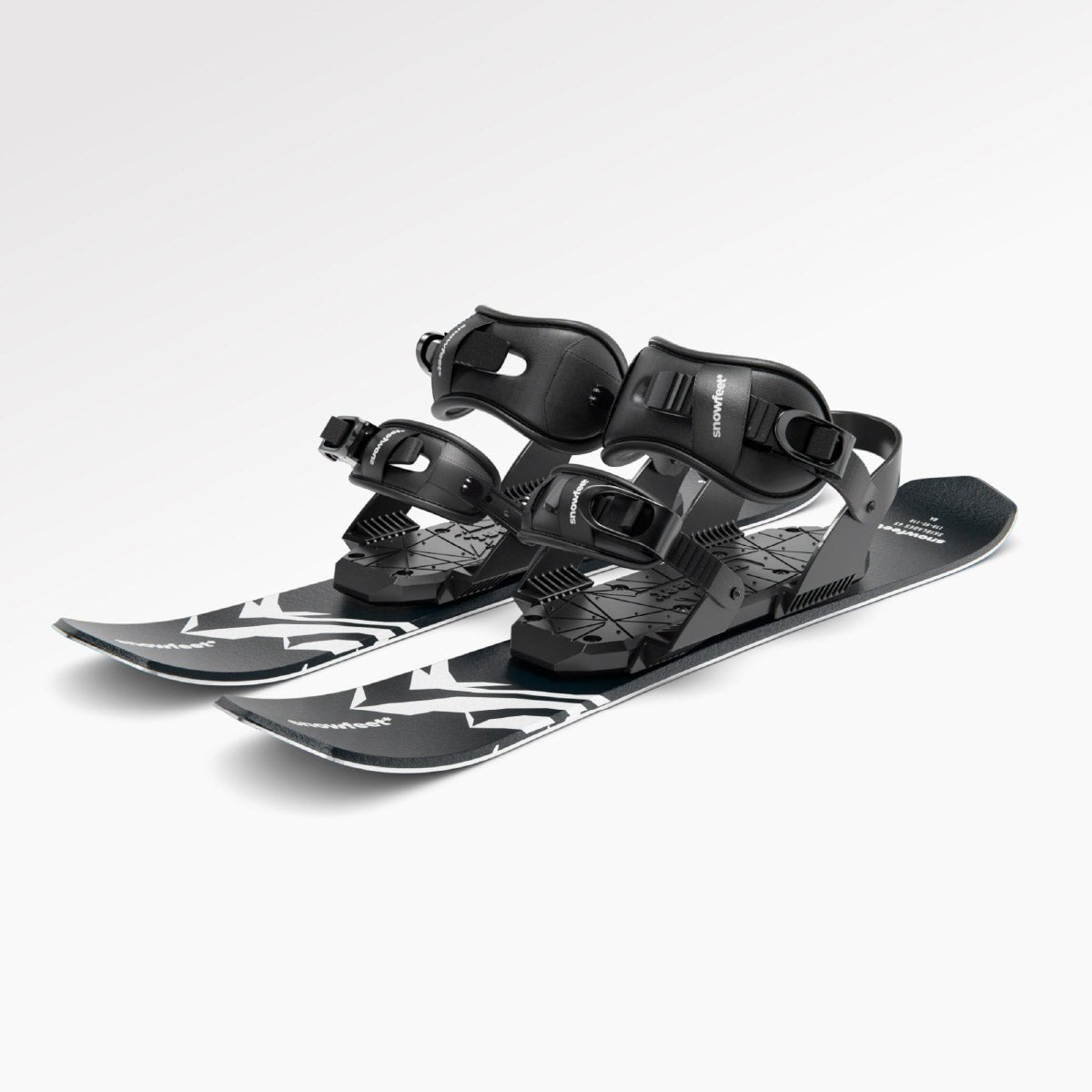
- Rider fit: Choose 65 cm (about 26 inches) or 99 cm (about 39 inches) based on size, skill, and terrain - not age alone.
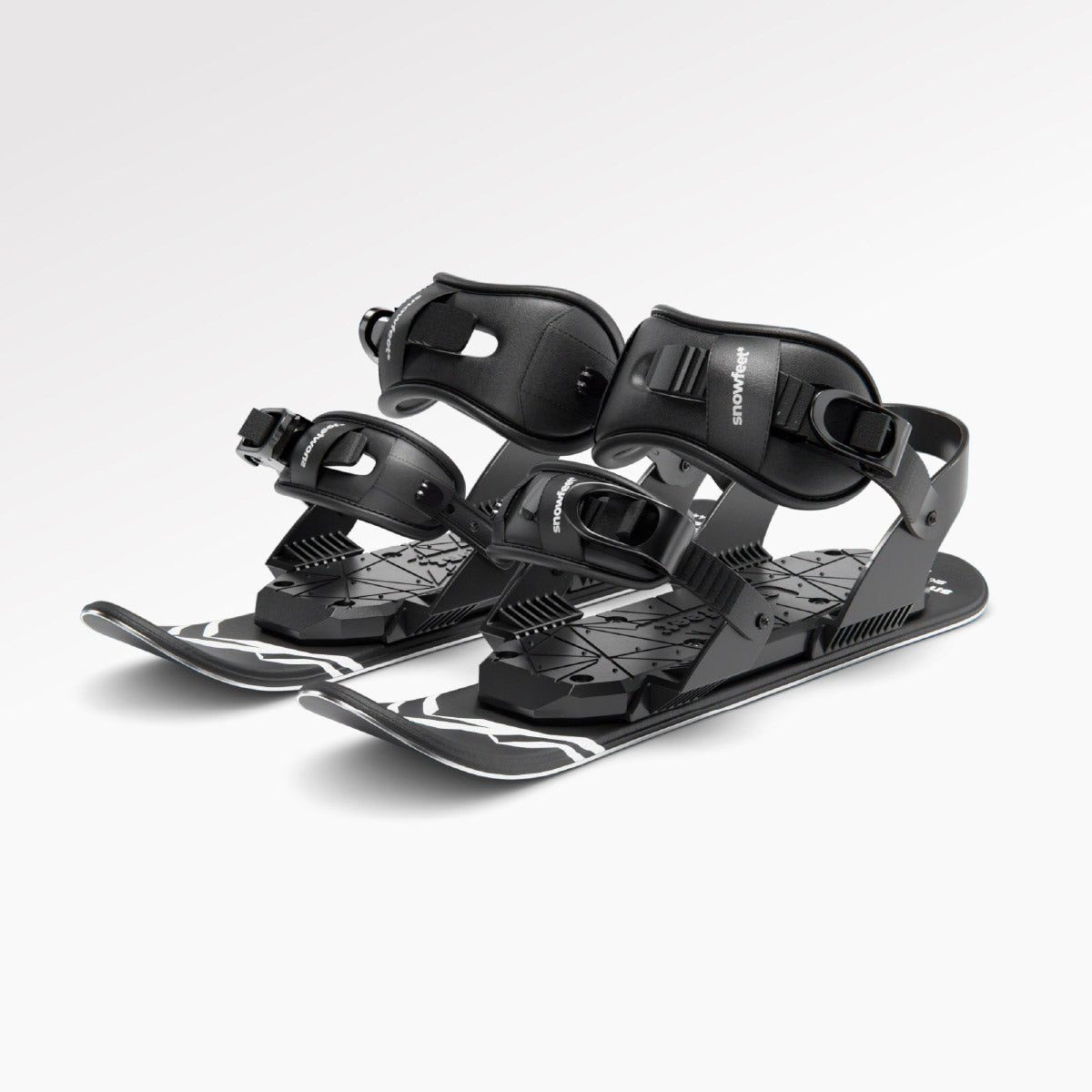
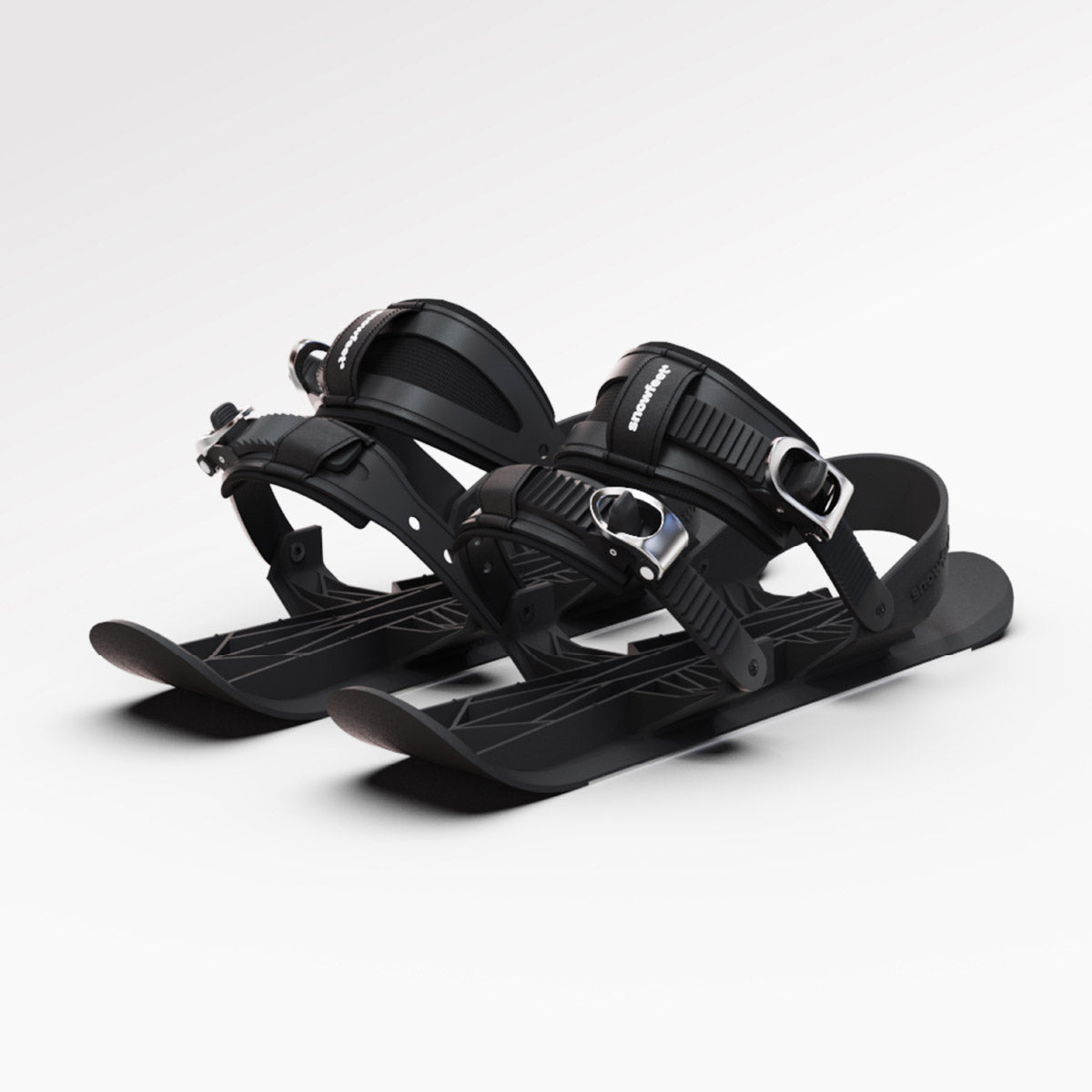
- Boots and bindings: Pick the version made for your ski or snowboard boots. Neither model takes regular winter shoes.
- Total cost: At the article’s sample price of $590 per 65 cm pair, two pairs cost $1,180 versus $2,360 for four. That’s 50% less for skiblades, but only two people can ride at once. Boots, safety gear, taxes, and shipping cost extra.
- Resort rules: Confirm that the resort allows your exact setup, including its bindings, leashes, or brakes.
My rule: check fit first, then count pairs. <u>Sharing only works when each rider fits the gear</u> - and no one minds waiting for a turn.
How to Choose the Best Skis for Kids
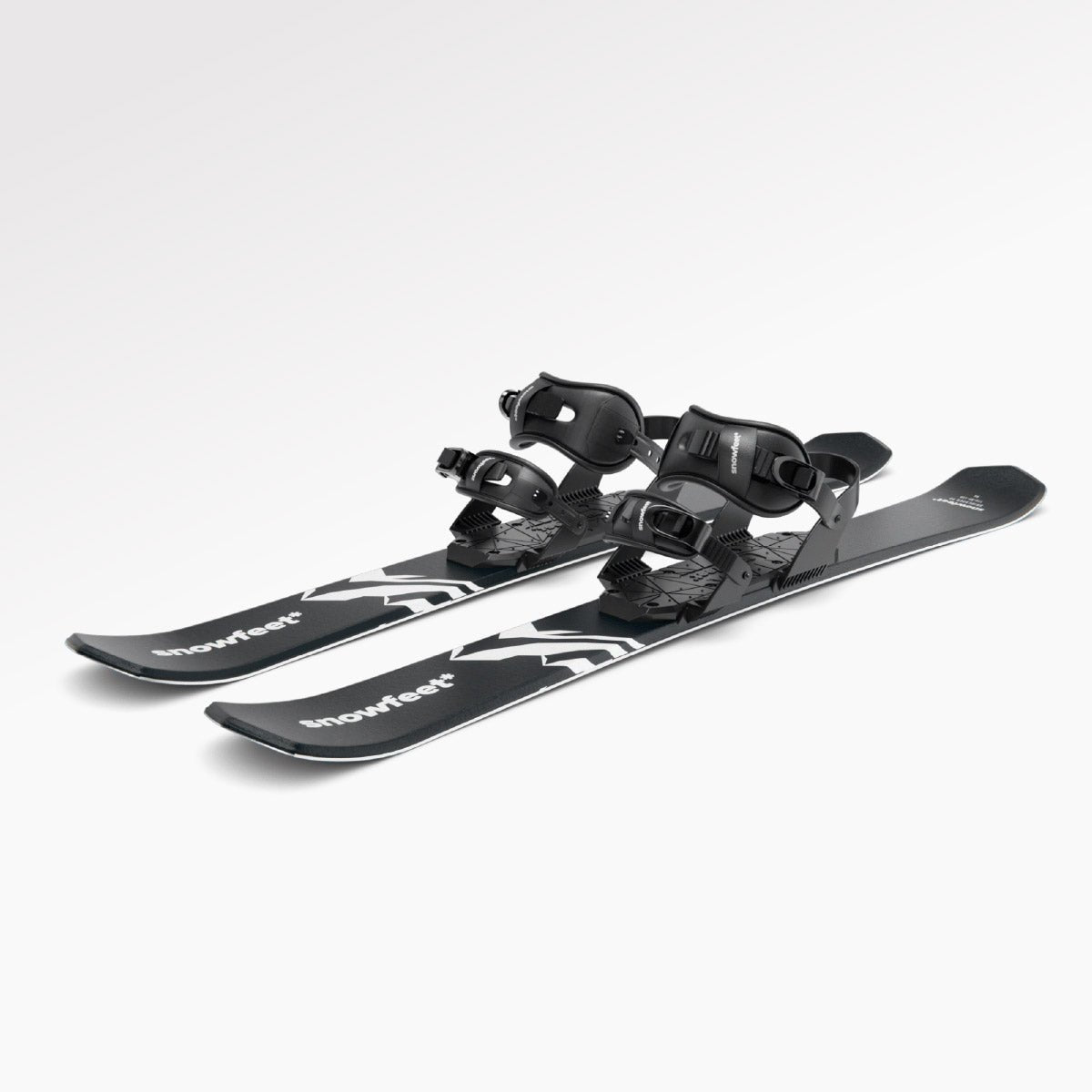
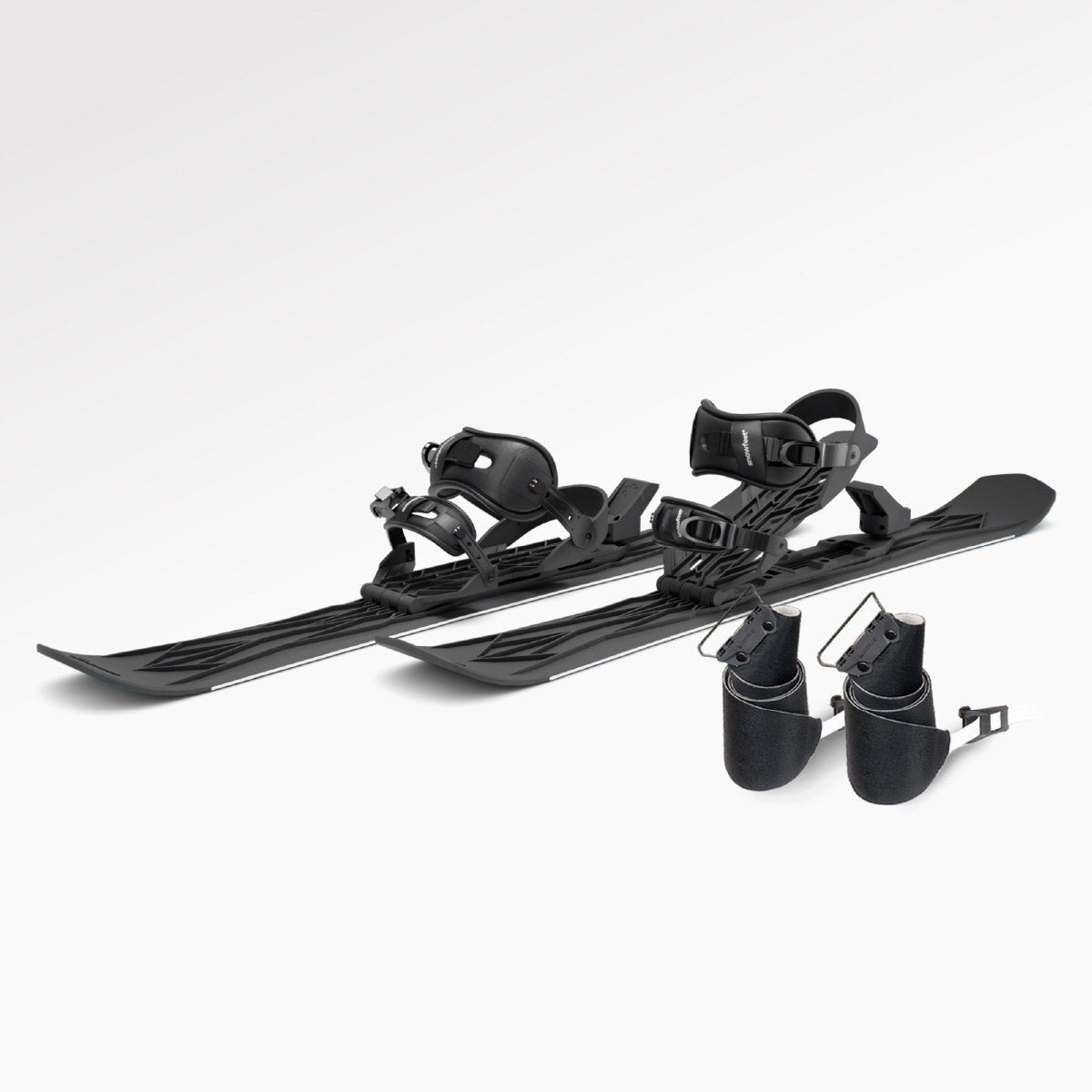
Match Snowfeet* Skiblades to Each Rider
Match each rider by height, weight, ability, terrain, boot size, and boot type - not age alone. Once everyone has a setup that fits, you can work out how many pairs your family needs.
Choose 65 cm or 99 cm Skiblades
Use this table to pick a starting length before counting pairs. Follow manufacturer guidance: these suggestions aren’t a sizing guarantee. The 65 cm model is about 26 inches long; the 99 cm model is about 39 inches.
| Rider profile | Suggested length | Boot type | Sharing suitability | Main limitation |
|---|---|---|---|---|
| Smaller beginner or child on groomed terrain | 65 cm | Ski or snowboard boots | With a similarly sized rider who meets fit requirements | Boot fit alone doesn’t confirm suitability |
| Average-size adult beginner | 65 cm; 99 cm for more stability | Ski or snowboard boots | With a rider of similar size and needs | Weigh easy turning against stability |
| Larger or heavier adult | 99 cm | Ski or snowboard boots | With another suitably sized rider | Check manufacturer limits before buying |
| Experienced rider seeking more stability | 99 cm | Ski or snowboard boots | With a compatible rider taking turns | Check suitability for the planned terrain |
Choose the right binding version when ordering. Don’t assume one binding works with both boot types.
Beginners should practice stopping, turning, and speed control on gentle, groomed terrain where skiblades are allowed. Riders who want more stability on faster or steeper groomed runs may prefer 99 cm. If someone is near a fit limit, get professional fitting advice rather than choosing by length alone.
Check Boot and Binding Fit Before Sharing
The listed boot ranges for both the 65 cm and 99 cm Skiblades are US 4.5–14.5 for ski boots and US 6–14.5 for snowboard boots. Before ordering, check these ranges against the exact product and binding setup. Neither model accepts regular winter shoes.
Check boot dimensions, sole shape, heel hold, toe clearance, and binding adjustment - not just US size. Riders can share only if both fit the same binding type and can adjust it fast and securely.
With fit checked, count which riders can take turns and which need their own pair.
Count Pairs for Families of 3, 4, and 5
Count only the riders who’ll be on the snow at the same time. Once each rider has a suitable length and binding, use the table below to work out how many pairs you need. Anyone watching from the base doesn’t need a pair.
Compare Full-Family, Shared, and Trial Setups
| Family size | Pairs for everyone riding together | Shared setup | Single-pair trial |
|---|---|---|---|
| 3 people | 3 pairs | 2 pairs | 1 pair for supervised individual use |
| 4 people | 4 pairs | 2–3 pairs | 1 pair for a trial |
| 5 people | 5 pairs | 2–3 pairs for scheduled turns | 1 pair for individual trials |
Sharing can mean buying fewer pairs. But you’ll need to schedule turns and have enough gear for everyone riding at once.
With two pairs, two riders can go at a time while the others wait for their turn.
Group Riders Who Can Share Equipment
Match each shared pair to riders it fits before you buy. Two pairs that fit their assigned riders let two people ride at once.
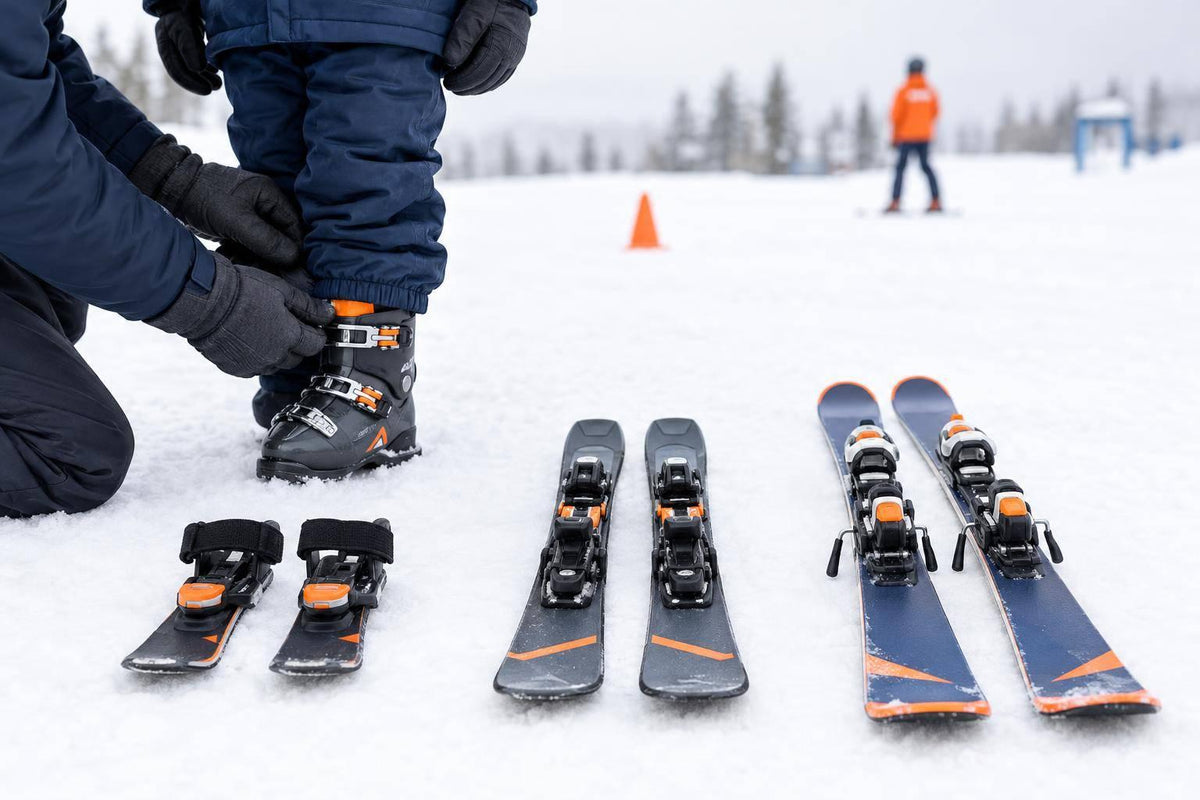
One 65 cm pair and one 99 cm pair may be a better match for a smaller beginner and a larger, more experienced adult.
Choose the mix that fits your riders, not just what’s easiest to order. Share only if both riders fit the same pair and can swap without much delay. Otherwise, plan on separate pairs.
Next, compare the cost of shared and individual setups.
sbb-itb-17ade95
Compare the Cost of Shared and Individual Pairs
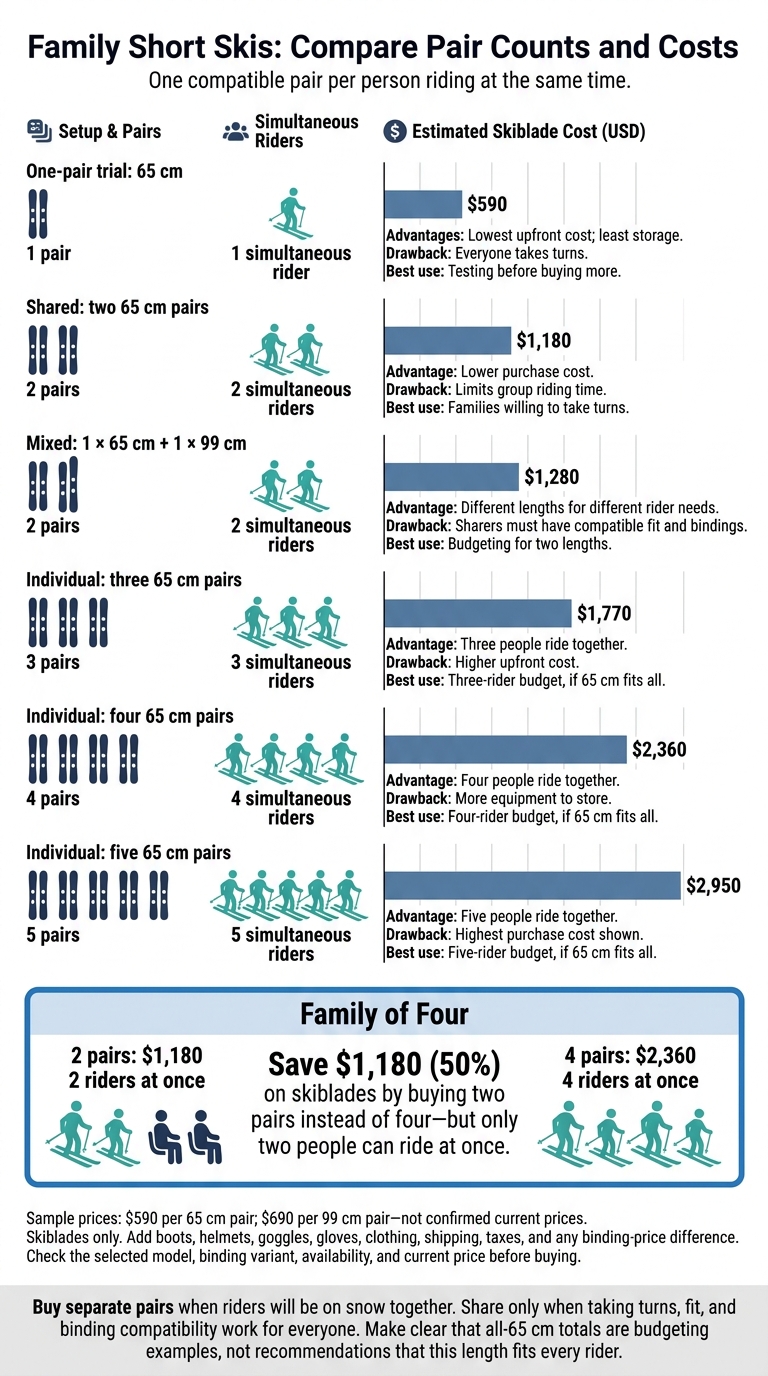
Family Short Skis: Compare Pair Counts and Costs
Start with how many riders need skiblades at the same time. Then compare the total cost of each setup.
Add Up Skiblades, Boots, and Safety Gear
Use $590 per 65 cm pair and $690 per 99 cm pair as sample prices - not confirmed current prices. These estimates cover skiblades only. Before buying, check the selected Snowfeet* model, binding variant, availability, and current price.
Here’s how a one-pair trial stacks up against shared and full-family setups.
| Setup | Pair count | Simultaneous riders | Estimated skiblade cost | Advantages | Drawbacks | Best use case |
|---|---|---|---|---|---|---|
| One-pair trial: 65 cm | 1 | 1 | $590 | Lowest upfront cost; least storage | Everyone takes turns | Testing before buying more |
| Shared: two 65 cm pairs | 2 | 2 | $1,180 | Lower purchase cost | Limits group riding time | Families willing to take turns |
| Mixed: 1 × 65 cm + 1 × 99 cm | 2 | 2 | $1,280 | Different lengths for different rider needs | Sharers must have compatible fit and bindings | Budgeting for two lengths |
| Individual: three 65 cm pairs | 3 | 3 | $1,770 | Three people ride together | Higher upfront cost | Three-rider budget, if 65 cm fits all |
| Individual: four 65 cm pairs | 4 | 4 | $2,360 | Four people ride together | More equipment to store | Four-rider budget, if 65 cm fits all |
| Individual: five 65 cm pairs | 5 | 5 | $2,950 | Five people ride together | Highest purchase cost shown | Five-rider budget, if 65 cm fits all |
Add boots, helmets, goggles, gloves, clothing, shipping, taxes, and any binding-price difference to your total. Check boot compatibility and binding type before sharing.
Weigh Cost Against Ride Time
For a family of four, two 65 cm pairs cost about $1,180 versus $2,360 for four pairs, saving $1,180 before boots, shipping, taxes, and binding differences.
Sharing costs less, but each person gets less ride time. Separate pairs mean less waiting and fewer fit adjustments.
Buy separate pairs when riders will be on snow together. Share only when taking turns, fit, and binding compatibility work for everyone.
Conclusion: Check Fit and Resort Rules Before Buying
Once you’ve compared costs, check fit and resort rules before you buy. Plan on one compatible pair for each rider who’ll be on the snow at the same time. Buy fewer pairs only if riders will take turns and can use the same boot and binding setup.
Not sure how much use they’ll get? Start with one pair after you confirm fit and resort rules. Add more only if your family rides often enough to make the cost worthwhile.
Use this checklist to decide whether to share one setup or buy separate pairs.
Use This Pre-Purchase Checklist
- [ ] Record each rider’s fit details: US boot size, boot type, height, weight, ability, and planned terrain.
- [ ] Choose each rider’s length: Use manufacturer guidance to select 65 cm (about 26 inches) or 99 cm (about 39 inches) Skiblades - not age alone.
- [ ] Check the exact binding: Confirm boot compatibility, fit limits, binding type, and a secure hold at the heel and toe.
- [ ] Ask the resort before you travel: Confirm the exact model, binding setup, and rules for leashes, brakes, and lifts. Save the reply.
- [ ] Check safety gear and adjustments: Follow manufacturer instructions, secure fasteners, and provide protective gear. Consult a qualified ski technician if needed.
After every rider change, recheck the fit. Test the setup at low speed on flat ground or a gentle slope with few people.
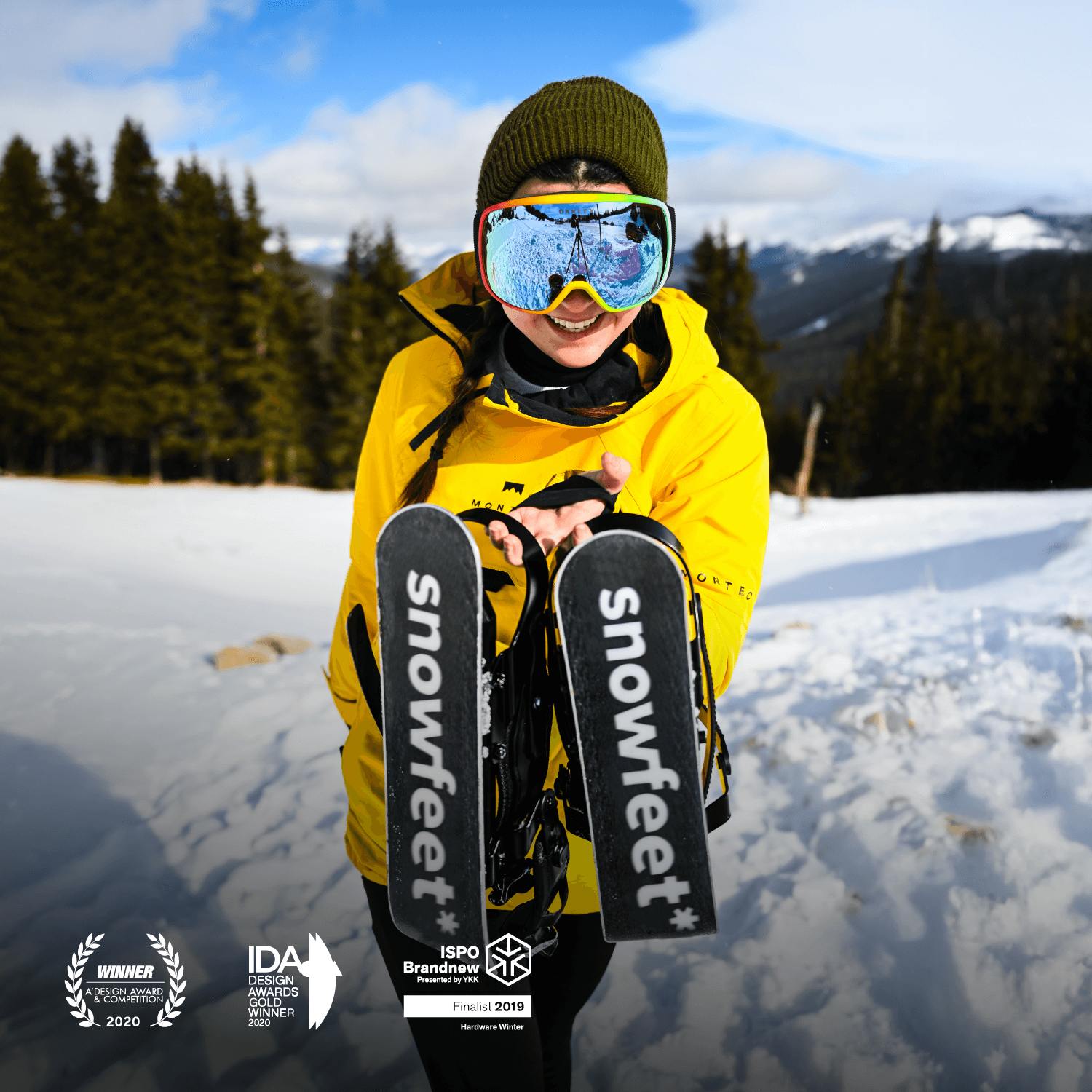
For most families, Snowfeet* is a practical short-ski setup to share when the fit works for everyone. Its compact size makes taking turns simpler and storage easier.
FAQs
When is buying extra pairs worth the cost?
Extra pairs can pay for themselves if you ski often. Savings on rentals, baggage fees, and resort add-ons can soon cover the purchase price. Owning your gear also means less time in rental lines.
Sharing Snowfeet* saves space and money. But extra pairs make sense when you want to ride together - or when skill levels and terrain choices call for different lengths to keep everyone safe and comfortable.
Can my child outgrow shared Snowfeet* Skiblades?
Yes. Use your child’s height, weight, and skill level - not age to decide when they need a longer model. Frequent wobbling or a need for more support, control, or flotation in mixed snow may mean they’ve outgrown their setup.
For example, as a child grows and skis faster, they may move from MINI KIDS to 44 cm (about 17 in) Skiskates or 65 cm (about 26 in) Skiblades. Choose gear for their needs now, not for future growth.
What should I ask a resort before bringing skiblades?
Ask the resort whether skiblades or short skis are allowed on its lifts and trails. Rules vary by mountain.
Check whether your model needs edges, heel brakes, or leashes. Also ask about limits on binding types and footwear. Boot and binding compatibility matters for safety.
Bring your Snowfeet product specs so staff can review your exact model and binding details.



Leave a comment
This site is protected by hCaptcha and the hCaptcha Privacy Policy and Terms of Service apply.