




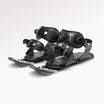
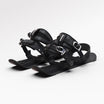
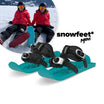
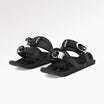
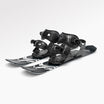
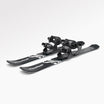
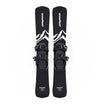
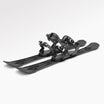
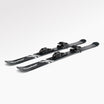
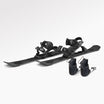
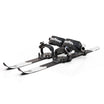
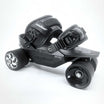
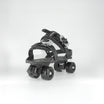
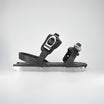
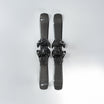
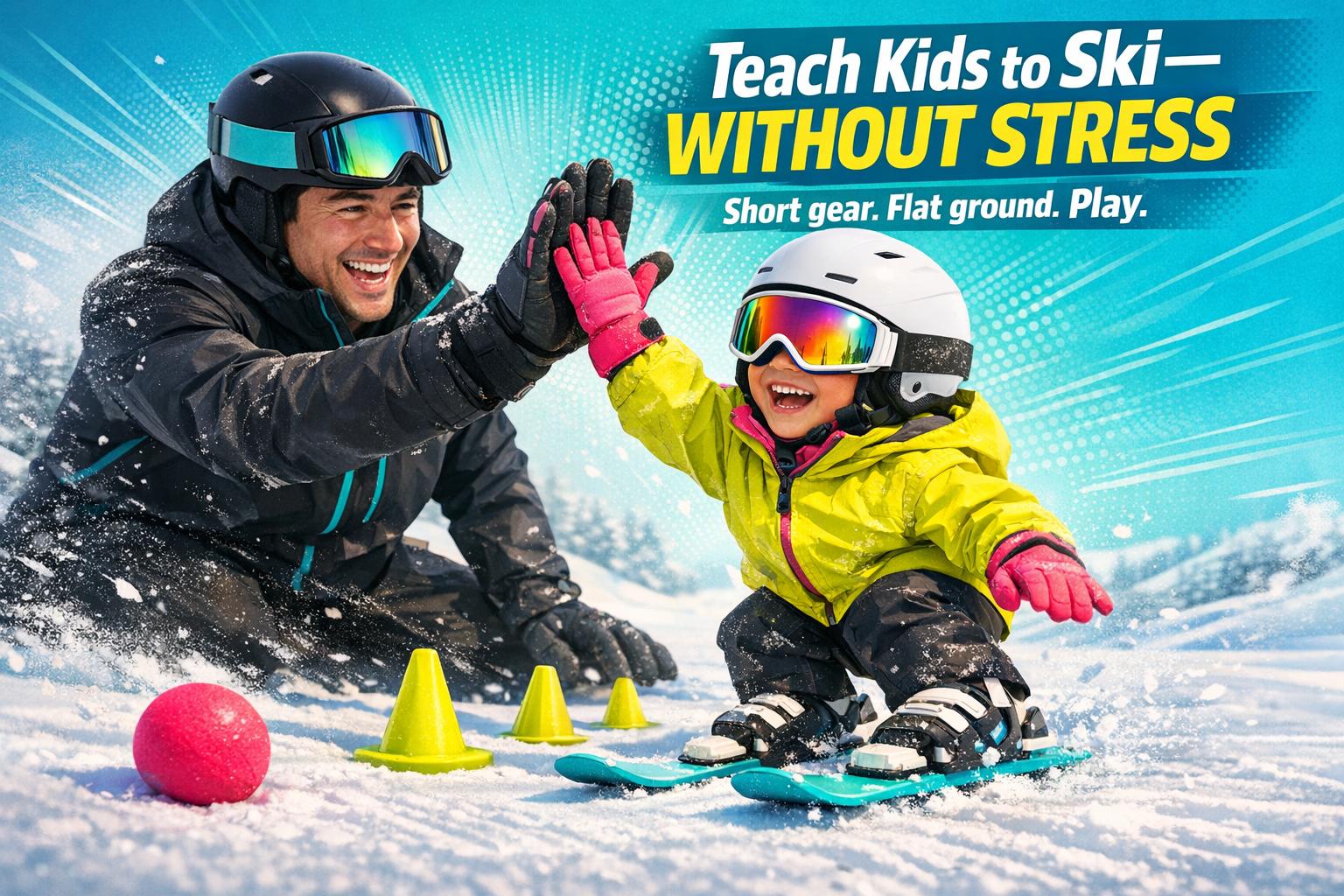
If you want skiing to be fun for your whole family, ditch the long, heavy skis and complicated setups. Short skis, like those from Snowfeet, make learning easier, safer, and way less stressful. Here's why they’re perfect for beginners:
- Easier to Control: Shorter length means better balance and smoother turns.
- Safer for Kids and Adults: Slower speeds and less strain on knees and ankles.
- No Ski Boots Needed: Many models work with regular winter boots or snowboard boots.
- Affordable: One-time purchase saves you hundreds on rentals.
- Travel-Friendly: Compact enough to fit in a suitcase - no ski racks or oversized bags required.
Snowfeet offers options for everyone, from kids to adults, with lengths ranging from 38 cm to 120 cm. Whether you're on groomed slopes or sledding hills, these skis are designed to make skiing fun and approachable for families. Keep reading to learn how to pick the right model, get started, and enjoy your first season with ease!
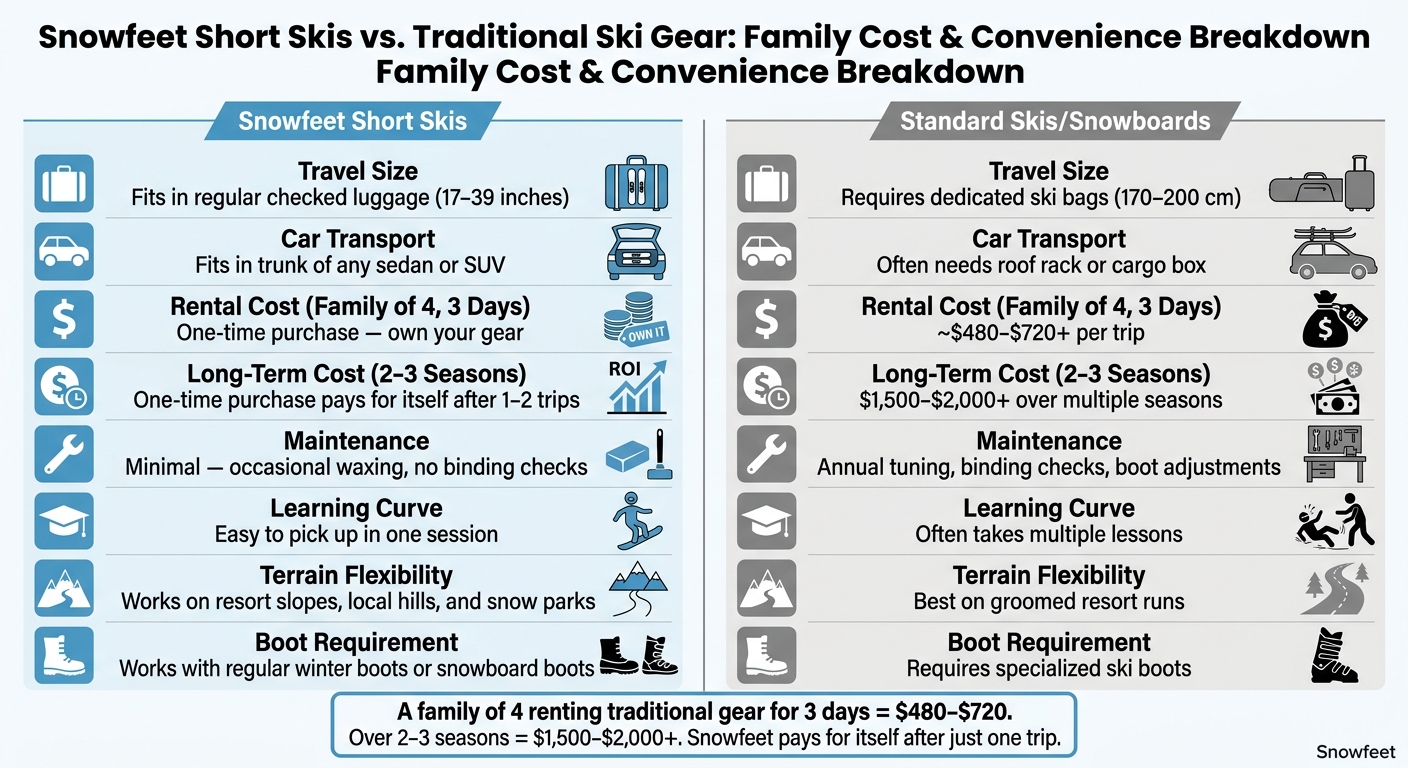
Snowfeet Short Skis vs. Traditional Ski Gear: Family Cost & Convenience Breakdown
How Short Skis Make Learning Easier for Families
Better Balance and Easier Turns
Picture this: you're a beginner trying to manage traditional skis that are anywhere from 140 to 170 cm long. It's a lot of ski to handle, especially when you're just trying to stay upright. Enter Snowfeet* short skis, which range from the compact 44 cm Skiskates to the 99 cm mini skis. These shorter skis keep your weight naturally centered, making balance easier and turns smoother. With less ski to control, beginners avoid common struggles like crossed tips or catching edges. The reduced leverage also makes shifting your weight side to side feel more natural.
Ski instructors often report that beginners can link basic turns after just one or two sessions. For families, this means less frustration and more fun - especially for kids who want to spend their time skiing rather than struggling to figure it out. Improved control builds confidence, which is essential for overcoming the fear that often comes with learning a new sport.
Less Fear, Faster Progress
Long skis can be intimidating, especially for beginners. They pick up speed quickly, making falls more dramatic and, frankly, scarier. Snowfeet* short skis change the game. Their compact size allows for quick, controlled turns, helping skiers manage their speed before it gets out of hand. And if you do take a tumble, it’s usually less intense. With less ski to twist or catch, there’s reduced strain on knees and ankles.
"Super easy to control, quick to turn, and way more forgiving than traditional skis. I felt comfortable on them within just a few runs." - Brad Tolin
That kind of confidence can be a game-changer. It’s often the difference between a family that tries skiing once and one that makes it an annual tradition with Snowfeet* in tow.
Features That Work for the Whole Family
Short skis don’t just make skiing easier - they make it more enjoyable for the whole family. With Snowfeet* skis, parents can ski right alongside their kids, hold their hands as they learn, or even position themselves directly in front of their little ones without worrying about getting tangled up.
Since these skis require less leg strength to control, younger kids can ski longer without getting too tired, avoiding those mid-mountain meltdowns. Plus, Snowfeet* offers a variety of lengths to suit everyone’s needs. Little ones can start with Skiskates, while older kids and adults might prefer the 65 cm Skiblades. This flexibility ensures everyone has gear that matches their size and confidence level.
And here’s the best part: when the whole family uses similar equipment, parents can easily demonstrate techniques that kids can mimic. It creates a more unified, fun experience on the slopes, making Snowfeet* the perfect choice for family ski adventures.
Are Short Skis Better for Beginners?
How to Pick the Right Snowfeet* Gear for Your Family
Snowfeet* is all about simplicity and fun, but picking the right gear for your family is the first step to making the most of your time on the slopes.
Match Your Gear to Your Terrain
Snowfeet* gear is designed for specific skiing experiences, so choosing the right model for your terrain is important. Unlike traditional skis, Snowfeet* offers compact, easy-to-use options tailored for different conditions and skill levels.
- Groomed Slopes: The 65 cm Skiblades are perfect here. They’re responsive and provide great control on packed snow.
- Gentle Hills or Sledding Areas: For kids or beginners, the 38 cm Mini Ski Skates or 44 cm Skiskates are great choices. They’re compact, playful, and easy to manage.
- Powder and Off-Piste: If you’re heading for deeper, ungroomed snow, the 99 cm Snowfeet POWDER model is your go-to. It’s built to float on soft powder, making off-piste skiing feel effortless.
Size and Model Guide by Age and Skill Level
The right gear depends on the skier’s age, size, and experience. Here’s a quick guide to help you decide:
| Model | Length | Best For | Price (From) |
|---|---|---|---|
| Mini Ski Skates | 38 cm | Young children, first-timers | $250 |
| Snowfeet PRO | 50 cm | Kids stepping up from 38 cm | $275 |
| Skiskates | 44 cm | Kids and beginners on gentle slopes | $575 |
| Skiblades | 65 cm | Older kids, teens, confident beginners | $635 |
| Skiblades / POWDER | 99 cm | Adults, intermediate skiers | $675 |
| Short Skis | 120 cm | Adults wanting a more traditional feel | $775 |
For younger kids, the lightweight 38 cm Mini Ski Skates are a fantastic starting point. Teens and adults who are new to skiing often prefer the 65 cm Skiblades, as they strike a great balance - stable yet easy to handle.
Once you’ve picked the right size, it’s time to think about bindings and boots.
Bindings and Boot Compatibility
One of the standout features of Snowfeet* gear is its boot compatibility. Unlike traditional ski setups, Snowfeet* gear keeps things simple:
- 38 cm Mini Ski Skates and 44 cm Skiskates: These models use a strap-binding system that works with regular winter boots or snowboard boots. No need for special ski boots!
- 99 cm Skiblades/POWDER: Designed for standard alpine ski boots, these provide the leverage and safety release needed for longer blades.
Snowfeet* bindings are adjustable, so they can fit multiple family members. This flexibility is a game-changer for families, making it easy to share gear throughout the day. Less hassle, more fun!
sbb-itb-17ade95
Snowfeet* Short Skis vs. Standard Ski Gear
Snowfeet* short skis bring some clear perks to the table compared to traditional ski gear. Let’s break down how they shine in terms of portability, cost savings, and ease of learning.
Easier to Pack and Carry
Traditional skis for adults are typically 55 to 70+ inches long, while snowboards aren't much shorter. Transporting these requires bulky ski bags, roof racks, or cargo boxes, which can quickly add to your travel expenses. Snowfeet* short skis, on the other hand, range from just 17 to 39 inches in length. That means they can fit diagonally inside a standard 28–30 inch checked suitcase - no extra gear bags or racks needed.
For families flying to ski destinations, this is a game-changer. You can distribute a couple of pairs across your regular luggage, avoiding those pesky ski bag fees. Plus, kids can easily sling their short skis over their shoulders, leaving parents free to wrangle toddlers or carry other essentials.
"They're lightweight and much easier to carry around than full-size skis." - Brad Tolin
Cost and Maintenance
Renting traditional ski gear can get pricey fast. Adults typically pay $40–$70 per day, while kids' rentals run $30–$50. For a family of four skiing three days, that’s a whopping $480–$720. Over two or three seasons, those costs can climb to $1,500–$2,000 or more.
With Snowfeet*, you’re looking at a one-time purchase that pays for itself after just a trip or two. Maintenance is also a breeze. Many models come pre-waxed, base damage is rare, and you won’t need to deal with annual binding checks or adjustments for growing kids.
And here’s the kicker: these skis make it easier to pick up skills, which means fewer lessons and more time enjoying the slopes.
Faster Learning Across More Terrain
Short skis are much simpler to learn on, making them a confidence booster for beginners. Because they’re shorter, they’re easier to control, and mistakes don’t feel as punishing. Adults who might feel overwhelmed by traditional skis often find the smaller platform (25–39 inches) much more approachable - almost like wearing sturdy boots rather than heavy equipment.
The difference is even bigger when compared to snowboarding. Snowboards lock both feet onto a single platform, requiring you to master tricky heel-to-toe transitions. That usually means more falls and frustration early on. With Snowfeet*, each foot moves independently, so it feels more natural from the start. This lets beginners focus on balance and direction, rather than wrestling with their gear. Plus, once you’ve got the hang of it, you can take these short skis anywhere - from groomed resort slopes to your neighborhood sledding hill - without needing to relearn a thing.
| Factor | Snowfeet* Short Skis | Standard Skis / Snowboards |
|---|---|---|
| Travel size | Fits in regular checked luggage | Requires dedicated ski bags (170–200 cm) |
| Car transport | Fits in trunk of any sedan or SUV | Often needs roof rack |
| Rental cost (family of 4, 3 days) | N/A - own your gear | ~$480–$720+ per trip |
| Maintenance | Minimal upkeep, occasional waxing | Annual tuning, binding checks, boot adjustments |
| Learning curve | Easy to pick up in one session | Often takes multiple lessons |
| Terrain flexibility | Works on slopes, local hills, and snow parks | Best on groomed resort runs |
Getting Started: Tips for Your First Season with Snowfeet*
How to Fit and Adjust Your Snowfeet* Gear
Getting your Snowfeet* gear fitted properly is a must before you hit the slopes. The folks at Snowfeet* suggest making all binding adjustments at home, where you can take your time and avoid the stress of doing it in the cold or on uneven terrain.
"To avoid hassle on the slopes, take your time and adjust the bindings at the comfort of your home, using a screwdriver and a shoe you are going to wear." - Snowfeet
Start by gathering the shoes or boots you’ll be wearing on the slopes. Adjust the toe and ankle straps using a screwdriver to ensure a snug fit. If you’re using snowboard boots, they can provide added security and support. Got straps that are too long? No problem - just tighten them by switching to a closer hole and trim any extra material. It’s a quick and easy fix, and you’re good to go.
Once everything fits just right, you’re ready to dive into the basics and start building your confidence on the slopes.
Basic Skills to Learn First
Snowfeet* are known for having a quick learning curve, but you’ll still want to start with the basics. Here’s what to focus on first: keep your feet shoulder-width apart, bend your knees slightly, and lean forward just a bit to stay balanced.
Keep your weight centered over the middle or back of your feet - leaning too far forward can throw you off. When it’s time to move, alternate your strides to glide forward smoothly.
Stopping is easy with the built-in heel brake, but once you feel more comfortable, try learning the hockey stop for a sharper, more dynamic way to halt. Turning works similarly to traditional skiing: use your edges and bend your knees to guide your direction. You’ll find it’s a lot like skiing, just with less bulky gear to manage.
"If you don't put too much pressure on how quickly you learn, then everyone has a great time and stays safe." - Peter Novom, Manager of the Ski & Ride program at Okemo Mountain
For your first few outings, stick to groomed beginner slopes. Steep runs and deep powder can wait until you’ve nailed stopping and turning.
Safety Gear and Resort Rules
Safety first! Always wear a helmet - head injuries can happen even at low speeds. Before each run, double-check that your bindings are secure. Afterward, wipe down the metal edges of your Snowfeet* to keep rust at bay.
Waterproof shoes or snowboard boots are a smart choice, offering extra ankle support and keeping your feet dry.
Another tip: avoid skiing late in the afternoon. By 2:00–3:00 PM, slopes often get icy, and fatigue can set in, increasing the chances of falls. Early morning sessions on freshly groomed runs are perfect for beginners and families.
When you’re at the resort, treat your Snowfeet* like regular skis when using ski lifts. Most resorts are fine with short skis, but it’s always a good idea to check their specific policies ahead of time. Following these simple safety steps will help ensure a smooth and enjoyable experience for everyone in your group.
Conclusion: Why Snowfeet* Is the Right Choice for Families
Finding the right ski gear for your family doesn’t have to break the bank or feel overwhelming. While traditional ski setups can be pricey and tricky to manage, Snowfeet* offers a simpler, safer alternative. With their short ski design, speeds stay manageable, and beginners gain control right from the start. That means a smoother, less stressful learning experience for everyone.
On top of that, Snowfeet* is incredibly convenient for travel. The gear is lightweight and compact enough to fit in a backpack, works with your regular winter boots, and eliminates the need for bulky racks or extra bags. It’s skiing made easy for families on the go!
FAQs
Are Snowfeet* allowed on most ski resort lifts?
Most ski resorts allow Snowfeet products on their lifts. That said, it’s always a good idea to double-check with your specific resort ahead of time since policies can differ.
Which Snowfeet* length is best for my child’s age and size?
The best Snowfeet* length for your child depends on their height and skill level. For younger kids, the 44 cm (Skiskates) is a solid choice. Beginners might feel more comfortable with the 50 cm option, while the 65 cm length works well for kids with more skiing experience. For older or advanced young skiers, the 99 cm version could be a great fit. With these options, Snowfeet* makes it simple to gear up for family winter fun!
Do I need ski lessons to start using Snowfeet* safely?
No, you don’t need ski lessons to use Snowfeet* safely. They’re designed to be beginner-friendly and are fairly easy to pick up - think of them as a mix between skating and skiing. With a little practice, most people figure out the basics by paying attention to their body position and how they shift their weight. While lessons might help you improve your technique, they’re not necessary to enjoy Snowfeet confidently and safely.











Leave a comment
This site is protected by hCaptcha and the hCaptcha Privacy Policy and Terms of Service apply.