



















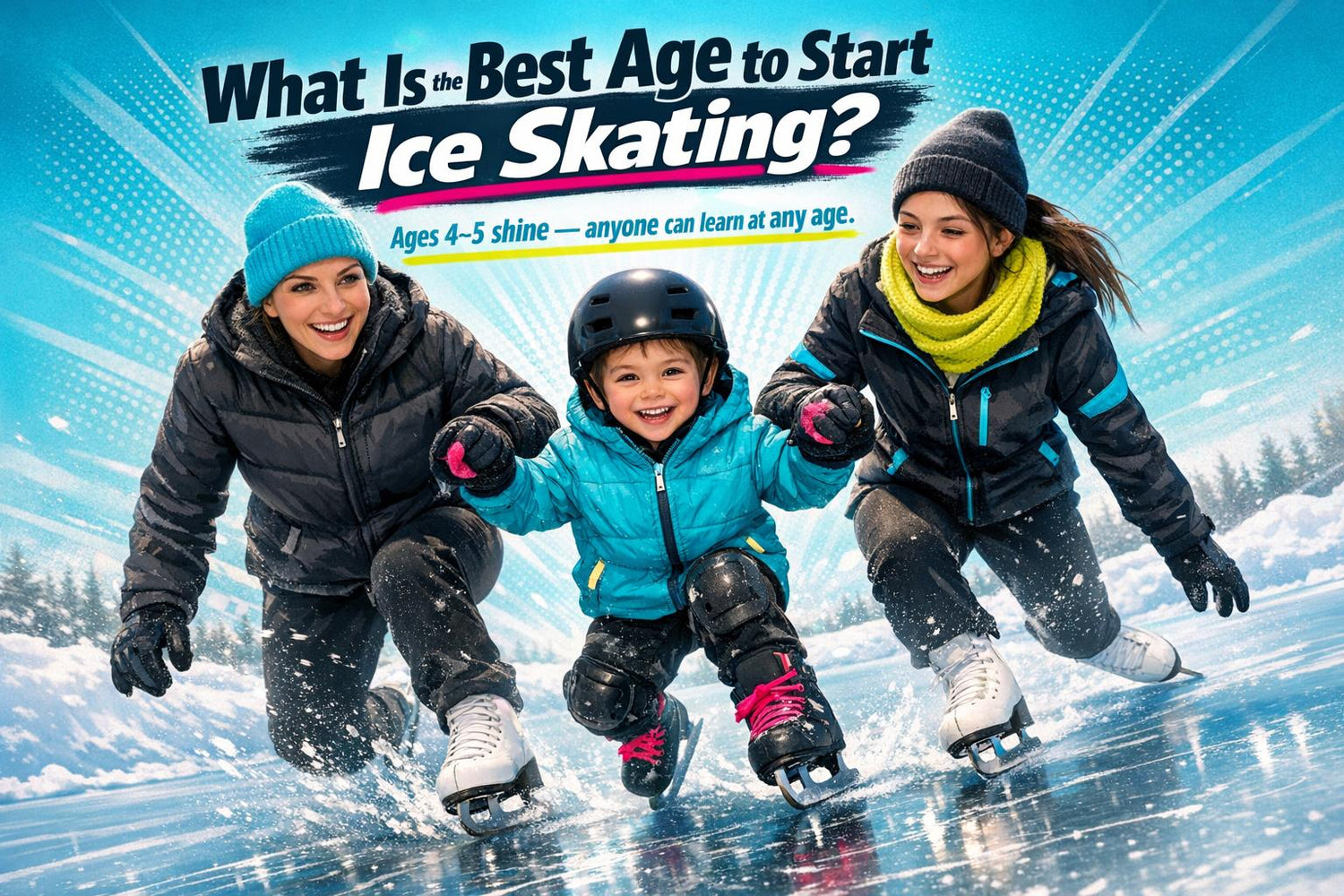
If you're wondering when to start ice skating, here's the short answer: ages 4 to 5 are ideal, but it's never too late to begin! Kids at this age develop balance and coordination quickly, making it easier to learn. However, teens and adults bring focus and determination that can speed up progress. Whether you're 3 or 30, the key is to make it fun and safe.
Quick Overview:
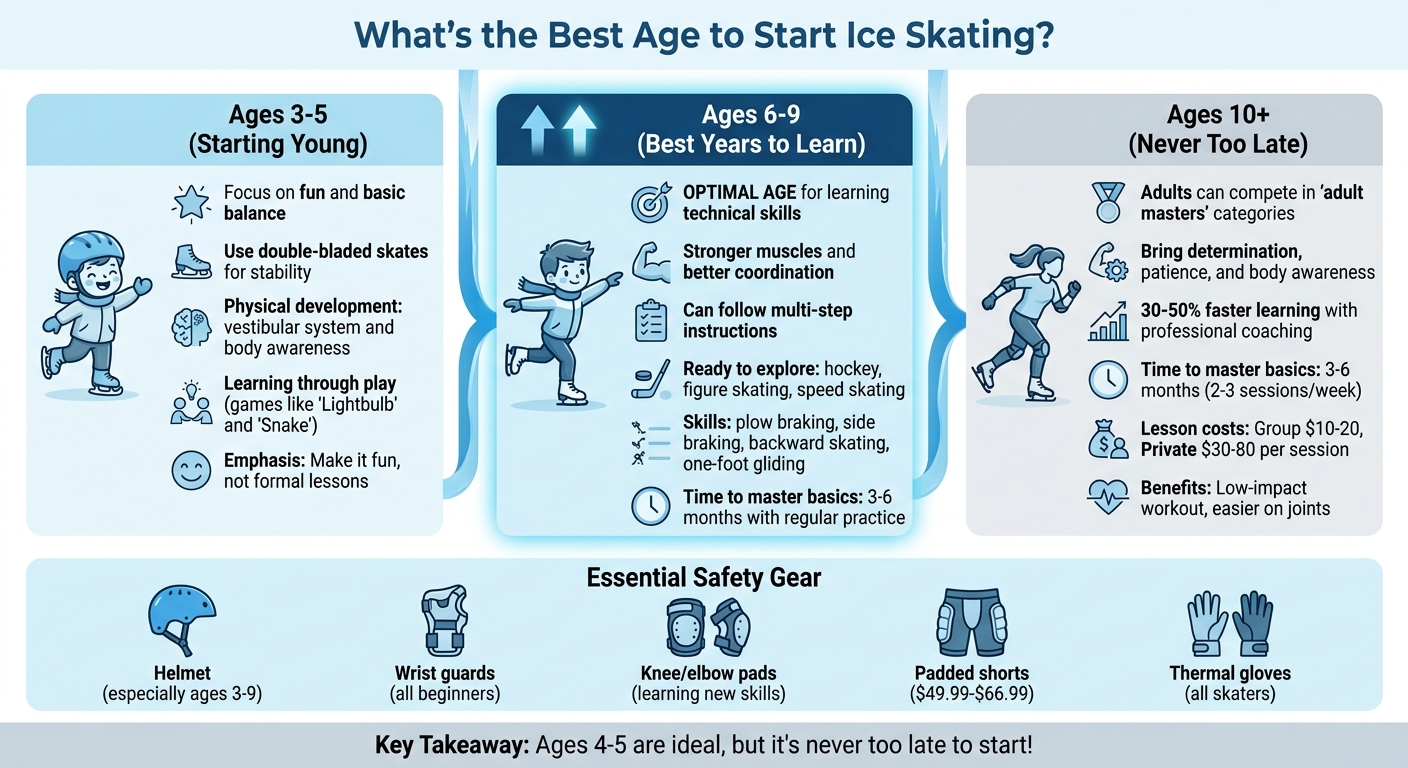
- Ages 3–5: Focus on fun and basic balance. Use double-bladed skates for stability.
- Ages 6–9: Best age for learning technical skills and exploring hockey, figure skating, or speed skating.
- Ages 10+ (including adults): It's not too late! With patience and practice, older beginners can master the basics in 3–6 months.
Gear Tips: Always wear a helmet, wrist guards, and padded shorts. Make sure skates fit snugly but comfortably. For snow adventures, try Snowfeet Skiskates - they're compact and easy to use for skaters of all ages.
Ready to hit the ice? Lace up, stay safe, and enjoy the glide! :)
Best Age to Start Ice Skating: Skills and Readiness by Age Group
Ages 3 to 5: Starting Young
Physical Development at This Age
From ages 3 to 5, children make big strides in balance (thanks to their vestibular system) and body awareness (proprioceptive sense). These skills help them process sensory information and move with coordination. Some parents introduce kids to the ice as early as age 2 or 3, often using double-bladed skates for extra stability. However, most professional coaches suggest waiting until age 4 or 5, when kids have stronger muscles and better control over their movements.
Research shows a clear link between time spent on the ice and growth in the vestibular cerebellum - a part of the brain that supports posture, motor skills, language, and even social development. Developmental psychologist Howard Gardner from Harvard highlights this connection:
Developing Bodily/Kinesthetic Intelligence is not necessarily about becoming an athlete, but is about developing key skills in eye and body coordination, manual dexterity, physical agility, and balance.
These early physical milestones make skating a fun and beneficial activity for kids.
Learning Through Play
At this age, skating should feel fun - not like a formal lesson. Kids learn best when they’re playing, so focus on imaginative games that make the ice less intimidating. For example:
- The "Lightbulb" game: Kids spread their legs out and bring them back together in a circular motion, which helps with gliding.
- The "Snake" game: They alternate pushing off with each foot, teaching weight shifting and balance.
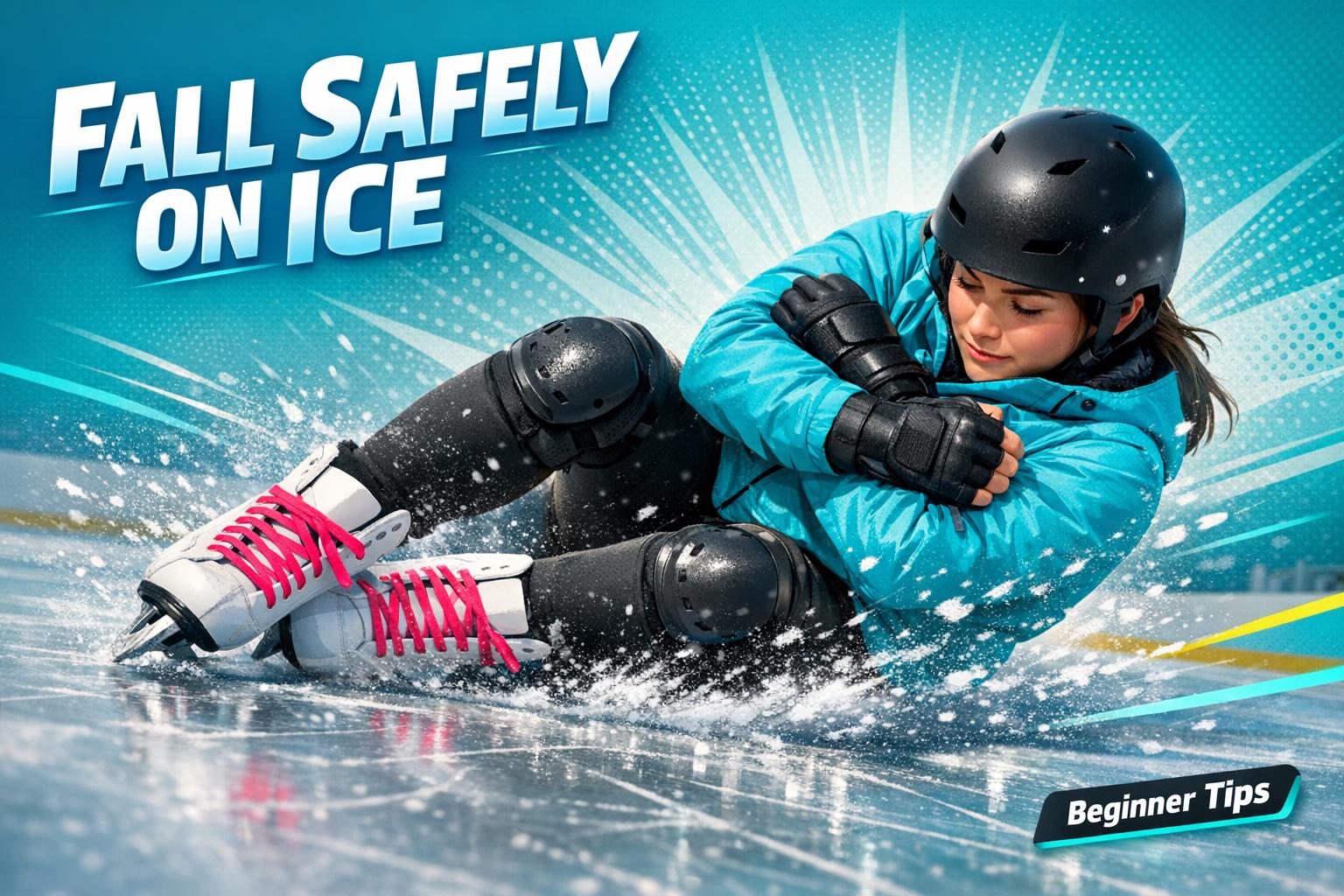
Teaching kids how to fall safely is just as important as teaching them to skate. Show them how to lean forward and, if they fall, to "group up" by curling into a ball or falling to the side. This protects the back of their head. To stand back up, kids can get on all fours, press one foot firmly on the ice, and push up with their hands.
How Parents Can Help
Parents play a huge role in making early skating experiences positive. Encouragement and patience go a long way. Avoid scolding for mistakes, as this can make kids associate skating with failure or fear. Instead, try having them hold onto a hockey stick or similar object instead of your hand - this helps them develop independent balance.
Before you even hit the rink, let your child practice walking in their skates at home with blade guards on. This helps them get used to the weight and feel of the skates in a safe space. Once on the ice, make sure they’re wearing the right safety gear: a helmet, knee and elbow pads, wrist guards, and warm gloves. Skip the snow pants - they’re slippery and make it harder to stand up after a fall. Layered pants or fitted leggings work much better.
These early lessons, combined with the right gear and a playful approach, create a strong foundation for future skating adventures. Who knows? They might even transition to snow sports like a pro with options like Snowfeet* Skiskates down the road!
Ages 6 to 9: The Best Years to Learn
Better Focus and Physical Control
Between 6 and 9 years old, kids hit a sweet spot for learning to ice skate. At this stage, their muscles are stronger, and their coordination is sharper, making it easier for them to hold the classic "skater's pose" - knees bent, body leaning forward - for extended periods. This improved physical control allows them to tackle more complex movements, like shifting their weight smoothly from side to side or leaning on the outer edge of their skates to execute sharp turns.
What sets this age apart is their growing ability to think ahead. Instead of just reacting to what happens on the ice, they start to anticipate outcomes. For instance, they quickly learn that leaning too far back leads to falls or that pressing harder on one skate edge creates tighter turns. Their ability to follow multi-step instructions also improves, making it possible for them to master technical moves like side braking or the "pine tree" exercise, where they push off using the edges of their blades instead of simply walking. With these physical and mental advances, kids can move beyond the basics faster than ever.
Moving Beyond the Basics
Once they've nailed the essentials - like proper posture, falling and getting up safely, forward gliding, basic turns, and stopping techniques - kids in this age group are ready to explore more specialized areas of skating. Whether it's figure skating, hockey, synchronized skating, or speed skating, this is the perfect time to try out different paths. Even if they don't aim for competitive levels, this age window is ideal for diving deeper into the sport or simply enjoying it recreationally. The skills they build here open the door to mastering more advanced techniques down the road.
Skills Learned During This Period
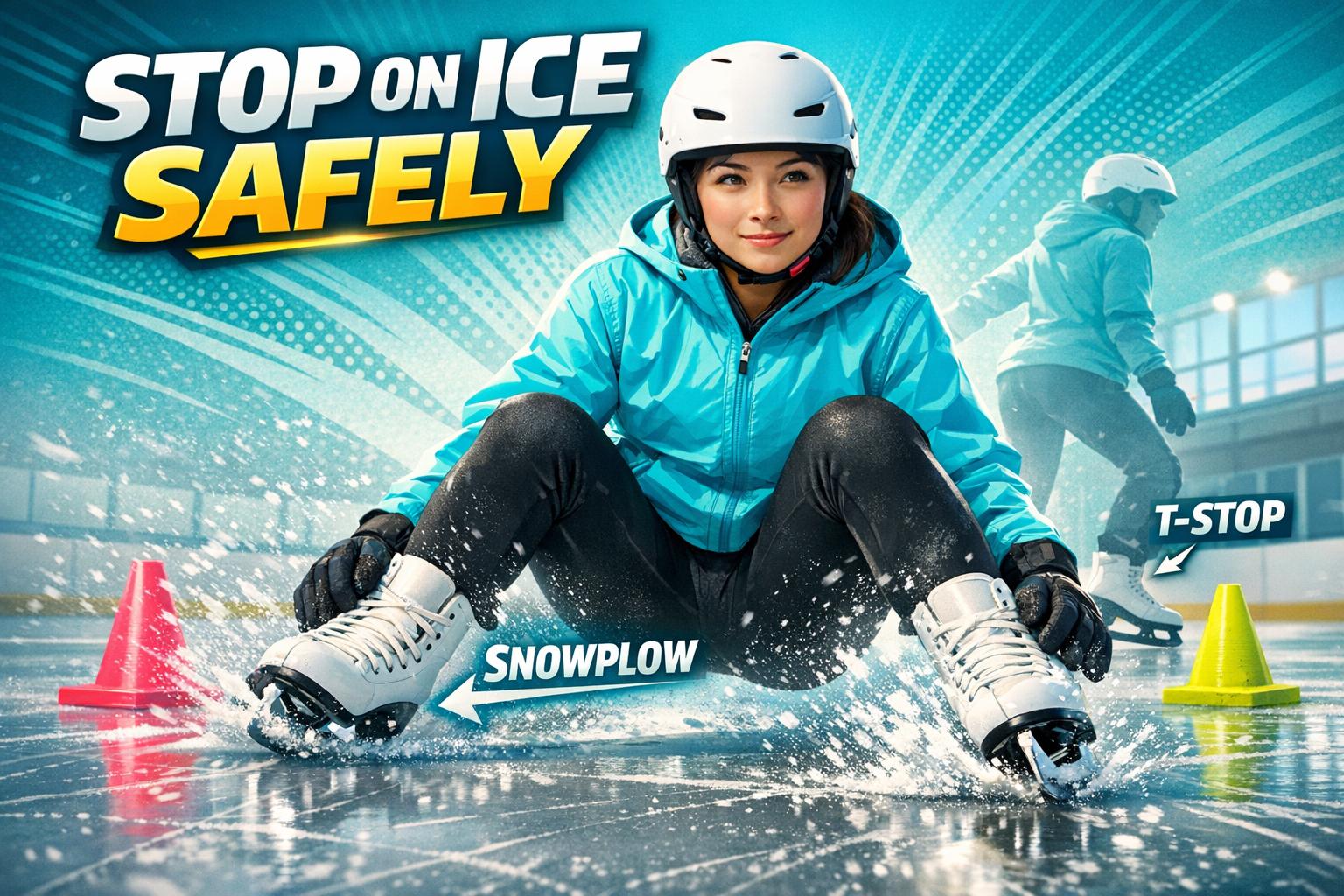
During these years, kids pick up a wide variety of technical skills. They progress from simple heel braking to more advanced techniques like plow braking, where they bend their knees and spread their heels apart, and side braking, which relies on the outer edge of the skate for a controlled stop. They also refine their edge control with exercises like drawing semi-circles on the ice. Many even start experimenting with basic jumps, skating backward, and gliding on one foot. On top of that, they learn skating etiquette, such as staying aware of others and not cutting into someone else's path, which is especially important in group lessons or structured programs.
The physical, mental, and social skills gained during this stage create a strong foundation for confident skating. Plus, the balance and coordination they develop can easily transfer to other snow sports. For kids ready to expand their winter adventures, products like Snowfeet* Skiskates are a fun way to take their skills from the rink to the slopes.
Ages 10 and Up: It's Not Too Late
Common Myths About Starting Late
There's a common assumption that starting figure skating later in life means you'll never catch up to those who began as toddlers. But that's not the case! Take Johnny Weir, for example - he didn’t step onto the ice until his early teens, yet went on to achieve incredible success. Even adults who start at 15 or older can compete in "adult masters" categories, proving it's never too late to lace up those skates.
The key difference for older learners isn’t about talent - it's about mindset. Teens and adults bring qualities like determination, patience, and body awareness that younger kids are still developing. These traits can make a world of difference when learning something new.
Benefits of Starting as an Older Learner
Starting later in life comes with its own perks. As skating coach Erika Venza explains:
Adult skaters bring a unique enthusiasm, patience, and self-awareness to the ice that kids don't have.
Unlike children, who might be skating because their parents signed them up, older skaters often set their own goals - whether that's learning how to glide confidently around the rink or aiming for competitive improvement. Plus, teens and adults are generally better at following detailed instructions, which helps them focus on the technical aspects of skating.
Skating is also a fantastic low-impact workout. It’s easier on your joints compared to high-intensity activities like running, making it a great choice for fitness. With consistent practice - about two to three sessions per week - most adults can master basic skills like gliding, stopping, and simple turns in just three to six months. For success, adults need stiffer boots that provide proper ankle support and edge control.
How Older Beginners Can Learn Faster
If you want to speed up your progress, professional instruction is the way to go. In fact, lessons with a coach can boost your learning by 30% to 50% compared to figuring it out on your own. Adult-only group classes ($10 to $20 per session) or private lessons ($30 to $80 for a half-hour) offer structured guidance and personalized feedback.
Consistency matters, too. Two 45-minute sessions per week are far more effective for building muscle memory than one long, tiring two-hour session. Safety gear - like wrist guards, a helmet, and padded shorts - can help prevent injuries and give you the confidence to try new moves. And here’s a pro tip: don’t cling to the wall for more than 15 minutes. It might feel safer at first, but it can quickly become a crutch that slows your progress.
Before hitting the ice, take 5–10 minutes for dynamic stretches to warm up your muscles and joints. Activities like yoga or Pilates can also improve your core strength and balance, making those spins and turns feel a little easier.
Once you’ve nailed the basics, you can even branch out into other fun options like Snowfeet* Skiskates, which let you take your edge control to new and exciting terrains. Skating doesn’t just stop at the rink - it opens the door to all kinds of adventures!
Choosing the Right Gear for Each Age
Getting the Right Skate Size
Once the basics are covered, the next step is picking the right gear. A good fit is key to staying safe and comfortable. Skates that are too big can make falls more likely, while tight ones can cause pain. Look for skates that fit snugly, and pair them with thick socks for added comfort and safety.
For beginners, check the stiffness of the skate boot by pressing it sideways at the heel. It shouldn't bend more than 30 degrees - this ensures proper ankle support and helps avoid shin injuries. When lacing up, keep the lower and upper parts of the boot slightly loose, but tighten the laces firmly over the instep for the best support.
For toddlers aged 2–3, double-bladed training skates are a great choice because they offer extra stability while kids work on their balance. By age 4, most kids are ready for single-blade skates. Adjustable models are a smart option, as they can accommodate growing feet.
Safety Equipment You Need
Safety gear is non-negotiable. The essentials include a helmet, wrist guards, knee and elbow pads, padded shorts, and thermal gloves. Helmets are especially important for young children, protecting them from head injuries during falls. Wrist guards are a must because beginners often instinctively put their arms out to break a fall, which can lead to wrist fractures. Knee and elbow pads reduce the impact of falls, while padded shorts (priced between $49.99 and $66.99) provide extra protection for the hips and tailbone, particularly useful for jump practice. Thermal gloves or mittens not only keep hands warm but also protect fingers during falls.
| Gear Item | Primary Function | Recommended For |
|---|---|---|
| Helmet | Protects against head injuries | All beginners, especially ages 3–9 |
| Wrist Guards | Prevents wrist fractures | All beginners |
| Knee/Elbow Pads | Reduces bruising and impact | Anyone learning new skills |
| Padded Shorts | Protects hips and tailbone | Beginners and jump practitioners |
| Thermal Gloves | Provides warmth and protection | All skaters |
When it comes to clothing, avoid cotton - it absorbs sweat and melted ice, leaving you cold. Instead, go with a three-layer system: a thermal base layer, a flexible fleece middle layer, and a water-resistant outer shell. Also, skip baggy clothes that could get caught in skate blades, and remove jewelry before hitting the ice.
The right gear not only keeps you safe but also helps you focus on improving your skills, whether you're skating on ice or trying out snow sports.
Snowfeet* Skiskates for Snow Sports
If you're ready to branch out into snow sports, Snowfeet* offers a fun, compact alternative to traditional skis. Designed with ice skating skills in mind, Snowfeet* Skiskates provide a smooth transition to winter adventures.
These skiskates mimic the natural motion of ice skating, making them easy to pick up for anyone with skating experience. Unlike traditional skis, which require clunky boots, lessons, and a lot of equipment, Snowfeet* Skiskates are lightweight, fit in a backpack, and work with regular winter shoes or snowboard boots.
Most people can master them in just 5 minutes. Traditional skis often come with a steep learning curve and stiff, uncomfortable boots, but Snowfeet* Skiskates are praised for their ease of use and portability. With over 5,500 reviews and a 4.9/5 star rating, they’ve become a favorite for their versatility and simplicity.
While regular skis are bulky and need special transport, Snowfeet* Skiskates are perfect for groomed runs, hiking trails, or even your backyard. They’re designed for users aged 5 to 105, with models ranging from the Snowfeet* 44 CM (Wood Core) at $460 to the Snowfeet* 99 CM (Ultimate Short Skis) at $690.
"These skiblades are so much fun and easy to control. Never going back to regular skis." - Andrew B.
For ice skaters looking to try something new, Snowfeet* Skiskates offer an exciting way to explore snow sports without the hassle of traditional ski gear.
sbb-itb-17ade95
How to Know When You're Ready to Start
What Readiness Looks Like
Feeling ready to hit the ice starts with having the right gear and mastering some basic skills. For kids, a good sign of readiness is being able to walk 10 steps in skates with blade covers without losing balance. Adults, on the other hand, should be able to hold a skater's pose - knees bent, body tilted slightly forward, arms extended - and perform a small squat without wobbling.
Here's a quick at-home test for kids: have them wear skates with blade covers on a non-slip surface. If they can walk forward 10 steps, wave their hands, and sit down without tipping over, they're probably good to go. If your child has joint or respiratory issues, though, it’s a good idea to check with a pediatrician before they start skating.
Choosing a Skating Program
Joining a structured skating program can speed up progress for both kids and adults. Group lessons are a budget-friendly way to learn and make friends, while private lessons provide one-on-one attention for faster improvement. When picking a program, look into whether the rink hosts competitions or shows. These events can be great if you’re aiming to go beyond the basics. Most programs start by focusing on safety and helping you build balance, so you’ll feel confident as you move forward.
What to Expect in Your First Lesson
Your first lesson will cover the essentials: how to fall safely, stand up, and start moving. Falling the right way is key - practice falling onto your side (hip first) instead of forward onto your wrists. You’ll also learn how to get back up by using all fours. This builds confidence and helps you feel ready to step away from the wall.
Before hitting the ice, warm up with some dynamic stretches off the rink. Wear layered, comfortable clothing that doesn’t restrict movement. One important tip: keep your eyes forward, not down at your feet. Looking down can throw off your balance and make you unsteady. These early lessons set the stage for developing skills and confidence, opening the door to more advanced techniques - or even trying out Snowfeet* Skiskates on snow later on!
How Old Is Too Old To Start Figure Skating?
Conclusion
There’s no magic number when it comes to the "right" age for starting ice skating. It all boils down to your physical development, coordination, and enthusiasm. Starting young can help build balance and coordination early on, while older beginners often pick things up faster thanks to their ability to follow instructions more effectively.
The key is to keep the experience enjoyable and pressure-free. Whether you’re guiding a child through their first wobbly moments on the ice or trying it out yourself, focus on building confidence and savoring the journey instead of chasing perfection.
Once you’re steady on the ice, why not expand your horizons? Snowfeet* Skiskates offer an exciting way to take your skating skills from the rink to snowy trails and slopes. These compact skates make it easier to learn and enjoy the gliding motion compared to traditional skis, which often require more time to master. If you’ve already honed your balance and coordination through ice skating, Snowfeet* Skiskates could be the perfect way to seamlessly transition from ice to snow for even more fun and adventure.
FAQs
How many lessons does it take to skate confidently?
With steady practice, it typically takes about 2–4 weeks to feel confident on skates, assuming you're hitting the ice 2–3 times a week. During this period, most beginners can pick up essential skills like basic stops and turns. The secret? Staying consistent and focusing on proper technique to build your confidence step by step.
Should beginners rent skates or buy their own?
When you're just starting out with skating, it's usually a good idea to rent skates. Renting gives you the chance to test out different styles and figure out what feels right for you - without the pressure of buying your own pair right away. Plus, if skating ends up not being your thing, you won’t have spent money on gear you won’t use.
But if you find yourself loving the sport and hitting the rink often, it might be time to invest in your own skates. Having your own pair can make a big difference in comfort and how well you perform on the ice.
Can ice skating skills transfer to Snowfeet* Skiskates?
Yes, ice skating skills translate nicely to using Snowfeet* Skiskates. Both involve gliding on slick surfaces and rely on balance, coordination, and basic skating movements. Snowfeet* Skiskates feel similar to ice skating but add a twist with their adaptability for snow. Plus, they’re simpler to pick up compared to skiing or snowboarding, making them a fun and approachable choice for skaters looking to try something new on the snow.











Leave a comment
This site is protected by hCaptcha and the hCaptcha Privacy Policy and Terms of Service apply.