




















Quick Summary:
Did you know that skiing is an ancient sport originating from Norway—where the word "ski" literally translates to a piece of wood—with history dating back nearly 8,000 years before becoming an Olympic event in 1936 ? Today, it remains immensely popular with around 350 million visitors hitting slopes annually across the globe, including in Australia. Beyond being an efficient workout that burns up to 400 calories per hour, skiing is extraordinarily versatile and fast: speeds can exceed 156 mph, skiers can be towed by dogs or horses in skijoring, and astronaut Harrison Schmitt even envisioned a future for the sport on the Moon.
Not sure if you can dazzle anybody with your ski skills? Make sure you will amaze them with your knowledge of the sport! Here are 10 fun facts about skiing.
1/ An ancient sport
The idea of attaching two wooden pieces to your feet just to get somewhere faster is as old as humanity itself (almost). The oldest skis are thought to be almost 8 000 years old and were probably used as a means of transport.
2/ A piece of … wood
The modern word "ski" stems from the Old Norse word skíð, which translates directly to "a split piece of wood." Norway is widely celebrated as the birthplace of modern skiing, having evolved the practice from a practical winter necessity into a competitive sport and recreational art form during the 19th century.
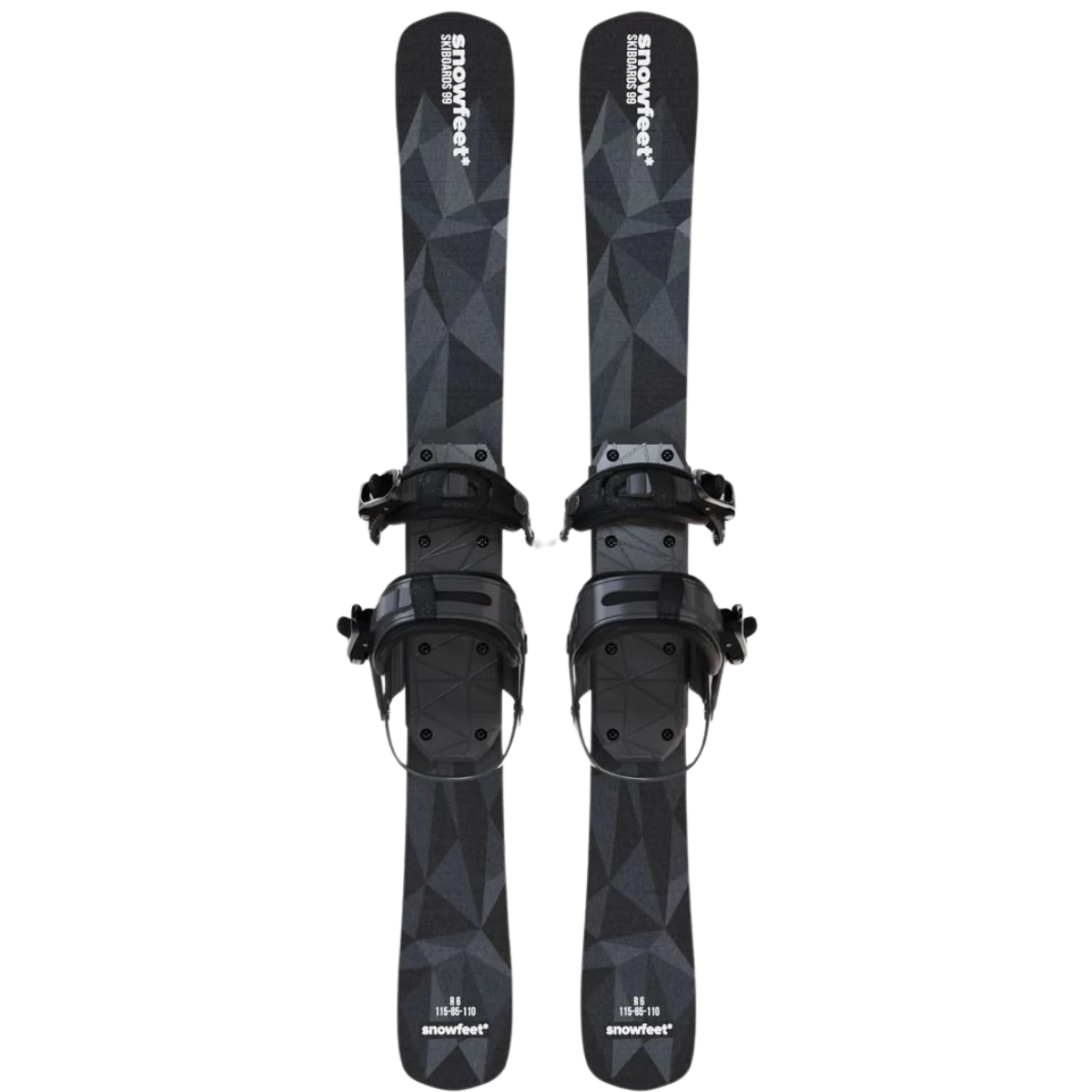
Get yourself one too

3/ The first downhill skiing race
While informal downhill racing undoubtedly occurred for millennia, the first official, documented downhill skiing competition took place in 1879 in Sweden. Modern alpine skiing rapidly evolved shortly thereafter, transforming from basic Telemark maneuvers into the technical speed events seen on winter circuits today.

4/ Olympic sport since 1936
Although Nordic skiing was part of the inaugural 1924 Winter Olympics in Chamonix, Alpine skiing (downhill and slalom) wasn't introduced until the 1936 Winter Games in Garmisch-Partenkirchen, Germany. German skier Franz Pfnür won the combined event, cementing his place as the first-ever Alpine skiing gold medalist.
5/ Skiing in Down Under
Despite being best known for deserts and tropical beaches, Australia boasts a rich skiing culture nestled in the Snowy Mountains and Victorian Alps. Resorts like Thredbo, Perisher, and Mount Hotham feature extensive trail networks, sustained by sub-freezing winter temperatures between June and September.

6/ Lighting fast sport
Speed skiing pushes human performance to extreme aerodynamic limits. In 2006, Italian speed skier Simone Origone set a world record by reaching 156.2 mph (251.4 km/h) straight down a steep slope—matching the acceleration and speed of a high-performance sports car using only gravity, custom skin suits, and aerodynamic helmets.
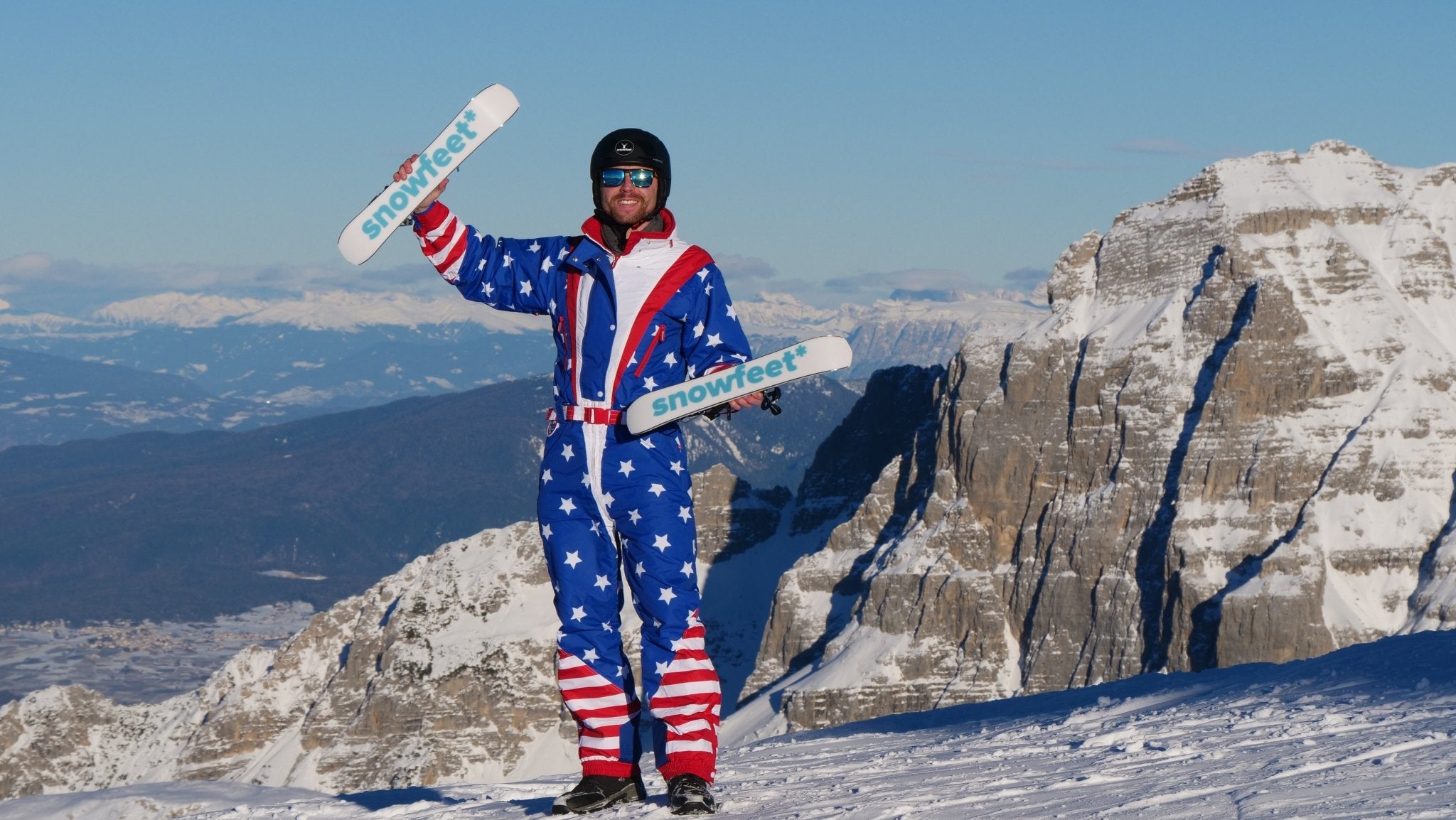
Become the fastest with Snowfeet*


7/ Skijoring
Originating from the Norwegian word skikjøring (meaning "ski driving"), this unique winter activity involves a skier pulled by horses, dogs, or even motor vehicles. While initially a practical method of winter transportation in Scandinavian countries, it has since grown into an action-packed equestrian and canine winter sport.
8/ High-Efficiency Fitness
Alpine skiing provides an exceptional full-body workout that engages the core, quadriceps, hamstrings, and glutes. The constant balance, weight shifts, and muscle resistance required to navigate terrain cause the average skier to burn between 350 and 400 calories per hour, while high-intensity skiing can burn even more.

9/ Skiing on the Moon
During the Apollo 17 mission in 1972, geologist and astronaut Harrison Schmitt observed how easily he could glide across lunar dust using a cross-country skiing motion. Captivated by the experience, Schmitt famously suggested that cross-country skiing techniques were ideal for navigating low-gravity environments, predicting that lunar skiing resorts could one day become reality.
10/ The most popular sport
With an estimated 350 million annual visits to ski resorts globally, skiing is one of the most popular winter activities on the planet. From simple wooden planks used for arctic survival to high-tech carbon fiber boards used by millions on resort lifts, skiing has evolved into a multibillion-dollar international pastime.

Bonus Fact/ You don't need heavy 6-foot planks to rule the mountain anymore.
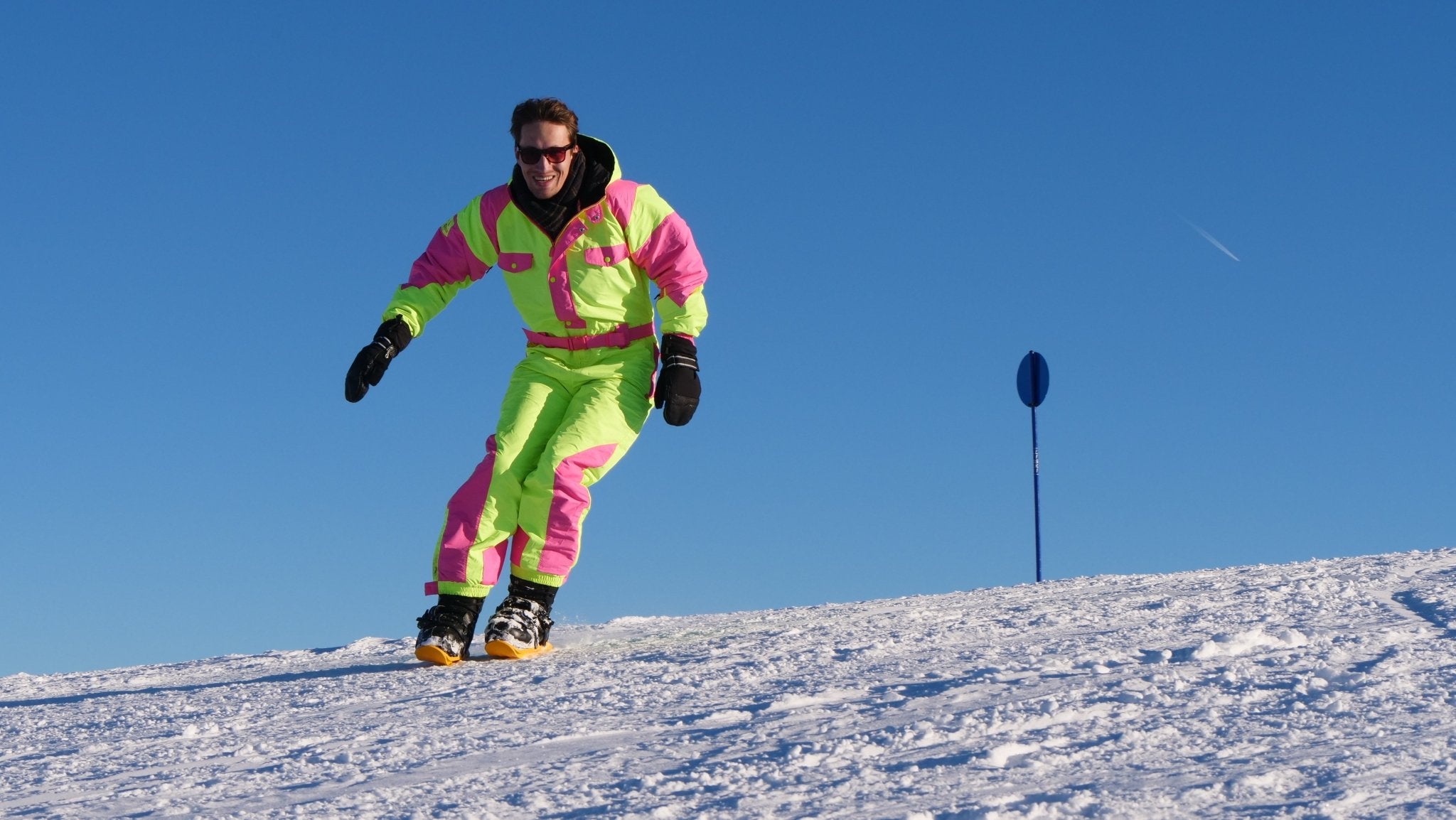
While traditional skiing forces you to haul massive equipment, heavy boots, and roof racks, Snowfeet Mini Skis and Skiblades* completely redefine winter sports by combining the freedom of ice skating with the thrill of skiing. Designed to strap right onto your standard winter boots or snowboard boots, these ultra-compact, lightweight short skis fit right into a backpack—meaning zero luggage hassle, total mobility, and effortless carving down groomers, terrain parks, and hiking trails.

Get your skis and fun facts ready for the season and we will see you on the slopes!
Editor: Karolina R.
Last Update: September 8, 2026











Leave a comment
This site is protected by hCaptcha and the hCaptcha Privacy Policy and Terms of Service apply.