



















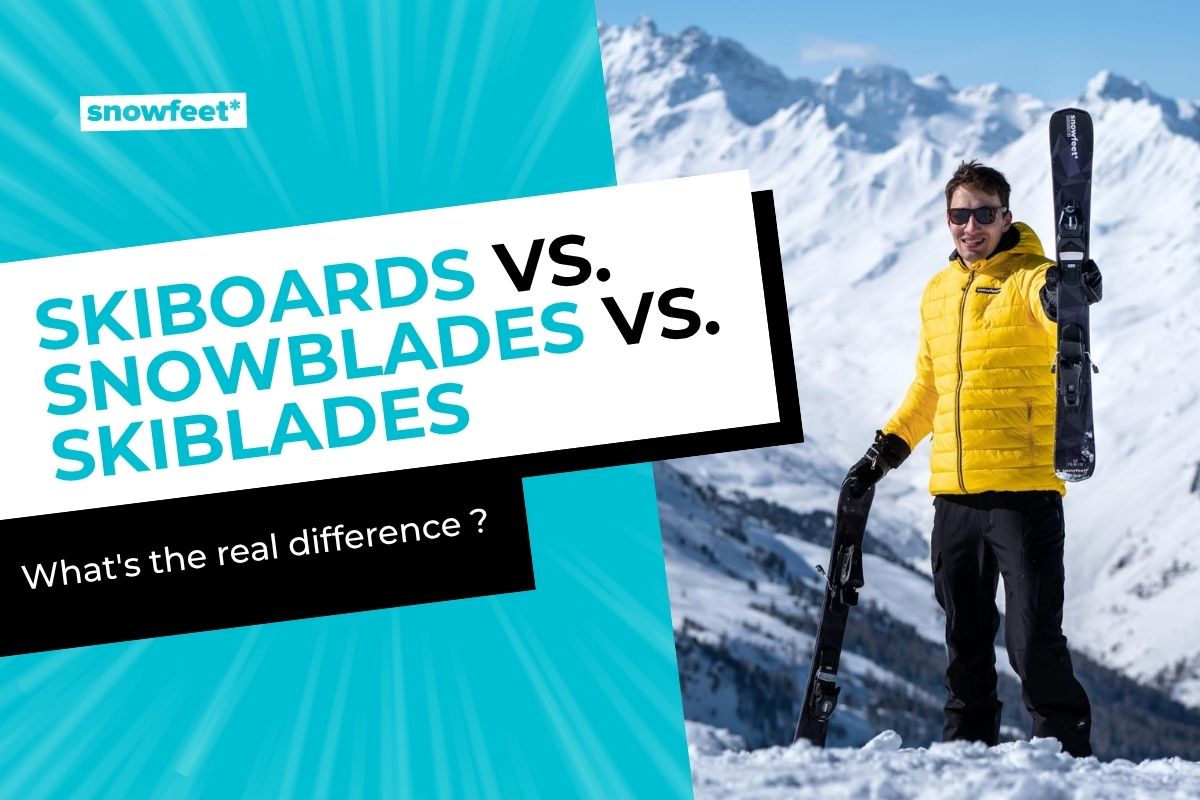
Ak premýšľate, či sú pre vás vhodné skiboards, snowblades alebo skiblades, tu je rýchle zhrnutie: Všetky sú krátke lyže, ale každé majú jedinečné vlastnosti, ktoré ovplyvňujú výkon a pocit na svahu. Skiboards sú širšie a skvelé pre stabilitu, snowblades sú ľahké a ideálne na carving, a skiblades sú kombináciou oboch s pridanou všestrannosťou.
Prečo si vôbec vybrať krátke lyže? Sú jednoduchšie na naučenie, ľahšie prenosné a ideálne pre každého, kto chce zábavnú a bezproblémovú alternatívu k tradičným dlhým lyžiam. Navyše značky ako Snowfeet ponúkajú kompaktné, ľahké možnosti, ktoré fungujú s bežnými topánkami, čo ich robí super pohodlnými.
Tu je to, čo potrebujete vedieť:
- Skiboards: Širšie, s dizajnom twin-tip pre triky a plávanie v mäkkom snehu.
- Snowblades: Užšie, ľahké a veľmi citlivé pre ostré zákruty.
- Skiblades: Kombinujú to najlepšie z oboch svetov a ľahko zvládajú rôzne terény.
Rýchla rada: Ak ste začiatočník, vyberte si kratšie modely (napríklad 65 cm). Pre väčšiu rýchlosť a carving skúste dlhšie možnosti (až do 120 cm).
Chcete vidieť rozdiely na prvý pohľad? Pozrite si porovnávaciu tabuľku nižšie.
Snowfeet* Snowblades | Skiboards | Skiblades | Krátke lyže - Kompletný sprievodca | Všetko, čo potrebujete vedieť
Čo sú Skiboards, Snowblades a Skiblades?
Vstúpte do akejkoľvek lyžiarskej predajne od Vail po Park City a pravdepodobne budete počuť termíny ako skiboards, snowblades a skiblades. Hoci všetky opisujú krátke lyže, každé má svoje vlastné dizajnové zvláštnosti, štýl konštrukcie a pocit na snehu. Poďme si rozobrať, čo robí každé z nich jedinečným.
Vysvetlenie Skiboards
Skiboards sú ako mix tradičných lyží a snowboardov. Často majú dizajn s dvojitým špičkovým zakončením, čo uľahčuje kontrolu smeru a vykonávanie trikov. Sú vyrobené s dreveným jadrom a spevnené materiálmi ako sklolaminát alebo uhlíkové vlákno, majú širší profil. Táto väčšia šírka poskytuje lepší plávajúci efekt v mäkkom snehu a pevnú stabilitu na tvrdom podklade. Avšak táto širšia forma môže sťažiť rýchle a ostré oblúky na upravených tratiach.
Vysvetlenie Snowblades
Snowblades sú zjednodušenou, bez zbytočných doplnkov verziou krátkych lyží. Vyrobené s dreveným alebo penovým jadrom a kovovými hranami, sú užšie a veľmi citlivé. To ich robí ideálnymi na ostré, čisté oblúky na upravených zjazdovkách. Ich viazania sú jednoduché a pevné, čo udržuje zostavu ľahkú a ľahko ovládateľnú. Vďaka svojmu jednoduchému dizajnu sú snowblades obľúbené medzi začiatočníkmi a rekreačnými lyžiarmi, ktorí chcú vyraziť na svah bez strmého učebného kurzu dlhších lyží.
Vysvetlenie Skiblades
Skiblades kombinujú to najlepšie zo skiboards a snowblades do jedného všestranného balíka. Sú navrhnuté tak, aby zvládli rôzne podmienky, či už sa prechádzate po upravených tratiach, zdolávate POWDER alebo sa hráte v terénnych parkoch. Výrazným príkladom v tejto kategórii sú Snowfeet* Skiblades. Sú vyrobené z kvalitných materiálov a zameriavajú sa na nízku hmotnosť a kompaktnosť. Jednou z ich najlepších vlastností je prispôsobiteľný viazací systém, ktorý funguje so štandardnými lyžiarskymi, snowboardovými alebo zimnými topánkami – nie je potrebné žiadne špeciálne vybavenie. Navyše, bezpečnostné uvoľňovacie viazanie pridáva ďalšiu vrstvu pohodlia a istoty. Vďaka tomu sa ľahko prenášajú a ešte ľahšie používajú.
Hoci sa termíny skiboards, snowblades a skiblades niekedy používajú zameniteľne, poznanie rozdielov vám pomôže vybrať si správny typ podľa vášho štýlu a druhu lyžovania, ktoré chcete robiť. V nasledujúcom texte sa pozrieme na kľúčové dizajnové rozdiely.
Kľúčové dizajnové rozdiely
Spôsob, akým je vaše vybavenie navrhnuté, môže úplne zmeniť váš zážitok na svahu. Dokonca aj malé úpravy ako dĺžka alebo viazacie systémy môžu výrazne ovplyvniť výkon vášho vybavenia. Poďme sa pozrieť na to, čo odlišuje tieto krátke lyže a prečo si produkty Snowfeet* vybudovali vlastnú niku.
Porovnanie dĺžky a šírky
Čo sa týka skiboards, snowblades a skiblades, ich dĺžky sa zvyčajne pohybujú od 65 cm do 120 cm (26 palcov až 47 palcov). Tento rozsah zohráva veľkú úlohu v tom, ako zatáčate a aký terén zvládnete.
Snowfeet* ponúka rôzne možnosti v tomto rozsahu. Napríklad ich Snowfeet* Mini Ski Skates majú len 38 cm (15 palcov) dĺžku. Sú ideálne na rýchle triky a ostré pohyby. Ich Skiskates, dostupné v dĺžkach 44 cm (17 palcov) a 50 cm (20 palcov), poskytujú trochu viac rýchlosti a zároveň zostávajú obratné – skvelé pre terénne parky, muldy alebo kohokoľvek, kto miluje voľnú jazdu.
Na dlhšej strane prichádzajú Snowfeet* Skiblades v modeloch 65 cm (26 palcov), 99 cm (39 palcov) a 120 cm (47 palcov). Možnosť 65 cm je pekný kompromis pre rýchle oblúky a triky, pričom stále ponúka stabilitu, čo z nej robí skvelú voľbu pre deti alebo inštruktorov. Model 99 cm vám poskytuje zážitok podobný lyžiam s pridanou obratnosťou, zatiaľ čo verzia 120 cm vyniká v carve a rýchlosti, no stále si zachováva hravý charakter, s ktorým je Snowfeet* známy.
Šírka je ďalším kľúčovým faktorom. Tradičné skiboards majú tendenciu byť širšie, čo im pomáha lepšie plávať v POWDER, ale môže to spomaliť prechod medzi hranami na upravených zjazdovkách. Snowfeet* zvolili iný prístup. Napríklad ich 120 cm Skiblades majú úzky pás 7,8 cm (3,1 palca) s parabolickým tvarom, čo robí carving hladkým a oblúky veľmi citlivými. V porovnaní s tradičnými lyžami, ktoré sú často dlhé 160–180 cm, sú modely Snowfeet* oveľa kratšie, čo znižuje únavu a pridáva zábavný, obratný pocit z jazdy.
Konštrukcia a materiály
Dĺžka a šírka sú len časťou príbehu. Materiály a konštrukcia vybavenia Snowfeet* posúvajú veci na úplne inú úroveň. Mnohé tradičné skiboards a snowblades používajú drevené jadro obalené sklolaminátom alebo základné penové jadro s kovovými hranami. Hoci sú tieto materiály funkčné, môžu pridať zbytočnú váhu a objem. To ich robí ťažšími na prenášanie a menej praktickými na cestovanie alebo rýchle presuny z auta k vleku.
Produkty Snowfeet* sa na druhej strane zameriavajú na nízku hmotnosť bez obetovania odolnosti. Ich kompaktný dizajn ich robí ľahko prenosnými – už žiadne ťahanie ťažkého vybavenia. A na rozdiel od niektorých lacnejších snowblades s penovými jadrami, ktoré sa môžu po náročnej sezóne prasknúť alebo rozpadnúť, vybavenie Snowfeet* je postavené tak, aby zvládlo drsné podmienky. Či už narazíte na ľadové úseky alebo drsný terén, môžete sa spoľahnúť, že vydržia. Táto odolnosť vám nielen ušetrí peniaze v dlhodobom horizonte, ale tiež znamená menej času stráveného údržbou.
Viazania a kompatibilita topánok
Viazania sú ďalšou oblasťou, kde Snowfeet* vyniká. Tradičné skiboards a snowblades často prichádzajú s pevnými viazaniami, ktoré fungujú len s konkrétnymi topánkami. Ak chcete zmeniť topánky alebo zdieľať vybavenie s niekým iným, zvyčajne máte smolu.
Snowfeet* mení pravidlá hry s univerzálnym viazacím systémom, ktorý funguje s bežnými zimnými topánkami, snowboardovými topánkami alebo lyžiarskymi topánkami. Táto flexibilita umožňuje používať to, čo už máte, takže sa vyhnete starostiam s kúpou špecializovaných topánok. Na rozdiel od značiek ako K2 alebo Atomic, ktoré vyžadujú špeciálne viazacie systémy, Snowfeet* to drží jednoducho – len vezmite svoje vybavenie a vyrazte.
Tieto dizajnové voľby zdôrazňujú, prečo sú produkty Snowfeet* revolučné. Kombinujú obratnosť, odolnosť a pohodlie spôsobom, ktorý tradičné systémy jednoducho nedokážu.
sbb-itb-17ade95
Ako sa správajú na snehu
Špecifikácie a dizajny sú len začiatkom. Skutočne záleží na tom, ako sa vaše vybavenie cíti, keď tam vonku robíte oblúky alebo zdolávate nový terén. Skiboards, snowblades a skiblades prinášajú každý niečo jedinečné – a poznanie týchto rozdielov vám pomôže nájsť správne vybavenie pre váš štýl.
Krivka učenia a jednoduchosť použitia
Ak ste sa niekedy trápili s učením tradičných dlhých lyží, kratšie lyže môžu pôsobiť ako čerstvý vzduch. Ich kompaktná veľkosť ich robí ľahšími a citlivejšími, čo znamená jednoduchší proces učenia.
Produkty Snowfeet* posúvajú túto jednoduchosť na ďalšiu úroveň. Vďaka ich ultra kompaktným dizajnom, ako sú Snowfeet* Mini Ski Skates alebo Skiskates, môžu začiatočníci začať robiť plynulé, kontrolované oblúky takmer okamžite. Kratšia dĺžka znižuje strach a poskytuje okamžitú spätnú väzbu, ktorá vám pomáha rýchlo pochopiť a zlepšiť vaše pohyby. To ich robí ideálnymi pre každého, kto chce získať istotu na snehu.
Aj snowboardisti zistia, že prechod na Snowfeet* je prekvapivo plynulý. Na rozdiel od tradičných lyží, ktoré vyžadujú úplne odlišný postoj a techniku, produkty Snowfeet* vám umožnia zostať v prirodzenej, atletickej pozícii. Navyše nemusíte riešiť tvrdé lyžiarske topánky – ich flexibilné viazania fungujú so štandardnými zimnými alebo snowboardovými topánkami, čo udržiava vaše nohy pohodlné a citlivé.
Toto nie je len výhra pre začiatočníkov. Skúsení lyžiari a snowboardisti milujú Snowfeet* pre skúšanie nových trikov a techník bez starostí s učením úplne nového športu. Vezmite si pár 65 cm Skiblades a ste pripravení experimentovať s otočkami, skokmi a rýchlymi zmenami smeru - vecami, ktoré môžu na tradičných lyžiach pôsobiť neohrabane alebo príliš technicky.
Výkon na rôznych terénoch
Kratšie lyže sú známe svojou obratnosťou, ale Snowfeet* to posúva o krok ďalej tým, že dobre fungujú na rôznych terénoch.
Na upravených zjazdovkách produkty Snowfeet* žiaria. Modely ako 99 cm Skiblades a 120 cm Snowfeet Short Skis ponúkajú hladké carvingové oblúky a presnú kontrolu hrán bez objemu plnohodnotných lyží. Dostanete uspokojivý pocit z hrany na hranu a pritom zostanete ľahkí a obratní.
V terénnych parkoch Snowfeet* naozaj vyniká. Kompaktná veľkosť modelov ako 44 cm Skiskates alebo 50 cm Snowfeet PRO uľahčuje otáčanie, chytanie a pristávanie trikov. Tradičné skiboards, ako tie od K2, zvládnu parkové podmienky tiež, ale často sú ťažšie a menej odpúšťajúce pri učení nových pohybov.
Kopce? Žiadny problém. Rýchly polomer otáčania produktov Snowfeet* robí navigáciu cez hrboly ľahkou v porovnaní so zápasom, ktorý by ste mohli mať s dlhými lyžami. Napríklad 65 cm Skiblades ponúkajú presne ten správny pomer stability a odozvy na ľahké zvládnutie hrbolov.
Keď ide o POWDER, kratšie lyže zvyčajne nie sú prvou voľbou. Avšak produkty Snowfeet*, ako model 99 cm POWDER, prekvapivo dobre fungujú v ľahkom POWDER a neupravenom snehu. Hoci nenahradia špecializované POWDER lyže na hlboké horské dni, sú viac než schopné na POWDER zjazdy dostupné zo strediska a lyžovanie medzi stromami. Nebudete plávať v snehu po pás ako na páre 190 cm Atomic POWDER lyží, ale pri miernych podmienkach prinášajú veľa zábavy a obratnosti.
Skutočná krása Snowfeet* spočíva v ich všestrannosti. Tradičné lyže často vyžadujú viac párov na zvládnutie upravených zjazdoviek, parkových okruhov a dní s POWDER snehom. So Snowfeet* máte jedno vybavenie, ktoré zvládne všetko - ideálne na deň v stredisku, keď chcete zmeniť štýl bez výmeny výstroja.
Rýchlosť, stabilita a bezpečnosť
Nenechajte sa oklamať ich veľkosťou – kratšie lyže môžu stále dosahovať pôsobivú rýchlosť a stabilitu. Pre väčšinu rekreačných lyžiarov ponúkajú produkty Snowfeet* dostatok oboch. Napríklad 120 cm Snowfeet Short Skis pohodlne dosahujú rýchlosti 40–50 mph na upravených zjazdovkách, čo je rýchlejšie, než akou rýchlosťou zvyknú lyžovať väčšina stredne pokročilých lyžiarov. Stabilita vychádza z správnej techniky a kontroly hrán, nie z dĺžky, a Snowfeet* podporuje lepšiu rovnováhu a postavenie tela, čo vám pomáha stať sa zručnejším jazdcom.
Ich kompaktný dizajn tiež umožňuje rýchle manévre pri vyšších rýchlostiach. Akýkoľvek nesprávny rozklad váhy alebo zapojenie hrany je okamžite viditeľné, čo vám poskytuje okamžitú spätnú väzbu na doladenie techniky. To nielen zvyšuje stabilitu, ale aj podporuje bezpečnejšiu jazdu tým, že od začiatku posilňuje správne návyky.
Pokiaľ ide o bezpečnosť, produkty Snowfeet* majú jasné výhody. Ich nižšia hmotnosť znamená menší náraz pri páde alebo náraze do prekážky. Kratšia dĺžka tiež znižuje riziko skríženia špičiek – bežnej príčiny zranení kolien pri tradičných lyžiach. Navyše ich vylepšená ovládateľnosť uľahčuje vyhýbanie sa prekážkam a ostatným jazdcom.
Inovatívny viazací systém pridáva ďalšiu vrstvu bezpečnosti. Na rozdiel od niektorých tradičných viazaní, ktoré sa nemusia správne uvoľniť pri páde, viazania Snowfeet* spolupracujú s flexibilnými topánkami, čo umožňuje prirodzenejší pohyb a znižuje riziko nepríjemných polôh, ktoré by mohli zaťažiť vaše kĺby.
Na bežný deň v stredisku – či už sa prechádzate po upravených zjazdovkách, navštevujete terénny park alebo si užívate ľahký POWDER – produkty Snowfeet* poskytujú výkon, ktorý potrebujete, pričom zážitok zostáva zábavný a bez stresu.
Prečo sú Snowfeet* Skiblades tou najlepšou voľbou
Snowfeet* vyniká v dizajne, výkone a praktickosti. Ich sortiment, ktorý siaha od 38 cm do 120 cm, zjednodušuje zimné športové vybavenie bez kompromisov v zábave alebo funkčnosti.
Dizajn a výber možností
Snowfeet* ponúka rôzne skiblades prispôsobené rôznym štýlom jazdy.
- 38 cm Snowfeet Mini Ski Skates: Perfektné pre začiatočníkov, ktorí chcú ľahko začať so športom.
- 44 cm Skiskates a 50 cm Snowfeet PRO: Navrhnuté s ohľadom na nadšencov terénnych parkov, prinášajú agilitu a kontrolu.
- 65 cm Skiblades: Všestranná možnosť, ktorá je skvelá na celkové použitie v stredisku.
- 99 cm modely (vrátane verzie špeciálne pre POWDER): Poskytujú extra stabilitu pre rôzne podmienky.
- 120 cm Snowfeet Short Skis: Ponúkajú tradičnejší zážitok z lyžovania pri zachovaní kompaktných výhod.
To, čo odlišuje Snowfeet*, je možnosť vybrať si produkt, ktorý presne vyhovuje vašim potrebám, bez nutnosti kombinovať viacero zostáv pre rôzne podmienky. Tento zjednodušený prístup zároveň robí ich výbavu veľmi prenosnou.
Ľahké na prenášanie a prepravu
Jednou z najväčších výhod Snowfeet* je ich nízka hmotnosť v porovnaní s tradičnými lyžami alebo snowboardmi. To znamená menej starostí pri prenášaní alebo skladovaní. Navyše ich kompaktná veľkosť vám umožní preskúmavať oblasti, ktoré by mohli byť pre objemnejšie vybavenie neprístupné.
Viac zábavy a slobody
Snowfeet* nie je len o pohodlí – ide o sprístupnenie a zábavu zimných športov. Vďaka ich viazaniu „one size fits all“ môžete použiť svoju bežnú obuv. To robí nastavenie jednoduchým a umožňuje vám plynulo prechádzať medzi lyžovaním a inými aktivitami bez prerušenia.
Dizajn pripomínajúci korčuľovanie podporuje rýchle učenie a hravú jazdu, čo vám dáva slobodu užívať si svahy podľa vlastných pravidiel. Vďaka svojej prenosnosti a všestrannosti sú Snowfeet* skiblades vynikajúcou voľbou pre každého, kto chce oživiť svoje zimné dobrodružstvá.
Záver: Výber správnej možnosti
Skiboards, snowblades a skiblades sú kompaktné lyže, ktoré robia zimné športy prístupnejšími a zábavnejšími.
Pre začiatočníkov sú kratšie lyže – ako Snowfeet 99 cm modely – fantastickým východiskovým bodom. Sú ľahšie ovládateľné a pomáhajú rýchlejšie budovať sebadôveru než tradičné lyže. Tieto modely poskytujú stabilitu na učenie a zároveň zostávajú hravé a ľahko ovládateľné.
Stredne pokročilí jazdci, ktorí chcú rozšíriť svoje schopnosti, by mali zvážiť modely navrhnuté pre všestrannosť. Snowfeet 65 cm Skiblades sú ideálne na carving a hranie v snowparkoch, zatiaľ čo Snowfeet POWDER (99 cm) zvláda rôzne snehové podmienky ako profesionál. Tieto možnosti vám umožnia experimentovať a rásť bez preťaženého pocitu z dlhých lyží.
Pokročilí lyžiari, ktorí chcú výkon tradičných lyží s výhodami kompaktného vybavenia, by mali vyskúšať Snowfeet 120 cm Short Skis. Poskytujú vysoký výkon a zároveň zachovávajú prenosnosť a slobodu, ktoré robia vybavenie Snowfeet výnimočným. Bez ohľadu na vašu úroveň zručností, Snowfeet nájde rovnováhu medzi jednoduchosťou a výkonom.
Čo naozaj odlišuje Snowfeet od tradičných značiek lyží a snowboardov, je ich zjednodušený prístup. Ich prispôsobiteľné viazania fungujú s bežnou zimnou obuvou, takže nie je potrebná špecializovaná obuv. Navyše, vybavenie je také ľahké a kompaktné, že sa všetko zmestí do batohu. Žiadne objemné lyže, žiadne komplikované nastavenia – len vezmite svoje vybavenie a vyrazte.
Či už sa prechádzate upravenými trasami, jazdíte v terénnom parku alebo sa ponárate do čerstvého POWDERu, existuje model Snowfeet práve pre vás. Od začiatočníkov po skúsených profesionálov, Snowfeet dokazuje, že malé, inteligentne navrhnuté vybavenie môže priniesť veľkú zábavu. S jednoduchšou krivkou učenia, ľahším vybavením a dôrazom na radosť namiesto tradície Snowfeet neponúka len alternatívu – ukazuje, že niekedy je menej naozaj viac.
Často kladené otázky
Prečo by som si mal vybrať produkty Snowfeet namiesto tradičných lyží alebo snowboardov?
Výbava Snowfeet prináša nový nádych do zimných športov a ponúka jasné výhody oproti tradičným lyžiam a snowboardom. Na začiatok ich kompaktná veľkosť a kratšia dĺžka robia ich ovládanie veľmi jednoduchým – ideálne pre začiatočníkov. A tu je to najlepšie: nepotrebujete špeciálne topánky! Stačí ich pripnúť na vaše bežné zimné topánky a môžete vyraziť.
Ďalšia veľká výhoda? Sú ľahké a prenosné, čo znamená, že ich môžete hodiť do batohu a vyhnúť sa ťahaniu ťažkého vybavenia. Či už sa rútime po upravených svahoch, prepletáte sa lesnými chodníkmi alebo zdolávate zľadovatené úseky, výbava Snowfeet sa ľahko prispôsobí. Sú tiež rýchle na naučenie, takže sa môžete pustiť do zábavy bez strmého učebného kurzu, ktorý prináša tradičné vybavenie. Ich šikovný dizajn sľubuje dynamickú a vzrušujúcu jazdu – ideálne pre každého, kto je pripravený oživiť svoje zážitky na snehu.
Ako si produkty Snowfeet poradia s rôznymi snehovými podmienkami v porovnaní s tradičnými lyžami?
Výbava Snowfeet je navrhnutá tak, aby vynikla v rôznych snehových podmienkach. Vďaka kompaktnej, ľahkej konštrukcii sú veľmi obratné – ideálne na rýchle oblúky a plynulé prechody hranami. Či už kĺžete po prírodnom POWDER alebo po umelom snehu, zvládnu to všetko. Sú obzvlášť spoľahlivé na zľadovatených upravených svahoch a tvrdých podkladoch, čo ich robí skvelou voľbou pre terén na Východnom pobreží. Zároveň sú dostatočne flexibilné, aby zvládli mäkší, hlbší sneh, ktorý často nájdete na Západe.
Čo naozaj odlišuje Snowfeet od tradičných lyží, je ich ľahká ovládateľnosť. Sú menej náročné, takže nemusíte byť expert, aby ste si ich užili. Či už sa prepletáte úzkymi chodníkmi alebo kĺžete po otvorených poliach POWDER, Snowfeet prinášajú hravý a vzrušujúci nádych do vašich zimných dobrodružstiev.
Sú viazania Snowfeet kompatibilné s rôznymi typmi topánok a ako to zlepšuje váš zážitok na svahoch?
Viazania Snowfeet sú navrhnuté tak, aby vyhovovali rôznym typom obuvi, vrátane bežných zimných topánok, snowboardových topánok a lyžiarskych topánok. To znamená, že si môžete užiť svahy bez investovania do ďalšieho vybavenia, čo robí váš zážitok jednoduchším a pohodlnejším.
Tým, že vám umožňujú použiť topánky, ktoré už máte, viazania Snowfeet uľahčujú vyraziť na sneh. Či už práve začínate, alebo ste skúsený nadšenec zimných športov, toto vybavenie pridáva vašim dobrodružstvám vrstvu pohodlia a jednoduchosti.












Napíš komentár
Táto lokalita je chránená testom reCAPTCHA a vzťahujú sa na ňu pravidlá ochrany súkromia a podmienky poskytovania služby hCaptcha.