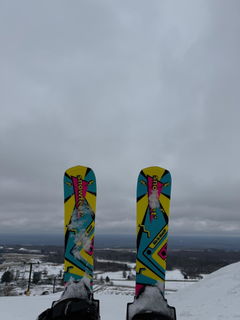
ALPINE SKIS | ALL-MOUNTAIN SKIS | DOWNHILL SKIS | CARVING SKIS
BEST ALPINE SKIS
Alpine skis are designed for downhill skiing on groomed slopes. They're shorter and stiffer than other types, providing stability and control at high speeds. Perfect for beginners to experts, alpine skis make skiing easy and fun!
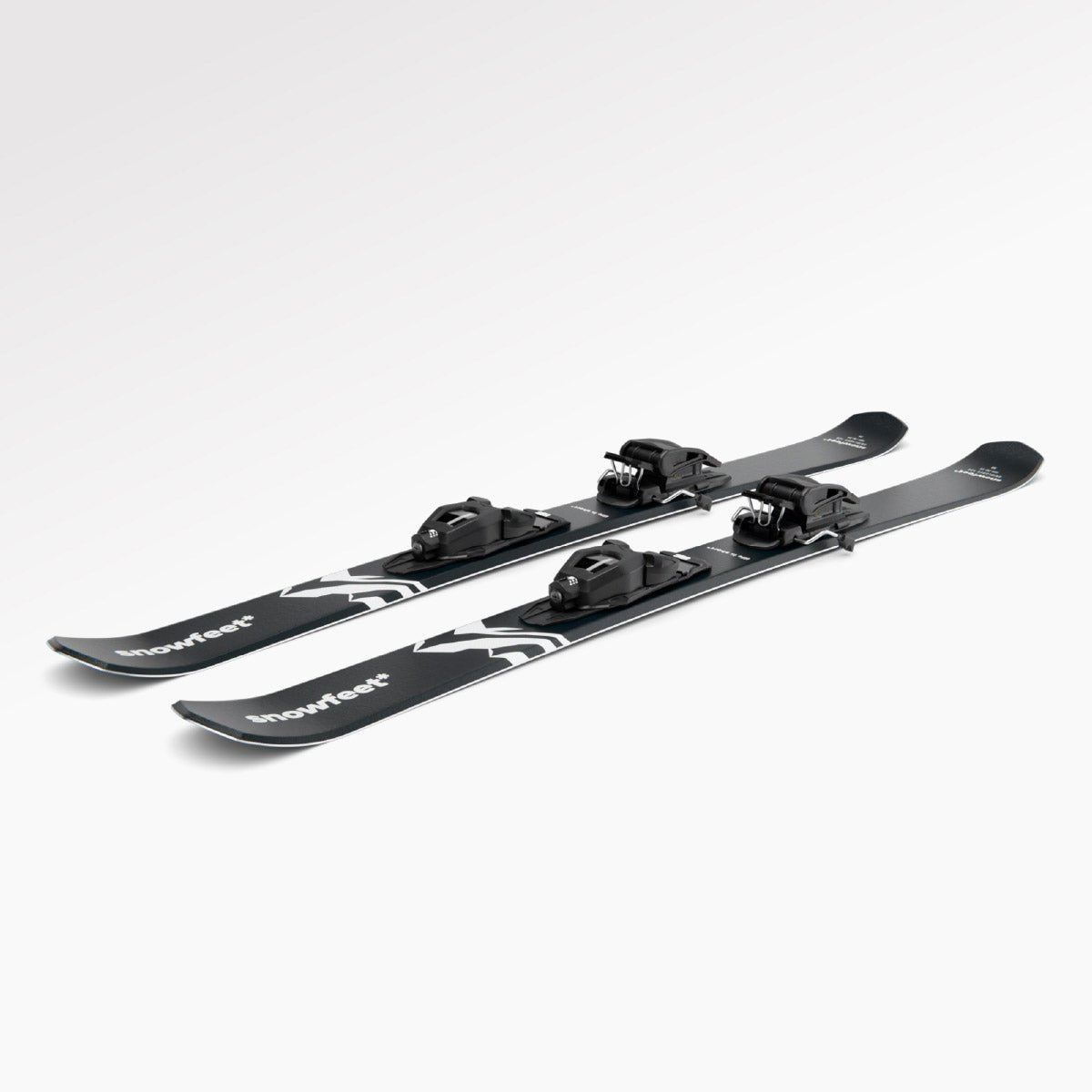
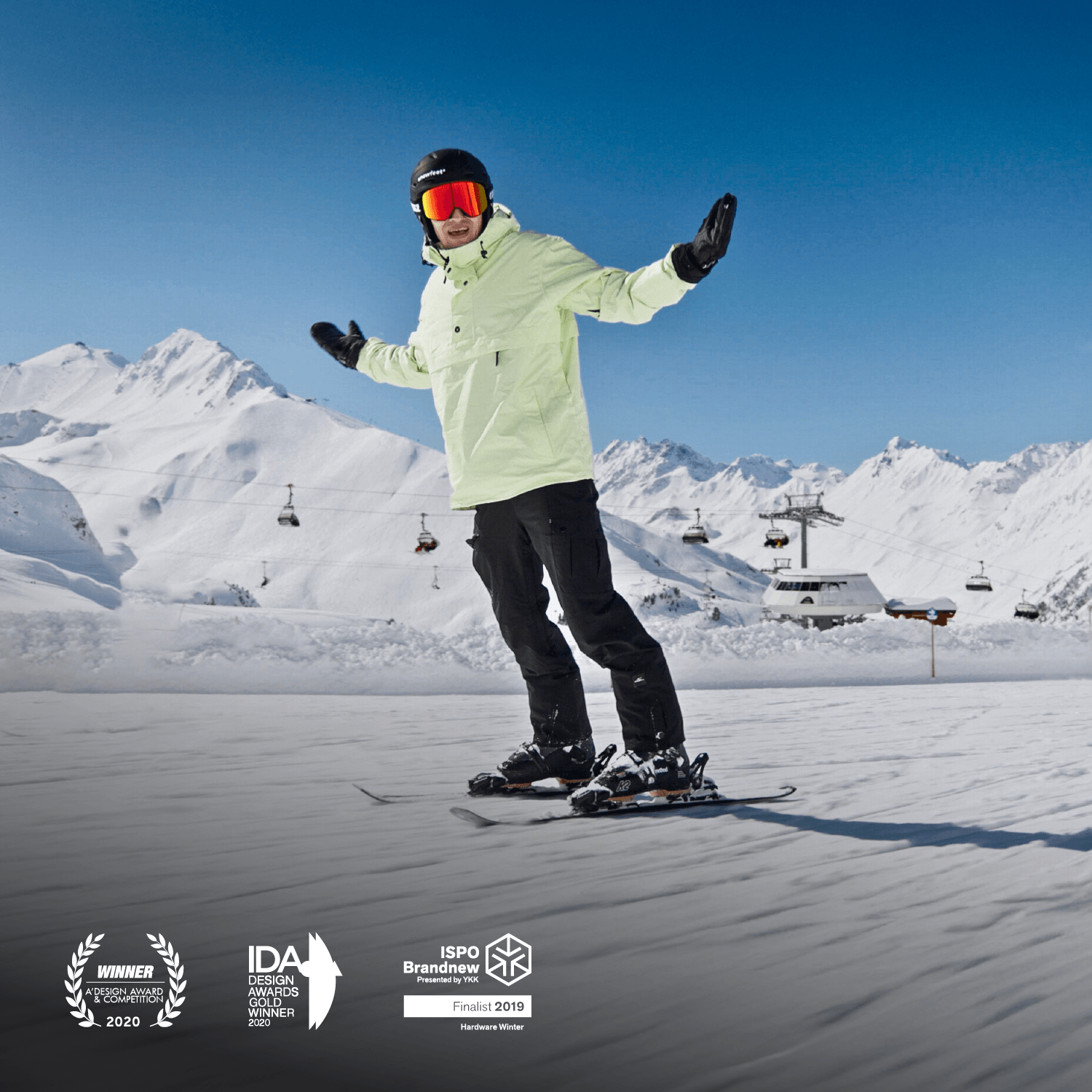
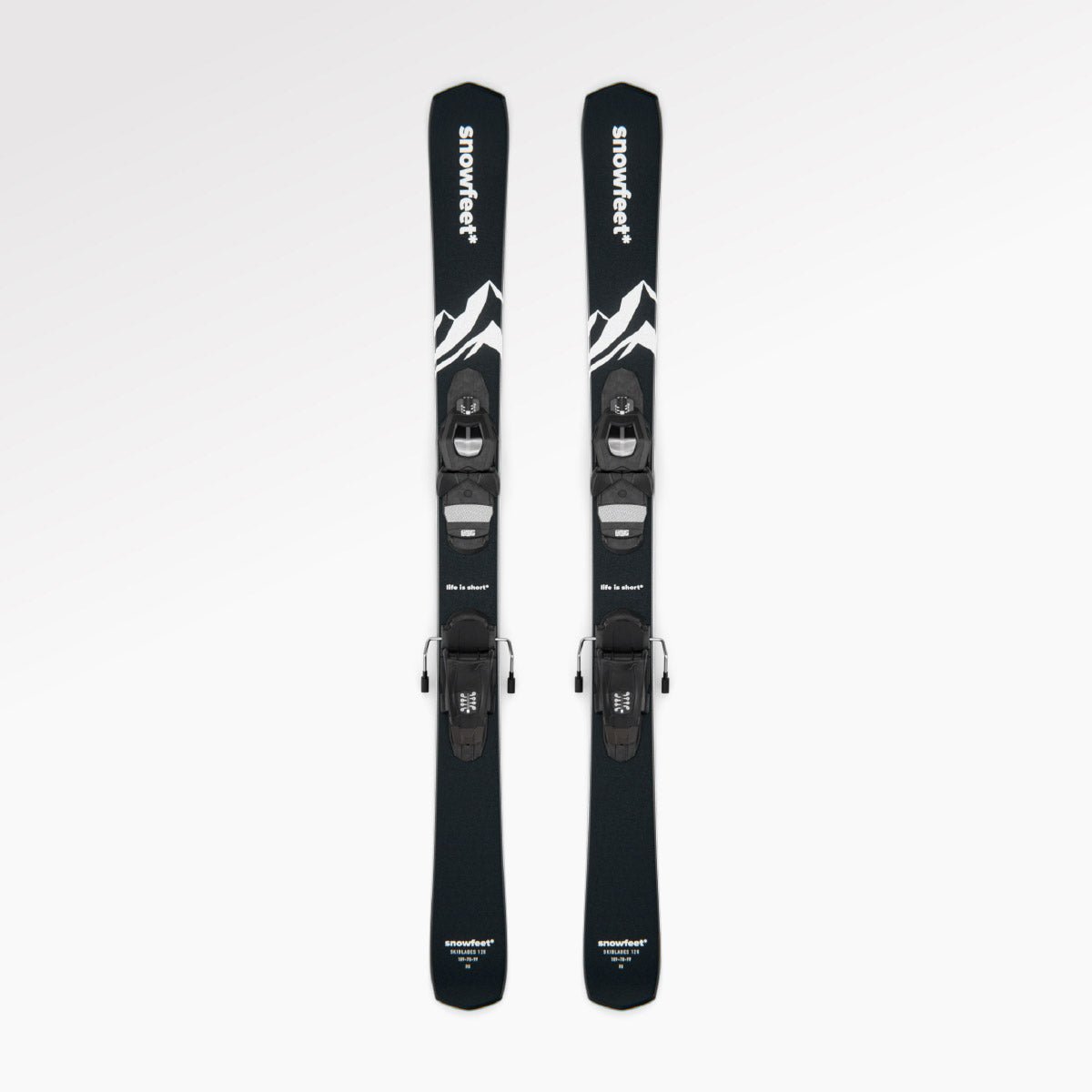
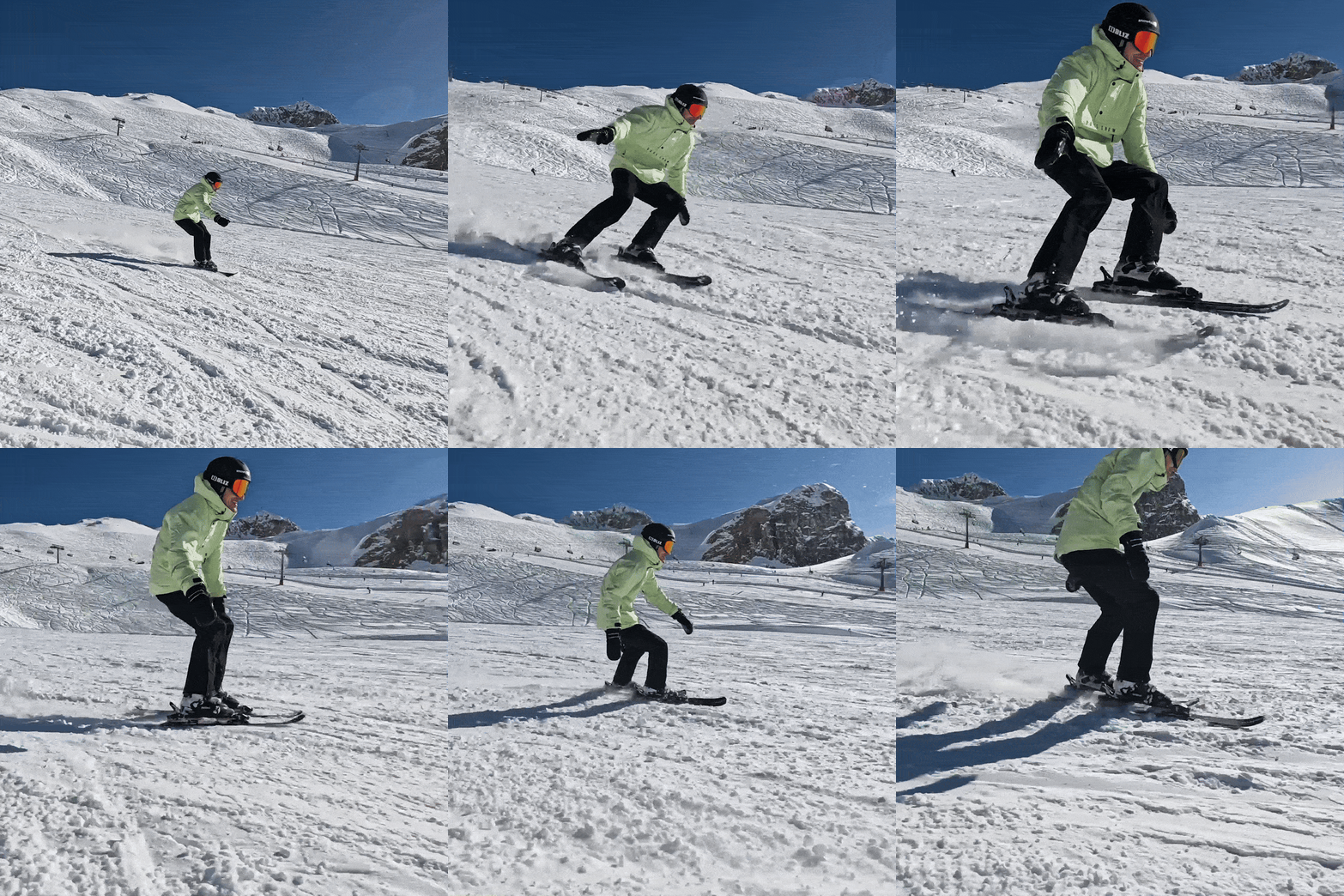
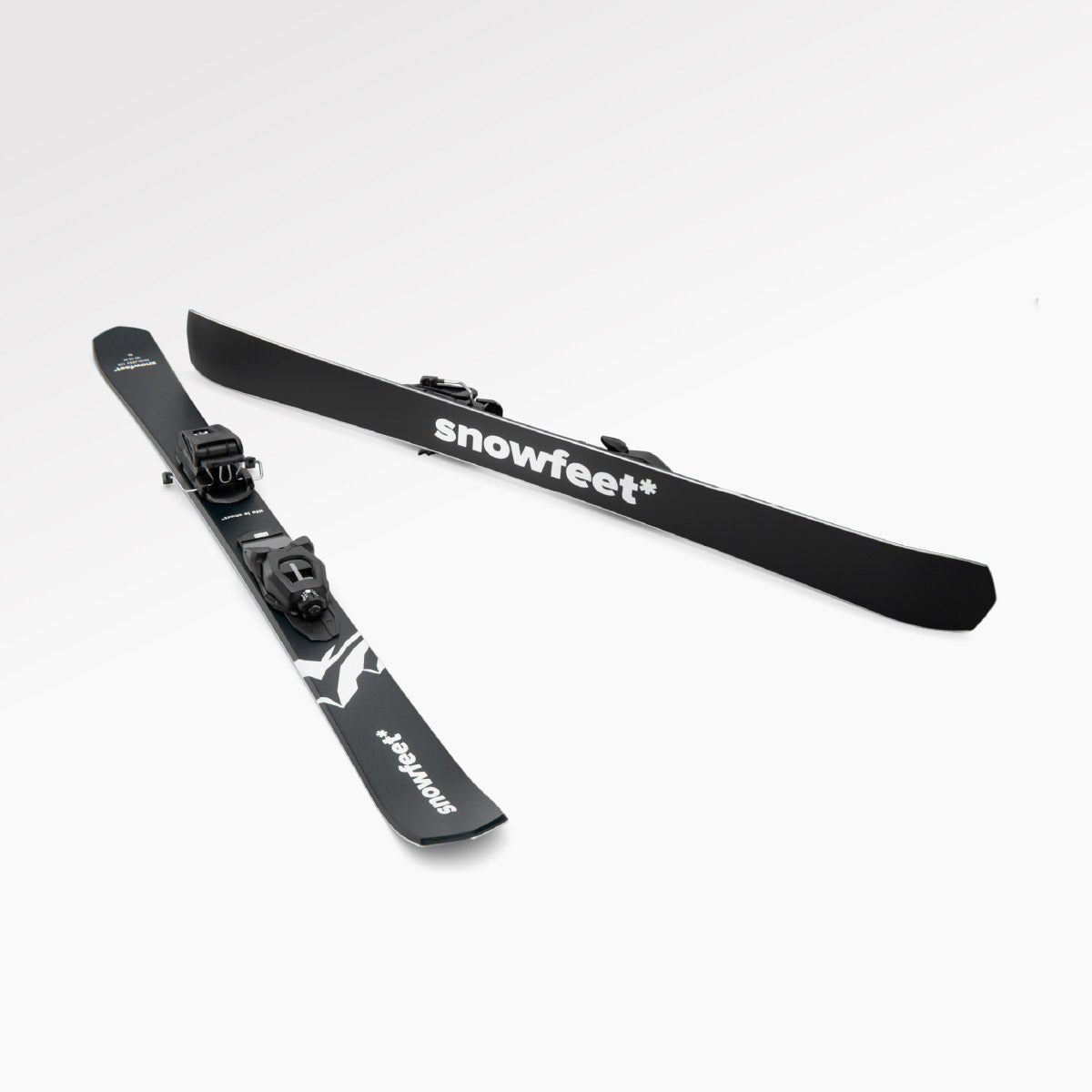
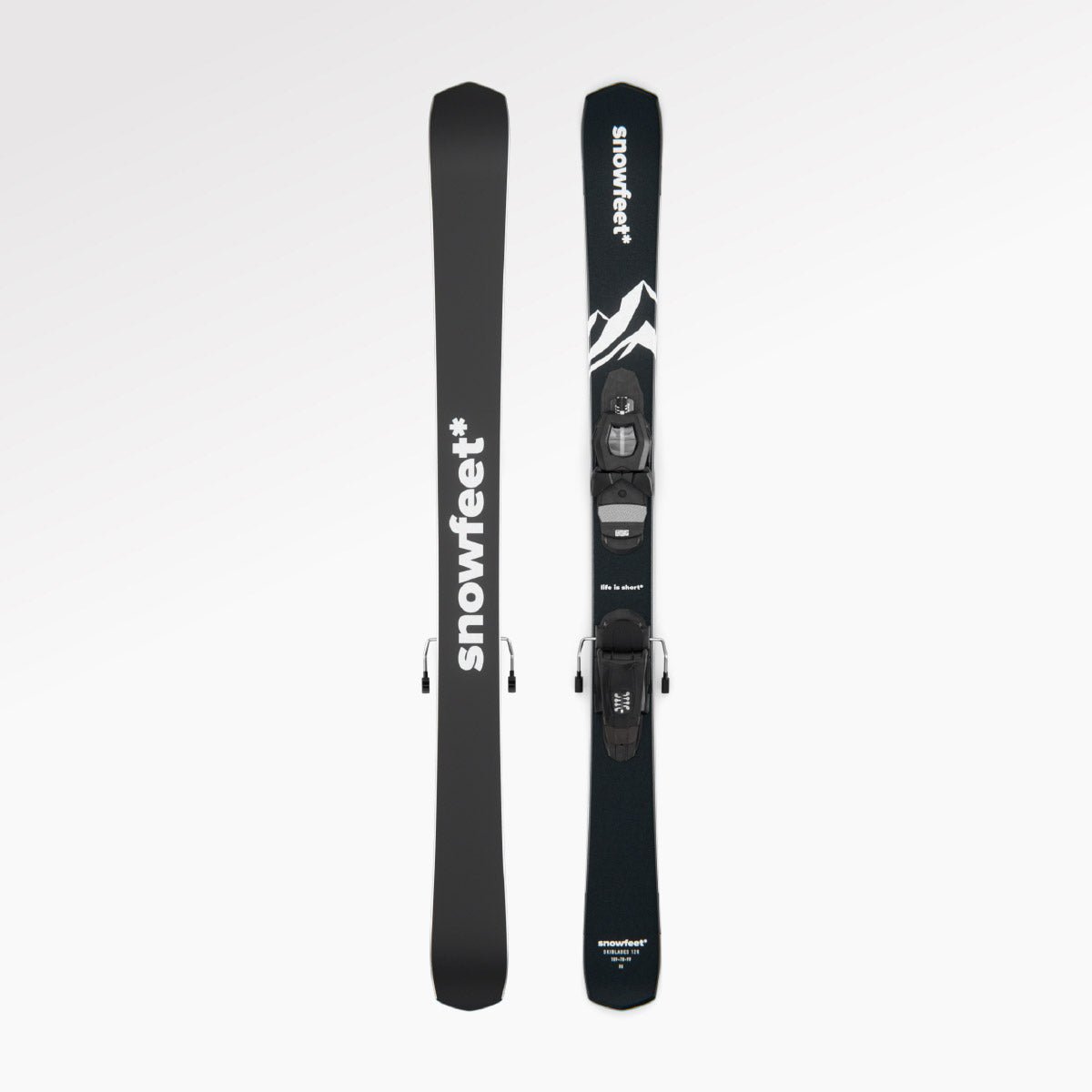
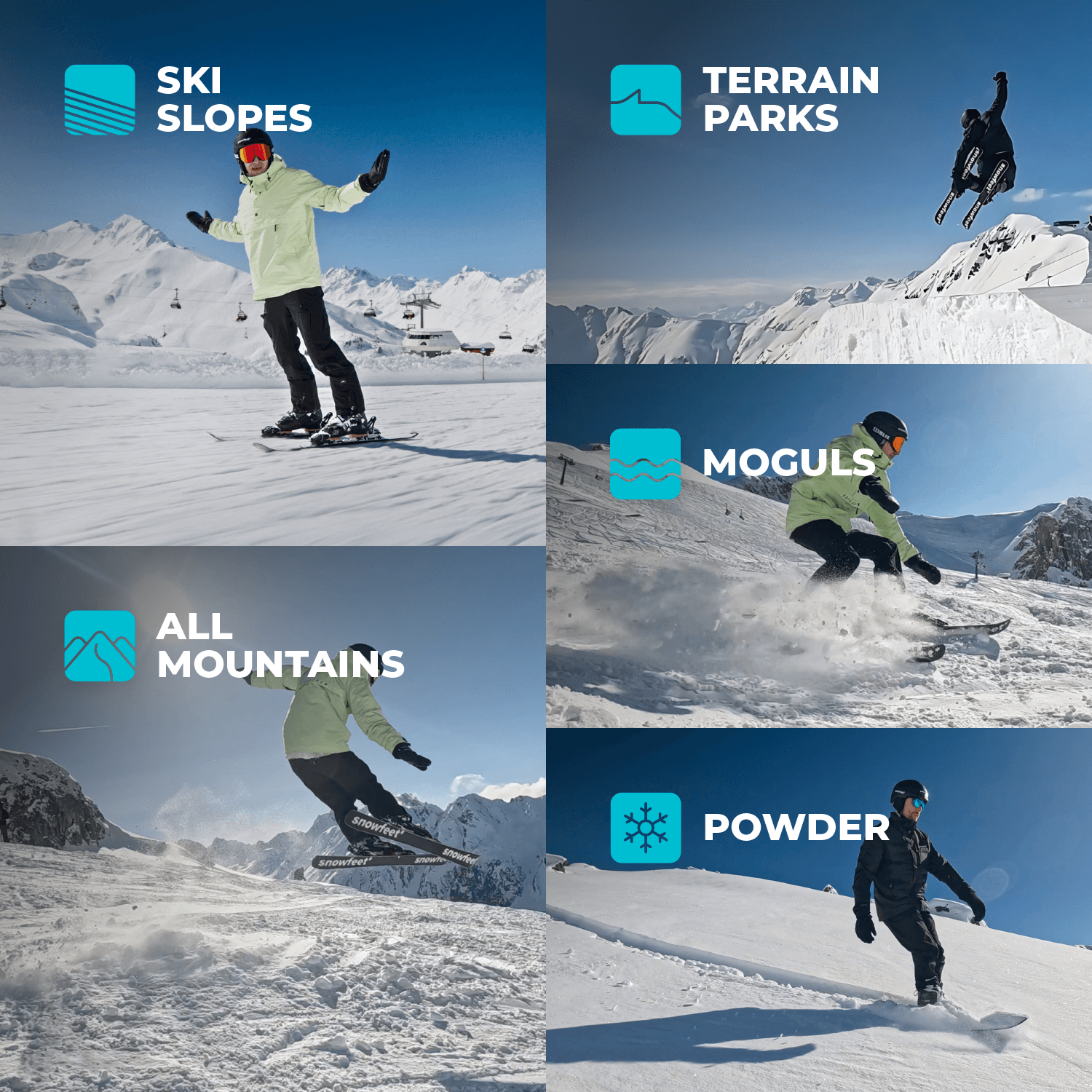
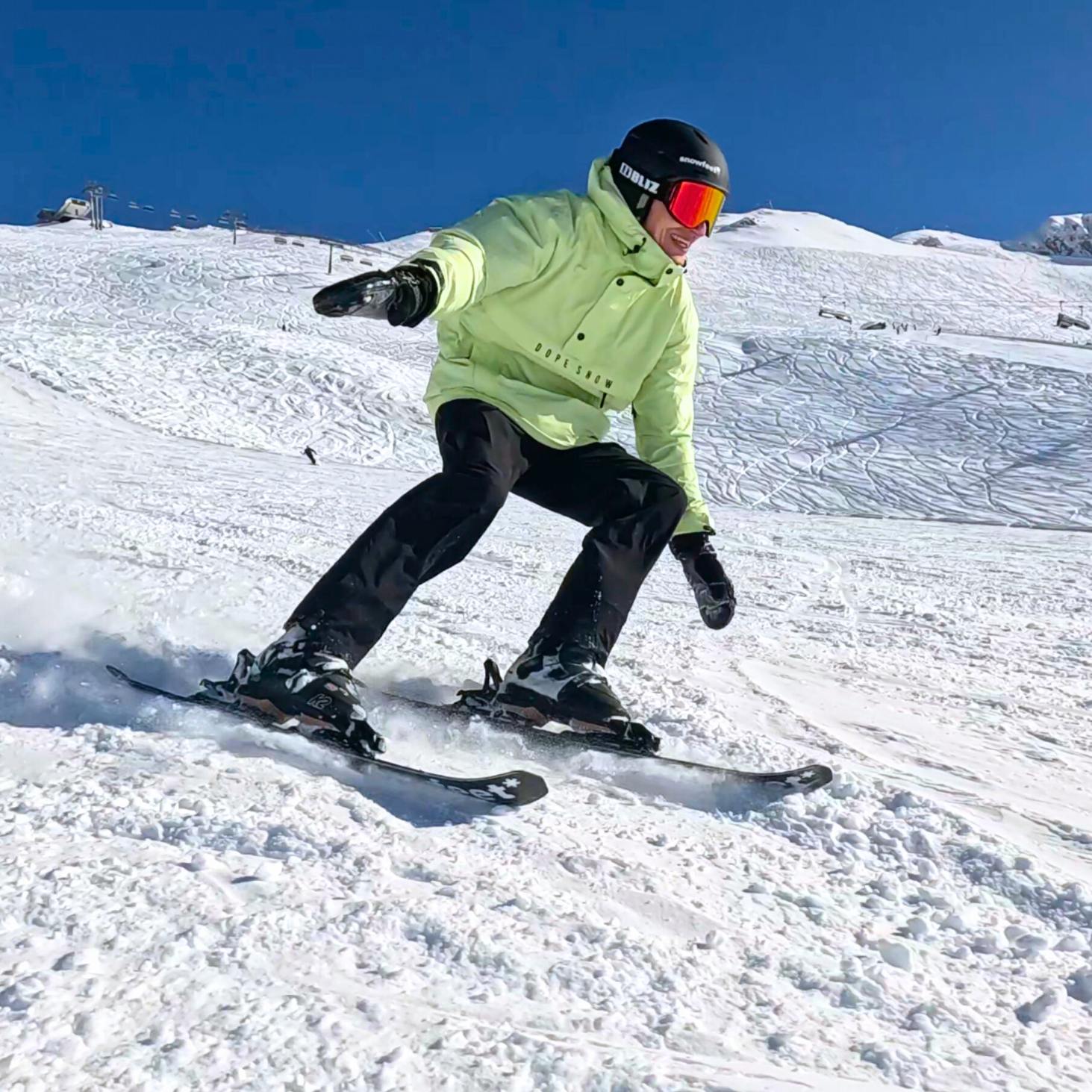
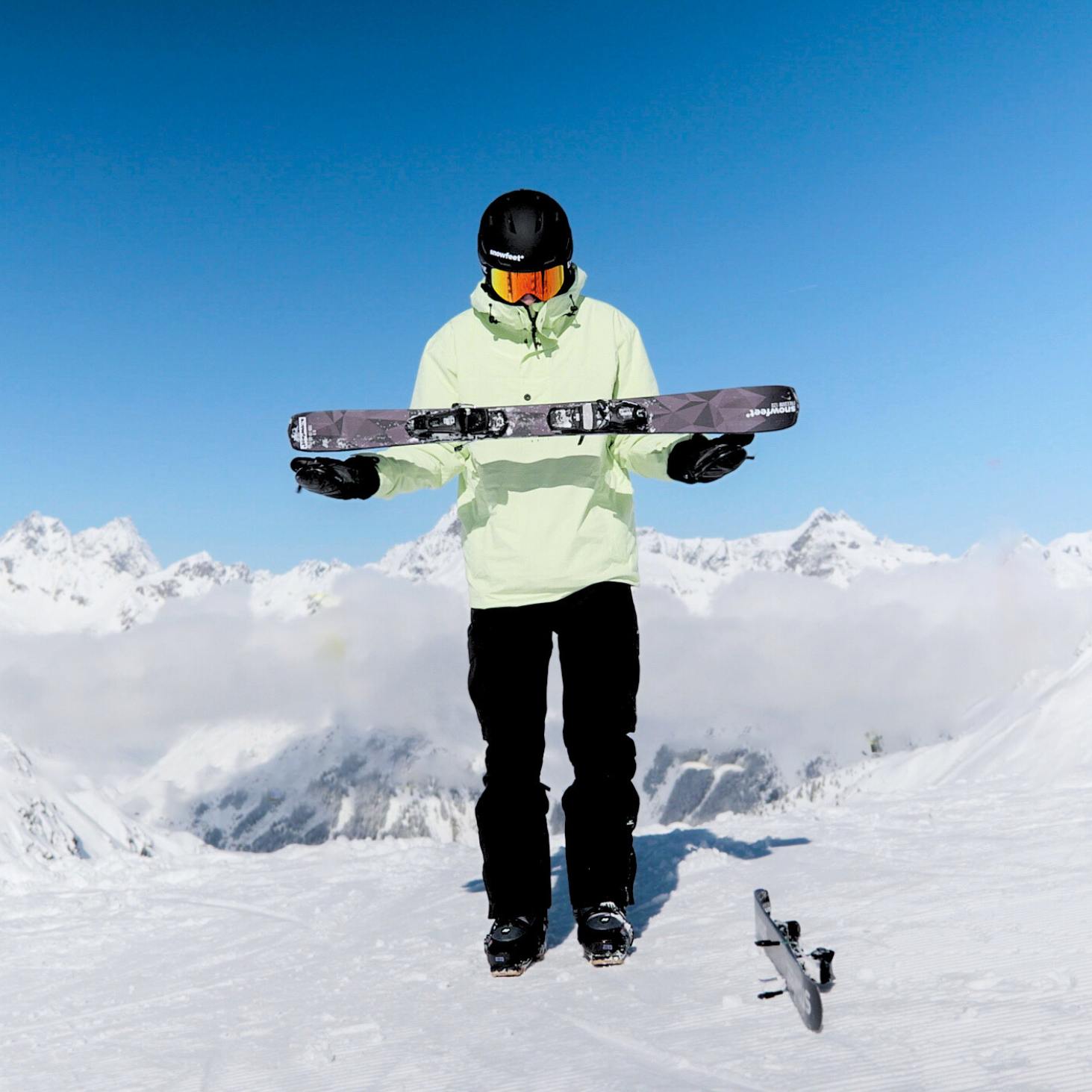
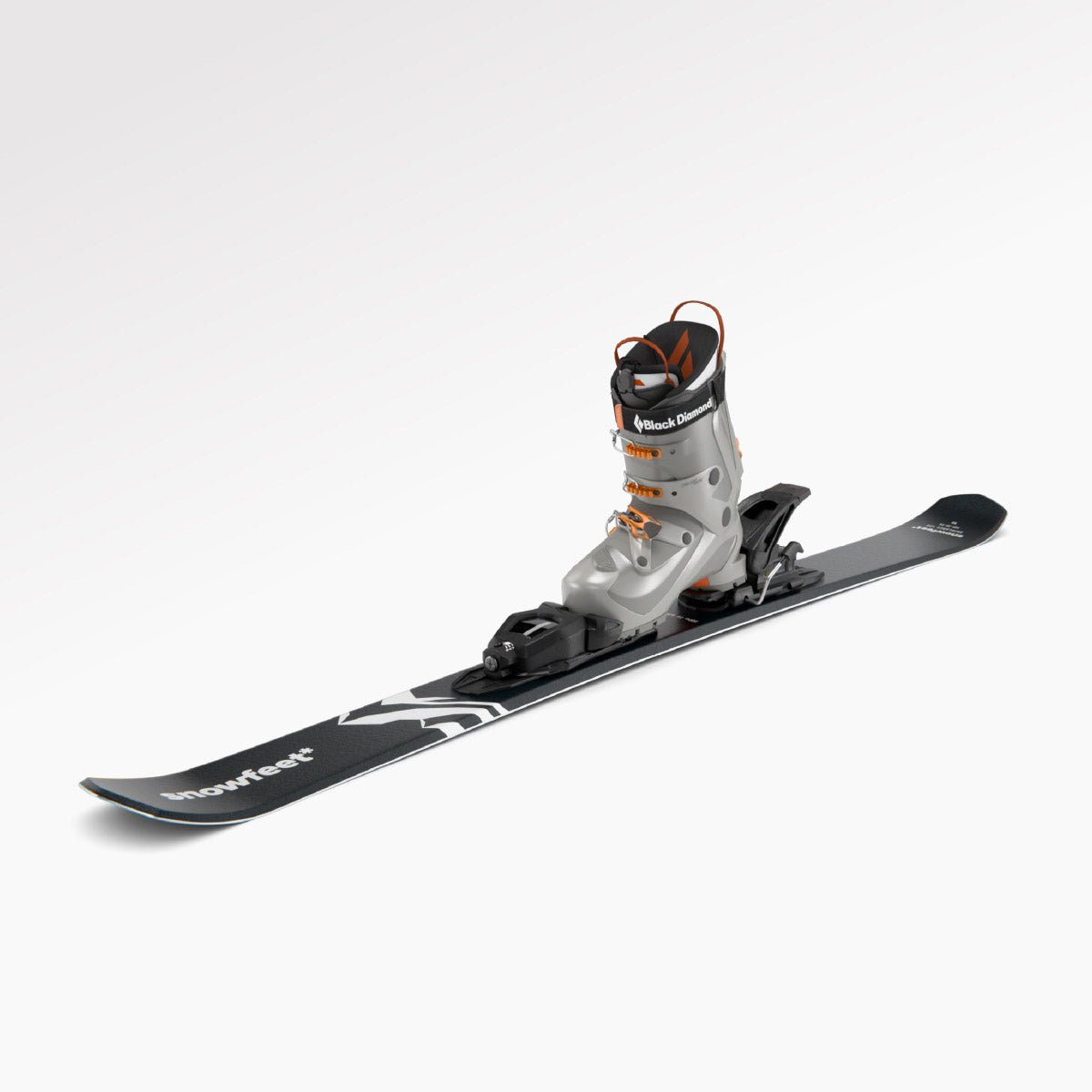
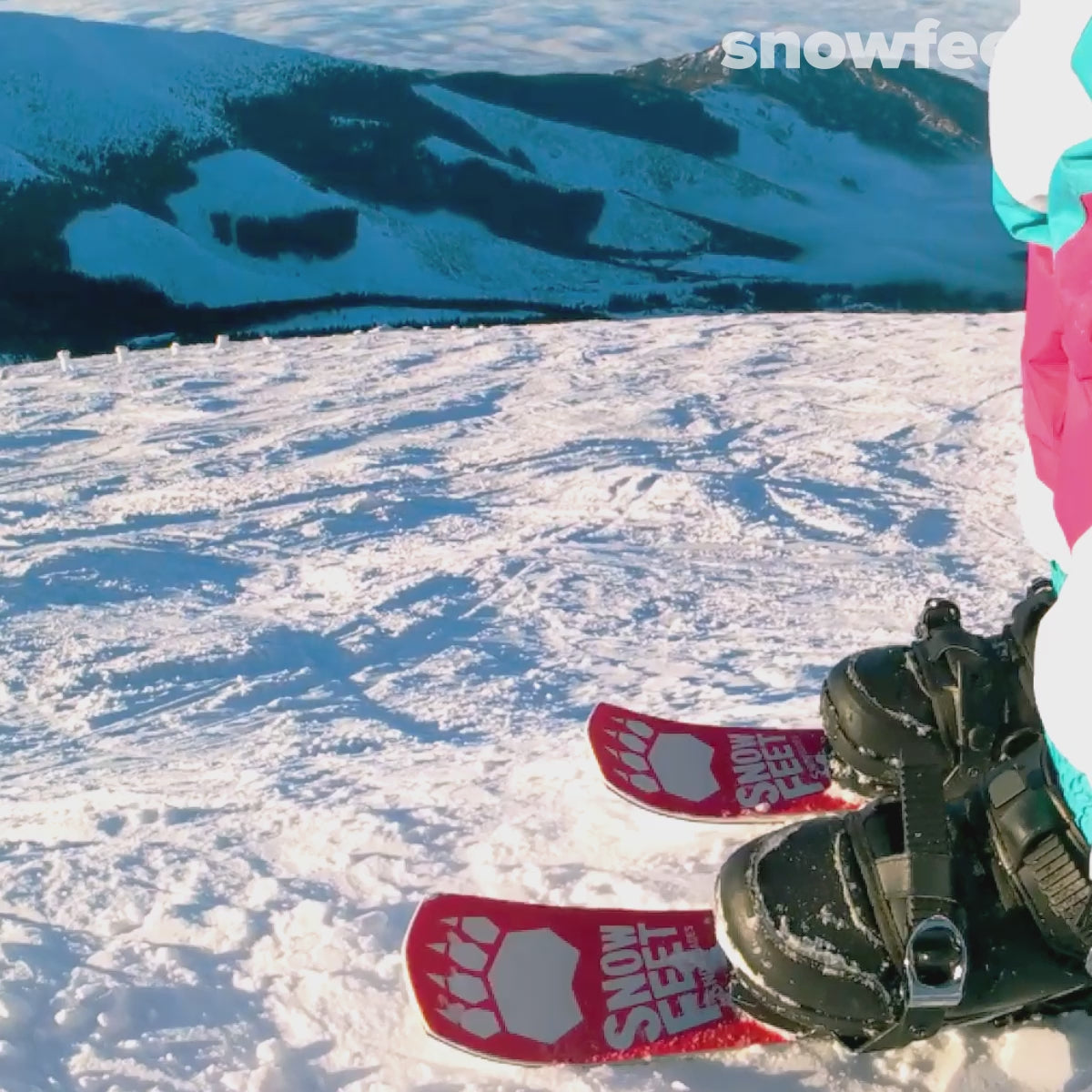
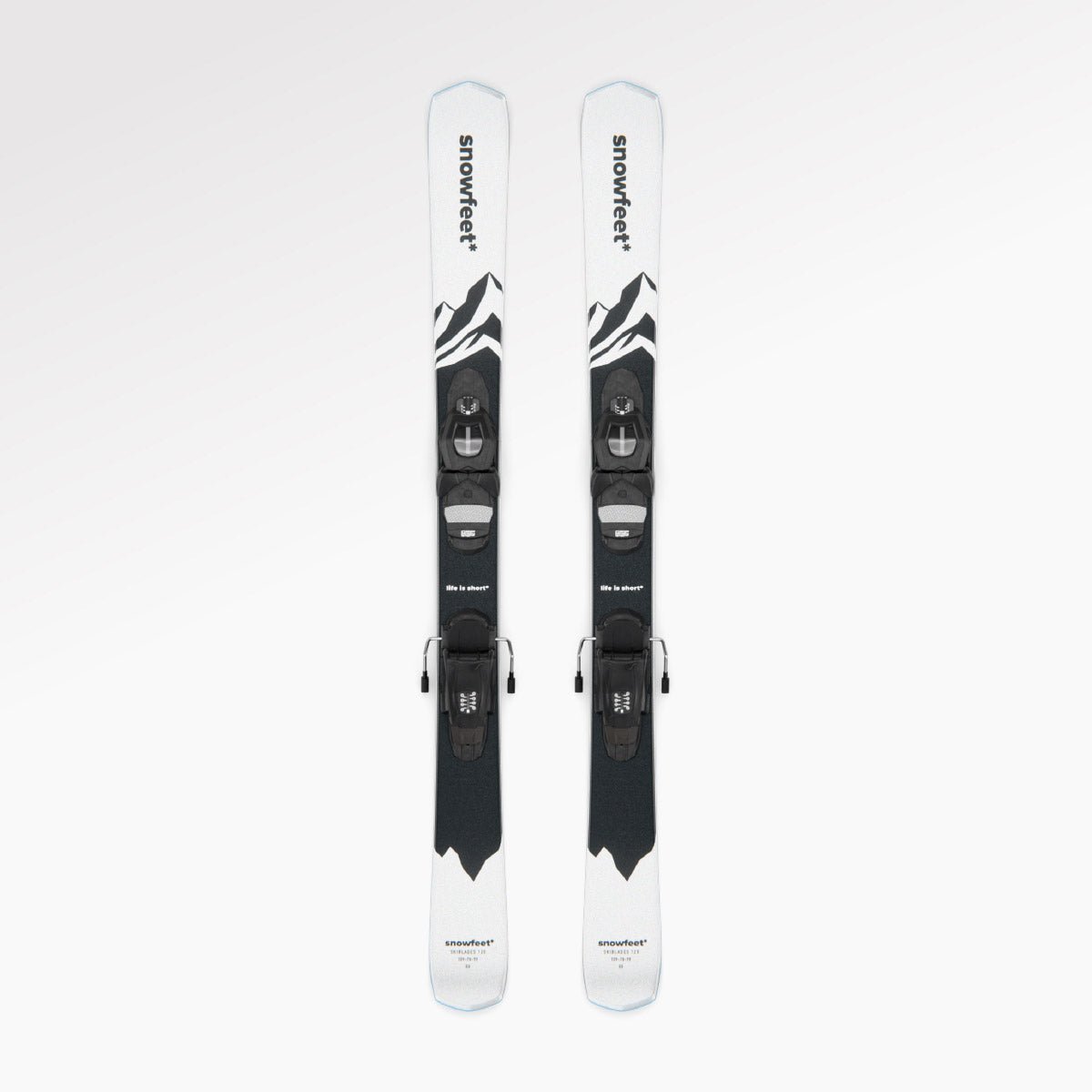
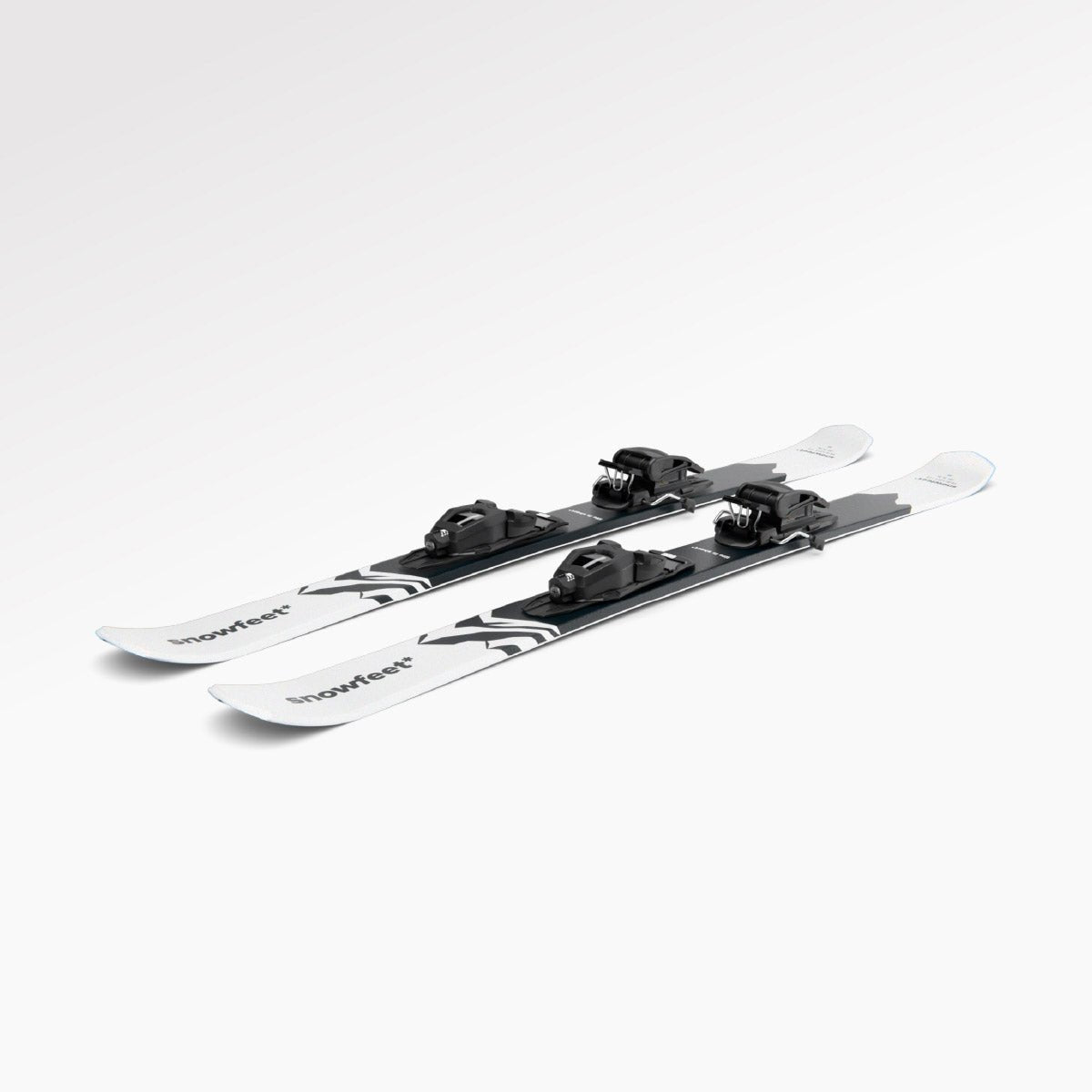
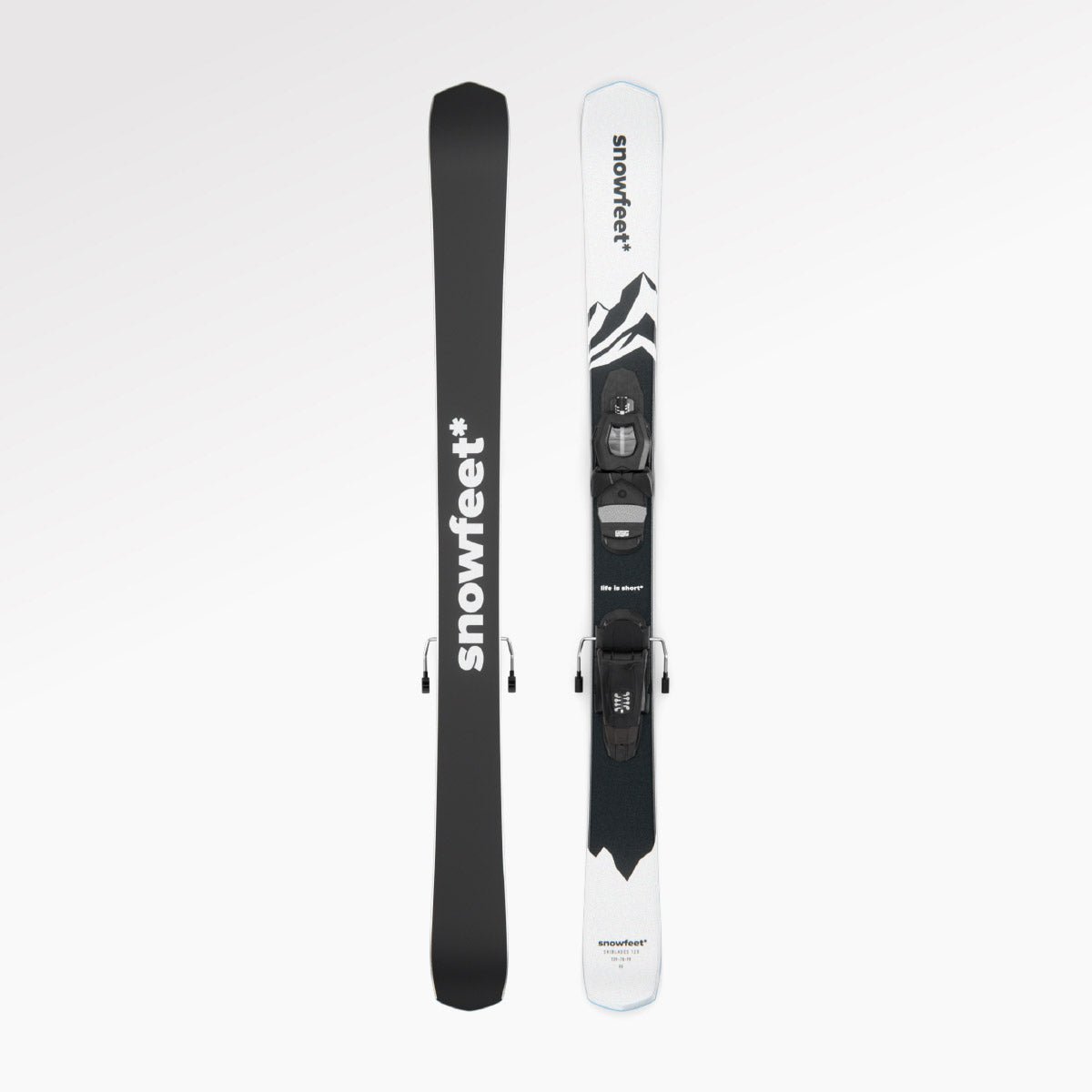
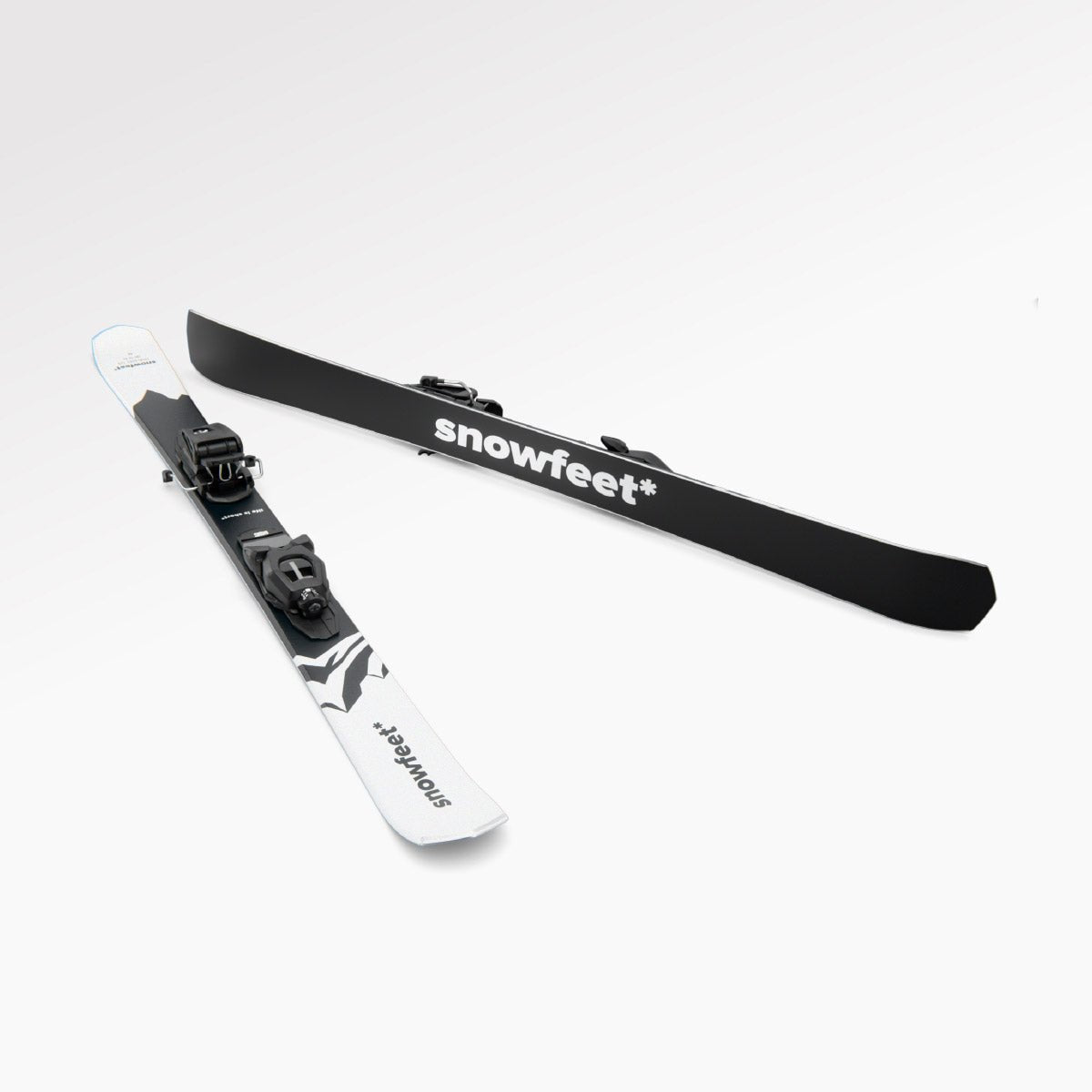
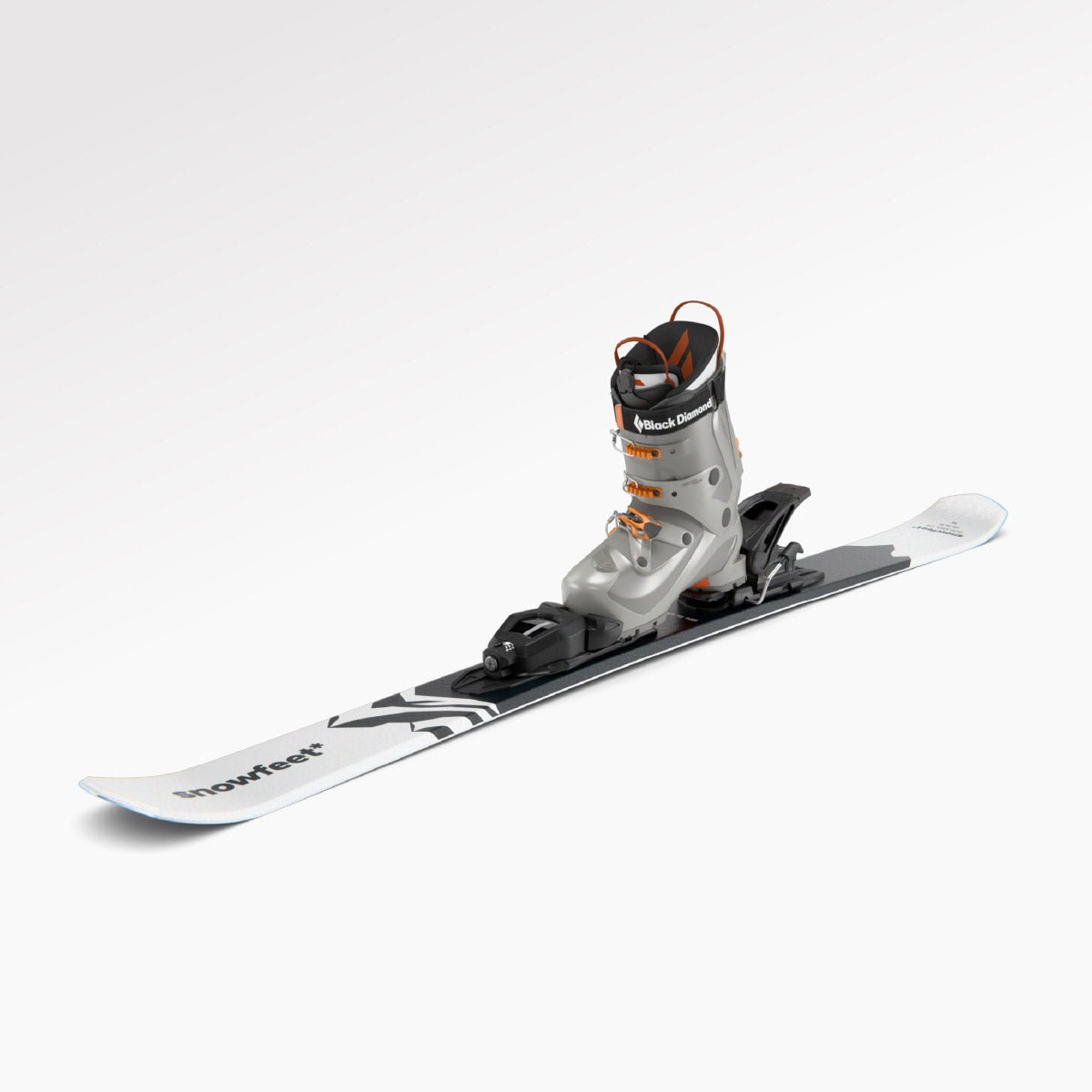
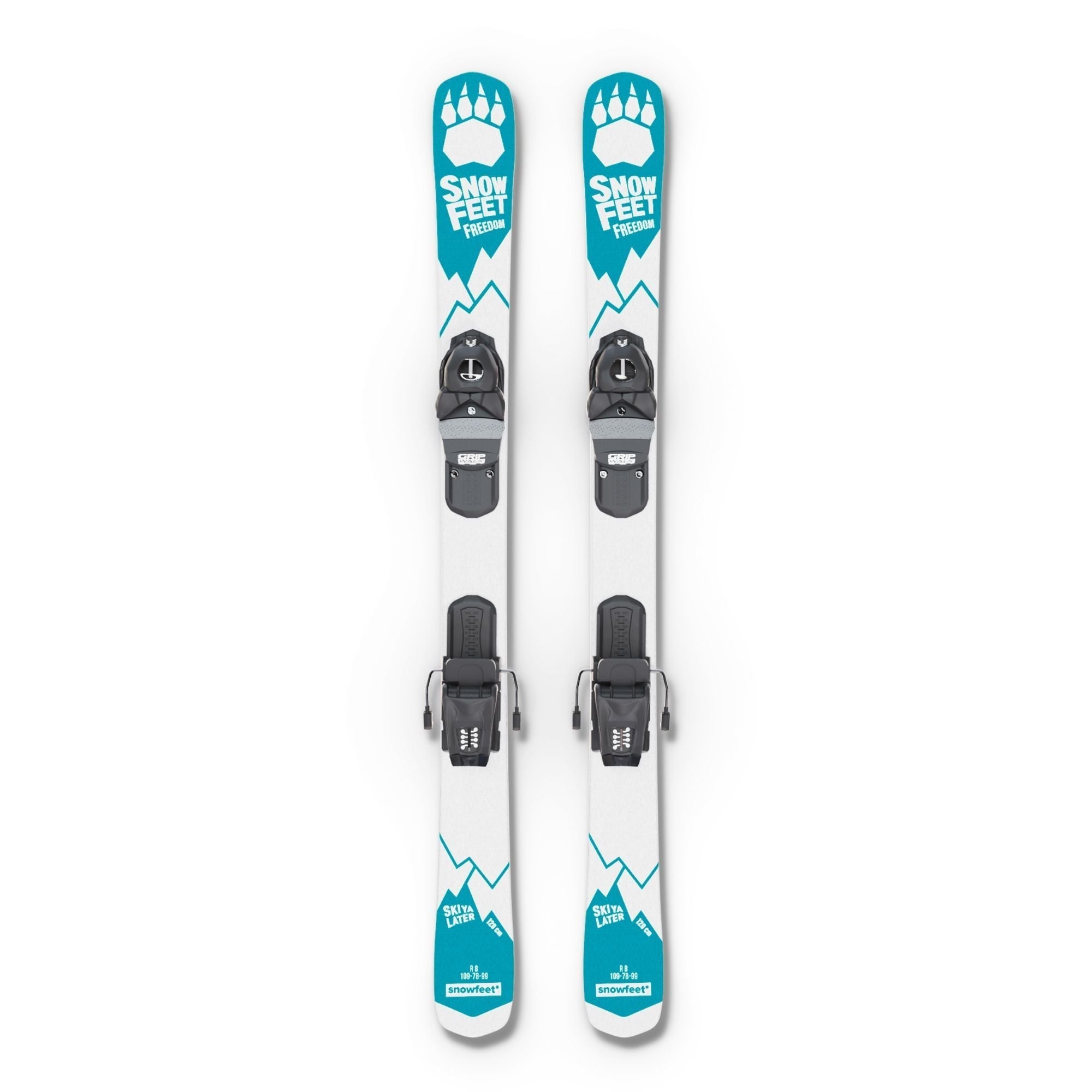
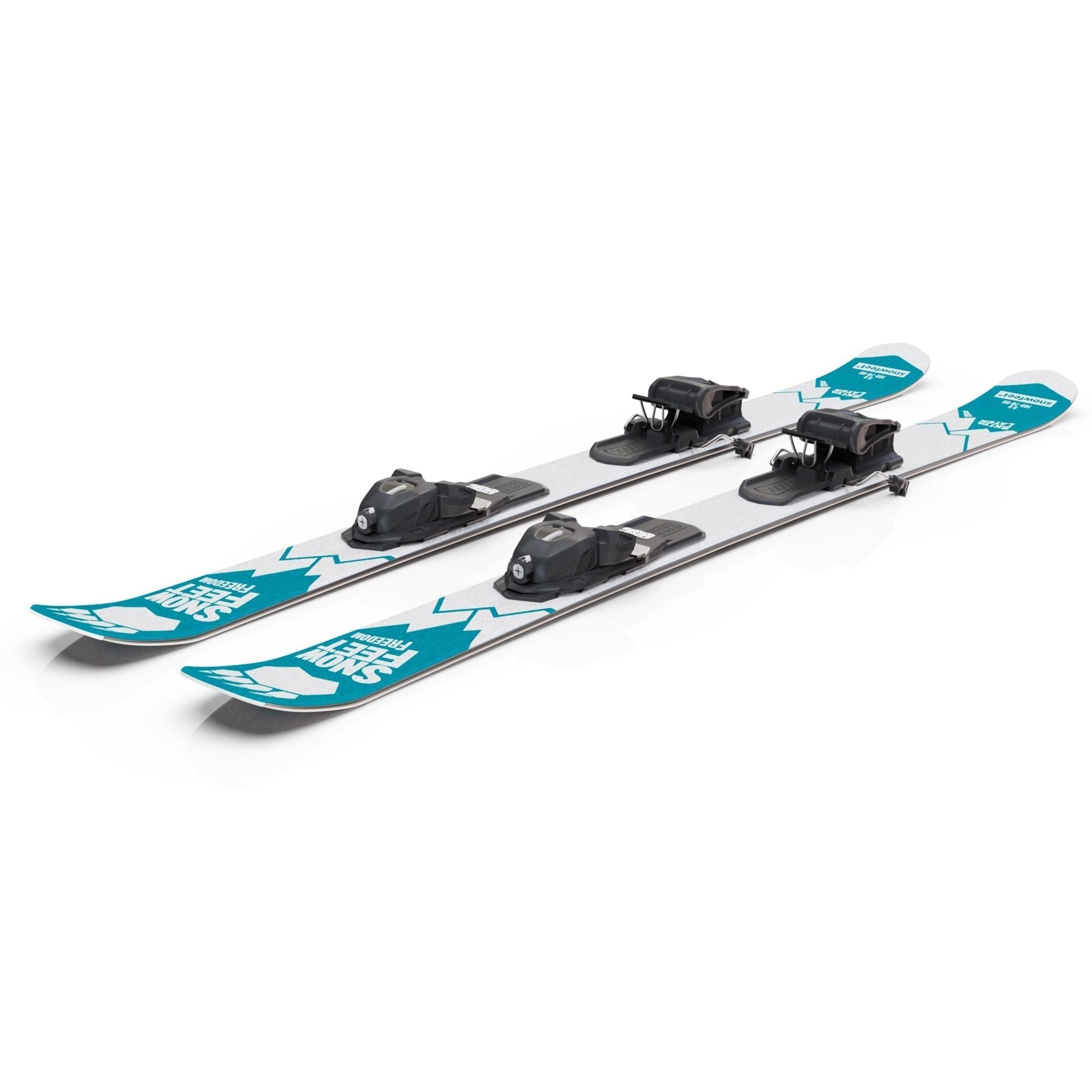
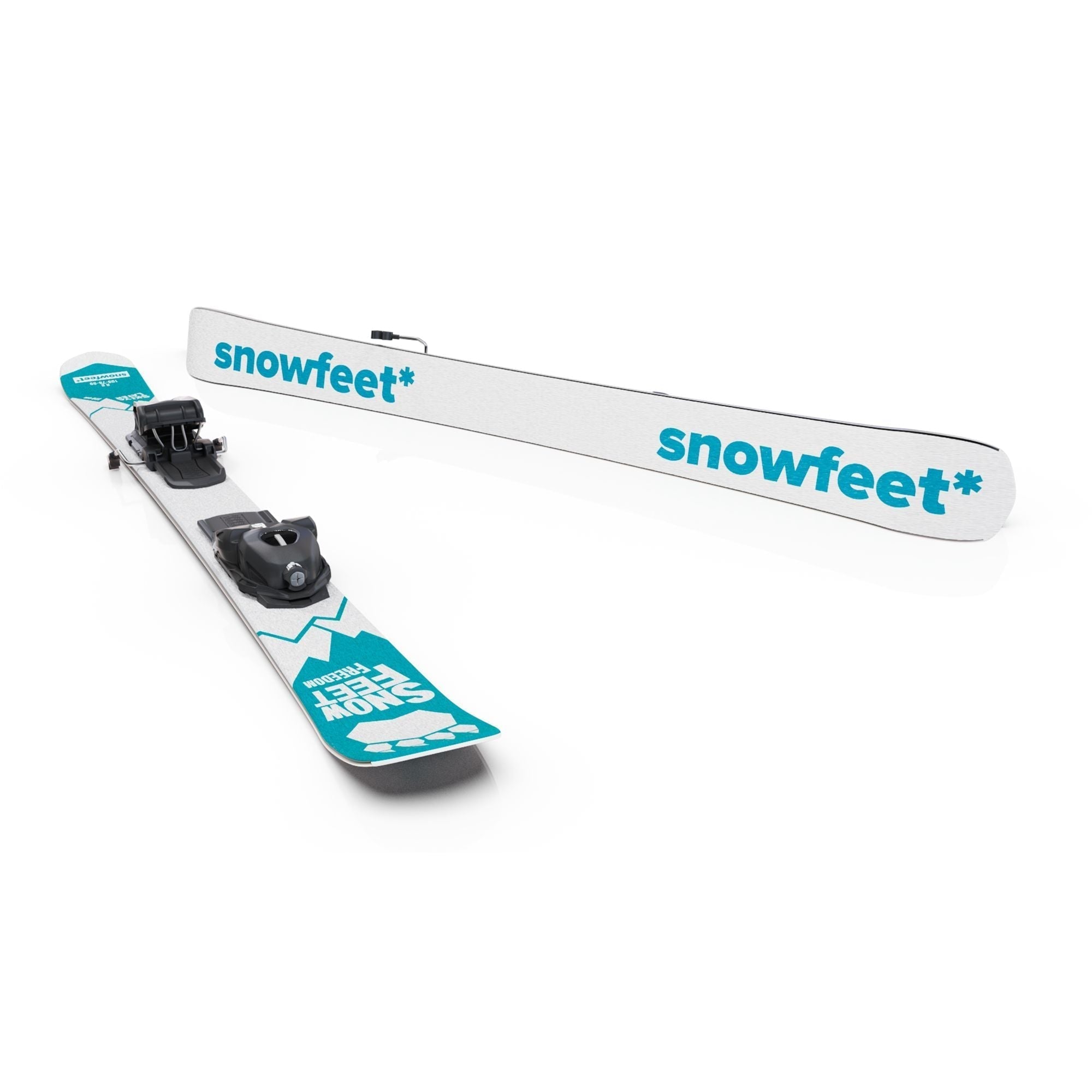
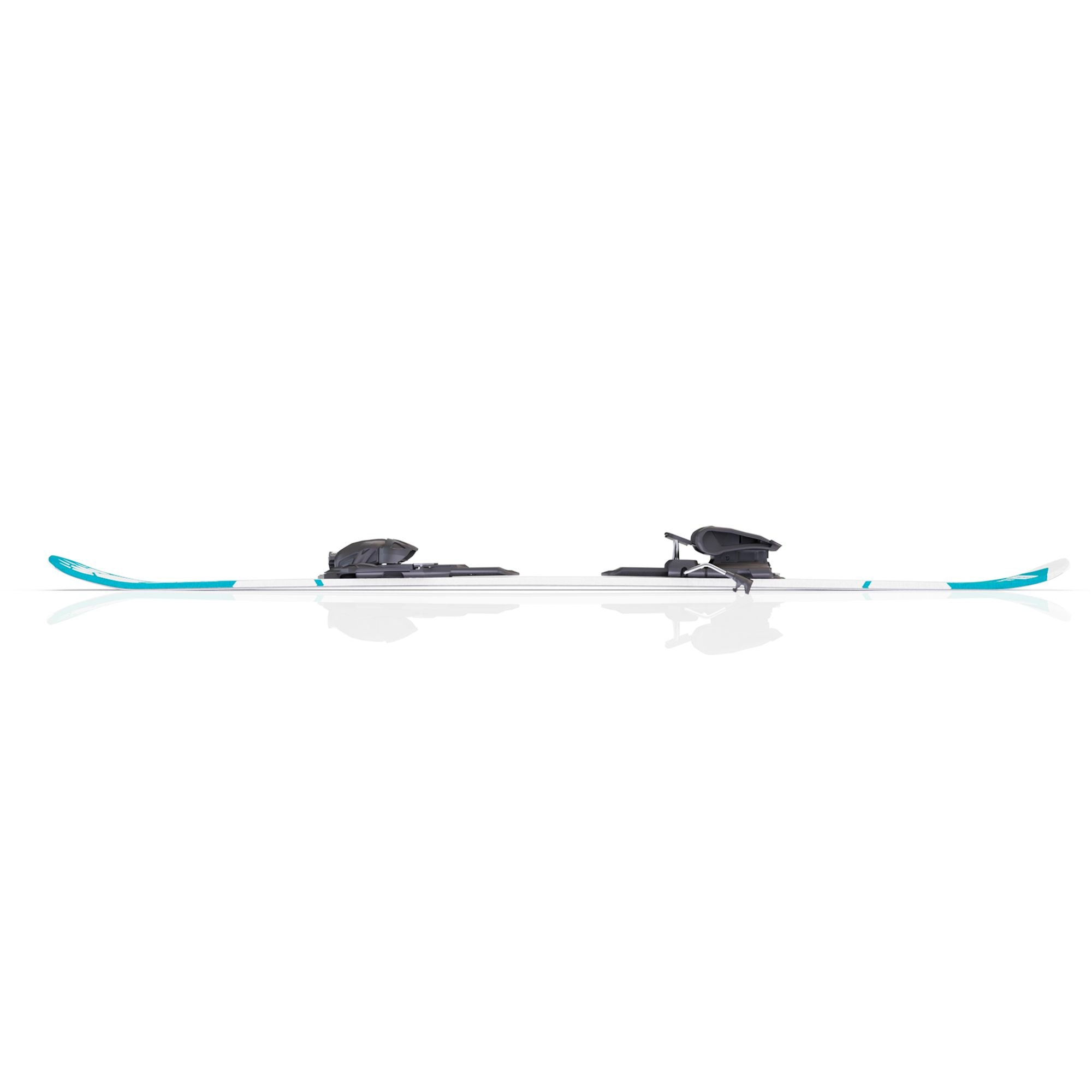
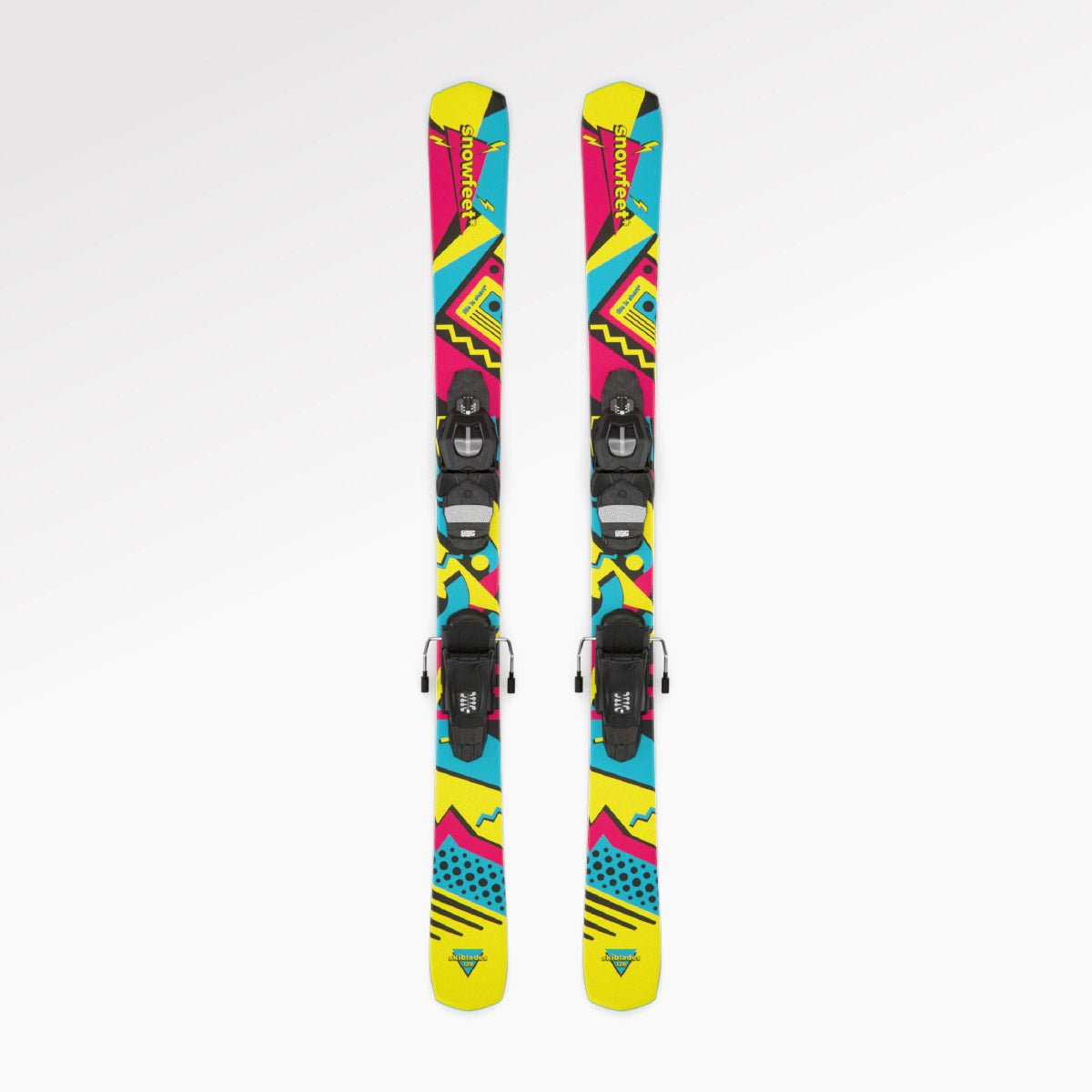
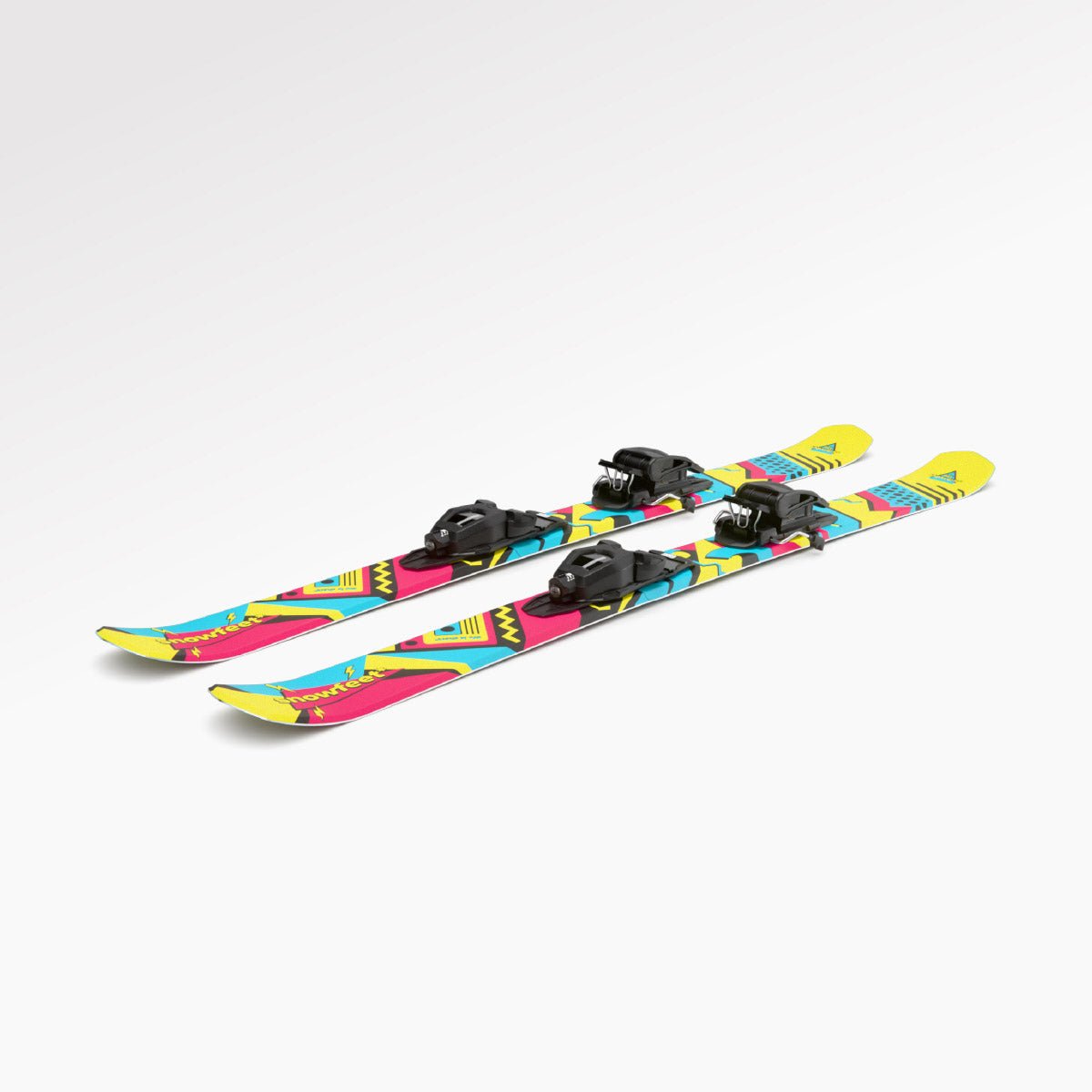
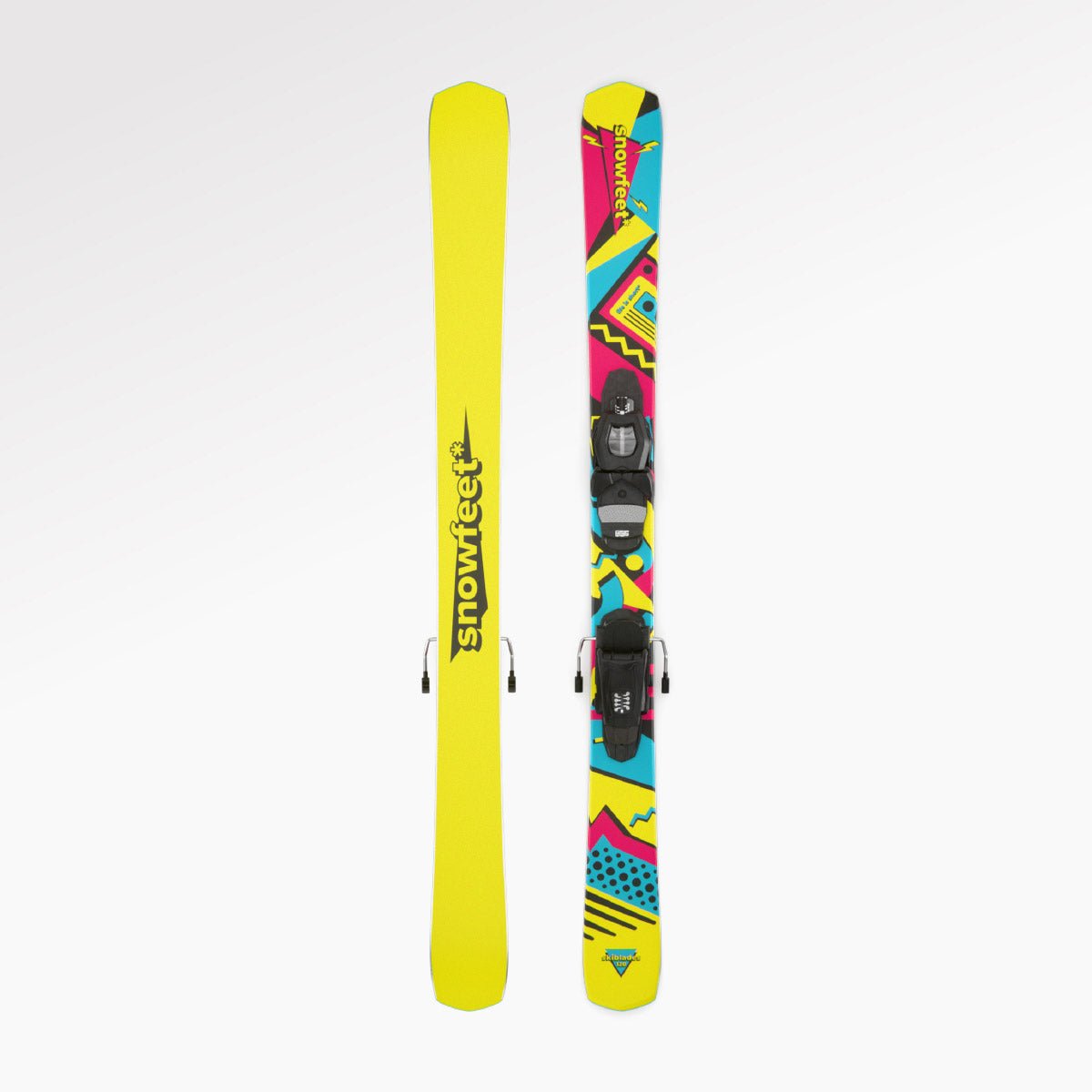
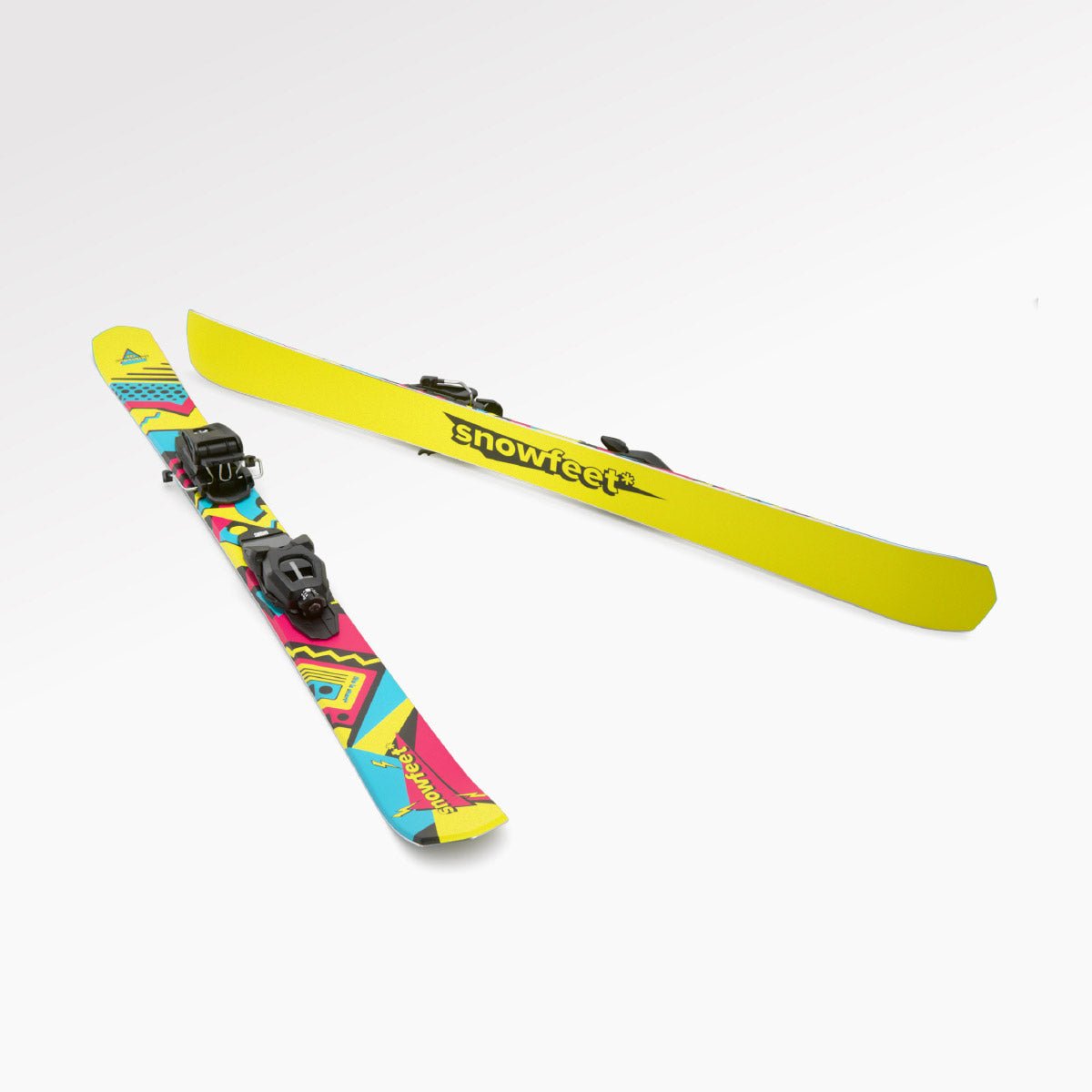
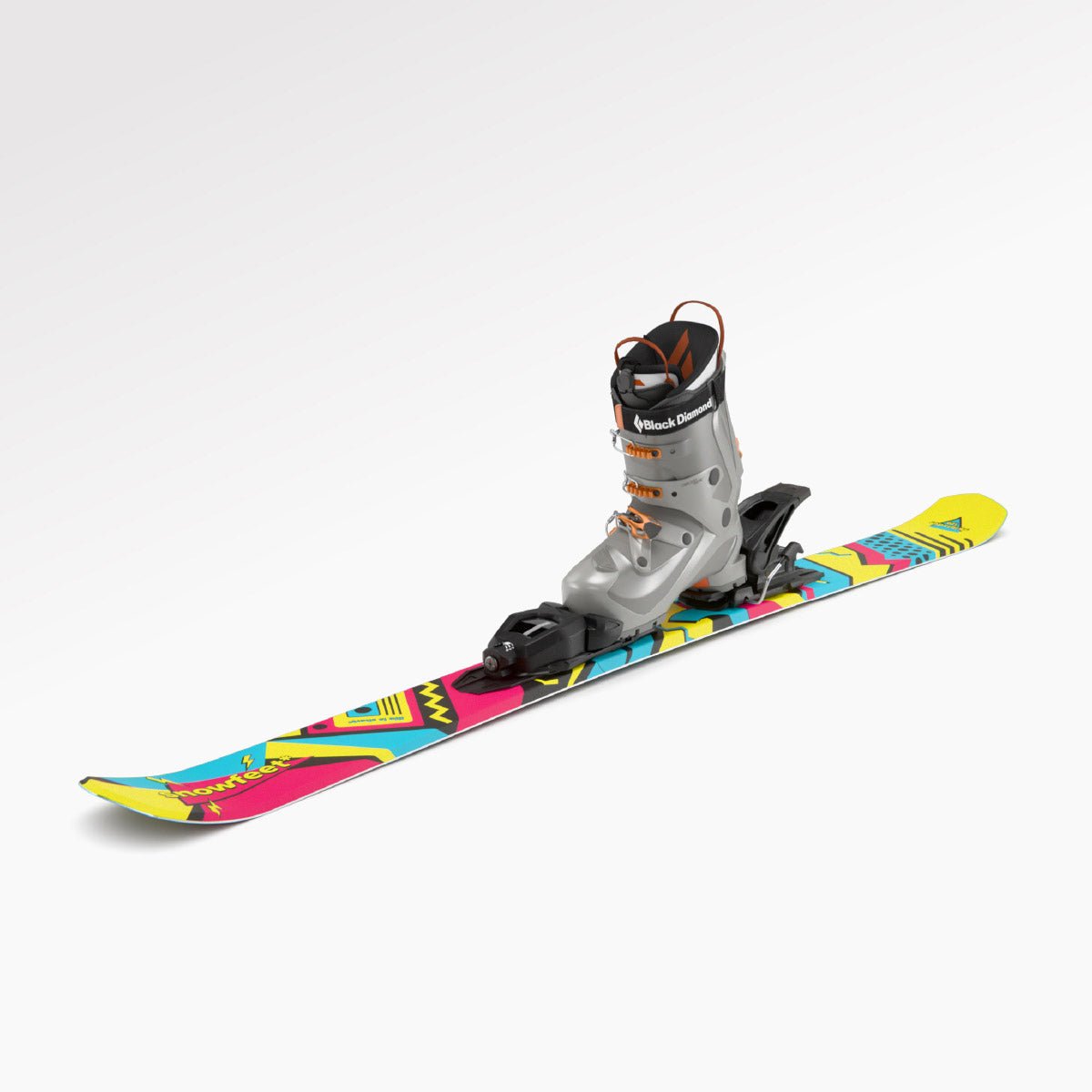

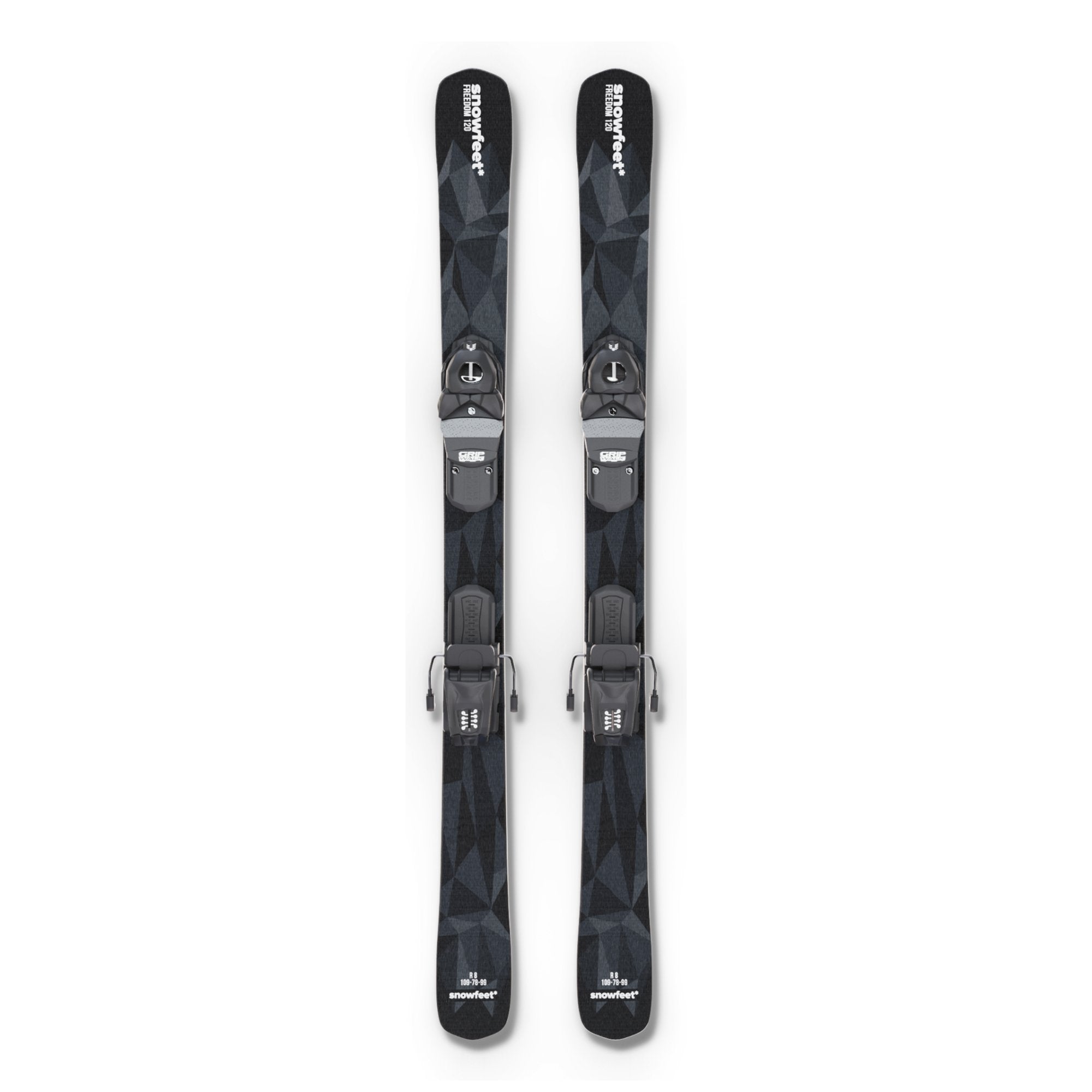
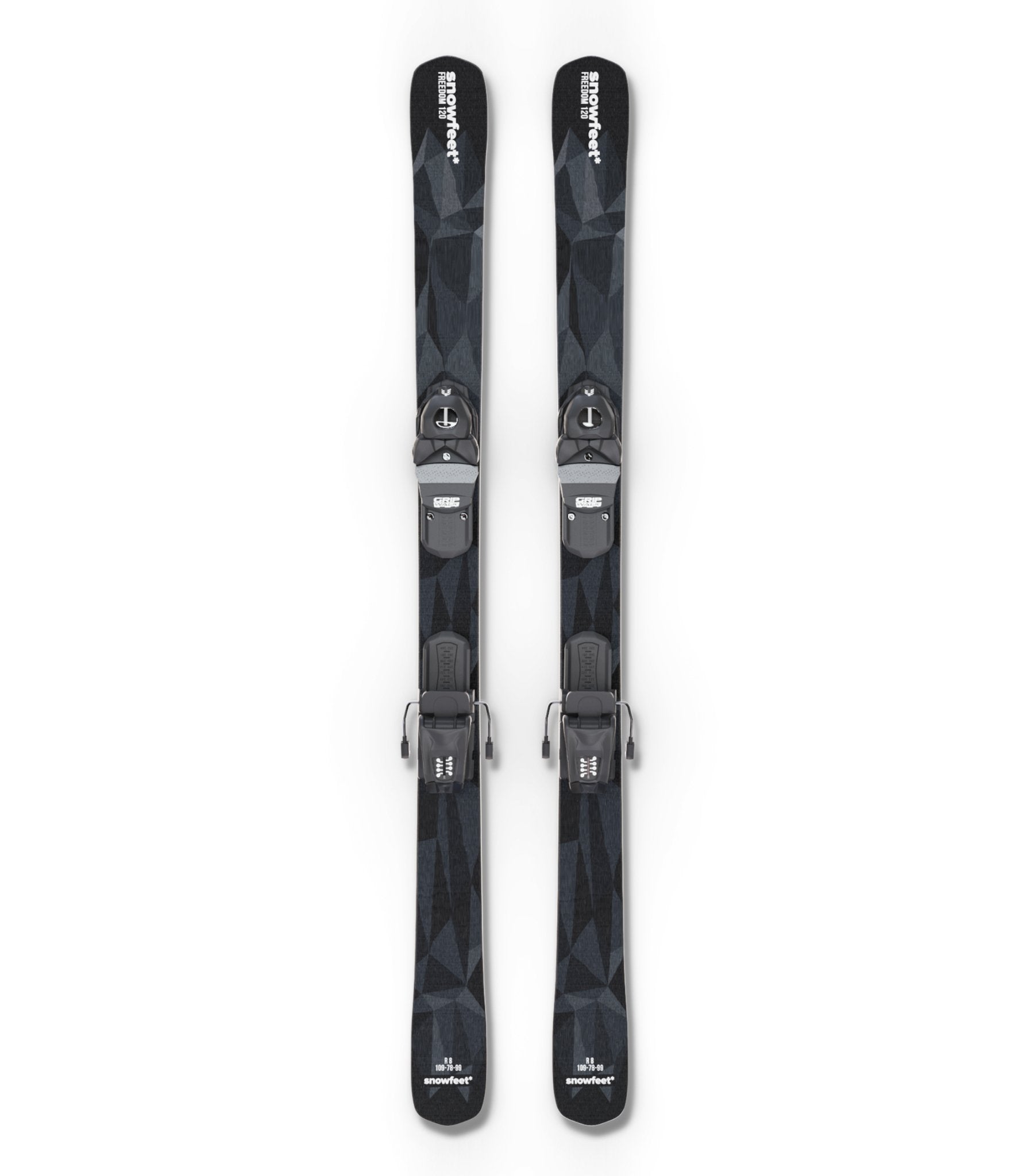
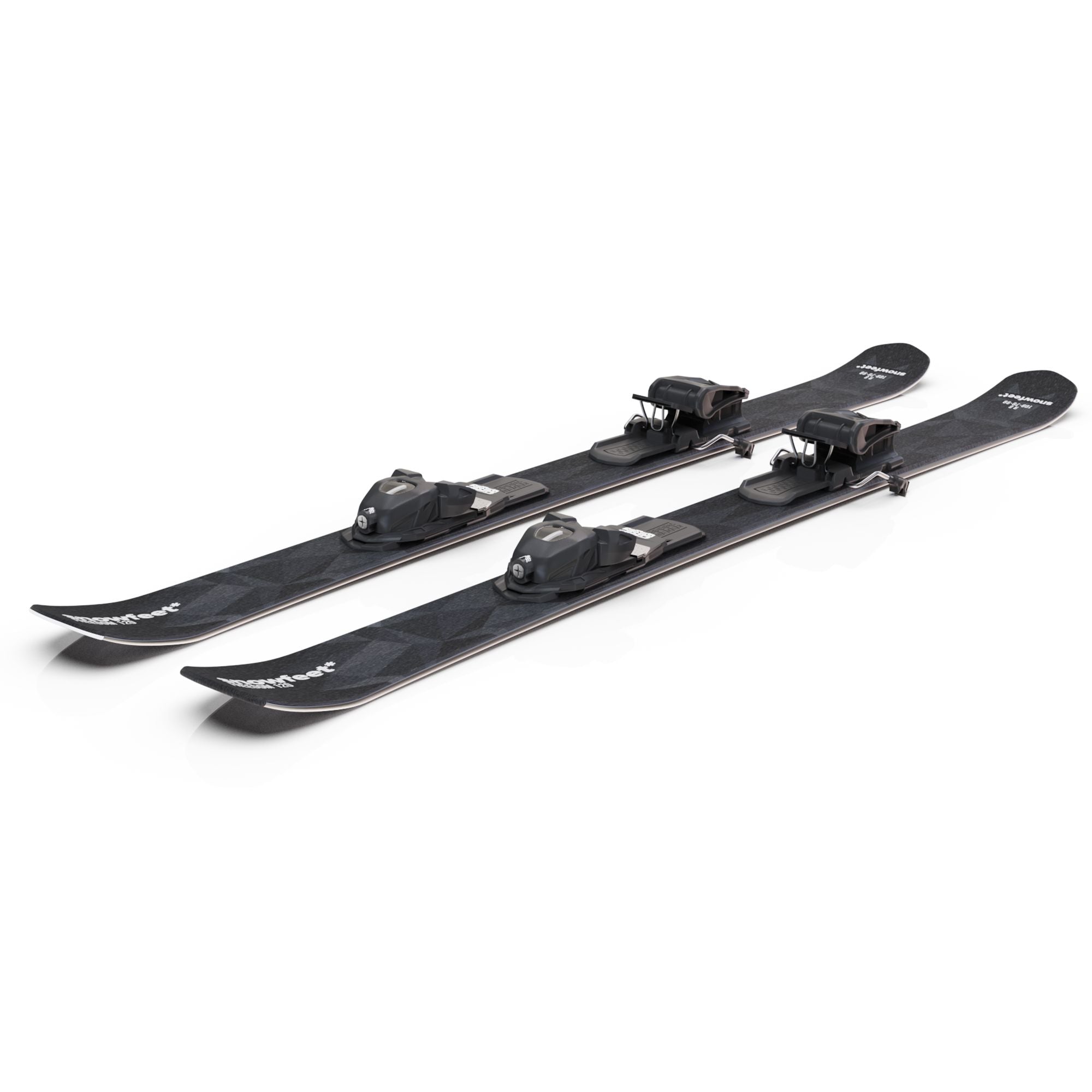
Tieto 120 cm krátke mini lyže sú najväčšou zábavou, akú môžete ako lyžiar na horách zažiť, a navyše sa ich veľmi ľahko naučíte! Skiblady prinášajú novú úroveň kontroly a slobody na zjazdovkách. Ľahké, prenosné a jednoduché na používanie, sú perfektné pre lyžiarov všetkých vekových kategórií a úrovní zručností. Tieto skiblady sú stvorené pre zábavu, s plynulým carvingom, ľahkou kontrolou a neuveriteľnou ovládateľnosťou na rozdiel od ťažkopádnych dlhých lyží. Kto povedal, že lyže musia byť vôbec dlhé?
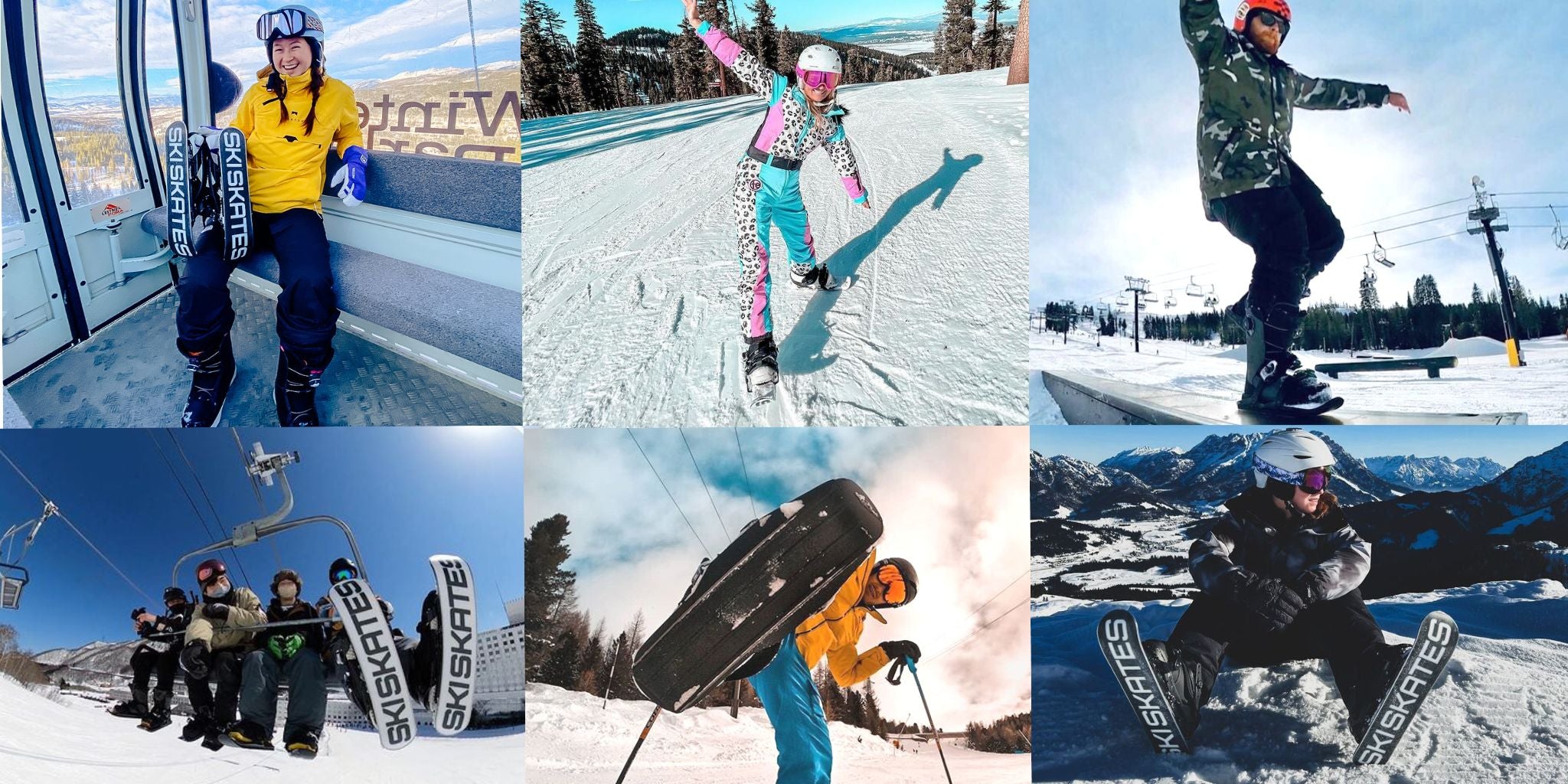
Sú super zábavné na jazdu vzad, otáčanie, skákanie a všetky druhy trikov. Parabolický tvar a úzky pás (7,8 cm) umožňujú rýchly, citlivý carving, vďaka čomu sú ideálne na zjazdovky, snowparky, muldy a dokonca aj úzke chodníky.
Veľmi krátka krivka učenia, jednoduché na používanie. Extrémne citlivé, ľahké na nohách a jednoduché na jazdu na rozdiel od ťažkopádnych dlhých lyží.
Ľahko prenosné, takže si ich môžete vziať kamkoľvek.
Najlepšie na zjazdové lyžovanie na zjazdovkách a v snowparkoch, fantastické pre všetky druhy otočiek, skokov a trikov. Jednoduché a zábavné na zvládnutie muld a nerovného terénu. Jazdite kdekoľvek, kam sa odvážite - umožňujú prístup do oblastí ako úzke turistické chodníky, ktoré by ste s dlhými lyžami nemohli vychutnať.
Skvelé pre začiatočníkov, pokročilých aj profesionálov, ktorí chcú lyžovanie naplno vychutnať. Skvelé pre oboch deti a dospelí, mladí a lyžiarski inštruktori. Ideálne pre dospelých, ktorí učia deti lyžovať, pretože umožňujú veľmi obratné pohyby.
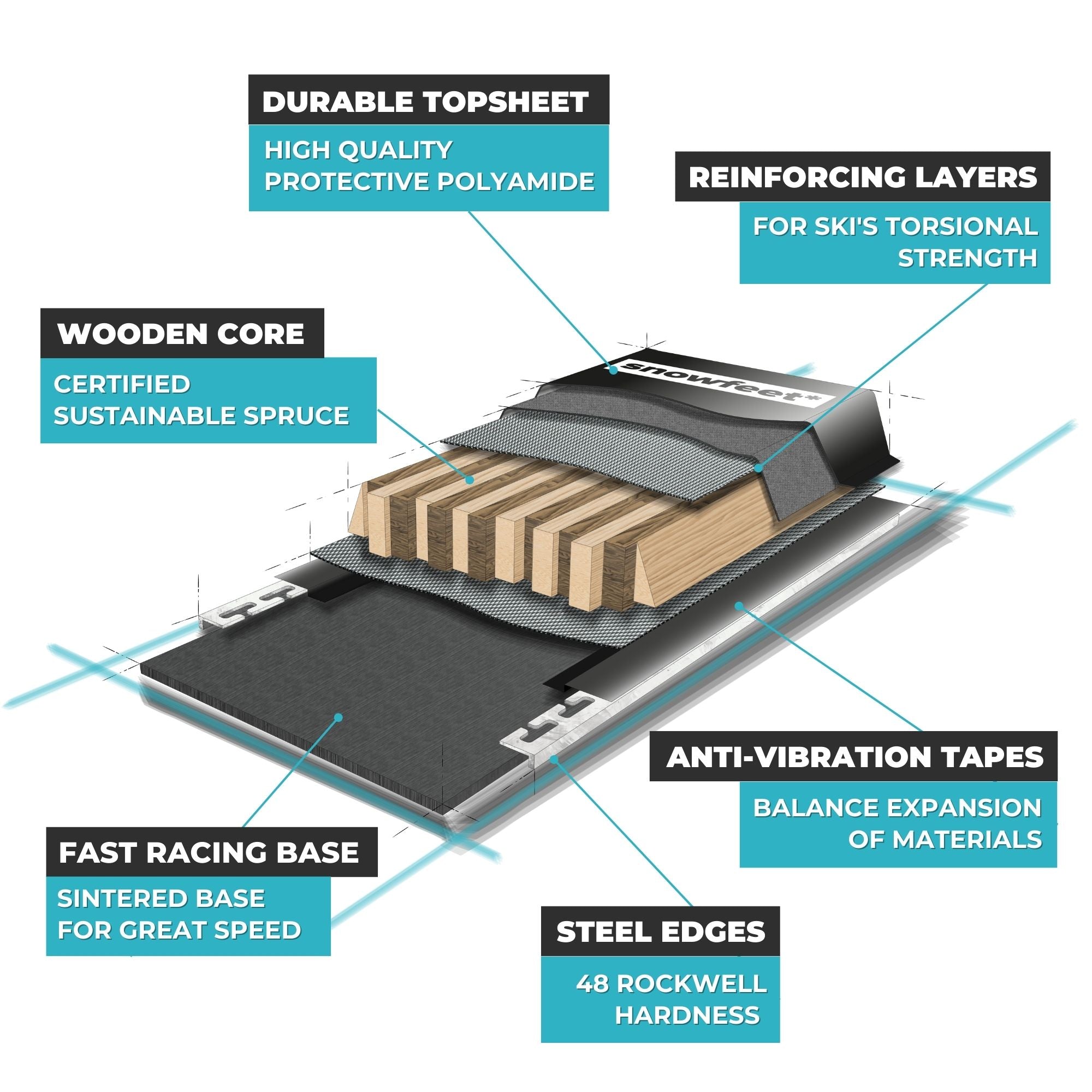
Pre zabezpečenie najvyššej trvácnej kvality sú tieto skiblady ručne vyrábané z udržateľného dreva.
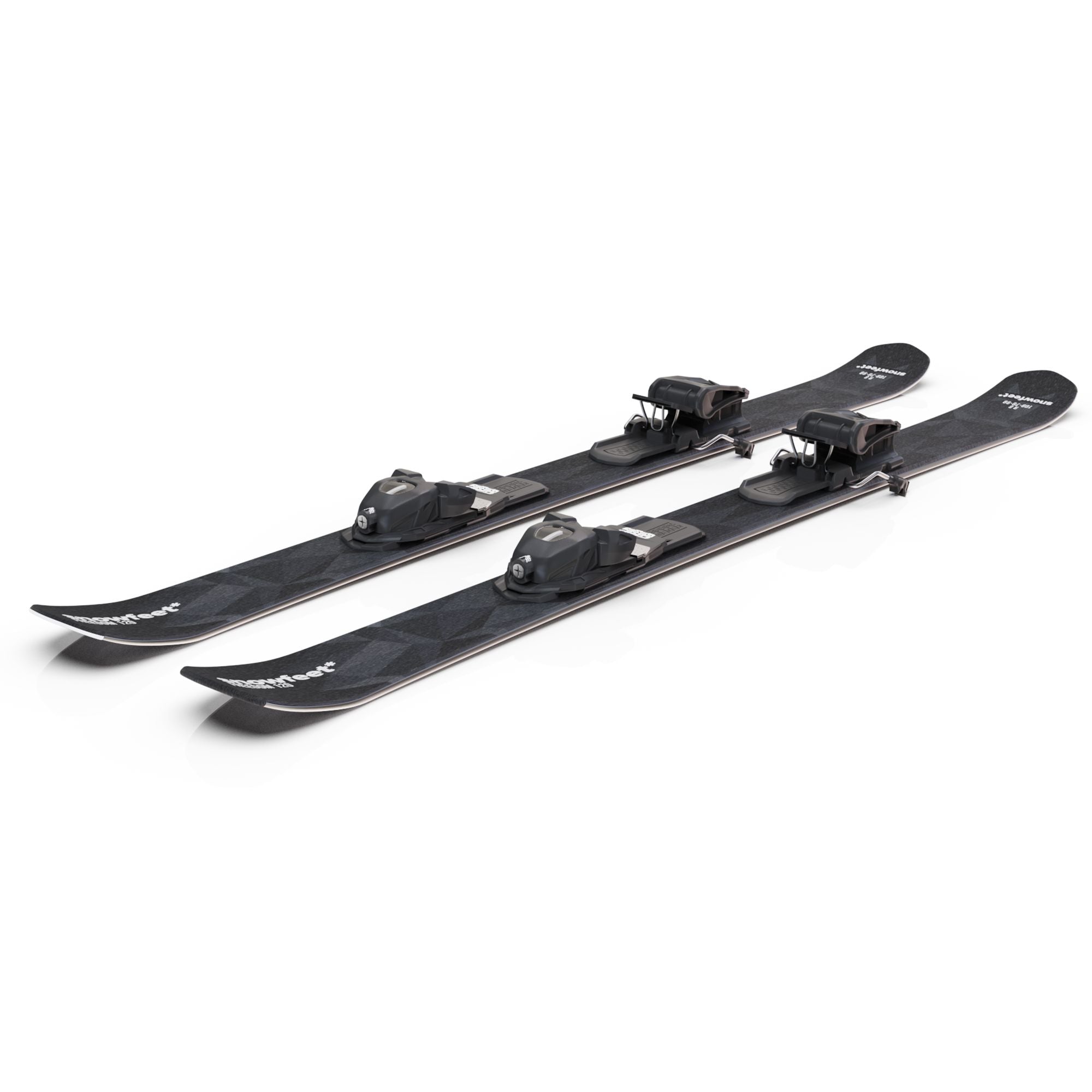
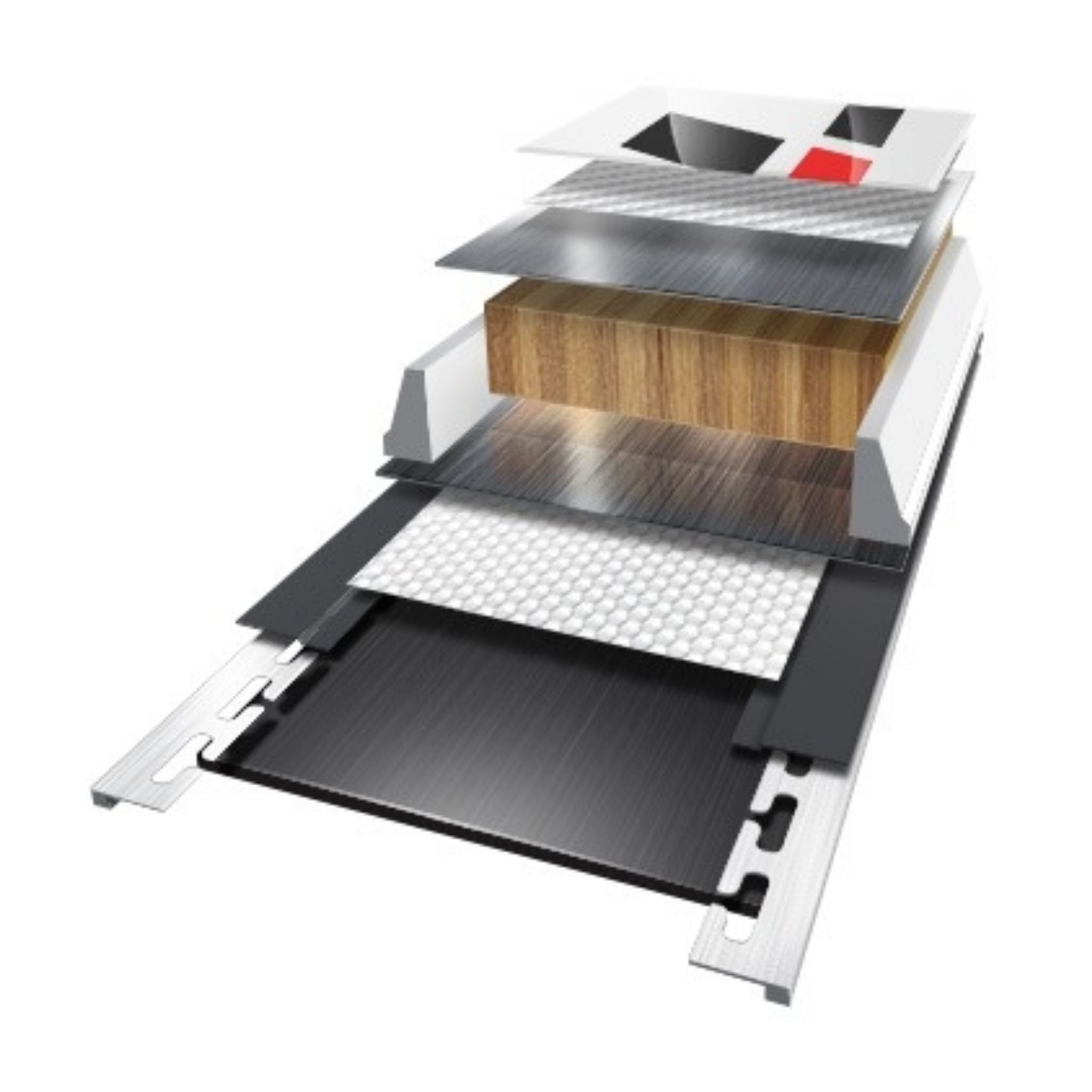
Konstrukcia Cap + certifikované udržateľné drevené jadro. Kovové hrany pre ľahkú kontrolu. Grafitové sklznice - pre skvelú rýchlosť a odolnosť. Hlboký parabolický bočný rez - pre jednoduché oblúky. Asymetrické vysoké dvojité špičky - skvelé pre jazdu vpred aj vzad.

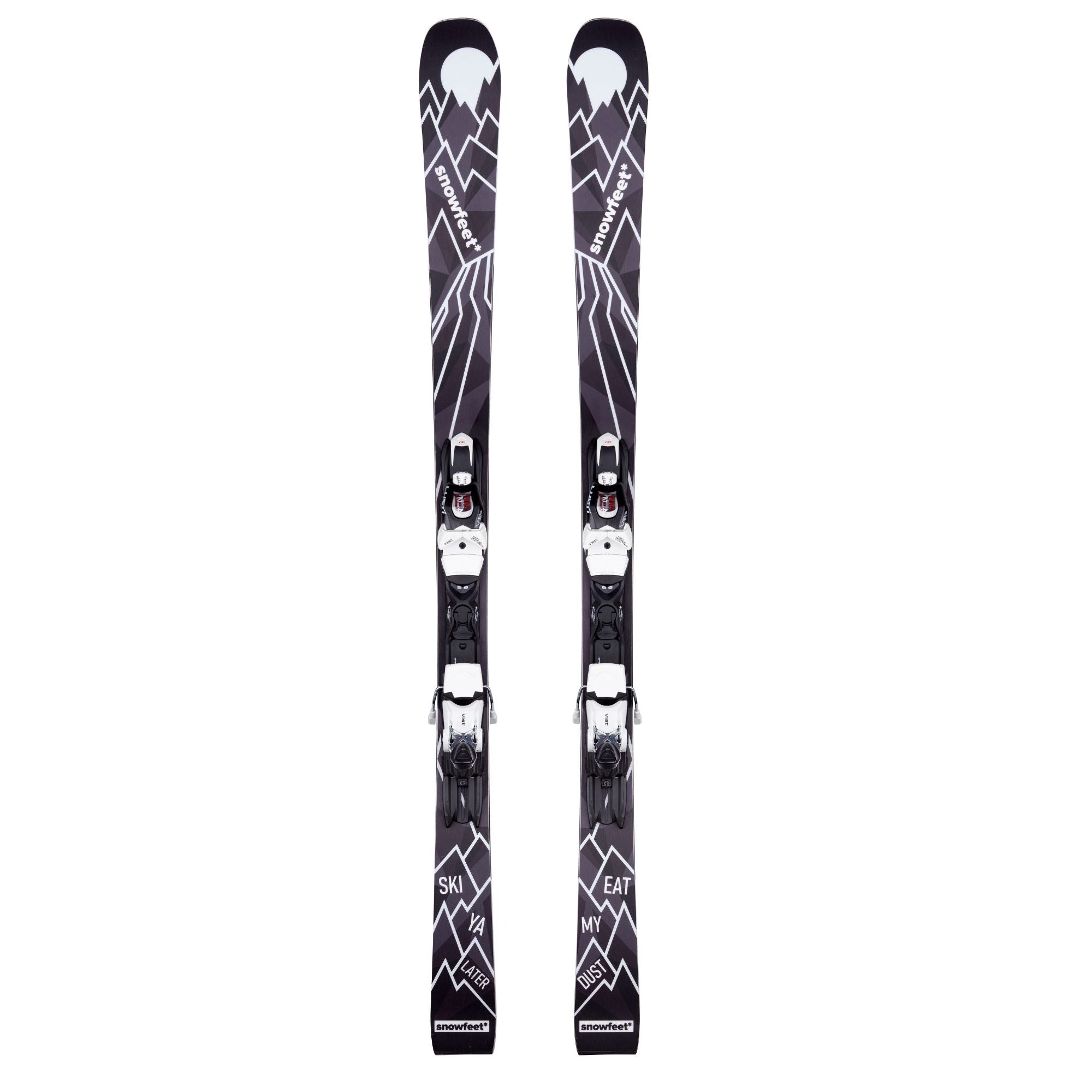
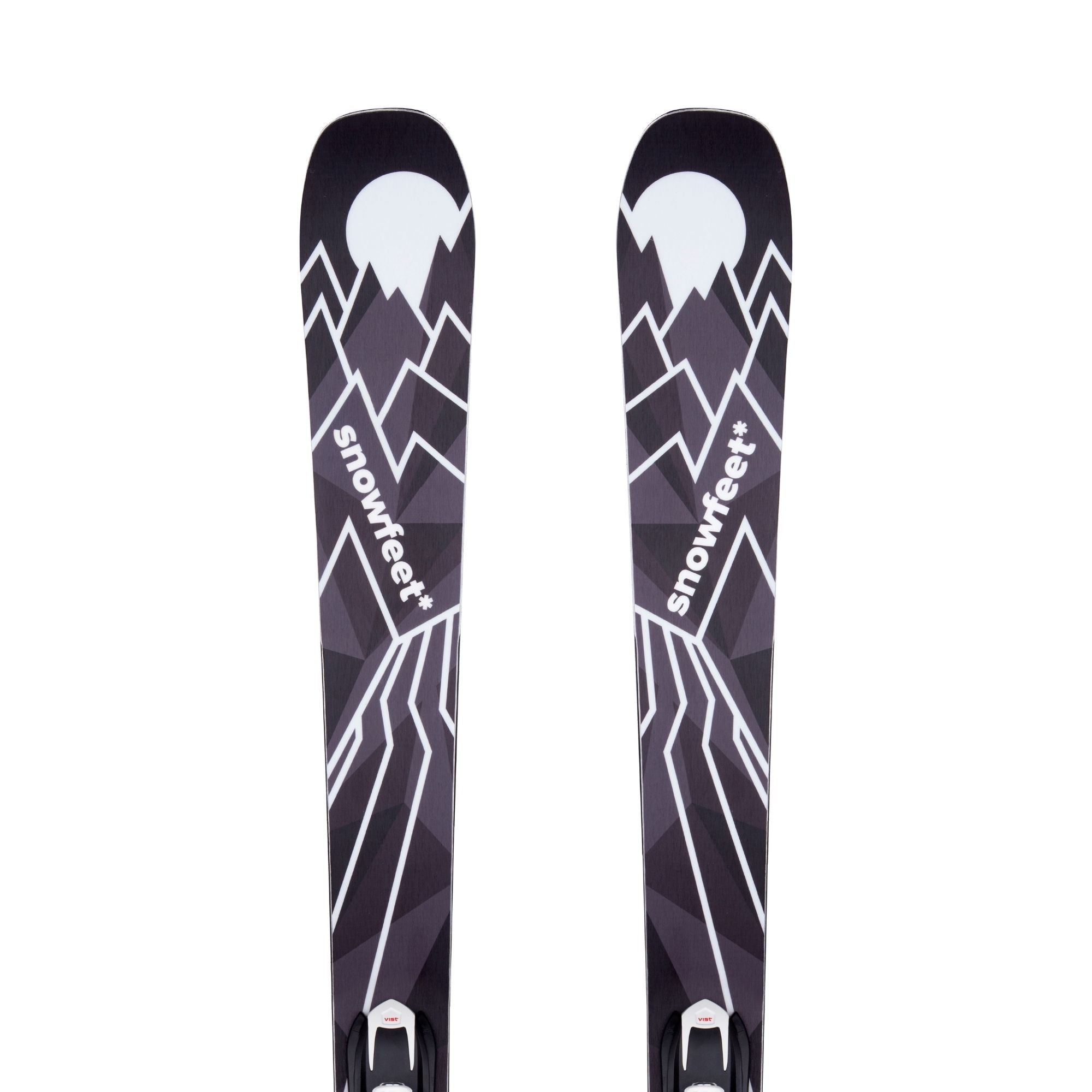
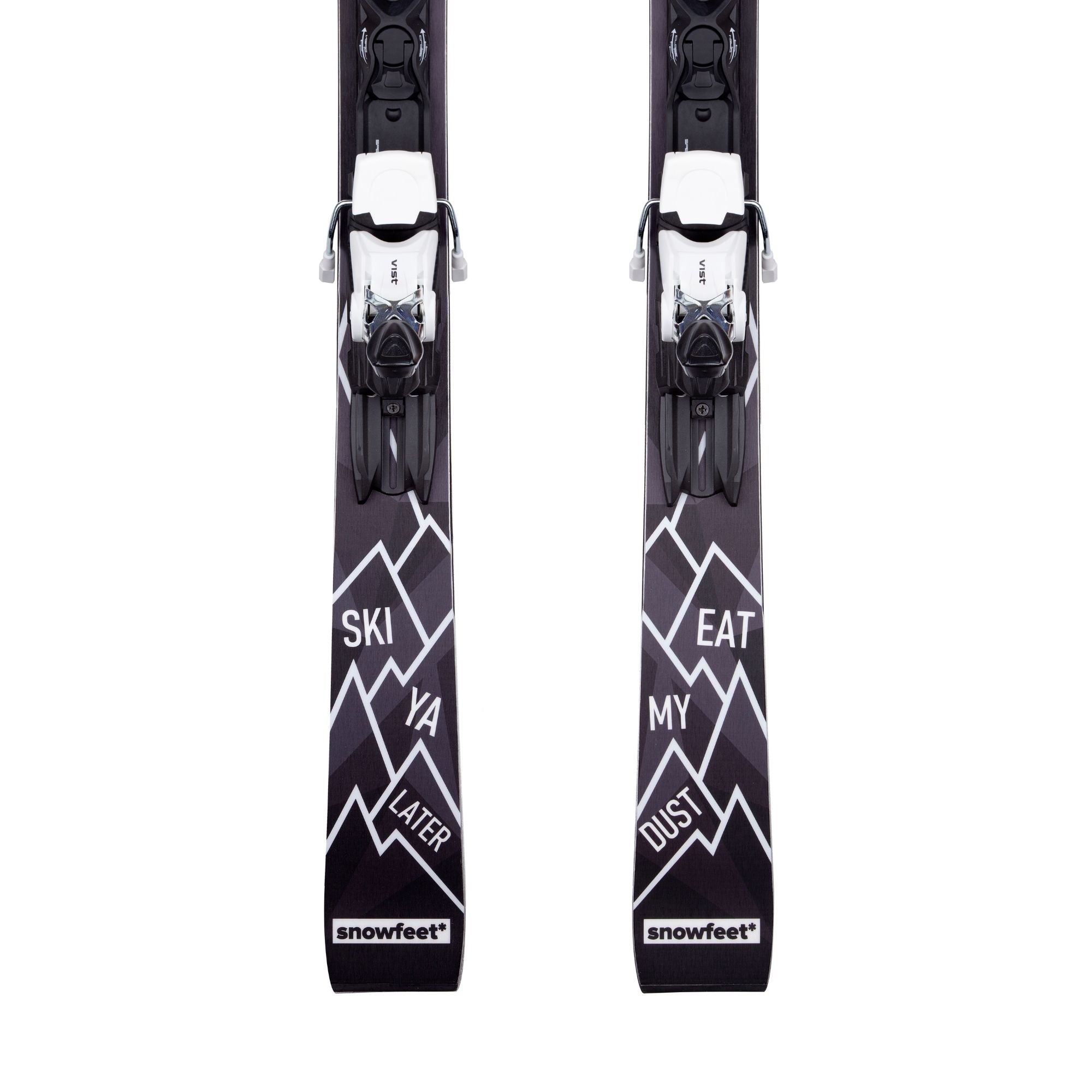
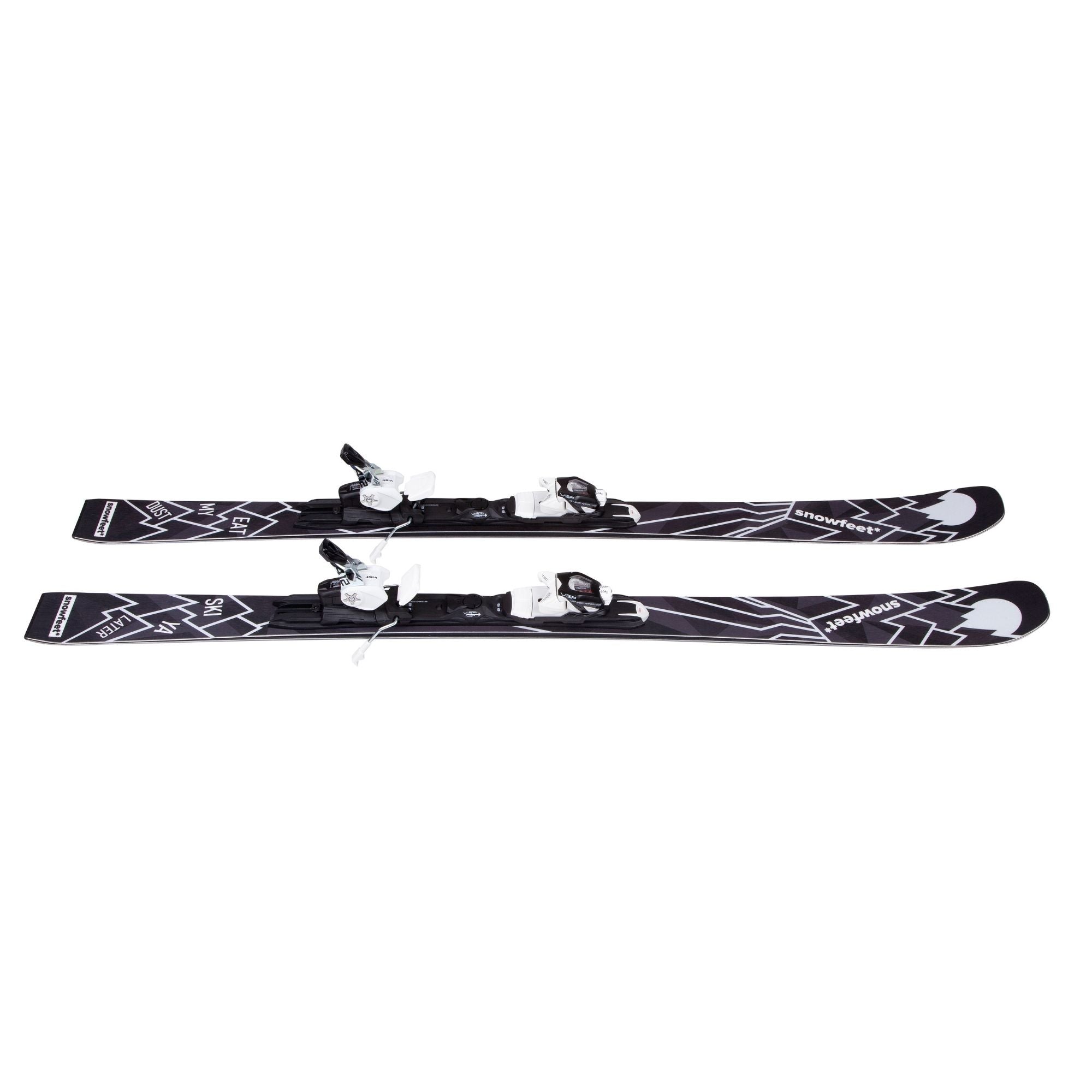
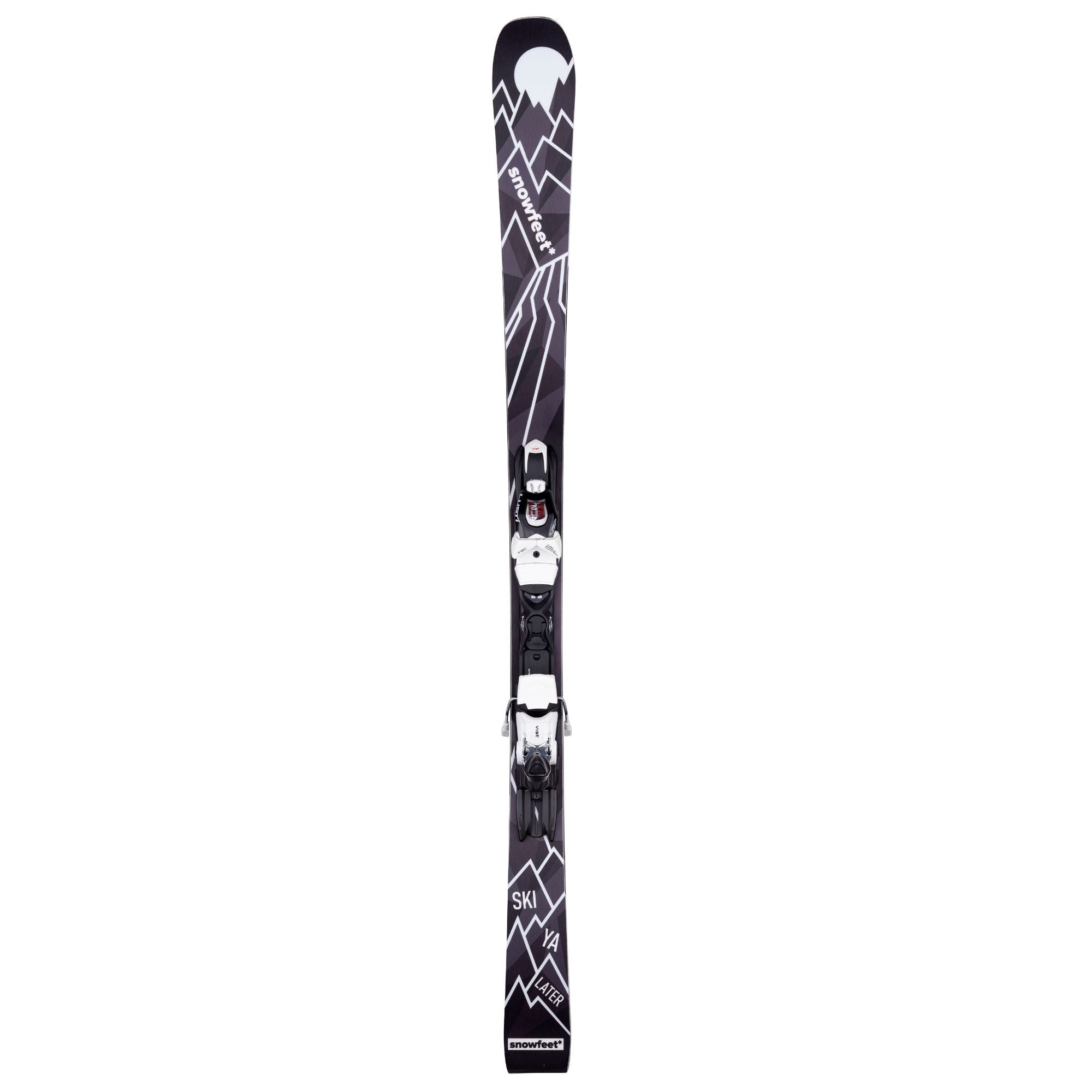
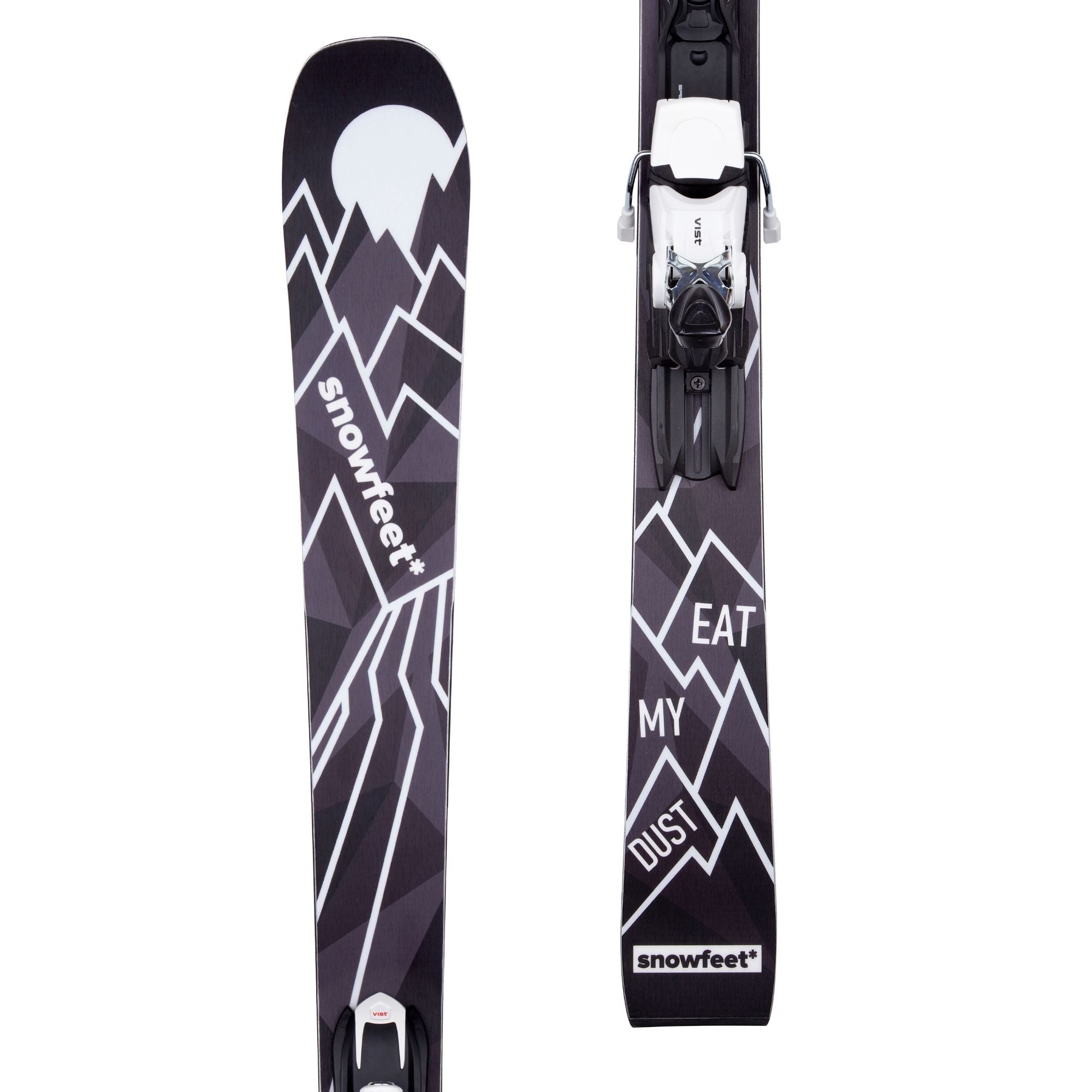
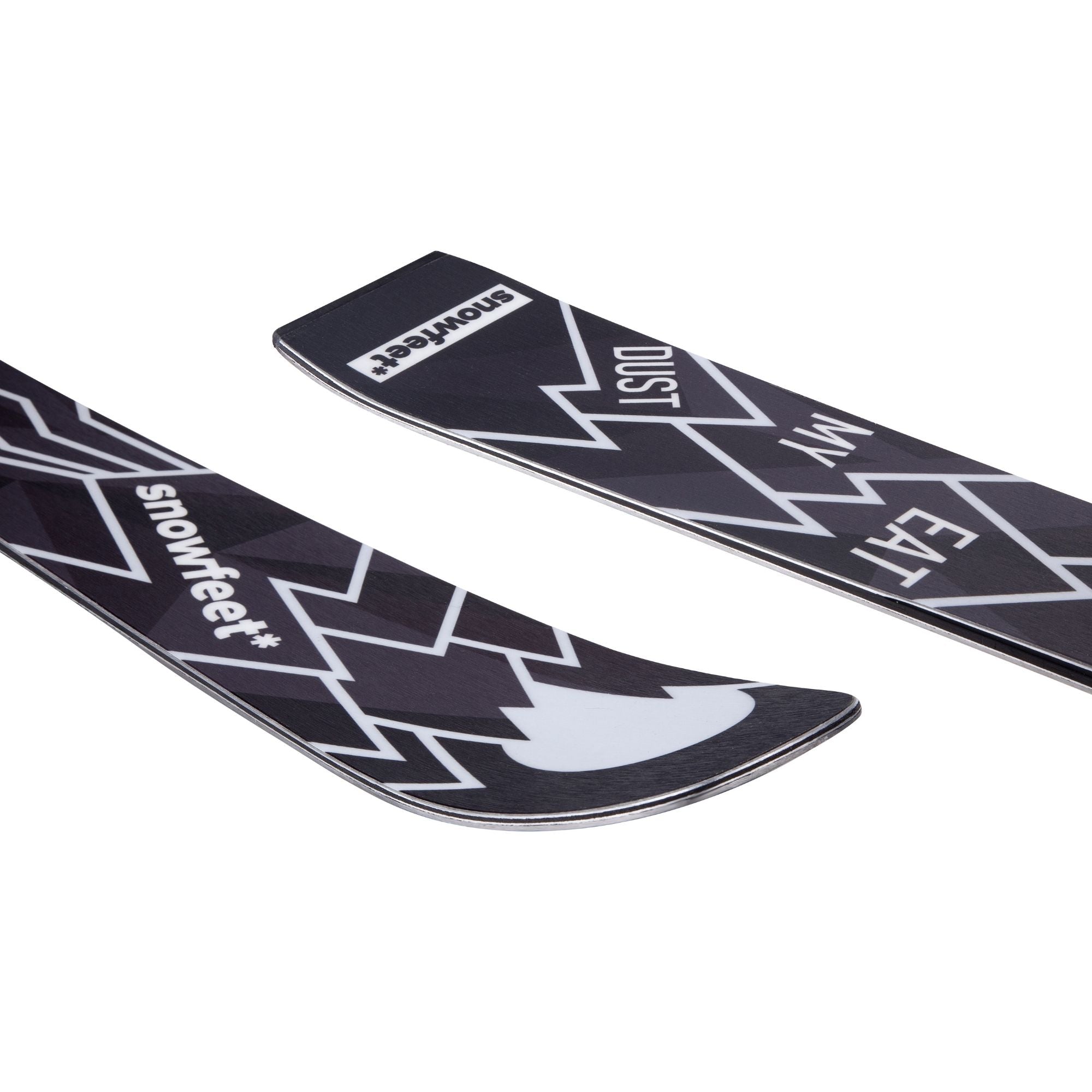
Vďaka svojmu dizajnu a parametrom je táto všestranná lyža vhodná pre všetky typy snehu.

Zloženie a tvrdosť dreveného jadra je rovnaká ako u lyží kategórie PC s dvoma Titanalovými plátmi. Okrem toho majú tieto lyže malý rocker (reverzný camber) na špičke, čo uľahčuje iniciovanie oblúka.
Brúsenie:
87° z boku
0,5° od spodnej strany
Montážny bod pre voliteľnú montáž viazania (merané od päty):
156 cm – 64,5 cm
Vrchný plášť
Na výrobu týchto lyží používame kvalitný štruktúrovaný polyamidový vrchný plášť od najväčšieho európskeho dodávateľa ISOSPORT.
Jadro
Lyže sú vyrobené s dreveným jadrom - jednosmerná smreková preglejka.

Okraje
Pre tieto lyže sme použili kvalitné oceľové hrany s tvrdosťou približne 48 ° HRC.
Základ
Tieto lyže sú vybavené kvalitnou sintrovanou pretekárskou sklznicou od najväčšieho európskeho výrobcu ISOSPORT.
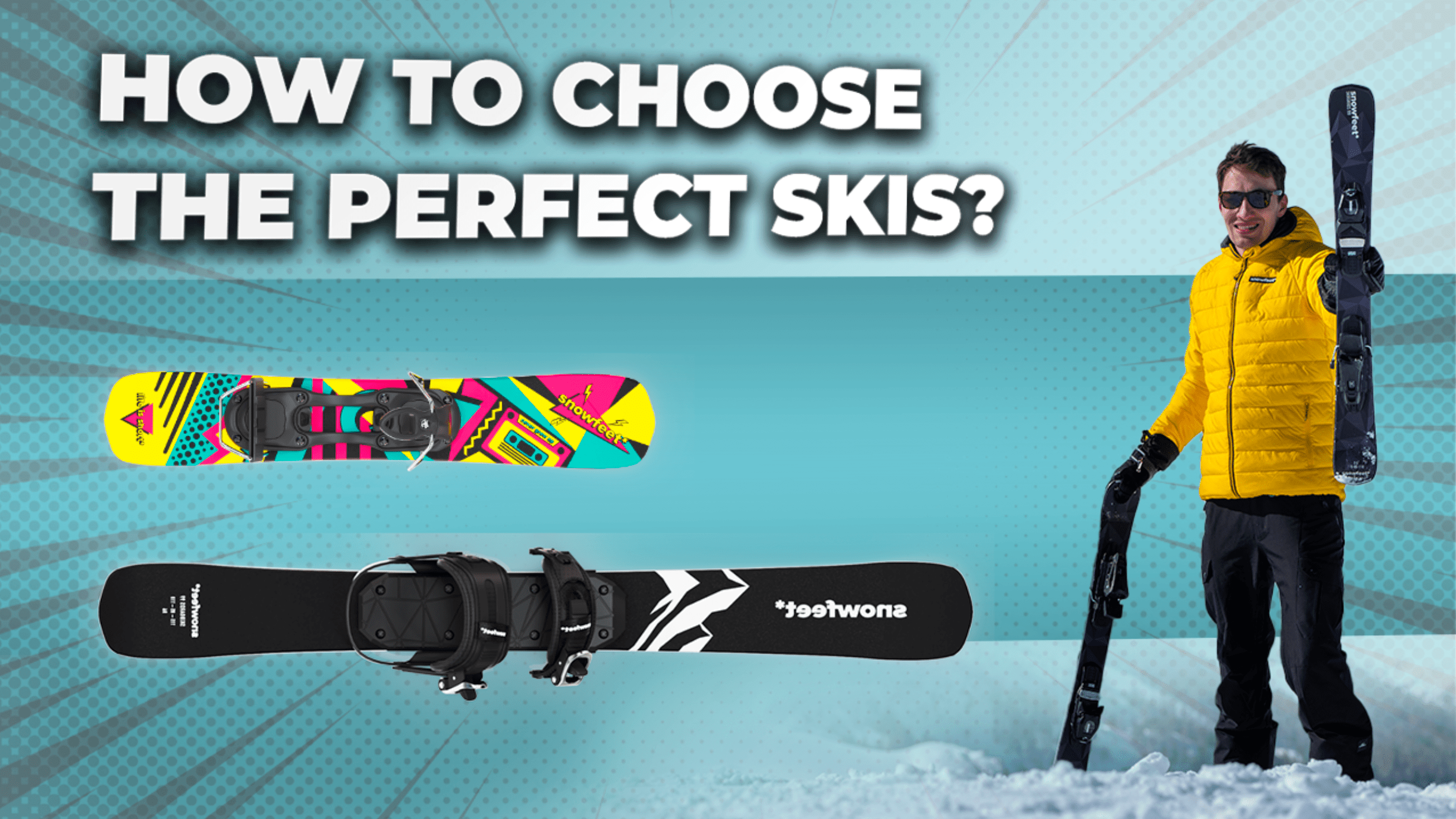
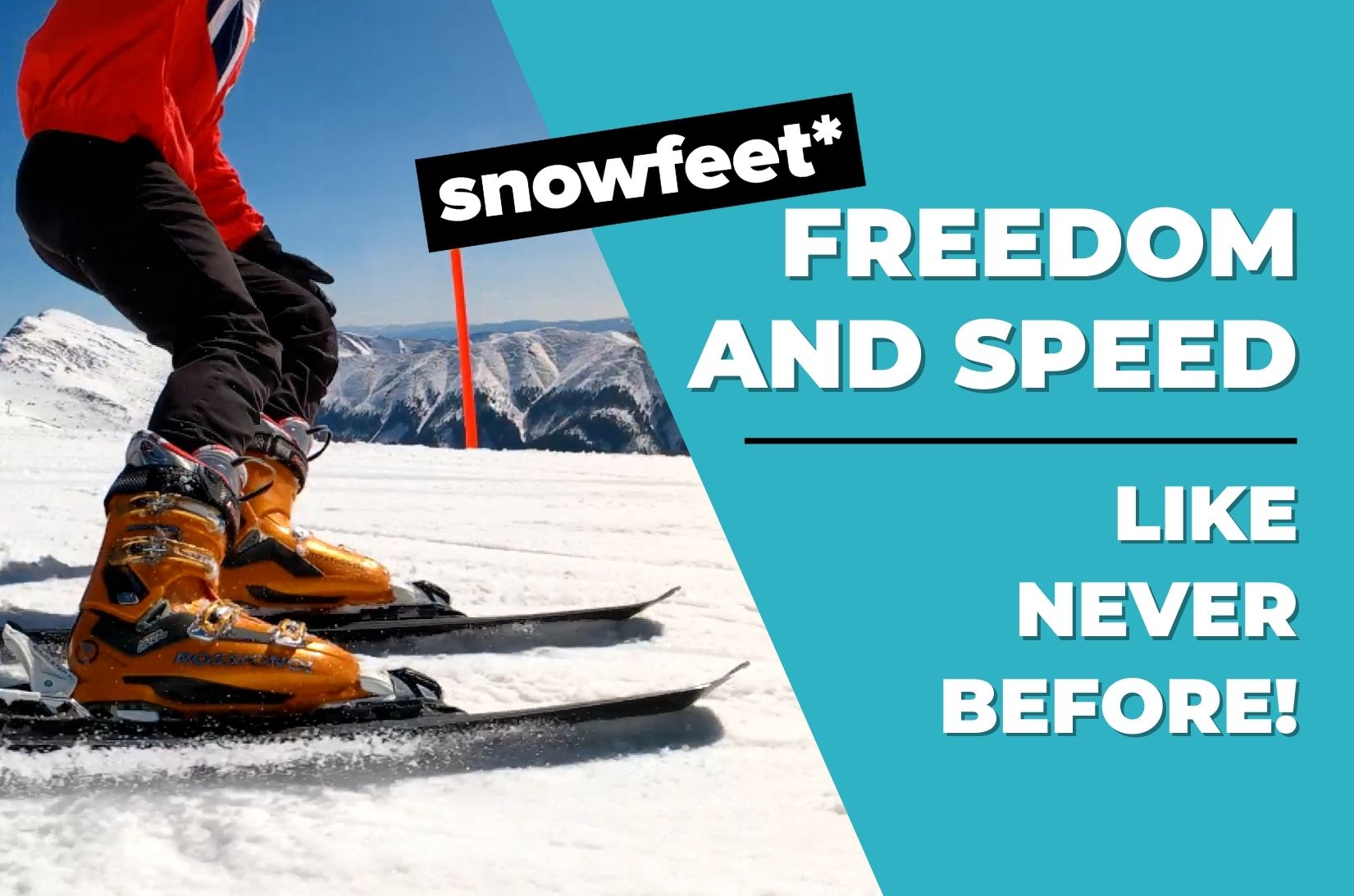
Short skis are great for all skill levels of skiers. They make skiing easier and more fun.
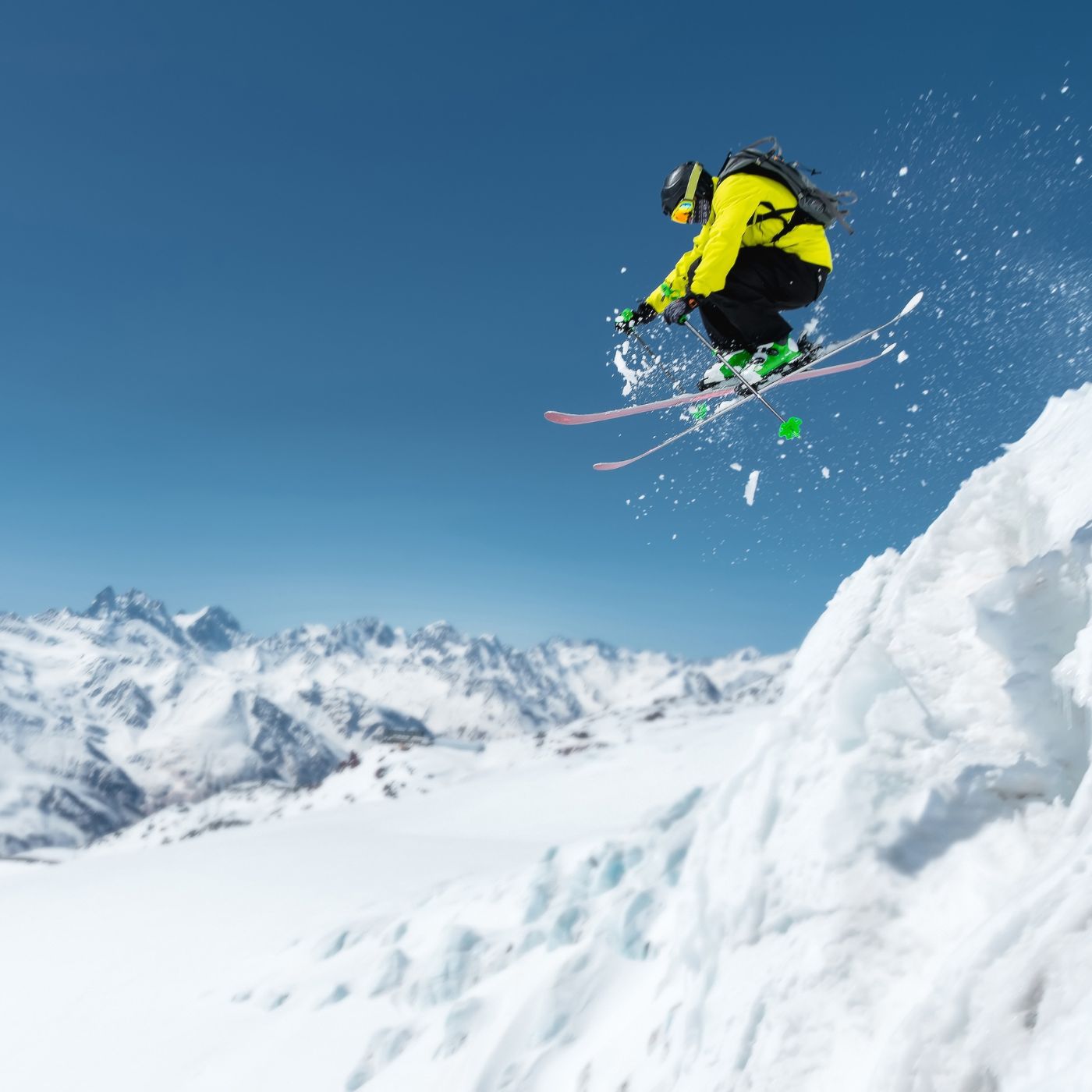
Fun + Freedom
Super fun for riding backwards, spinning, jumping and all kinds of tricks you can do on the slopes and in snow parks.
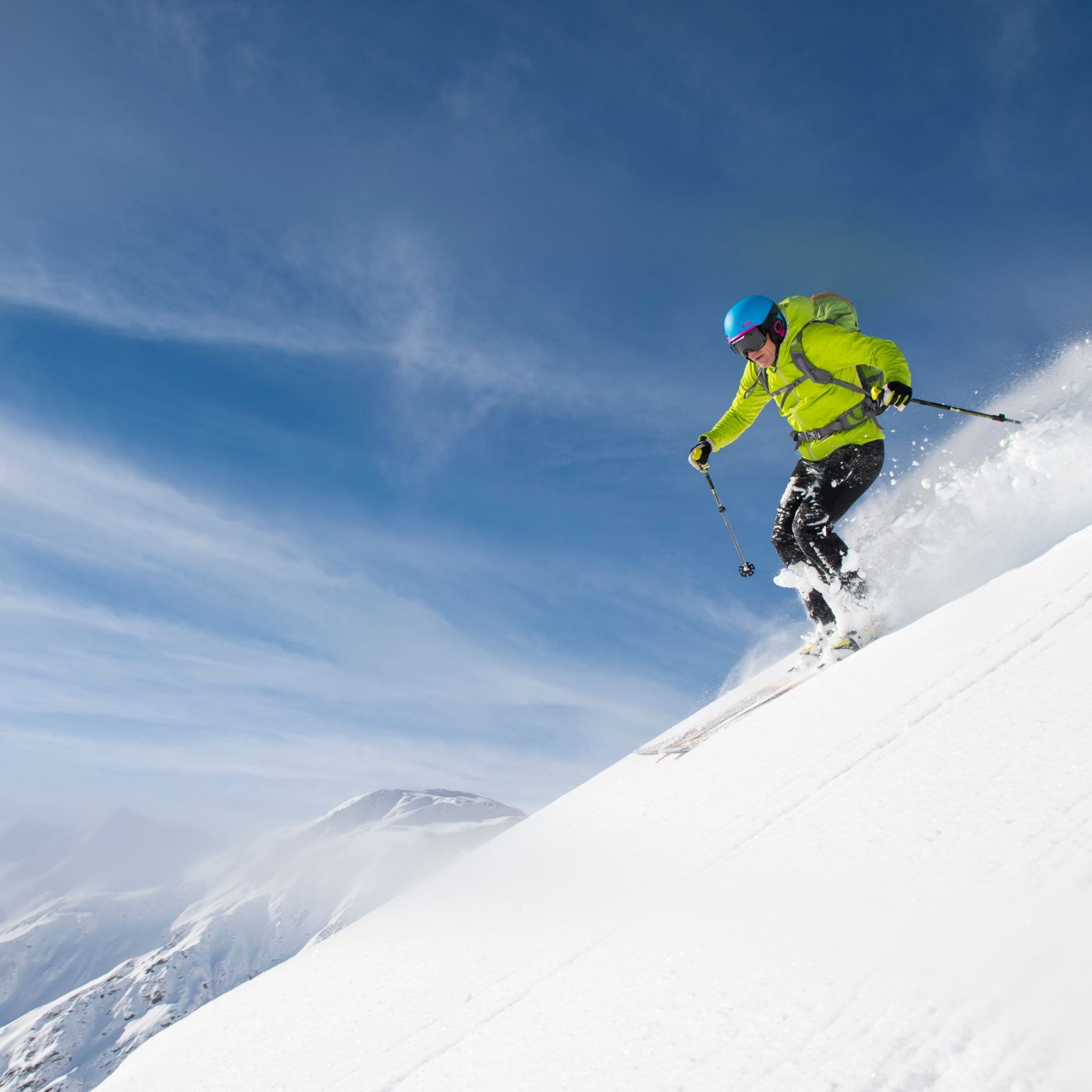
Easy to learn
Fast learning curve. Shorter skis are great for beginners, intermediates and pros who want to enjoy their ski trip to the fullest.
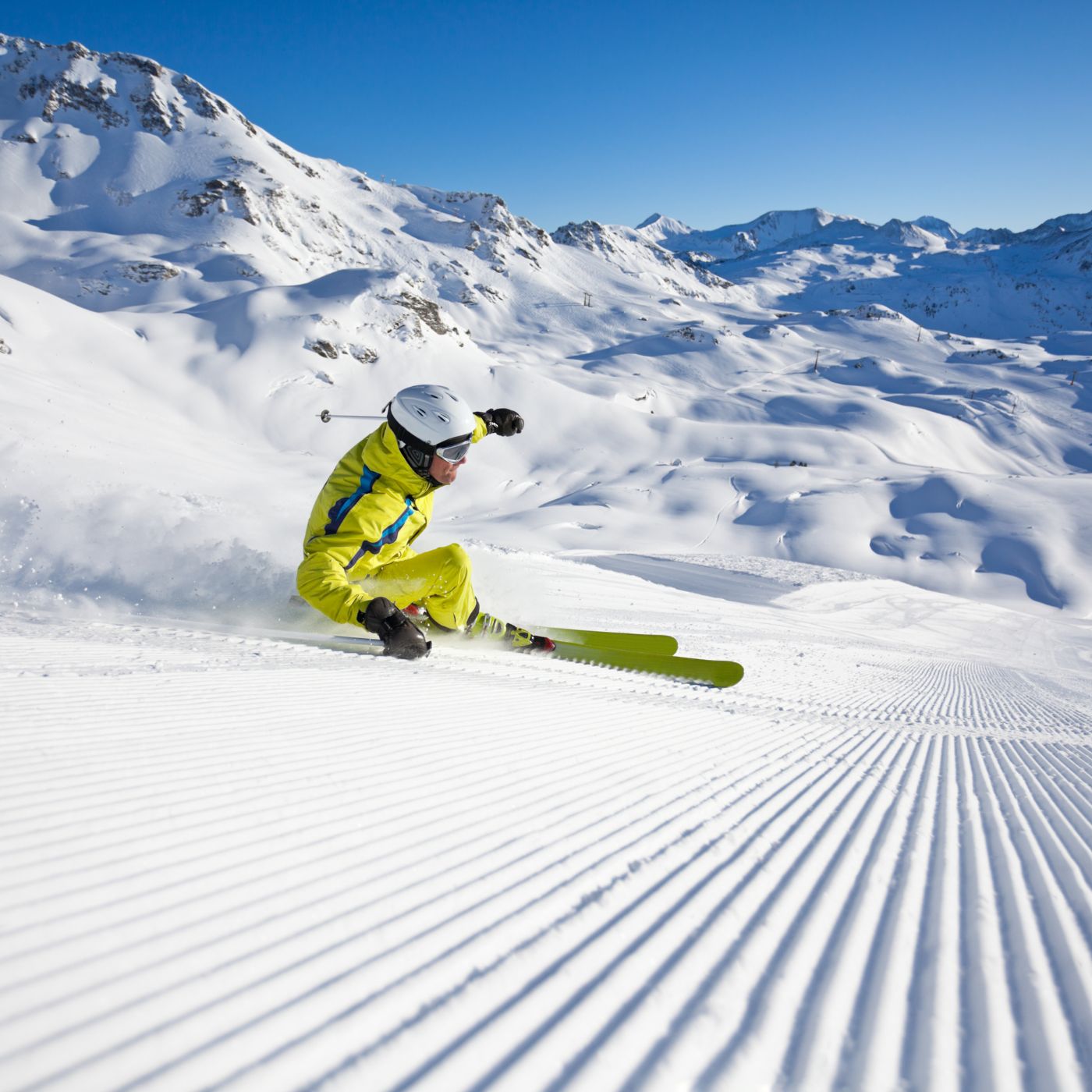
Simple to control
Shorter skis are easy to turn and move around because they are smaller and lighter, making it simpler to control movements on the snow.
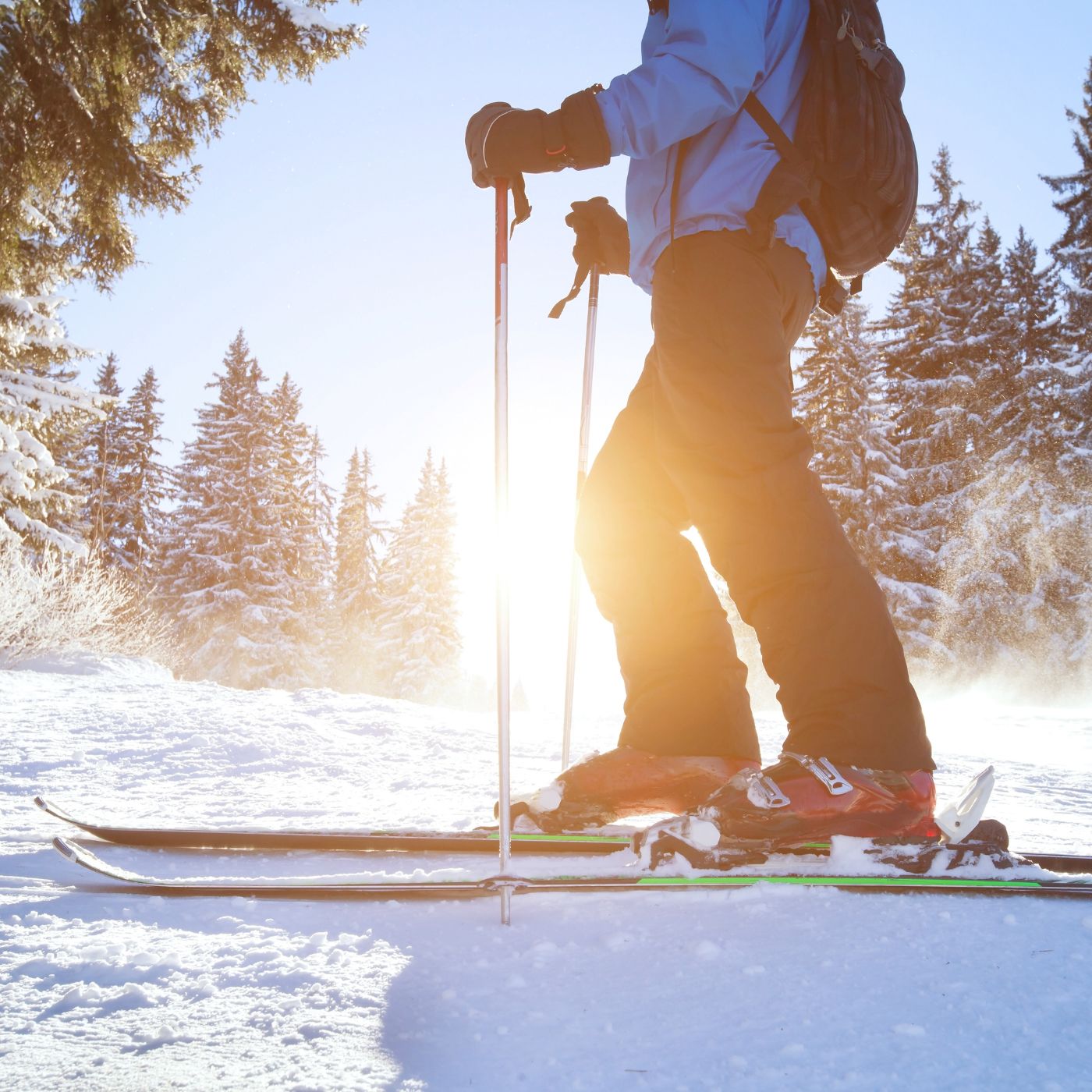
How do I choose the right ski lenght?
Add your subtitle
Choose a ski length based on your skill level, height, and skiing style. Generally, beginners should shoose shorter skis, while advanced skiers may prefer longer ones.
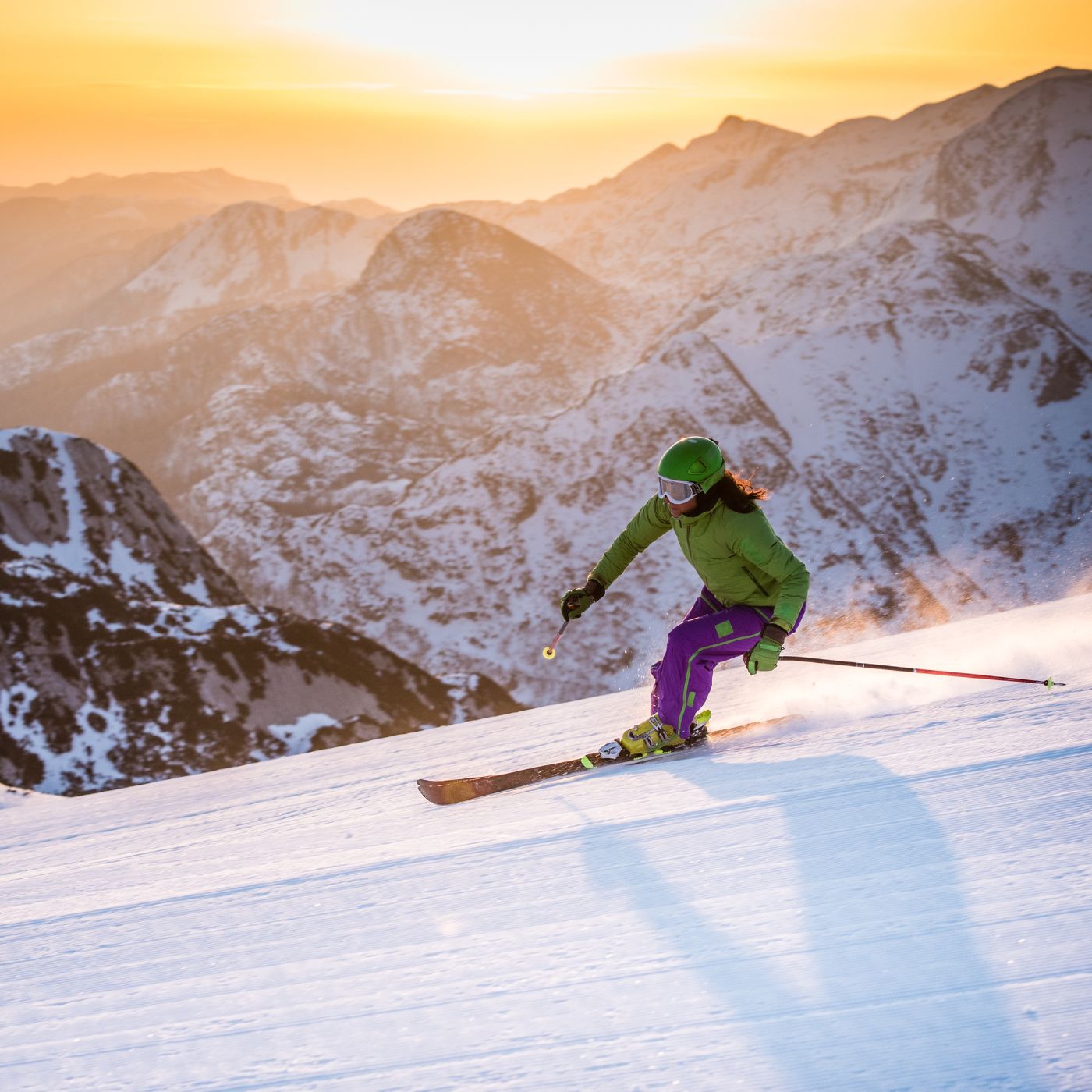
Are short skis better?
Add your subtitle
Yes, with short skis you can turn quickly and handle bumps easily, which is great for beginners and people who like doing tricks. They're also lighter, so you won't get tired as quickly when skiing for a long time. Overall, shorter skis make it easier and more fun to ski!
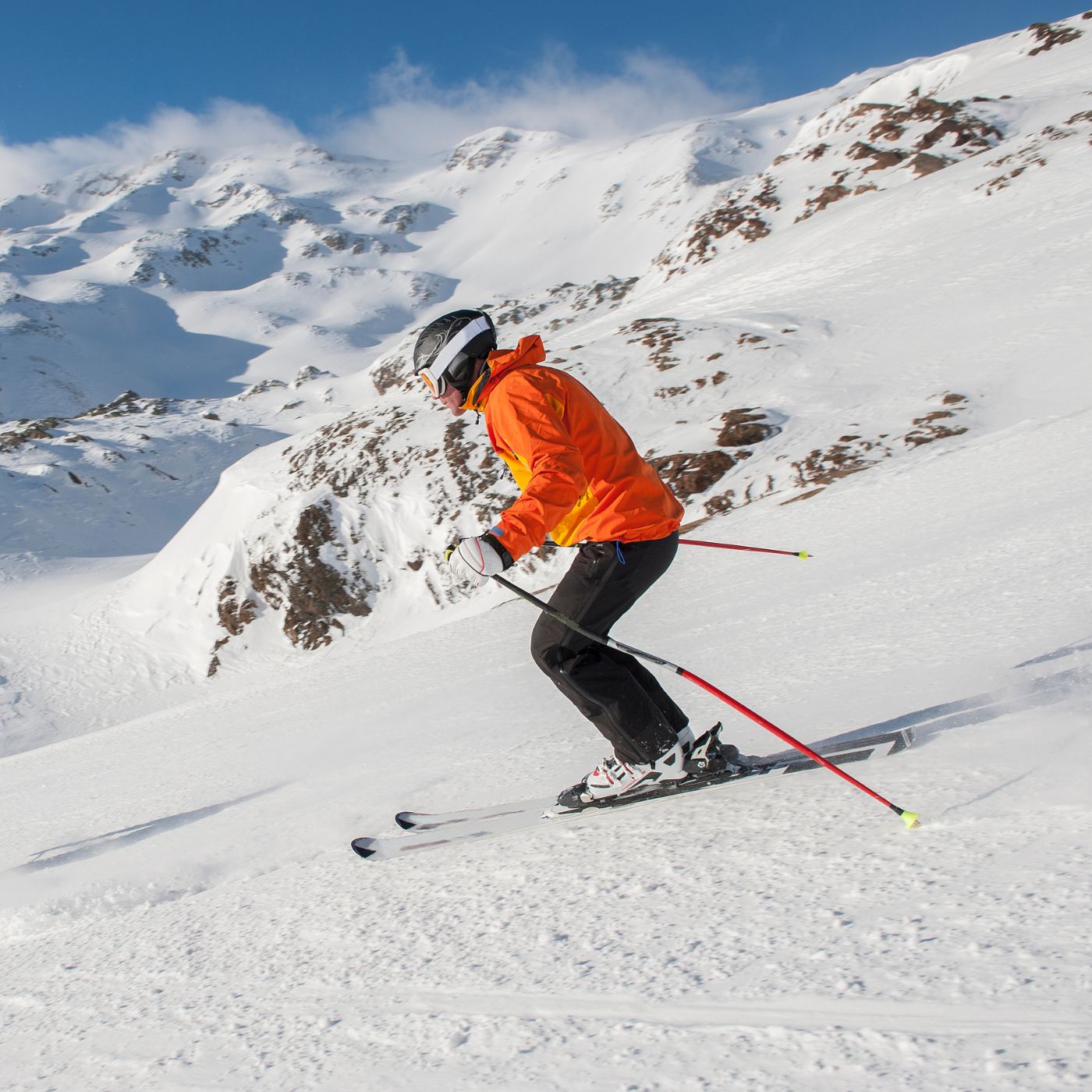
What are the best skis for beginners?
Add your subtitle
For beginners, the best skis are typically ones that are shorter, softer, and have a wider waist. These features make the skis easier to control, turn and more fun for people who are just starting out.
How do I choose the right ski lenght?
Add your subtitle
Choose a ski length based on your skill level, height, and skiing style. Generally, beginners should shoose shorter skis, while advanced skiers may prefer longer ones.
Are short skis better?
Add your subtitle
Yes, with short skis you can turn quickly and handle bumps easily, which is great for beginners and people who like doing tricks. They're also lighter, so you won't get tired as quickly when skiing for a long time. Overall, shorter skis make it easier and more fun to ski!
What are the best skis for beginners?
Add your subtitle
For beginners, the best skis are typically ones that are shorter, softer, and have a wider waist. These features make the skis easier to control, turn and more fun for people who are just starting out.
High-quality Construction
We only use high-quality materials for production and we only design unique, innovative products with a goal to always create the best product in its category.

There are four main types of skis: Alpine skis are for groomed slopes and speed, all-mountain skis are versatile and work well on various slopes, making them good for different conditions. Freestyle skis are designed for tricks and jumps in terrain parks, with a shorter and more maneuverable shape. Powder skis are wider to help you float on deep snow, making them ideal for off-piste or backcountry skiing. When choosing skis, think about where you'll mostly be skiing and the kind of experience you want.
To choose the right length of skis, consider your skill level and the type of skiing you enjoy. If you're a beginner, go for skis that are shorter than your height for easier control. Intermediate skiers can opt for skis close to their height for a balance of stability and control, while advanced skiers might prefer longer skis for increased speed and stability. Freestyle skiers often choose shorter skis for agility, while backcountry skiers might lean towards longer ones for better flotation in deep snow.
To stop on skis, make a pizza shape with your skis by pointing the tips inward. Push your heels out and press on the inside edges of your skis. This slows you down. You can also turn your skis sideways to grip the snow and stop. Practice on easy slopes until you get the hang of it!
To keep your skis in good condition, look for scratches and get them fixed. After skiing, wipe off any dirt or wetness, and store them in a cool, dry spot. Every now and then, put some wax on the bottom to make them slide better. Check if the bindings are set up correctly; if you're unsure, ask someone who knows about skis. These simple steps will make your skis last longer and improve your skiing experience.
For beginners, it's recommended to choose skis that are shorter, lighter, and have a wider waist width. These characteristics make the skis easier to control and maneuver, which is essential for learning. Look for skis with a beginner-friendly shape, often featuring a slightly wider tip and tail. Consider renting or buying a beginner ski package that includes bindings and boots.
Yes, you can use ski poles for all types of skiing. Ski poles provide balance, help with turns, and assist in pushing along flat sections. The length of the poles may vary based on the type of skiing you're doing. For example, freestyle skiers often use shorter poles for maneuverability, while backcountry skiers might prefer longer ones for traversing varied terrain. Make sure the poles are the right length for your height and skiing style, and use them to enhance stability and control regardless of the type of skiing you enjoy.
The short ski method, also known as the "wedge" or "pizza" technique, is a beginner-friendly way of skiing where you form a V-shape with the front tips of your skis by bringing them closer together, resembling a slice of pizza. This technique helps control speed and provides stability for new skiers. By applying pressure to the inside edges of the skis and keeping the tips in a wedge shape, you can slow down and navigate slopes more easily. The short ski method is often one of the first techniques taught to beginners to help them gain confidence and control while learning to ski.
Skis can be short. Short skis are often recommended for beginners as they provide more maneuverability and are easier to control, helping new skiers build confidence while learning. Shorter skis are also popular for certain types of skiing, like freestyle or park skiing, where agility and quick turns are essential. However, the appropriate length of skis depends on various factors, including the skier's skill level, height, weight, and the type of skiing they prefer. It's important to consider these factors and consult with a knowledgeable professional when choosing the right ski length for your specific needs and preferences.
You should wax your skis every 4-6 skiing days or whenever you notice the base is getting dry or not gliding well. If you ski frequently, consider waxing more often to keep your skis in good condition.
Some people find skiing easier because the movements are more natural and similar to walking. With skis, each leg is independent, which can make it easier to maintain balance for some beginners. On the other hand, others find snowboarding easier because the learning curve for basic movements might be smoother. Snowboarding involves facing forward and using a single board, which some find more intuitive.
Yes, tall people can use short skis. Ski length depends on factors like skill and preference, not just height. Short skis offer maneuverability and control, suitable for both beginners and advanced skiers.
For skiing, it's important to wear layers to stay warm and dry. Start with a moisture-wicking base layer to keep sweat away from your skin, add an insulating layer for warmth, and finish with a waterproof and breathable outer layer to protect against snow and wind. Wear insulated and waterproof pants, waterproof gloves or mittens, a hat or helmet, and goggles to shield your eyes from the sun and snow. Don't forget sturdy, waterproof boots and warm socks. Dressing in layers allows you to adjust to changing weather conditions, and it's crucial to stay comfortable and dry for an enjoyable skiing experience.
To see if ski boots fit right, make sure your toes just touch the front without hurting. Your heel should feel snug, and when you buckle up, the boots should be secure but not too tight. Check for any spots on your foot that feel uncomfortable and walk around to make sure they feel comfy and steady.
To choose the right ski bindings, consider your skiing ability, weight, and the type of skiing you'll be doing. The bindings should match your ski boot size and have the appropriate brake width to fit the width of your skis. For beginners, look for bindings with a lower release setting for added safety. If you're an advanced skier, consider bindings with higher performance features.
#SNOWFEET
Join Our Growing Snowfeet Community