



















Quick Summary
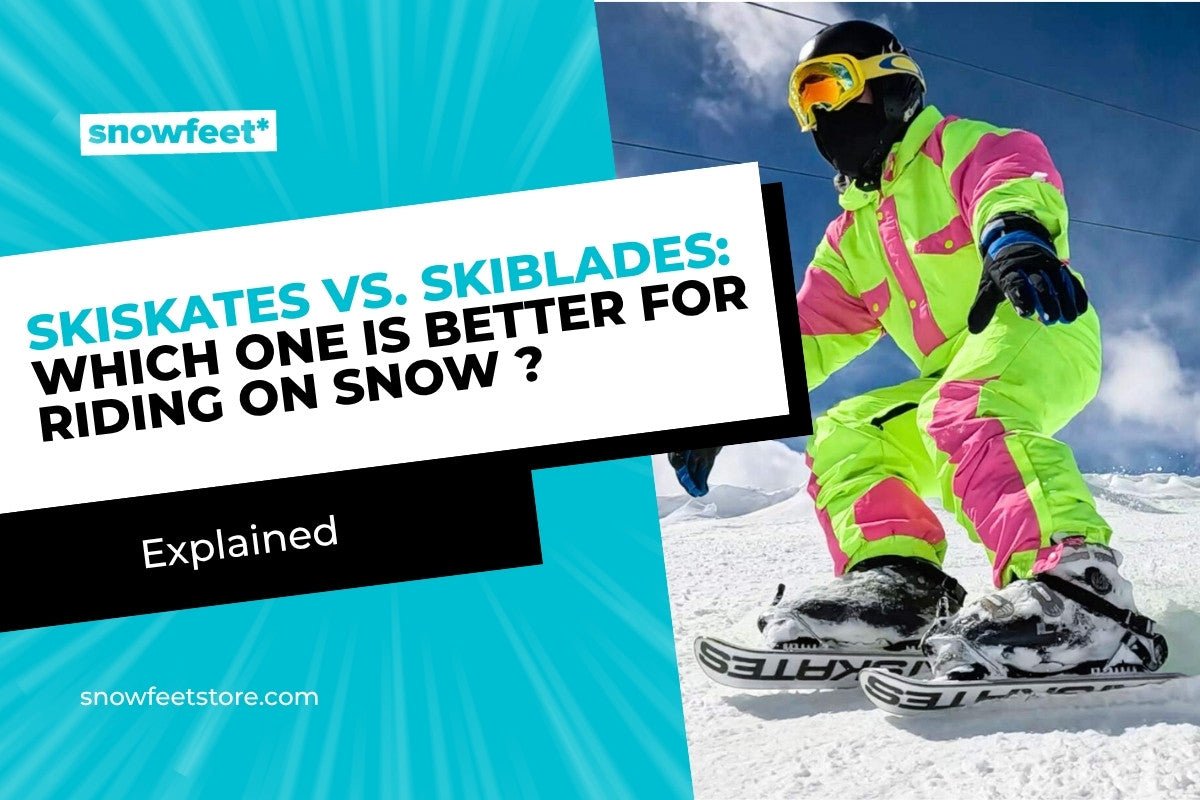
The choice between these compact winter sports alternatives comes down to your preferred riding style and portability needs. Skiskates (44-50 cm) are ultra-lightweight, fit easily into a backpack, and mimic a playful "skating on snow" motion that is perfect for quick turns, freestyle tricks, and groomed slopes. Conversely, skiblades (65–123 cm) offer a more traditional skiing experience with enhanced stability, speed control, and carving capabilities, making them much better suited for beginners, high-speed runs, moguls, and deeper powder.
Ditch the bulky gear and heavy rental boots—winter sports just got a whole lot more portable. Whether you want to skate down the slopes or crave tight, effortless carving, here is how to choose your perfect short-ski match.
- Skiskates (44-50 cm) deliver an ultra-portable, "skating on snow" experience that easily fits into a backpack and is perfect for quick turns, freestyle tricks, and groomed trails.
- Skiblades (65–123 cm) mimic traditional skiing with enhanced stability and edge control, making them much better suited for high-speed carving, moguls, and deeper powder.
- Learning & Compatibility: Skiskates are a breeze for ice skaters or rollerbladers to pick up in minutes and can pair with regular winter shoes, while skiblades offer a more stable, familiar transition for beginners and traditional skiers.
- The Verdict: Choose skiskates if you value ultimate backpack-friendly portability and playful agility, or opt for skiblades if you want a smoother, more versatile downhill ride across diverse mountain terrain.
Skiskates and skiblades are compact alternatives to traditional skis and snowboards, offering unique ways to enjoy the slopes. Skiskates (44-50 cm) are ultra-portable, fit in a backpack, and feel like skating on snow - perfect for tricks, jumps, and quick turns. Skiblades (65–123 cm) provide a more stable, skiing-like experience with better carving and speed control, ideal for downhill runs and varied terrain.
Key Differences:
- Skiskates: Shorter, lighter, and great for tricks. Best for groomed slopes and light powder.
- Skiblades: Longer, more stable, and suited for carving and deeper snow.
Quick Comparison:
| Feature | Skiskates (44-50 cm) | Skiblades (65–123 cm) |
|---|---|---|
| Portability | Fits in a backpack | Requires a bag or rack |
| Terrain | Groomed slopes, light powder | Groomed runs, moguls, powder |
| Learning Curve | Fast for skaters (5 mins) | Easy for beginners (1 day) |
| Price Range | From $299 | $590–$950 |
If you love skating-like motion and portability, go for skiskates. For a smoother, ski-like experience with more stability, skiblades are your best bet.
What Are Skiskates and Skiblades?
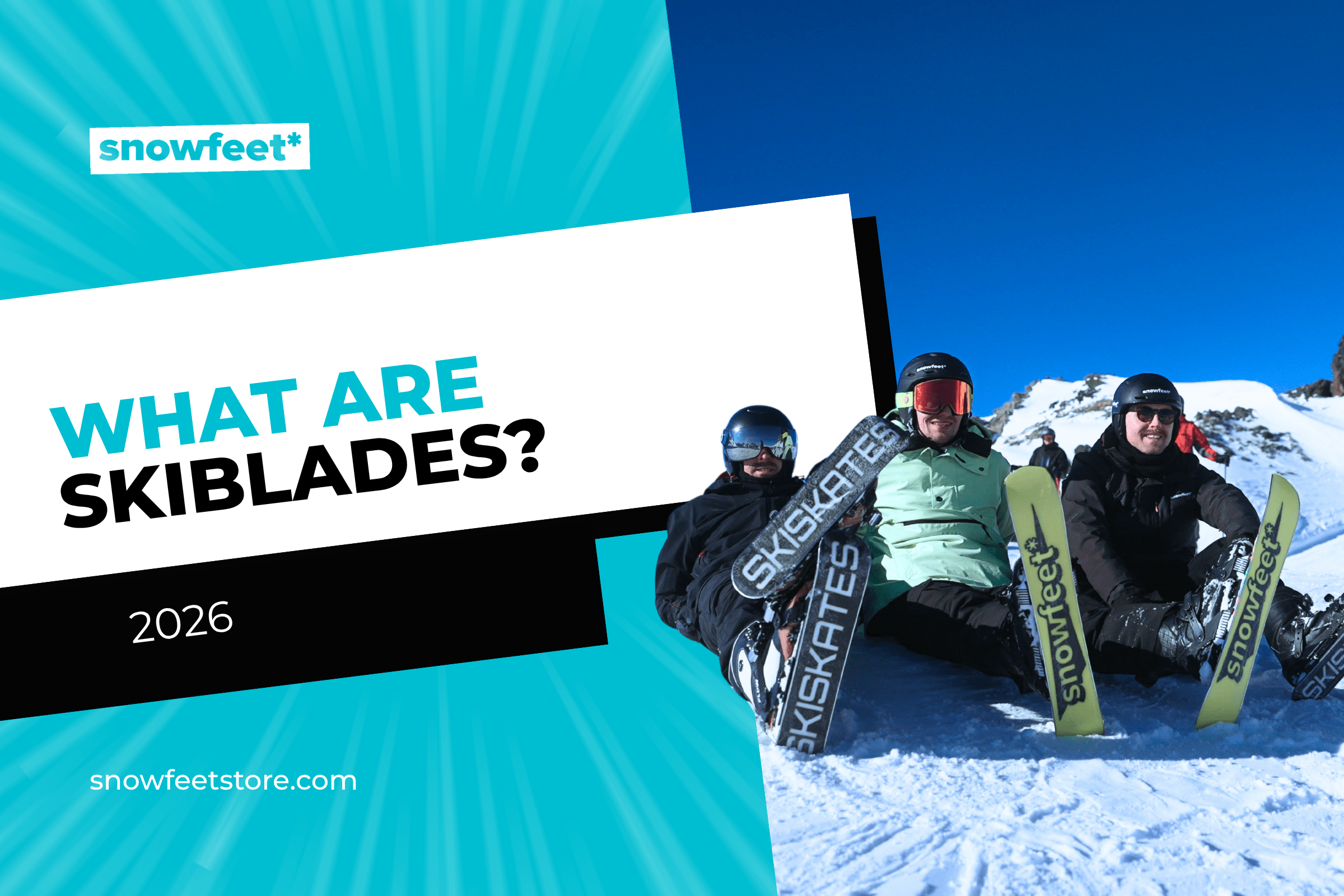
Skiskates and skiblades both fall under the category of short skis, but they’re built for different experiences. The main difference? Their length. Skiskates are about 17-20 inches (44-50 cm) long, while skiblades range from 26 to 47 inches (65 to 123 cm). This size difference affects how they move, how portable they are, and what kind of terrain they handle best.
Here’s the gist: skiskates mimic a skating motion and are great for quick, agile movements. Skiblades, on the other hand, feel more like traditional skiing, offering carving capabilities - all without the need for specialized boots or heavy gear. Let’s dive into what makes each option unique.
Skiskates: Compact and Agile at 44 cm
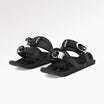
At just 44 cm long, skiskates hold the title of the shortest skis in the world. They combine elements of skiing and skating, creating what Snowfeet calls "skating on snow." If you’ve ever ice-skated or rollerbladed, the side-to-side motion will feel familiar.
Their small size makes them incredibly portable - they’re compact enough to fit in a backpack. That means you can easily bring them along for a hike, a sledding hill adventure, or even a quick trip to the slopes without needing a roof rack. Plus, they’re designed to work with regular winter shoes or snowboard boots, so you can skip the rental hassle. Made with a wood core, metal edges, and professional-grade materials, these little skis pack serious quality into a tiny package.
 Product Link: Snowfeet* 44 CM | Skiskates | Snowblades Skiboards Mini Skis
Users seem to love them too, with a 5.0 out of 5-star rating from 123 reviews. Many report that they’re easy to pick up - especially if you have skating experience. But because of their limited surface area, you’ll need good front-to-back balance. Skiskates shine on groomed slopes and light powder (up to about 4 inches/10 cm), but they’re not ideal for deeper snow.
Skiskates 50 cm: The Easiest Way to Start Skiskating
The Snowfeet* 50 CM Ski Skates represent the ultimate sweet spot for anyone wanting to experience the thrill of skiskating without breaking the bank. Coming in at a compact 50 cm, this best-value model (priced between $299-350) is specifically engineered with extra balance in mind, making it the perfect introduction to the sport. They bring the effortless glide of ice skating right onto the snow, allowing you to cruise down groomed slopes, casual trails, local sledding hills, or even just your own backyard.
Unlike longer skiblades or traditional skis that require heavy, expensive equipment, these ultra-portable ski skates are designed for ultimate convenience: you can strap them right onto your standard winter shoes or snowboard boots.
 Product Link: Snowfeet* 50 CM | Ski Skates
Skiblades: Versatile Short Skis (65 cm to 123 cm)
Skiblades, on the other hand, offer a more traditional skiing experience in a shorter, more manageable size. Snowfeet offers three lengths: 65 cm (starting at $590), 99 cm (starting at $690), and 123 cm (priced at $950). Each size caters to a specific style:
- 65 cm: Perfect for tricks and tight turns, thanks to its high maneuverability.
- 99 cm: A balanced option that combines portability with solid carving and powder performance.
- 123 cm: Built for stability, making it great for high-speed downhill runs and deeper snow.
Handcrafted in the European mountains from certified sustainable wood, these skis feature cap construction, metal edges, and graphite bases for speed. They’re also reinforced for durability, addressing concerns about the quality of some shorter skis. The larger surface area of skiblades makes them easier to balance than skiskates, which is great for anyone used to traditional skis.
Bindings vary depending on the length. The 99 cm and 120 cm versions usually come with standard release ski bindings for more aggressive riding. The shorter models often use non-release bindings or work with snowboard boots, giving you flexibility for tricks. Skiblades are a hit with users, earning a 4.9 out of 5-star rating for their performance across different terrains and snow conditions.
Whether you’re looking for the agility of skiskates or the versatility of skiblades, both options bring something fun and unique to the slopes.
 Product Link: Snowfeet* 99 CM | Skiblades | Snowblades Skiboards Short Skis
Comparison Table
Let’s see how skiskates and skiblades compare when you break them down feature by feature:
| Feature | Skiskates (44-50 CM) | Skiblades (65–123 CM) |
|---|---|---|
| Length | 17-20 inches (44-50 CM) | 26–47 inches (65–123 CM) |
| Weight & Portability | Super lightweight; fits in a backpack | Heavier; needs a bag or rack |
| Riding Motion | Skating and freestyle | Traditional skiing and carving |
| Maneuverability | Extremely agile, like ice skating | Agile with smoother turns than longer skis |
| Learning Curve | Quick for skaters (as little as 5 minutes) | Easy for beginners (around 1 day) |
| Stability | Lower; demands a balanced stance | Higher; wider base adds support |
| Best Terrain | Groomed slopes, snow parks, narrow trails | Groomed slopes, moguls, light powder |
| Speed Performance | Moderate; less stable at high speeds | Handles high-speed carving better |
| Primary Use | Tricks, spins, jumps, and backward riding | Downhill skiing, carving, and learning |
| Price Range | From $299 | From $590 to $950 |
| Customer Rating | 5.0/5 stars (111 reviews) | 4.9–5.0/5 stars |
Main Differences in Performance
The table gives a great overview, but let’s dig into how these two options perform out on the snow.
Skiskates are like ice skating on snow. If you’ve ever tried ice hockey or inline skating, you’ll feel right at home. They’re designed for sharp side-to-side movements, making spins, jumps, and tricks feel second nature. That said, balance is key - keeping your weight centered is essential for staying steady.
Skiblades, on the other hand, offer a more classic skiing vibe. Their longer length, especially on the 99 CM or 123 CM models, gives you better edge grip for carving and allows for smoother, more confident turns. They’re also more stable at higher speeds, making them a solid choice for downhill skiing. The 65 CM version strikes a nice middle ground, combining quick turns with extra support.
When it comes to terrain, skiskates shine on groomed runs and in snow parks. Their agility is ideal for packed snow and light powder (up to about 4 inches). Skiblades, with their larger surface area, are more versatile and better suited for tackling moguls and slightly deeper snow.
Here’s what the founder of Snowfeet has to say about skiskates:
"In my opinion, Skiskates is the best product for slopes we developed so far. I love how easy they are to ski and skate and how many different kinds of tricks I can perform without much effort and almost no restrictions."
- Zbyněk, Founder, Snowfeet*
Another big win for skiskates is their portability. They’re small enough to fit in a backpack, making them perfect for hiking to off-the-beaten-path spots or spontaneous mountain trips. Skiblades, while still easier to carry than traditional skis, won’t fit in a standard backpack, so you’ll need a bag or rack to transport them.
These differences set the stage for making the right pick in the next section.
sbb-itb-17ade95
Which One Should You Choose?
For Beginners and Casual Riders
If you’re just starting out, skiskates are a great choice because of their agility and ease of control. With a length of just 44 cm, they’re super manageable - even if you’ve only dabbled in inline skating or ice hockey before. Most people can pick them up in about 5 minutes.
Snowfeet's 50 cm Ski Skates, priced at $299, are perfect for casual fun. Whether you’re hitting local sledding hills, backyard slopes, or hiking trails, these skates let you enjoy winter sports without shelling out for pricey resort gear. They’ve earned a 4.9/5 rating from over 2,256 reviews, which says a lot about their reliability for newcomers.
If you’re looking for something that performs better on slopes but still keeps the learning curve gentle, check out Snowfeet's 44 cm Wood Core Skiskates (starting at $550). They’re beginner-friendly but deliver professional-grade performance, earning a flawless 5.0/5 rating. These skiskates work with both ski and snowboard boots, skipping the need for specialty footwear while still offering top-tier quality.
Now, let’s dive into options for those with more experience who want better stability and carving power.
For Intermediate and Advanced Riders
For riders with more experience, skiblades are the way to go. Thanks to their longer surface area, especially the 99 cm model (priced from $690), they offer better edge grip and control at higher speeds. This means you get that satisfying carving experience while still enjoying the maneuverability that shorter skis provide.
If you’re after speed and tackling varied terrain, the 99 cm or 123 cm models (starting at $950) are your best bet. These are built to handle downhill runs and moguls much better than shorter options. Plus, Snowfeet’s use of sustainable wood and reinforced designs ensures they last longer, addressing durability concerns often associated with other short ski options.
That said, if you come from an inline or ice skating background and love pulling off tricks, spins, or riding backward, skiskates might still be your go-to.
For Specific Activities and Terrain
Your choice might also depend on where you plan to ride. For snow parks, skiblades shine. Their length provides stability for smooth jump landings while staying short enough for playful riding. The 99 cm models, in particular, are excellent in these scenarios.
For backcountry or hiking trails, skiskates take the lead. Their portability is a game-changer - they fit right into a standard backpack, making them perfect for spontaneous mountain adventures. However, keep in mind they work best on groomed or packed snow. If you’re dealing with powder deeper than 4 inches, skiblades are the better choice. Models like the 99 cm Powder version (from $850) or the 123 cm short skis are specifically designed for deeper snow conditions.
On groomed slopes, skiskates offer a playful, almost skating-on-snow vibe that’s hard to match. Meanwhile, skiblades provide tighter turns and a more traditional skiing feel. Pro skater Logan (@xskyskaterx) sums it up perfectly:
"If you are normally a skier get the SKISKATERS. They have no ribs and feel more like skis... if you are a blader or rollerskater get [Snowfeet]".
Conclusion
Skiskates and skiblades each bring their own flavor to the slopes. Skiskates, at just 44 cm, are all about portability and fun. They fit snugly in a backpack, let you pull off tricks, and feel like skating on snow - perfect for park sessions or impromptu rides. On the other hand, skiblades, ranging from 65 cm to 123 cm, offer more stability and carving power, making them ideal for higher speeds, mixed terrain, and even deeper powder.
This contrast highlights why Snowfeet* has carved out its own niche in the world of winter sports. Unlike traditional ski or snowboard setups that can be bulky and require a steep learning curve, Snowfeet* delivers high performance without the hassle. Whether you're cruising down resort slopes, tackling backyard hills, or exploring hiking trails, this gear is lighter, easier to use, and far more affordable. Plus, their designs use sustainable materials and come with versatile bindings compatible with both ski and snowboard boots - features you just don’t get with conventional equipment.
Snowfeet* skiskates start at $299, while skiblades are available from $590, offering a compact and budget-friendly way to enjoy winter sports like never before.
FAQs
Why are skiskates better than skiblades for tricks and agility?
Skiskates, like Snowfeet’s 44 cm model or 50 cm model, are perfect for anyone who loves tricks and quick, agile movements on the snow. Their ultra-short and lightweight design makes spins, jumps, and tight maneuvers feel effortless. Compared to longer skiblades (like 65 cm, 99 cm, or 123 cm), these compact skiskates let you make fast, precise movements with ease. Plus, their shorter length gives you instant edge-to-edge transitions, delivering a skate-like feel that’s ideal for freestyle riding.
Built with a durable wood core, these skiskates are not just light to carry - they also reduce inertia, giving you better control when tackling jumps or sliding on rails. If you’re all about playful and responsive snow riding, and you’re willing to trade a bit of the stability and speed of longer skiblades, Snowfeet skiskates are the way to go for a fun, dynamic experience.
How do skiblades handle deeper snow compared to skiskates?
Skiblades have the upper hand in deeper snow thanks to their longer length, which gives them extra surface area for better floatation. This makes them a solid pick for powder or softer snow conditions. On the flip side, skiskates shine on groomed slopes and hard-packed snow, where their portability and agility make for quick and thrilling rides.
If you're aiming to tackle deeper snow, skiblades could be your go-to. But if you're after versatility and convenience, Snowfeet Skiskates bring a fun and unique twist to your winter adventures, offering an exciting alternative to traditional snow gear.
What’s the best option for beginners with no skiing or skating experience?
For those just starting out, Snowfeet Skiskates (50 cm) are a fantastic option. Thanks to their small size, they're easier to balance on, and you can strap them right onto your regular winter shoes - no need for special boots or any prior experience. This straightforward setup helps beginners feel at ease and ready to hit the snow.
In contrast, Skiblades (65 cm, 99 cm, 120 cm) are longer and demand more skill in terms of control and weight distribution. For someone with no background in snow sports, this can be tricky. While Skiblades offer greater speed and flexibility for seasoned riders, they come with a steeper learning curve for newcomers.
If you're new to the snow scene, the lightweight and portable Snowfeet Skiskates are a great way to ease into the sport. They’re simple, fun, and make learning a lot less intimidating.
Editor: Karolina R.
Last Update: July 14, 2026











2 comments
Karolina
Hey Bob!
Go ahead and listen to your lower back on this one—your spine will thank you! Embracing a “winter mid-life crisis” by ditching those heavy 170cm planks might actually be the best decision you make this season.
To put your knees at ease: while those ultra-short 44cm skiskates definitely require some serious skating technique (and yes, the warning about deep powder is very real), the 100cm setup is a completely different beast. It gives you actual stability and just enough surface area to handle narrow trails and light powder without an immediate face-plant, all while letting you hike up in comfortable snowboard or winter boots.
Karolina from Snowfeet Team
Bob_67
My knees hurt just looking at those 44 skiskates, but my lower back is screaming ‘BUY THEM’ just for the backpack portability. I’m currently imagining myself trying to ‘skate on snow’ and immediately face-planting because I ignored the 4-inch powder warning. Honestly, after a decade of hauling heavy gear and suffering in traditional ski boots, trading my 170cm planks for the 99cm compromise sounds like the mid-life crisis my winter season desperately needs.
Leave a comment
This site is protected by hCaptcha and the hCaptcha Privacy Policy and Terms of Service apply.