




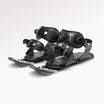
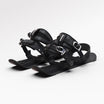
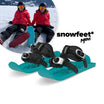
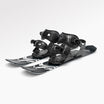
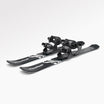
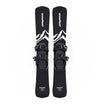
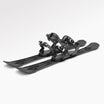
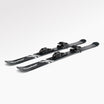
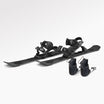
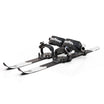
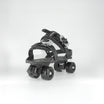
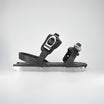
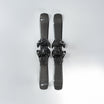

Skis with snowboard bindings are shaking things up in 2026. Imagine combining the freedom of skiing with the comfort of snowboard boots. That’s the appeal of this hybrid gear. It’s portable, easy to learn, and works well on groomed slopes and trails. But it’s not perfect - deep powder and high-speed stability can be tricky. Here’s the quick breakdown:
- Comfort: Use soft snowboard boots or even winter shoes - no stiff ski boots required.
- Portability: Compact sizes (38–99 cm) fit in a backpack, unlike bulky skis or snowboards.
- Learning Curve: Most people get the hang of it in a day.
- Price: Starts at $250, making it budget-friendly compared to traditional setups.
- Limitations: Struggles in powder deeper than 4 inches and less stable at high speeds.
Snowfeet’s skiblades are leading this trend, offering options for beginners and seasoned riders alike. Whether you’re looking for something easier to carry or just want to try a new way to hit the slopes, these might be worth checking out. Let’s see how they stack up against regular skis and snowboards.
1. Snowfeet* Skiblades With Snowboard Bindings
Snowfeet* has created a unique blend of short skis and snowboard bindings, offering a compact and budget-friendly alternative for winter sports enthusiasts. These bindings are specifically engineered for skiboards and are designed to fit snowboard boots ranging from size 6 to 14.5 US (38–49 EU). They also feature an anti-slip surface for improved control. The standout feature? Their ability to accommodate a wide range of boots, making them incredibly versatile.
Binding Compatibility
One of the biggest perks of these bindings is their flexibility. You can ditch the stiff ski boots and opt for soft snowboard boots or even regular winter shoes for added comfort off the slopes. Plus, these bindings are non-release, similar to standard snowboard setups, meaning they stay securely attached even during falls. As Zbynek, the founder of Snowfeet, explains:
"I love how easy it is to put snowboard boots on and walk with them, they don't hurt like ski boots, and I feel more flexible during the ride".
Portability
Another major advantage is portability. Snowfeet* truly shines in this department. The 44 cm model holds the title of the world's shortest ski, while the 99 cm version is compact enough to fit into a car without needing a roof rack. This makes them a great option for riders relying on public transit or those with limited storage space. For comparison, traditional skis typically measure over 150 cm and require extra storage solutions.
Terrain Versatility
Snowfeet* skiblades are built for a variety of terrains. They perform exceptionally well on groomed slopes, snow parks, and even hiking trails. The shorter models (44–65 cm) are ideal for light powder up to 4 inches deep, while the 99 cm and 120 cm versions provide added stability for carving. They can also navigate narrow trails that are off-limits to full-length skis. However, they’re not the best choice for deep backcountry powder unless you opt for the 99 cm Powder model.
Price Range
Snowfeet* offers several models with snowboard bindings at different price points. The 44 cm Skiskates start at $480, the 65 cm Skiblades are priced at $550, and the 99 cm models begin at $590. For those looking for something different, the 100 cm fiberglass core option starts at $450. When compared to traditional setups, which can cost $200–$600 just for bindings from brands like Look or Marker, Snowfeet* provides a cost-effective solution without sacrificing quality.
2. Traditional Skis
Traditional skis stick to a design that's been around for decades: standard release bindings paired with rigid plastic ski boots. The bindings use a step-in mechanism that's quick and easy to click into, but let’s be honest - those plastic boots? They’re not exactly a dream to walk in. Comfort isn't their strong suit, and walking in them can feel like a chore.
Binding Compatibility
The bindings on traditional skis are built specifically for stiff plastic ski boots. While this setup is great for aggressive carving and offers a reliable release mechanism for safety during falls, it’s not very flexible when it comes to boot options. Unlike newer systems like Snowfeet*, which provide more versatility, traditional bindings lock you into using specific boots. This rigid design can feel limiting, especially when compared to modern alternatives.
Portability
If you’ve ever lugged around traditional skis, you know they’re heavy and awkward. At over 150 cm in length, they’re not the easiest to transport. You’ll need a car rack to get them to the slopes and plenty of storage space at home. And those stiff plastic boots? They’re not exactly made for strolling around the resort or exploring beyond the ski trails. It’s a setup that’s functional but far from convenient.
Terrain Versatility
When it comes to speed and control on groomed slopes, traditional skis are in their element. They’re perfect for fast, aggressive riding. However, they’re not as versatile as some newer options. For deep powder, you’ll need specialized models, and their long length makes them tricky to use on narrow hiking trails or in tight spaces. They really shine on wide-open runs but fall short when the terrain gets more challenging or compact.
Price Range
Traditional ski setups can be a serious investment. Just the bindings from brands like Look or Marker can cost anywhere from $200 to $600. And that’s before you even factor in the skis themselves. Compared to newer options like Snowfeet*, which bundle everything into more affordable packages, traditional setups can feel like a big hit to your wallet.
3. Traditional Snowboards
Traditional snowboards have long been a favorite for riders who thrive in powder and freestyle terrain. Typically measuring 140-165 cm in length and weighing 5-8 lbs, these boards deliver solid performance on the slopes but can be a hassle to transport. While they excel in specific conditions, they lack the flexibility and portability offered by Snowfeet* products. The setup uses a strap system with ankle and toe straps to secure your snowboard boots to the board - unlike ski bindings, there’s no quick-release mechanism.
Binding Compatibility
Snowboard bindings are designed exclusively for snowboard boots. They feature a baseplate, highback, and strap system that prioritizes board feel and responsiveness. The highback provides heel-edge control, and the forward lean can be adjusted for steeper terrain. However, unlike ski bindings, snowboard bindings don’t have a release mechanism - you’re locked in for the ride. This setup works well for snowboarding but limits versatility. You can’t switch these bindings to skis without major modifications, which reduces their adaptability and convenience.
Portability
When it comes to portability, traditional snowboards fall short. Their 140-165 cm length means you’ll need a large case for air travel or a roof rack or spacious vehicle for transport. While snowboard boots are comfortable to walk in (a big plus compared to stiff ski boots), the board itself is bulky and awkward to carry, whether you’re at the resort or hiking. In contrast, Snowfeet* products, which fit easily into a backpack, highlight the portability challenges of traditional boards.
Terrain Versatility
Traditional snowboards excel in powder, groomed trails, and terrain parks. All-mountain models, with medium-to-stiff flex ratings (4-10), are great for carving and freestyle tricks. They’re ideal for riding switch and floating on deep snow. But they’re not as effective on icy slopes or narrow trails, where skis have the advantage. Boards with softer flex (1-3 rating) are easier for beginners on groomed runs but aren’t suited for tougher conditions. If you’re tackling hiking trails or tight areas, traditional snowboards aren’t the most practical choice. These limitations also influence the overall cost.
Price Range
Entry-level to mid-range snowboard bindings cost between $169 and $249, offering features like shock-absorbing padding and aluminum buckles. Premium bindings, such as the Arbor Sequoia at $249.95, go above $250 and include lighter materials and customizable straps for aggressive riders. When combined with the board itself, a complete setup typically costs $400-$800. This price point is higher than Snowfeet* hybrid products, which start at $190.
sbb-itb-17ade95
Pros and Cons
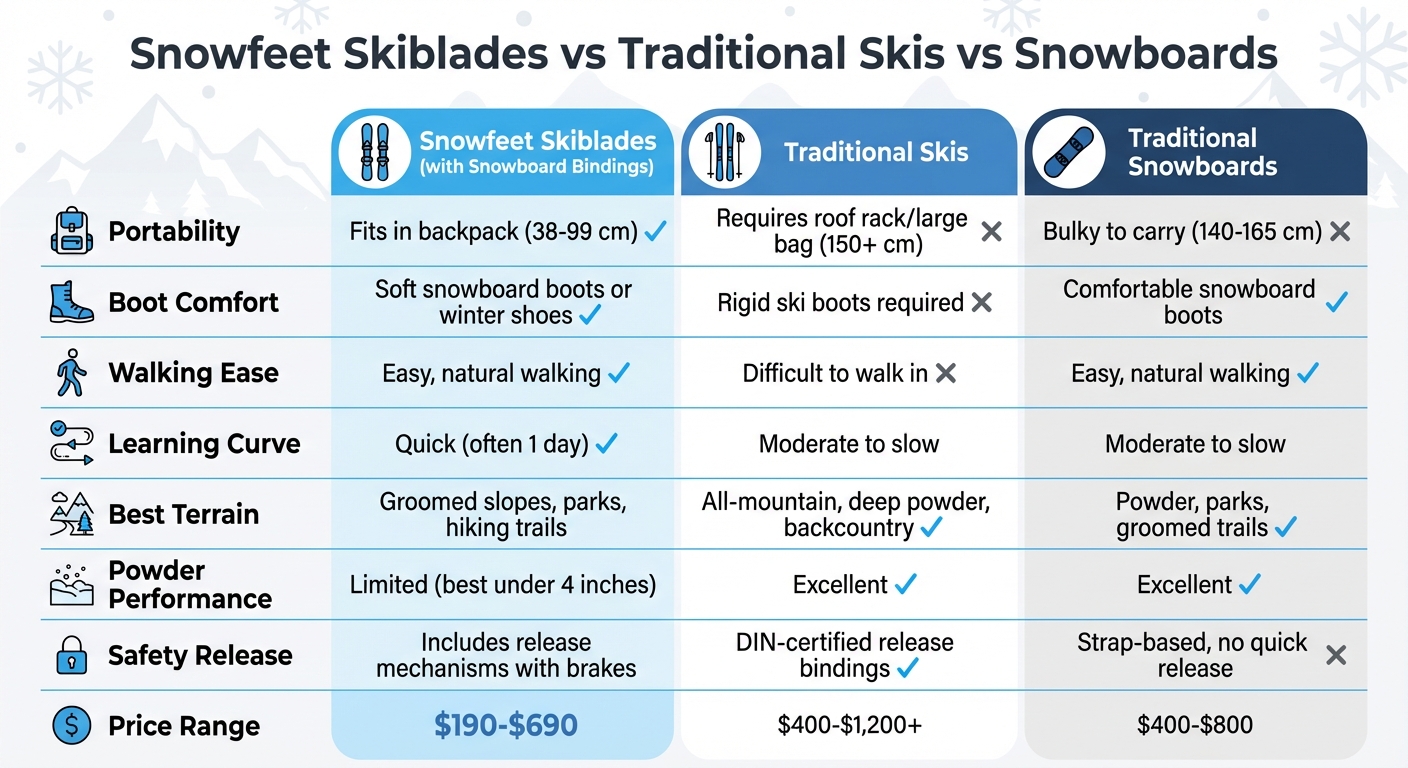
Snowfeet Skiblades vs Traditional Skis vs Snowboards Comparison 2026
Let’s break down the main advantages and drawbacks of Snowfeet* Skiblades, traditional skis, and snowboards. Snowfeet* Skiblades, ranging from 38 to 99 cm, are compact enough to fit in a backpack. They pair with soft snowboard boots or even winter shoes, making them super comfortable. Plus, learning to use them is quick - many people get the hang of it in just one day. On the flip side, they’re best suited for groomed slopes and struggle in powder deeper than 4 inches. They can also feel less stable front-to-back at high speeds.
Traditional skis, meanwhile, shine in deep powder and backcountry terrain, offering excellent stability. Many come with DIN-certified release bindings for added safety. The downside? They require rigid ski boots, which aren’t exactly great for walking, and transporting them can be a hassle - they usually need a roof rack or large bag. Setting them up can also take time, often involving professional adjustments.
Snowboards offer great performance in powder and freestyle terrain, and their boots are comfortable enough for walking. However, they’re bulky to carry around and don’t have quick-release bindings. They can also fall short on icy slopes and narrow trails compared to skis.
Here’s a quick side-by-side comparison to make things clearer:
| Feature | Snowfeet* Skiblades (Snowboard Bindings) | Traditional Skis | Traditional Snowboards |
|---|---|---|---|
| Portability | Fits in a backpack (38–99 cm) | Requires roof rack/large bag | Bulky to carry |
| Boot Comfort | Works with soft snowboard boots or winter shoes | Needs rigid ski boots | Uses comfortable snowboard boots |
| Walking Ease | Easy, natural walking | Difficult to walk in | Easy, natural walking |
| Learning Curve | Quick (often 1 day) | Moderate to slow | Moderate to slow |
| Best Terrain | Groomed slopes, parks, hiking trails | All-mountain, deep powder, backcountry | Powder, parks, groomed trails |
| Powder Performance | Limited (best for powder under 4 inches) | Excellent | Excellent |
| Safety Release | Includes release mechanisms with brakes | DIN-certified release bindings | Strap-based, no quick release |
| Price Range | $190–$690 | $400–$1,200+ | $400–$800 |
This comparison highlights why Snowfeet* Skiblades are a top pick for those looking for a portable, easy-to-learn option for winter fun.
Best Snowfeet* Models for Snowboard Bindings in 2026
Snowfeet* has crafted five standout models that pair seamlessly with their snowboard bindings, catering to riders of all styles and skill levels. These models deliver impressive performance across various terrains, making them a top choice for anyone looking to hit the slopes with something unique. Here's a closer look at what each model brings to the table:
38 cm Mini Ski Skates (starting at $250):
The most compact option, these are perfect for casual riders exploring sledding hills, hiking trails, or mellow slopes. Their small size makes them super portable and easy to carry around.
44 cm Skiskates (starting at $575):
Dubbed the "skates on snow", these are the shortest skis in the world. Designed for advanced riders, they demand solid balance but reward you with incredible speed and agility on groomed runs.
65 cm Skiblades (starting at $635):
Blending the best of skating and skiing, these are ideal for intermediate riders. Their shorter length lets you pull off skating-like moves and park tricks, while still supporting traditional skiing techniques.
99 cm Skiblades (starting at $675):
With a wood core and parabolic shape, these skis offer excellent stability, making them a great pick for beginners or recreational skiers. They’re designed to deliver smooth, easy carving.
99 cm Powder Model (starting at $675):
Built for deeper snow, this wider model is tailored for off-piste adventures. It excels in powder up to 4 inches deep, giving you better flotation and control in softer conditions.
Snowfeet* bindings are lightweight, adjustable, and fit boot sizes ranging from US 6 to 14.5. Models with wood cores come pre-waxed, but regular waxing is recommended to keep them performing their best.
Each Snowfeet* model strikes a perfect balance between performance and portability. Whether you're drawn to the stability and beginner-friendly feel of the 99 cm Skiblades, the trick-friendly versatility of the 65 cm Skiblades, the agility of the 44 cm Skiskates, or the ultra-portable 38 cm Mini Ski Skates, there’s a model for every type of rider. Plus, their compact design means they can easily fit into a backpack - no more lugging around bulky gear!
Conclusion
Snowfeet* offers a unique blend of skiing and snowboarding, combining portability, comfort, and an easy learning curve. Starting at $250 for the 38 cm Mini Ski Skates, and ranging from $635–$675 for the 65 cm and 99 cm Skiblades, these setups are a more affordable alternative to traditional ski or snowboard packages.
For beginners, the 99 cm Skiblades or Powder models stand out with their wider base and shorter length, making them easier to handle compared to standard skis. Plus, adjustable binding flex (medium-soft, rated 4–6) adds to their user-friendly design, especially at slower speeds. If you’ve got experience with hockey or inline skating, you’ll feel right at home with the 44 cm Skiskates - they’re a natural fit.
While traditional skis and snowboards shine in niche areas like backcountry trails or halfpipe tricks, Snowfeet* products excel on groomed runs and casual outings. Their compact size makes storage and transport a breeze, and with snowboard boots, you can walk comfortably - whether it’s grabbing lunch or navigating the parking lot. That’s a convenience ski boots just can’t offer.
Snowfeet* isn’t here to replace your usual gear but to expand your options on the slopes. Whether you’re a weekend adventurer tired of hauling bulky equipment or a seasoned snow lover looking for something new, these compact setups prove that sometimes smaller gear can deliver big fun on the mountain.
FAQs
What makes Snowfeet Skiblades easier to learn compared to traditional skis?
Snowfeet Skiblades make picking up skiing quicker and simpler than traditional skis. Their shorter length and snowboard-style bindings let you stand naturally and upright, cutting down on the tricky edge-control techniques that regular skis demand. For beginners, this means you can get the hang of basic downhill moves in just one session - way faster than the days or even weeks it often takes with traditional skis.
Their compact size also makes them less intimidating. No long skis, no poles - just you and the slopes. This design helps build confidence and reduces the number of falls for first-timers. In fact, studies show that beginners can progress up to twice as fast with Skiblades. If you're looking for a fun and speedy way to ease into skiing, Skiblades might be just the thing.
Are Snowfeet Skiblades good for deep powder and high-speed skiing?
Snowfeet’s longer Skiblades, like the 99 cm, 120 cm, or the 99 Powder models, are built for deep powder skiing. They’re designed to give you the stability you need when tackling high speeds, while also offering solid control and floatation in tricky snow conditions. Perfect for adventurous skiers looking to explore off-piste terrain.
If carving turns or hitting the park is more your style, the shorter 65 cm version might be your go-to. It’s nimble and precise, making it ideal for playful, dynamic runs. Snowfeet Skiblades bring together performance and versatility, offering a fresh alternative to traditional skis for snow lovers.
What are the benefits of using snowboard bindings with Snowfeet skiblades?
Using snowboard bindings with Snowfeet skiblades is a game-changer for winter sports fans who love efficiency and flexibility. Why? Because with just one pair of snowboard boots, you’re set for both skiing and snowboarding. That means less gear to lug around, more space in your car or locker, and some extra cash in your pocket. It’s a win-win for anyone who appreciates keeping things simple.
Snowfeet skiblades bring together the best of both worlds. They let you carve out quick, sharp turns like traditional skis while offering the smooth, steady ride you’d expect from a snowboard. Whether you're cruising on groomed trails or tackling fresh powder, this setup handles it all with ease. And don’t worry about wear and tear - Snowfeet products are built with durable materials that can stand up to even the toughest runs. The bindings? They’re a breeze to adjust and install, so you can skip the hassle and get straight to shredding the slopes.













Leave a comment
This site is protected by hCaptcha and the hCaptcha Privacy Policy and Terms of Service apply.