



















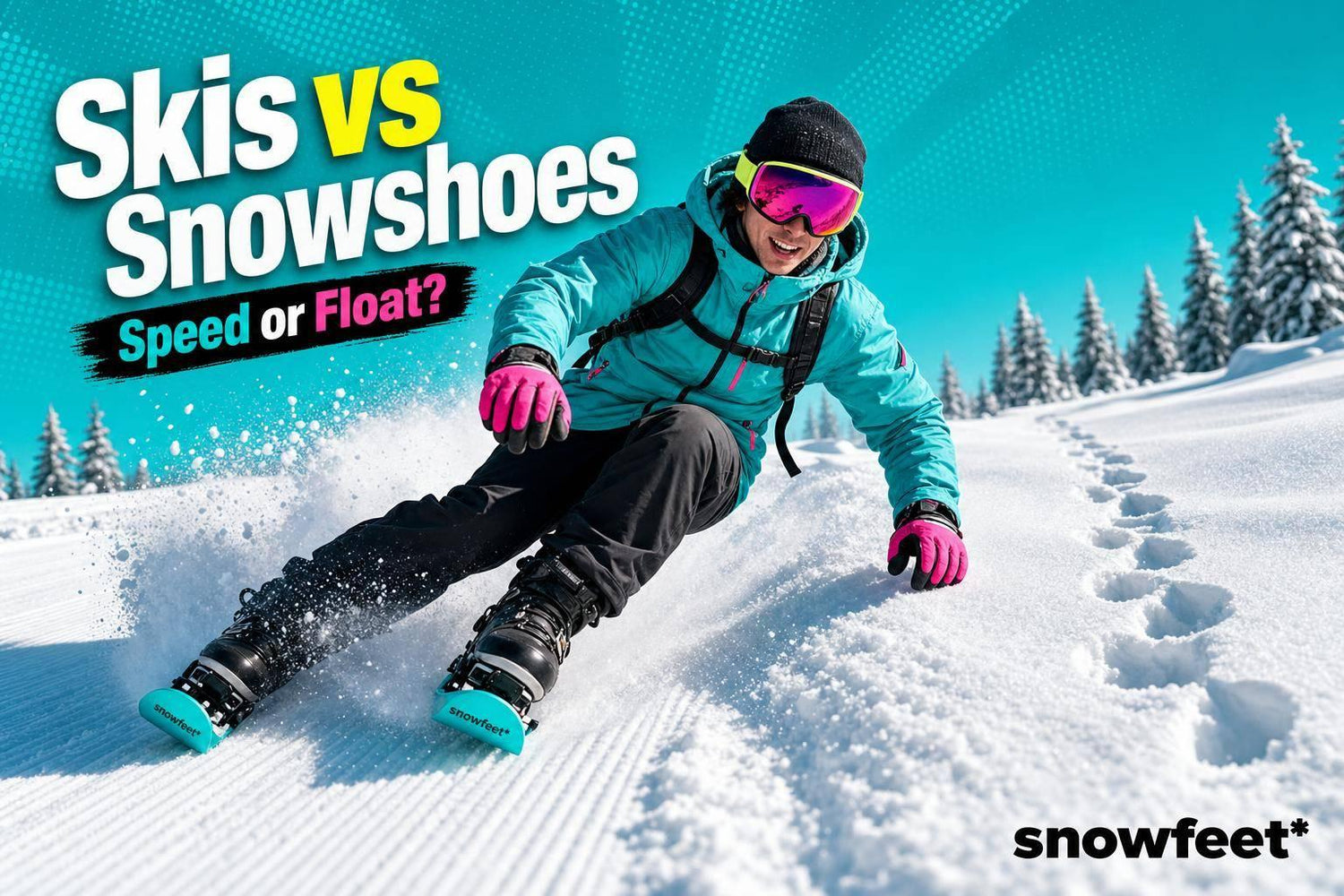
If I had to sum it up in one line: skis are more fun if you want glide, snowshoes are more fun if you want simple walking, and Snowfeet* sits in the middle.
Here’s the short answer:
- Nordic skis are the most fun for speed, rhythm, and covering ground on packed snow.
- Snowshoes are the most fun for easy starts, deep snow, and stop-anytime control.
- Snowfeet* works best if you want a ski feel without hauling long skis or buying ski boots.
A few facts from the article make the choice pretty clear:
- New users on classic Nordic skis often move around 5–7 mph
- Skilled skate skiers can hit 9–11 mph
- Snowshoes make more sense once snow gets deeper than about 6 inches
- Snowfeet* NORDIC 90 cm starts at $450
- Snowfeet* WALKSKI 100 cm starts at $595
So, if you’re asking, “What’s more fun for me?” I’d break it down like this:
- Pick Nordic skis if you want flow, glide, and trail speed
- Pick snowshoes if you want zero fuss and off-trail walking
- Pick Snowfeet* if you want a lighter, smaller setup that still slides
Snowfeet* Nordic Ski: Revolution in Cross Country Skiing | Compatible With Any Winter Shoe
Quick Comparison
| Option | Most fun for | Best snow/terrain | Learning feel | Main tradeoff |
|---|---|---|---|---|
| Nordic skis | Glide and speed | Groomed trails, packed paths, frozen lakes | Takes some practice | Long gear, ski boots |
| Snowfeet* NORDIC 90 cm | Light trail laps and easy glide | Groomed trails, packed snow | Easier than full XC skis | Less float in deep snow |
| Snowfeet* WALKSKI 100 cm | Mixed touring with glide | Cabin roads, forest tracks, light backcountry | Easy start | Not as simple as snowshoes in steep deep snow |
| Snowshoes | Easy walking and deep snow trips | Powder, steep woods, off-trail | Fastest to learn | No glide |
My take? For most casual riders, the sweet spot is simple: some glide, low hassle, and gear you’ll use. That’s why the middle option stands out for a lot of people.
If you want, I can also turn this into a meta description, blog intro with SEO keywords, or a shorter affiliate-style intro.
Nordic Skis vs Snowshoes: Direct Fun Comparison
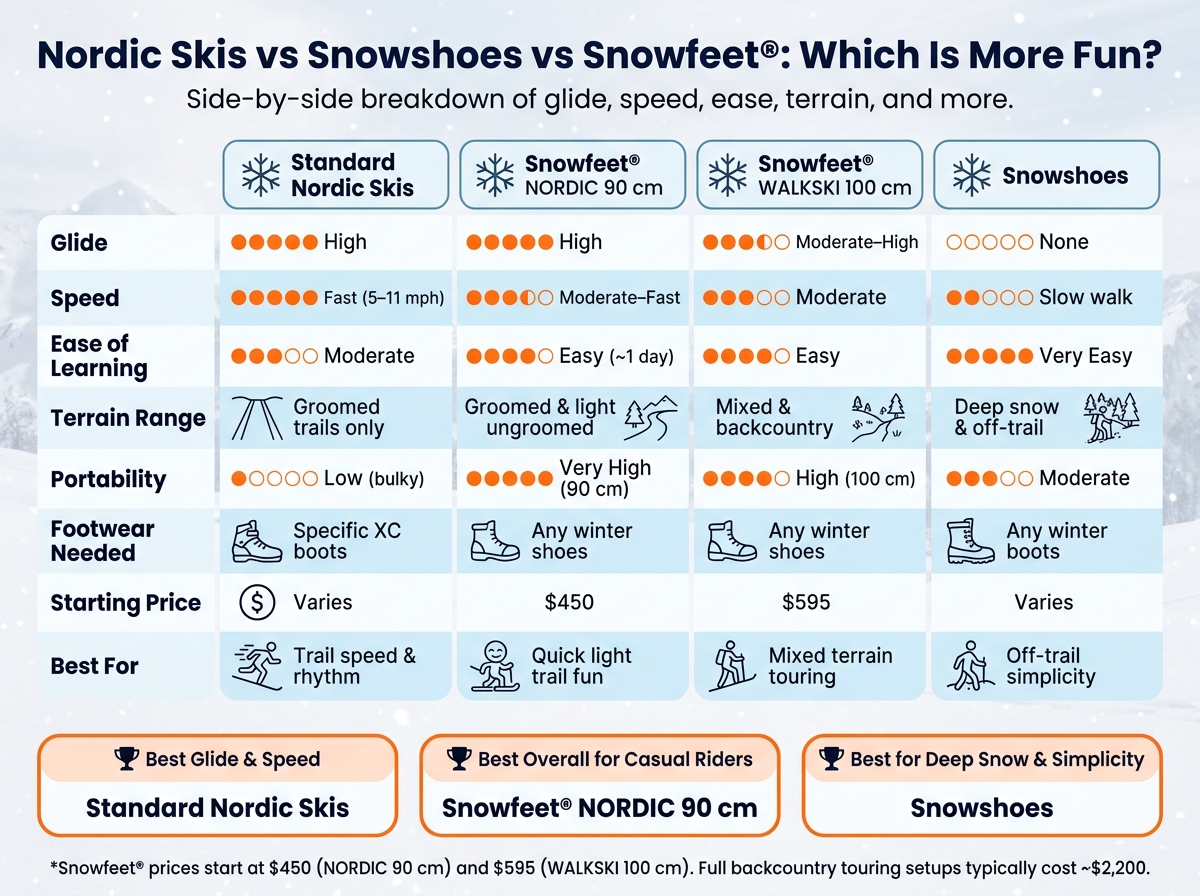
Nordic Skis vs Snowshoes vs Snowfeet: Which Is More Fun?
Here’s the straight-up comparison. What feels more fun comes down to how you like to move in the snow.
| Factor | Standard Nordic Skis | Snowfeet* NORDIC 90 cm | Snowfeet* WALKSKI 100 cm | Snowshoes |
|---|---|---|---|---|
| Glide | High | High | Moderate–High | None |
| Speed | Fast | Moderate–Fast | Moderate | Slow walk |
| Ease of Learning | Moderate | Easy (about 1 day) | Easy | Very Easy |
| Terrain Range | Groomed trails | Groomed & light ungroomed | Mixed & backcountry | Deep snow & off-trail |
| Workout Feel | Strong cardio glide | Agile cardio | Steady touring | More leg effort |
| Portability | Low (bulky) | Very High (90 cm) | High (100 cm) | Moderate |
| Footwear Needed | Specific XC boots | Any winter shoes | Any winter shoes | Any winter boots |
| Best For | Trail speed & rhythm | Quick, light trail fun | Mixed terrain touring | Off-trail simplicity |
That’s the heart of it: skis are about flow. Snowshoes are about keeping it simple.
Glide, Speed, and Playfulness
Nordic skis win on pure glide. That kick-and-glide rhythm builds speed in a smooth, almost effortless way, especially on groomed trails or a frozen lake. Once you get moving, it just feels good. That smooth forward motion is a big part of the fun.
Snowfeet* NORDIC 90 cm gets pretty close to that classic Nordic ski feel, but with a shorter setup that feels lighter and easier to handle. Less long-board drama, more quick movement. Martina MacLean summed it up well:
"It didn't take long to get used to these shorter skis, much easier than the original longer XC skis I used to own a long time ago!"
The WALKSKI 100 cm leans more toward touring. It’s less about top speed and more about moving across mixed terrain without losing that nice bit of glide. Snowshoes just can’t match that part.
Learning Curve, Confidence, and Workout Feel
Snowshoes are about as easy as winter gear gets. Strap them on and go. No big mystery there.
Nordic skis take more time at first, but once the basics click, the whole thing changes. You stop thinking about balance and gear, and you start enjoying the ride. The NORDIC 90 cm makes that first step much easier. Most people are gliding with decent comfort within about a day, and the metal edges help with control and stopping.
The workout feels different too. Cross-country skiing burns a lot more calories per hour than snowshoeing, but it usually feels smoother and more rhythmic. Snowshoeing can feel more like a grind, especially if the snow is deep or heavy. If fun matters as much as fitness, that difference is hard to ignore.
Terrain, Deep Snow, and Travel Convenience
If you’re heading into soft, unpacked powder deeper than about 6 inches, or going into steep, uneven terrain where glide turns into a hassle, snowshoes make more sense. That’s their sweet spot.
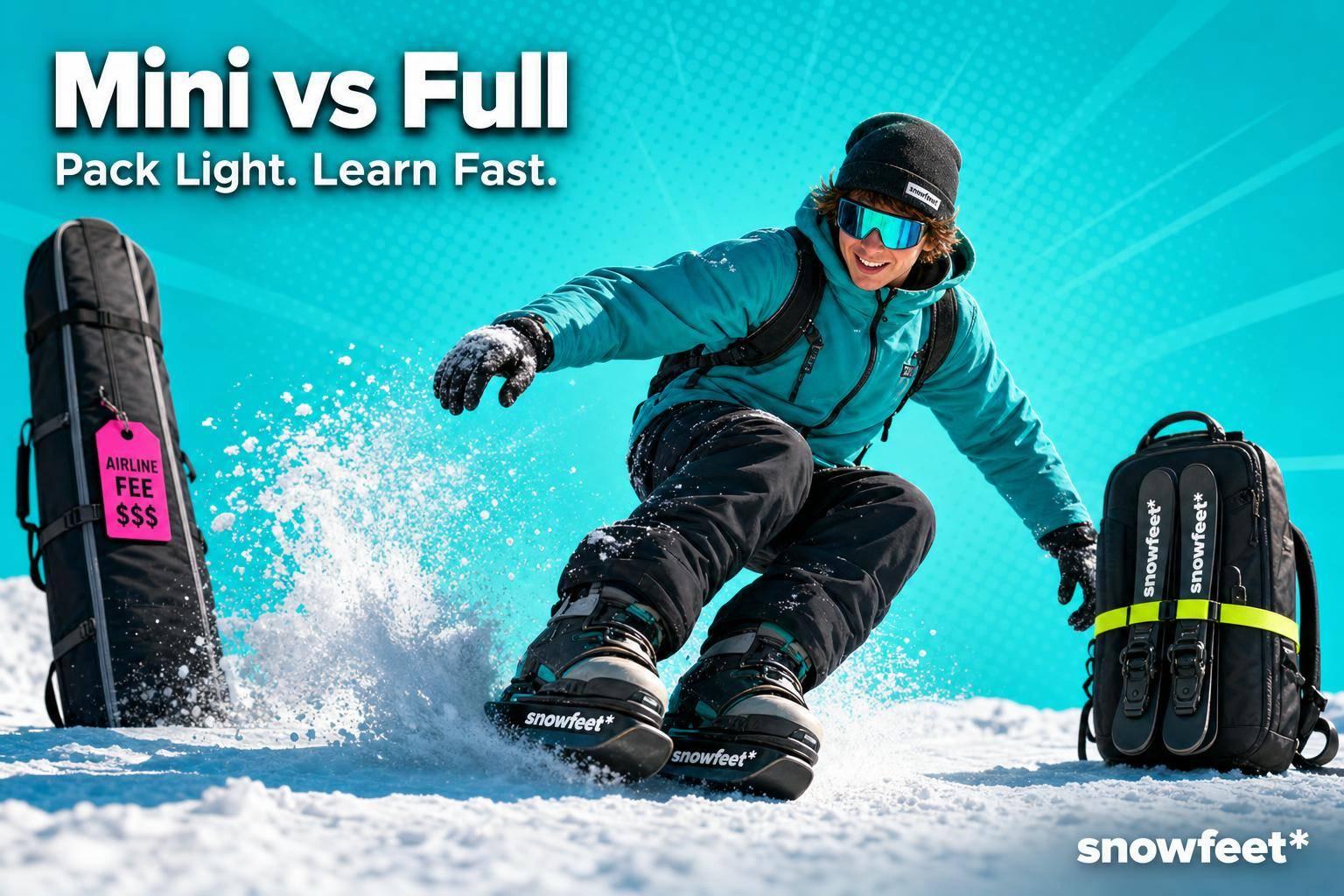
On packed trails, groomed paths, forest roads, and frozen lakes, the story changes. That’s where skis start to shine. The WALKSKI 100 cm works well on mixed backcountry terrain while staying much easier to pack than full-length Nordic skis. The NORDIC 90 cm is small enough to toss in a car trunk or tuck into a tight storage spot.
And that part matters more than people think. Gear that’s easy to bring along usually gets used more. Sometimes the most fun setup is the one you’ll grab for a last-minute weekend trip without turning your car into a gear puzzle :) That’s where this comparison starts to get more personal - because the best pick depends a lot on who’s using it.
sbb-itb-17ade95
Who Has More Fun on Each Option?
Who has more fun comes down to one thing: how you like to move.
At this point, it’s less about gear specs and more about what kind of winter day you want. Do you want to walk with steady footing? Or do you want a bit of glide and a more playful feel?
| User Type | More Fun Choice | Core Reason |
|---|---|---|
| Beginners | Snowshoes: easiest start; NORDIC 90 cm: most fun if you want glide | Instant confidence or fast glide - pick your lane |
| Families with young kids | Snowshoes | Best for slow, flexible outings in regular winter boots |
| Casual trail users | Snowfeet* NORDIC 90 cm | Playful glide on groomed paths in a compact setup |
| Travelers & apartment dwellers | Snowfeet* NORDIC 90 cm | Easy to grab, pack, and actually use |
| Weekend riders | Snowfeet* NORDIC 90 cm | Grab-and-go for last-minute park or golf course outings |
| Backcountry users | Snowfeet* WALKSKI 100 cm | Real glide on mixed terrain - feels like skiing, not walking |
| Deep snow / steep wooded terrain | Snowshoes | Better flotation and control when conditions get serious |
If Confidence Matters Most, Start Here: Beginners, Families, and Casual Trail Users
Snowshoes are the easier place to start. Most new users can strap them on and move with confidence in minutes. That’s a big reason they work so well for family hikes in rolling forest terrain or around cabins.
For young kids, slow group outings, and laid-back winter walks, snowshoes keep things simple. You can wear regular winter boots, head out, and not make the day feel like a lesson.
That said, not every beginner wants to walk. Some want to glide. If that sounds like you, Snowfeet* NORDIC 90 cm deserves a close look. On flat park loops, rail trails, or golf courses, it feels more lively than shuffling through snow in snowshoes. It’s the fun-first pick for new users who want motion, not just access.
Travelers, Apartment Dwellers, and Weekend Riders
Here, fun is tied to one plain fact: will you actually use it?
Snowfeet* NORDIC 90 cm is easy to grab, pack, and bring along. That matters a lot if you live in an apartment, drive a small car, or like making last-minute winter plans. A quick trip to a state park or a snow-covered golf course feels a lot more doable when your gear doesn’t take over the trunk.
And that ease shows up in user feedback too:
"These are exactly what I wanted and they are just as easy to use as advertised. I went out for about 1hr and within 45 minutes I was gliding along in the tracks at my local cross country trails." - makinola, Manchester, US
For weekend riders, that grab-and-go feel is a huge part of the appeal. No long setup. No big production. Just toss them in, head out, and get moving.
Backcountry Users Who Want Real Glide
Snowshoes still have their place. In tight, dense forest, steep climbs, or very deep unconsolidated powder, flotation can matter more than speed or glide. In those conditions, snowshoes make sense. Plain and simple.
But if your route mixes open flats, mild climbs, and light descents, Snowfeet* WALKSKI 100 cm offers something snowshoes just don’t: actual glide. That changes the whole feel of the outing. You cover more ground, the pace feels smoother, and the trip back doesn’t feel like a long trudge.
WALKSKI 100 cm gives backcountry users that skiing feel without the bulk of a full touring setup.
Next, we narrow down which Snowfeet* model fits that kind of fun best.
When Snowfeet* NORDIC or WALKSKI Is the Better Buy
The next step is pretty simple: pick the Snowfeet* model that fits where you’ll spend most of your time.
Choose NORDIC 90 cm for Fast, Light Trail Fun
If most of your winter days happen on packed trails, golf-course loops, park paths, or groomed Nordic tracks, go with the Snowfeet* NORDIC 90 cm. It starts at $450 and uses a waxless fishscale base, so you can glide without wax prep or special ski boots. You just strap them onto your regular winter shoes and head out.
At only 90 cm, they’re easy to turn in tight spots. They also store without a fuss. Toss them in a car trunk, stash them in a closet, and you’re done. That grab-and-go feel matters more than people think. It makes a trail day feel fun instead of feeling like a whole project.
If your route gets rougher or less groomed, the 100 cm touring option makes more sense.
Choose WALKSKI 100 cm for Mixed Terrain and Touring
If your outings include cabin access roads, unplowed lanes, frozen lakes, or low-angle forest tracks, the Snowfeet* WALKSKI 100 cm is the better match. It starts at $595 and comes with removable climbing skins plus a four-mode binding for Walk, Ski, Low Climb, and High Climb. That gives you something snowshoes don’t: glide on the way back.
For context, a standard backcountry ski touring setup in the U.S. usually costs about $2,200. So WALKSKI opens the door to that kind of day out for much less money. It’s also less intimidating than jumping straight into a full touring setup.
Patrick Brosseau from Burlington, US, who came from a snowshoeing background, summed it up well:
"I'm new to skiing but enjoy snowshoeing so the Snowfeet Backcountry Touring Skis were a no-brainer for me. Very versitale and a lot of fun!"
| If your winter looks like this… | Choose this |
|---|---|
| Park loops, golf courses, groomed rail trails | NORDIC 90 cm - starts at $450, fast and light |
| Cabin roads, forest tracks, mixed ungroomed terrain | WALKSKI 100 cm - starts at $595, playful touring with real glide |
| Deep powder, steep terrain, or brushy routes | Traditional snowshoes |
Snowshoes still have their place in those tougher conditions, where flotation and simple footing matter more than glide.
Conclusion: Which Is More Fun for Most People?
The choice comes down to one simple thing: glide or walk.
For most people, fun boils down to two parts:
- Easy glide
- Easy use
Snowshoes win on pure simplicity. You strap them on and go. Full-length Nordic skis win when you want more speed and longer days on groomed trails.
That puts Snowfeet* right in the middle. It’s a nice fit for readers who want that ski-like feel without dealing with full-size gear.
If fun means more glide and less hassle, Snowfeet* is the best pick for most casual riders. In that group, Snowfeet* NORDIC 90 cm or WALKSKI 100 cm gives the best mix of glide, portability, and an easy learning curve.
Bottom line:
| Your priority | Best pick |
|---|---|
| Simplicity in deep snow | Snowshoes |
| Speed and distance on groomed trails | Full-length Nordic skis |
| Best overall mix for casual riders | Snowfeet* NORDIC 90 cm or WALKSKI 100 cm |
FAQs
Are Nordic skis or snowshoes better for beginners?
For beginners, snowshoes and Snowfeet are both much easier to pick up than Nordic skis. Snowshoeing is usually the easiest place to start because the walk-and-stride motion feels natural almost right away.
But if you want a bit of glide and a lot more fun, Snowfeet tend to be the better fit. Nordic skis take more time to learn, while 90 cm Snowfeet are built so most people can get the hang of them fast, often in a single day.
Can I use Snowfeet* on ungroomed snow?
Yes. Snowfeet* works on ungroomed snow.
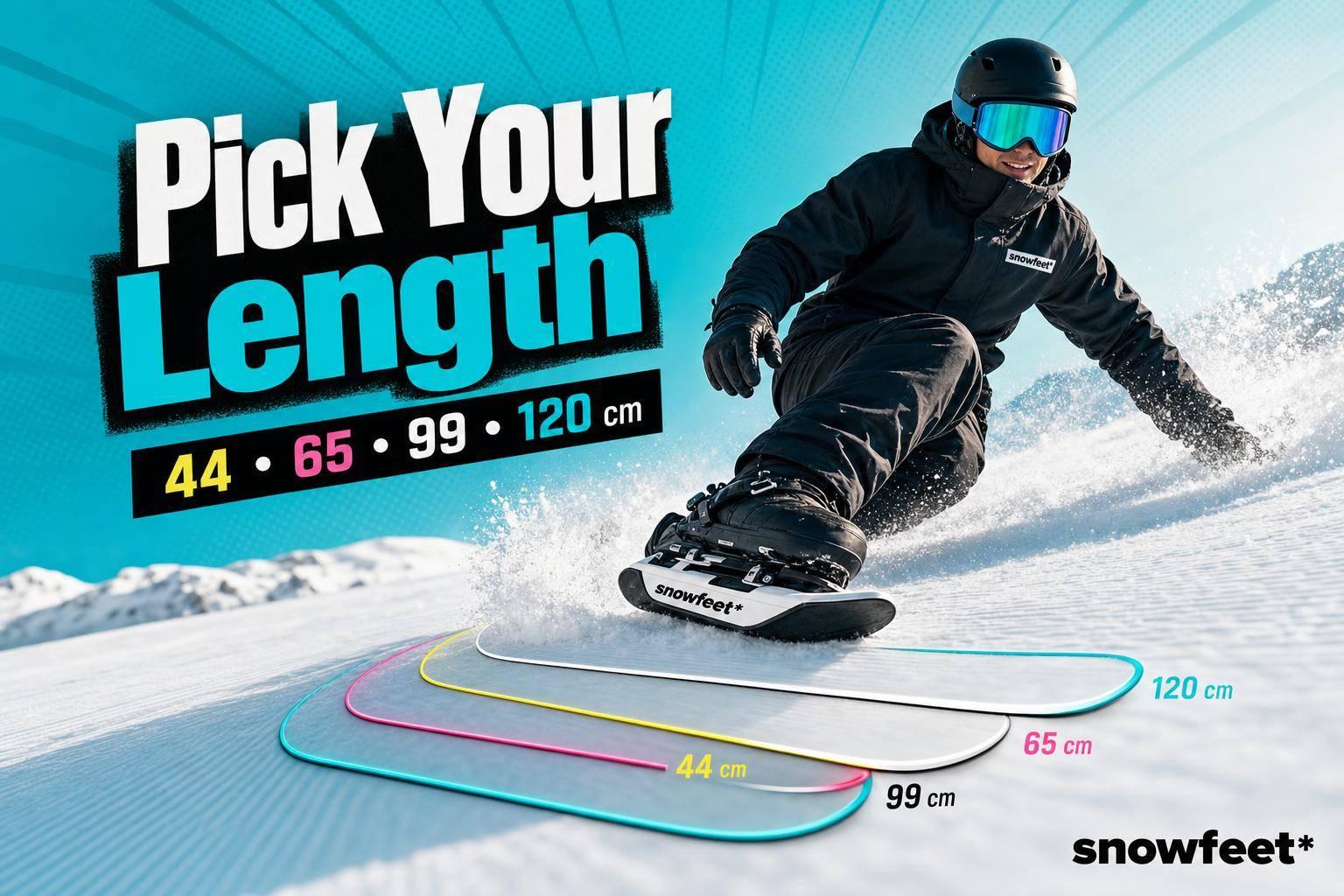
Unlike long skis that are made mostly for groomed runs, Snowfeet* NORDIC skis are built for mixed terrain. Their compact 35-inch (90 cm) length makes them easier to control on ungroomed trails, packed snow in parks, backcountry routes, and even in your own backyard.
Which option is easiest to pack and store?
Snowfeet are a lot easier to pack and store than standard Nordic skis or snowshoes.
Traditional Nordic skis are bulky. They’re often 6 to 7 feet long, which means you may need roof racks or a special bag just to move them around.
Snowfeet models like NORDIC and WALKSKI are only 35 to 39 inches long. That’s a huge difference. They can fit in a standard backpack and stash neatly in a closet or car trunk.











Leave a comment
This site is protected by hCaptcha and the hCaptcha Privacy Policy and Terms of Service apply.