



















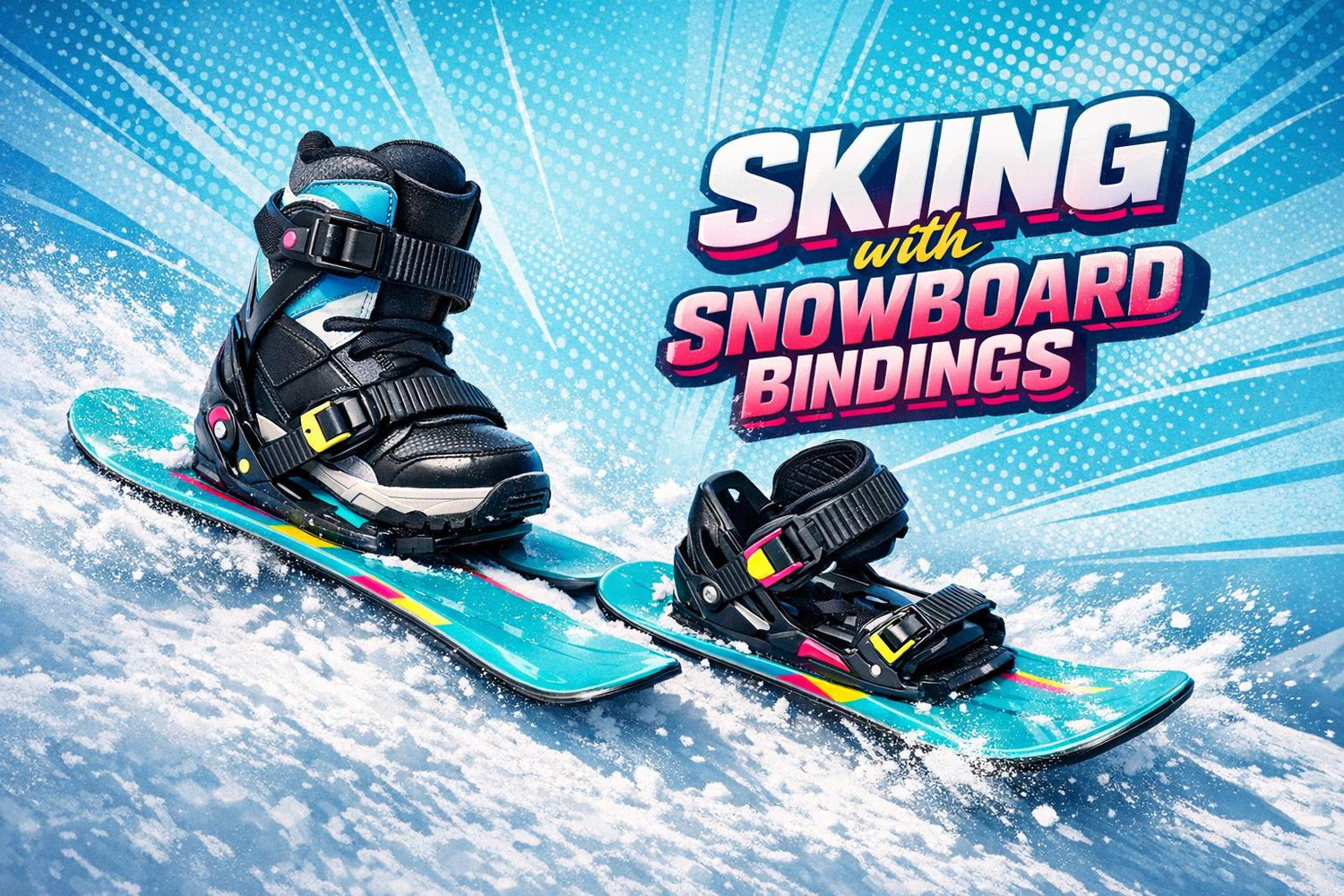
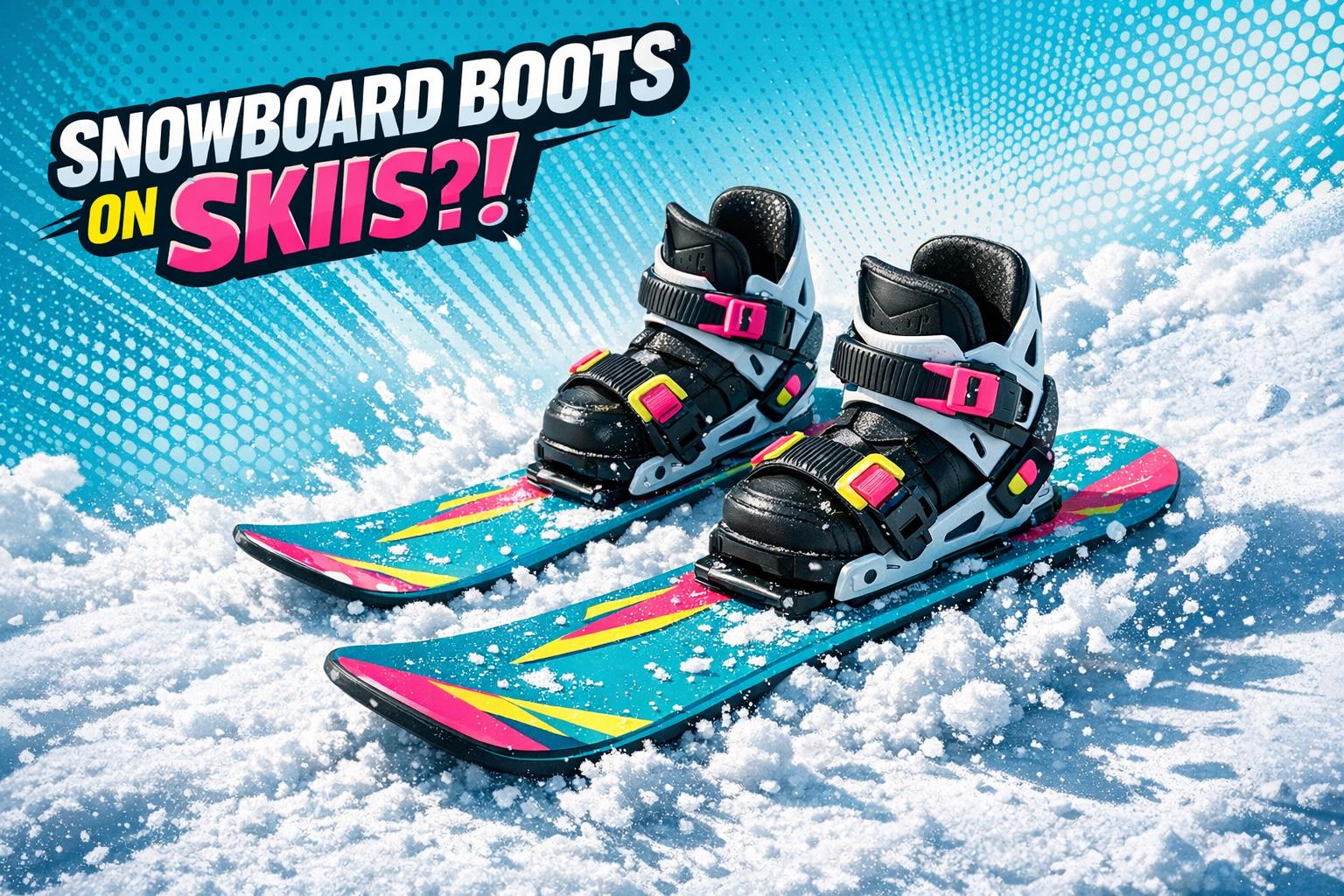
If you’re tired of clunky ski boots and complicated setups, here’s the short answer: yes, skis with snowboard bindings are easier to use than regular skis. They’re shorter, lighter, and way less intimidating for beginners. Plus, you can use comfy snowboard boots instead of stiff ski boots. For anyone looking for a simpler, more fun way to enjoy the slopes, these are a game-changer.
Why They’re Easier:
- Shorter Length: Ranging from 15 to 47 inches, they’re easier to control compared to the typical 63–79 inch skis.
- Snowboard-Style Bindings: Adjustable straps make setup simple - no shop visits required.
- Quick Learning Curve: If you’ve ice-skated or rollerbladed, you’ll pick this up in minutes.
- Portable: Fits in a backpack, unlike bulky traditional skis.
- Affordable: Starting at $190, they’re cheaper than most ski setups.
Who They’re For:
- Beginners who want to skip the steep learning curve.
- Skiers tired of heavy gear and stiff boots.
- Families or casual riders looking for a fun, hassle-free experience.
Whether you’re hitting groomed runs, terrain parks, or just playing in the snow, these skis make winter sports more accessible and enjoyable. Let’s dive into how they stack up against traditional skis.
Snowfeet vs Traditional Skis: Complete Comparison Guide
What Are Skis With Snowboard Bindings?
Let’s dive into how Snowfeet* products stack up against traditional skis when it comes to making skiing simpler and more approachable.
Snowfeet*: A Fresh Take on Winter Fun
Snowfeet* products bring a twist to the skiing world. These compact skis, ranging from 15 to 47 inches (38 to 120 cm), use snowboard-style bindings instead of the standard alpine setup. What does that mean for you? No stiff, clunky ski boots! You can wear more flexible footwear, giving you a lot more freedom and comfort.
Here’s the lineup: ski skates (15 inches), skiskates (17–20 inches), and skiblades (26–47 inches). The shorter models feel like ice skating or inline skating on snow, while the longer skiblades offer a skiing experience but with added agility. All models come with twin tips and metal edges, making it easy to carve and stop.
Learning to use Snowfeet* takes just minutes, thanks to their skating-like motion. If you’ve ever ice skated or played hockey, you’ll feel right at home. With over 50,000 users and an impressive 4.9/5 rating from more than 5,500 reviews, these aren’t just a passing trend. The snowboard-style bindings feature adjustable ankle and toe straps, which can be swapped between different Snowfeet* models. Plus, their compact, backpack-friendly size makes them super portable - no need for extra gear bags or roof racks.
In comparison, traditional skis follow a much more demanding approach.
Traditional Long Skis: The Classic Choice
Traditional long skis, on the other hand, stick to the tried-and-true formula. These skis are typically 67 inches or longer (170+ cm) and are designed for high-speed carving and deep powder. But here’s the catch: they require rigid boots and bindings that need to be professionally mounted.
While they excel in performance, traditional skis come with some drawbacks. They’re heavy, bulky, and a hassle to transport - think roof racks or oversized gear bags. Mastering them also takes time, with formal lessons and lots of practice being almost mandatory. And those stiff boots? They’re awkward to walk in, making it tough to move around off the slopes. For many beginners, this setup can feel more like a chore than an invitation to enjoy the snow.
Snowfeet* vs. Traditional Long Skis: Direct Comparison
Let’s dive into how Snowfeet* compares to traditional long skis when it comes to ease of use and performance. Here's what you need to know.
Control and Stability: How Snowfeet* Keeps You Steady
Snowfeet* is designed with control and stability in mind. With lengths ranging from 15 to 47 inches (38–120 cm), they respond quickly to your movements. Their snowboard-style bindings allow for smooth energy transfer, making transitions faster - up to 20–30% quicker - and helping reduce fatigue for all skill levels.
The shorter length also keeps your center of gravity closer to the snow, which improves balance. For beginners, this can be a game-changer. Traditional skis, often over 67 inches (170+ cm), can feel unwieldy due to the leverage they create, making them harder to control. Plus, Snowfeet* comes with metal edges that grip the snow effectively, so you don’t have to wrestle with two long planks.
Learning Curve: Why Snowfeet* Is Beginner-Friendly
Snowfeet* makes learning fast and intuitive. With over 5,500 reviews averaging 4.9 out of 5 stars, many users rave about how quickly they’ve picked up the sport. The skating-like motion feels natural, especially for those who’ve tried ice skating or rollerblading before.
On the other hand, traditional skis often require formal lessons and hours of practice just to get the hang of them. Snowfeet*’s forgiving design lets you recover easily if you lean too far forward or back - no crossed tips, no sudden spills.
"2 years ago my girlfriend and I went skiing, she didn't enjoy the time because she didn't like the lack of control... found this... and she's in love with them! not one fall." – Jonathon Langan
Maneuverability: Snowfeet* Agility vs. Long Ski Bulk
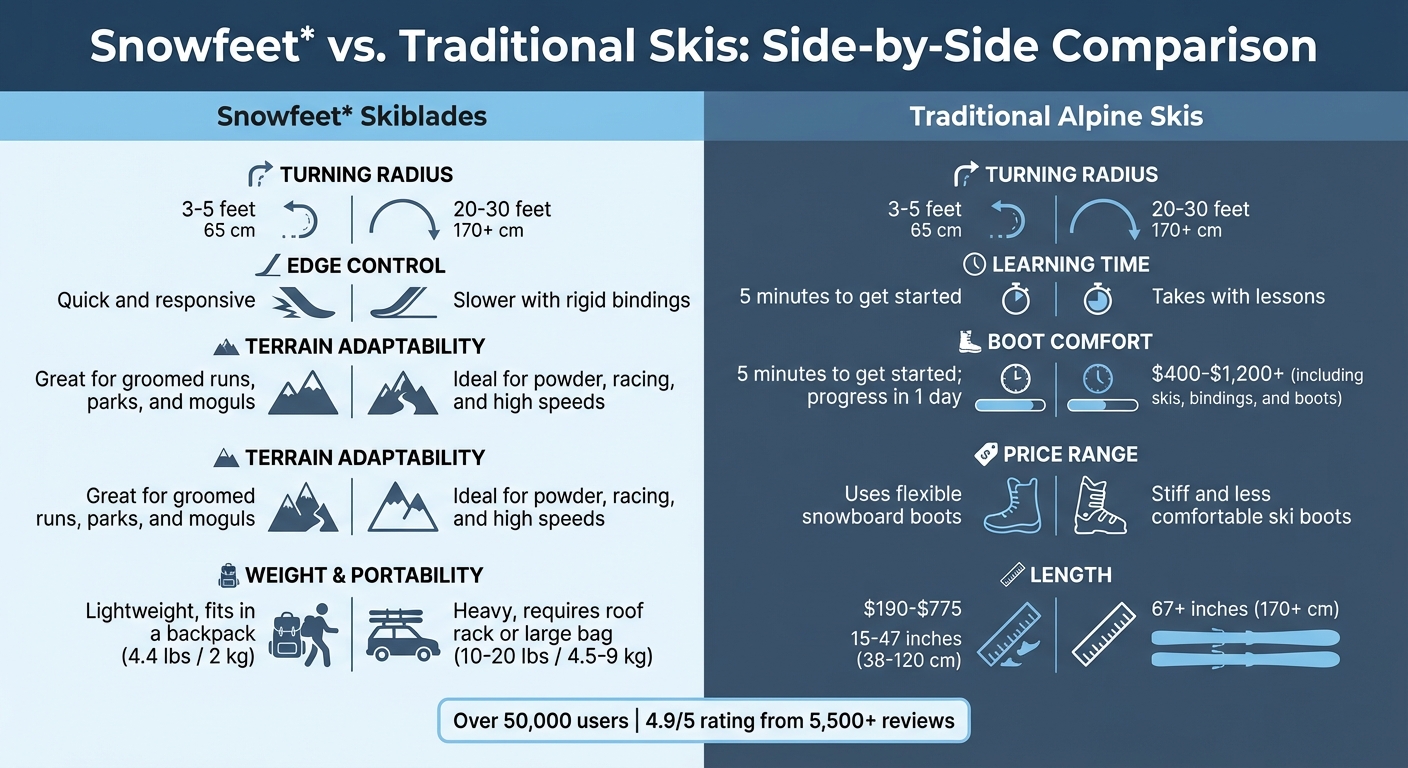
When it comes to quick turns and tight spaces, Snowfeet* shines. For instance, the 65 cm Snowfeet* skiblades can turn within just 3 to 5 feet, making them perfect for navigating bumps or terrain parks with ease. Traditional skis, by comparison, often need 20 to 30 feet to complete a turn, which can feel clunky in crowded or tight areas.
Thanks to their snowboard-style bindings, Snowfeet* offers torsional flex, allowing for smooth and effortless turns. While long skis excel in high-speed stability and deep powder, their extra length can feel like overkill for recreational skiers sticking to groomed runs. Snowfeet* provides a lightweight, agile alternative that’s perfect for everyday fun on the slopes.
Comparison Table: Snowfeet* vs. Traditional Skis
| Feature | Snowfeet* Skiblades (65 cm) | Traditional Alpine Skis (170+ cm) |
|---|---|---|
| Turning Radius | 3–5 feet | 20–30 feet |
| Edge Control | Quick and responsive | Slower with rigid bindings |
| Terrain Adaptability | Great for groomed runs, parks, and moguls | Ideal for powder, racing, and high speeds |
| Weight | Lightweight, fits in a backpack | Heavy, requires roof rack or large bag |
| Learning Time | 5 minutes to get started; progress in 1 day | Takes hours to weeks with lessons |
| Boot Comfort | Uses flexible snowboard boots | Stiff and less comfortable ski boots |
| Price Range | $190–$775 | $400–$1,200+ (including skis, bindings, and boots) |
Portability and Multiple Uses: Snowfeet* Advantages
Snowfeet*: Compact Design for Easy Transport
Snowfeet* makes getting to the slopes a breeze. At just 23.5 inches (60 cm) long and weighing only 4.4 lbs (2 kg) per pair, they’re small enough to fit into a standard backpack. No need for a roof rack or oversized ski bag - just pack them up and head out.
This compact size opens up opportunities that traditional skis simply can’t. Planning a hike to a remote trail? Snowfeet* is perfect for that. Flying to a ski destination? Toss them in your carry-on and skip the extra fees. In fact, you could save anywhere from $50 to $200 in airline charges. Some users have even reported saving up to $150 in checked baggage fees when traveling with Snowfeet*.
Weighing just 4.4 lbs, Snowfeet* is about 60–80% lighter than traditional skis. That’s a game-changer for families juggling extra gear or anyone embarking on multi-day trips. Plus, they’re compatible with standard snowboard or winter boots, meaning you can ditch those stiff, clunky ski boots for good.
Now compare that to the challenges of traditional skis.
Traditional Skis: Larger Gear with Transport Challenges
Traditional skis are, well, not exactly travel-friendly. Most adult skis measure between 150–200 cm (59–79 inches) in length, making them bulky and awkward to carry. You’ll likely need a roof rack, which can set you back $100–$300, or a specialized ski bag to transport them.
If you’re driving, finding space for traditional skis can be tricky. Public transportation? Not practical. And flying? Prepare for steep airline fees and the hassle of taking apart your setup. With bindings, traditional skis weigh between 10–20 lbs (4.5–9 kg), making them a chore to lug around.
For spur-of-the-moment adventures - like a backcountry hike or a quick sledding hill trip - traditional skis just don’t cut it. Their size and weight make them too cumbersome, highlighting why Snowfeet* is the better choice for spontaneous snow outings.
sbb-itb-17ade95
User Experience: Fun and Access for All Skill Levels
Built for Fun: Snowfeet* and Skating on Snow
Snowfeet* introduces "skiskating", a style that feels like ice or inline skating but on snow, turning slopes into your personal playground. It’s a playful, nimble way to enjoy the snow without the rigid movements that come with traditional skiing.
The feedback speaks for itself. People love the instant fun factor. Take it from Nathan F., who said:
"Absolute game-changer! They're light, fast, and incredibly fun to ride."
Andrew B. chimed in with a similar take:
"These skiblades are fun to ride and easy to control. Never going back to regular skis."
Unlike traditional skis from brands like Rossignol, K2, or Salomon - built for speed and deep powder on intense runs - Snowfeet* focuses on delivering fun right away. Its lightweight design means less fatigue, so you can spend more time enjoying the slopes without lugging around heavy gear. Plus, it’s perfect for beginners or families, making winter sports approachable for everyone.
Lower Barriers: Snowfeet* for Beginners and Families
Snowfeet* keeps things simple, and that’s a big win for newcomers. Most users pick up the basics in just five minutes. One parent shared how their 12-year-old son, who had zero experience with winter sports, was confidently cruising down hills and even trying jumps within 30 minutes.
Contrast that with traditional skiing, which often requires pricey lessons, stiff boots, and weeks of practice before you feel comfortable. With Snowfeet*, you can use your regular winter shoes or snowboard boots - no need to deal with the discomfort of traditional ski setups.
Snowfeet* truly opens the door for everyone, whether you’re 5 or 105. Its compact, backpack-friendly design means you’re not limited to ski resorts. Take them to sledding hills, hiking trails, or even your backyard. And with prices starting at just $190 for the 38 CM Mini Ski Skates, they’re a much more affordable option compared to traditional ski gear.
Conclusion: Why Snowfeet* Changes the Game
Snowfeet* is shaking up winter sports by making them simpler, more enjoyable, and easier to dive into. With just a 5-minute learning curve, you can skip the struggle of mastering traditional skis. Plus, you can use them with comfy snowboard boots or even your regular winter shoes - no clunky, stiff ski boots required.
One of the coolest perks? They're insanely portable. Snowfeet* fits right into your backpack, so forget about lugging around heavy ski bags or dealing with roof racks. Whether you're heading to a ski resort, a sledding hill, a snowy hiking trail, or just playing in your backyard, Snowfeet* lets you enjoy the snow anywhere. They're way more versatile than traditional skis.
And here's the kicker: starting at just $190 for the 38 CM Mini Ski Skates, you're getting gear that's lightweight, easy to maneuver, and packed with fun. Over 50,000 riders have already hopped on the Snowfeet* train, giving them an impressive 4.9/5 rating from more than 5,500 verified reviews.
Whether you're a total beginner or a seasoned pro looking for something fresh, Snowfeet* offers a whole new way to enjoy the slopes. It's not just skiing - it’s a whole new vibe.
Ready to see what the buzz is about? Grab your Snowfeet*, hit the snow, and let the adventure begin. Your inner thrill-seeker will love it.
FAQs
How do Snowfeet compare to traditional skis for different types of terrain?
Snowfeet’s short, boot-mounted skis, which range from 15 to 47 inches, are all about agility and versatility. Thanks to their compact size and lightweight design, they’re perfect for weaving through tight tree runs, hitting park features, cruising groomed slopes, exploring flat trails, or even just having some fun in your backyard. Unlike traditional skis, Snowfeet are super easy to carry around and can be used with regular winter boots. This means you can switch between terrains without the usual hassle.
Now, while traditional skis still shine when it comes to high-speed downhill runs or tackling deep powder - thanks to their longer length and larger surface area - they come with their downsides. They’re bulkier, tougher to maneuver in tight spots, and require dedicated ski boots. Snowfeet, on the other hand, are gaining traction among skiers because they focus on simplicity, portability, and all-around fun. Whether you’re a beginner or a seasoned skier looking to shake things up, these mini skis offer a fresh, exciting way to enjoy the snow.
Are Snowfeet designed for beginners, or can advanced skiers use them too?
Snowfeet are an excellent choice for beginners. Their lightweight design and straightforward setup make them super easy to use, especially since they work with regular winter boots. For those just starting out on the slopes, they offer a smooth and enjoyable way to learn.
But don’t think they’re just for newbies! Experienced skiers will love Snowfeet too. Their quick-turn control, ability to handle different types of terrain, and compact size make them a fun, portable alternative to traditional skis. Whether you're looking to shake up your usual ski routine or just try something different, Snowfeet bring a fresh twist to your time on the mountain.
What kind of boots can I wear with Snowfeet skis?
You can use regular winter boots with Snowfeet skis, which makes them super convenient and easy to use. Forget about lugging around bulky, specialized ski boots - just strap on your everyday winter boots and you're good to go. This feature is perfect for beginners or anyone who wants a no-fuss way to enjoy winter sports.
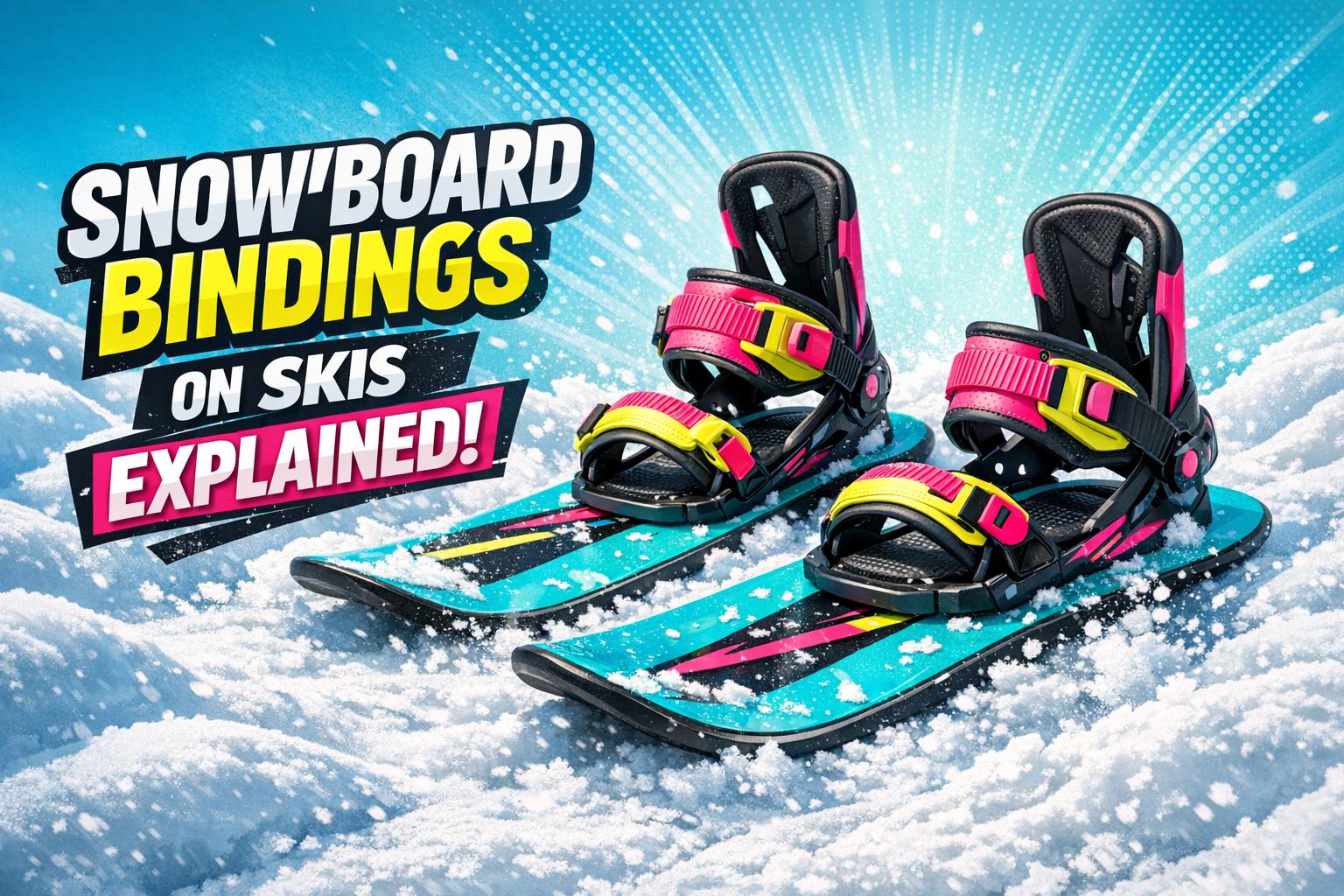











Leave a comment
This site is protected by hCaptcha and the hCaptcha Privacy Policy and Terms of Service apply.