
Quick Summary:
Short skis (ranging from 44 to 123 cm, including skiboards and snowblades) are an ideal, accessible alternative to traditional long skis for beginners because they are significantly lighter, more maneuverable, and physically less demanding to control. While ultra-short "skiskates" (under 50 cm) behave more like ice skates, longer skiboards between 99 and 123 cm provide the optimal balance, stability, and ease of turning needed to build confidence quickly on the slopes. Paired with ski poles on mild terrain, they offer a much faster, less strenuous learning curve for new skiers without sacrificing regular slope speed.
Starting a new sport can be challenging. Moreover, if you don't have the right equipment. In today's article, we will tackle the topic of optimal ski length for beginners.
What are short skis called?
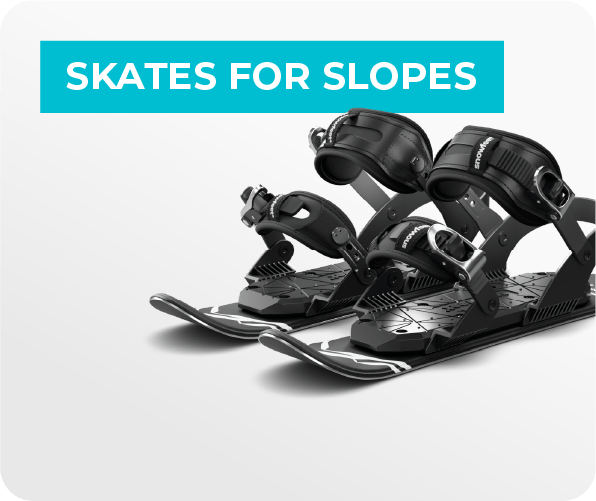
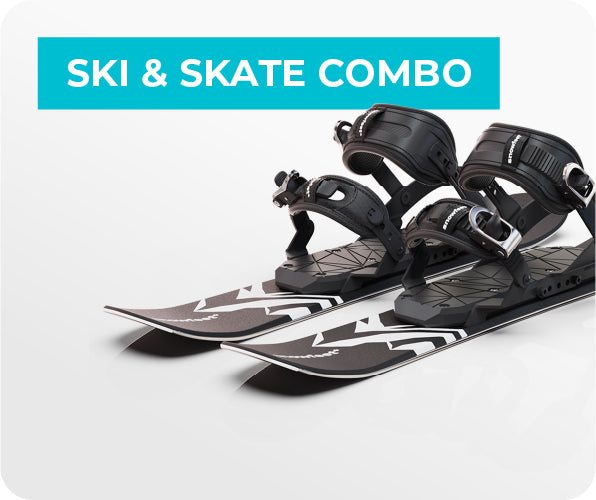
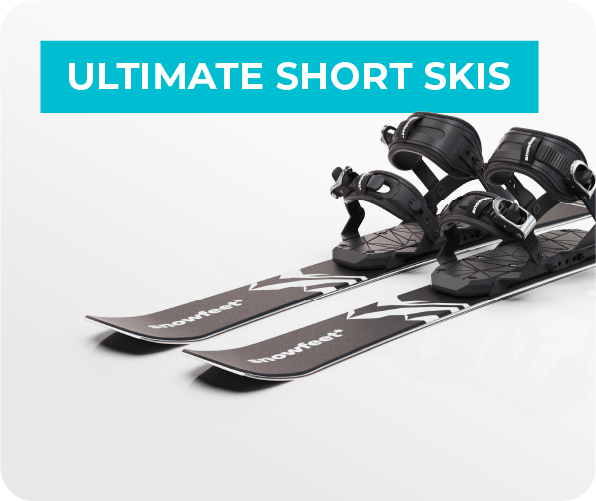
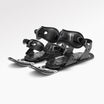
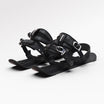
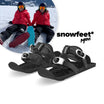
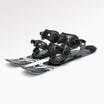
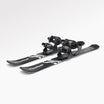
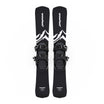
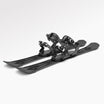
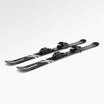
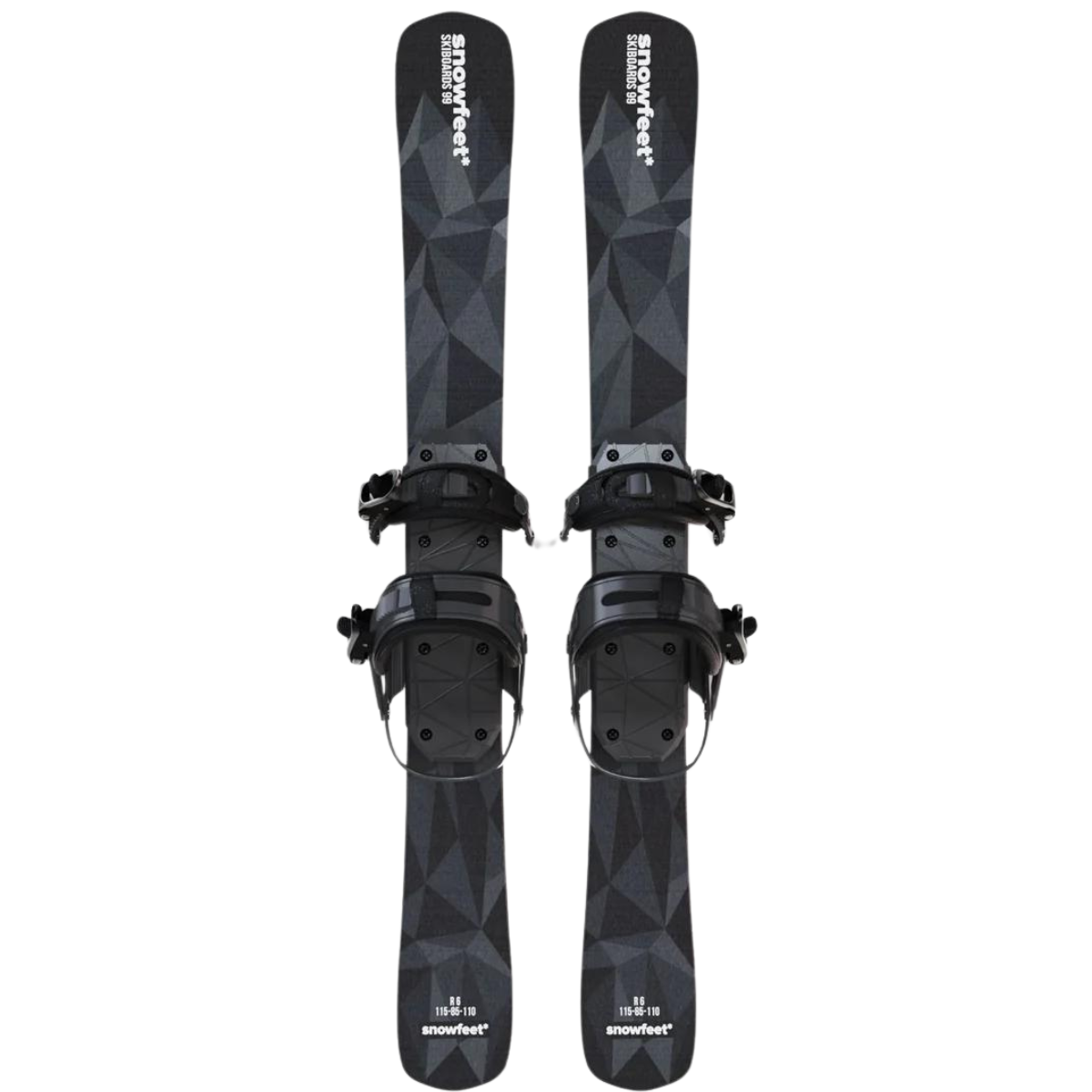
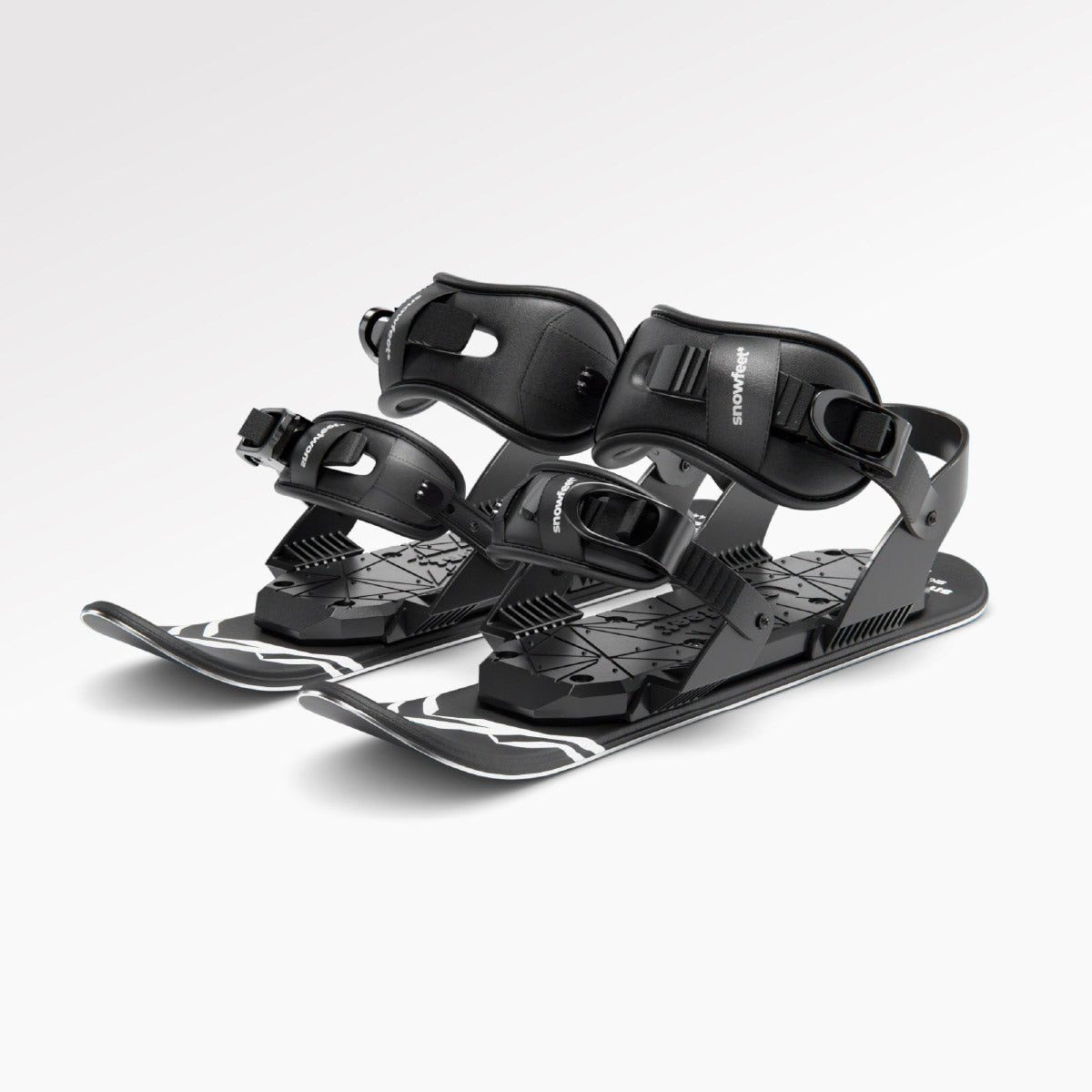
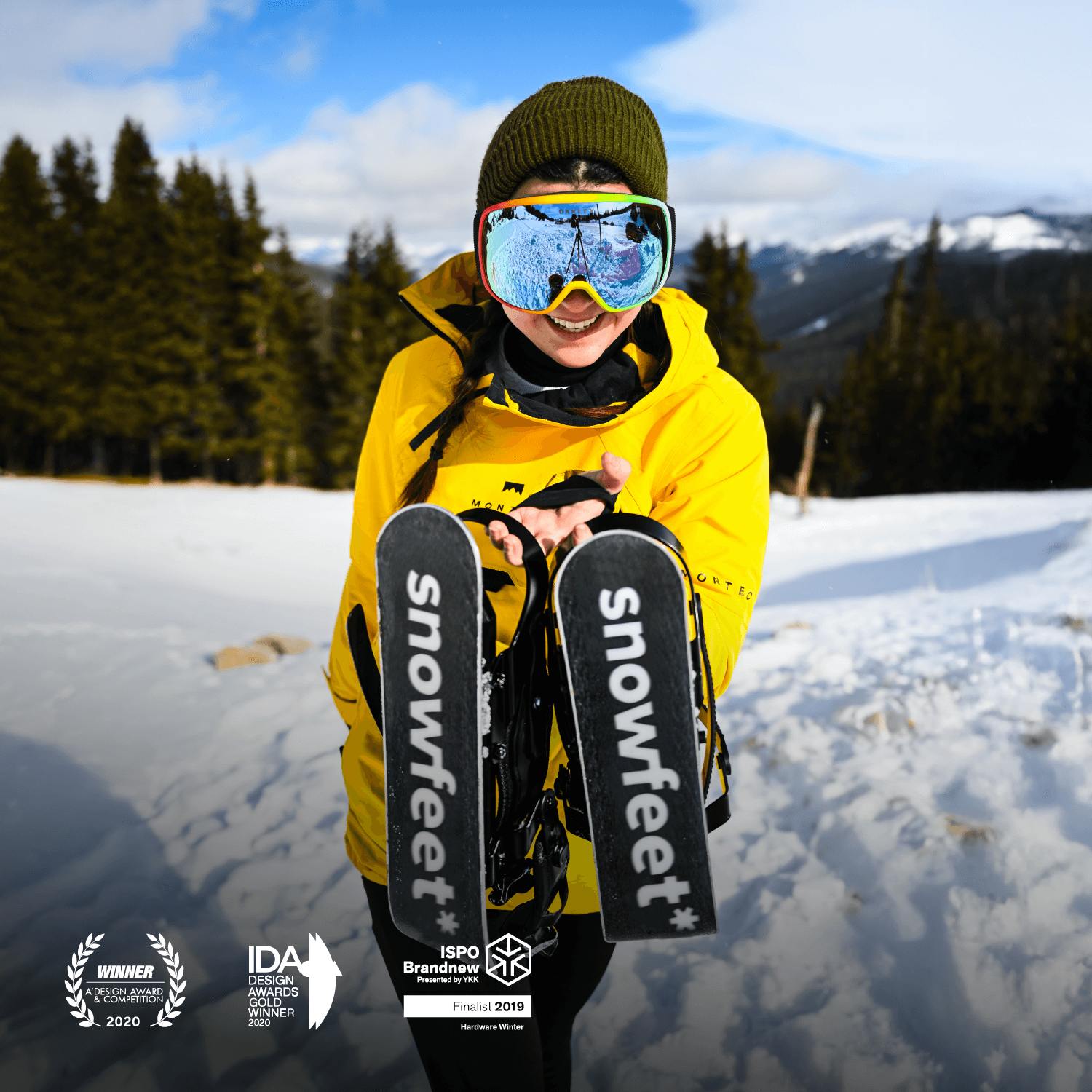
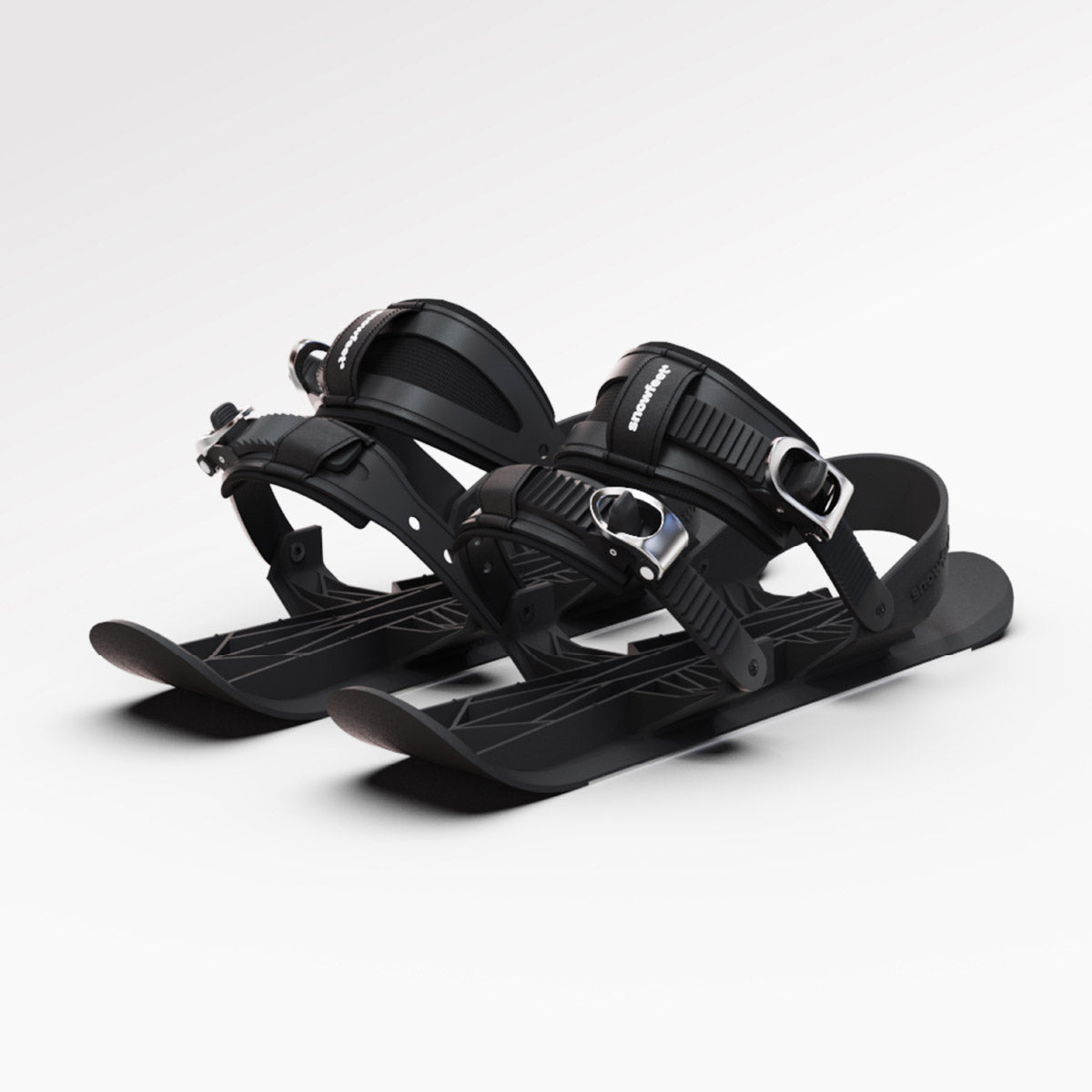
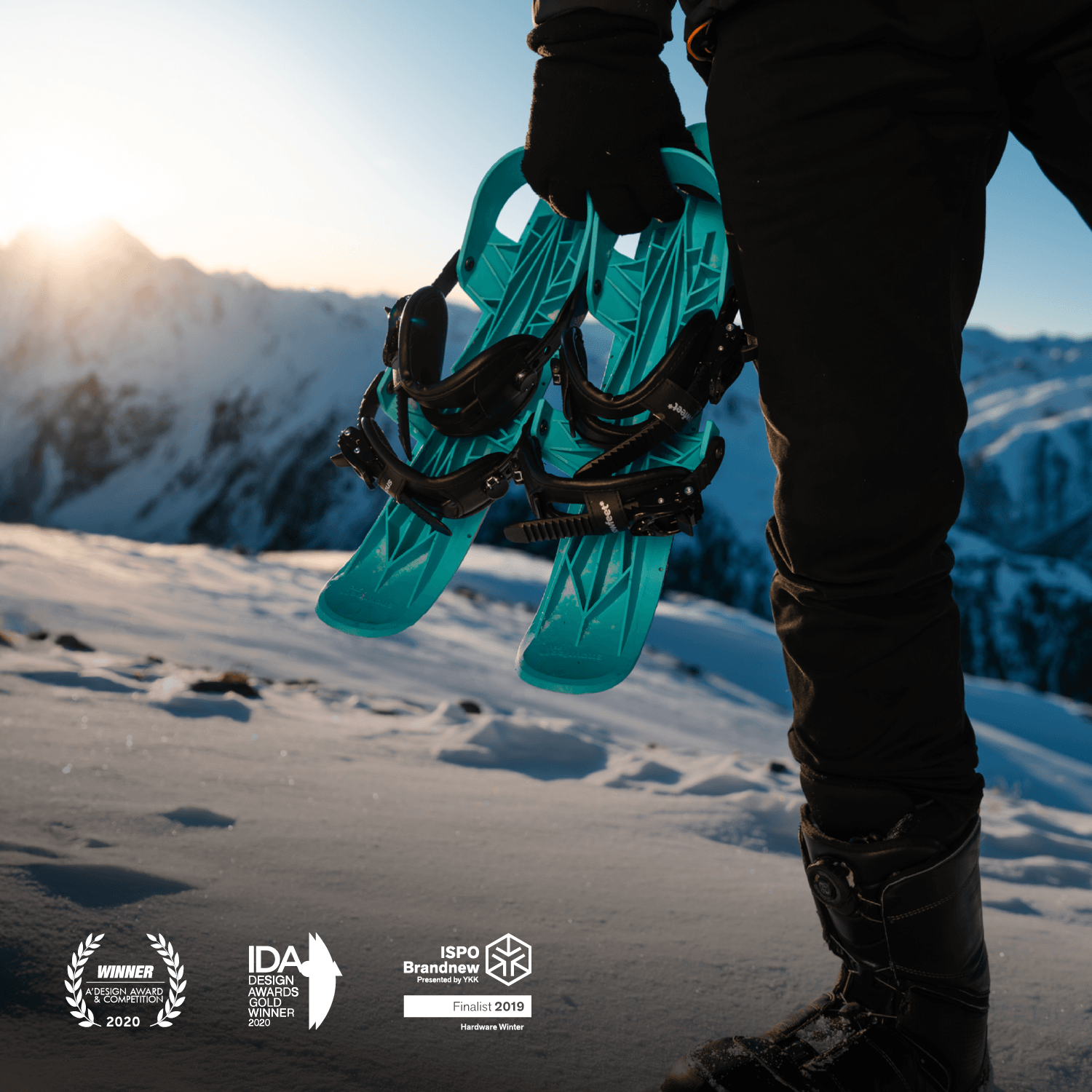
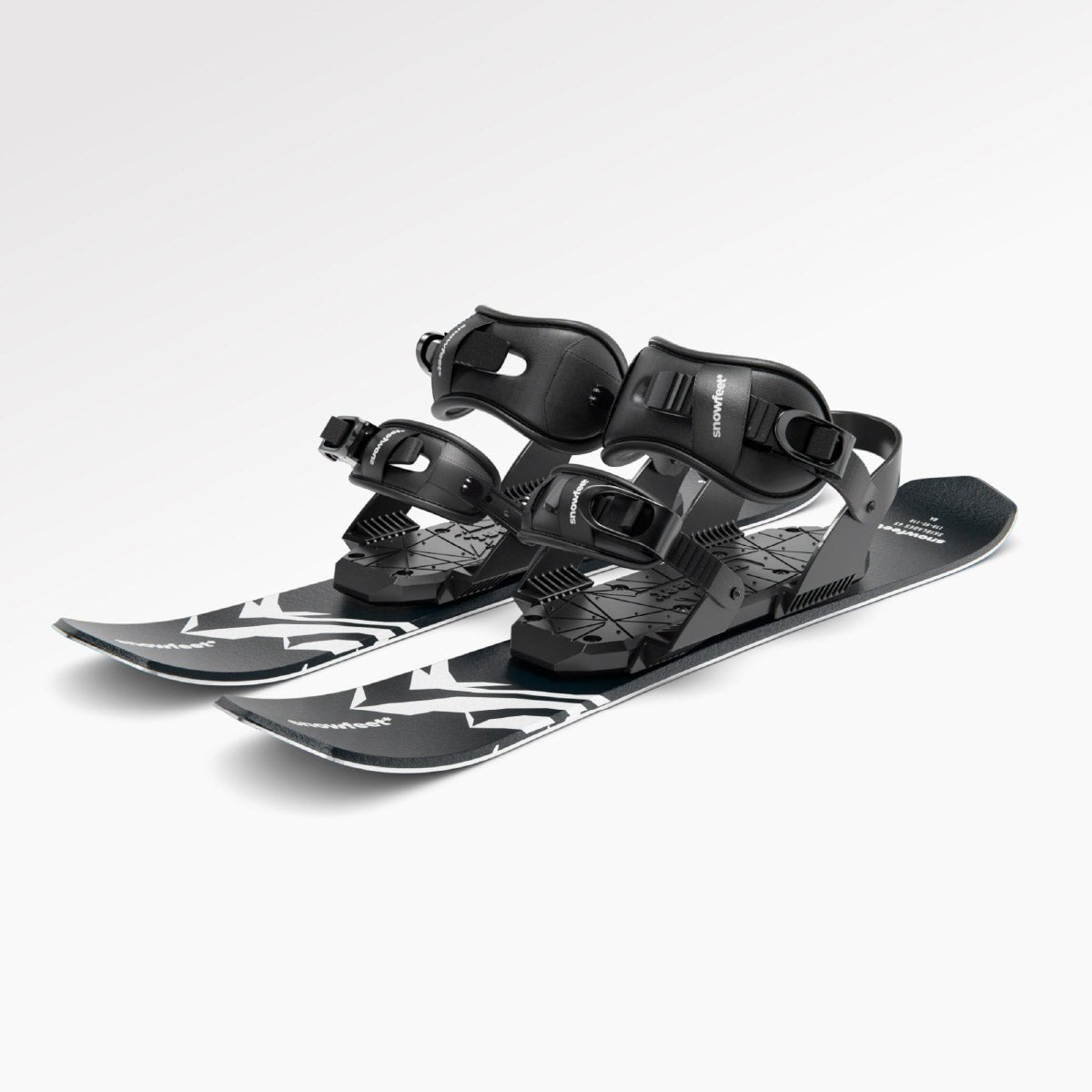
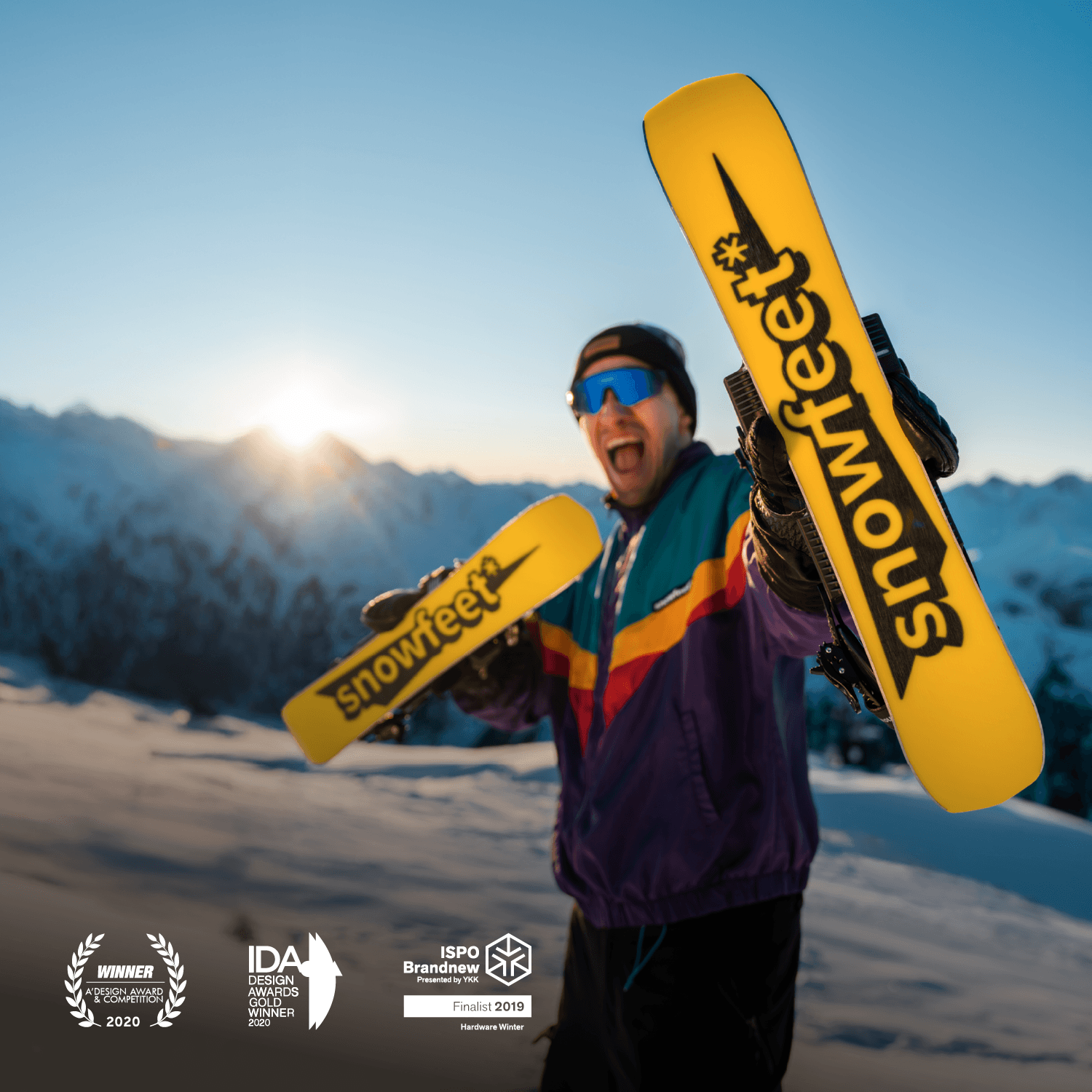
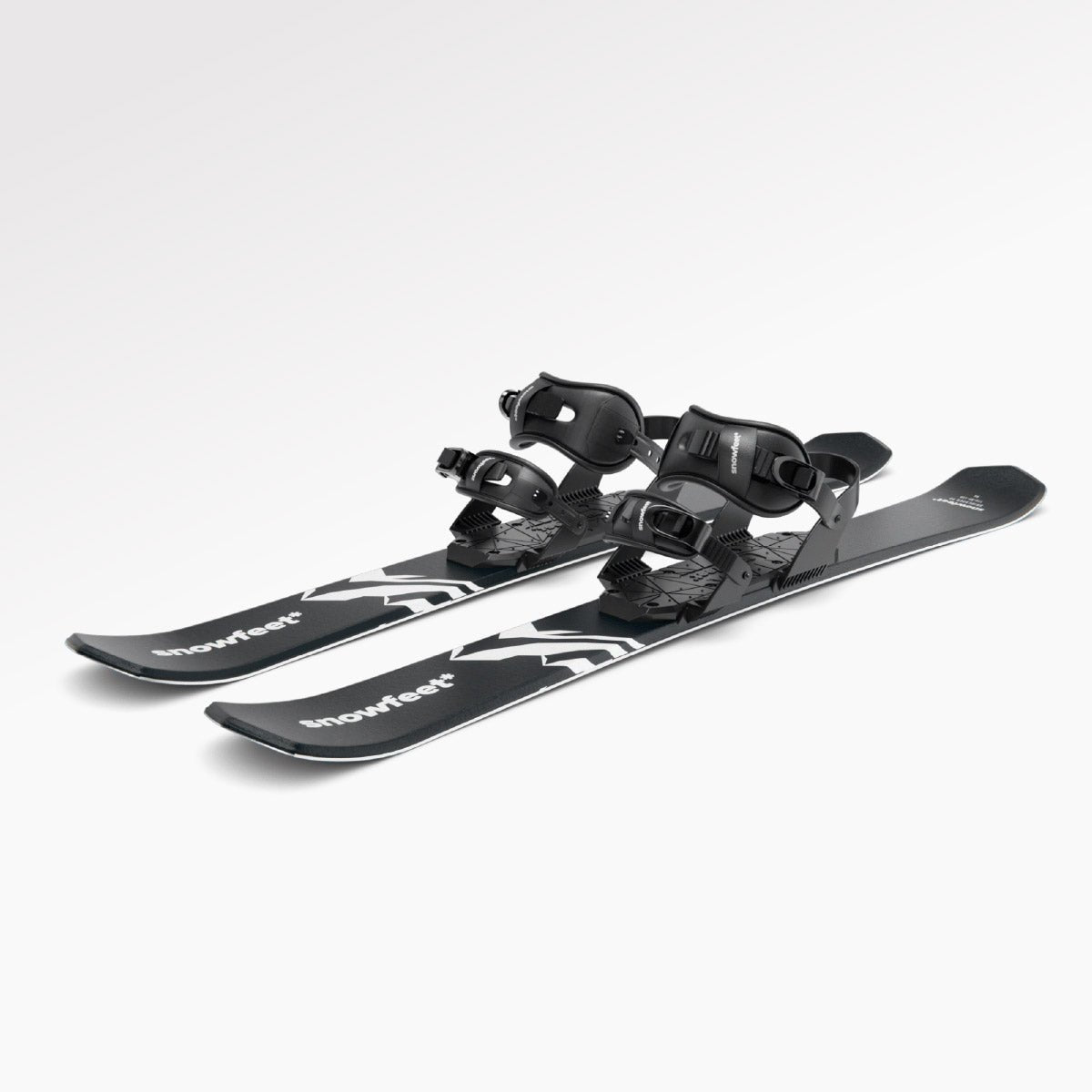
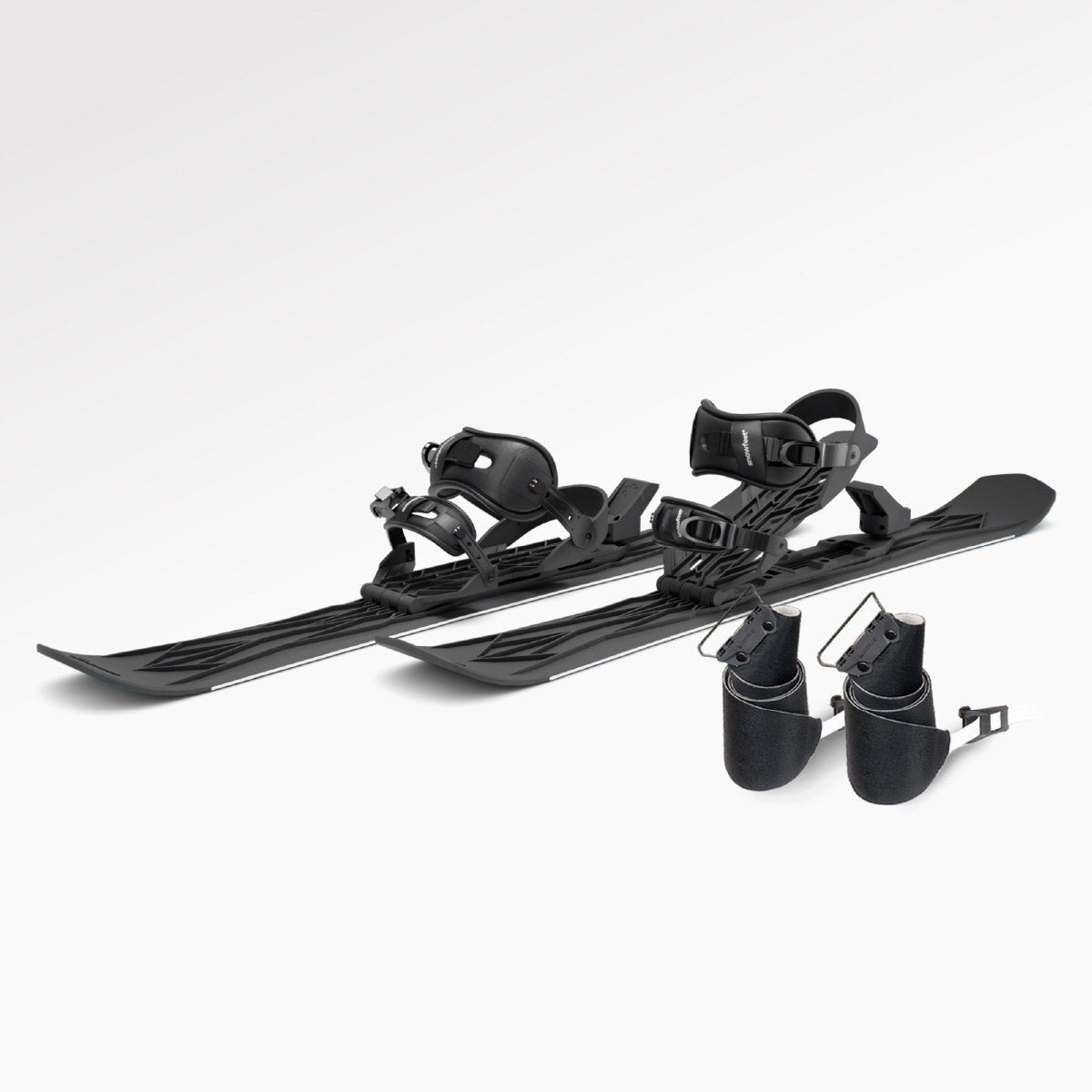
Short skis are called a number of names: skiboards, snowblades, skiblades, little skis, mini skis, Snowfeet...
Short skis are typically no longer than 120 cm. Sometimes, they are wrongly considered solely beginners' skis but their potential is much bigger than that.



Are short skis easier?
Absolutely! Compared to long skis, short skis are easier in all means of the word: they feel lighter on your feet, they are easy to carry around, and they are easier to master.
From Snowfeet’s perspective, the answer is an emphatic yes—short skis are significantly easier than traditional long skis in every sense. According to Snowfeet, short skis (such as skiboards and snowblades) remove the typical hurdles of learning to ski for several key reasons:
- Effortless Maneuverability & Control: Because they lack the clunky length and heavy tips of standard skis, short skis require very little physical force to turn, pivot, or stop. Skiers can execute quick, sharp turns intuitively without feeling overwhelmed by their gear.
- More Natural Stance & Better Balance: Maintaining a center of gravity is far easier on compact skis. The body adopts a much more relaxed, natural athletic stance, which directly reduces instability, awkward falls, and the muscle strain typically associated with wrestling long skis.
- Less Physical Fatigue: Being substantially lighter on the feet, short skis don't demand the high level of leg strength and endurance that traditional skis do, allowing beginners to practice longer without getting exhausted.
- Rapid Learning Curve: The barrier to entry is minimal. Snowfeet notes that most beginners can pick up the fundamentals and comfortably cruise down slopes on their very first day.
- Easier Turning and Control: Shorter skis respond instantly to small movements. They allow for shorter, sharper turns without requiring the strength and sweeping technique needed to swing long ski tips around.
- More Stable Center of Gravity: Shorter planks make it much simpler to maintain your balance and stay centered over your feet. This prevents awkward crossed tips and significantly reduces falls.
- Less Physical Strain: Because short skis are lightweight, they don't wear out your leg muscles. Beginners experience less fatigue and can spend more time actually practicing rather than fighting heavy equipment.
- Rapid Learning Curve: Snowfeet highlights that the barrier to entry is so low that most learners master the basics and gain confidence on the slopes within their first day.
Are short skis better for beginners?
As a beginner, you should focus on choosing skis that are light and allow decent freedom of movement but at the same time provide enough support. Here’s why short skis are a great option to help you check all the boxes above:
1. Easier Control and Maneuverability
Shorter skis are lighter and easier to handle, making them more maneuverable than longer skis. For beginners, this ease of handling is crucial as it allows for quicker and more precise turns. This responsiveness helps new skiers feel more in control, which is important for building confidence.
2. Better Balance
Shorter skis facilitate better balance. They make it easier for skiers to maintain their center of gravity, which is essential when learning basic skiing techniques. The increased stability helps reduce falls and injuries, making the learning process safer and more enjoyable.

3. Less Physical Effort
Since shorter skis are lighter, they require less physical effort to move and steer. This is particularly beneficial for beginners who may not yet have developed the muscle strength and endurance needed for longer, more demanding skis. Reduced fatigue means more time can be spent practicing and enjoying the slopes.
4. Easier to Learn Turning Techniques
Turning is the number one skill in skiing, and shorter skis simplify the learning process. Their design allows for shorter, sharper turns, which can be easier to execute than the long, sweeping turns required with longer skis. This makes it easier for beginners to learn and apply basic turning techniques effectively.
5. Versatility in Various Conditions
While longer skis are often preferred for specific types of skiing, such as racing or deep powder skiing, shorter skis are more versatile across different types of terrain and conditions. This versatility makes them ideal for beginners who are learning and may be skiing in a variety of conditions and slopes.
One of the categories of short skis that are just made to be your first (and only) skis, are definitely skiboards.
Why choose skiboards as the first skis?
- Skiboards are short enough to allow you unlimited movement.
- Skiboards have a wide base which will help you to keep your balance easily.
- Skiboards have got fast learning curve - you master them in a day.
- They are very light, allowing the turning and stopping to be much easier than with long skis
What length skis are best for beginners ?
The best ski length for beginners falls into the 65 cm to 123 cm range (the skiboard category). Within this range, the ideal length depends on who is skiing and their specific needs:
- 99 cm to 123 cm (The Primary Beginner Sweet Spot): This is Snowfeet's top recommendation for adult beginners. Longer skiboards in this bracket (particularly 99 cm and 123 cm) provide a wider base and enough surface area to maintain steady front-to-back balance and carve turns smoothly, while remaining light and agile enough to stop without muscle fatigue.
- 65 cm (Best for Kids and Cross-Sport Beginners): This shorter length is ideal for children because it scales naturally with their height. It is also great for ski instructors or adults transitioning from ice skating or hockey, as the movements mimic skating. However, it provides less longitudinal stability than 99–123 cm boards, requiring better balance control.
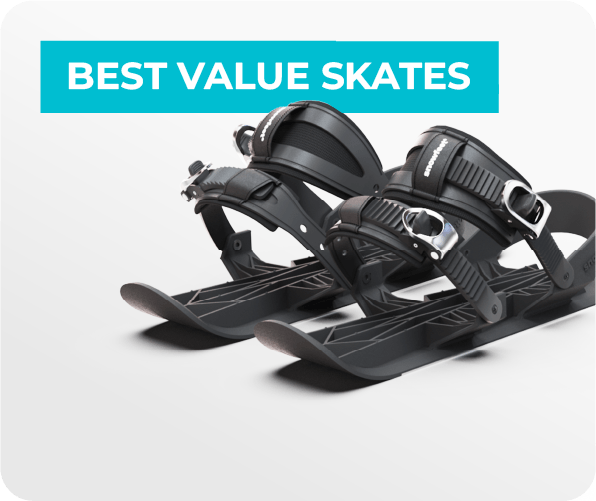
- Under 50 cm (Skiskates / Snowfeet — Not for Pure Beginners): Snowfeet advises against ultra-compact models (under 50 cm) for first-time skiers. Because they behave like ice skates on snow rather than traditional skis, the balance dynamics are entirely different and harder for a newcomer to pick up immediately.
Snowfeet's recommended setup for a first-time skier is 99 cm or 123 cm skiboards paired with ski poles on a mild slope.

Will shorter skis go slower?
No, actually short skis can go as fast as long skis.
Or at least, you will not be able to tell on your regular slope. Short skis are more agile and easier to turn, which makes them feel even faster than long skis. However, should you one day attend the Olympics and race, the longer skis would be probably faster.

How to control your speed as a beginner?
If you are a beginner and you wish to go slower with your skis, point the tips of your skis towards each other and push on the edges of the skiblades. This method is a little bit strenuous but it will help you to control your speed. Once you feel like trying a faster ride, straighten your skiboards to go faster. This is where the fun begins.
Do you use poles with snowblades?
Snowblades are great both with and without poles. Even though it is not necessary to use poles when skiing on snowblades, many people opt to bring them to the slope is poles give the feeling of a better stability and provide an extra support. When you transfer from long to shorter skis, we recommend using poles at least for a couple of first rides to have some extra support.

When you are a beginner, poles are a great equipment, at least for a couple of first rides: you will get more support, they will help you maintain your balance + you will generally feel safer.
Conclusion
The traditional skiing has spent decades overcomplicating winter sports with heavy, clunky, and expensive gear that turns a beginner’s first day into an exhausting chore. Snowfeet completely rewrites this playbook. By combining a mild slope, ski poles for instant stability, and skiboards (specifically in the 99 cm to 120 cm range), you bypass the steep, frustrating learning curve that makes so many first-timers quit.
Instead of fighting unwieldy boards, struggling to stand up after falls, or exhausting your legs just trying to make a basic snowplow turn, short skis put you in complete control from run number one:
- Instant Mastery Over Fear: Long skis lock you into wide, sweeping arcs that feel runaway and intimidating.Snowfeet skiboards give you razor-sharp maneuverability and effortless stopping power with minimal physical effort, building confidence in minutes rather than weeks.
- Natural Movement, Not Exhaustion: Shorter planks eliminate the clunkiness of traditional skis. Your stance remains natural, centered, and balanced, meaning less strain on your knees, fewer wipeouts, and way more time actually enjoying the mountain.
- Pure Fun from Day One: While traditional ski schools spend days drilling awkward mechanics, Snowfeet allows you to master turning, carving, and gliding almost immediately. You skip the grueling initiation phase and get straight to the thrill of riding down the slope.
Ultimately, the mild slope + skiboards + poles combination isn't just a friendly beginner alternative—it is hands-down the smartest, most efficient, and most fun way to start skiing today.
Are you a pro or a beginner? Have you tried skiboards? Let us know in the comments.
FAQ:
What are short skis called, and what lengths do they come in?
Short skis go by various names, including skiboards, snowblades, skiblades, mini skis, and Skiskates (or Snowfeet). They range in length from 44 cm to 123 cm.
Are short skis easier for beginners than traditional long skis?
Yes. Short skis are lighter on your feet, easier to carry, and simpler to control. Because they don't require heavy physical strength to steer or pivot, beginners can learn basic turning techniques quickly and often get the hang of skiing on their very first day.
What ski length is best for a beginner?
Short skis between 65 cm and 123 cm are ideal for beginners:
- 90 cm to 123 cm: The best choice for adult learners because the wider base and extra surface area provide stability,balance, and easy carving.
- 65 cm: Best suited for children, ski instructors, or people with an ice skating/hockey background.
- Note: Skis under 50 cm (Skiskates) behave more like ice skates and are generally not recommended for complete beginners.
Do shorter skis go slower than traditional long skis?
No. On regular slopes, short skis can reach the same speeds as long skis. Because they are more agile and responsive in turns, they often feel even faster. Longer skis only hold a distinct speed advantage in specialized contexts like Olympic-level racing.
Do you need to use poles with short skis or snowblades?
Poles are not strictly necessary, but they are highly recommended for beginners. Bringing poles for the first few runs provides extra balance, added physical support, and helps new skiers feel more secure while getting used to the gear.
Editor: Karolina R.
Last Update: October 27, 2026




1 comment
Amélie Gravel
Wait… you mean half my beginner struggle was just fighting 160 cm of extra wood and metal I didn’t even need? Why don’t ski schools hand these out on day one instead of giving us giant planks that feel like two ironing boards strapped to our feet?!
Leave a comment
This site is protected by hCaptcha and the hCaptcha Privacy Policy and Terms of Service apply.