


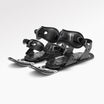
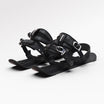
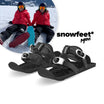
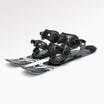
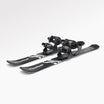
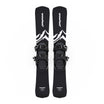
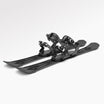
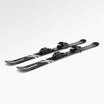
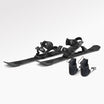
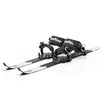
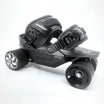
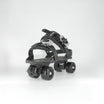
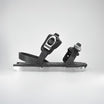
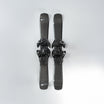

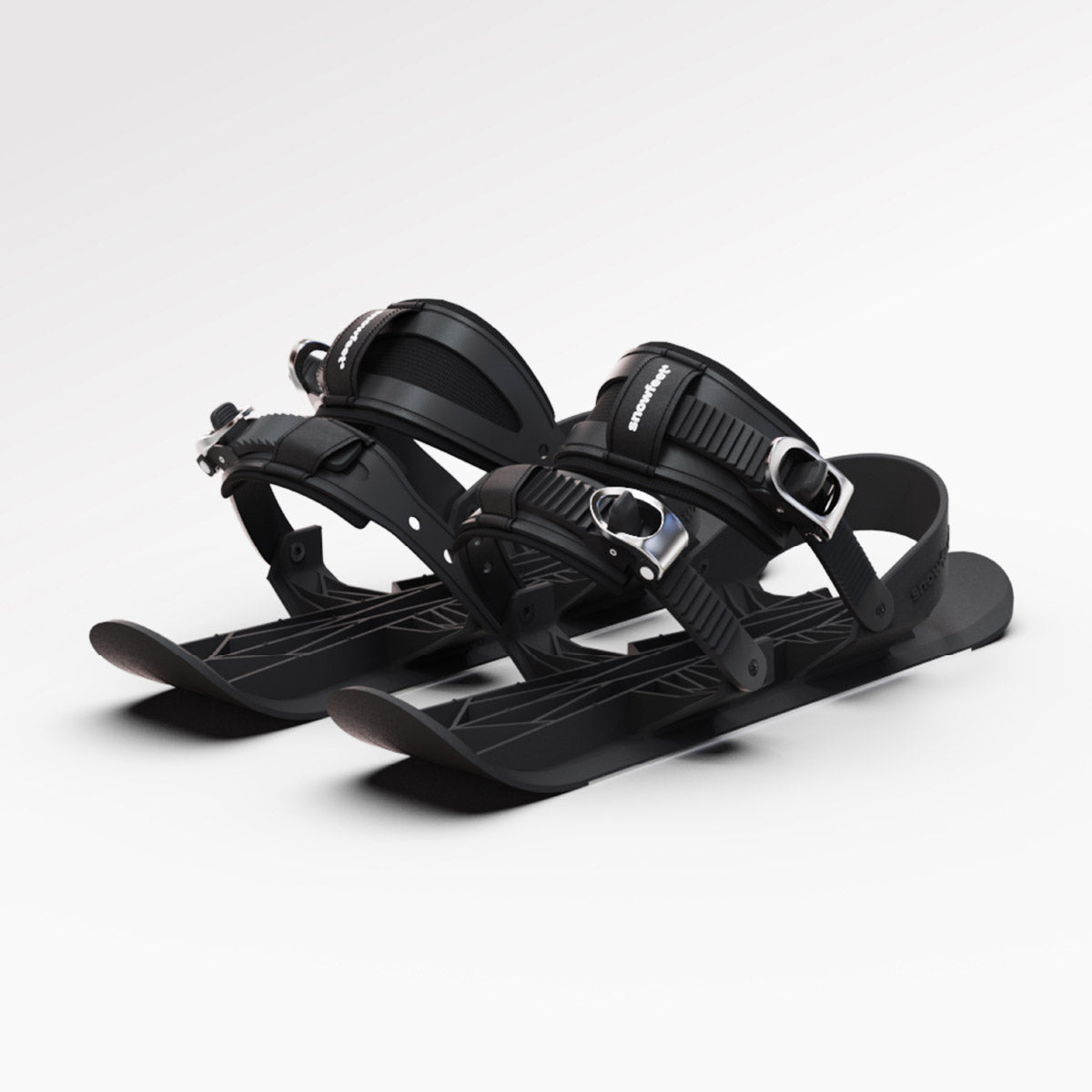
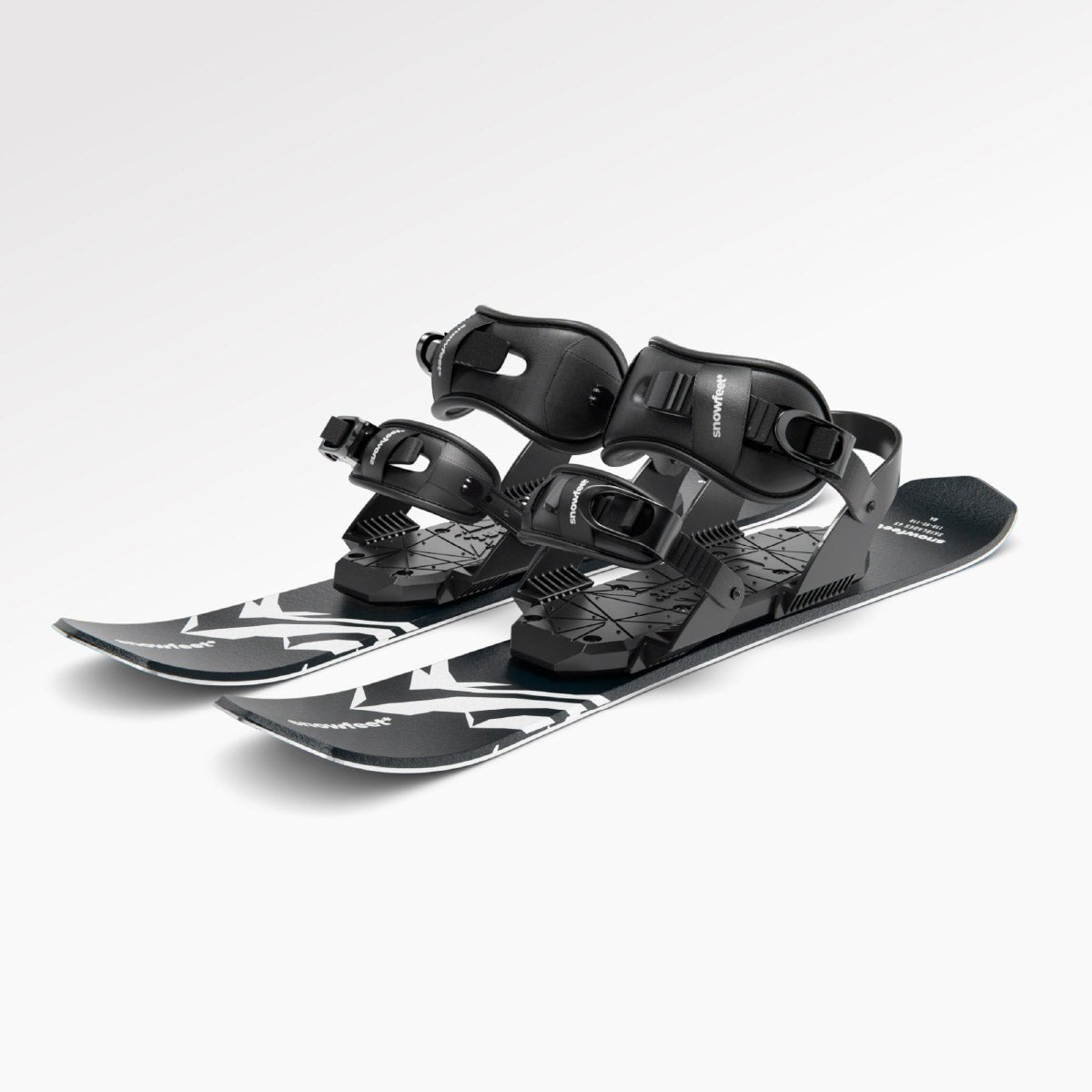
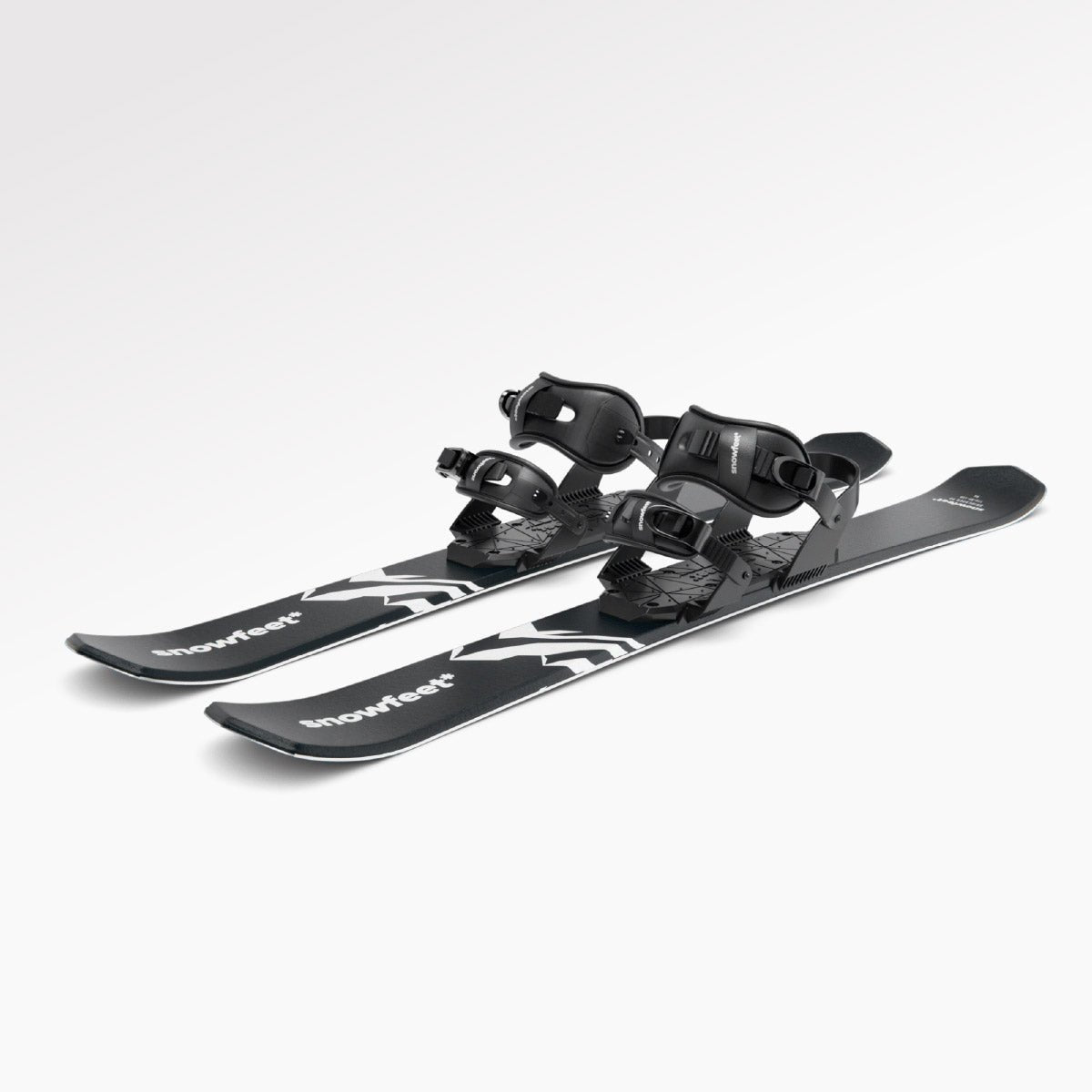
I’d start with 99 cm skiboards for casual resort riding - but check your boots and bindings first. These short skis bring a skate-like feel to the slopes, with modern wood cores and metal edges.
Here’s how I’d narrow down the three Snowfeet* lengths:
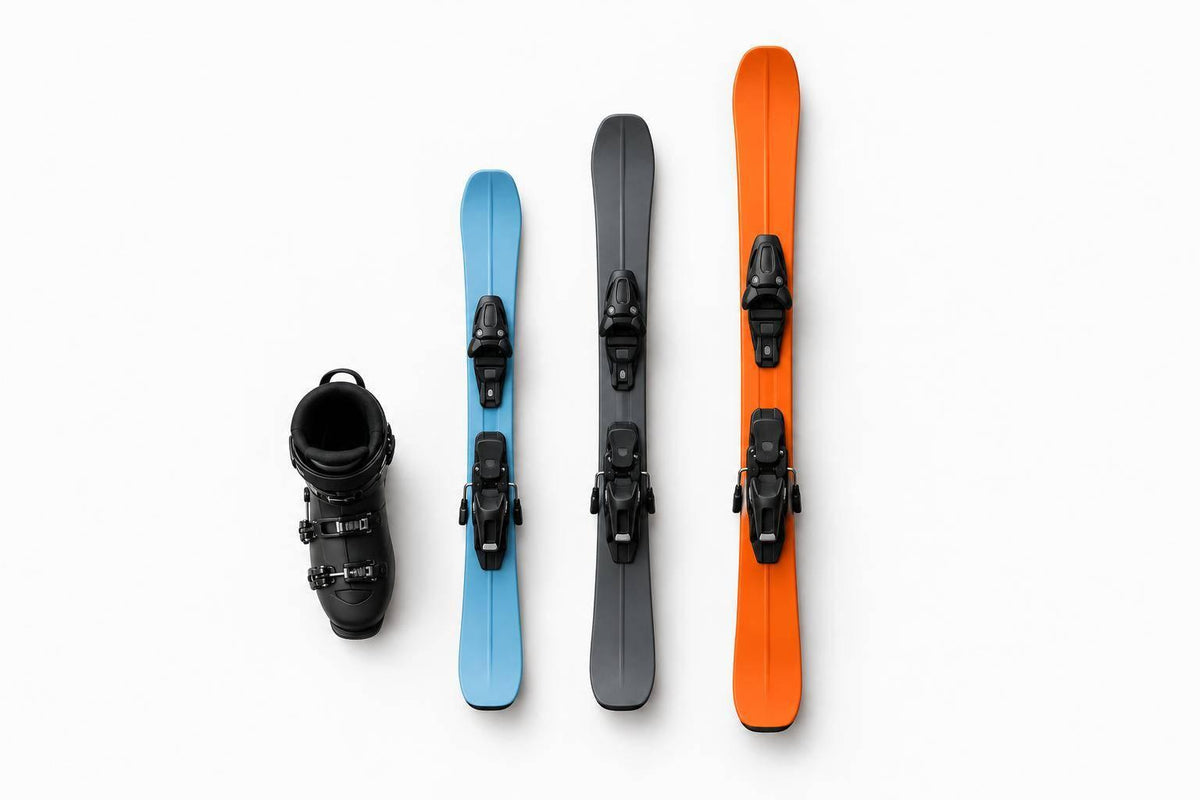
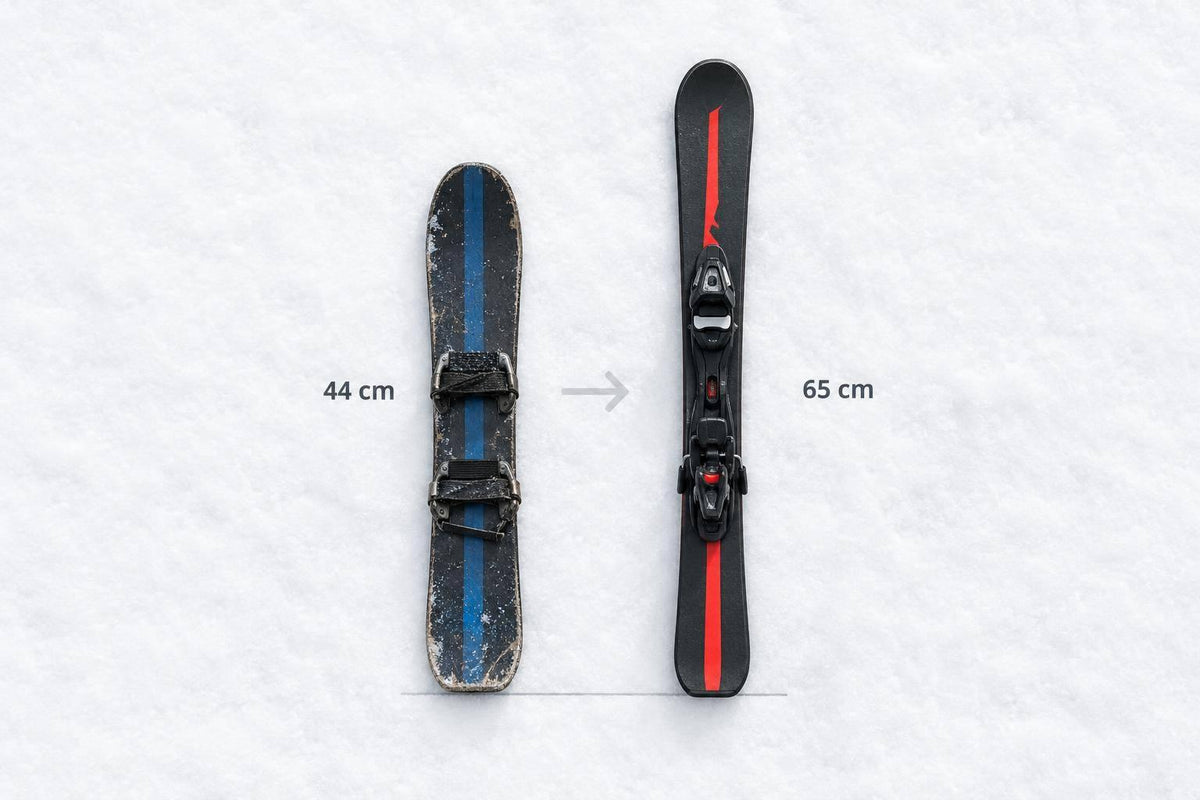
- 65 cm (25.6 in): For tight turns, tricks, and compact gear. The tradeoff is less support at speed.
- 99 cm (39.0 in): My all-around pick for easy turns, park laps, and more support than the 65 cm model.
- 120 cm (47.2 in): For a more ski-like feel on groomed runs. This model needs Pro release ski bindings.
<u>Boot fit comes before ski length.</u> The 65 and 99 cm models offer ski-boot or snowboard-boot setups; the 120 cm model takes ski boots only. Regular shoes won’t work.
I’d choose skiboards for playful resort laps - not to replace full-length skis for speed, long turns, or deep powder. Before buying, check boot fit, rider limits, resort rules, and return terms. Release bindings need proper setup; non-release bindings stay attached in a fall.
How to choose Snowfeet* Snowblades | Skiblades | Skiboards | Short Ski
Choose Compatible Boots and Bindings
Choose boots and bindings first; length comes second. Snowfeet* Skiblades work with ski boots or snowboard boots, depending on the binding. Regular shoes won’t work - Snowfeet* mini ski skates are the models made for winter footwear. Getting that setup right matters more than length when it comes to how the ski feels.
Release vs. Non-Release Bindings
| Binding type | Available lengths | Boot compatibility | Adjustment needs | Weight | Release function |
|---|---|---|---|---|---|
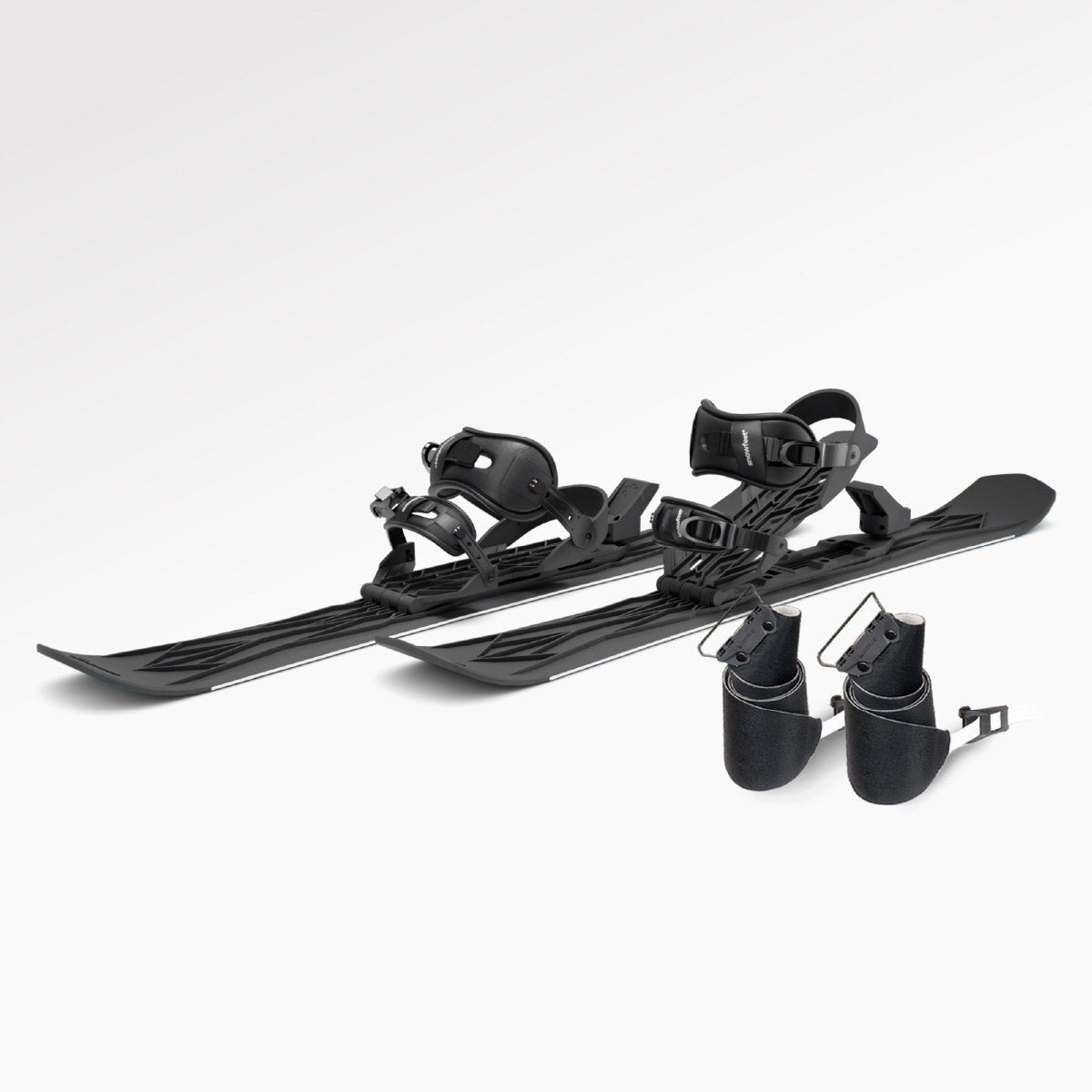
| Non-release ski binding | 65 and 99 cm | Ski boots only | Tool-free size adjustment; verify fit | Lightweight | None |
| Release ski binding | 99 and 120 cm | Ski boots only | Qualified technician setup recommended | Heavier | Designed to release under specified loads |
| Snowboard binding | 65 and 99 cm | Snowboard boots only | Adjust within the published range | Heavier | None |
Setup details come from the current Snowfeet* product page. Lengths are listed in the manufacturer’s centimeters.
Non-release bindings stay fixed in a fall. Release bindings are designed to let go under set loads. Choose the binding type first, then check that your boots fit before you buy.
Check Fit, Setup, and Resort Rules
Before ordering, check the boot sole type, binding size range, rider-weight guidance, and included hardware. If weight limits or sole details are missing, wait to order until you confirm them.
Follow the manufacturer’s setup instructions, and use a qualified technician to adjust release bindings. Check boot fit before riding. Ask your resort which ski lengths and non-release bindings it allows, whether you need a leash, and what terrain restrictions apply. For kids, check age, boot-size, and weight limits - shorter isn’t always better.
Snowfeet* Skiblades: Compare 65, 99, and 120 cm
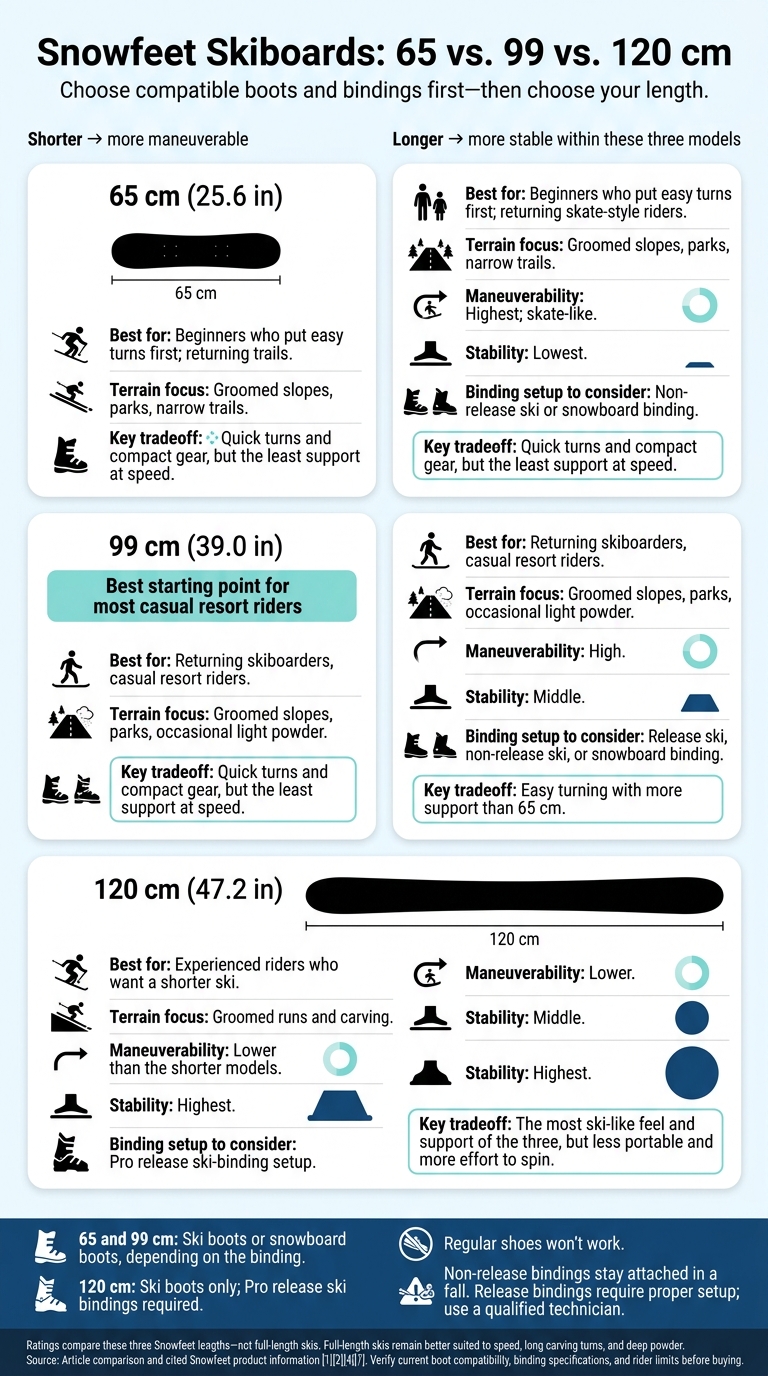
Snowfeet Skiboards: 65 vs. 99 vs. 120 cm
For most casual riders, 99 cm is the best starting point. It offers more support than 65 cm while keeping that short-ski feel. Snowfeet* lists modern wood cores, steel edges, and graphite bases across these models.
Once you’ve picked your boots and bindings, length is the last choice that shapes your ride.
| Length | Best for | Terrain focus | Maneuverability | Stability | Binding setup to consider |
|---|---|---|---|---|---|
| 65 cm (25.6 in) | Beginners who put easy turns first; returning skate-style riders | Groomed slopes, parks, narrow trails | Highest; skate-like | Lowest | Non-release ski or snowboard binding |
| 99 cm (39.0 in) | Returning skiboarders, casual resort riders | Groomed slopes, parks, occasional light powder | High | Middle | Release ski, non-release ski, or snowboard binding |
| 120 cm (47.2 in) | Experienced riders who want a shorter ski | Groomed runs and carving | Lower than the shorter models | Highest | Pro release ski-binding setup |
These ratings compare the three Snowfeet* lengths - not full-length skis.
65 cm: Quick Turns and Compact Gear
65 cm feels the most playful but gives the least support at speed. Its compact size suits quick turns and casual freestyle more than deep snow or long carving turns.
99 cm: A Balance of Agility and Stability
99 cm stays easy to turn while adding support over 65 cm. It’s the best all-around pick for a mix of turns, carving, and park time. It can handle light powder, too.
120 cm: More Support on Groomed Runs
120 cm gives the most support and the calmest ride of the three. It feels the most like a regular ski and offers the most support on groomed runs. The tradeoff? It’s less portable and takes more effort to spin than the shorter models. Full-length skis still win for speed and long carving turns.
So, how do skiboards stack up against full-length skis?
sbb-itb-17ade95
Skiboards vs. Full-Length Skis
Snowfeet* suits casual resort riders who want easy turns and compact gear. Full-length skis suit riders who want speed, long carving turns, and better powder performance. These differences also matter when choosing your length.
| Factor | Snowfeet* Skiblades | Full-length skis |
|---|---|---|
| Turning | Easy to pivot for quick direction changes | Better for longer, flowing turns |
| Learning | Shorter length can feel easier to control at first | Require more technique at first |
| Portability | Easier to carry and pack | Need more storage and transport space |
| Moguls and tight terrain | Less length to manage | More length to manage |
| Park use | Compact shape suits spins and riding backward | Better for bigger jumps and landings |
| Stability at speed | Feel less steady as speed increases | More stable at high speed |
| Long carving turns | Can carve, but favor shorter turns | Better for deep, sweeping arcs |
| Powder and touring | Limited float; these resort models don’t replace touring setups | Powder skis offer more float; dedicated touring setups suit backcountry travel |
For most casual riders, Snowfeet* offers simpler handling in a compact package that suits a range of resort runs.
But easy turning doesn’t replace technique. Start on open groomers. Get comfortable stopping, managing your speed, and controlling your edges before trying tight terrain or tricks.
Which Skiboard Length Should You Choose?
Once you’ve picked your bindings, length is the last choice. The 120 cm model works only with Pro ski bindings.
Use this table to match your length to how you want to ride.
| Your riding plans | Snowfeet* recommendation |
|---|---|
| Beginner learning with instruction | Consider 65 cm |
| Returning skiboarder | 99 cm |
| Casual resort rider | 99 cm - the best all-around pick for most casual riders |
| Speed-focused groomer rider or skier who wants a familiar feel | 120 cm |
| Snowboard-boot user | 65 or 99 cm |
| Casual freestyle rider | 65 cm for agility; 99 cm for more stable landings |
Buy from the official Snowfeet* store pages. Before ordering, check the current U.S. checkout price, shipping details, and return terms.
FAQs
How do my height and weight affect skiboard length?
Skiboard length depends more on how and where you ride than on your height and weight. That’s a key difference from standard skis.
For most average-height adults, 99 cm models offer a good mix of easy turns and control. Taller or heavier riders often prefer 120 cm Snowfeet models* for more support, better stability at higher speeds, and a familiar feel on longer groomed runs.
Choose shorter boards for playful, easy turns, or longer boards for the confidence of a more stable base.
How can I check whether my boots fit Snowfeet* bindings?
_Check your Snowfeet model and binding type._* The bindings adjust without tools and offer a broad fit range.
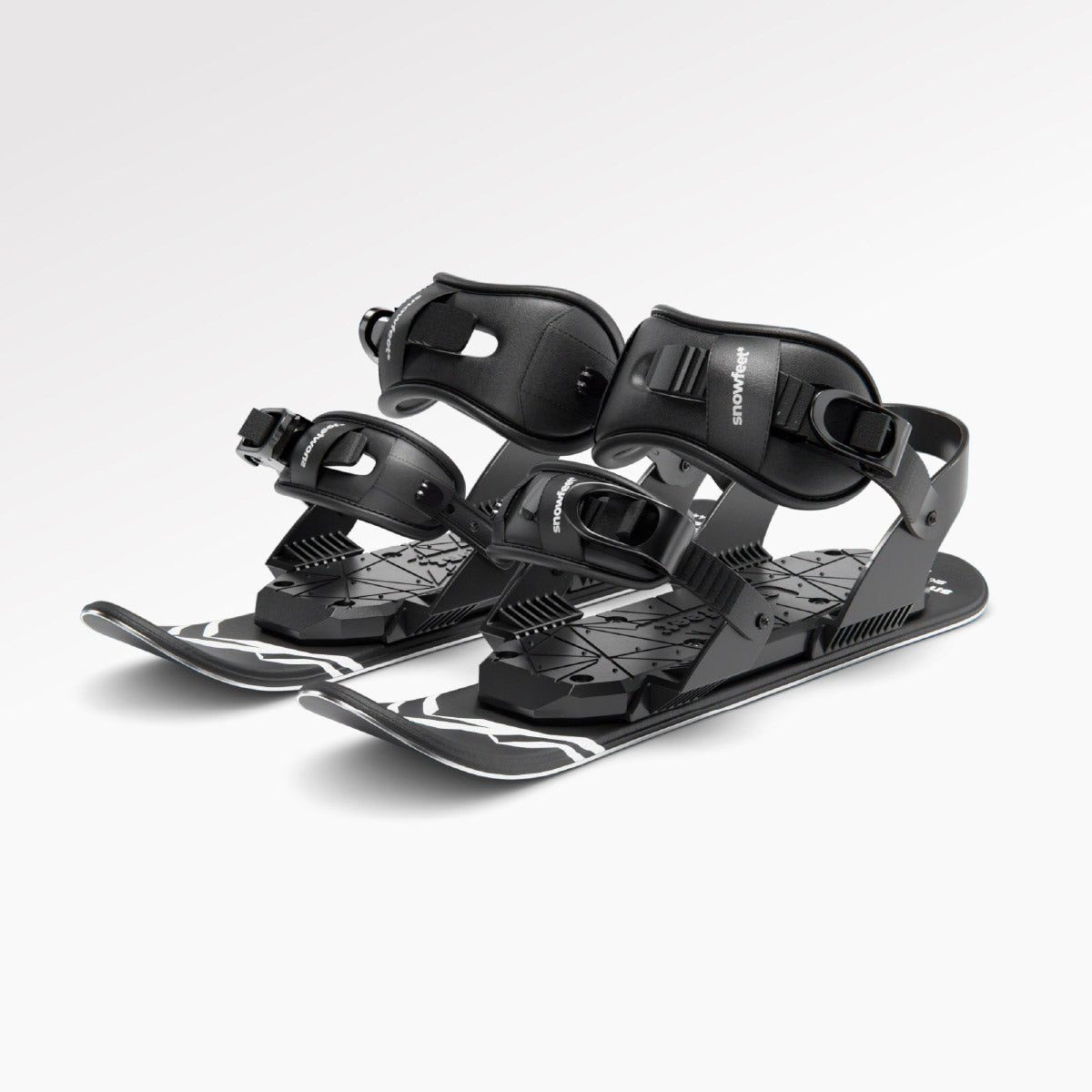
The 65 cm and 99 cm Skiblades and 44 cm Skiskates come in two binding versions:
- Snowboard boots: US sizes 6–14.5
- Alpine ski boots: US sizes 4.5–14.5
The 120 cm/123 cm models require alpine ski boots in US sizes 4.5–14.5. They use release bindings for safety and control.
Do skiboards need the same maintenance as regular skis?
Skiboards tend to need less upkeep than long skis. High-quality options like Snowfeet* use tough, fiberglass-reinforced materials built for ease of use and casual outings. They often don’t need costly tuning.
Long skis may need more frequent professional base care and edge sharpening to keep them performing well. Snowfeet products keep upkeep simple*.


コメントする
このサイトはhCaptchaによって保護されており、hCaptchaプライバシーポリシーおよび利用規約が適用されます。