


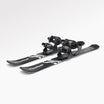
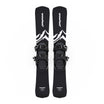
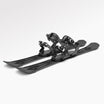
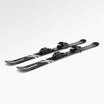
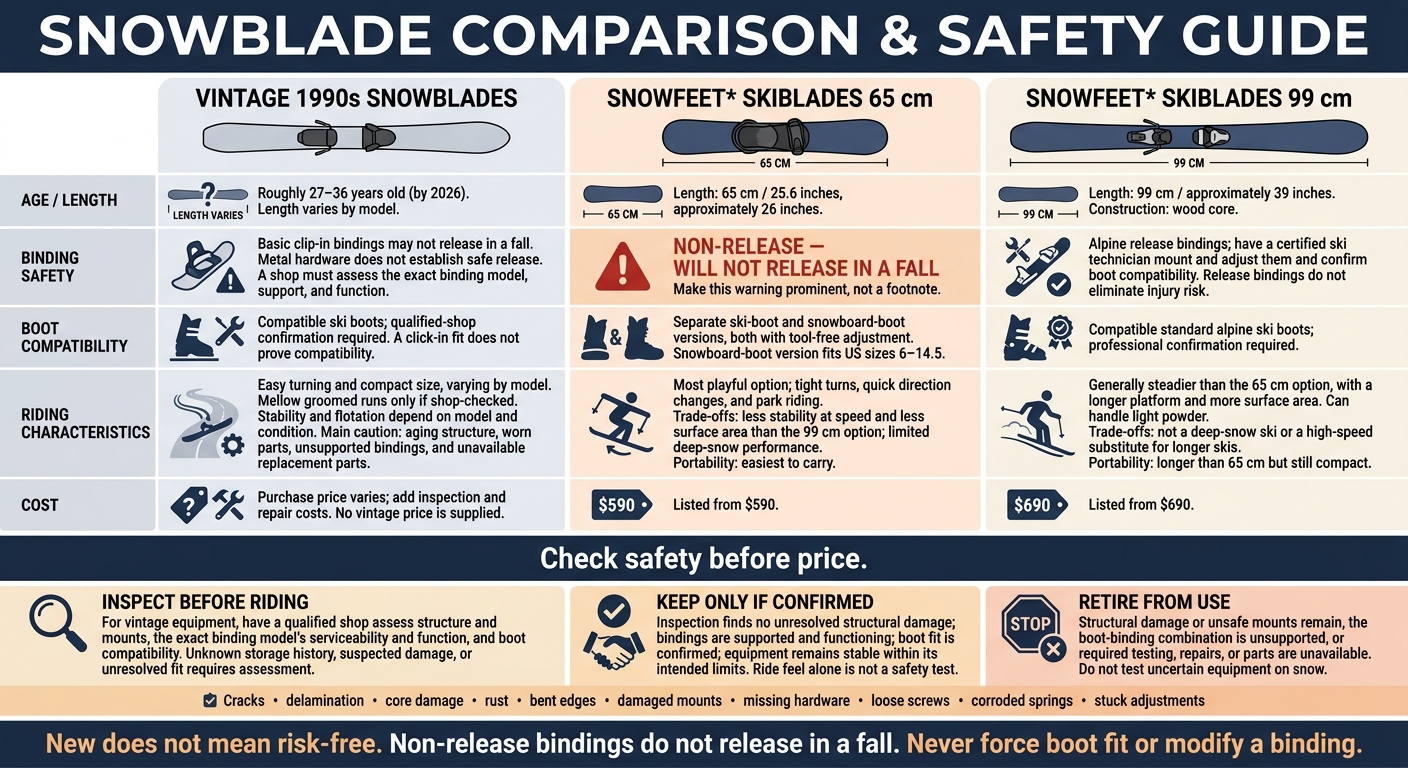
I’d ride 1990s snowblades only after a ski shop checks the structure, bindings, and boot fit. By 2026, those blades are roughly 27–36 years old. A clean top sheet doesn’t prove they’re safe.
My rule: <u>check safety before price</u>. If a shop can’t assess or service the bindings, I’d retire the pair - not take a test run to find out.
Here’s how I’d weigh the three options:
- Vintage Salomon snowblades: Worth keeping only if their condition, boot fit, and binding function check out. Age, worn parts, and repair costs can spoil a cheap deal.
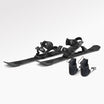
- Snowfeet* 65 cm (about 26 inches): Short, playful, and listed from $590. Comes in ski-boot and snowboard-boot versions, but its non-release bindings won’t release in a fall.
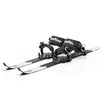
- Snowfeet* 99 cm (about 39 inches): A steadier option, listed from $690, with alpine release bindings. Have a ski technician confirm boot fit and set them up.
Quick Comparison
| Option | Best fit | Main caution |
|---|---|---|
| Vintage snowblades | Mellow groomed runs, if shop-checked | Aging cores and unsupported bindings |
| Snowfeet* 65 cm | Tight turns and compact size | Non-release bindings; less stability |
| Snowfeet* 99 cm | More stability and some light powder | Needs proper binding setup; not a deep-snow ski |
I’d compare the full cost of inspection and repairs with a new pair, then choose based on binding type, boot fit, and where you ski. New doesn’t mean risk-free - and nostalgia isn’t a safety check.
1990s Snowblades vs. Modern Skiblades: Safety, Cost and Ride
Snowfeet* Snowblades | Skiboards | Skiblades | Short Skis - All you need to know
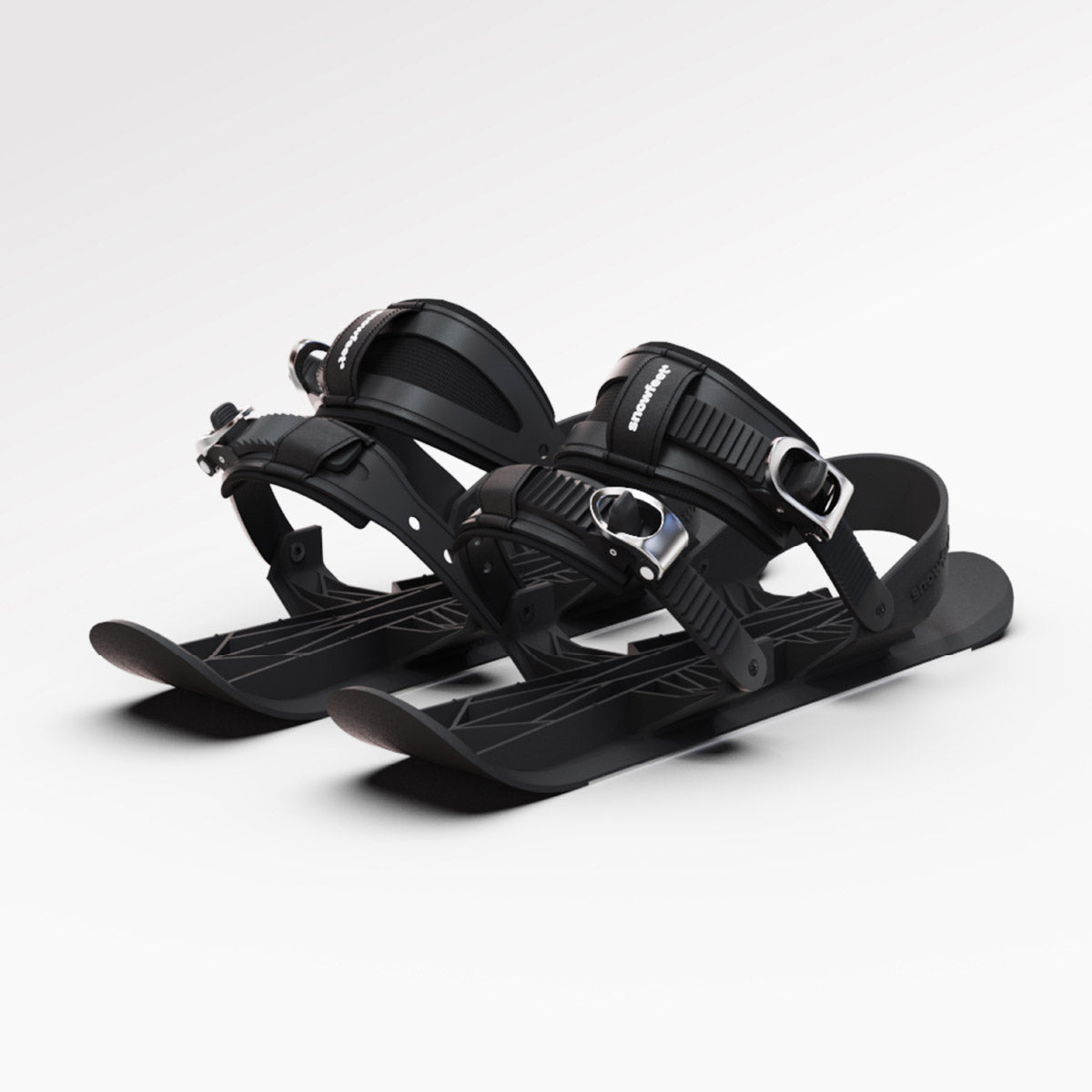
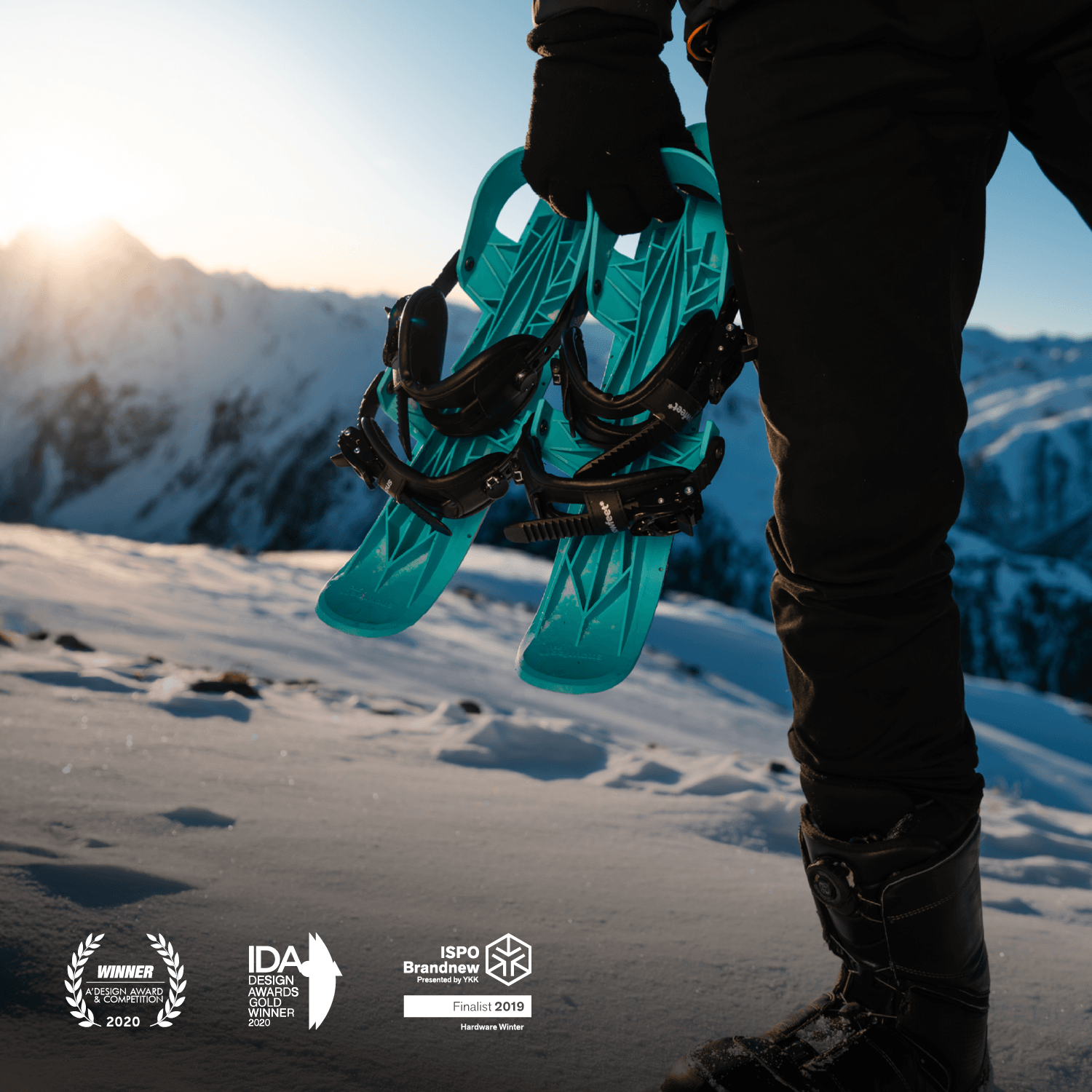
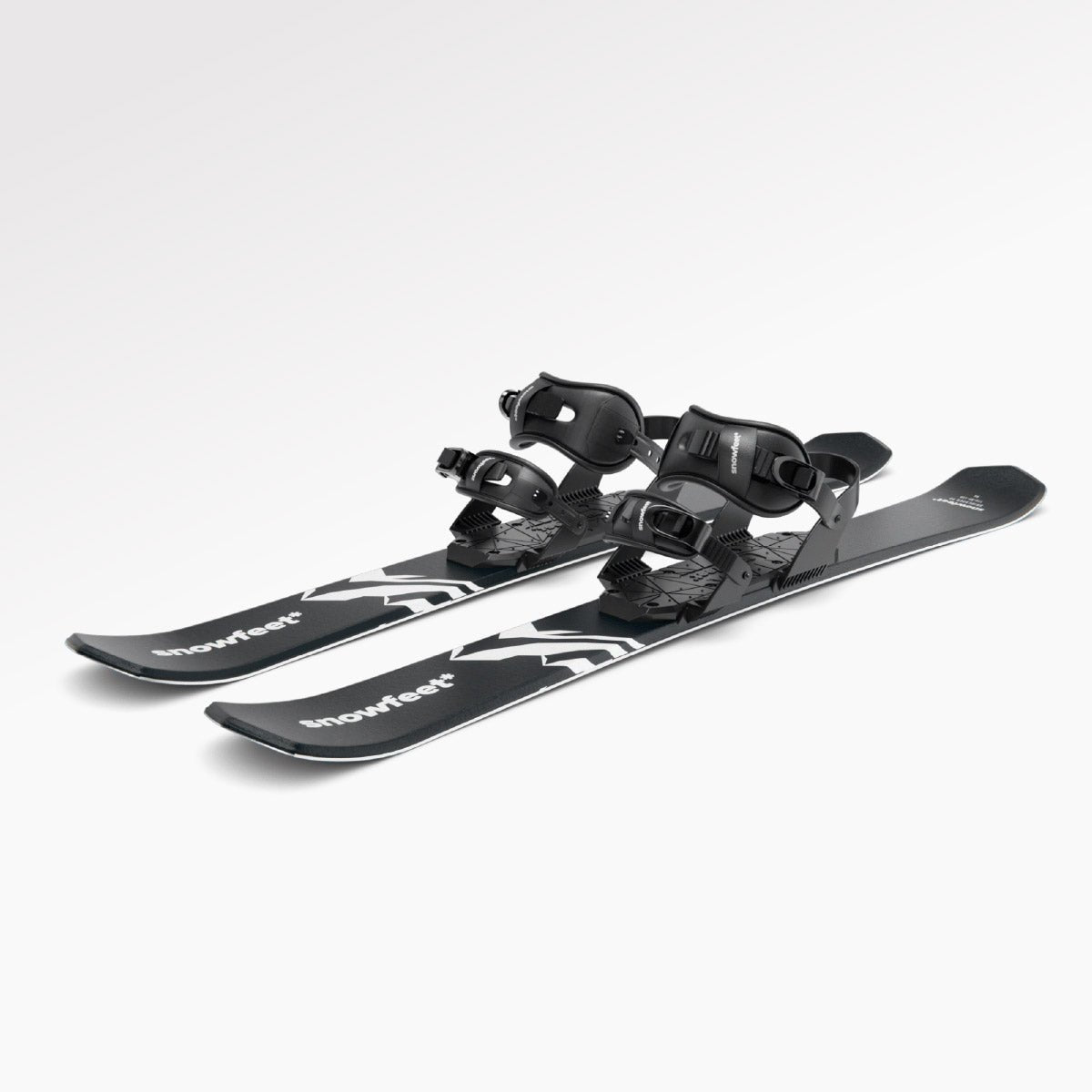
1. Snowfeet* Skiblades 65 cm
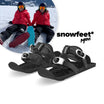
For a playful, modern short-ski feel, the 65 cm model is the closest match.
Construction and Binding Safety
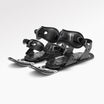
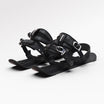
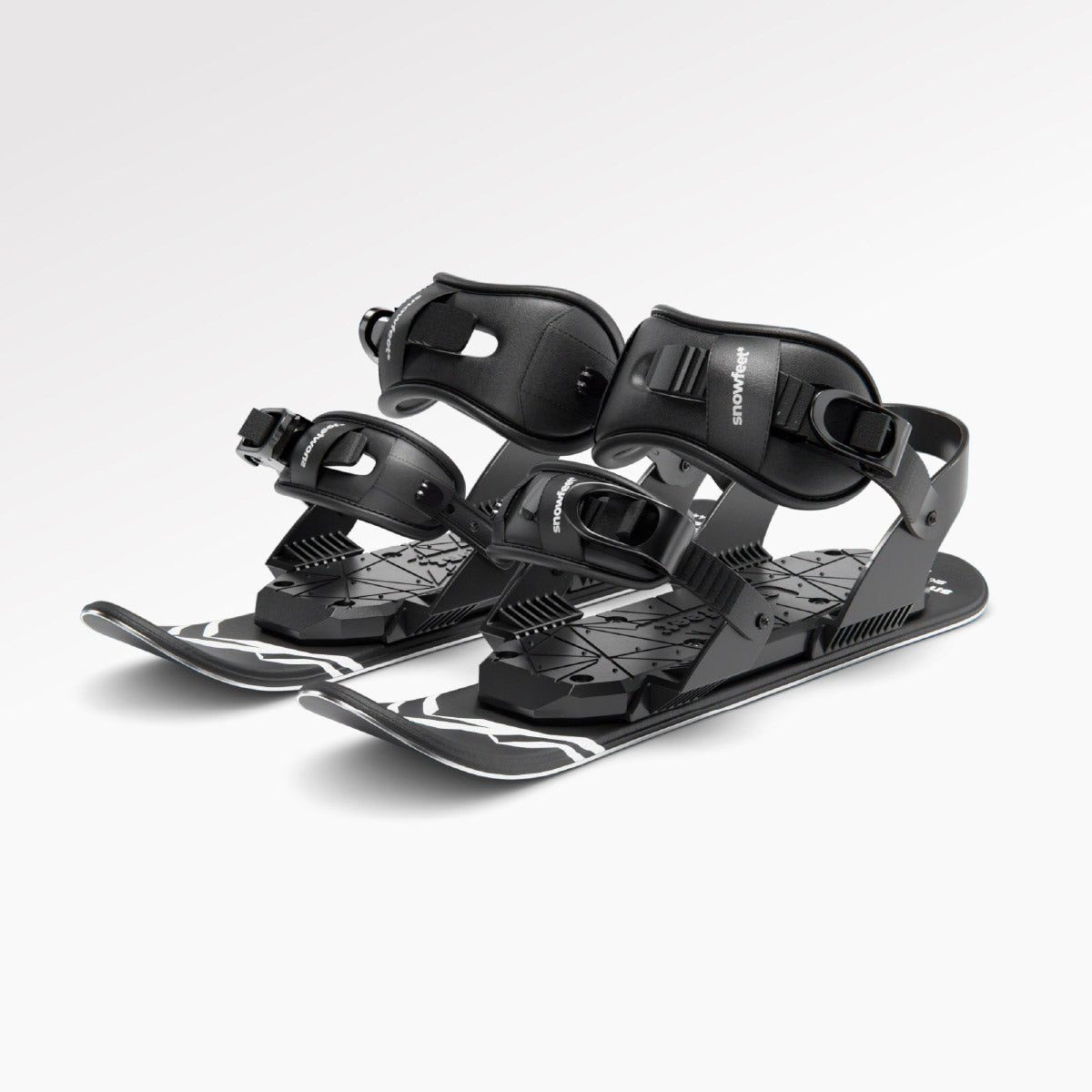
At 65 cm (25.6 inches), these skiblades are the shortest, most playful option in this comparison. But there’s a key safety point: their non-release bindings are not alpine release systems and will not release in a fall. They require extra caution.
Boot Fit and Service
Snowfeet* offers ski-boot and snowboard-boot versions, both with tool-free adjustment. The snowboard-boot version fits US sizes 6–14.5. Check which version suits your boots before buying.
Turns, Carving, and Park Use
The short length suits tight turns, quick direction changes, and park riding. It’s a modern way to get the short-run fun that vintage snowblades offered.
Compared with 99 cm blades, this model has less edge and surface area. That means less stability at speed and in deep snow.
Purchase and Ownership Costs
Snowfeet* Skiblades 65 cm start at $590. That price can be easier to justify than paying to service aging vintage gear.
If a vintage pair’s safety or serviceability is uncertain, the 65 cm model is a replacement option - but you still need to weigh its non-release bindings.
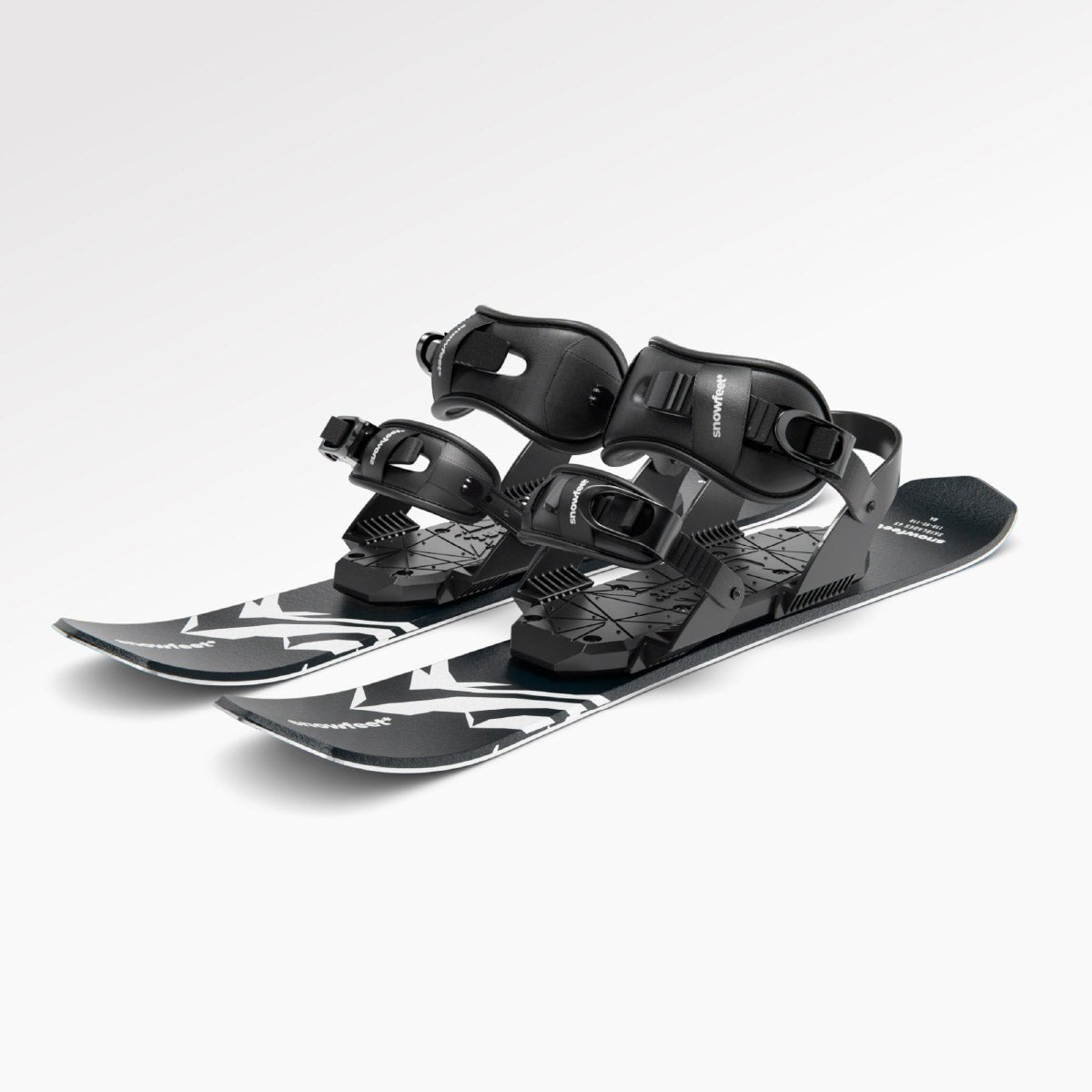
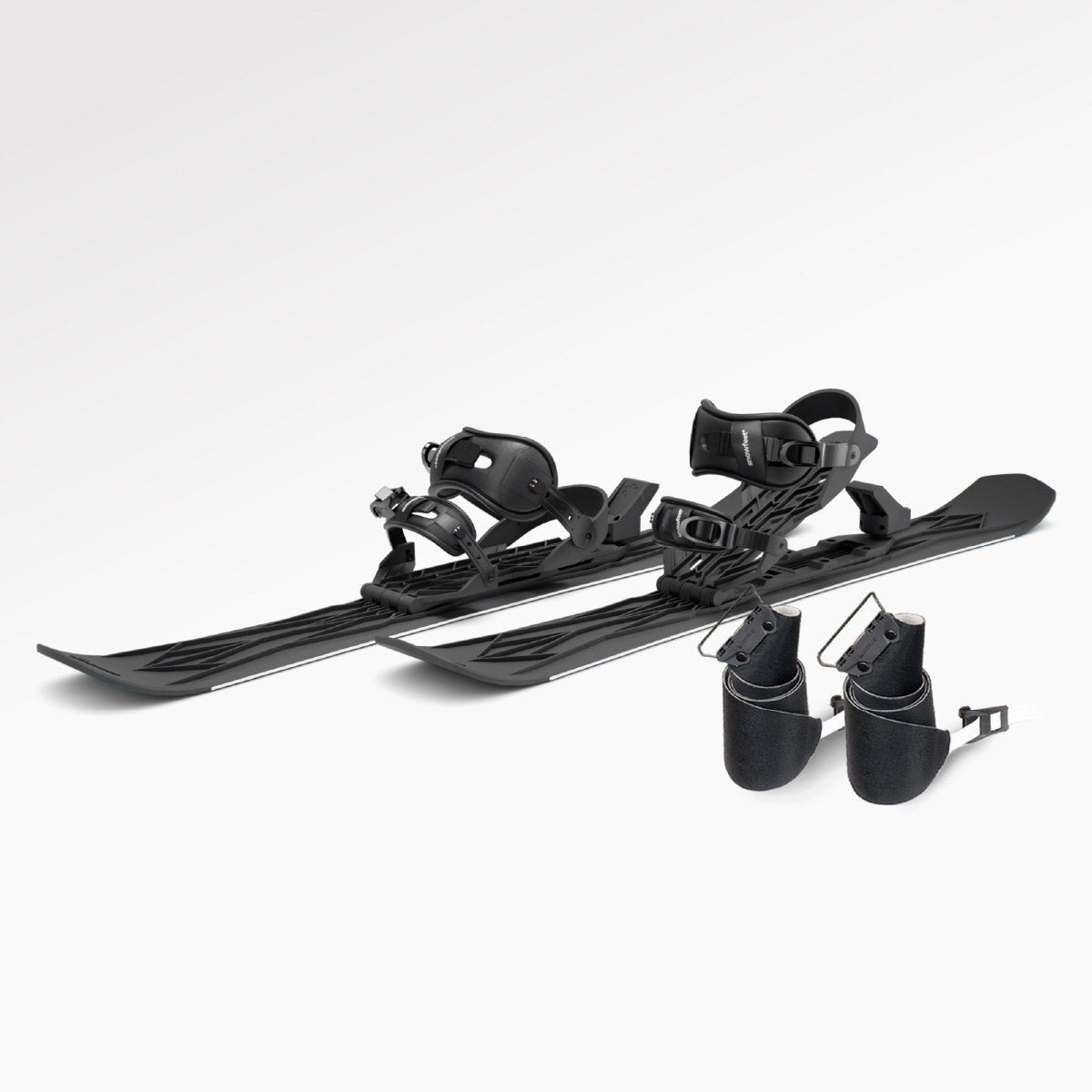
2. Snowfeet* Skiblades 99 cm
Construction and Binding Safety
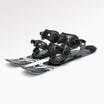
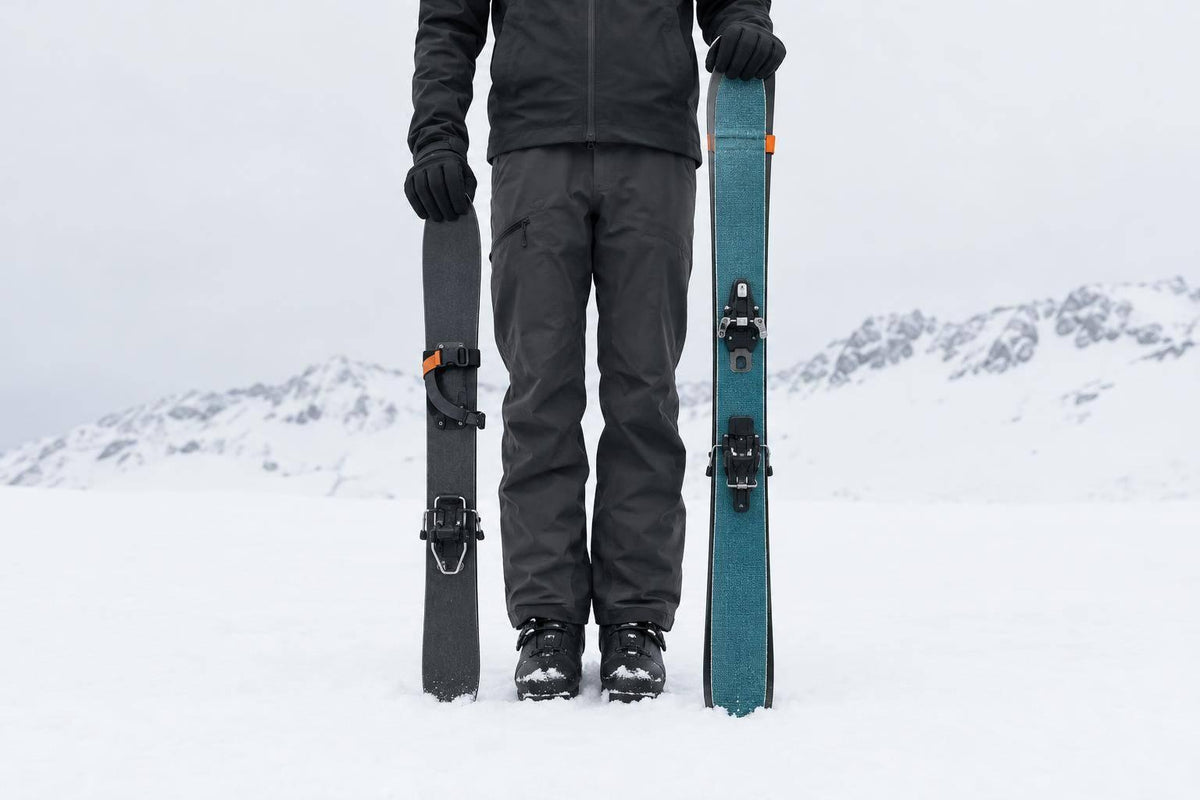
The 99 cm (39-inch) Snowfeet* Skiblades have a wood core, which gives them a steadier ride than many vintage foam-core snowblades. Their alpine release bindings also offer a safer setup than the non-release plastic bindings found on many older snowblades.
Boot Fit and Service
These skiblades fit standard alpine ski boots. Have a certified ski technician mount and adjust the bindings.
Turning, Speed, and Light Powder
The 99 cm model feels steadier through turns and more stable overall than the 65 cm option. It can handle light powder, but it won’t replace a longer powder ski. Longer skis still have the edge in deep snow and at higher speeds.
Purchase and Ownership Costs
If you’re replacing vintage snowblades, the 99 cm model offers a safer modern option.
But are original 1990s snowblades still worth riding today?
3. Original 1990s Snowblades, Including Vintage Salomon Models
Structure and Binding Safety
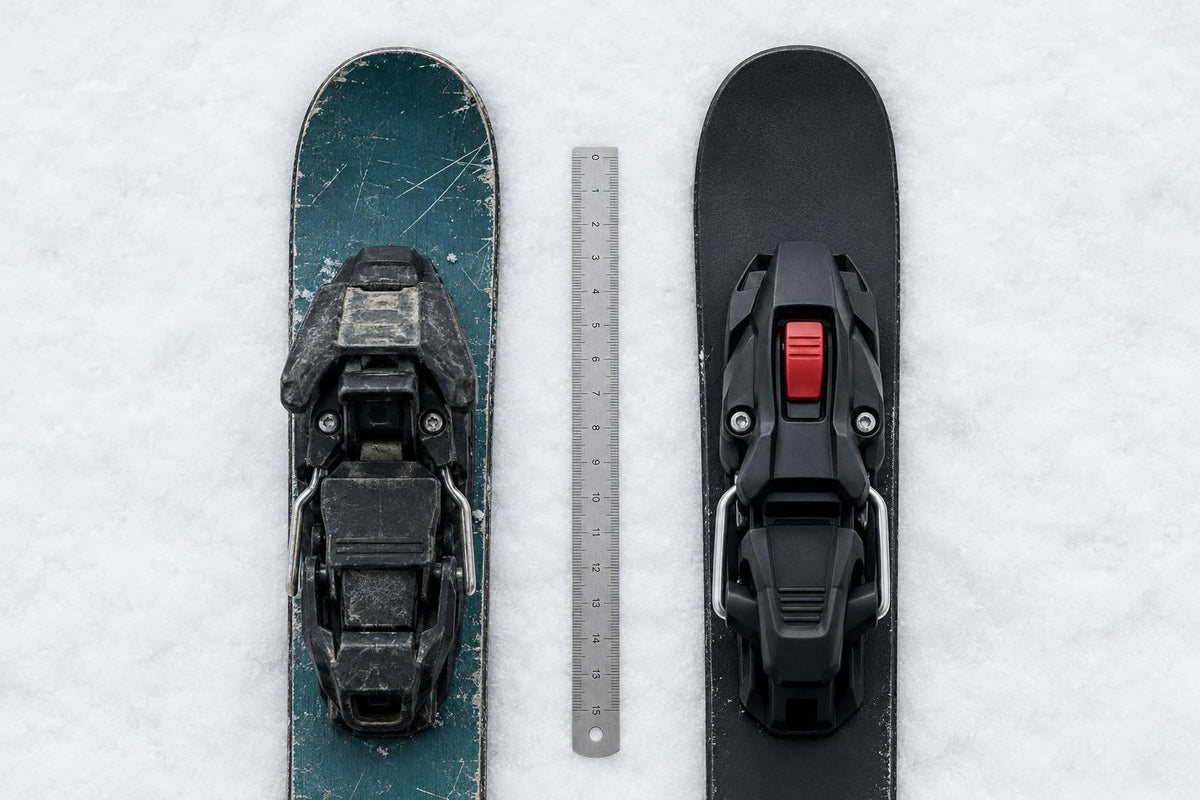
Vintage Salomon snowblades varied by year. Many used foam cores that can soften or fail with age. If a pair wobbles or chatters at speed, stop and have it inspected. Don’t try to ski through it.
Basic clip-in bindings may not release in a fall. Metal hardware alone doesn’t mean a safer release, so a binding inspection is the next key check.
Boot Compatibility and Service
Boot fit matters, but you also need bindings a shop can service. Before buying, ask a ski shop whether it can inspect that exact binding model, check boot compatibility, and confirm it can still be serviced. Many older bindings no longer have support because replacement parts aren’t made anymore.
On-Snow Performance
A vintage pair in good shape can still work for mellow runs. It should feel solid, track cleanly, and stay stable at moderate speed. A lifeless feel or constant vibration may point to age-related wear and calls for an inspection.
If the pair still feels unstable, replace it rather than push its limits. Modern Snowfeet* Skiblades are an option.
Ownership Costs
If a shop can’t service the bindings or confirm that replacement parts are available, retire the pair instead of spending money on uncertain repairs. Use the safety checklist below to judge whether your pair is still fit to ski or belongs on the shelf.
sbb-itb-17ade95
Safety Checks: Condition, Bindings, and Boot Fit
Before you keep, inspect, or replace a vintage pair, check its structure, bindings, and boot fit.
Look for core damage, layers pulling apart (delamination), cracks, rust, bent edges, damaged mounts, missing hardware, and loose screws.
Check bindings for corroded springs, stuck adjustments, and unreliable release. Have a qualified shop confirm that the exact binding model is still supported and test it.
| Check | Keep riding only when… | Seek inspection when… | Replace or retire when… |
|---|---|---|---|
| Structure and mounts | Inspection finds no damage that still needs repair | You suspect damage or don’t know the storage history | Structural damage or unsafe mounts remain |
| Binding function and service | A shop confirms support and proper function | Plastic cracks, springs corrode, adjustments stick, or release is unreliable | Testing, repairs, or required parts are unavailable |
| Boots and parts | Sole fit, retention, and parts availability are confirmed | Any fit or compatibility check remains unresolved | The combination is unsupported or required parts are obsolete |
A click-in fit does not prove compatibility. Check the sole shape and how the binding holds the boot - not just boot size. If the boot-and-binding combination is unsupported, have the manufacturer or a qualified shop assess it. Never force the fit or modify the binding.
Non-release bindings do not release during a fall, even on new equipment.
On-Snow Performance: Turning, Speed, and Snow Conditions
Vintage Salomon snowblades still offer short, playful runs on groomers. But easy turns don’t justify riding gear that shops can no longer support. Snowfeet* 65 cm favors tight turns, while the 99 cm model is generally steadier at higher speeds. Keeping a vintage pair means checking more than ride feel: confirm that it’s safe and can still be serviced.
| Feature | Vintage Salomon snowblades | Snowfeet* Skiblades 65 cm | Snowfeet* Skiblades 99 cm |
|---|---|---|---|
| Maneuverability | Easy turning; varies by model | Most playful option | Easy turning with a longer platform |
| Speed stability | Depends on construction; foam-core models can chatter | Best at moderate speeds | Generally steadier than 65 cm; not a high-speed long ski |
| Flotation | Limited; depends on model | Least surface area | More surface area than 65 cm |
| Portability | Compact; varies by model | Easiest to carry | Longer than 65 cm, but still compact |
| Boot requirements | Compatible ski boots; shop confirmation needed | Ski-boot or snowboard-boot version | Compatible alpine ski boots |
The trade-off is old-school fun versus a more predictable modern setup. If a serviceable vintage pair tracks cleanly at moderate speeds, keeping it may make sense. Persistent wobble or chatter calls for inspection. If the instability can’t be fixed, replace the pair.
Choose terrain before adding speed. Sharp edges and a good tune matter on firm groomers. Rough snow calls for more restraint, especially on aging foam-core blades. Stick to groomed runs; full-length skis remain the better choice for deep snow.
Construction, tune, snow, and skill all shape ride quality - and help determine whether a vintage pair belongs in your quiver, on the service bench, or in retirement.
Final Verdict: Keep, Inspect, or Replace?
Use this check to decide whether the pair still belongs underfoot.
| Decision | When it fits | Next step |
|---|---|---|
| Keep | Structure is intact, the gear stays stable at your intended speed, and boot compatibility is confirmed | Keep riding within the equipment’s limits. |
| Inspect before riding | Binding function is uncertain or boot fit hasn’t been confirmed | Bring the blades and boots to a qualified shop for assessment. |
| Retire from use | Structural damage, incompatible boots, seized or corroded bindings, or gear that can’t be serviced | Replace the gear rather than gamble on uncertain repairs. |
Non-release bindings mean retire or inspect - not ride through it. If the bindings can’t be serviced, Snowfeet* is a modern replacement: choose 65 cm (about 26 inches) for maximum playfulness or 99 cm (about 39 inches) for more stability and light powder. Match the binding to your boots before buying.
FAQs
What should I ask a shop before buying used snowblades?
Ask a ski technician if the binding model is still indemnified, if they’ll service or test it, and if parts are available. Have them check the skis for core damage, delamination, and bent edges.
Many shops won’t service bindings more than 10–15 years old because they may be obsolete or unsafe. Repairs to vintage gear can be costly, with no sure outcome. Modern Snowfeet* may be a more practical and reliable option, though safety depends on the gear, fit, and intended use.
Can I replace vintage bindings with modern release bindings?
Generally, no. Most vintage snowblades have built-in, brand-specific mounting systems that don’t work with modern release bindings. Remounting often costs a lot and may not be technically feasible. Most shops also won’t service or test bindings more than 10 years old due to safety and liability concerns.
Instead of modifying vintage gear that won’t release and can’t be serviced, consider modern Snowfeet Skiblades*. Their purpose-built bindings fit a range of boot types.
Which Snowfeet* length is better for a beginner?
The 65 cm (25.6 in) Skiblades are a great fit for nervous beginners, kids, and riders who want a forgiving, playful ride on green and blue runs. They make turns quick and easy, with maximum agility.
The 99 cm (39 in) Skiblades are the best all-around starting point for most casual adult riders. They offer a better balance of stability and easy handling for cruising the resort all day.



Laisser un commentaire
Ce site est protégé par hCaptcha, et la Politique de confidentialité et les Conditions de service de hCaptcha s’appliquent.