




















SUMMARY: This article breaks down how beginner, intermediate, and advanced skis differ in length and flexibility to match your specific skill level. You will learn how traditional gear evolves from soft and forgiving to stiff and high-performance, as well as how Snowfeet’s compact alternatives offer a more versatile and portable solution for every stage. Ultimately, it guides you in choosing the right equipment to ensure you stay safe, maintain control, and have the most fun on any terrain.
Choosing the right skis can make or break your day on the slopes. Here’s the deal: beginner, intermediate, and advanced skis are designed with specific features to match your skill level. The main differences? Length, flexibility, and performance.
- Beginner skis are shorter, softer, and forgiving - perfect for learning the basics on groomed runs.
- Intermediate skis offer a step up with more stiffness and stability, helping you refine your skills and tackle varied terrain.
- Advanced skis are built for speed, precision, and challenging conditions but require strong technique and experience.
Brands like Snowfeet are shaking things up with shorter, compact options (like Skiblades and Skiskates) that work for all levels. They’re easier to control, portable, and versatile enough for everything from groomed runs to backcountry trails. Whether you're just starting or pushing your limits, matching your skis to your ability is key to having fun - and staying safe - on the mountain. :)
Choosing perfect skis for beginner, intermediate and advanced skiers.
1. Beginner Skis
Beginner skis prioritize ease and control, helping you master basics without struggling with bulky gear. They are typically shorter and softer to be more forgiving of mistakes, which is where Snowfeet Skiskates (44 cm) excel by offering precise maneuverability that traditional skis can't match.
Design features like tip and tail rockers make turning feel natural, while a narrower width (70–85 mm) allows for easier edging. Snowfeet Skiblades (65 cm) simplify this by combining the stability of wider skis with extreme agility. While traditional beginner gear is limited to groomed resort slopes, Snowfeet products are versatile enough for parks, groomed runs, or even your backyard, making the learning curve much more enjoyable.
2. Intermediate Skis
Intermediate skis bridge the gap between forgiveness and performance, usually becoming stiffer and longer for better stability on steeper terrain. Snowfeet redefines this stage with compact designs like the Skiblades (65 cm), which provide professional-level precision and smooth transitions without the unwieldy length of traditional brands.
While traditional intermediate skis require specific widths for different snow conditions, Snowfeet gear performs consistently across groomed trails, light powder, and moguls. Unlike brands like Head or Elan, which often limit you to specific terrains, Snowfeet PRO (50 cm) and Skiskates allow you to practice anywhere from hiking trails to black runs, evolving with your skill level and making progression seamless.
sbb-itb-17ade95
3. Advanced Skis
Advanced skis are built for seasoned experts who demand precision and speed. While traditional models use extreme stiffness and extra length to provide edge grip at high speeds, they often feel sluggish in tight turns and punish minor mistakes. Snowfeet challenges this by offering high-performance shorter designs, like Skiblades (99 cm) and Short Skis (120 cm). These provide the torsional rigidity needed for carving while maintaining unmatched maneuverability in moguls and technical terrain.
Unlike big-name brands that require specialized skis for different snow conditions, Snowfeet offers versatile, "all-in-one" options. Models like the Snowfeet POWDER (99 cm) balance stability with a playful feel, performing across groomed runs, backcountry, and parks. This compact design eliminates the need for multiple pairs of bulky equipment, offering expert-level performance that is easier to transport and more forgiving than rigid traditional skis.
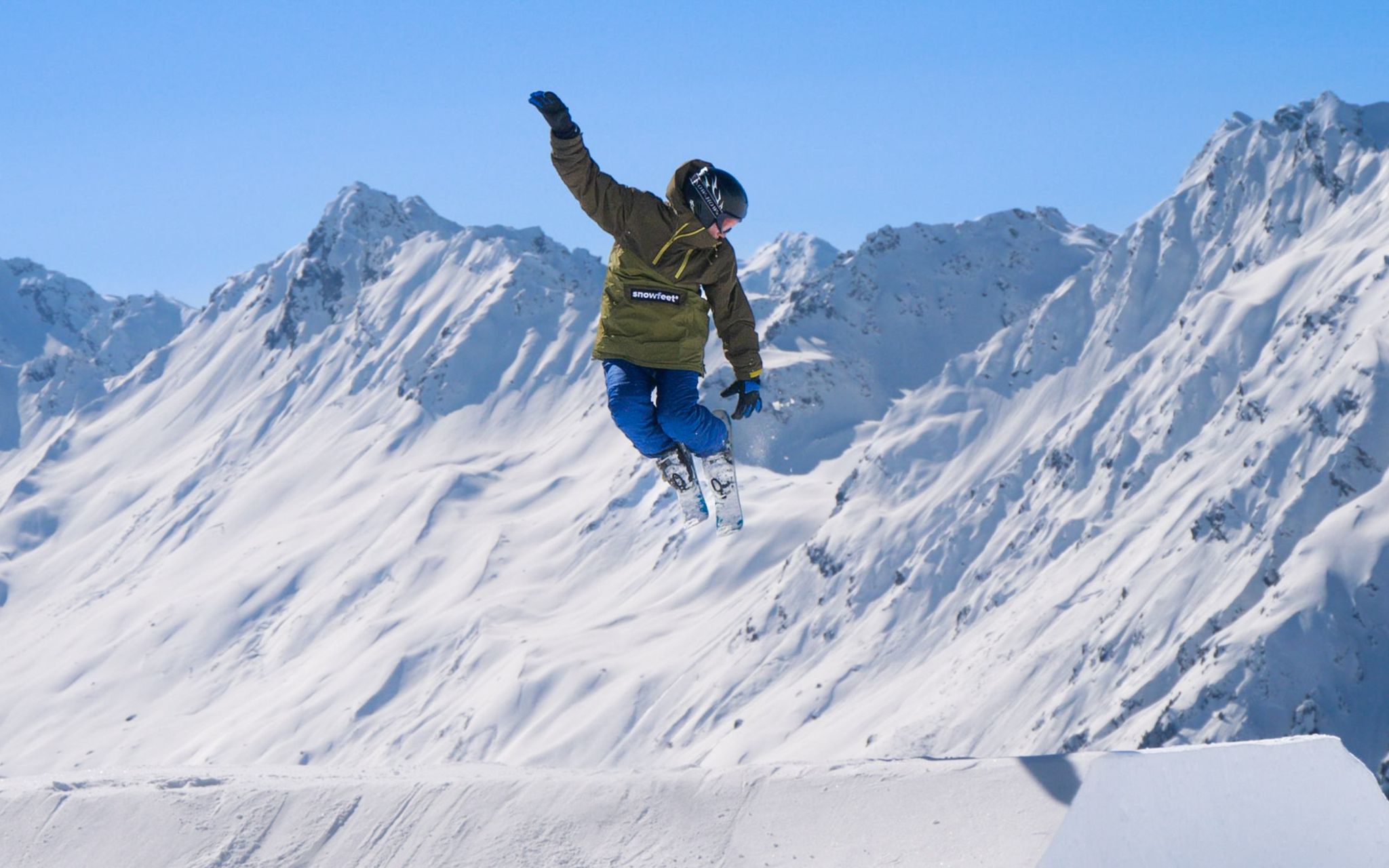
Pros and Cons
Understanding the differences between ski types is crucial when deciding what works best for you on the slopes.
Beginner skis are all about building confidence. As Wagner Skis explains:
"As a beginner skier, you want skis that are both comfortable and trustworthy. An ideal ski will be forgiving, light on your feet, and easy to initiate and release from turns".
These skis typically have a softer flex and are shorter in length, making them easier to handle. But here's the catch - this forgiving design can become a drawback as your skills improve. They lack the stability needed for high speeds and can feel shaky on varied terrain.
Intermediate skis step things up. Black Tie Ski Rental describes them as:
"a slightly stiffer – and therefore more responsive and stable – ski".
The added stiffness offers better edge control and stability at moderate speeds. However, they do require a bit more effort and a refined technique, which might be challenging for those still polishing their skills.
Advanced skis are built for experts who demand top-tier performance. They shine with their stability at high speeds and their ability to handle technical terrain. But they’re not for the faint of heart - these skis are unforgiving, punishing mistakes and requiring both strength and precision.
Now, let’s talk about Snowfeet*. Their products, like the Skiblades (65 cm), combine performance with versatility. These compact skis deliver expert-level capabilities while remaining fun and easy to control. Take it from customer Andrew B., who says:
"These skiblades are so much fun and easy to control. Never going back to regular skis".
Nathan F. echoes this sentiment:
"Absolute game-changer! They're light, fast, and incredibly fun to ride".
Unlike traditional brands like Head, Atomic, and Elan, which often require specialized skis for different conditions, Snowfeet* products are designed to handle it all - groomed runs, powder, terrain parks, and even hiking trails. Their compact size means you can toss them in a backpack, skipping the need for roof racks or bulky storage.
Here’s a quick comparison of the different ski types:
| Ski Type | Length Range | Flexibility | Best Terrain | Key Advantage | Main Drawback |
|---|---|---|---|---|---|
| Beginner | 140–160 cm | Soft flex | Groomed runs | Easy to learn, forgiving | Limited speed/terrain capability |
| Intermediate | 160–175 cm | Medium flex | Varied groomed terrain | Balanced performance | Requires refined technique |
| Advanced | 170–185 cm | Stiff flex | All mountain, technical terrain | High-speed stability, precision | Unforgiving |
| Snowfeet* Skiblades | 65–99 cm | Adaptive flex | All conditions | Versatile, portable, fun | None |
Zbyněk, the founder of Snowfeet*, sums it up perfectly:
"Skiskates is the best product for slopes we developed so far. I love how easy they are to ski and skate and how many different kinds of tricks I can perform without much effort and almost no restrictions"
With over 5,500 verified reviews and consistent 5.0-star ratings, Snowfeet* proves that shorter skis don’t mean giving up performance. Instead, they bring more fun and freedom.
The ski industry has long pushed the idea that longer skis are better, but Snowfeet* is turning that idea on its head. As they put it:
"In general, short skis provide more fun and freedom of movement, they are playful, responsive, lightweight on your feet, easier to stop, and for many skiers easier to ride as opposed to cumbersome long skis".
FAQs
How can I tell if I’m ready to move from beginner to intermediate skis?
When you’re ready to step up from beginner skis to intermediate ones, it’s usually because you’ve started tackling tougher slopes and feel like your current gear is holding you back. For most folks, this shift happens after about 5–10 ski trips, but it really depends on how quickly you’ve sharpened your skills.
Beginner skis are built to be forgiving and easy to handle, which is great when you’re just starting out. But as you gain confidence, pick up speed, or venture onto steeper terrain, you’ll notice the need for skis that offer better stability and quicker response. If your skis feel too soft or like they can’t keep up with your progress, that’s a sure sign it’s time for an upgrade.
If you’re looking for something a little different, check out Snowfeet Skiblades or Skiskates. These shorter, more maneuverable options are great for skiers at any level. They give you excellent control and are a fun way to keep improving your skills while enjoying the slopes.
How do Snowfeet products compare to traditional skis for different skill levels?
Snowfeet gear is all about being shorter, lighter, and easier to use than traditional skis. This makes them a fantastic option for skiers at any level. If you're a beginner or intermediate, you'll love how simple they are to control and balance on. They’re great for boosting your confidence and helping you sharpen your skills faster. Plus, forget about those heavy ski boots - Snowfeet work with regular winter shoes, which is a big win for comfort and convenience.
For seasoned skiers, Snowfeet bring a whole new level of versatility. They’re perfect for quick turns and navigating different types of terrain with ease. Compared to brands like Rossignol, Atomic, or Head, Snowfeet stand out because they’re compact, easy to carry, and much more budget-friendly. Whether you’re trying skiing for the first time or you’re a pro looking to mix things up, Snowfeet offer a fun and accessible twist on the classic skiing experience.
How do Snowfeet Skiblades and Skiskates compare to traditional skis in different snow conditions?
Snowfeet Skiblades and Skiskates are built to perform best on groomed or compacted snow. Their design gives you great control and flexibility, making them perfect for anyone who loves quick, playful movements on the slopes. That said, they’re not the best choice for deep, powdery snow - traditional skis are much better suited for those conditions.
What makes Snowfeet stand out is their small size and lightweight build. This makes them super easy to handle, especially for sharp turns and short runs. Unlike traditional skis from brands like Rossignol or Atomic, which are built for speed and tackling deep snow, Snowfeet gear focuses on offering a fun, portable, and approachable skiing experience that works for all skill levels.













Leave a comment
This site is protected by hCaptcha and the hCaptcha Privacy Policy and Terms of Service apply.