



















Quick Summary:
For skiers recovering from joint injuries, shorter, lighter, and narrower gear dramatically reduces knee strain by minimizing dangerous rotational leverage and physical fatigue. Compact alternatives like Snowfeet's 65 cm Skiblades and 44 cm Skiskates offer high stability, low torque on turns, and effortless edge control on groomed slopes compared to heavy, traditional 150+ cm skis. By lowering fall risks, absorbing vibration, and allowing natural, forgiving movements, these ultra-short options help skiers rebuild confidence and safely enjoy the mountain without compromising their knee health.
 Product Link: SNOWFEET* 44 CM | SKISKATES | SNOWBLADES SKIBOARDS MINI SKIS
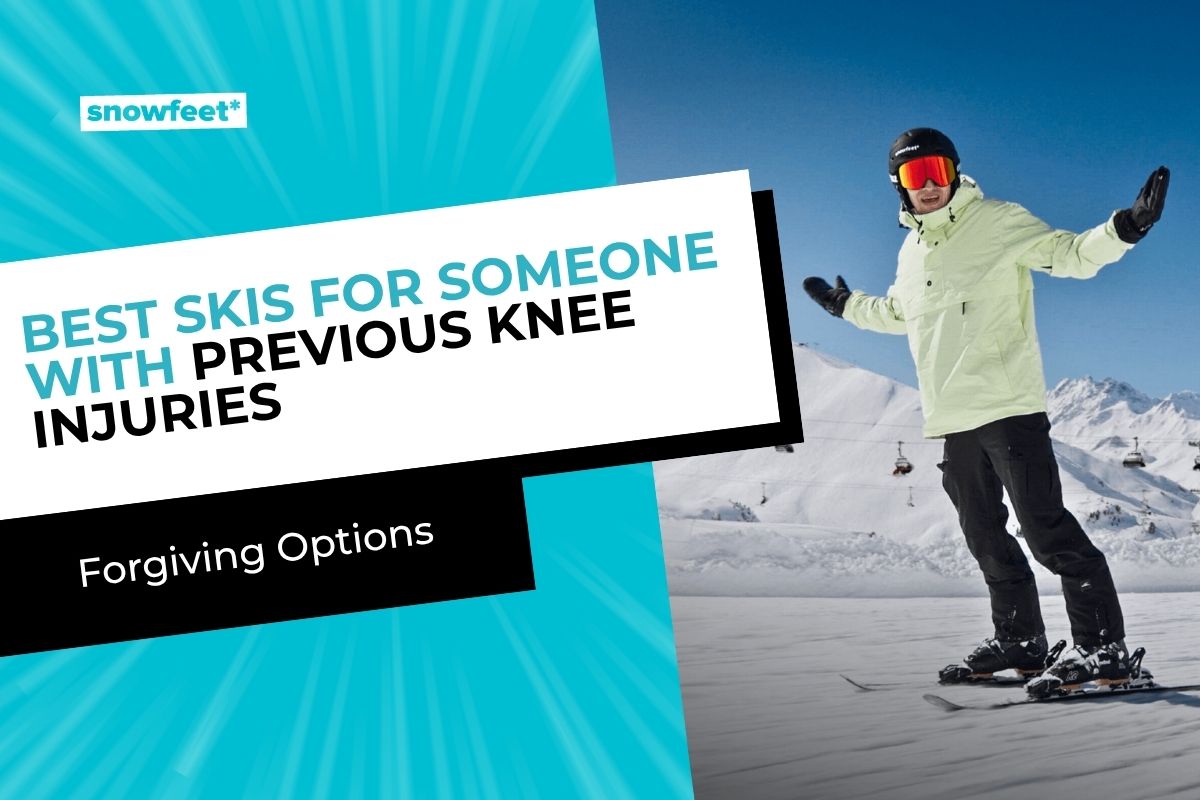
The best skis for injured knees are shorter, lighter, and narrower because they reduce strain, improve control, and help prevent further injury. Here's why:
- Shorter Length: Shorter skis reduce leverage on your knees, making turns easier and less stressful.
- Lighter Weight: Easier to handle, lighter skis reduce muscle fatigue, helping maintain proper form and minimizing knee strain.
- Narrower Width: Narrow skis are better for groomed runs, offering easier edge control and reducing twisting forces on your knees.
Top Picks for Knee-Friendly Skis
- Snowfeet Skiblades 65 cm: Compact, stable, and safer for knees. Cost: from $590.
- Snowfeet Skiskates 44 cm: Ultra-short and lightweight for maximum knee relief. Cost: from $550.
Quick Comparison
| Feature | Snowfeet Skiblades (65 cm) | Snowfeet Skiskates (44 cm) | Regular Skis (150–180+ cm) |
|---|---|---|---|
| Length | 26 inches | 17 inches | 59–71 inches |
| Weight | Lightweight | Ultra-lightweight | Heavier |
| Ease of Control | High | Very High | Moderate |
| Knee Strain | Low | Very Low | High |
| Portability | Backpack-friendly | Backpack-friendly | Requires ski rack |
Snowfeet gear is designed to minimize knee strain, making it a great option for anyone recovering from an injury. Whether you choose Skiblades or Skiskates, these shorter, lighter skis provide a safer and more comfortable skiing experience.
Snowfeet*: A Knee-Friendly Skiing Game-Changer
 Product Link: SNOWFEET* 65 CM | SKIBLADES | SKIBOARDS SNOWBLADES SHORT MINI SKIS
Snowfeet* is shaking up the ski world with gear designed to be easier on your knees. Their approach? Shorter, lighter, and perfectly wide skis that cut down on physical stress without sacrificing control or fun. Unlike big names like Rossignol, Atomic, or Head that often focus on longer skis, Snowfeet* builds their products around the idea that smaller can be better - especially when it comes to protecting your joints.
By blending thoughtful design with engineering precision, Snowfeet* creates equipment ideal for skiers who want to enjoy the slopes without putting unnecessary strain on their knees. Let’s take a look at their standout products.
Snowfeet* Skiblades 65 cm: Smooth, Stable, and Safer
The Snowfeet* Skiblades, measuring 65 cm (about 26 inches), are a fantastic choice for anyone looking to reduce knee stress while still enjoying traditional skiing performance. Starting at $590, these skiblades are designed to lower twisting forces and improve stability, making them perfect for quick adjustments on groomed trails. They offer a great balance of control and safety, helping skiers - especially those recovering from knee issues - regain confidence on the slopes.
Snowfeet* Skiskates 44 cm: Ultimate Knee Relief
If your knees need an extra level of care, Snowfeet* Skiskates might be the answer. At just 44 cm (around 17 inches), these skiskates are all about minimizing joint strain. Price starting at $550, they’re designed to take leverage forces out of the equation, making them incredibly easy on your knees.
Their compact size means effortless edge-to-edge transitions, giving you precise control with minimal effort. This not only keeps your muscles from tiring out too quickly but also helps you maintain proper form - key to keeping your knees safe. Whether you're navigating changing conditions or just cruising down the mountain, these skiskates are built to protect your joints and keep you feeling secure.
Both the Skiblades and Skiskates reflect Snowfeet*’s dedication to creating gear that prioritizes knee health. They offer a forgiving and enjoyable skiing experience that stands apart from what traditional ski brands provide. If your knees could use a break, Snowfeet* might just be the perfect fit.
sbb-itb-17ade95
How Snowfeet* Compares to Regular Ski Brands
If you're dealing with knee issues, the choice between Snowfeet* and traditional skis from brands like Rossignol, Atomic, and Fischer becomes pretty clear. While these well-known brands focus on longer, heavier skis, Snowfeet* takes a completely different route - one that's designed with your knee health in mind. Let’s break down how Snowfeet* stands apart and why it’s a game-changer for skiers with joint concerns.
Main Differences and Impact on Knees
Snowfeet* and regular skis are worlds apart, especially when it comes to how they affect your knees. Here's a quick comparison to highlight the key differences:
| Feature | Snowfeet* Short Skis | Regular Skis | Impact on Knees |
|---|---|---|---|
| Length | 44–65 cm | 150–180+ cm | Shorter length means less leverage on knees |
| Weight | Ultra-lightweight | Heavier | Lighter weight reduces strain |
| Learning Curve | Simple and intuitive | Steeper | Easier learning lowers fall risk |
| Portability | Fits in a backpack | Requires ski rack | Compact design avoids carrying strain |
| Vibration Dampening | Effective due to short length | Varies by model | Reduces knee pain from vibrations |
FAQs
Why are Snowfeet Skiblades and Skiskates better for reducing knee strain compared to traditional skis?
Unlike standard 150cm+ skis, these compact alternatives minimize harmful leverage and rotational strain on your joints. Their ultra-lightweight design makes them easier to control and better at absorbing shocks, significantly reducing impact. If you're recovering from an injury, these agile skis offer a safer, more worry-free way to enjoy the slopes.
What are the best skis for people with previous knee injuries to reduce strain and improve comfort?
For those with previous knee injuries, the best skis prioritize reduced strain and maximum comfort. Shorter, lightweight options like 65 cm Skiblades or 44 cm Skiskates are ideal because their compact design minimizes the twisting leverage on your joints. To further protect your knees, choose skis with a softer flex and rockered tips for smoother turning, and consider advanced safety bindings to reduce injury risk during falls. Focusing on these features allows you to ski with more confidence and less pain.
Editor: Karolina R.
Last Update: September 4, 2026











1 comment
Pablo
Wait, so if these tiny 44 cm ‘skiskates’ don’t have long edges to carve, am I just going to slide straight into a tree the second I hit a patch of ice, or can they actually hold an edge when things get steep? Pablo
Leave a comment
This site is protected by hCaptcha and the hCaptcha Privacy Policy and Terms of Service apply.