



















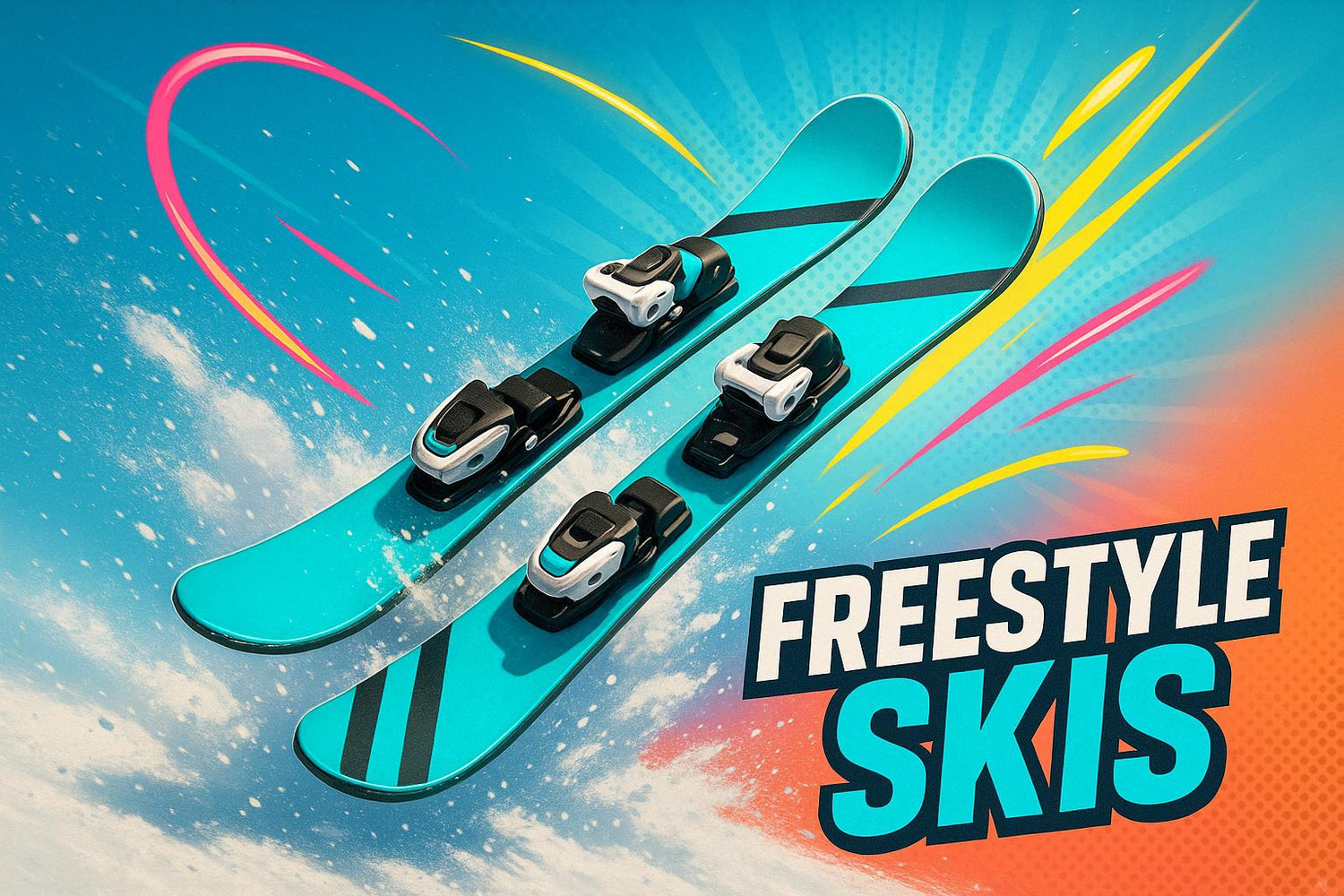
Freestyle skis are all about fun and flexibility on the slopes. Unlike regular skis built for speed, these are designed for tricks, spins, and jumps. They have key features like twin-tip construction for riding backward, shorter lengths for easy control, and centered bindings for balance during stunts.
But here's the twist: brands like Snowfeet are taking this concept further with ultra-short skis (as small as 15 inches) that fit in a backpack and work with regular winter shoes. They're lighter, easier to learn, and way more portable than traditional setups. Plus, they’re budget-friendly, starting at just $150 compared to $1,000+ for standard skis. Whether you're a beginner or a seasoned skier, these compact skis offer a simpler, more fun way to hit the slopes.
Want to know how they stack up against long skis or snowboards? Keep reading for a full breakdown!
What is Freestyle Skiing and Riding?
Key Design Features of Freestyle Skis
Freestyle skis are in a league of their own, designed to prioritize creativity, agility, and precision over the straightforward downhill focus of traditional skis.
Twin-Tip Construction
One of the standout features of freestyle skis is the twin-tip design, where both the front and back curve upward. This allows skiers to ride backward - commonly called "switch" - and pull off tricks like spins and 180s that would be tough on traditional skis. Snowfeet takes this concept to the next level with their skiskates and skiblades. Thanks to their compact twin-tip design, switching directions becomes much easier, as there's less ski length to manage during spins or backward landings. On the other hand, traditional skis from brands like Rossignol or K2 require more skill and practice to master reverse riding.
Shorter Length and Lightweight Build
Freestyle skis are typically shorter and lighter than their traditional counterparts, making them easier to maneuver. This compact design is perfect for quick turns, aerial tricks, and reducing fatigue during long sessions. Snowfeet products embrace this lightweight, compact approach, offering gear that’s not only easier to handle but also compatible with regular winter footwear. This eliminates the need for bulky, specialized ski boots that are standard with traditional setups.
Centered Bindings and Flex Patterns
Another key feature of freestyle skis is their centered binding placement. Unlike Alpine skis, where bindings are mounted slightly forward for downhill carving, freestyle skis position the bindings directly in the middle. This balanced setup gives riders better control for tricks and smooth transitions, whether moving forward or backward. Flex patterns are also critical; freestyle skis are designed to absorb the impact of hard landings while staying stable at higher speeds. Snowfeet achieves this by evenly distributing flex along the ski, ensuring consistent performance whether you’re carving turns or landing jumps. While traditional brands offer models tailored for specific uses, they often lack the versatility built into Snowfeet’s all-in-one design.
Freestyle Skis vs. Long Skis and Snowboards
When deciding between freestyle skis, long skis, or snowboards, it all boils down to the kind of experience you’re after and how versatile you want your gear to be.
Comparison Table: Key Features
| Feature | Snowfeet* Products | Traditional Long Skis | Snowboards |
|---|---|---|---|
| Length | 15–47 inches | 63–75 inches | 47–65 inches |
| Weight | Lightweight | Heavy and bulky | Moderate weight |
| Footwear | Regular winter shoes or snowboard boots | Specialized ski boots required | Snowboard boots required |
| Learning Curve | Fast and easy | Steep; often requires lessons | Moderate to steep |
| Trick Capability | Excellent for spins and jumps | Limited; advanced skills needed | Good for tricks |
| Portability | Fits in a backpack | Requires a ski rack or bag | Moderately portable |
| Price Range | $150–$690 | $300–$1,200+ | $200–$800+ |
| Terrain Versatility | Slopes, parks, trails, backyards | Primarily ski slopes | Ski slopes and parks |
If you’ve ever priced out traditional ski setups, you know they can easily climb past $1,000 once you factor in bindings and specialized boots. Meanwhile, Snowfeet* offers a complete setup starting at just $150, making it a budget-friendly option without sacrificing functionality.
Why Snowfeet* Stands Out
The table makes it pretty clear - Snowfeet* offers a lot of perks that traditional skis and snowboards just can’t match. Thanks to their twin-tip, lightweight design, Snowfeet* brings a whole new level of freedom and performance to the slopes.
For one, they’re compact. Traditional skis, with their 6-foot length, can feel overwhelming, especially for beginners. Every small mistake feels exaggerated. But with Snowfeet*, which range from just 15 to 47 inches, you can build confidence much faster. The shorter length makes them easier to control, whether you’re carving turns or trying out tricks.
Portability is another game-changer. Forget about lugging around a bulky ski bag or needing a roof rack for transport. Snowfeet* fits neatly into a standard backpack. This makes them perfect for spur-of-the-moment trips or tossing into your luggage for a winter getaway. And let’s not overlook the footwear advantage - no need for expensive, specialized ski boots. You can use Snowfeet* with regular winter shoes or snowboard boots, saving you both money and hassle.
Versatility is where Snowfeet* truly shines. They combine the precision of skis with the creative flexibility of a skate-like design. This means you can use them on groomed slopes, in parks, on trails, or even in your own backyard. They’re built to handle it all.
Plus, the learning curve is refreshingly short. Unlike traditional skiing, which often requires professional lessons and weeks of practice, Snowfeet* lets beginners pick up the basics quickly. You can start carving turns and testing out simple tricks in no time, keeping the experience fun and frustration-free. It’s this mix of creativity, ease, and affordability that makes Snowfeet* a standout choice for freestyle skiing enthusiasts.
sbb-itb-17ade95
Why Snowfeet* Is the Best Choice for Freestyle Skiers
Snowfeet* has captured the hearts of over 50,000 riders and boasts 5,500+ glowing reviews. But the real magic of Snowfeet* isn’t just in the numbers - it’s in how they completely transform your winter adventures. With unmatched portability, endless creative possibilities, and an affordable price tag, they’re changing the game for freestyle skiers everywhere.
Portability and Convenience
Let’s face it - traditional ski trips can be a logistical nightmare. Between oversized gear bags, roof racks, and endless packing, you might spend more time prepping than actually skiing. That’s where Snowfeet* comes in to save the day.
Thanks to their compact twin-tip design, these mini skis fit snugly into a regular backpack and even come with their own storage bag. Whether you’re jetting off to Vail, Park City, or Whistler, you can pack your entire ski setup in a carry-on. No more stressing over baggage fees or damaged gear. Plus, their compatibility with regular winter shoes or snowboard boots means you can grab them for a quick session at your local hill without the usual hassle.
This portability opens up a world of possibilities. Want to hike to untouched powder? No problem. Looking to practice tricks year-round? Go for it. Their lightweight, fiberglass-reinforced build with metal ski edges makes them tough enough for all kinds of terrain while being easy to carry. With Snowfeet*, freestyle skiing becomes more accessible than ever.
More Fun and Creative Options
Traditional long skis can feel, well, limiting. They’re great for carving down slopes but not so much for pulling off creative tricks. Snowfeet* flips the script.
With their shorter length and twin-tip design, these skis offer a whole new level of freedom. Spins, jumps, quick direction changes - they all feel natural and effortless. Instead of wrestling with bulky equipment, you’ll find that Snowfeet* respond instantly to your movements, making them perfect for terrain parks where quick adjustments and creativity reign supreme.
And it’s not just about tricks. Built-in heel brakes give you better control over speed, so you can focus on nailing your style without worrying about runaway momentum. This thoughtful design makes trying new moves less intimidating and way more fun. Simply put, Snowfeet* are paving the way for a fresh take on winter sports.
Affordable and Beginner-Friendly
Skiing has a reputation for being expensive, but Snowfeet* breaks that mold. Starting at just $150 for the original design and $118 for preordered models, they’re a fraction of the cost of traditional setups.
"But they're also friendly to total beginners, and arguably less intimidating than conventional ski gear." – Dornob
Their centered binding and forgiving flex patterns make them beginner-friendly, with many users picking up the basics in just five minutes. The shorter length builds confidence quickly, so instead of struggling to stay in control, you’ll be enjoying the ride in no time.
And here’s the kicker - you don’t even need ski poles. Fewer gear requirements mean less hassle, more fun, and a lower barrier to entry. With Snowfeet*, winter sports become something everyone can enjoy, making them a cornerstone for the future of freestyle skiing.
Conclusion: Why Freestyle Skis and Snowfeet* Are the Future
Winter sports are evolving, and Snowfeet* is right at the center of this transformation. While brands like Rossignol, K2, and Salomon stick to the traditional approach of longer, heavier skis, Snowfeet* is proving that shorter, lightweight gear can be just as effective - if not more so. But Snowfeet* isn’t just selling gear; it’s introducing a fresh way to experience the slopes.
One of the standout perks of Snowfeet* is how it removes the barriers that come with traditional skiing. Forget about lugging around bulky equipment or shelling out big bucks for specialized gear. Snowfeet* works seamlessly with regular winter shoes or snowboard and ski boots, making it an easy and fun option for everyone, from beginners to seasoned pros.
Looking ahead, Snowfeet* has even bigger ambitions. Founders Zbynek and Michael dream of seeing skiskating earn a spot in the Olympics someday. Considering how sports like snowboarding and freestyle skiing fought their way into the Olympic spotlight, this goal doesn’t seem far-fetched. It’s an exciting vision that could reshape the future of winter sports.
For years, the ski industry has pushed the idea that “longer is better.” Snowfeet* flips that narrative with its twin-tip design, lightweight build, and user-friendly features. This isn’t just about redefining performance - it’s about making winter sports more accessible and fun for everyone.
For skiers in the U.S., Snowfeet* offers a refreshing alternative. Whether you’re hitting the terrain parks in Vail or exploring Utah’s backcountry, these skis bring a sense of freedom and creativity to every turn. The future of winter sports isn’t about sticking to old traditions - it’s about embracing new possibilities, and Snowfeet* is leading the charge.
FAQs
How do Snowfeet products make it easier for beginners to learn compared to traditional skis?
Snowfeet gear is a fantastic choice for beginners diving into winter sports. Thanks to their shorter length (ranging from 15 to 47 inches), they’re lightweight, easy to handle, and far less intimidating than traditional skis. This makes them perfect for anyone just starting out, as they help build confidence quickly without the usual steep learning curve that comes with longer skis.
Another big plus? You don’t need as much strength or advanced technique to use them. With Snowfeet, you can spend less time struggling and more time having fun - whether you’re trying some basic tricks, practicing turns, or just cruising around. They’re designed to make the learning process feel natural and enjoyable, so you can focus on the joy of being out in the snow.
Why are Snowfeet better for tricks and maneuvers compared to traditional skis or snowboards?
Snowfeet are all about agility and having fun on the slopes. Thanks to their shorter length and lightweight design, they’re super responsive - perfect for quick turns, spins, and sharp directional changes. Whether you’re pulling off tricks or landing jumps, they make it feel a lot easier compared to bulkier skis or snowboards.
What sets Snowfeet apart is how well they handle tight spaces. While traditional gear is built for speed and stability over wide-open areas, Snowfeet shine in terrain parks or on busy slopes. Their compact size gives you incredible control, making them ideal for freestyle moves and playful maneuvers. If you want to mix up your winter sports routine and inject some creativity, Snowfeet are a game-changer.
Can Snowfeet skis handle different types of snow terrain, and how do they perform in parks, trails, or backyards?
Snowfeet skis are like the Swiss Army knife of winter sports gear - lightweight, compact, and ready to handle all sorts of snowy adventures. They’re ideal for packed snow, groomed slopes, moguls, hiking trails, and even sledding hills. Whether you’re throwing tricks at the park, cruising down trails, or just playing around in your backyard, these skis offer impressive control and quick maneuverability.
That said, they’re not built for everything. Deep powder or icy terrain? Not their strong suit. But their clever design focuses on being easy to use and adaptable, making them a fantastic pick for anyone looking to mix things up on the snow.











Leave a comment
This site is protected by hCaptcha and the hCaptcha Privacy Policy and Terms of Service apply.