




















Looking for the best powder this winter? Thanks to La Niña, the 2025–2026 ski season is shaping up to deliver record-breaking snowfall across the U.S. Whether you're chasing deep snow in Alaska or Vermont, these resorts are bringing the goods. Here's the scoop:
- Alyeska Resort, AK: Famous for light, dry powder and varied terrain.
- Mt. Baker, WA: Home to the world record for snowfall (1,140 inches in one season!).
- Timberline, OR: Year-round skiing on Mt. Hood with consistent snow.
- Alta, UT: Legendary for its fluffy powder and skiers-only vibe.
- Snowbird, UT: Neighboring Alta, offering steep chutes and open bowls.
- Jackson Hole, WY: Known for its challenging terrain and deep snow.
- Jay Peak, VT: Northeast standout, breaking records with 470 inches last season.
Bonus Tip: Want to skip bulky gear? Compact options like Snowfeet are making waves. They're lightweight, easy to pack, and perfect for tight turns or deep powder. From tree runs to backcountry, they're changing how we ride.
Keep reading for detailed resort breakdowns and why Snowfeet might be your new favorite gear.
The SNOWIEST PLACE in NORTH AMERICA Right Now
1. Alyeska Resort, Alaska

Tucked away in the Chugach Mountains, Alyeska Resort is a snow lover's dream. Thanks to frequent Pacific storms and Alaska's chilly climate, the resort is blanketed with light, dry powder that sticks around for days. Whether you're weaving through forested trails or tackling alpine bowls like the North Face and Glacier Bowl, there's something here for skiers of all skill levels. And for fans of Snowfeet*, Alyeska's consistent powder and varied terrain are the perfect playground.
Terrain Variety
Alyeska serves up a mix of snow zones, offering something for everyone. You’ll find tree-lined runs for a more intimate, cozy feel and wide-open alpine bowls with endless powder fields for those who crave longer, thrilling descents. This variety makes it easy to take full advantage of Snowfeet*’s quick and portable design, whether you're casually carving or chasing adrenaline.
Why Snowfeet* Work Here
Deep powder can be a challenge for traditional long skis, but it’s where Snowfeet* shine. Their compact design makes navigating tight tree runs and expansive alpine bowls a breeze. Plus, Snowfeet* performance models are built to handle variable conditions, giving you the stability and float you need to stay on top of the snow instead of sinking in. And let’s not forget their lightweight, portable design - it’s perfect for quick backcountry trips to find that untouched powder.
2. Mt. Baker, Washington
Mt. Baker Ski Area is famous for its jaw-dropping snowfall. Nestled in Washington, this spot gets plenty of moisture from Pacific storms, creating some of the best powder you’ll find.
Annual Snowfall (inches)
Did you know Mt. Baker holds the world record for snowfall in a single season? Back in 1998–99, it got a staggering 1,140 inches (that’s 95 feet!) of snow.
Powder Conditions
Thanks to its maritime climate, Mt. Baker consistently delivers top-notch powder that draws skiers and snowboarders from all over.
Terrain Variety
The resort’s terrain is a mix of wide-open bowls and tree-lined runs, perfect for weaving through tight spaces or carving big turns. This variety makes it a great match for Snowfeet* gear. Their nimble design shines in tree runs, while still holding their own in those expansive, open bowls.
Why Snowfeet* Gear Works Here
Mt. Baker’s deep, fluffy powder is a playground for Snowfeet*. Unlike traditional skis, which can feel bulky in dense trees, Snowfeet*’s compact design lets you pivot quickly and navigate tight spots with ease. Models like the Snowfeet* Mini Ski Skates and POWDER are equally at home on groomed trails or exploring backcountry lines.
With a long season and ever-changing conditions, Mt. Baker is the perfect place to put Snowfeet* to the test. Whether you’re cruising through fresh snow or exploring the backcountry, this gear makes every ride an adventure. Plus, it’s a great warm-up for your next powder destination!
3. Timberline, Oregon
Timberline Lodge on Mt. Hood is a haven for skiers and snowboarders, offering year-round skiing and a reputation for consistent powder that keeps enthusiasts coming back.
Annual Snowfall
Thanks to its high elevation, Timberline enjoys a steady supply of snow from November through May. Add in summer skiing on the Palmer Glacier, and you’ve got one of the longest ski seasons in North America.
Powder Conditions
When Pacific storms roll in, they leave behind a fresh blanket of powder that transforms the mountain. This perfect powder pairs beautifully with Timberline’s variety of slopes, giving riders plenty to smile about.
Terrain Variety
Timberline has something for everyone. The Palmer Snowfield offers wide-open glacier skiing, while tree-lined steeps challenge those looking for more technical runs. Whether you’re carving big turns or weaving through tight spaces, the mountain’s terrain is as versatile as it gets.
Perfect Match for Snowfeet* Gear
Timberline's diverse terrain is the ultimate playground for Snowfeet* gear. Its compact design makes quick, sharp turns a breeze, especially in tight tree runs where traditional skis can feel clunky.
For deep powder days, the Snowfeet POWDER (99 CM)* model shines, offering great float and control. If terrain parks are more your style, the Snowfeet Mini Ski Skates* deliver unmatched agility for jumps and rails.
Unlike traditional skis from brands like Rossignol or K2 - designed more for speed and stability on groomed trails - Snowfeet* gear thrives in Timberline’s ever-changing conditions. Whether you’re carving up the glacier or venturing into backcountry spots, Snowfeet* adapts to it all with ease.
4. Alta Ski Area, Utah
Utah's Alta Ski Area offers a powder experience that's hard to beat. Known for its deep snow and skiers-only policy, this resort combines old-school charm with a reputation that keeps powder lovers coming back year after year.
Annual Snowfall
Alta is one of the snowiest spots in the continental U.S., with its unique elevation and geography funneling Pacific storms right to its slopes. The result? Light, dry powder that skiers dream about. The season kicks off in mid-November and typically runs through mid-April, with the best snow conditions landing right in the middle of winter.
Powder Conditions
Thanks to the Wasatch Mountains, Alta’s slopes are a magnet for fresh powder. After a storm, the snow here is light, fluffy, and perfect for gliding through tree runs or carving smooth lines down open slopes. It’s the kind of snow that makes you feel like you’re floating.
Terrain Variety
Alta’s terrain has something for everyone. Beginners can practice their powder turns in gentle bowls like those found in Albion Basin. For more seasoned skiers, areas like Devil's Castle and High Rustler offer steep, technical runs that demand precision and skill. Whether you’re cruising open fields or tackling tight chutes, Alta’s landscape keeps things exciting.
Perfect Fit for Snowfeet* Gear
Alta’s diverse terrain pairs perfectly with Snowfeet* gear. Traditional skis can feel clunky in tight spots, but Snowfeet* products are designed for quick turns and easy handling. The Snowfeet POWDER (99 CM)* is ideal for floating through deep snow and weaving through trees, while the Skiblades (65 CM)* provide stability and control for everything from backcountry hikes to narrow couloirs. Whether you're exploring bowls or navigating challenging lines, Snowfeet* gear is up for the task.
5. Snowbird, Utah
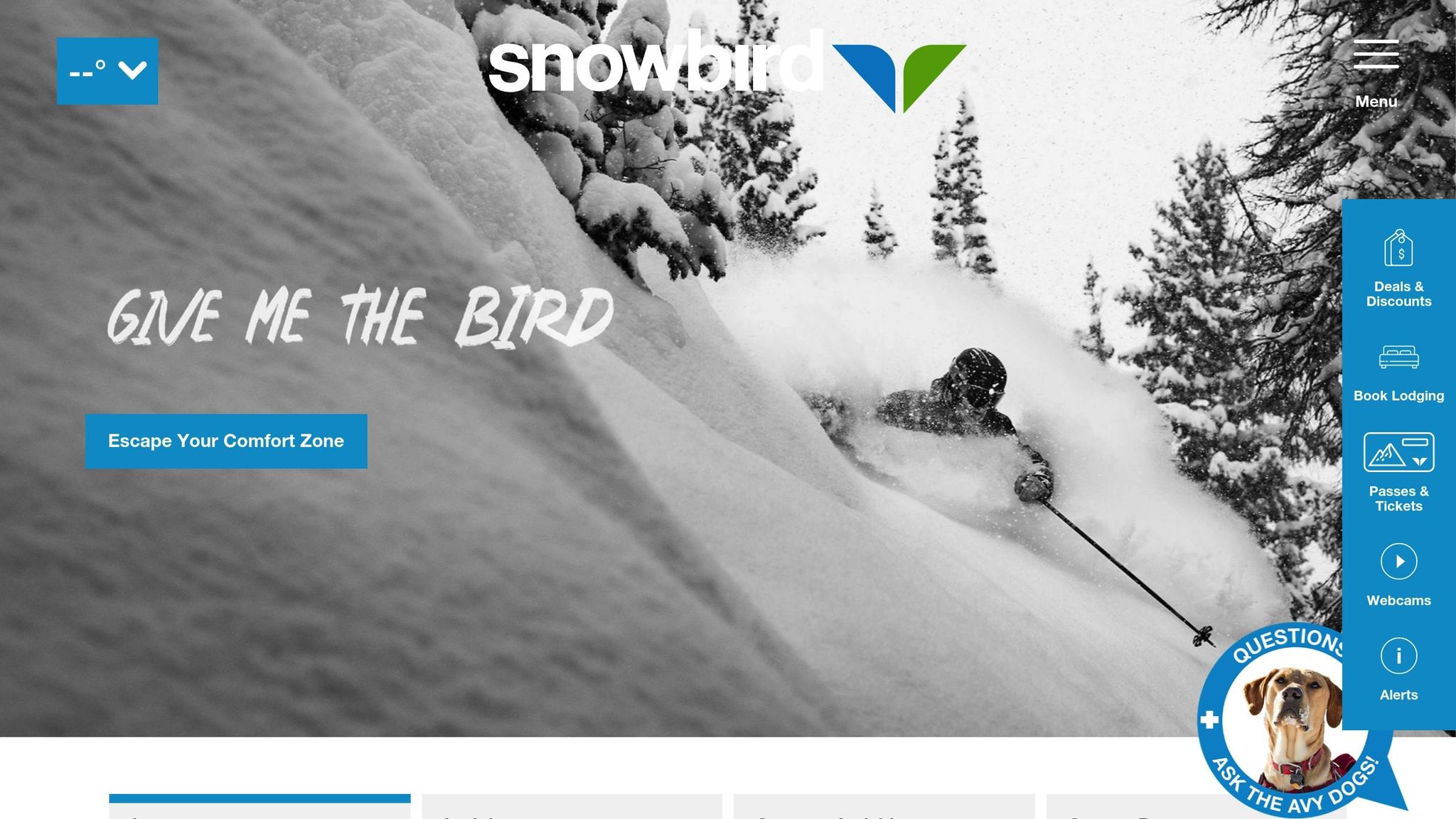
Nestled just down the canyon from Alta, Snowbird is a powder-lover's dream. With its deep snow and incredible terrain, it’s a must-visit spot in 2026.
Annual Snowfall and Powder Conditions
Snowbird gets dumped with tons of snow every year, and it’s not just any snow. It’s that light, dry powder that’s perfect for carving smooth turns or making quick moves. If you’re chasing the ultimate powder day, this is the place to be.
Terrain Variety
No matter your skill level, Snowbird has something for you. Beginners can ease into the sport on dedicated zones, while seasoned pros can take on steep chutes, wide-open bowls, and tree-filled glades. Prefer groomed trails or terrain parks? They’ve got those too. With so much variety, you’ll never run out of new lines to try or skills to sharpen. Plus, it’s the perfect playground to see what Snowfeet* can really do.
Suitability for Snowfeet* Gear
Snowbird’s terrain is no joke - it demands gear that can handle it all. Steep chutes and tight tree runs can be a nightmare with traditional long skis. But Snowfeet* gear? That’s where it shines. The POWDER (99 CM)* gives you effortless float, the Skiblades (65 CM)* offer quick balance on steep slopes, and the Skiskates (44 CM)* make navigating tight spots in the trees a breeze. It’s all about agility and control, and Snowfeet* delivers on both fronts.
6. Mt. Hood, Oregon
Mt. Hood is a skier’s dream, offering year-round skiing thanks to consistent snowfall and one of the longest ski seasons in North America.
Annual Snowfall
Every season, Mt. Hood gets an impressive 400–500 inches of snow across its resorts. Timberline Lodge alone sees about 430 inches annually, while Mt. Hood Meadows and Mt. Hood Skibowl also benefit from regular Pacific storms. With its towering 11,000-foot elevation, snow sticks around well into the summer, making it a rare gem for skiing enthusiasts.
Powder Conditions
Snow conditions on Mt. Hood depend on where you are on the mountain. At higher elevations, like Palmer Glacier, you’ll find the famously heavy "Cascade concrete" snow, which can be a challenge for traditional long skis. Mid-mountain areas often get 12–24 inches of fresh snow during storm cycles, creating prime conditions for shorter, more agile gear. While the snow here isn’t the light, fluffy powder you’d find in some other regions, its heavier texture provides stability and a dependable base for a variety of skiing adventures.
Terrain Variety
Mt. Hood’s terrain offers something for everyone. Beginners can enjoy gentle slopes, while advanced skiers can test their skills on steep backcountry chutes. Timberline Lodge gives access to Palmer Glacier for summer skiing, and Mt. Hood Meadows boasts 2,150 acres of terrain, including open bowls, tree runs, and well-groomed trails. The volcanic landscape adds a fun twist, naturally forming halfpipes, ridges, and drop-offs. Over at Mt. Hood Skibowl, night skiing and terrain parks let you sharpen your skills under the lights.
Suitability for Snowfeet* Gear
Mt. Hood’s diverse terrain and snow conditions are practically made for Snowfeet* gear. The POWDER (99 CM) handles the dense Cascade snow effortlessly, offering excellent float without the bulk of traditional powder skis. For weaving through the tighter tree runs at Mt. Hood Meadows, Skiblades (65 CM) provide quick and precise edge-to-edge control, making those narrow spaces a breeze.
When it comes to steep pitches and rugged terrain, Skiskates (44 CM) shine. Their compact size lets you pivot quickly around rocks and navigate tricky turns with ease. Plus, if you’re hiking to reach some of Mt. Hood’s backcountry spots, the lightweight design of Snowfeet* gear means less strain on the climb and more energy for the ride down.
sbb-itb-17ade95
7. Jackson Hole, Wyoming
Jackson Hole is legendary for its deep snow and terrain that challenges even the most experienced skiers. With consistent powder and jaw-dropping vertical drops, it’s a dream destination for winter sports lovers.
Annual Snowfall
Every year, Jackson Hole sees an impressive 459 inches of snowfall, paired with a staggering 4,139-foot vertical drop. Thanks to the unique geography of the Teton Range, storms frequently blanket the area with fresh snow, often overnight. This combination keeps the slopes in prime condition from mid-December to early April, making it a reliable spot for powder seekers.
Powder Conditions
Snow quality at Jackson Hole varies depending on where you are on the mountain. Higher elevations, like the iconic Corbet's Couloir, are known for light, dry powder due to colder temperatures and altitude. Mid-mountain areas, such as Casper Bowl and Saratoga Bowl, often hold untouched powder for days after a storm. As you head lower, the snow becomes slightly denser but still offers excellent float. From champagne powder up high to softer snow down low, the mountain serves up a mix of conditions that keep things interesting.
Terrain Variety
This resort is best suited for intermediate and advanced skiers who are looking for a challenge. Jackson Hole’s terrain includes the infamous Corbet's Couloir, which requires a daring drop to enter, and the wide-open Rendezvous Bowl, perfect for adrenaline-filled descents. For tree skiing fans, areas like Granite Canyon and Rock Springs Bowl offer thrilling glades, while the Hobacks provide rolling terrain with natural features to explore. Beyond its 2,500 acres of inbounds terrain, Jackson Hole also connects to Teton Pass, offering access to untouched backcountry powder for those craving even more adventure.
Suitability for Snowfeet* Gear
Jackson Hole’s demanding conditions are where Snowfeet* gear shines. The Snowfeet* POWDER (99 CM) is perfect for navigating deep powder bowls and tight tree runs, offering incredible control and agility. For steep chutes and narrow lines like those in Corbet's Couloir, the Snowfeet* Skiblades (65 CM) deliver precise edge control that’s hard to achieve with longer skis. And if you’re tackling varied snow conditions or heading into the backcountry via Teton Pass, the compact Snowfeet* Skiskates (44 CM) are a game-changer. Their lightweight design makes them easy to carry, while their versatility ensures smooth handling in all kinds of snow. Whether you’re carving through powder or exploring off-piste terrain, Snowfeet* gear is built to handle it all with ease.
8. Jay Peak, Vermont

When you think of powder-filled slopes, Vermont might not be the first place that pops into your head. But Jay Peak is flipping that script, delivering snowfall that can hold its own against some of North America's top powder destinations.
Annual Snowfall
Jay Peak has earned its spot among the snowiest resorts in North America. By April 21, 2025, the mountain had tallied an incredible 470 inches of snowfall for the 2024–25 season - a record-breaker for the resort. This impressive total landed Jay Peak as the #6 snowiest resort in North America for the season and marked the snowiest winter in the Northeast since 2016–17.
Powder Conditions
The powder at Jay Peak is nothing short of exceptional. With consistently cold temperatures in January and early February, the snow stays light, fluffy, and deep - perfect for skiers and snowboarders who crave those dreamy, uninterrupted runs.
Terrain Variety
Jay Peak’s terrain has something for everyone. Whether you’re into perfectly groomed trails or looking to explore off-piste areas, the mountain’s diverse offerings let skiers of all levels take full advantage of its abundant snowfall. And when it comes to gear, Snowfeet* is a game-changer here.
Why Snowfeet* Gear Works at Jay Peak
Snowfeet* gear is built for powder days like the ones Jay Peak serves up. The POWDER (99 CM)* provides incredible flotation and smooth turns, while the Skiblades (65 CM)* offer precise control and quick response. If you’re after something lightweight and nimble, the Skiskates (44 CM)* deliver an effortless ride. Unlike traditional long skis that can feel bulky in deep snow, Snowfeet* gear keeps you gliding with ease, turning every run into pure fun.
Jay Peak defies expectations, proving that the Northeast can deliver world-class powder days. It’s no wonder this mountain is a standout of the 2026 season.
Why Snowfeet* Works Better in Deep Snow
When it comes to tackling deep powder, Snowfeet* has some serious advantages over traditional gear. Its compact, lightweight design is a game-changer, making it easier to navigate through challenging terrain where longer skis might feel like a hassle.
Flotation and Quick Turns
Snowfeet* gear - like the Snowfeet POWDER (99 CM) and Skiblades (65 CM) - is built to keep you floating on top of the snow while letting you turn quickly and smoothly. This combination is perfect for deep powder, especially when you're weaving through tight spots or tricky terrain. The agility and control you get with Snowfeet* make it a solid choice for powder enthusiasts.
Easy to Carry for Backcountry Adventures
One of the standout features of Snowfeet* is its portability. The Mini Ski Skates (38 CM) are small enough to toss in your bag or trunk, making them ideal for heading off the beaten path. Whether you're exploring untouched powder or venturing into the backcountry, the lightweight and compact design means you won't be weighed down by bulky gear.
Works with Your Regular Gear
Another big plus? Snowfeet* works with the footwear you already have. Whether you're wearing winter shoes, snowboard boots, or ski boots, this gear fits right in. That means you can easily switch between resort skiing and exploring off-trail areas without needing a pile of extra equipment.
Less Weight, More Fun
Traditional gear can be exhausting to lug around, especially during long runs. Snowfeet* keeps things light, so you can focus on enjoying the ride instead of battling fatigue. The lightweight design makes it easier to stay out longer and have more fun in the snow.
With Snowfeet*, deep powder becomes less of a challenge and more of an adventure.
Best Snowfeet* Tips for Each Resort
Every ski resort has its own vibe, snow quality, and terrain that pairs perfectly with a specific Snowfeet* model. Picking the right one can make all the difference in your performance and overall fun on the slopes. Here's a breakdown of what works best at some top spots:
Alyeska Resort, Alaska is known for its legendary deep powder. Start your day early to catch the freshest snow, and bring out the Snowfeet POWDER (99 CM). These are perfect for carving through tight tree runs where traditional skis might struggle.
Mt. Baker, Washington boasts incredible snowfall and wide-open bowls - ideal for honing your powder skills. The Skiblades (65 CM) shine here, offering better control in variable conditions. Stick to the accessible slopes to practice your turns, especially when visibility isn't great.
Timberline, Oregon on Mt. Hood is a year-round playground for skiers, making it a great spot to experiment with different Snowfeet models. During winter, try the Skiskates (44 CM) on groomed runs. Their nimble design helps you perfect quick, controlled turns on consistently smooth snow before tackling deeper powder.
Alta Ski Area, Utah is famous for its light, fluffy powder and its no-snowboard policy, which gives short skis a chance to shine. The Snowfeet PRO (50 CM) is a solid choice here. Its adjustable bindings let you tweak your setup to match the conditions. Start on easier runs to get a feel, then head for the steeper terrain as your confidence grows.
Snowbird, Utah offers high-altitude challenges and wide-open powder fields that are perfect for the Skiblades (65 CM). Their compact design makes steep chutes and technical runs more manageable while giving you great flotation in the deep stuff.
Mt. Hood, Oregon has multiple ski areas, but the Timberline Lodge region is a standout for the Snowfeet Mini Ski Skates (38 CM). These are great for mellow terrain and are super portable, making them a favorite for hiking to untouched snow. Their lightweight build means you can explore areas beyond the lifts with ease.
Jackson Hole, Wyoming is legendary for its steep and demanding terrain. This is where the Snowfeet POWDER (99 CM) truly shines. They’ll help you tackle iconic runs like Corbet’s Couloir with more control. Look for powder stashes in the trees to make the most of these short skis in constantly changing conditions.
Jay Peak, Vermont is a gem on the East Coast, known for its natural snowfall and tree skiing. The Skiblades (65 CM) handle the wetter, heavier snow here beautifully, giving you the control you need for quick, agile turns in glades and tighter spaces.
What’s great about Snowfeet gear is how portable it is. You can pack multiple models, toss them in your car, and adapt to the conditions as they change. Whether you're chasing powder or sticking to the groomers, there's a Snowfeet option to match your adventure.
How to Get the Most from Snowfeet* in Powder
If you're gearing up for a powder day with Snowfeet*, you're in for a unique experience. Thanks to their shorter, agile design, these compact skis offer a whole new level of control and maneuverability in deep snow - something traditional long skis can struggle with.
Pick the Right Model for Powder
Snowfeet* offers different models to suit various powder conditions:
- POWDER (99 CM): Ideal for deep snow, offering excellent flotation.
- Skiblades (65 CM): A versatile choice for mixed conditions.
- PRO (50 CM): Perfect for light powder and quick, nimble movements.
Once you've chosen your model, make sure your gear is ready to handle the elements.
Dress Smart for the Slopes
Layer up in clothing that keeps you warm but doesn’t restrict movement. Snowfeet* gear thrives on quick, dynamic movements, so mobility is key.
Prep Your Gear
Regularly wax the bases of your Snowfeet* and check the bindings for proper adjustments. For models like the Snowfeet PRO, adjustable bindings let you fine-tune your setup specifically for powder conditions, ensuring optimal performance.
Why Snowfeet* Shine in Powder
Unlike traditional skis, Snowfeet* are compact and lightweight, which means less resistance in deep snow. Their shorter length requires less effort to maneuver, so you can make quicker, more responsive turns. Plus, their design naturally keeps the tips close to the surface, eliminating the sinking feeling that often plagues longer skis.
Be Prepared for Backcountry Adventures
If you're heading off the beaten path, bring a 30–40L backpack stocked with essentials like safety gear, high-energy snacks, and a satellite communicator.
Maintenance Matters
After a day in the powder, clean your Snowfeet* thoroughly, especially around the bindings where snow can freeze overnight. Store them in a dry spot and check for any damage from backcountry obstacles. A little care goes a long way in keeping your gear in top shape.
Mastering Tight Terrain
One of the biggest advantages of Snowfeet* is their ability to navigate tight spaces, like tree runs, with ease. While traditional skis might struggle in these areas, the compact size of Snowfeet* lets you explore untouched terrain confidently.
Adapt to Changing Conditions
Powder isn't always consistent - it can range from fresh and fluffy to wind-packed and crusty. Snowfeet* handle these transitions like a champ. Their responsive nature allows you to adjust your technique on the fly, giving you the flexibility to tackle whatever the mountain throws at you.
With Snowfeet*, you're not just skiing; you're opening up a whole new way to experience the mountain. From tight tree runs to varying snow conditions, their design gives you the freedom to explore and enjoy powder like never before.
Conclusion: The Future of Powder Riding
Winter sports are shifting gears, and by 2026, compact and agile equipment is reshaping the way we enjoy the snow-covered peaks of America. Whether it’s the heavy snowfall of Alyeska Resort or the powdery slopes of Jay Peak, these destinations highlight how innovative gear is changing the game. The focus is moving away from bulky, traditional setups to sleeker designs that prioritize performance.
Take traditional skis, for instance - they’re great for stability on groomed trails. But when it comes to deep powder, Snowfeet* is proving that smaller, more compact gear can excel. With better maneuverability in tight spots and variable terrain, Snowfeet* gear thrives where conventional equipment struggles.
Another big win for Snowfeet*? Travel-friendliness. Traditional gear can be a hassle to store and transport, but Snowfeet* offers models like the 38cm Mini Ski Skates and the 99cm POWDER that are easy to pack without compromising on performance. Whether you’re heading out for a quick ride or a longer backcountry trip, this gear makes life simpler.
What’s even more exciting is how Snowfeet* is making winter sports more accessible. Compact gear opens up opportunities for everyone, from casual riders squeezing in a morning session to adventurers tackling multi-day powder trips.
From the untouched peaks of Alaska to the welcoming slopes of Vermont, this shift toward compact, high-performance gear is redefining powder riding. Snowfeet* is leading the charge, setting a new standard for how we experience winter’s best moments.
FAQs
How does Snowfeet gear perform compared to traditional skis and snowboards in deep powder?
Snowfeet gear brings a whole new vibe to hitting the slopes, especially if you're diving into deep powder. Their compact, lightweight design makes them super easy to handle, giving you the kind of control that lets you glide effortlessly and nail those sharp turns or quick stops - even when the terrain gets tricky. Forget the bulk of traditional skis or snowboards - Snowfeet keep things simple and smooth.
One of the standout perks? Versatility. Snowfeet gear feels like the perfect mix of skiing and skating, adding a fun, dynamic twist to your powder adventures. While traditional gear can feel a bit clunky in deep snow, Snowfeet keep you light, agile, and ready for anything. Whether you're carving through untouched powder or venturing off the main trails, Snowfeet make every run feel like a new adventure.
Which Snowfeet models work best for different terrains and snow conditions at the snowiest ski resorts?
Choosing the right Snowfeet model depends a lot on the terrain and snow conditions at your favorite resort. What sets Snowfeet apart is how versatile they are compared to traditional skis and snowboards.
If you're heading to resorts known for their deep powder, like Alyeska Resort in Alaska or Mt. Baker in Washington, Snowfeet mini skis are a fantastic pick. Their compact size and agility make gliding through fresh, powdery snow feel effortless. For places like Alta Ski Area or Snowbird in Utah, where the snow can shift between packed powder and fresh flakes, Snowfeet skiblades strike the perfect balance. They offer both stability and quick maneuverability, making them a blast to ride.
No matter where you go, Snowfeet gear is lightweight, easy to carry, and built to enhance your time on the slopes. They're a great choice for exploring some of the snowiest spots in the U.S. and making the most of your winter adventures.
What makes Snowfeet gear easier to travel with compared to traditional skis or snowboards?
Snowfeet gear is a breath of fresh air for anyone tired of lugging around bulky ski or snowboard equipment. Thanks to its compact and lightweight design, it easily fits into a backpack or carry-on. Forget about wrestling with oversized bags or dealing with roof racks - Snowfeet keeps things simple and hassle-free, even saving you from those pesky extra fees airlines love to charge.
This portability isn’t just convenient; it’s a total game-changer, especially if you’re heading to a resort packed with fresh powder. Whether you’re weaving through crowded airports or making your way to the lifts, Snowfeet gear makes moving around a breeze. And when you hit the slopes? It handles deep snow like a pro, giving you all the thrills of traditional gear without the logistical headaches.













Leave a comment
This site is protected by hCaptcha and the hCaptcha Privacy Policy and Terms of Service apply.