



















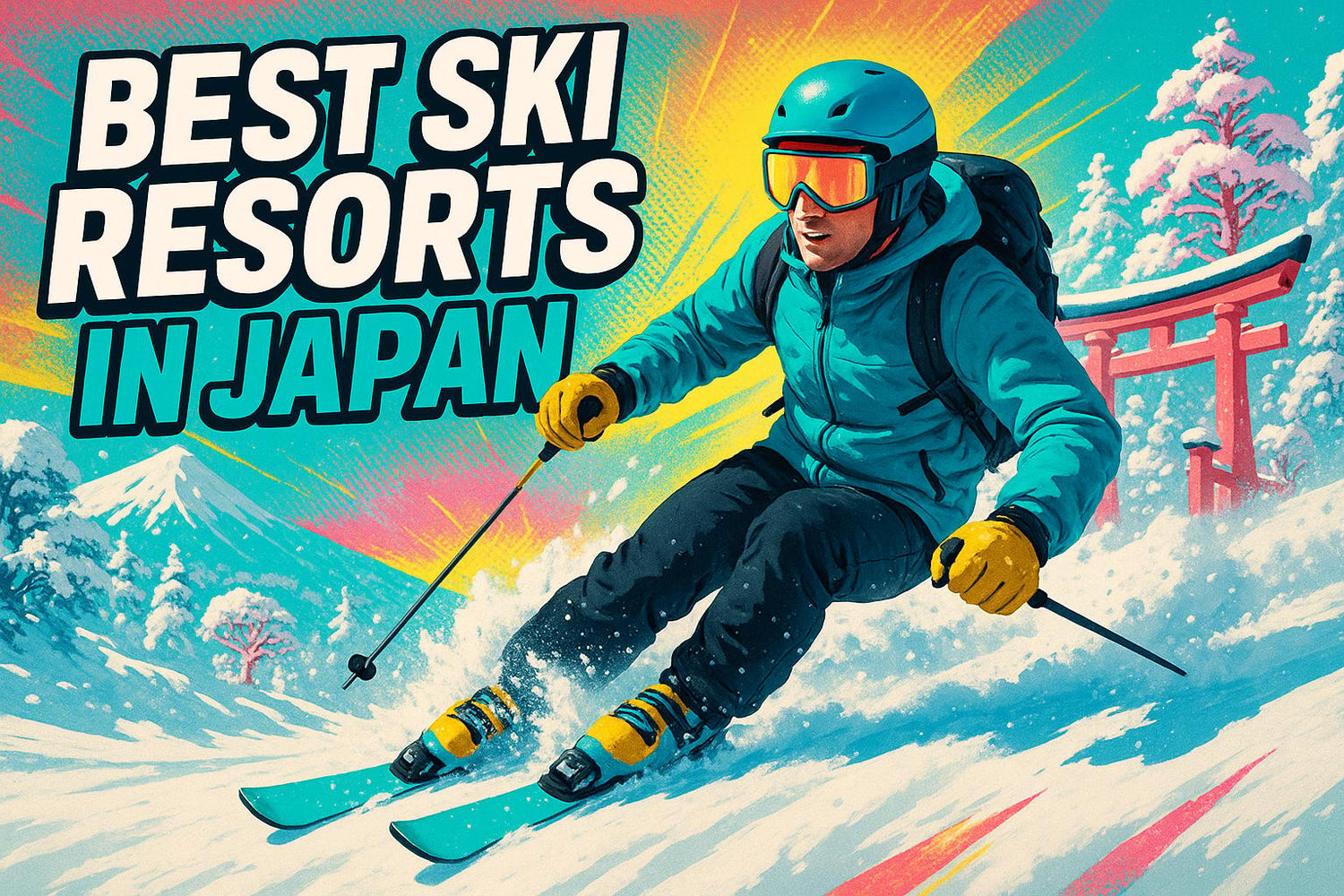
Japan’s ski scene is booming in 2026, with international visitors up 50% compared to 2023. If you’re into powder snow, efficient travel, and a mix of skiing and cultural experiences, Japan is your next winter destination. Resorts like Niseko, Hakuba, and Furano are drawing skiers from the U.S., Australia, and beyond, thanks to their light, dry snow (a.k.a. "Japow") and visitor-friendly services. Here’s the kicker: gear like Snowfeet - compact ski skates and short skis - makes traveling lighter, cheaper, and hassle-free.
Why Japan?
- Snow Quality: Light, dry powder perfect for all skill levels.
- Top Resorts: Niseko (English-friendly), Hakuba (accessible from Tokyo), Furano (local vibe).
- Travel-Friendly: Fast trains, English signage, and compact gear like Snowfeet.
- Budget Perks: Affordable lift tickets ($40–$63/day), strong USD to yen exchange rate, and lower costs compared to U.S. resorts.
Pro Tip: Book early (6–12 months ahead) for the best deals. And don’t miss après-ski activities like soaking in onsens, savoring local dishes, or visiting snow monkeys.
Ready for Japow? Let’s break down the best resorts and how Snowfeet gear can make your trip easier and more fun.
Why Japan Is a Must-Visit Ski Destination
Powder Snow and Terrain
Japan’s geography creates some of the world’s best powder snow - light, dry, and perfect for skiing. It’s a far cry from the heavier, wetter snow you might find in parts of Europe or North America. This kind of snow is ideal for compact Snowfeet* skiskates and short skis, which offer better control and floatation compared to bulkier traditional skis.
The terrain in Japan is just as varied as its snow. Whether you’re a beginner looking for gentle slopes to test out Snowfeet* Mini Ski Skates or an expert ready to tackle challenging bowls with Snowfeet* POWDER models, there’s something for everyone. Resorts range from sprawling, interconnected complexes to charming, smaller mountains. And while the snow and slopes are the main attraction, Japan also delivers smooth travel logistics and a chance to experience its rich culture.
Travel Convenience and Experiences
Japan’s ski resorts are increasingly visitor-friendly, with bilingual staff, clear English signage, and accommodations that cater to Western preferences, making it easy to get around and feel at home.
Getting to the slopes is a breeze thanks to Japan’s fast and reliable transportation system, which connects airports to ski resorts efficiently. Plus, Snowfeet* gear eliminates the hassle of oversized baggage fees and ski rentals - it’s compact enough to fit in your regular luggage.
When the day’s skiing is done, relax in an onsen (hot spring) or explore historic villages to soak in Japan’s traditions. These post-ski experiences make your trip even more memorable, setting the stage for what’s to come in 2026.
2026 Travel Benefits
Looking ahead to 2026, travelers can expect even more perks. Favorable exchange rates, streamlined visa processes, and pricing in US dollars make planning and budgeting easier. Early booking deals and the ability to skip recurring ski rental costs with Snowfeet* gear mean you’ll save money, too.
With a ski season stretching from December to April, Japan’s slopes fit perfectly into a North American winter sports schedule. It’s the ultimate destination for powder lovers and adventure seekers alike.
Top 10 Best Ski Resorts in Japan
Top Ski Resorts in Japan for International Travelers
Japan’s ski resorts offer a unique mix of incredible terrain and local charm, making them a favorite among international travelers. Pair that with the sleek design of Snowfeet* gear, and you’ve got the perfect recipe for an unforgettable skiing experience.
Niseko: The International Skier's Paradise
Niseko is hands-down Japan’s most popular ski destination, and for good reason. Known for its legendary powder and interconnected slopes, it’s a haven for skiers of all levels. What makes Niseko especially appealing to travelers from the U.S. is its English-friendly setup. With bilingual signs and staff who speak fluent English, navigating the resort is a breeze.
The slopes can get crowded during peak season (January through March), but that’s where Snowfeet* skiskates and short skis shine. Their compact design allows you to maneuver through busy areas with ease, offering precise control and sparing you from the hassle of bulky rentals.
Hakuba: Tokyo's Accessible Alpine Getaway
Just a quick 2-hour Shinkansen ride from Tokyo, Hakuba Valley is a prime choice for visitors looking for variety and convenience. This area is made up of multiple interconnected resorts, offering something for every skill level. Whether you’re a novice or a seasoned skier, Hakuba has you covered.
Snowfeet* skiblades are perfect for tackling Hakuba’s diverse slopes. Lightweight and easy to handle, they make it simple to transition between runs, letting you embrace the spontaneity of the mountain.
Furano: A True Japanese Ski Experience
For those craving a more local vibe, Furano is the place to be. Located on Hokkaido’s northern island, this resort is gaining popularity among international visitors, with arrivals up by 70% compared to last year.
"Furano, a local favorite, on the northern island of Hokkaido, is seeing the fastest growth in international arrivals - a 70% increase compared to last year."
Unlike larger, Westernized resorts, Furano offers a quieter, more traditional atmosphere, with fewer crowds and lower prices. The Snowfeet* POWDER models are a game-changer here, excelling in deep snow and tree runs. Their lightweight design also makes it easy to explore off-slope gems like onsen and local eateries, adding even more to your trip.
Rusutsu: A Powder Playground for Families
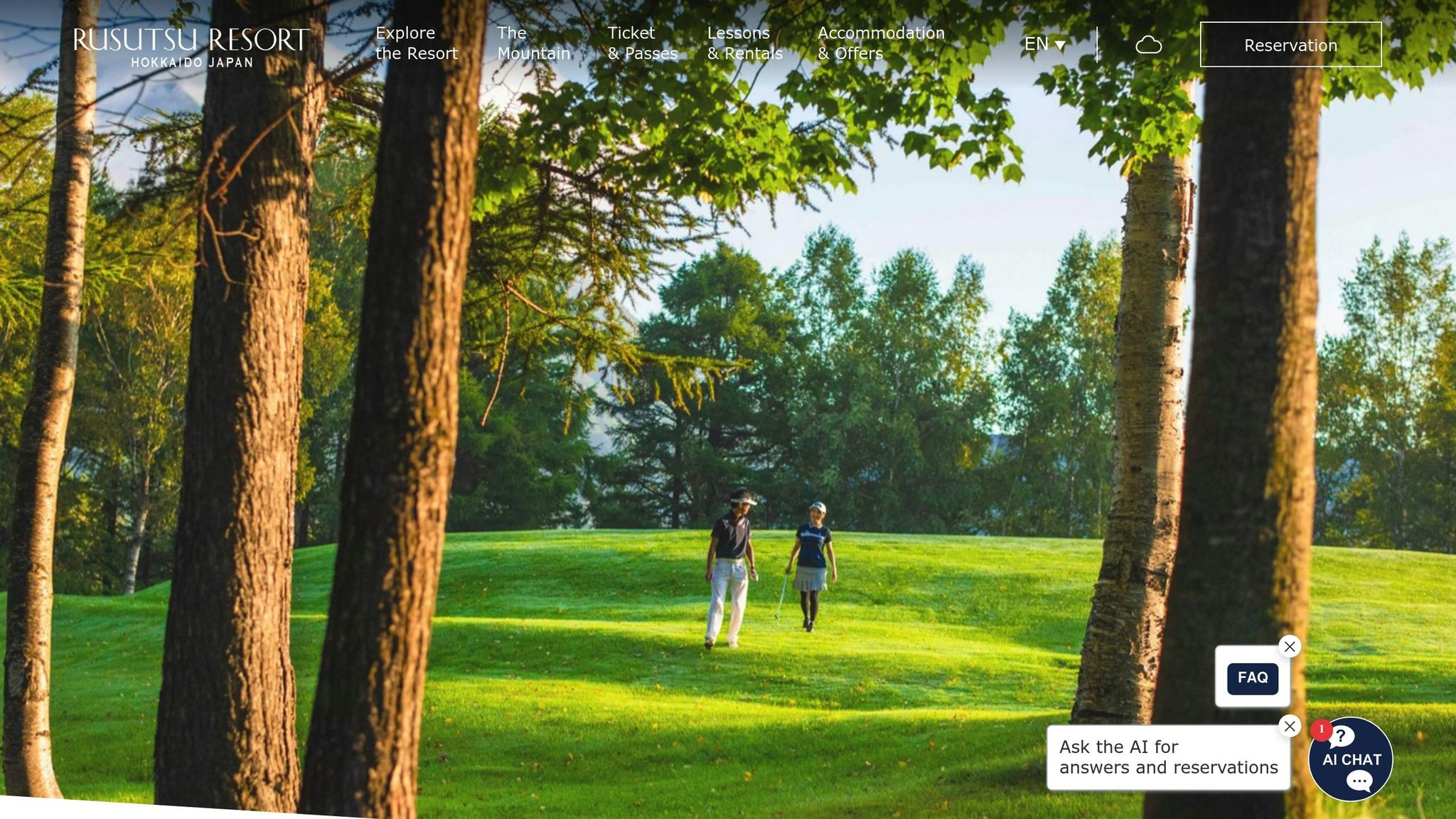
Rusutsu Resort is a dream for families. It combines excellent powder conditions with a layout and amenities that cater to all ages. From beginner-friendly slopes to activities for the kids, it’s a one-stop destination for family fun.
For younger skiers or those just starting out, Snowfeet* Mini Ski Skates are a fantastic choice. Compact and lightweight, they’re less intimidating than traditional skis and provide better control, helping new skiers build confidence on the slopes.
Shiga Kogen: A Vast Alpine Adventure
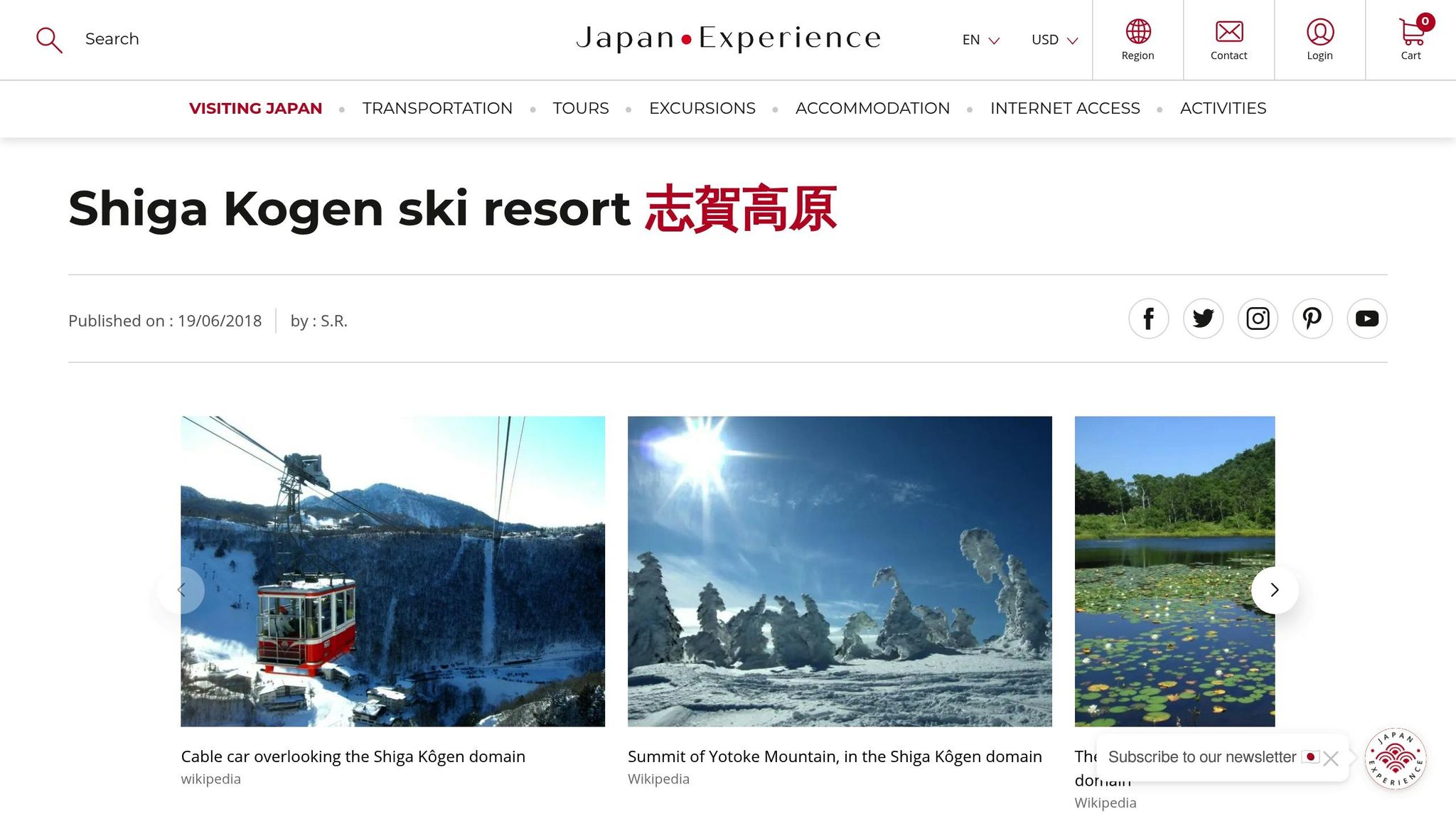
Shiga Kogen is the largest ski area in Japan, offering a wide range of snow conditions and terrain types in the heart of the Japanese Alps. Beyond the slopes, it’s a gateway to unique experiences like seeing the snow monkeys at Jigokudani Monkey Park or visiting historic temples and villages.
The varied terrain here, from wind-packed ridges to powder-filled bowls, calls for versatile gear. Snowfeet* Skiblades rise to the challenge, making slope transitions smooth and enjoyable. Plus, their portability means you can easily switch from skiing to exploring the area’s rich cultural attractions - all without missing a beat.
These resorts highlight why Snowfeet* gear is such a standout choice for skiing in Japan. Whether you’re navigating Niseko’s bustling slopes or soaking in Furano’s quiet charm, Snowfeet* products make every moment on and off the mountain more enjoyable.
Snowfeet* vs. Standard Skis: The Perfect Gear for Japan
When planning a ski trip to Japan, your choice of gear can make or break the experience. Between navigating travel logistics and tackling Japan’s famously varied snow conditions, having the right equipment is key. While traditional skis and snowboards have long been the go-to, Snowfeet* offers a compact and practical alternative that’s especially appealing for international travelers.
Portability and Travel Ease
Let’s face it - lugging traditional skis around isn’t exactly a breeze. With lengths ranging from 150 to 180 cm (59–71 inches), they’re bulky, awkward, and often come with hefty airline fees. Add in the hassle of navigating trains or buses, and it’s clear why traditional gear can be a headache.
Enter Snowfeet*. These mini ski skates measure just 38 cm (15 inches) and can easily slip into your carry-on. Even the longer models are designed to fit standard luggage. This means you can hop on the Shinkansen from Tokyo to Hakuba without wrestling oversized gear. The compact design not only makes travel a breeze but also ensures you’re ready to hit the slopes without unnecessary stress.
Performance Across Japanese Terrain
Japan’s slopes are legendary, thanks to their light, dry powder snow. Resorts like Niseko see over 26 feet of snowfall annually, offering a mix of gentle runs and challenging terrain. It’s a playground for skiers of all levels, but it also demands gear that can handle a variety of conditions.
Traditional skis shine on groomed runs, but Snowfeet* brings versatility to the table. Their compact size makes them ideal for everything from beginner-friendly slopes to more dynamic terrain. Plus, they’re compatible with regular winter boots, snowboard boots, or ski boots, so you can switch seamlessly between skiing and sightseeing. This flexibility is perfect for travelers who want to explore both the slopes and the culture without skipping a beat.
Cost Savings and Convenience
Another big win for Snowfeet* is the potential to save money. Instead of shelling out $35–$50 a day for rentals, you can invest in Snowfeet* gear starting at $250. Over time, this can add up to significant savings, especially for frequent travelers.
Japan’s traditional accommodations, like ryokans or smaller hotels, often have limited storage space. Snowfeet* products are compact enough to fit easily into these settings, making them a practical choice. Many users also praise how simple it is to get started with Snowfeet*, making them a great option for families or beginners.
Whether you’re prioritizing easy travel, versatile performance, or saving money, Snowfeet* offers a smart alternative to traditional skis and snowboards. It’s gear designed with the modern traveler in mind, perfectly suited for the unique demands of a Japanese ski adventure.
sbb-itb-17ade95
Choosing the Right Snowfeet* Product for Your Trip
With seven different Snowfeet* models to choose from, finding the perfect match depends on your skill level, travel plans, and the type of resorts you’ll visit. Each model is designed to make the most of Japan's diverse slopes, ensuring you don’t have to sacrifice performance or convenience.
Snowfeet* Mini Ski Skates and PRO Models
The Mini Ski Skates, priced at $250 and measuring 15 inches, are a great pick for beginners. Their compact size makes them easy to pack in a carry-on, which is super handy if you’re hopping between resorts in areas like Honshu or Hokkaido. They’re perfect for groomed beginner slopes at family-friendly spots like Rusutsu or the gentler runs at Hakuba’s Happo-One. Plus, they work with standard winter shoes, so you can ski and explore without the hassle of switching footwear.
If you’re traveling with kids or hitting multiple resorts, the Snowfeet* PRO model might be a better fit. At 20 inches (50 cm) and $275, it offers more stability while still being portable. Its adjustable bindings accommodate various boot sizes, making it a solid choice for families or groups.
Skiblades and Skiskates
For intermediate and advanced skiers, the Skiskates, measuring 17 inches (44 cm) and starting at $575, are a great option. They’re built for more challenging terrain, like the steeper slopes of Niseko or off-piste adventures in Hakuba.
The Skiblades come in two lengths: 26 inches (65 cm) for $635 and 39 inches (99 cm) for $675. The shorter Skiblades shine in terrain parks, such as those at Hakuba Parks, while the longer ones are ideal for high-speed carving on groomed runs. If you’re planning an extended stay at larger resorts like Shiga Kogen, where there’s a mix of terrain, these might be your go-to.
Snowfeet* POWDER and Short Skis
If you’re chasing that legendary deep snow, the Snowfeet* POWDER model is your best bet. At 39 inches (99 cm) and $675, it’s built for powder and performs beautifully at spots like Niseko or the backcountry trails around Furano during peak snowfall.
For those who want something closer to traditional skiing but still crave the agility Snowfeet* products offer, the Short Skis are a standout. Measuring 47 inches (120 cm) and priced at $775, they provide versatile, all-mountain performance. Whether you’re tackling Hakuba’s varied slopes or exploring the expansive terrain at Shiga Kogen, these skis can handle it all.
When choosing the right model, think about balancing performance with practicality. If you’re flying domestically within Japan or planning a ski-focused trip with minimal resort changes, the longer models might be worth it. But if your trip includes exploring cities like Tokyo or Kyoto alongside skiing, the shorter, more portable options are a smart choice for navigating Japan’s efficient transportation system.
Here’s a quick comparison to help you decide:
| Model | Length | Price | Best For | Ideal Japanese Resorts |
|---|---|---|---|---|
| Mini Ski Skates | 15" (38 cm) | $250 | Beginners, multi-resort trips | Rusutsu, Hakuba beginner areas |
| PRO | 20" (50 cm) | $275 | Families, versatile travel | All resorts, especially family areas |
| Skiskates | 17" (44 cm) | $575+ | Intermediate skiers, parks | Hakuba Parks, Niseko groomed runs |
| Skiblades 65 cm | 26" (65 cm) | $635+ | Advanced skiers, carving | Terrain parks, groomed slopes |
| Skiblades 99 cm | 39" (99 cm) | $675+ | High-speed skiing | Shiga Kogen, large resort areas |
| POWDER | 39" (99 cm) | $675+ | Deep powder conditions | Niseko, Furano backcountry |
| Short Skis | 47" (120 cm) | $775 | All-mountain performance | All resorts, varied conditions |
No matter which Snowfeet* model you choose, you’ll be equipped to enjoy Japan’s incredible slopes while keeping things practical and portable.
Experiences and Après-Ski Activities
After carving through Japan's snowy slopes with Snowfeet* gear, there's a whole world of experiences waiting for you beyond the mountain. Japan’s ski resorts offer more than just great runs - they’re a gateway to local traditions and unforgettable activities. From soaking in natural hot springs to savoring regional dishes or exploring charming villages, there’s something for everyone.
Onsen Etiquette and Top Spots to Relax
Nothing beats a soak in an onsen after a day on the slopes. These natural hot springs are a must-try and offer the perfect way to relax those tired muscles - especially after skiing with Snowfeet* gear. Many resorts feature both modern spa facilities and traditional onsens with stunning views. But, there’s a bit of etiquette to keep in mind. Be sure to wash thoroughly before entering the communal baths, leave your towels in the designated areas, and keep your voice low to maintain the tranquil atmosphere. It’s more than just a soak - it’s a chance to embrace a cherished part of Japanese culture.
Savoring Regional Delights and Sake
Japan’s ski regions are a foodie’s paradise. Think fresh seafood, hearty noodle dishes, and warming stews made with locally sourced ingredients. And let’s not forget the sake! Many areas offer brewery tours and tasting sessions where you can sample this iconic rice wine and learn about the traditional brewing process. Thanks to the portability of Snowfeet* gear, hopping from the slopes to a cozy eatery or sake tasting is a breeze.
Snow Monkeys and Timeless Villages
For those looking to mix in a bit of exploration, Japan’s ski regions are full of surprises. Picture this: snow monkeys soaking in steaming hot springs, surrounded by snowy landscapes. Or, take a stroll through historic villages where traditional wooden architecture and seasonal festivals showcase Japan’s rich heritage. With Snowfeet* gear, you can seamlessly switch from mountain adventures to cultural outings without lugging around bulky equipment. Whether you're watching wildlife or wandering through storybook streets, every moment feels like stepping into a postcard.
Practical Tips for US Travelers
Planning a ski trip to Japan? With its efficient transport, accessible resorts, and the strong US dollar against the yen, Japan offers an appealing alternative to pricier European and North American ski destinations. Here's how to make the most of your trip.
Currency and Budgeting
Cash is still king in Japan, especially at mountain restaurants where card payments often aren’t an option. Before heading out with your Snowfeet* gear, make sure you have enough yen for meals, snacks, and small expenses like locker rentals.
Here’s a quick breakdown of typical costs:
- Lift tickets: Around 4,000–5,000 yen per day (roughly $40–63 USD), much cheaper than most US resorts.
- Ski gear rentals: If you need to rent traditional equipment, expect to pay 3,000–5,000 yen per set (about $30–50 USD). With Snowfeet*, you can skip this cost entirely.
- Accommodation: Prices range from $100 to $950 USD per night, depending on your choice of lodging.
- Meals: Expect to spend about 2,000 yen per person per meal (around $13 USD).
- Ski lessons: Roughly 20,000 yen per hour (approximately $135 USD).
For currency exchange, stick to major banks, post offices, or 7-Eleven ATMs, which are widely available and accept most US cards. While many hotels and larger establishments take credit cards, always carry cash as a backup. To save money, book accommodations and lift passes 6–12 months in advance for popular resorts.
Packing and Weather Considerations
Japan's winter weather can vary depending on the region and elevation. Temperatures at ski resorts typically range from about 14°F to 32°F (–10°C to 0°C), with higher elevations being colder. Northern spots like Niseko are generally chillier than central areas like Hakuba.
Pack smart. Here’s what you’ll need:
- Moisture-wicking base layers
- Insulating mid-layers
- Waterproof outerwear
- Waterproof gloves, a warm hat, and quality goggles for changing light conditions
Although Japanese powder is famously dry, occasional storms can bring wetter snow. Be prepared for both. Snowfeet* gear easily fits in your regular luggage, leaving room for warm clothes and souvenirs.
Don’t forget essentials like a portable phone charger (cold weather can drain batteries fast), hand and foot warmers (available at convenience stores), and your own ski socks for extra comfort. With your packing sorted, you’ll be ready to tackle Japan’s efficient transport system.
Travel Logistics and Communication
Japan’s transportation system is a marvel, but it can be a little tricky to navigate at first. Download Google Translate (offline mode) to help with signs and menus.
Most ski resorts are reachable via train and bus combos from major cities. If you’re using a JR Pass, it covers most trains, but some resort shuttle buses may require separate payment. Double-check your route, especially during storms when schedules might change.
To stay connected, rent a pocket WiFi device or grab a local SIM card. International roaming on US plans can be pricey and unreliable. While hotels and some restaurants offer free WiFi, mountain coverage can be spotty.
Knowing a few basic Japanese phrases like "arigatou gozaimasu" (thank you) and "sumimasen" (excuse me) can go a long way. English is more commonly spoken at international resorts like Niseko, but smaller locations may have limited support.
Always keep your passport on you - it’s required by law and handy for tax-free shopping. Many ski resorts also offer discounts for foreign visitors, so ask about deals when buying lift tickets.
"Ultimately, I've never scored harder on a trip than I did on this one. The snow was unbelievable throughout, never crowded, with a wide range of terrain and options for at least some fresh turns on nearly every run, if not powder from top to bottom. Combining that with the unbelievably good food, the beautiful culture, the onsens, and the fact that resorts are so affordable, I'm already scheming on a way to get myself back there next year." - Brent Rose
With thoughtful planning and the right gear - like Snowfeet* products - your ski trip to Japan can be seamless and budget-friendly. Thanks to favorable exchange rates, efficient transport, and legendary snow, Japan is shaping up to be a top destination for US skiers in 2026.
Conclusion: Plan Your 2026 Japan Ski Adventure
Japan is shaping up to be a must-visit ski destination for U.S. travelers in 2026. Imagine world-class powder snow, affordable lift tickets, and an adventure packed with unforgettable experiences. With the current favorable exchange rate between the U.S. dollar and the Japanese yen, your budget can stretch further, giving you more bang for your buck on and off the slopes. The combination of incredible snow quality and rich local culture makes Japan a standout choice for your next ski trip.
Each resort in Japan brings its own unique vibe, adding to the overall appeal. Picture yourself unwinding in a steamy onsen after a day on the slopes, devouring mouthwatering regional dishes, and navigating the country with its famously efficient transportation system. It’s more than just a ski trip - it’s a full-blown winter adventure.
And here’s where Snowfeet* changes the game. Forget lugging around heavy, traditional ski gear. Snowfeet* offers lightweight, compact equipment that’s perfect for Japan’s diverse terrain. Whether you’re hopping between resorts or squeezing in some cultural sightseeing, Snowfeet* makes it easy. Their gear fits snugly into a backpack, letting you chase fresh powder or explore new mountains without the hassle of bulky equipment. It’s the ultimate blend of convenience and performance, tailor-made for Japan’s slopes.
Ready to make it happen? Start planning now. Book your accommodations 6–12 months ahead to snag the best deals, research your favorite resorts, and download handy travel apps like Google Translate to make your trip smoother. And don’t forget to upgrade your gear to Snowfeet* for a stress-free, portable experience.
With unbeatable exchange rates, jaw-dropping snow, and the flexibility of lightweight gear, 2026 is the perfect year to see why Japan is becoming a top ski destination. Your powder-filled Japanese adventure is waiting - Snowfeet* will make sure it’s as seamless as it is unforgettable.
FAQs
Why is Snowfeet gear a better choice for skiing in Japan compared to traditional skis and snowboards?
Snowfeet gear is a game-changer for skiing in Japan, thanks to its lightweight build, compact size, and all-around usability. Unlike bulky skis or snowboards, Snowfeet are small enough to toss in a bag, making them ideal for Japan's efficient public transport and snug, charming ski resorts.
The design makes gliding through Japan's legendary powder snow a breeze, whether you're cruising down open slopes or weaving through tree-lined trails. Plus, they're beginner-friendly, with a learning curve that's much shorter than traditional ski gear. Whether you're charging down steep runs or just taking it easy, Snowfeet offers a low-stress, high-fun way to embrace Japan's one-of-a-kind ski scene.
How does the strong US dollar affect the cost of skiing in Japan for Americans in 2026?
A strong US dollar in 2026 makes skiing in Japan much easier on the wallet for American travelers. A typical 7-day ski trip in Japan might cost anywhere from ¥250,000 to ¥800,000, which is roughly $1,665 to $5,335 USD. The actual price depends on your travel style and preferences. Thanks to a favorable exchange rate, your money can stretch further - whether you’re booking accommodations, buying lift tickets, or enjoying the local food scene.
This means you can hit Japan’s top-tier ski destinations, like Niseko or Hakuba, without feeling like you’re breaking the bank. And here’s a bonus tip: using compact gear like Snowfeet skiblades or skiskates can help you avoid hefty baggage fees, making your trip even more budget-friendly!
What are the best après-ski activities in Japan to enjoy the culture off the slopes?
Japan has some unforgettable après-ski experiences that go way beyond the slopes. After carving through powder all day, why not unwind in a traditional onsen (hot spring)? These hot springs, often tucked inside charming ryokans (Japanese inns), let you soak in mineral-rich waters while taking in breathtaking winter views. It’s the ultimate way to relax those tired muscles.
Feeling hungry? Dive into the local flavors with a steaming bowl of ramen, fresh sushi, or a bubbling hot pot like sukiyaki or shabu-shabu. Ski towns are also home to cozy izakayas (Japanese-style pubs), where you can sip on warm sake and nibble on local treats. It’s a perfect mix of good food, good vibes, and a chance to experience Japan’s warm hospitality off the slopes.













Leave a comment
This site is protected by hCaptcha and the hCaptcha Privacy Policy and Terms of Service apply.