
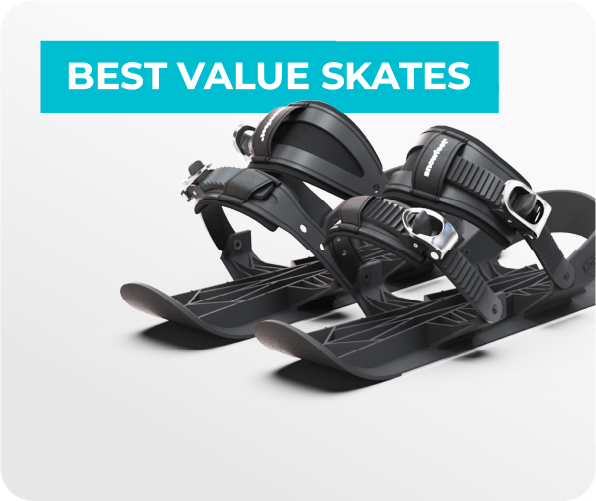
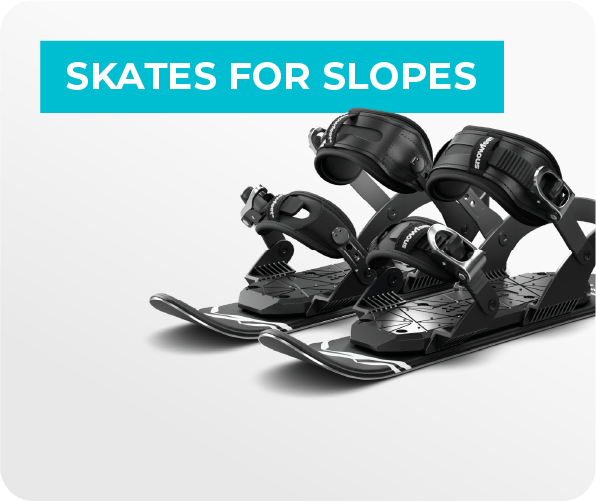
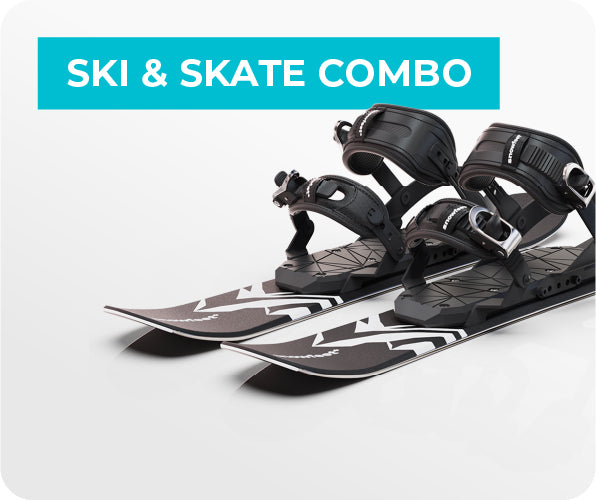
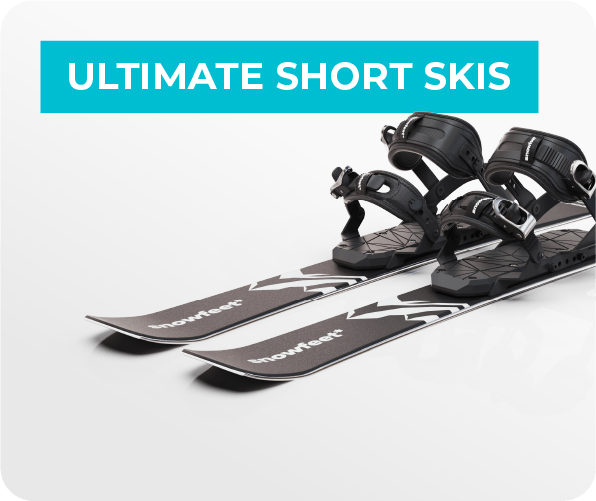
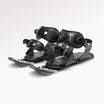
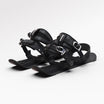
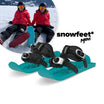
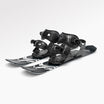
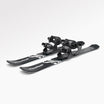
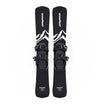
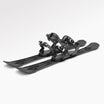
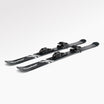
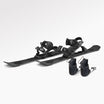
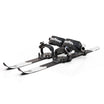
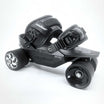
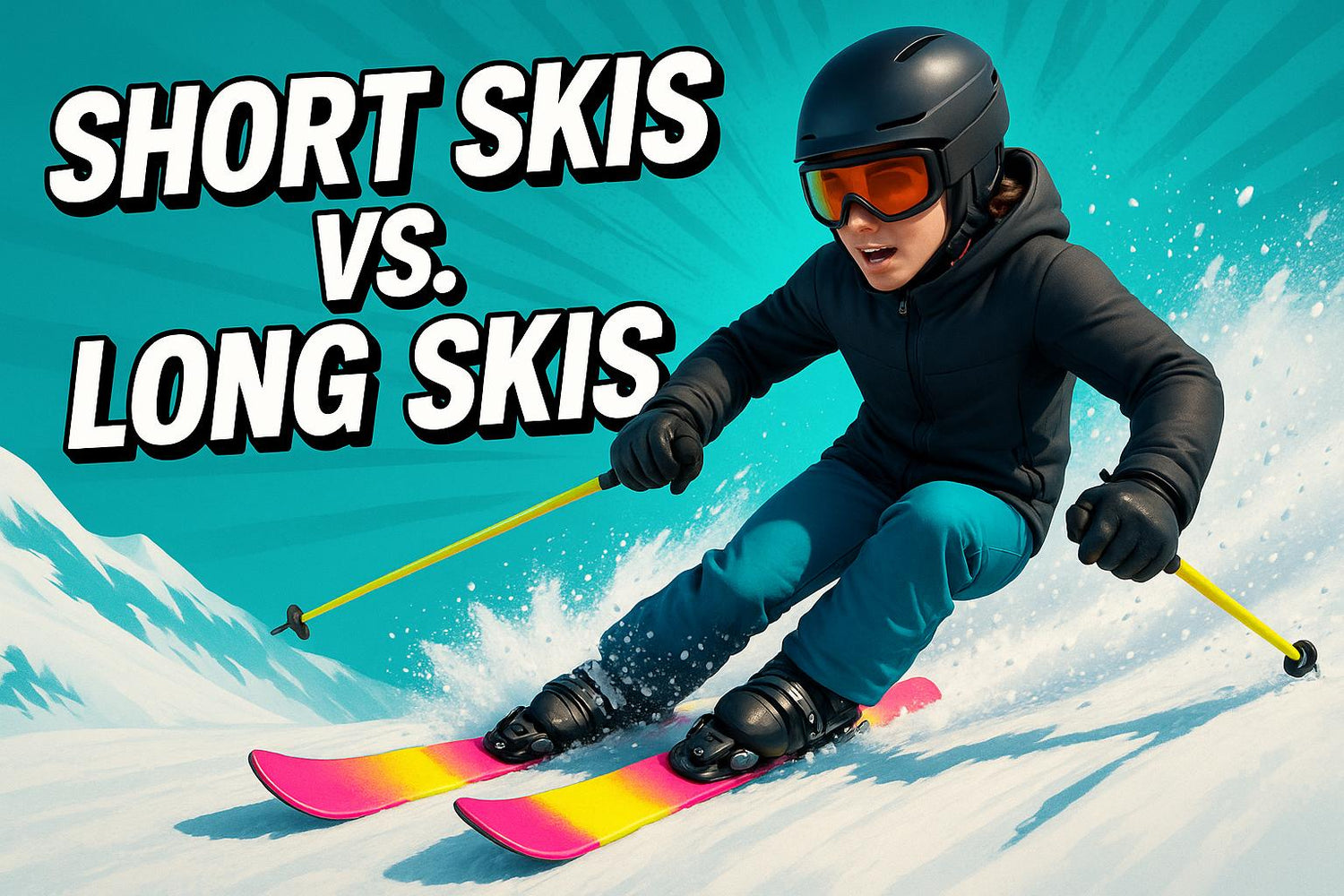
Short skis are changing the game in 2026, offering a lightweight, easy-to-use alternative to the traditional longer options. If you’re wondering whether to go short or stick with long skis, here’s the quick rundown:
- Short Skis (38–120 cm): Easy to carry (fits in a backpack), beginner-friendly, and great for tight turns or casual slopes. They’re less stable at high speeds but perfect for most recreational skiing. Bonus: They work with regular winter boots.
- Long Skis (160–200 cm): Better for high-speed stability, deep powder, and wide, sweeping turns. But they’re heavier, harder to maneuver, and take more effort to master.
Quick Takeaway: If you’re all about convenience, agility, and having fun without overthinking it, short skis like Snowfeet’s lineup are a solid pick. But if speed and powder are your thing, long skis might still be your go-to.
Quick Comparison
| Feature | Short Skis (38–120 cm) | Long Skis (160–200 cm) |
|---|---|---|
| Portability | Fits in a backpack | Requires ski bag |
| Ease of Use | Beginner-friendly | Steeper learning curve |
| Stability | Moderate speeds | High speeds |
| Terrain | Tight trails, groomed runs | Powder, open slopes |
| Price Range | $190–$775 | $400–$1,200+ |
Snowfeet's short skis are a standout option, with models like Mini Ski Skates and Skiblades offering versatility and fun for everyone, from beginners to seasoned skiers. Whether you’re looking to simplify your gear or try something new, short skis are worth considering.
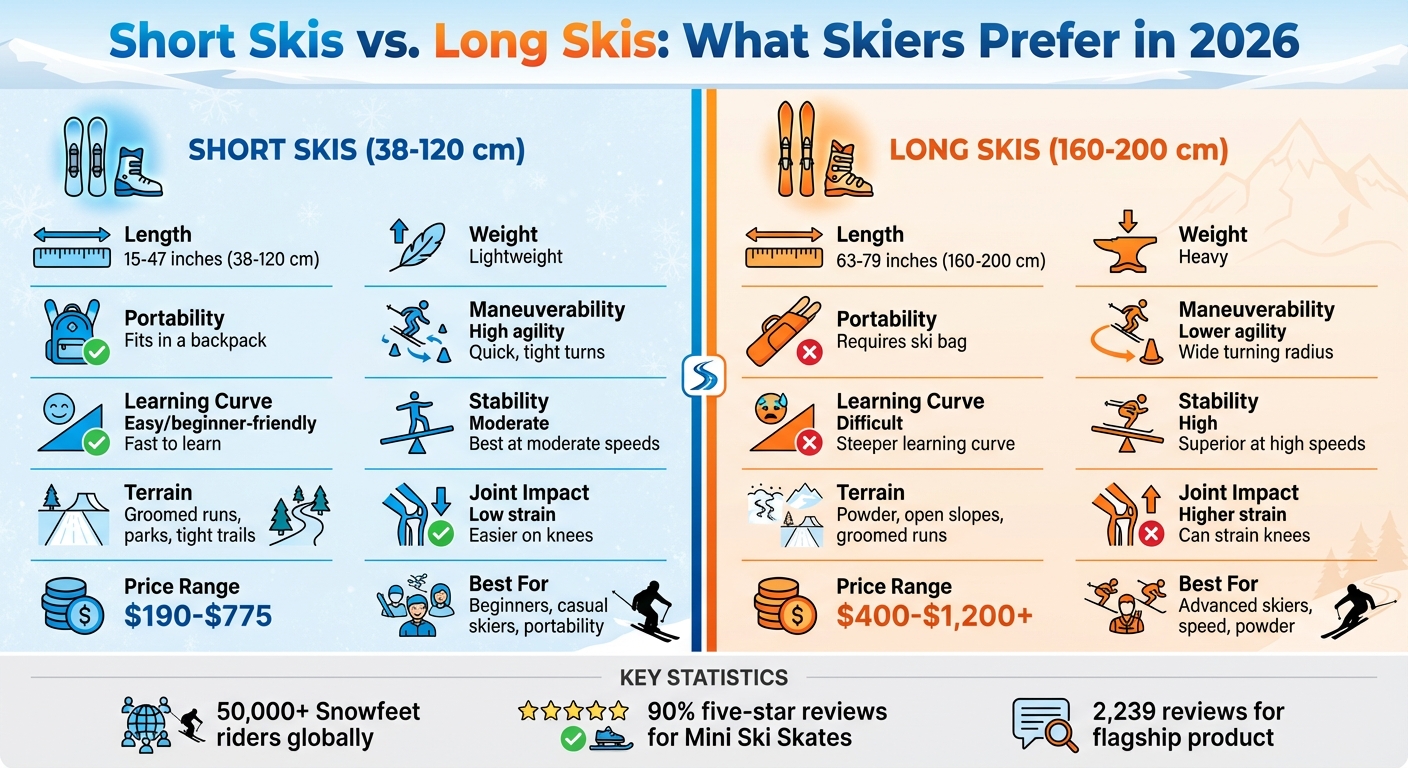
Short Skis vs Long Skis: Complete Comparison Guide 2026
Short Skis vs. Long Skis
Long Skis: Pros and Cons
Long skis - usually measuring between 63 and 79 inches (160–200 cm) - continue to hold their ground on the slopes. They’re often favored for specific skiing styles and conditions. Let’s break down what makes them tick, as well as where they might fall short, especially when compared to the rising popularity of shorter skis.
Benefits of Long Skis
One thing long skis excel at is stability at high speeds. As Snowcountry explains:
The longer the ski, the more stability at high speed.
If you’re cruising down groomed runs or carving through wide-open terrain, that extra length helps minimize chatter. This stability is a big plus for advanced skiers who enjoy long, sweeping turns.
Another major perk? Better flotation in deep powder. Thanks to their larger surface area, long skis make it easier to stay on top of fresh powder or heavy slush with less effort.
Long skis also shine in rough conditions. They absorb vibrations in uneven snow, like crud or spring slush, giving you a smoother ride. As Capercaillie notes:
The big advantage to length IMO is how smooth long skis are over rough spring snow, and snow that has seen a lot of traffic. I can point my 220cm skis down a post-holed trail and it feels perfectly smooth.
Lastly, the longer effective edge provides a better grip on hard-packed snow, requiring less angulation to hold an edge.
Drawbacks of Long Skis
However, long skis have their downsides. Maneuverability is a challenge. They take more effort to turn, have a wider turn radius, and can feel clunky in tight spots like tree runs or narrow chutes.
This reduced agility also makes them harder to master. The steeper learning curve can strain your knees and joints, leaving you more fatigued after a full day on the mountain. So, while long skis deliver in certain conditions, they’re not the most forgiving option for everyone.
Short Skis: Pros and Cons
In 2026, short skis (ranging from 15–47 inches or 38–120 cm) are shaking things up in the skiing world. They’re lighter, easier to handle, and bring a fresh level of agility to the slopes. But, like anything, they come with their own set of pros and cons.
Benefits of Short Skis
One of the standout perks of short skis is how maneuverable they are. Thanks to their shorter turning radius, they’re quick to respond - perfect for weaving through trees or tackling tight, steep slopes. Whether you’re a beginner finding your groove or a seasoned skier navigating tricky terrain, this added agility can make skiing feel more intuitive.
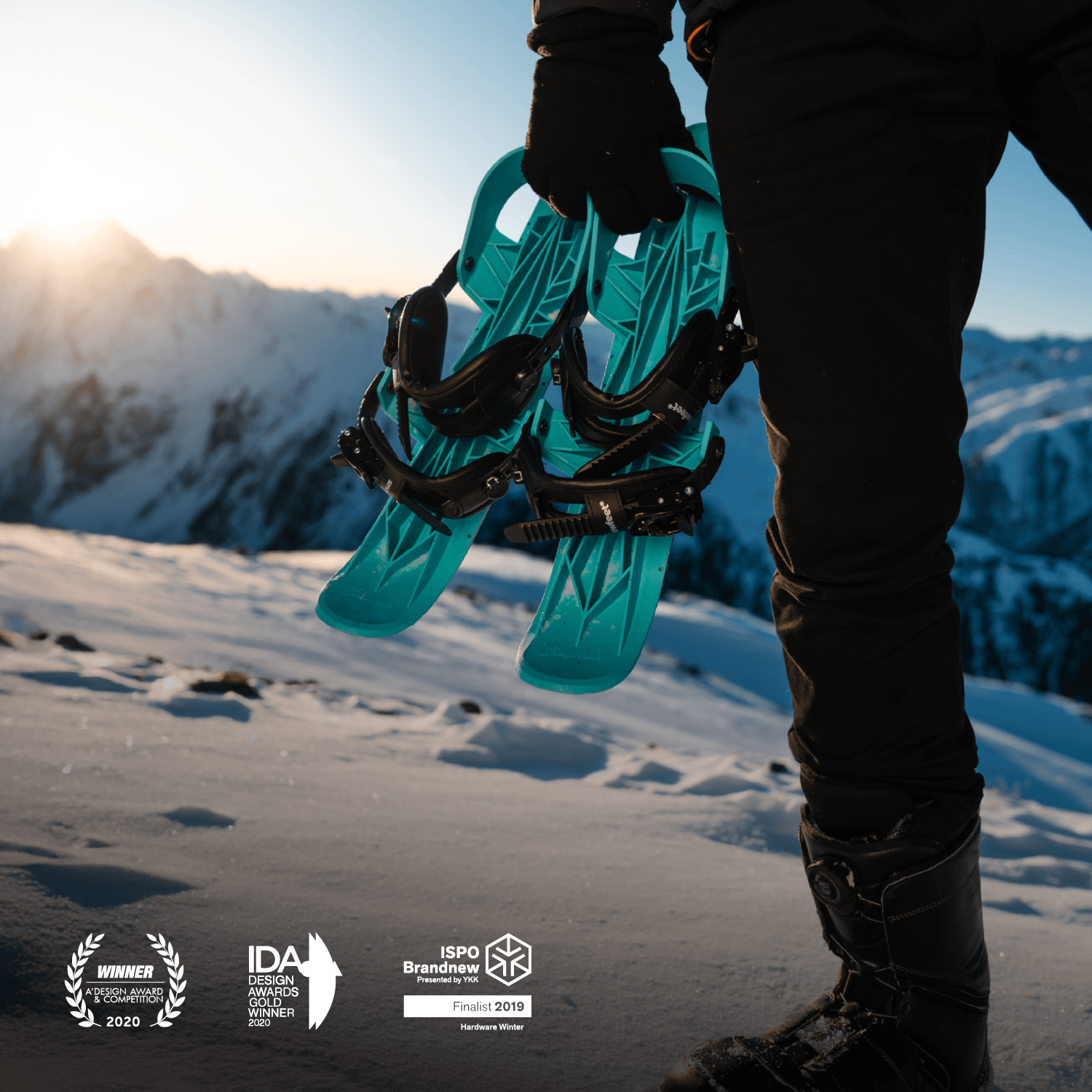
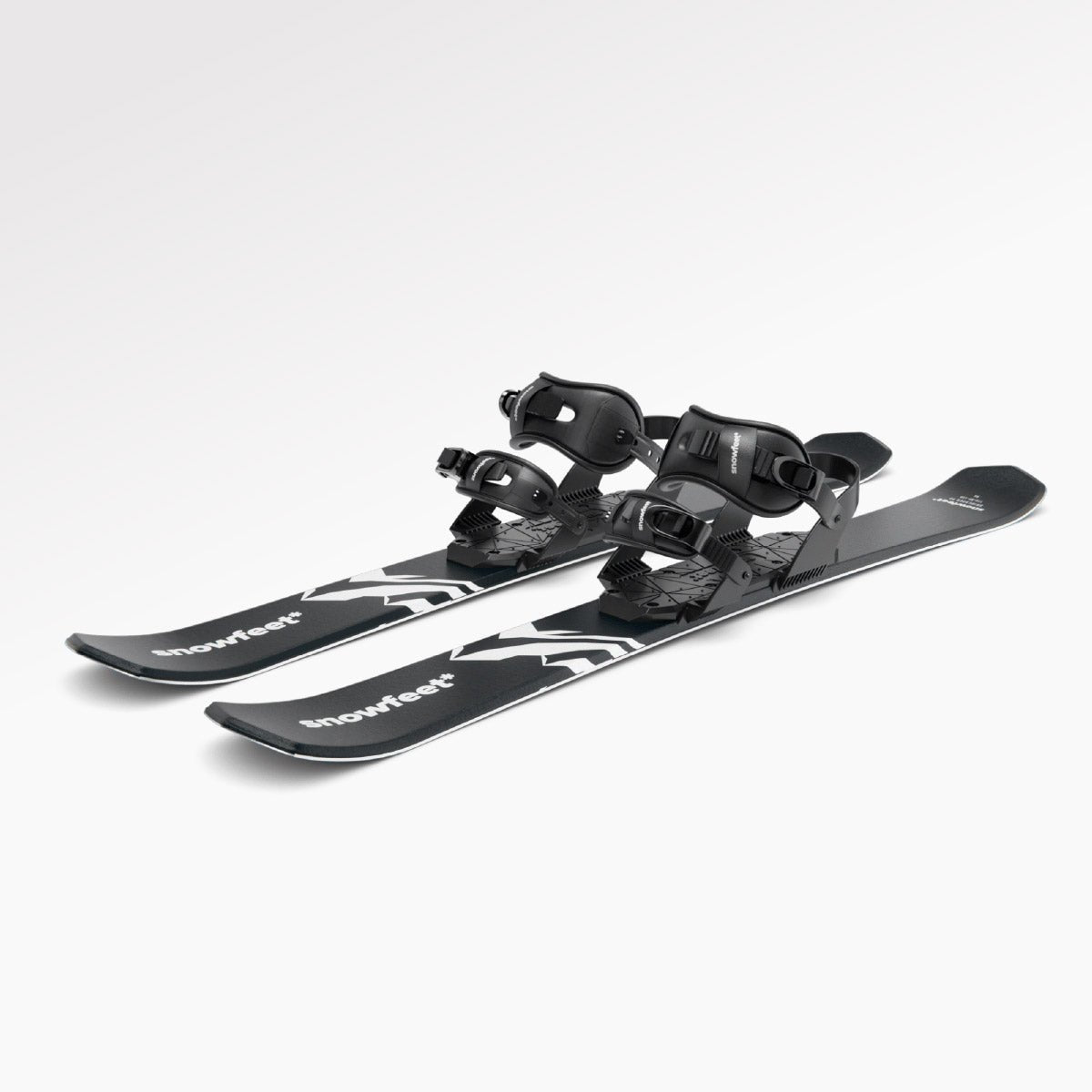
Portability is another big win. Short skis are compact enough to fit into a backpack, which makes them a dream for adventurers heading off the beaten path. Products like Snowfeet* are designed with portability in mind, making it easier to explore remote spots without lugging around bulky gear.
They’re also easier on your body. Controlling short skis takes less effort, which can reduce strain on your knees and joints. As the Snowfeet Team puts it:
"Short skis help you to enjoy skiing in every age and despite possible health issues."
For beginners, short skis offer a smoother learning experience. They’re more forgiving, helping to build confidence and minimize falls. Even experienced skiers returning after a break often find short skis less intimidating and easier to handle.
Short skis aren’t just about ease - they’re versatile too. Their lightweight design makes them great for uphill travel during backcountry tours, and their nimbleness shines in deep powder, allowing for quick, sharp turns. They’re compatible with regular winter footwear or snowboard boots, and they perform well at slower speeds, offering stability when you’re taking it easy on the slopes.
Of course, these benefits come with some trade-offs.
Drawbacks of Short Skis
Short skis aren’t without their limitations. At very high speeds, they can feel less stable compared to their longer counterparts, though they still maintain solid control at moderate speeds. In deep powder, their smaller surface area can make it harder to stay afloat compared to longer skis. For those used to traditional skis, the rockered design of short skis might take some getting used to, although products like Snowfeet* are designed to be user-friendly and responsive.
Long Skis vs. Short Skis: Comparison Table
| Feature | Short Skis (Snowfeet*) | Long Skis (Traditional) |
|---|---|---|
| Length | 15–47 inches (38–120 cm) | Typically 63–79 inches (160–200 cm) |
| Weight | Lightweight and easy to carry | Generally heavy and bulky |
| Portability | Fits in a backpack | Requires a ski bag |
| Maneuverability | Highly agile with quick turns | Wider turning radius |
| Learning Curve | Fast and accessible | Steeper and more demanding |
| Joint Impact | Easier on knees and joints | Can strain knees |
| Speed Stability | Stable at moderate speeds | Superior at very high speeds |
| Powder Float | Optimized for specific widths | Often better in deep powder |
| Terrain Versatility | Excels in parks, trees, and backcountry | Suited for groomed runs and open terrain |
| Uphill Efficiency | Excellent for touring | More exhausting |
| Price Range | $190–$775 | Approximately $400–$1,200+ |
sbb-itb-17ade95
Snowfeet* Short Skis: A New Approach to Skiing in 2026
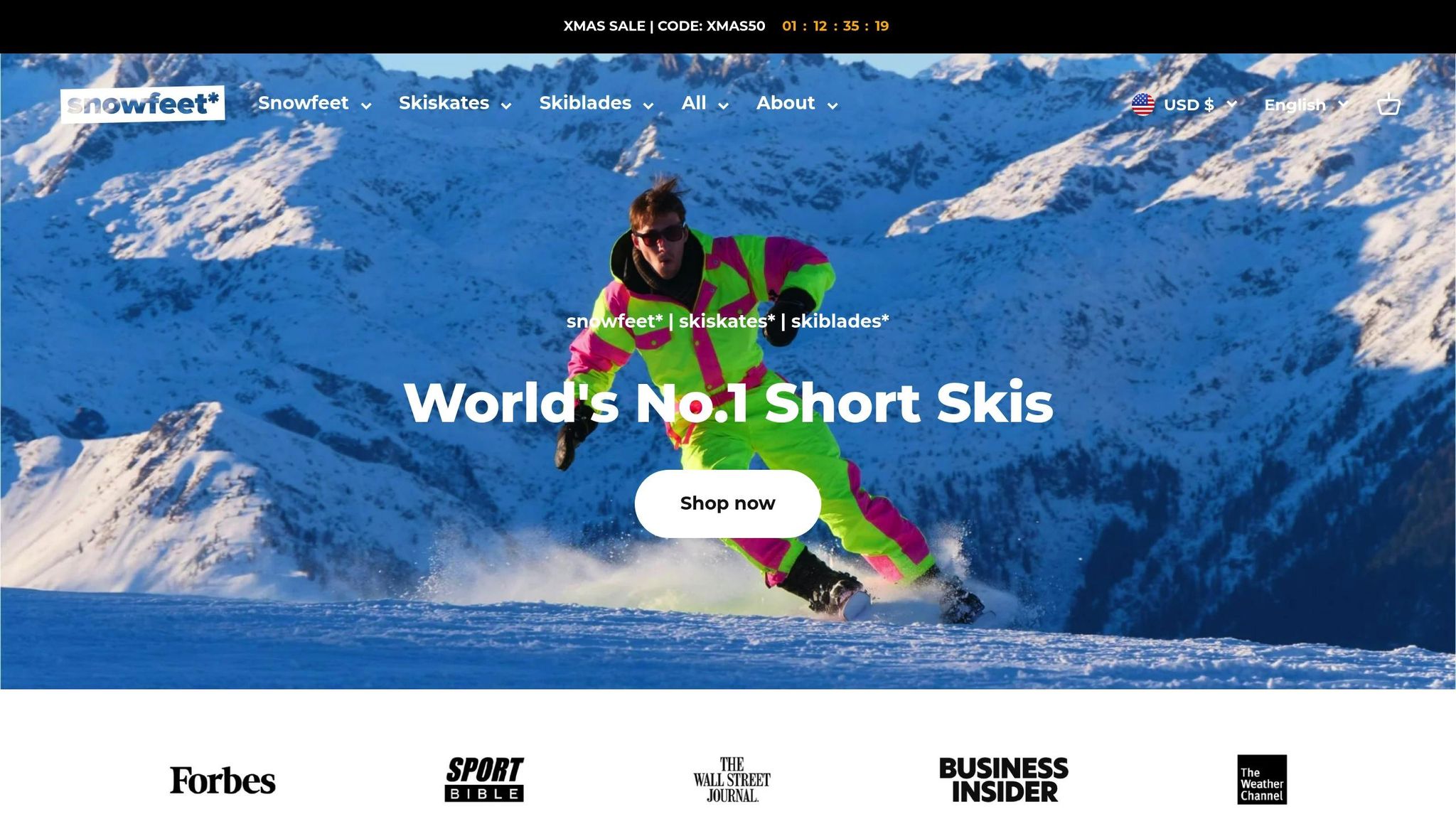
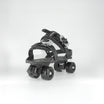
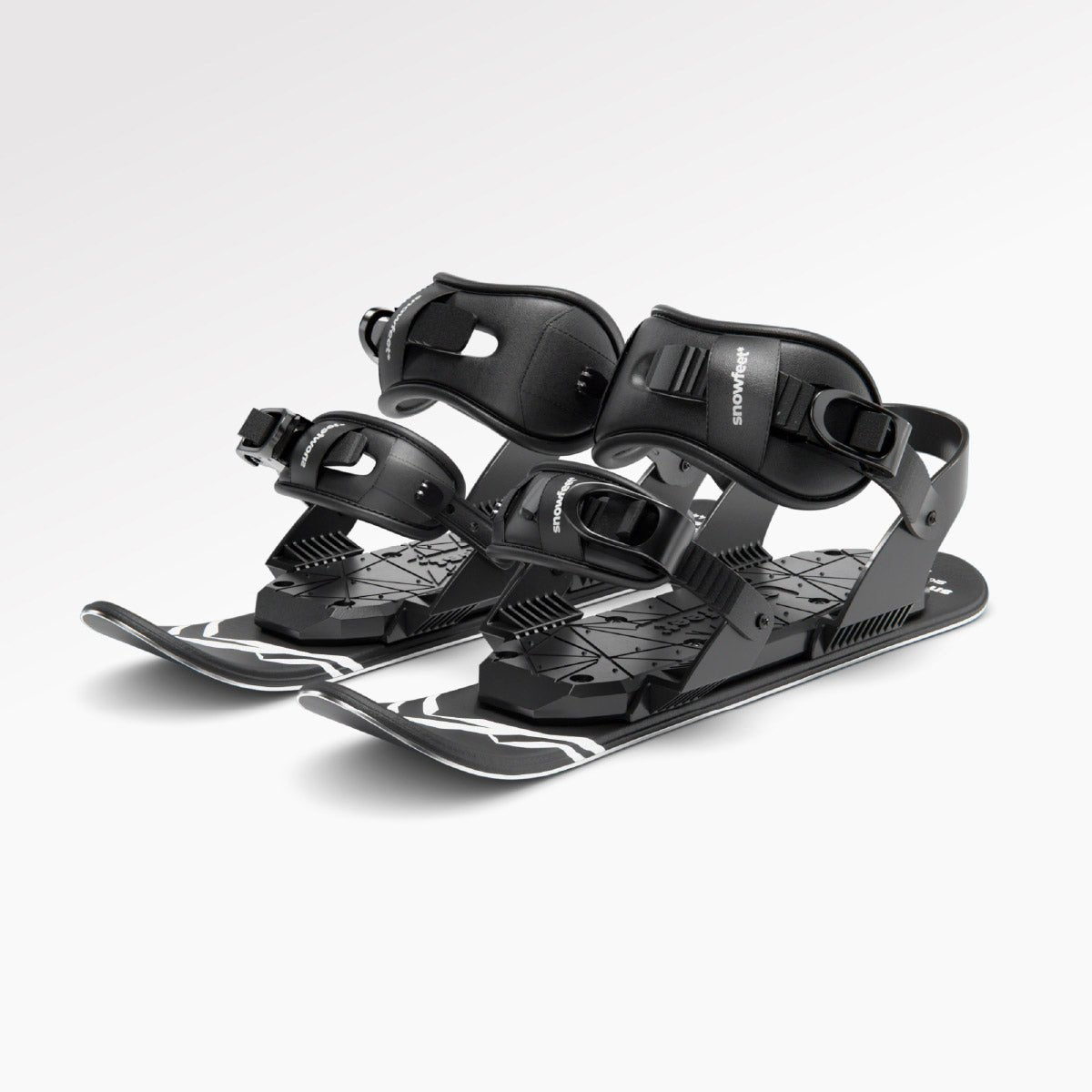
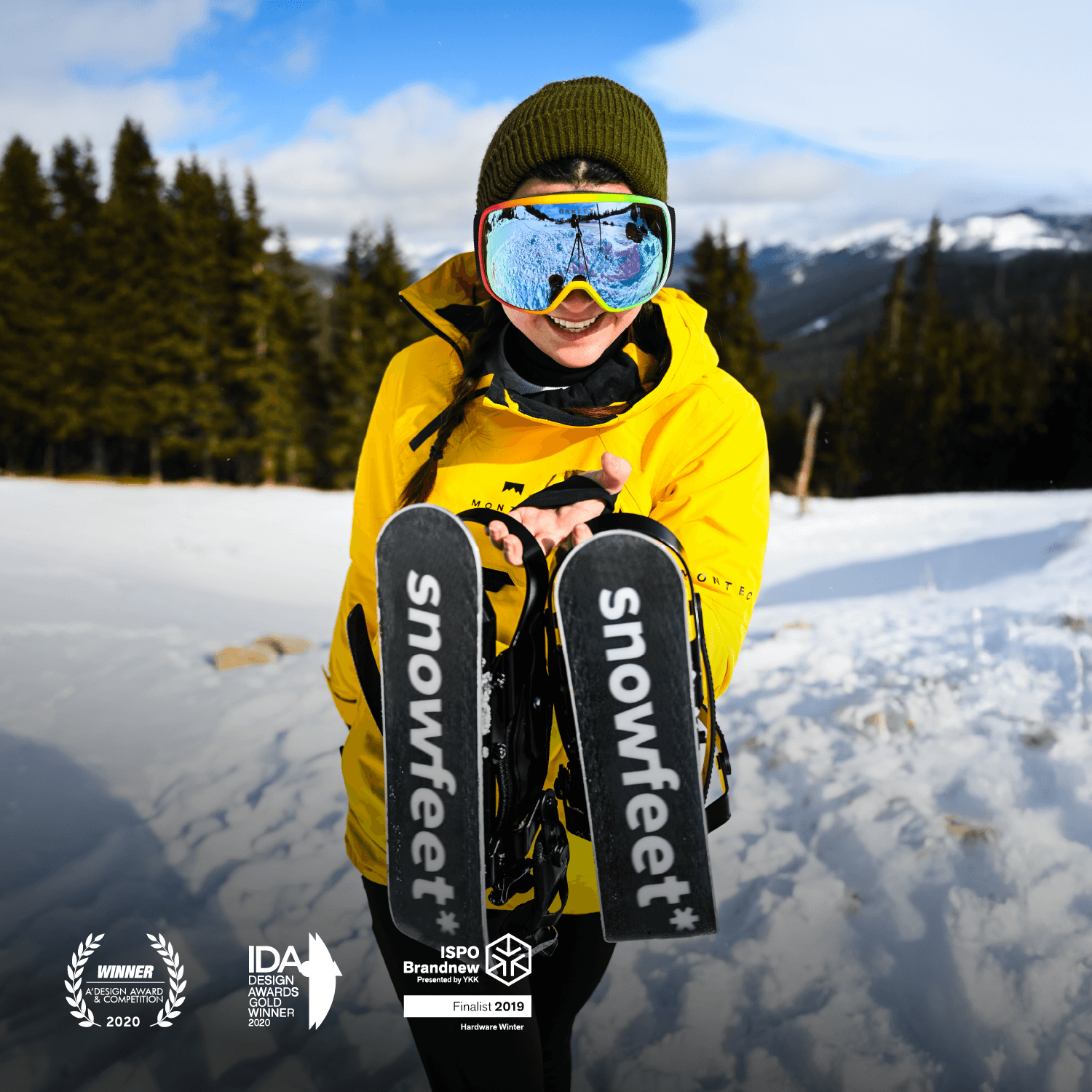
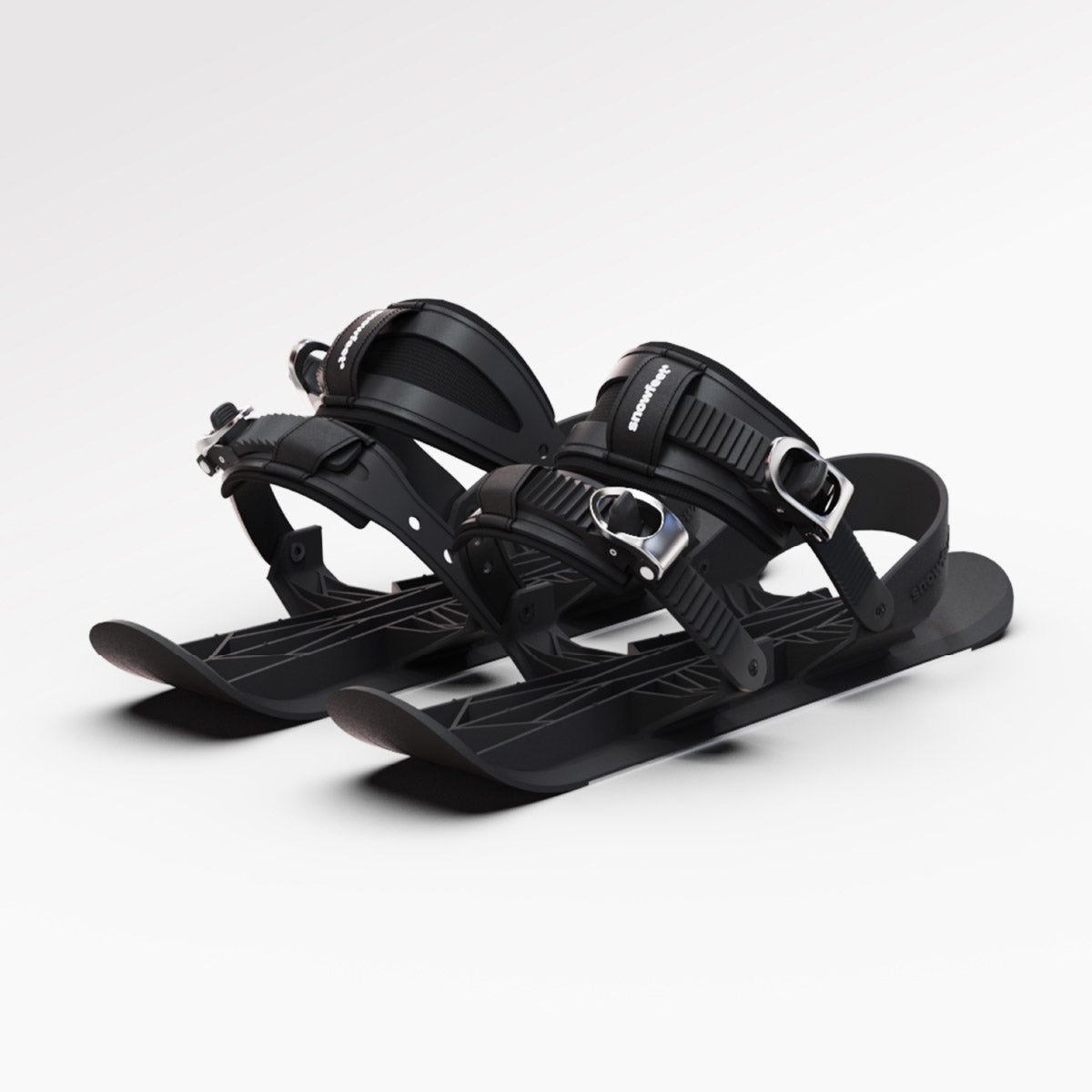
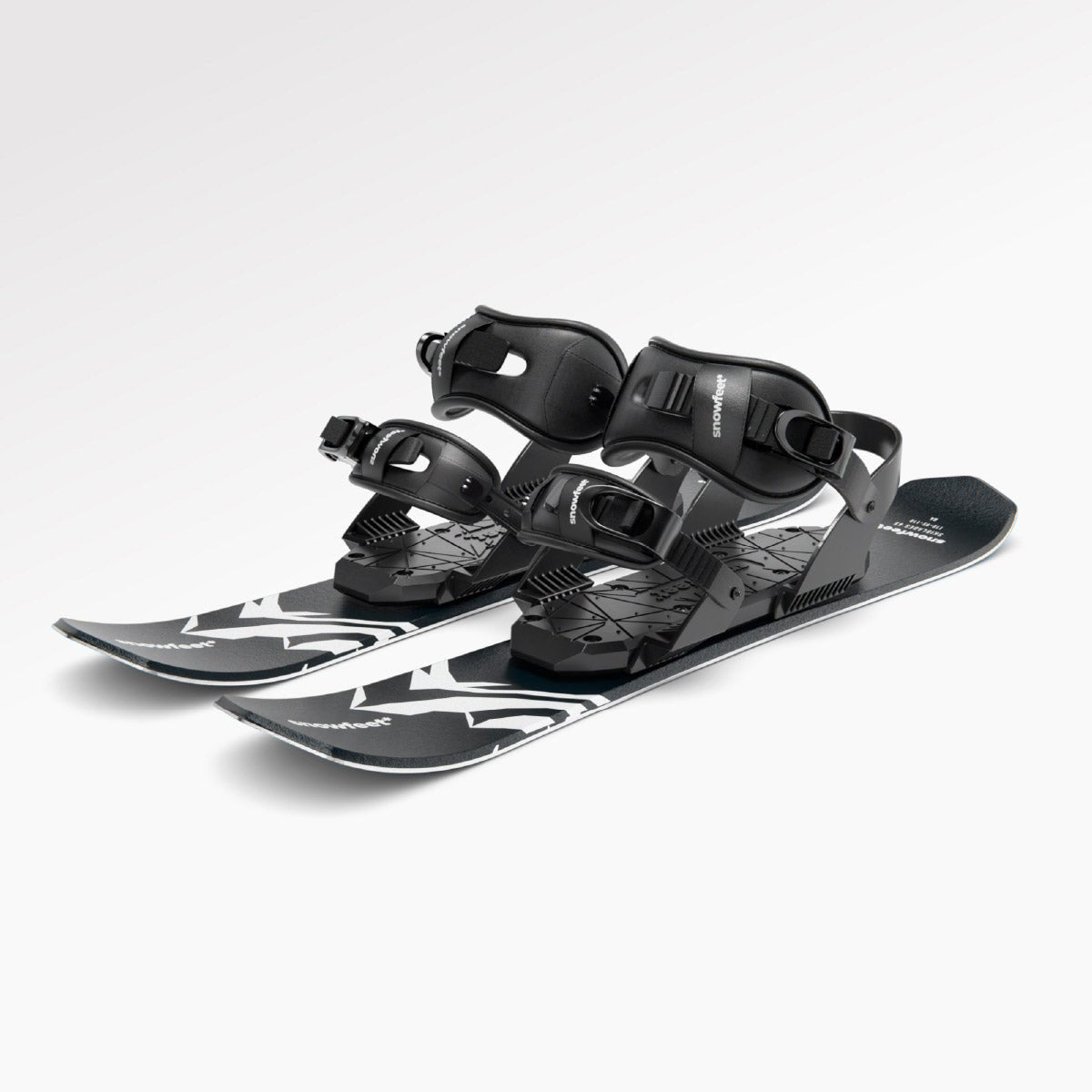
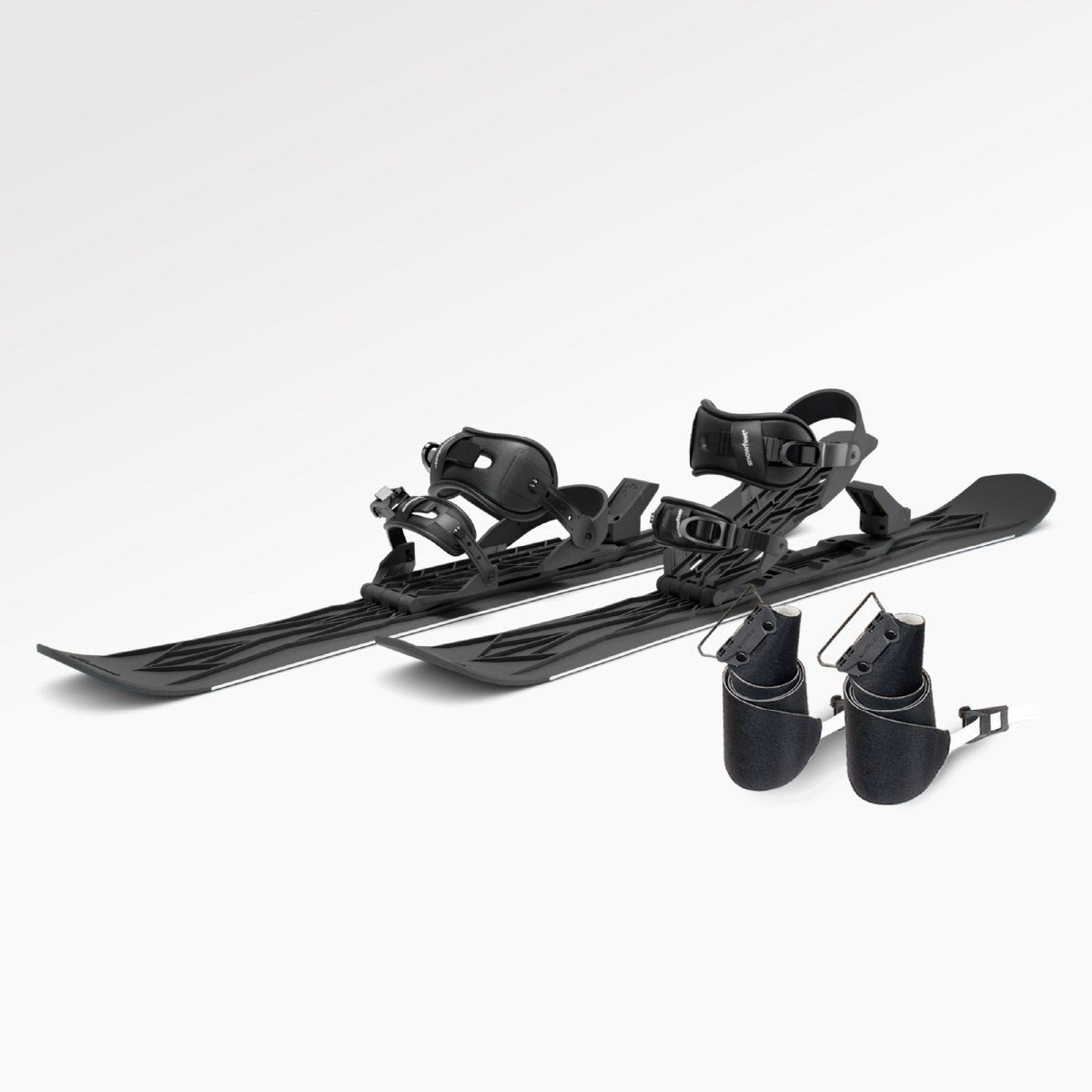
Snowfeet* is shaking up the skiing world with a fresh take on hitting the slopes. Instead of the usual long skis, Snowfeet* offers compact mini skis that attach directly to your winter shoes or snowboard boots - no need for specialized ski boots. This clever design emphasizes the same perks of maneuverability and portability that make short skis so appealing. With over 50,000 riders globally, Snowfeet* proves that sometimes, smaller really is better.
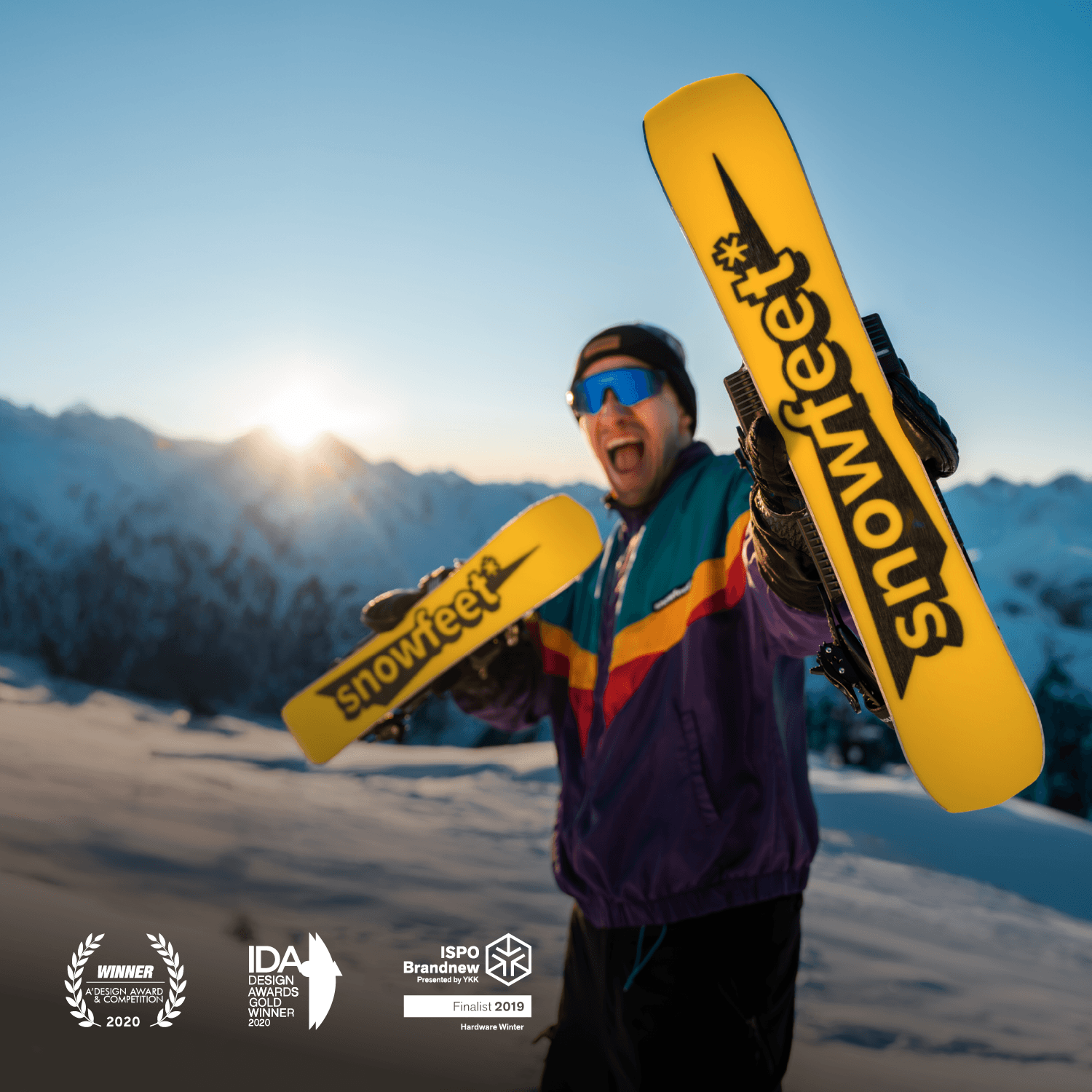
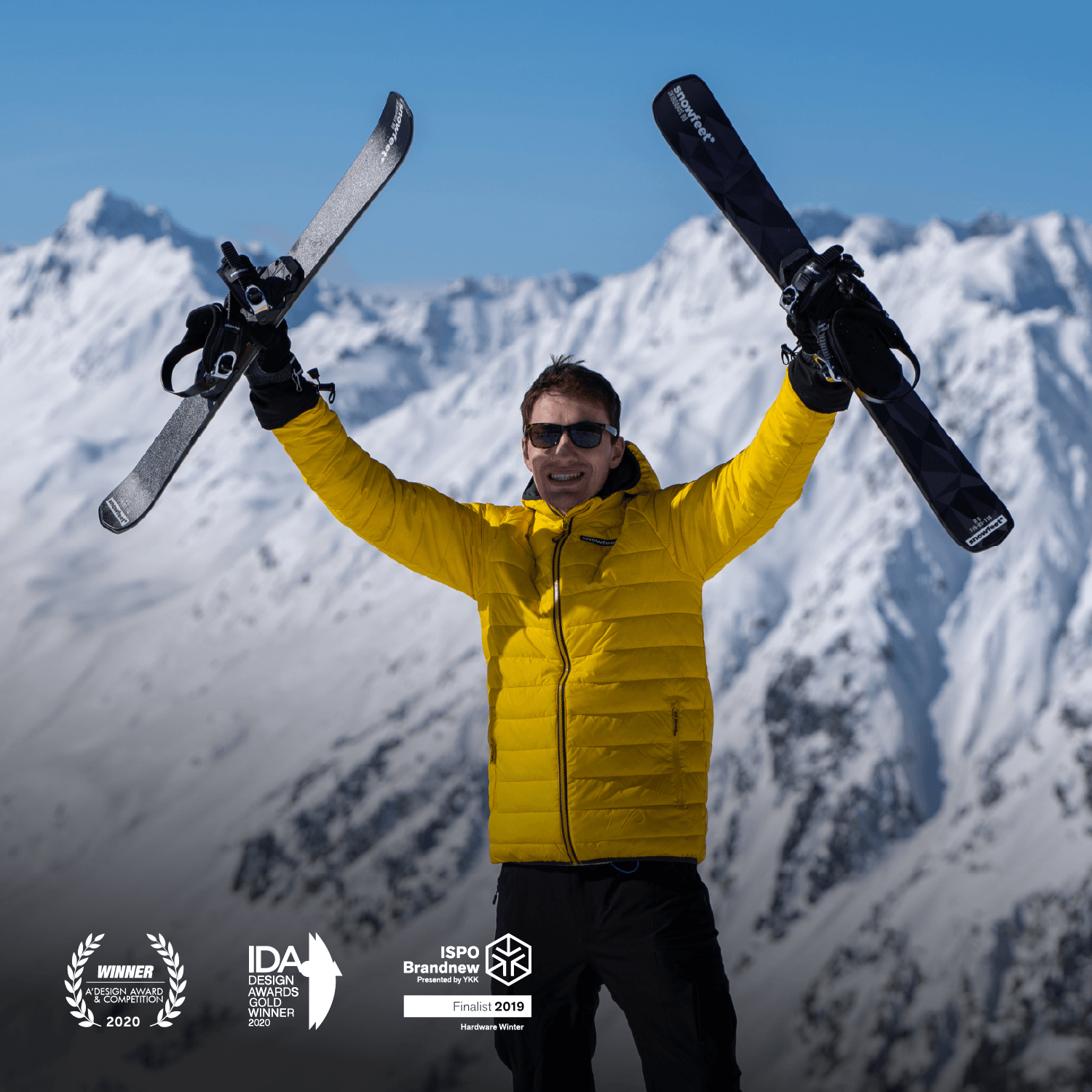
What makes Snowfeet* stand out? Their patented, award-winning design has earned recognition as an innovation finalist at ISPO and won the A'design competition. Their flagship product, the 38 cm Mini Ski Skates, has over 2,239 reviews, with 90% of them being 5-star ratings. That’s a lot of happy skiers!
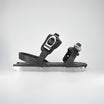
Unlike traditional skis from brands like Rossignol or K2, Snowfeet* products are lightweight and fit easily into a backpack. They’re also compatible with the boots you already own. With features like metal ski edges and a built-in heel brake, these mini skis are built for control and performance. Plus, they’re beginner-friendly - many first-timers find themselves confidently carving after just one session. Experienced skiers, on the other hand, love the freedom and agility these compact skis provide.
Snowfeet* has created a lineup that addresses modern skiing needs while keeping things simple and fun.
Snowfeet* Product Lineup
Snowfeet* offers a range of products designed for versatility and portability:
- Mini Ski Skates (38 cm): Starting at $220, these are perfect for hiking trails, sledding hills, or even urban adventures. There’s also a MINI model for smaller riders (EU 27–38 / US Kids 10–Adult 6).
- Skiskates (44 cm): Priced at $440, these feature a wood core for professional performance on ski slopes.
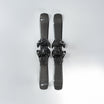
- Skiblades: Available in three lengths - 65 cm (from $499), 99 cm (from $540), and 120 cm ($775). These models offer increasing stability while keeping Snowfeet*’s signature agility.
- Snowfeet* POWDER (99 cm): Designed for powder conditions, this model is priced at $675.
For comparison, traditional ski setups from brands like Burton or Salomon typically cost $400–$1,200+ and often require additional investments in boots and bindings. Snowfeet* skips all that hassle. Their models work with regular winter or snowboard boots, and hopping on and off chairlifts is a breeze. Just remember to wax the bottoms regularly - especially during ski trips - to keep snow from sticking.
Why Snowfeet* Outperforms Traditional Options
Portability and ease of use are where Snowfeet* truly shine. Unlike traditional skis, which often require bulky bags and roof racks, Snowfeet* fit neatly into a backpack. This makes them ideal for exploring terrains that might be off-limits to traditional skiers, like remote hiking trails or even your neighborhood sledding hill.
Their versatility is another big win. While traditional skis are great for groomed runs, they can struggle in tight spaces or varied conditions. Snowfeet*, on the other hand, handle everything from downhill skiing and snow parks to hiking trails and backyards. They’re not the best choice for deep powder, but they excel on packed or groomed snow, which is where most recreational skiers spend their time anyway.
Traditional skiing often involves a steep learning curve, with rigid boots and long skis making things tricky for beginners. Snowfeet* offer a much more intuitive experience - more like ice skating, but on snow. As the Snowfeet Team puts it:
"Short skis help you to enjoy skiing in every age and despite possible health issues."
Most ski resorts welcome Snowfeet*, but it’s always smart to double-check in advance. If you’re ever questioned, just mention the metal ski edges - they meet standard resort requirements. With prices ranging from $220 to $775, Snowfeet* products are a more affordable and versatile alternative to traditional ski setups. Their streamlined design makes them an exciting option for anyone looking to simplify their skiing experience while still having a blast on the slopes.
How to Choose Between Short Skis and Long Skis
Factors to Consider When Choosing Ski Length
Thanks to advances in ski design - like rocker profiles and tapered shapes - choosing the right ski length isn't just about the numbers anymore. It’s about how that length works with the ski's design to deliver performance on the slopes. Here’s what to keep in mind:
Skill Level
If you're just starting out, shorter skis are the way to go. They’re more forgiving and easier to control, making the learning process smoother. For example, options like Snowfeet* Mini Ski Skates (38 cm, from $250) or Skiskates (44 cm, from $575) are perfect for beginners. On the other hand, traditional long skis require specialized boots and can feel more challenging for those still finding their footing.
Terrain and Skiing Style
Think about where and how you like to ski. Short skis shine on groomed runs, snow parks, moguls, and tight trails, offering unmatched agility. Long skis, however, are better for stability at high speeds and floating through powder. Snowfeet* products are designed to handle various conditions while being compact and portable, giving you flexibility for different adventures.
Portability
This is where Snowfeet* truly stands out. Unlike traditional skis that require roof racks or oversized bags, Snowfeet* models are lightweight, compact, and easy to pack. Plus, they work with your regular winter boots, so you can skip the hassle of hauling extra gear.
If you’re unsure, try demoing a few options with an expert to find what suits you best.
Recommendations by Skier Type
Different skiers have different needs, and here’s how to match the right gear to your style and experience level.
Beginners
For those new to skiing, Snowfeet* Mini Ski Skates (38 cm, from $250) and Skiskates (44 cm, from $575) are excellent choices. Their easy-to-use design and quick maneuverability help build confidence without the intimidation of traditional long skis.
Intermediate Skiers
Ready to step it up? Snowfeet* Skiblades are a great next step. The 65 cm model (from $635) and the 99 cm model (from $675) balance stability with agility, making them ideal for carving, exploring snow parks, and tackling varied terrain. They’re a solid upgrade for skiers looking to expand their skills.
Advanced Skiers and Freestyle Enthusiasts
Experienced skiers will love the versatility and playfulness of Snowfeet* products. The 99 cm Skiblades (from $675) and the Snowfeet Short Skis at 120 cm ($775) are perfect for moguls, tricks, and all kinds of conditions. Their compact design even lets you access spots like backcountry trails or urban snow areas that might be tricky with traditional skis.
Families
Snowfeet* gear is a fantastic option for families. Parents can use them on resort slopes, while kids enjoy them on gentler hills. The Mini model fits a wide range of sizes (EU 27–38 / US Kids 10–Adult 6) and works with regular winter boots, so there’s no need to invest in multiple pairs of pricey ski boots. It’s an easy, budget-friendly choice for the whole family.
Conclusion: Why Short Skis Are the Future of Skiing
The skiing world is changing, and short skis are leading the charge. Snowfeet* is shaking up snow sports with its patented, award-winning design - earning recognition as an innovation finalist at ISPO and winning the A'design competition. With over 50,000 riders worldwide, these aren't just scaled-down versions of traditional skis; they're a completely fresh take on skiing. Unlike the long skis from brands like Rossignol, Salomon, and K2 - which often demand bulky gear, specialized boots, and a steep learning curve - short skis make the sport simpler and more inviting. This shift is opening the door for everyone, from kids and beginners to seasoned skiers and older adults, to enjoy the slopes without the hassle.
The buzz from riders backs this up. Pro skater Logan (@xskyskaterx) summed it up perfectly:
I can rip all of my inline tricks on these! Boxes and jumps and spins are all fresh and new but familiar enough to learn without bailing too much! Honestly this is my snow sport. I really can't see myself picking up skis ever again. They are fast and agile, convenient and light, and great for shreddage.
Snowfeet* products are designed to be ultra-portable - they fit in a backpack, work with regular winter boots, and can handle everything from ski slopes and snow parks to hiking trails and even your backyard. Starting at just $250, they’re a much more budget-friendly option compared to traditional setups, which can easily top $1,000 when you factor in skis, boots, bindings, and poles. This combination of convenience, affordability, and versatility is setting the stage for a new era in skiing.
The future of skiing isn’t about bigger and bulkier gear - it’s about keeping things simple, fun, and accessible for everyone. Snowfeet* is leading the way, proving that when it comes to enjoying the slopes, smaller truly can be better.
FAQs
What makes short skis a better choice than traditional long skis?
Short skis are becoming a go-to choice for many skiers, and it’s easy to see why. They’re simpler to control, take less effort to turn, and offer fantastic maneuverability. This makes them a great option for everyone - from total beginners to seasoned skiers. They’re especially appealing to older skiers or anyone who wants a more laid-back, enjoyable time on the slopes.
Compared to traditional long skis, short skis - like those from Snowfeet - are lightweight, compact, and super versatile. They’re perfect for quick, sharp turns and are a breeze to carry and store. Whether you’re weaving through narrow trails or just want a no-fuss skiing experience, short skis bring plenty of convenience and fun to the table.
Why are Snowfeet short skis easier to use and more portable than traditional skis?
Snowfeet short skis are all about convenience and portability. Thanks to their lightweight build and compact size, you can forget the hassle of lugging around traditional long skis. These little wonders can easily slip into a backpack, making them perfect for on-the-go adventures.
Another bonus? They're super easy to use, even if you're new to skiing. Snowfeet short skis are designed to work with your regular winter shoes or snowboard boots - no need to invest in special gear. Whether you're planning a quick outing, some casual fun, or a spur-of-the-moment trip to the slopes, these skis are ready to roll. For skiers who value ease and flexibility, Snowfeet short skis are a total win.
Are short skis good for different terrains and skiing conditions?
Short skis, like Snowfeet's Skiblades and Skiskates, are a fantastic option for tackling all kinds of terrain and snow conditions. Their smaller size makes them super easy to control, providing great stability at slower speeds and putting less strain on your knees. Whether you're cruising down groomed slopes, gliding through soft powder, or even navigating steeper sections, these skis can handle it all when used properly.
What really sets short skis apart is their convenience and versatility. They're lightweight and portable, making them a breeze to carry around, and they offer a fun, flexible approach to skiing. Whether you're sticking to well-packed trails or testing your skills in trickier spots, Snowfeet products are built to match your style and keep the experience enjoyable.


Leave a comment
This site is protected by hCaptcha and the hCaptcha Privacy Policy and Terms of Service apply.