







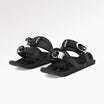












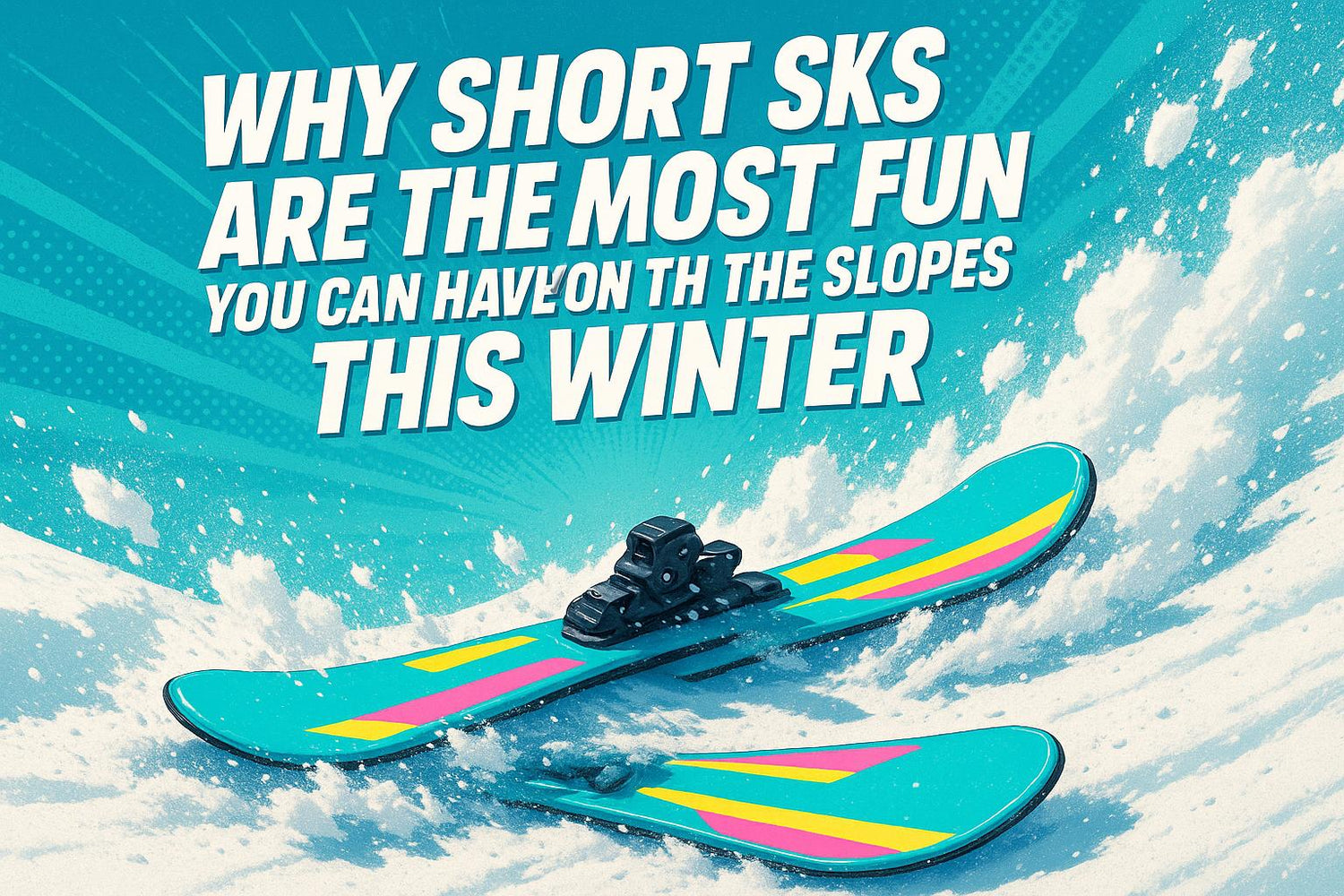
Short skis are changing the game for anyone who loves hitting the slopes. They’re lightweight, easy to carry, and perfect for beginners and seasoned skiers alike. Unlike long skis, which can feel bulky and hard to manage, short skis offer better control, quicker turns, and way more fun - whether you’re carving through groomed runs, navigating tight trails, or trying tricks in the terrain park. Plus, they’re compact enough to fit in a backpack and simple to learn, making them a no-brainer for casual skiers or anyone looking to mix things up.
Here’s why short skis are worth checking out:
- Easier to transport: No roof racks or oversized bags needed.
- Beginner-friendly: Quick to learn and forgiving on the slopes.
- Great for tricks: Perfect for terrain parks and freestyle moves.
- Versatile: Handles groomed runs, moguls, and even backyard slopes.
- Less strain: Lightweight design means less fatigue and more fun.
If you’re tired of lugging around heavy gear or struggling with long skis, short skis might be your new favorite winter upgrade. Let’s dive into what makes them so fun and how they stack up against traditional options.
Short Skis vs. Long Skis
The Problems with Traditional Long Skis and Snowboards
Before diving into why short skis are such a game-changer, it’s worth taking a closer look at the challenges that come with the gear most people rent or buy at U.S. ski resorts. Traditional long skis - think brands like Rossignol, K2, and Salomon - usually measure over 5.5 feet, while snowboards from companies like Burton or Ride are no small feat either. From transporting them to actually using them, this gear can make your day on the slopes more complicated than it needs to be.
Heavy and Hard to Transport
Let’s face it: traditional ski gear is a hassle to lug around. Long skis, often stretching over 67 inches, can be a nightmare to fit into most cars unless you’ve got a roof rack. Trying to cram them into a compact SUV alongside boots, poles, helmets, and other essentials? Good luck. Then there’s the dreaded walk from the parking lot to the lodge, juggling all that bulky equipment.
"Long skis are for most of skiers too clunky and heavy." - Snowfeet Team
Now, compare that to short skis. Models from Snowfeet* range between just 17 inches (44 cm) and 47 inches (120 cm). They’re so compact you can toss them in a backpack - no need for oversized storage or roof racks. And if you’re flying to hotspots like Aspen or Whistler, short skis eliminate those oversized baggage fees and the hassle of dragging giant ski bags through airports and hotels.
"For the purpose of the recreational skiing, short skis are a better choice. They are easier to pack and carry around, you can choose what footwear do you prefer and finally, they are easy to ride, so you will not finish all drained up." - Snowfeet Team
This reduced bulk doesn’t just make traveling easier - it also paves the way for a smoother learning experience once you’re on the slopes.
Difficult to Learn and Less Agile
If you’ve ever been to a ski school, you’ve probably seen beginners struggling with long skis. They’re not exactly forgiving. The extra length, which is great for stability at high speeds, turns into a nightmare when you’re just trying to master the basics. Long skis demand precise weight distribution, strong legs, and solid technique - skills that take time and patience to develop.
For occasional skiers who hit the slopes a few times a year, long skis can feel sluggish and unresponsive. Tight spaces, crowded trails, and quick turns? Forget about it. Their larger turning radius makes navigating narrow paths or dodging fellow skiers a lot harder.
Snowboards bring their own set of challenges. With both feet locked onto one board, beginners often spend their first few days just figuring out how to stand up and link basic turns. While snowboards shine in powder, they’re far from intuitive for newcomers compared to the walking-like motion of skiing.
"Another advantage of shorter skis is that they tend to be much lighter than longer skis. This makes them easier to carry around and less tiring to use for extended periods." - Snowfeet Team
Short skis, with their lighter weight and smaller size, offer a more agile and beginner-friendly alternative that’s hard to beat.
Harder on Your Knees and Less Playful
Long skis don’t just test your skills - they can also take a toll on your body. Their extra weight and length require more effort from your knees to carve and tilt. By midday, you’ll likely feel the strain in your muscles, especially if you’re not a seasoned skier.
They’re also far less forgiving. A small misstep - like a slight shift in weight or catching an edge - can quickly spiral into a full-blown wipeout. What might be a minor wobble on shorter skis often becomes a major loss of control on traditional ones.
And then there’s the fun factor. Long skis are built for carving big, sweeping turns on groomed runs or bombing down steep slopes. But what if you want to mix it up? Quick pivots, playful tricks, or freestyle moves in the terrain park? Not so much. For recreational skiers who just want to enjoy their time on the mountain without rigid techniques or extra physical strain, traditional long skis and snowboards can feel like a barrier. That’s where short skis step in, offering a more versatile and stress-free option.
How Short Skis Make Skiing More Fun
Now that we’ve gone over the downsides of traditional skis, let’s dive into why short skis are such a game-changer. Whether you’re carving through groomed trails at Vail or tackling backyard slopes, short skis bring a level of freedom and joy that’s tough to match. They’re less about technical mastery and more about pure, unfiltered fun. Their agility and responsiveness completely transform how you experience the mountain.
Easy Turns, Quick Stops, and Better Control
The first thing you’ll notice with short skis? They respond to your every move with almost no effort. Unlike traditional skis from brands like Rossignol or K2, which require big, sweeping turns, short skis let you pivot on a dime. Their compact size means you can quickly change direction, making crowded slopes and tight trails feel less intimidating.
On busy runs at places like Breckenridge or Mammoth, short skis allow for instant stops and quick adjustments, which not only boosts your confidence but also enhances safety. It’s like the difference between driving a zippy sports car versus a bulky SUV - both get the job done, but one makes the ride a lot more exciting.
Every movement you make translates directly to the skis, giving you a sense of control that feels second nature. Whether you’re weaving through trees or navigating narrow paths, short skis make it feel easy.
Ideal for Beginners and Seasoned Riders Alike
Short skis are a fantastic way to break down the barriers that can make skiing seem intimidating. For beginners, they’re a dream. The learning curve is much shorter compared to traditional skis or even snowboards from brands like Burton or Ride. Instead of spending hours just trying to stay upright or figure out how to turn, you’ll be enjoying yourself in no time - sometimes within the first few runs.
Plus, they’re light. In fact, they’re often half the weight of traditional skis, which means your legs won’t feel like jelly by lunchtime. This is a huge perk for casual skiers who only hit the slopes a few times a season at places like Tahoe or Killington. You’re not wrestling with heavy, cumbersome gear, so you can actually enjoy a full day on the mountain.
For experienced riders, short skis open up a whole new world of creativity. Products like Snowfeet* Skiblades are perfect for freestyle tricks, quick spins, and tackling terrain park features that would be much harder - or riskier - with traditional skis. They’re a blast for experimenting and trying new moves without the same level of commitment or consequence.
Even seasoned skiers find short skis bring back that playful spark that drew them to the sport in the first place. After years of focusing on speed and technique with longer skis, switching to something like Snowfeet* Skiblades feels like rediscovering the fun. You can carve, jump, spin, or just cruise - all in one run.
Versatile Across Terrains and Snow Conditions
One common misconception about short skis is that they’re only good for specific conditions. Not true! Snowfeet* models handle groomed runs beautifully, carving smooth turns on the corduroy you’ll find at most resorts. The shorter edge length actually works to your advantage, letting you initiate and finish turns faster than you could with traditional skis.
Moguls? No problem. Their compact size makes navigating bumps way less daunting - you won’t have to worry about catching your tips or tails. Plus, their lighter weight means you can absorb impacts without exhausting your legs halfway down the slope.
Short skis really shine in terrain parks. The 44 cm Skiskates, for example, give you precise control for hitting rails, boxes, and jumps. Their quick responsiveness makes it easier to adjust mid-air or land with confidence.
And they’re surprisingly capable in less-than-ideal snow. Whether it’s packed powder, icy patches, or crud, short skis handle it all. Their light weight keeps your tips from diving, and their maneuverability helps you stay in control even when the snow gets tricky.
Here’s the kicker: you don’t need a big resort to enjoy them. Short skis are perfect for smaller hills, backyard slopes, or even gentle inclines after a snowstorm. They make skiing accessible in places where traditional gear would feel like overkill. This versatility means you’ll actually use them more often, instead of letting them gather dust between big trips. Whether you’re carving, cruising, or just having fun in the snow, short skis bring a whole new level of excitement to your winter adventures. And hey, they might just be the perfect excuse to grab a pair of Snowfeet*!
Why Snowfeet* Short Skis Beat Traditional Skis and Snowboards
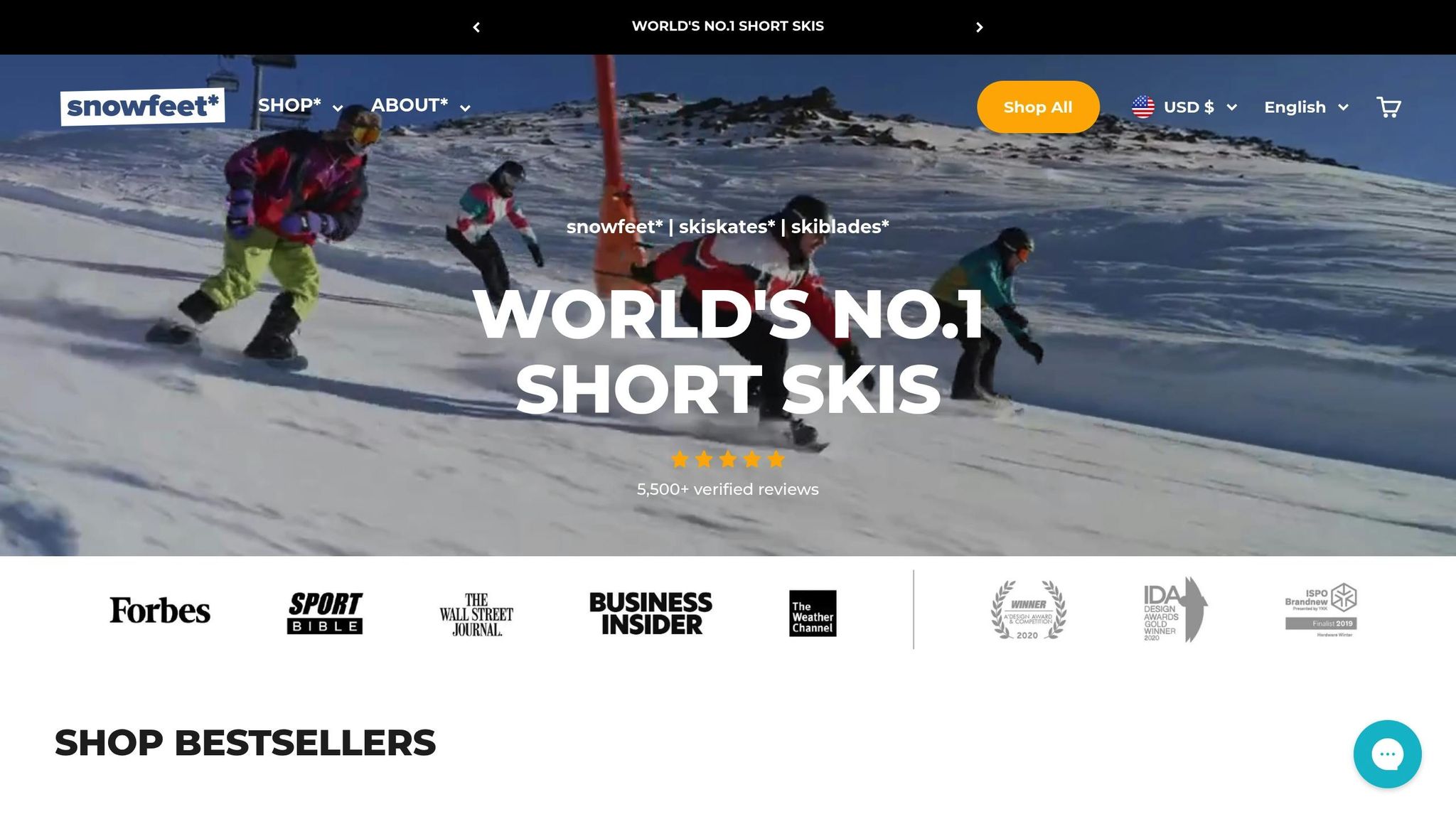
Building on their agility and ease-of-use, Snowfeet* short skis offer a fresh take on winter sports gear. They’re not just smaller - they’re designed to make your time on the slopes simpler and more fun.
Small, Light, and Easy to Carry
One of the standout features of Snowfeet* is how portable they are. Traditional skis, often over 170 cm long, can be a pain to lug around - whether it’s through crowded parking lots, onto shuttle buses, or into tight lodge hallways. Snowfeet*, on the other hand, flips the script. Their shortest model, the 44 cm Skiskates, is less than 18 inches, and even their longest option, the 120 cm Short Skis, is under 4 feet. That compact size makes life so much easier, whether you’re packing your gear into a small car, squeezing onto a gondola at Aspen, or storing your equipment in a tight apartment.
Traditional skis are not only long but also heavy due to all the extra material. Snowfeet* models - like the 99 cm Skiblades and 120 cm Short Skis - are designed to be lightweight and easy to handle. That means less strain when carrying your gear and less fatigue after a full day on the slopes.
Planning a weekend getaway? You can toss a pair of Snowfeet* Skiskates into your backpack without a second thought - try doing that with a pair of 180 cm skis!
Built for Fun and Tricks
Snowfeet* isn’t just about convenience; they’re built for fun. While traditional skis focus on speed and stability, Snowfeet* is all about playful tricks and an effortless good time.
Take the 65 cm Skiblades, for example. Priced at $635, they’re perfect for terrain parks - think rails, boxes, and small jumps. Their short length makes quick spins and fast adjustments a breeze, which is far more important in the park than raw speed.
The learning curve is another huge plus. While snowboard brands like Burton may promise beginner-friendly designs, many new riders quickly discover that snowboarding involves a lot of falling and frustration. Traditional skis are slightly easier to pick up but still require lessons and practice to feel confident.
Snowfeet* simplifies all of that. Their lightweight design and responsive feel mean beginners can start having fun almost immediately. Whether you’re at Steamboat or Copper Mountain, you’ll appreciate how quickly you can get the hang of things - without the hassle of heavy, unwieldy gear slowing you down.
Comparison: Snowfeet* vs. Traditional Skis and Snowboards
Here’s how Snowfeet* stacks up against the usual suspects in winter sports gear:
| Factor | Snowfeet* Short Skis | Traditional Long Skis | Snowboards |
|---|---|---|---|
| Length | 44–120 cm | Typically over 170 cm | 140–165 cm |
| Weight | Lightweight | Heavy and bulky | Moderate to heavy |
| Portability | Fits in a backpack or small car | Requires roof rack or large vehicle | Awkward to carry |
| Learning Curve | Quick and easy - fun from the start | Moderate - lessons often needed | Steep - expect frequent falls |
| Maneuverability | Highly agile, quick turns | Requires wider, slower turns | Good carving, slower edge-to-edge |
| Terrain Park Performance | Great for tricks and features | Hard to manage on features | Decent, but less flexible |
| Groomed Runs | Smooth, fast carving | Excellent high-speed stability | Effective carving |
| Moguls | Easy to handle | Challenging - tips/tails can catch | Often very difficult |
| Backcountry/Small Hills | Ideal for casual terrain | Overkill for smaller slopes | Needs specific conditions |
| Storage | Minimal space required | Needs wall racks or extra room | Moderate storage needed |
| Price Range | $250–$775 | $400–$1,200+ (without bindings) | $300–$800+ |
This side-by-side comparison makes it clear: Snowfeet* is a game-changer for recreational riders who value convenience, versatility, and fun over sheer speed. Sure, traditional skis have their place - if you’re tackling double-black diamonds at Jackson Hole and need rock-solid stability, longer skis might be your go-to. But for the majority of skiers who hit the slopes a few times a year, Snowfeet* offers a more enjoyable, hassle-free experience.
Price is another area where Snowfeet* stands out. Their models range from $250 for the Mini Ski Skates to $775 for the 120 cm Short Skis. Compare that to traditional ski packages, which often start at $400 and can exceed $1,200 once you factor in bindings and mounting. Snowboards, while slightly cheaper, still fall in the $300–$800 range for quality setups. Snowfeet* keeps things simple, offering professional-grade gear without the hidden costs of separate bindings.
What truly sets Snowfeet* apart is their focus on making snow sports accessible to everyday riders. While traditional brands cater to serious athletes and high-performance needs, Snowfeet* is all about the weekend warriors, families on vacation, and anyone looking to rediscover the joy of hitting the slopes. And let’s be honest - that’s most of us.
sbb-itb-17ade95
Which Snowfeet* Model Should You Choose?
Deciding on the right Snowfeet* model depends on what you value most - whether it's portability, park tricks, or versatility across different terrains. Each model brings something special to the table, so let’s break them down.
Snowfeet* Skiskates (44 cm): Compact and Travel-Friendly
The 44 cm Skiskates, priced at $575, are all about portability. At just under 18 inches, they’re small enough to slip into your bag, making them a great choice for spur-of-the-moment trips to places like Tahoe. These are ideal for beginners or casual riders sticking to groomed runs and small hills. If you’re looking for something lightweight, playful, and easy to store, this is your go-to.
Snowfeet* Skiblades (65 cm): Perfect for Tricks and Tight Turns
The 65 cm Skiblades, available for $635, strike a sweet spot between portability and performance. Measuring just over 2 feet, they’re still easy to transport - fitting neatly in most cars - but offer more stability and edge grip than the Skiskates. They’re built for quick spins, sharp turns, and park fun, excelling on groomed runs and in terrain parks. Whether you’re hitting rails, boxes, or small jumps, these are great for intermediate riders who want a bit more performance without committing to a longer ski.
If you’re craving even more stability and versatility, check out the all-mountain Short Skis options below.
Snowfeet* Short Skis (99–120 cm): Versatile All-Mountain Performance
For those who want the carving power of longer skis without the bulk, Snowfeet* offers these extended models:
- 99 cm Skiblades ($675) – These are a balanced option, offering increased edge contact for better grip on steep or hard-packed snow. They’re versatile enough for groomed runs, moguls, and light powder, while still nimble for quick turns.
- 99 cm POWDER Model ($675) – Tailored for deeper snow, this model delivers better float, making it perfect for resorts with fresh powder conditions.
- 120 cm Short Skis ($775) – At just under 4 feet, these are designed for advanced skiers or anyone tackling tougher terrain like black diamond runs. They provide excellent stability at higher speeds, strong edge hold on icy slopes, and solid performance across various snow conditions.
Whether you’re a regular at resorts like Keystone or Telluride, the 99 cm and 120 cm models offer a versatile alternative to traditional skis. They’re easier to transport and store compared to bulkier options from brands like Rossignol or Salomon, while still delivering the fun and agility Snowfeet* is known for.
How to Get the Most from Your Short Skis This Winter
Getting the right gear is just the beginning. To make the most of your Snowfeet* short skis this winter, it’s worth knowing where they shine, how to keep them in top shape, and how their compact design can make your ski adventures easier.
Where Snowfeet* Short Skis Excel
Snowfeet* short skis are incredibly versatile and perform well in various conditions. On groomed slopes, they offer precise carving and quick responses that traditional skis can’t match. Whether you’re gliding down gentle runs or tackling steeper terrain, their shorter length provides unmatched agility.
If you’re into terrain parks, you’ll love the 65 cm Skiblades. They’re perfect for hitting rails, boxes, and small jumps. Their compact size makes spins and tricks much easier to pull off compared to bulkier skis from other brands.
For powder days, the 99 cm POWDER model is designed to give you better float in moderate powder. And for mixed terrain, the 120 cm Short Skis strike a balance - they grip well on icy patches and hard-packed snow while staying nimble enough for moguls. While deep backcountry powder might challenge any short ski, Snowfeet* models are a fun and agile choice for most resort settings.
Next, let’s talk about keeping your skis in great shape and ready for action.
Maintenance and Gear Tips
Taking care of your Snowfeet* skis is simple. Regular waxing is key. You can either take them to a ski shop for professional waxing or apply liquid wax at home. A smooth, waxed base not only keeps you moving faster but also prevents snow from sticking.
Edge tuning is another important step. Use a sharpening stone or have it done professionally to maintain control, especially on icy or hard-packed snow. Pay attention to the base edges for the best grip.
After each session, dry the metal edges to avoid rust. At the end of the season, apply a light coat of oil to protect against corrosion before storing them. These small steps help maintain the lightweight, agile feel that makes Snowfeet* so fun to use.
Don’t forget about your footwear! For the 44 cm Skiskates, waterproof shoes with solid ankle support are ideal - snowboard boots work great on the slopes, while sturdy winter boots are fine for casual runs. For the 65 cm, 99 cm, and 120 cm models, ski boots (EU 36–49 / US 4.5–14.5) or snowboard boots (EU 38–49 / US 6–14.5) are recommended, depending on your binding setup.
You can also adjust your bindings at home using a screwdriver. For smaller shoes, use alternative strap holes. If your boots are on the larger side, use the extra front toe straps included with your Snowfeet*. For very small boots, replacement straps for the back ankle are available.
Once your skis are ready, it’s time to pack them up for your next adventure.
How to Pack and Transport Your Short Skis
One of the best things about Snowfeet* skis is how easy they are to transport. Their compact size eliminates the need for bulky roof racks, oversized ski bags, or the hassle of airline fees. The 44 cm Skiskates fit into most backpacks or duffel bags with room to spare. When flying, their size allows them to count as regular checked luggage, so you can skip those extra charges.
The 65 cm Skiblades are just as convenient - they fit easily in the backseat or trunk of most cars. Even the larger 99 cm and 120 cm models are far easier to manage than traditional skis, which often measure 170–180 cm. For example, the 120 cm model is about 47 inches long, making it compact enough to fit across a backseat without any trouble.
Storage is a breeze too. Unlike traditional skis that can take over your garage or closet, Snowfeet* models can hang neatly on a wall hook or tuck into a corner. They’re perfect for anyone living in apartments or smaller spaces.
Conclusion
If you're used to the bulk and effort of traditional long skis or snowboards, it might be time to rethink what makes skiing enjoyable. Short skis - especially Snowfeet* models - bring a fresh, fun, and surprisingly adaptable experience to the slopes.
With Snowfeet* short skis, you get unmatched maneuverability. They make carving quick turns, weaving through tight spaces, and tackling moguls feel almost effortless. Plus, their lightweight design means less strain and more energy to enjoy your day on the mountain. Unlike traditional skis or snowboards that can be a hassle to transport and store, these compact skis are easy to carry and manage, all while offering precise control and quick stopping power.
Snowfeet* has something for everyone: compact Skiskates for portability, agile Skiblades for tricks and sharp turns, and all-mountain Short Skis for tackling varied terrain. No matter your choice, they’re designed to be easy to transport, store, and maintain - making them a game-changer for winter sports enthusiasts.
This winter, why not trade the bulk for simplicity? With Snowfeet* short skis, you’ll spend less time wrestling with gear and more time enjoying the freedom of the slopes.
FAQs
What makes short skis a great choice for beginners compared to traditional long skis?
Short skis are a fantastic option for beginners, and here’s why: they’re easier to handle and far less intimidating than traditional long skis. Their smaller size makes learning the basics feel way more approachable, giving you a confidence boost right from the start.
Another big plus? Short skis take less effort to use. This means you can focus on nailing those turns without feeling totally wiped out. They’re also super versatile, working well in different snow conditions and even letting you try out fun stuff like tricks or cruising through terrain parks. If you’re just starting out, short skis like Snowfeet’s Skiblades or Skiskates are a stress-free way to dive into skiing and have a blast while you’re at it.
How do short skis compare to traditional skis in different snow conditions and terrains?
Short skis, like those from Snowfeet, bring a whole new level of fun and control to the slopes. Thanks to their compact size, they’re much easier to handle, making sharp turns, quick edge-to-edge transitions, and navigating tight spaces feel like a breeze. This makes them an awesome pick for beginners and a confidence booster for intermediate skiers.
While traditional long skis are all about stability at high speeds, short skis stand out for their versatility and responsiveness. They’re great on icy runs, perfect for pulling off tricks, and ideal for playing around in terrain parks. Whether you're cruising down groomed trails or exploring mixed snow conditions, Snowfeet’s short skis offer a lively, playful ride that skiers of all levels can enjoy.
Are short skis a good choice for experienced skiers who enjoy tricks and terrain parks?
If you're an experienced skier looking to up your game in the terrain park or nail some impressive tricks, short skis like those from Snowfeet might be your new best friend. Thanks to their compact size and lightweight build, these skis are super easy to handle. They let you pull off tighter spins, sharper turns, and give you better control when you're landing jumps or pulling off stunts.
Options like the 65 cm, 99 cm, and 120 cm Skiblades, or the ultra-compact 44 cm Skiskates, bring a whole new level of fun and variety to your skiing. Whether you're sliding on rails, hitting jumps, or trying out fresh freestyle moves, these skis make every trick feel smoother and more natural. And here's the cherry on top: they're so portable that you can take them just about anywhere. Perfect for adventurous skiers ready to make the most out of winter!











Leave a comment
This site is protected by hCaptcha and the hCaptcha Privacy Policy and Terms of Service apply.