




















Bindings are the unsung heroes of your short ski setup. They connect your boots to your skis and directly impact your control, safety, and overall experience on the slopes. Here’s the deal: short skis, like skiblades or skiboards, are lighter and more responsive than traditional skis. That means they need bindings designed specifically for their unique performance.
Key Takeaways:
- Non-release bindings: Great for short skis (like Snowfeet models). They’re simple, lightweight, and don’t release during falls - ideal for technical or freestyle riding.
- Release bindings: Common for alpine skis, but less critical for short skis due to lower torque.
- Snowboard bindings: Compatible with some short skis but can feel less responsive due to their wider stance.
- Boot compatibility: Snowfeet bindings work with winter shoes, snowboard boots, or ski boots - giving you flexibility without extra gear.
Snowfeet stands out by offering ready-to-go setups with built-in bindings that are easy to adjust and maintain. Whether you’re a beginner or an expert, there’s a model for your style, from 38 cm skiskates to 120 cm short skis. And the best part? They’re compact enough to fit in your backpack. :)
Let’s break it all down so you can pick the right setup for your needs.
HOW TO SKIBOARD! | Binding Basics / Skating / Carving
Types of Bindings for Short Skis
Picking the right bindings for your short skis is key to getting the best performance and staying safe. Unlike traditional skis, which often use standard alpine bindings, short skis - like the cutting-edge models from Snowfeet* - offer a variety of binding systems designed to match different riding styles and needs. Let’s break down the options and see how they stack up.
Non-Release Skiboard Bindings
Non-release bindings are fixed firmly to the skis and don’t include a release mechanism. But here’s the thing: short skis produce less torque than full-length skis, which makes them inherently safer without needing the added complexity of a release system.
This type of binding offers a super direct connection, which is perfect for technical terrains where quick reactions are a must. Snowfeet* has perfected this system across its lineup. For example:
- Their Skiskates (44 cm) come with non-release bindings that work with winter shoes, snowboard boots, or ski boots, giving you flexibility without losing performance.
- Their Skiblades (65 cm and 99 cm) use heavy-duty non-release bindings that can handle higher speeds and aggressive riding styles. This direct connection delivers unmatched responsiveness, something traditional ski bindings can’t quite achieve on short skis.
Release Ski Bindings
Release bindings are the go-to choice for traditional alpine skis. They use a spring-loaded mechanism that releases the boot if twisting or forward pressure exceeds a specific threshold, which is set using DIN values (ranging from 3 to 18). This design reduces the risk of injury.
However, Snowfeet* opts for non-release bindings even on their longer models, like the 120 cm Short Skis ($775). Why? Short skis naturally generate less leverage, making non-release bindings a better fit. They also cut down on unnecessary weight, complexity, and cost. Plus, you won’t have to worry about accidental releases during sharp turns. With Snowfeet*, you get a consistent, responsive ride without the drawbacks of traditional release systems.
Snowboard Bindings for Short Skis
Some brands have tried pairing snowboard-style bindings with short skis. At first glance, this seems like a clever idea - especially if you already own snowboard bindings and love their comfort and adjustability.
But here’s the catch: snowboard bindings are wider than ski bindings, which can mess with smooth edge-to-edge transitions. The wider platform slows down carving and can make the skis feel less responsive. On top of that, the elevated stance from snowboard bindings raises your center of gravity, which can affect stability on icy or fast runs.
Snowfeet* has tackled these issues by designing custom bindings that strike the right balance. Their systems include adjustable risers to maintain proper edge control, even if you’re using snowboard boots. This means you get the convenience of snowboard-style setups without sacrificing performance or agility.
Budget 8-Hole Bindings and What to Avoid
If you’re tempted by budget-friendly options like 8-hole bindings (usually priced between $30 and $60), it’s worth thinking twice. These bindings promise universal compatibility, but they come with trade-offs. Drilling multiple holes into your skis can mess with their natural flex, reducing responsiveness.
Plus, the materials used in cheap bindings - often lower-quality plastics and metals - don’t hold up well over time. Straps, screws, and ratchet mechanisms are prone to wear and tear, leaving you with unreliable gear.
Snowfeet* takes a different route. They focus on durable, replaceable bindings that are built to work seamlessly with their skis. The mounting points are carefully positioned to preserve the ski’s flex, and replacement parts start as low as $6. This thoughtful design ensures your equipment stays reliable, so you can focus on enjoying your time on the slopes.
How to Choose Bindings Based on Your Needs
Now that you know the different types of bindings, let’s talk about how to pick the right ones for you. It all comes down to matching your skill level, the terrain you’ll ride, and the boots you plan to use.
Skill Level and Riding Style
Beginners should keep things simple. Look for bindings that don’t need constant tweaking. For instance, the Snowfeet* Mini Ski Skates (38 cm, starting at $250) come with forgiving non-release bindings that work with regular winter shoes. These bindings keep you connected to the skis, making it easier to sense what’s happening underfoot - perfect for learning the ropes.
Intermediate riders who are ready to step it up should check out the Snowfeet* Skiskates (44 cm, from $575). These come with bindings that work with winter shoes, snowboard boots, or ski boots. This versatility lets you experiment with different setups as you refine your carving skills and explore new techniques.
Advanced and freestyle riders need bindings that can handle intense riding. The Snowfeet* Skiblades in 65 cm (from $635) or 99 cm (from $675) are built for responsiveness and durability. These non-release bindings excel at aggressive carving, quick moves in the park, and high-speed control. Unlike traditional ski setups that can feel clunky on short skis, these bindings give you direct, instant feedback.
Next, let’s see how terrain and snow conditions play a role in your binding choice.
Terrain and Snow Conditions
Groomed runs are where short skis shine, and your bindings make a big difference. For smooth, predictable slopes, the Snowfeet* Skiblades (99 cm) are a standout choice. Their non-release bindings stay locked in during hard carving, giving you the confidence to push your limits without worrying about accidental releases.
Terrain parks require bindings that can handle the impacts of rails, jumps, and boxes. The Snowfeet* Skiblades (65 cm) are perfect for this. Their short length and durable bindings let you hit features repeatedly without worrying about failure. Traditional bindings often release at the worst moments - like during a rail slide - but these won’t let you down.
Powder and backcountry riders need reliable bindings that won’t fail when they’re far from help. The Snowfeet* POWDER (99 cm, from $675) uses a simple, non-release system with fewer moving parts, reducing the risk of breakage or freezing. The wider ski platform and well-positioned bindings help you stay afloat in deep snow without the awkward stance you might get from snowboard bindings.
Mixed terrain skiers need versatility. The Snowfeet* Short Skis (120 cm, $775) are the longest option in their lineup, offering stability at higher speeds while remaining nimble for quick transitions. These skis and their non-release bindings adapt seamlessly to changing conditions, so you’re ready for anything from groomers to park laps to powder runs.
Boot Compatibility
Your choice of bindings also depends on your boots. Unlike traditional ski bindings, which lock you into using alpine ski boots, Snowfeet* bindings are far more flexible.
Winter shoes are compatible with the Snowfeet* Mini Ski Skates (38 cm) and Skiskates (44 cm). This is a game-changer for anyone who doesn’t want to invest in specialized boots. Just wear your regular winter shoes, and you’re good to go - no extra expense or hassle. You can literally hop out of your car and hit the slopes in minutes.
Snowboard boots are another great option. The Skiblades (65 cm, 99 cm) and Short Skis (120 cm) all work with snowboard boots, thanks to adjustable risers that maintain proper edge angles. This means you can use the boots you already own without sacrificing carving performance.
Ski boots are also compatible with most Snowfeet* products, including the Skiskates (44 cm) and all Skiblades models. If you already own ski boots or prefer the extra support they provide, these bindings adjust to fit. No need for separate systems or pricey adapters.
This multi-boot compatibility saves you money and hassle. You can use what you already have or switch between boots depending on your mood or the day’s conditions. Replacement parts start at just $6, so keeping your setup in top shape won’t cost a fortune.
When choosing bindings, think about what you already own and what you’re willing to invest in. If you’re starting fresh, winter shoes are the easiest and cheapest option. Got snowboard boots collecting dust? Snowfeet* bindings work with those too. And if you’re a ski boot fan, you’re covered. Unlike traditional ski setups, which lock you into one system, Snowfeet* gives you the freedom to ride your way.
sbb-itb-17ade95
Binding Setup, Safety, and Maintenance
Getting your bindings set up correctly and keeping them in good shape can make a huge difference in how your short skis perform. Here’s how to do it right.
Mounting and Adjustment Basics
One of the best things about Snowfeet* bindings? They’re ready to go right out of the box. Forget the hassle of traditional ski bindings that require professional mounting, drilling, and DIN adjustments. With Snowfeet*, you can handle the setup at home.
Here’s what to do: grab the winter shoes or snowboard boots you plan to use, loosen the straps on your Snowfeet* bindings, slide your boot in, and tighten everything up. Make sure the straps are snug enough to keep your boot from moving around. A handy tip: the closure rings on Snowfeet* bindings should sit on the outside of your boots - this makes it easy to tell which binding is for your left foot and which is for your right.
After you’ve adjusted everything, double-check that your setup is secure and ready to go before hitting the slopes.
Safety Considerations
Safety starts before you even step into your bindings. Every time you plan to use your short skis, inspect them carefully. Look for any broken or loose parts - check for cracks in the binding housing, wobbly screws, or signs of wear and tear. Don’t forget to check your ski edges (smooth edges give you better control) and make sure the base is waxed. Also, inspect your boots to ensure clasps or laces are secure and nothing feels loose.
For non-release bindings like those on Snowfeet*, safety leashes are a must. These attach your skis to your boots or legs to prevent runaway skis if you fall. Traditional ski bindings, on the other hand, require a more detailed inspection. It’s a good idea to have the entire release system (boot, binding, and ski) checked by a pro at the start of the season and every 15–30 days of use. Snowfeet* bindings simplify this process with their non-release design and fewer moving parts, but you should still give them a quick visual check every time you use them.
Before each run, step into your bindings and make sure they lock securely. Wiggle your boot gently from side to side and front to back. If there’s too much movement, something’s off - adjust or inspect your setup before heading out.
This simple setup process is one of the reasons Snowfeet* bindings stand out compared to traditional systems.
Caring for Your Bindings
Once your bindings are properly set up, taking care of them is key to keeping them in top shape.
After every use, dry off any metal parts to prevent rust. Use a dry cloth to wipe down the bindings, especially around screws and exposed edges. If you’re storing them for a while, you might want to apply a light coat of oil to the edges for extra protection.
Snow tends to get stuck in tight spots, so keep a toothbrush handy to clean out binding mechanisms after each session. This small step can prevent buildup and keep everything working smoothly.
When it’s time to store your bindings, make sure they’re completely dry first. Then, keep them in a cool, dry spot away from direct sunlight or extreme temperatures.
Modern bindings, including Snowfeet* models, don’t usually need lubrication. In fact, most greases can damage their plastic parts. As one expert puts it:
"DO NOT attempt to re-lube or grease your bindings. Modern bindings are not designed to be relubed, and do not need it providing that you treat them decently."
- A snowHead
If you ever need to lubricate specific parts after heavy use, stick to silicone-based lubricants made for ski gear, and only use them sparingly on metal-to-metal contact points.
With their fiberglass-reinforced build and metal edges, Snowfeet* bindings are designed to last. Still, it’s smart to check your hardware regularly, especially if you’re hitting the terrain park or riding aggressively. Look out for anything that might have loosened from vibrations or impacts. Unlike traditional ski setups that call for annual professional servicing and DIN adjustments, Snowfeet* bindings are low-maintenance. Most tasks can be handled at home with basic tools and a little time.
Snowfeet* vs. Traditional Ski and Snowboard Setups
Learning Curve and Ride Experience
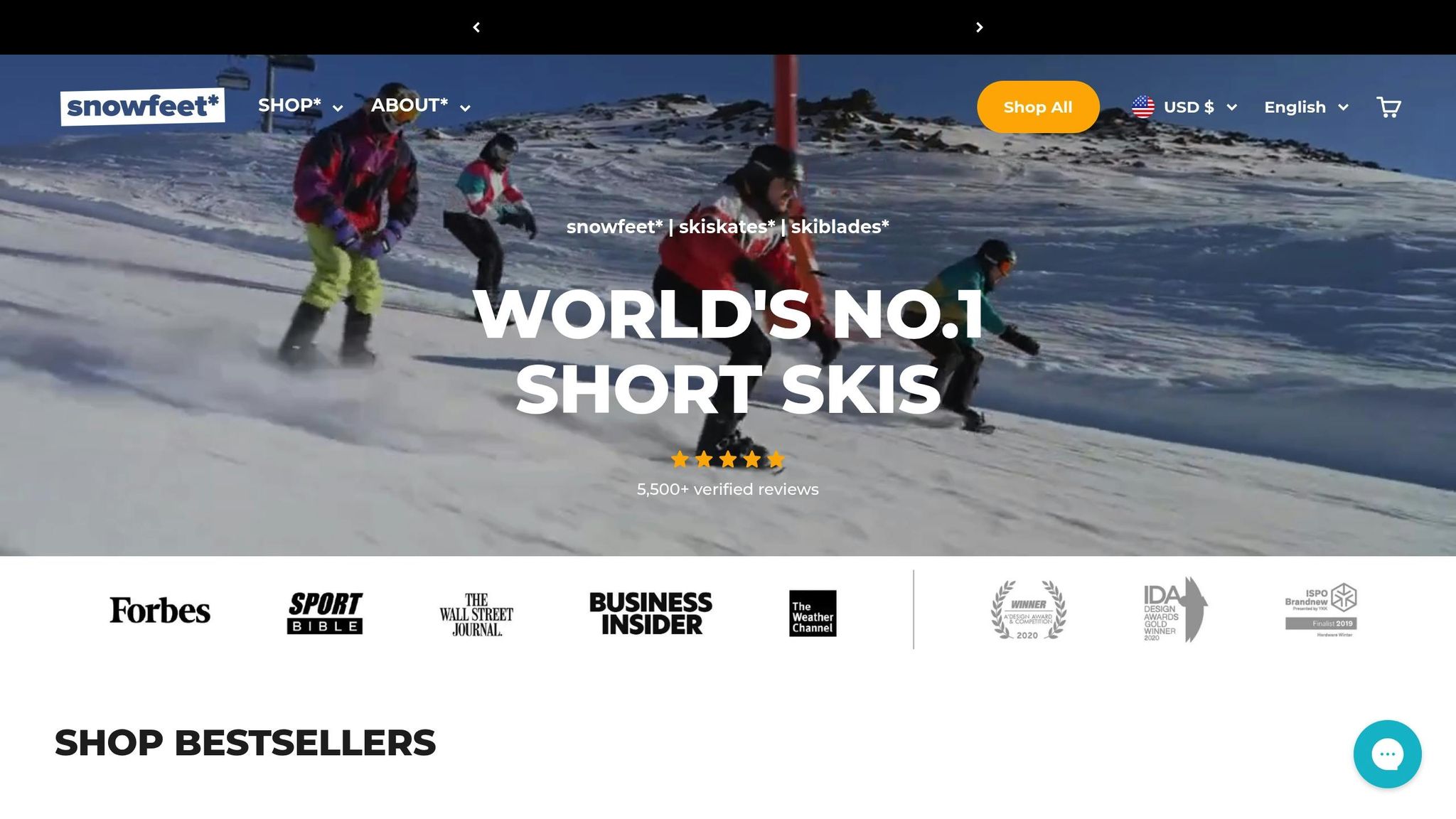
Snowfeet* makes getting started on the slopes a lot easier compared to traditional skis or snowboards. With lengths ranging from 44 cm to 120 cm, the compact design means there’s less gear to manage, making movement feel more natural and intuitive.
For beginners, snowboarding often involves adjusting to a sideways stance that can feel completely foreign. Snowfeet*, on the other hand, keeps your feet independent and forward-facing - something that feels comfortable, especially if you’ve ever ice skated or rollerbladed.
While traditional long skis shine when it comes to high-speed carving on groomed trails or floating through deep powder, they’re not as nimble in tight spaces or terrain parks. Snowfeet* short skis, however, are all about versatility. They’re great for weaving through crowded slopes, hitting park features, exploring off-the-beaten-path trails, or even zipping around in your backyard. This setup emphasizes agility and ease, fitting perfectly with Snowfeet*’s lightweight, transportable design.
Weight, Flex, and Portability
Portability is where Snowfeet* really stands out. A typical ski setup - skis with bindings weighing 10–15 lbs, plus 6–8 lbs of ski boots and poles - can be a hassle to carry and often requires a roof rack or oversized bag for transport. Snowfeet* flips the script with its compact design. These products are so portable they can fit into a standard backpack or tuck neatly into your car’s backseat - no extra equipment needed.
Durability is another key feature. Snowfeet* products are built tough, with reinforced edges that provide just the right flex to handle bumps while maintaining control. Despite their sturdy build, they’re incredibly lightweight, which not only makes them easy to carry but also enhances the overall riding experience.
Cost and Upgrade Options
Traditional ski and snowboard setups can be pricey, with the added cost of professional adjustments and regular maintenance. Snowfeet* takes a different approach, offering an all-in-one solution that’s easier on your wallet.
For instance, Snowfeet* products start at $250 for the Mini Ski Skates and go up to $775 for the 120 cm Short Skis. These setups come with built-in bindings, which means you don’t need to buy separate components or specialized boots. Plus, upgrading is straightforward. You could start with the 44 cm Skiskates at $575 to get the hang of things, then move up to the 99 cm Skiblades at $675 as your skills improve - without needing to replace your entire setup.
Another bonus? Maintenance costs are minimal. Snowfeet* offers affordable replacement parts, making it a budget-friendly choice for families and enthusiasts who want to enjoy the slopes without breaking the bank.
In short, Snowfeet* combines affordability, portability, and ease of use, offering a modern, hassle-free alternative to traditional skiing and snowboarding gear.
Conclusion
When it comes to choosing bindings, it all boils down to your riding style and the terrain you plan to tackle. Whether you're eyeing non-release bindings for park tricks, release bindings for all-mountain adventures, or snowboard bindings for that distinct ride feel, your gear should align with how and where you ride.
Compatibility is key. Make sure your bindings work with your boots - whether they're winter boots, snowboard boots, or ski boots. Your skill level and the type of terrain you prefer also play a big role. Beginners might appreciate a more forgiving setup, while seasoned riders often lean toward the precision of adjustable release bindings.
Snowfeet* takes the guesswork out of this process by offering complete packages that are ready to go. Their built-in bindings are designed to work effortlessly with regular winter boots, snowboard boots, or ski boots, depending on the model. This means you can spend less time worrying about setup and more time enjoying the slopes, whether you're a newbie or a seasoned pro.
As mentioned earlier, Snowfeet* provides a compact, budget-friendly, and portable solution that sidesteps the bulk and expense of traditional ski and snowboard gear. From the 44 cm Skiskates priced at $575 to the 120 cm Short Skis at $775, their products are designed to deliver a grab-and-go experience that fits in your backpack - and your budget.
If you're looking to skip the hassle of traditional setups and dive straight into the action, Snowfeet* offers a sleek, modern alternative. Their gear is all about convenience without cutting corners on performance. Check out their lineup to find the setup that suits your style and get ready to hit the slopes with ease.
FAQs
What are the benefits of using non-release bindings on short skis compared to traditional release bindings?
Non-release bindings bring a ton of perks to short skis like skiblades, snowblades, and skiboards. For starters, they’re lighter, more budget-friendly, and a breeze to adjust, making them a go-to option for both newbies and seasoned skiers. Their lightweight nature makes it easier to zip around, which is a huge plus when you’re working with compact skis.
Another standout feature is the snug connection they create between your boots and skis. This tighter fit translates to better control and quicker response - perfect for the sharp turns and playful moves that short skis excel at. While traditional release bindings are standard on full-sized skis, they can feel clunky and unnecessary on shorter models, like Snowfeet’s skiblades or skiskates, where agility and simplicity take center stage.
How do Snowfeet bindings work with different boots, and what makes them so versatile?
Snowfeet bindings are made to fit most winter and snowboard boots, making them super convenient and easy to use. Forget about investing in special ski boots - just grab the boots you already have, and you're good to go.
This setup isn’t just a money-saver; it also makes Snowfeet gear a great option for everyone, whether you're new to the slopes or a seasoned pro. Whether you're gliding down the mountain with Snowfeet Skiblades, Skiskates, or other short skis, the bindings are designed to keep things snug and comfy for a smooth ride.
What makes Snowfeet's short skis a better choice than traditional skis or snowboards for different terrains?
Snowfeet's short skis are all about agility and control. Their compact size makes them perfect for weaving through tight spots, handling quick turns, and tackling different types of terrain with ease. Whether you're just starting out or you've been riding for years, these skis offer a dynamic and fun alternative to traditional skis or snowboards.
What really sets these short skis apart is their versatility. They perform smoothly on groomed slopes and handle off-piste adventures like a pro. Plus, they’re lightweight, which means they’re a breeze to carry around. Pair them with Snowfeet’s cutting-edge bindings, and you’ve got a secure, comfy setup that’s ready for anything. Whether you're out to try new terrains or just want a more playful way to ride, Snowfeet's short skis bring a fresh twist to the slopes.












Leave a comment
This site is protected by hCaptcha and the hCaptcha Privacy Policy and Terms of Service apply.