







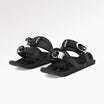












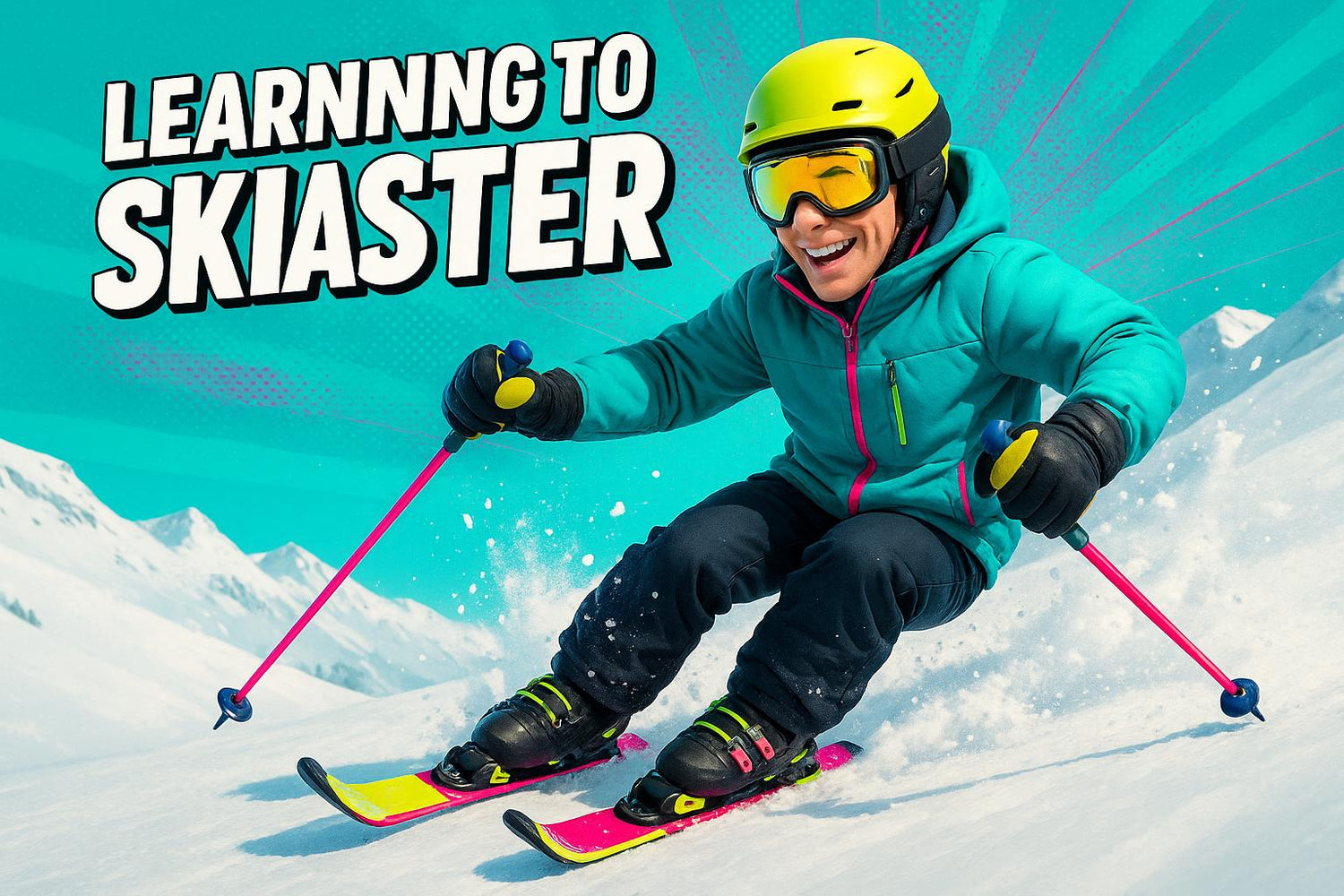
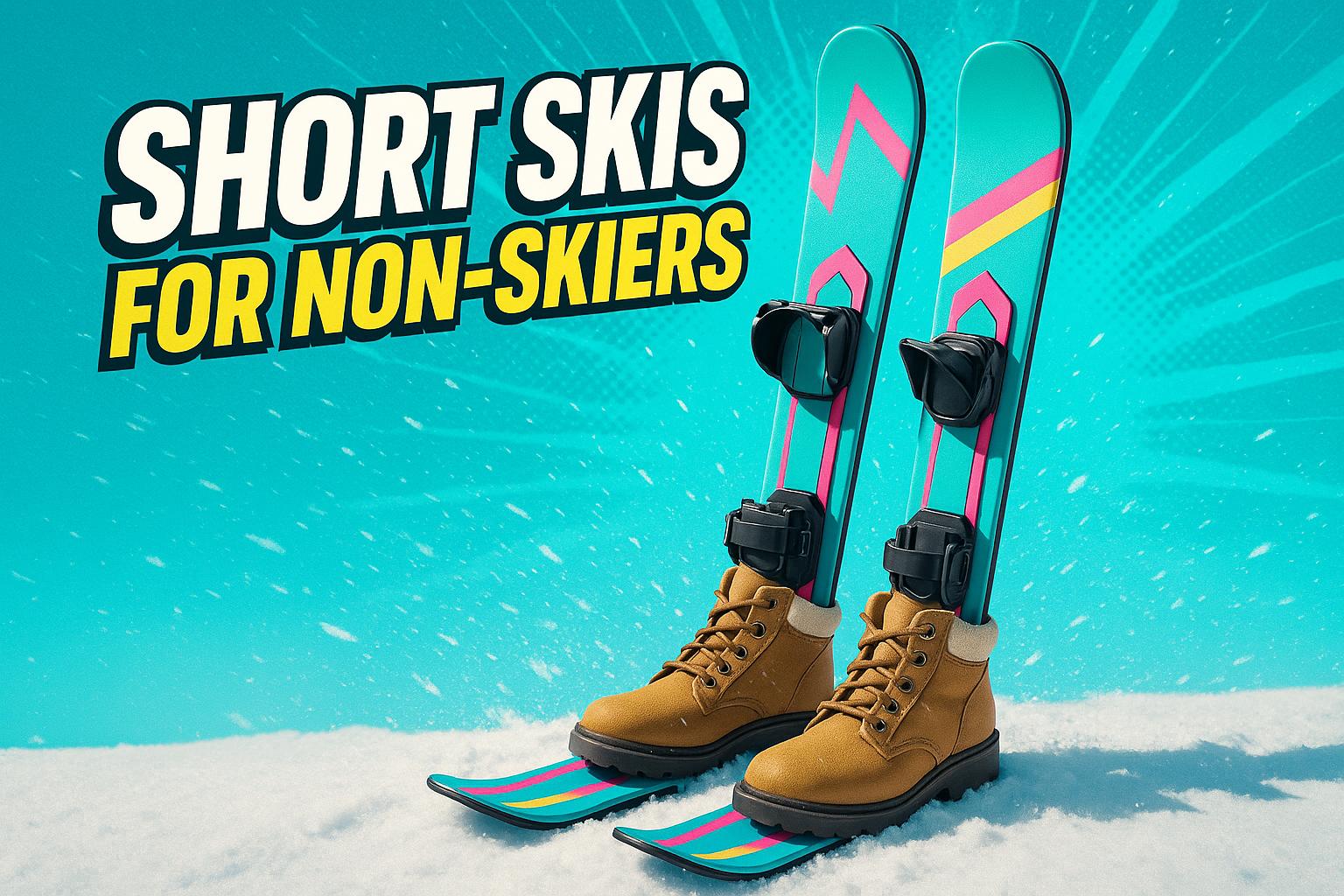
Skiblades make skiing easier and more fun, especially for beginners. Unlike longer skis, skiblades are shorter (65–120 cm), lighter, and more responsive, so you can turn, stop, and control your speed with less effort. They work with various boots, including regular winter shoes, making them accessible for everyone.
Why skiblades are great for learning:
- Shorter length: Easier to turn and control.
- Lightweight design: Less leg fatigue, more practice time.
- Quick learning curve: Feel confident on the slopes faster.
- Boot compatibility: Works with ski, snowboard, or even winter boots.
Snowfeet* offers three skiblade sizes tailored to your skill level:
- 65 cm ($635): Best for beginners.
- 99 cm ($675): Great for intermediates.
- 120 cm ($775): For advanced intermediates seeking more speed and stability.
If you're new to skiing or want to improve quickly, skiblades are an excellent choice. They’re easy to use, less tiring, and help you focus on technique without battling heavy gear. Ready to give them a try? Head to snowfeet.com to find the right pair for you!
Snowfeet* Snowblades | Skiboards | Skiblades | Short Skis - Complete Guide | All you need to know
Why Skiblades Make Learning to Ski Faster and Easier
Traditional skis demand strength, coordination, and a whole lot of patience, making the learning curve a bit intimidating for beginners. Skiblades, on the other hand, with their compact and user-friendly design, offer a far gentler introduction to skiing. Let’s break down why skiblades, especially Snowfeet*, can help you hit the slopes with confidence in no time.
Shorter Length Makes Turns Simpler and Progress Quicker
Skiblades typically measure between 65–120 cm, much shorter than the standard 150–180+ cm length of traditional skis. This compact size means less equipment to manage, so your movements feel more direct and responsive. With skiblades, you can master quick and precise turns without the extra effort longer skis require.
One of the biggest challenges with traditional skis is applying enough pressure to engage the edges properly, which can feel overwhelming and even exhausting for beginners. Skiblades eliminate this hurdle, letting you focus on developing your technique rather than battling the equipment. Plus, stopping feels natural and intuitive, unlike the tricky braking maneuvers needed with long skis. While traditional skis are optimized for high-speed stability, on most slopes, you’ll find Snowfeet* skiblades just as reliable - and a whole lot easier to control. Their lightweight design is the cherry on top, keeping you comfortable even during extended sessions.
Lightweight Design Keeps You Going Longer
Traditional skis can feel like dragging weights around after just a few runs, leaving your legs burning and your energy drained. Snowfeet* skiblades are designed to be lightweight, so you’re not fighting against heavy gear as you practice. This means fresher legs, sharper movements, and more time on the slopes to build your skills. The more runs you can squeeze in, the faster you’ll develop muscle memory and refine your form.
Snowfeet* Skiblades vs Traditional Skis and Snowboards
Here’s a quick comparison to show how Snowfeet* skiblades stack up against traditional skis and snowboards:
| Feature | Snowfeet* Skiblades | Traditional Skis | Snowboards |
|---|---|---|---|
| Learning Curve | Quick – most beginners feel at ease in hours | Slow – often takes days to gain confidence | Moderate – requires learning to ride sideways |
| Control at Low Speeds | Excellent – very responsive and easy to maneuver | Can feel awkward and harder to handle | Challenging for beginners |
| Control at High Speeds | Stable and responsive on most slopes | Extremely stable, built for speed | Demands advanced skills |
| Leg Fatigue | Minimal due to lightweight build | High fatigue from heavy equipment | Moderate fatigue, uses different muscles |
| Weight | 65 cm: Ultra-light; 99 cm: Light; 120 cm: Moderate | Heavy and bulky | Moderate weight |
| Agility in Tight Spaces | Exceptional – sharp turns are a breeze | Limited – requires more space for turns | Moderate – heel-side turns can be tricky |
| Ease of Stopping | Very easy for beginners | Tough to master | Requires specific techniques |
| Boot Compatibility | Works with winter shoes, snowboard boots, or ski boots | Ski boots only | Snowboard boots only |
| Portability | Fits in backpacks or small bags | Needs ski bags and roof racks | Requires snowboard bags |
Snowfeet* skiblades are a total game-changer for beginner and intermediate skiers. Their shorter length, lightweight design, and unmatched maneuverability make learning faster, safer, and way more fun compared to traditional skis or snowboards.
Choosing the Right Snowfeet* Skiblades for Your Needs
Snowfeet* skiblades are celebrated for their agility and control, but picking the right model can make all the difference in your skiing experience. Whether you're just starting out or looking to take on more advanced slopes, there’s a Snowfeet* skiblade tailored to your skill level and goals.
Snowfeet* 65 cm: Perfect for Beginners and Quick Maneuvers
If you’re new to skiing, the 65 cm skiblades are a solid choice. Their shorter length makes it easier to handle quick turns and navigate gentle slopes with confidence. Plus, their compact size means they’re super portable and work with regular winter boots - no need for specialized gear. At $635, they’re a great option for practicing the basics and building your skills on easier runs.
Snowfeet* 99 cm: A Versatile Pick for Intermediates
For skiers ready to move beyond the beginner stage, the 99 cm skiblades strike a great balance between agility and stability. They offer better edge grip and a steady platform on groomed trails while still allowing for quick turns. These are ideal for honing carving skills and tackling a variety of terrain. Priced at $675, they’re a smart choice for those stepping up their game.
Snowfeet* 120 cm: Stability and Speed for Advanced Intermediates
The 120 cm skiblades are built for skiers who’ve mastered the basics and are ready for more speed and control. Their longer length provides better edge contact and stability, making them perfect for challenging terrain and technical slopes. Designed for high-speed performance, they offer a unique mix of the nimbleness of skiblades and the steadiness of traditional skis. At $775, they’re a great option for those looking to push their limits on the mountain.
sbb-itb-17ade95
How to Learn to Ski Faster with Skiblades: Step-by-Step Guide
Learning to ski with Snowfeet* skiblades is a unique experience compared to traditional long skis. Their compact size changes how you stand, turn, and move on the slopes. Breaking the process into clear steps makes it easier to pick up the skills and gain confidence quickly.
Step 1: Get Comfortable on Gentle Slopes
Start on flat or slightly sloped terrain to get the hang of Snowfeet* skiblades. This is your chance to get used to their feel before tackling steeper runs.
Finding the Right Stance: Stand with your legs about shoulder-width apart and balance your weight evenly across the middle and back of your feet. Keep your body upright, and for extra stability, try positioning one foot slightly ahead. Begin by pushing off in a skating motion, similar to hockey, to get used to gliding. If you're using the 65 cm model, you'll notice how quickly it responds to your movements, making it perfect for beginners.
Learning to Stop: To stop, turn both skiblades sideways to engage the edges, or use the heel brake for a slower, more gradual stop.
Controlled Descents: When you're ready to try a gentle slope, point the tips of your skiblades inward and press on the inside edges. This helps you descend at a slower, more controlled pace. If you feel unsteady, ski poles can provide extra balance until you’re more confident.
The wider base of Snowfeet* skiblades makes it easier to recover from small wobbles, helping you feel more secure as you learn. Once you’ve got the basics down, you can move on to linking turns and managing your speed.
Step 2: Work on Turns and Speed Control
After mastering the basics, move to wider blue runs where you have plenty of space to practice turns and control your speed. The design of Snowfeet* skiblades makes turning smooth and intuitive.
Turning Basics: To make a turn, shift your weight to the opposite leg of the direction you want to go. For example, lean on your left leg to turn right, and on your right leg to turn left.
Carving and Controlling Speed: For carving turns, place your lead leg slightly ahead and shift your weight to the inside edges. To slow down, finish each turn by steering your skiblades closer to a perpendicular angle with the slope. The more you raise the tips during a turn, the more you’ll reduce your speed.
Picking Up Speed: Ready to go faster? Straighten your skiblades so they point more directly downhill. You can adjust your speed easily by tweaking the angle of your skiblades.
Keep your weight centered over the middle and back of your feet, and maintain an upright posture. This stance is key for controlling the shorter skiblades effectively. Once you’re comfortable with turns and speed, you can start working on advanced drills to take your skills up a notch.
Step 3: Advance Your Skills with Drills
Now that you’ve got the basics down, it’s time to refine your technique and build confidence with more advanced exercises. The longer 99 cm or 120 cm Snowfeet* skiblades are perfect for this stage, as they provide better edge contact and stability.
Carving and Precision: Practice continuous carved turns and quick, short-radius turns on different types of terrain. Focus on flowing smoothly from one turn to the next without stopping. Try steeper blue runs and even mild black runs to get comfortable with varying slope angles.
Sliding Backward (Switch): Test your balance by sliding backward on gentle terrain. Start on flat ground and look over your shoulder as you skate backward, then progress to slight slopes. The symmetrical design of Snowfeet* skiblades makes this easier than it would be with traditional skis.
Because Snowfeet* skiblades are lightweight, you can practice longer without tiring as quickly. This gives you more time to build muscle memory and confidence for tackling diverse terrain.
Tips for Safe and Confident Progress with Skiblades
Safety is just as important as technique when you're learning to ski with Snowfeet* skiblades. Paying attention to snow conditions, setting up your gear correctly, and wearing the right protective equipment can help you improve faster while staying safe on the slopes.
Understanding Snow Conditions and Terrain
Snow conditions and terrain play a big role in how your Snowfeet* skiblades perform. Knowing what to expect can help you adjust your approach and pick the right model for the day.
- Groomed runs are ideal for Snowfeet* skiblades. Their smooth, packed surface makes it easier to carve and practice turns without worrying about unexpected bumps or obstacles. It’s a great place to build your skills.
- Hardpack and icy snow demand sharper edge control. The shorter 65 cm skiblades are quick to respond on hard snow, while the 99 cm and 120 cm models provide more edge contact for better stability on firm or icy surfaces.
- Powder snow can be tricky. If the snow is deeper than 4 inches, the 65 cm skiblades might struggle to stay afloat. Switching to the 99 cm or 120 cm models can make gliding over soft snow easier. Just remember to keep your speed up and maintain an upright stance.
- Steep or ungroomed terrain requires gradual progression. Beginners should stick to groomed runs with the 65 cm model. The longer 99 cm and 120 cm skiblades handle uneven terrain better, but it’s smart to take your time and build confidence before tackling more challenging slopes.
While traditional long skis might seem like a safer bet for varied terrain, they can actually be harder to control for beginners. Snowfeet* skiblades are more maneuverable, helping you adapt quickly to changing conditions. With terrain in mind, let’s talk about how to set up your gear for success.
Setting Up Your Snowfeet* Skiblades Correctly
A proper setup is key to staying safe and in control. Pay attention to your boots, bindings, and gear condition before every run.
- Boot compatibility is a must. Snowfeet* skiblades work with regular ski boots, snowboard boots, and even winter shoes, depending on the model. Make sure your boots fit snugly in the bindings - loose boots can make it harder to control your skiblades.
- Binding adjustments should match your skill level and boot size. The 65 cm model has a simpler binding system, making it perfect for beginners. The 99 cm and 120 cm models offer more adjustability for advanced users.
- Pre-run gear checks are non-negotiable. Before hitting the slopes, ensure your bindings are locked, straps are secure, and there’s no visible damage to your skiblades. A quick look at the edges for nicks or wear can save you from surprises mid-run.
Snowfeet* skiblades are easy to maintain - usually, a quick visual inspection is all it takes. Once your gear is good to go, it’s time to think about protective equipment.
Protective Gear Recommendations for Beginners
The National Ski Areas Association (NSAA) states that wearing helmets reduces the risk of head injuries by seven times. Protective gear isn’t just a suggestion - it’s a must.
- Helmets should be at the top of your list. Look for one made of ABS or polycarbonate for solid impact protection. It should fit snugly without sliding around. As the Snowfeet Team advises, "Make sure your child wears a helmet and any other protective gear to keep them safe while they learn".
- Goggles are essential for shielding your eyes from wind, snow, and UV rays. Choose a pair with good clarity and ventilation to avoid fogging. Make sure they fit well with your helmet for a clear view on the slopes.
- Gloves or mittens are more than just for warmth - they protect your hands and help you maintain a secure grip on your gear. Warm, dry hands can make a big difference during long sessions.
Unlike some traditional ski brands that push pricey gear, Snowfeet* skiblades let you start with basic protective equipment and regular winter clothing. This means you can focus on learning and improving without feeling pressured to overspend on gear. A secure setup and the right gear will not only keep you safe but also make your experience on the slopes more enjoyable.
Conclusion: How Snowfeet* Skiblades Change the Way You Ski
Snowfeet* skiblades are shaking up the skiing world in all the best ways. With lengths ranging from 65 to 120 cm, they offer unmatched precision for quick turns while their lightweight build helps reduce fatigue. This means you can stay out longer, practice more, and sharpen your skills without feeling worn out. Plus, they strip away unnecessary gear, allowing you to zero in on perfecting your turns and stops.
For beginners, these skiblades are a game-changer. Traditional skis can feel overwhelming, but Snowfeet* skiblades are designed to be approachable and forgiving. The 65 cm version is perfect for learning quick turns, while the 99 cm option is ideal for intermediates seeking a balance of control and speed on groomed trails. Advanced intermediates will love the 120 cm model for its stability at higher speeds and adaptability across varied terrain.
What really sets Snowfeet* skiblades apart is how quickly they help you level up your skills. They’re super easy to use - comfortable, adjustable to different boot sizes, and simple to put on. Instead of wrestling with complicated gear, you can focus on what really matters: skiing.
Snowfeet* is proving that shorter skis aren't just an alternative - they're a better choice for agility and ease. They bring more fun, freedom, and excitement to your winter adventures. Ready to ski smarter and with more confidence? Check out their lineup at snowfeet.com and see for yourself!
FAQs
Are skiblades safer for beginners compared to traditional skis?
Skiblades are a fantastic option for beginners, including kids, because they make learning to ski feel less daunting. Their shorter length makes turning a breeze and lowers the chances of catching an edge - a problem that often trips up newcomers using traditional skis. This extra control helps beginners gain confidence faster while navigating the slopes.
On top of that, skiblades are lightweight and forgiving, which means falls are less scary, and getting back up is quicker. These qualities let new skiers focus on building their skills without feeling overwhelmed. All in all, skiblades offer a fun and approachable way to ease into skiing.
What’s the difference between the 65 cm, 99 cm, and 120 cm Snowfeet skiblades, and how do I pick the right size for my skill level?
The 65 cm Snowfeet skiblades are an awesome pick for skaters, hockey players, or anyone who loves quick turns, playful tricks, and a more dynamic ride. If you're after a mix of agility and stability, the 99 cm skiblades are your go-to - they're perfect for carving and picking up some speed. On the other hand, the 120 cm skiblades provide the most stability, making them a solid choice for beginners or those who enjoy carving and cruising through powder.
So, if you're all about tricks or have some skating experience, grab the 65 cm. Want a smooth, fast, and versatile ride? The 99 cm is your best bet. And if you're new to the slopes or need something stable and powder-friendly, the 120 cm has got you covered.
Can I use my regular winter boots with Snowfeet skiblades, or do I need special ski boots?
Yes, you can use your regular winter boots with Snowfeet skiblades, as long as they match the bindings you’re using. Snowfeet skiblades are built to work with different types of footwear, including snowboard boots and ski boots. This means you’ve got the freedom to stick with what you already have or use what feels most comfortable.
This flexibility makes Snowfeet skiblades an easy and budget-friendly alternative to traditional skis, which usually require pricey, specialized boots. Just double-check the binding specs on your skiblades to make sure everything fits securely and comfortably.











Leave a comment
This site is protected by hCaptcha and the hCaptcha Privacy Policy and Terms of Service apply.