



















Quick Summary
Choosing the right beginner skates in 2026 depends entirely on where you want to ride and how much maintenance you want to handle. While traditional figure and entry-level hockey skates (ranging from $80 to $170) offer excellent support and speed optimized strictly for ice rinks, they come with a steep learning curve, stiff break-in periods, and the hassle of regular blade sharpening. In contrast, Snowfeet options like the 44 cm and 50 cm models ($299 to $550) provide a portable, low-maintenance alternative that straps directly onto your everyday winter boots. By bypassing specialized footwear and costly rink or resort fees, Snowfeet allows beginners to easily navigate any snow-covered backyard, trail, or hill with a natural, walking-style motion.
Looking for beginner-friendly ice skates? Here’s the deal: the right skates can make learning fun and comfortable, while the wrong ones can lead to frustration. Whether you’re heading to the rink or trying something new on snow, this guide has you covered.
Quick Picks:
- Snowfeet Ski Skates (44 cm): $550, the ultimate skates for ski slopes. Short enough to fit in a backpack, yet long enough to spin, jump, and ride backwards.
- Snowfeet Ski Skates (50 cm): $299, a best-value ski-skate model with extra balance, made for easy skiskating on groomed slopes, trails, sledding hills, and backyard snow. You can use them with your winter shoes.
- Figure Skates: Examples like Jackson Ultima ($120–$150) or Riedell Sparkle ($90–$130) offer classic options for rink skating.
- Hockey Skates: Options like Bauer Vapor X2.5 ($100–$130) are great for speed and sharp turns.
Why Snowfeet Stands Out:
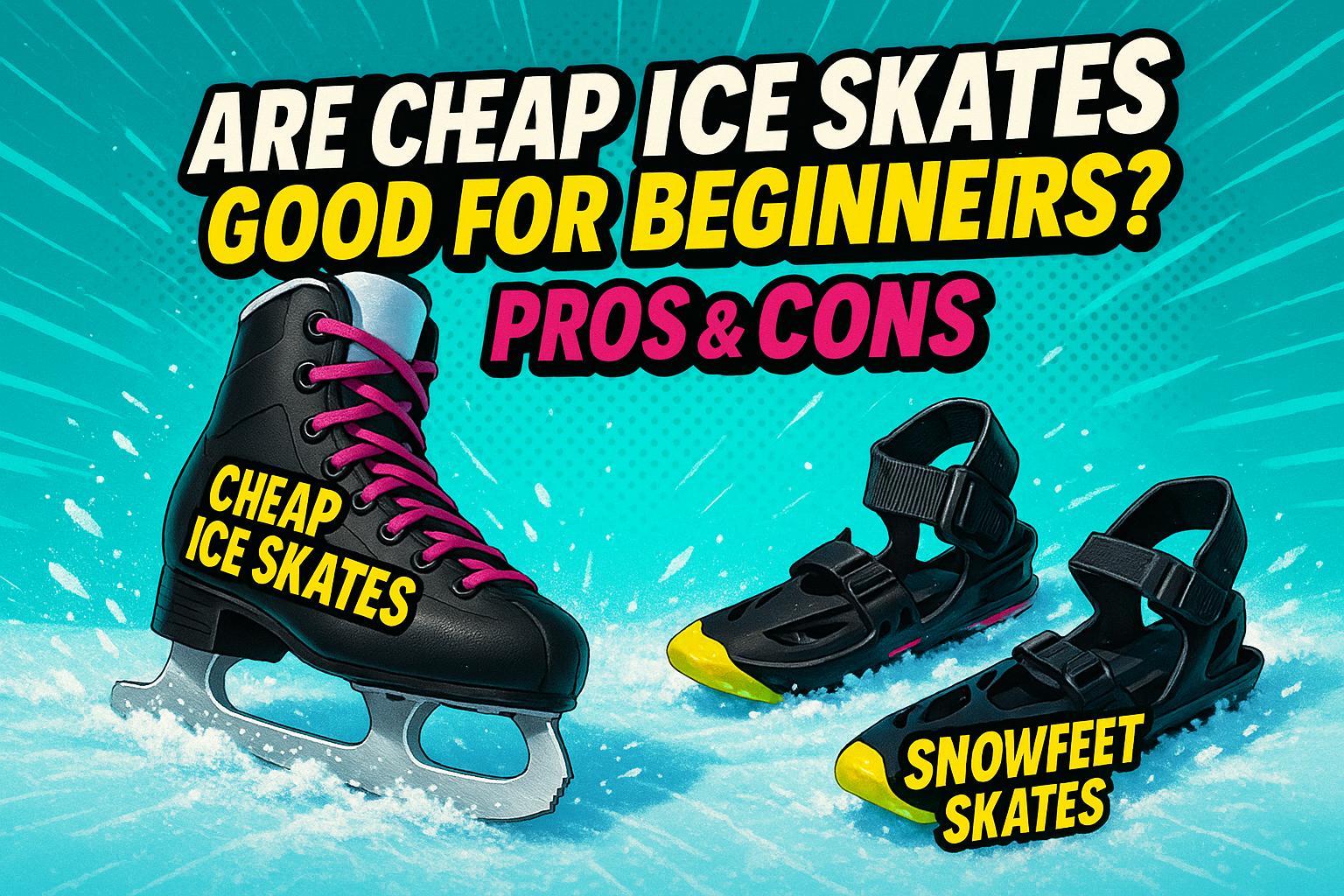
Unlike traditional skates, Snowfeet attaches directly to your winter boots, making them easy to use with minimal maintenance. Plus, they’re compact enough to fit in a backpack and work on snow-covered terrain, not just ice rinks.
Whether you’re after classic skates or want to try something new like Snowfeet, this guide will help you find the perfect pair to start your skating journey. Let’s dive in!
Key Features to Look for in Beginner Ice Skates
When you're just starting out on the ice, picking the right skates can make all the difference. The right features can help you stay safe, feel comfortable, and build confidence as you learn.
Fit and Sizing
Getting the right fit isn't just about comfort - it's about staying steady on the ice. Your skates should fit snugly, with your toes just brushing the front without feeling cramped. Loose or oversized skates can make you wobble and throw off your balance.
Snowfeet* 50CM ski skates are designed to work with your winter boots, giving you a familiar and secure fit. For traditional skates, check that your heel stays firmly in place when you bend your knees. If your heel lifts or your toes move around too much, the skates are too loose and need a better fit.
 Product Link: Snowfeet* 50 CM | Ski Skates
Support and Stability
Good ankle support is a game-changer for beginners. Reinforced padding keeps your ankles steady, helping you stay upright and balanced. Snowfeet* 50CM ski skates take advantage of your winter boots' natural support, while their simple, lightweight design makes handling them a breeze and adds to your stability.
Blade and Boot Material
Durability matters, especially when you're starting out. Stainless steel blades are tough and require less upkeep, while synthetic boots are great for cutting down break-in time and managing moisture.
Snowfeet* products use long-lasting materials and smart binding systems, making maintenance easier compared to traditional skates, especially when it comes to blade care.
Budget Considerations
Think about both the upfront cost and what it'll take to maintain your skates over time. Traditional skates often need regular blade sharpening, which can add to the overall expense.
Snowfeet* products are designed to minimize maintenance hassles, potentially saving you money in the long run while still offering quality performance for winter sports.
Intended Use
Your skating goals should guide your choice. If you're just looking to skate for fun, prioritize comfort and stability. Figure skates are great for casual skating, while hockey skates are built for speed and sharp turns.
Snowfeet* products stand out for their versatility. They can handle various winter conditions and surfaces, letting beginners try out different activities without needing separate gear for each sport. This flexibility helps you get the most out of your investment while exploring a range of winter fun.
Choosing the right gear based on how you plan to use it ensures that your skates will support your learning and enjoyment as you step onto the ice for the first time.
Best Beginner Ice Skate Picks for 2026
We’ve done the legwork to find the best beginner ice skates for 2026, focusing on comfort, stability, and value. Whether you’re just starting out or looking for something versatile, we’ve got options for every style and budget. Here’s a breakdown of our top picks.
Snowfeet* Ski Skates (44 cm/~17 inches)
Choosing the right beginner skates in 2026 depends entirely on where you want to ride and how much maintenance you want to handle. Traditional figure and entry-level hockey skates (ranging from $80 to $170) offer excellent support and speed optimized strictly for ice rinks, but they come with stiff break-in periods and the hassle of regular blade sharpening.
In contrast, the Snowfeet 44 cm Ski Skates ($550) and the longer 50 cm model ($299) provide a lightweight, maintenance-free alternative that straps directly onto your everyday winter boots. By eliminating specialized footwear and rink restrictions, these portable 17-inch skates combine the thrill of skiing with the agility of skating, allowing beginners to easily maneuver across snow-covered backyards, trails, and slopes with total freedom.
Snowfeet* Ski Skates (50 cm/~20 inches)
Ready to take things up a notch? The Snowfeet* 50 cm, priced at $299, is perfect for beginners who want to level up. With a longer 50 cm (~20 inches) design, these skates strike a balance between stability and agility, giving you more control as your skills improve.
The adjustable bindings are a standout feature, accommodating different boot sizes. This is great for families sharing gear or anyone who wants a more tailored fit. Built with tough materials, the 50CM model is designed to handle rougher terrain and more frequent use - so it grows with you as you get better.
You’ll also love the versatility. Whether you’re tackling groomed slopes or fresh powder, these skates adapt to various snow conditions. And with multiple color options, you can pick a style that fits your vibe.
Figure Skates for Beginners
If you’re more into the classic look, traditional figure skates are a solid choice, though they come with some limitations.
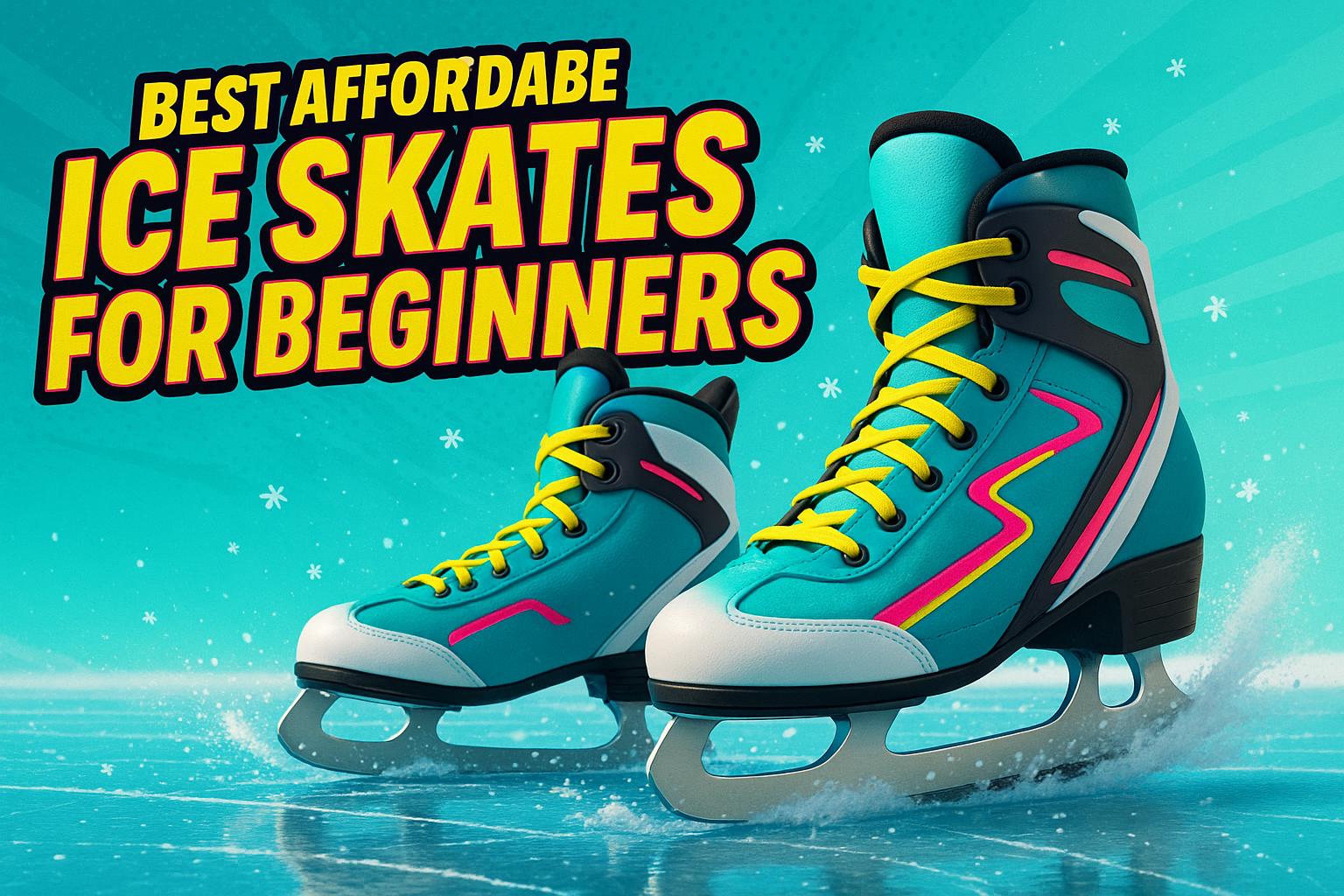
- Jackson Ultima Artiste Series: Priced between $120–$150, these skates offer solid ankle support and a comfortable fit. Reinforced padding and a forgiving boot design make them beginner-friendly.
- Riedell Sparkle Skates: At $90–$130, these are a popular choice for young skaters. They’re soft, require little break-in time, and have fun designs.
- Botas Cezar Skates: Budget-conscious? These skates come in under $100 and are great for casual skating. While they lack advanced features, they’re perfect for learning the basics.
Keep in mind, traditional figure skates are mostly for ice rinks, and the learning curve can be steeper as you adjust to the specialized boots and skating motion.
Entry-Level Hockey Skates
For those who crave speed and a more aggressive style, hockey skates are worth considering.
- Bauer Vapor X2.5: At $100–$130, these skates provide strong ankle support and durability, ideal for beginners exploring hockey or fast-paced skating.
- CCM Jetspeed FT340: Priced between $80–$120, they offer comfort and protection, making them great for quick stops, starts, and sharp turns.
- Bauer Supreme S25: A premium option at $140–$170, these skates feature enhanced ankle support and tough materials, perfect for frequent use.
Hockey skates, like figure skates, can be less forgiving for casual skating, so expect a bit of a learning curve.
Final Thoughts
Whether you’re sticking to the ice rink or venturing onto snowy trails, there’s a skate here for you. Traditional figure and hockey skates have their perks, but if you’re looking for versatility and ease, Snowfeet* 44 cm and 50 cm Ski Skates models are hard to beat. They’re fun, portable, and perfect for beginners ready to explore beyond the rink.
sbb-itb-17ade95
Snowfeet* vs. Standard Skates and Skis: Key Comparisons
Let’s break it down: Snowfeet* brings a fresh twist to winter fun by simplifying the experience compared to traditional skates and skis. They’re easy to learn, work with your everyday winter boots, are compact enough to toss in a backpack, and don’t come with the headache of constant maintenance.
Here’s the deal with traditional gear. Ice skates? Perfect for rinks but limited to, well, ice. Skis? They’re usually tied to pricey trips to resorts, complete with lift tickets and a laundry list of specialized equipment. Snowfeet* changes the game by turning nearly any snow-covered spot into your personal playground. From your backyard to that hill everyone loves sledding on, Snowfeet* lets you enjoy the snow without the usual hassle.
 Product Link: Snowfeet* 44 CM | Skiskates | Snowblades Skiboards Mini Skis
Another standout feature? Footwear compatibility. Unlike figure or hockey skates that require stiff, specialized boots (and a painful break-in period), Snowfeet* works with the winter boots you already own. That means you can skip the discomfort and focus on having fun. This ease of use is a huge plus for beginners who want to get moving without spending hours adjusting to unfamiliar gear.
And let’s talk portability. Skis are, let’s be honest, a storage nightmare. They’re bulky, awkward, and not exactly easy to transport. Snowfeet* Ski Skates, on the other hand, are so compact they can fit in a backpack. Spontaneous winter adventures? Totally doable.
Here’s a quick comparison to sum it all up:
Comparison Table
| Product | Fit/Comfort | Learning Curve | Footwear Compatibility | Portability | Price (USD) | Maintenance | Terrain Flexibility | Key Benefits |
|---|---|---|---|---|---|---|---|---|
| Snowfeet* Ski Skates (44 cm) | Excellent – use your own boots | Very easy – intuitive motion | Works with any winter boots | Backpack-friendly | From $550 | Minimal upkeep; no blade sharpening | Ideal for snow slopes, parks, trails, backyards | Versatile and convenient |
| Snowfeet* (50 cm) | Excellent – adjustable bindings | Easy – stable yet maneuverable | Compatible with winter and snowboard boots | Compact and lightweight | $299 | Minimal upkeep; no blade sharpening | Suitable for varied snow conditions | Enhanced performance with portability |
| Figure Skates | May feel less comfortable initially; break-in needed | Moderate – requires dedicated technique | Designed to work with specialized skate boots | Often bulkier when fitted with guards | Varies | Higher upkeep with regular sharpening | Primarily limited to ice rinks | Classic design but less adaptable |
| Hockey Skates | Generally stiff; can be uncomfortable | Steeper – demands a more aggressive stance | Requires dedicated hockey skate boots | Bulky when outfitted with protective guards | Varies | High maintenance with frequent sharpening | Mainly intended for ice rinks | Optimized for speed and agility on ice |
| Traditional Long Skis | Fit can vary – often tied to boot rental/purchase options | Steep – involves mastering complex techniques | Requires pricey, specialized ski boots | Very bulky – usually needs roof storage | Typically higher than alternative options | Needs periodic waxing and tuning | Best suited for resort slopes | Offers a classic skiing experience, but with limitations |
Here’s the bottom line: traditional setups come with hefty costs, both upfront and ongoing. Add in the need for specialized boots and regular maintenance, and they’re not exactly beginner-friendly. Snowfeet*, on the other hand, keeps things simple and affordable.
For those new to winter sports, the learning curve is a breeze with Snowfeet*. Unlike skiing or ice skating, which demand a whole new set of skills, Snowfeet* uses a natural walking-style motion. Most people pick it up quickly, making it a great option for anyone looking to dive right in.
And let’s not forget terrain flexibility. Traditional gear often ties you to specific venues - ice rinks, ski resorts, and so on. Snowfeet*? It’s your ticket to exploring any snowy surface, turning the whole winter landscape into a playground.
How to Get Started: Practical Tips for First-Time Skaters
Getting started with Snowfeet* or traditional skates? Here's a simple guide to help you feel confident and ready to hit the snow or ice.
Choosing the Right Size
The first step is making sure your skates fit properly. A good fit means better comfort and stability. One of the perks of Snowfeet* is that they work with your regular winter boots - no need to figure out tricky sizing charts or deal with stiff, unfamiliar boots.
For Snowfeet*, start by checking the size of your winter boots. Their adjustable bindings make it easy to get a secure fit. The Ski Skates (38 cm) are compatible with most standard winter boots, while the model (50 cm) is versatile enough to fit both winter boots and snowboard boots.
If you're going with traditional ice skates, be ready for a different sizing process. It might take a bit of trial and error to find the perfect fit, but Snowfeet* keeps things simple by letting you use your usual boot size for an instant, snug fit.
Trying Skates On
Getting into Snowfeet* is a breeze. Just slide in your winter boots, adjust the straps until they’re secure, and make sure your toes can move freely without feeling cramped. Also, double-check that there are no pressure points.
For traditional skates, aim for a snug fit. A good test is trying to slip a finger under the lace at your ankle - if it fits, tighten the laces a bit more. Walk around indoors to test the fit and stability. While traditional skates might feel awkward at first, they shouldn’t cause sharp pain or numbness. Snowfeet*, on the other hand, offer a more natural feel since you're using your own boots.
Don’t forget to check for heel lift. Gently try lifting your heel inside the boot or binding. If it moves too much, tighten things up for a more secure fit.
First Steps on the Ice or Snow
Once your skates are on and secure, it’s time to take your first steps. Start slow and steady. Snowfeet*’s glide-friendly design makes it easy to find your rhythm.
Keep your posture in check: stand tall, bend your knees slightly, and align your head, shoulders, and hips. Keep your feet about hip-width apart for better balance. This stance is your foundation for stability as you gain confidence.
Snowfeet* are designed to let you explore all kinds of snowy terrain. Begin on flat, snow-covered ground to get comfortable before trying slopes. Practice stopping by turning your toes inward (snowplowing) or, if needed, by sitting down gently. Snow is more forgiving than ice, so don’t stress if you need a moment to adjust.
If you’re ice skating, start by holding onto the rink boards for balance. Push off with the side of the blade and focus on maintaining your balance on the narrow edge. It takes a little more patience, but with practice, you’ll get the hang of it.
Finally, pick the right spot to practice. Snowfeet* let you roam freely wherever there's snow - local sledding hills, hiking trails, or even your backyard. Traditional setups, however, might limit you to specific places like ice rinks or ski resorts. Choose what works best for you and enjoy the ride!
Conclusion: Finding the Perfect Beginner Ice Skates
Picking the right pair of ice skates as a beginner boils down to comfort, stability, and ease of use. The ideal skates help you gain confidence without emptying your wallet or overwhelming you with a steep learning curve.
Enter Snowfeet* Ski Skates. At 44 cm (17 in) for $550, or the 50 cm (20 in) model, these skates are a game-changer. Why? They work with your regular winter boots. Yup, no need for specialized, pricey boots. Just lace up your own boots, and you’re ready to glide on snow. It’s a simple way to enjoy the thrill of skating without sacrificing comfort or familiarity.
What makes Snowfeet* stand out is their versatility. Unlike traditional skates that keep you tied to an ice rink or skis that come with lift tickets and resort fees, Snowfeet* transforms any snow-covered spot - your backyard, a local hill, or a nearby trail - into your personal playground. This freedom makes it easier to practice, have fun, and improve at your own pace.
For beginners, Snowfeet* offers a smooth introduction to winter sports. The shorter length gives you better control, and the forgiving snow surface helps you build skills without the pressure of perfection. Plus, they’re lightweight, easy to use, and far less expensive than renting gear or paying for lift tickets.
Whether you go for the ultra-portable 40 cm Ski Skates or the 50 cm model for a bit more performance, Snowfeet* is designed to grow with you. Adjustable bindings and durable construction mean these skates aren’t just for beginners - they’re ready to tackle more challenging terrain as your skills improve.
In short, Snowfeet* makes winter sports accessible, fun, and affordable. So, pick what feels right, and get ready to glide into the snowy season with confidence! :)
FAQs
How are Snowfeet different from traditional ice skates for beginners?
Snowfeet bring a fresh twist to ice skating, especially for those just starting out. They’re shorter and lighter than traditional skates, which means they’re easier to manage and a breeze to carry around. Plus, here’s the kicker: you can use them with your regular winter boots - no need to splurge on special footwear.
Their compact design makes it easier to pick up the basics, and turning feels more natural, giving beginners a confidence boost right out of the gate. Traditional skates, with their bulkier build, often take longer to get the hang of. With Snowfeet, hitting the ice feels less intimidating and way more fun.
How do Snowfeet Ski Skates perform in different snow conditions compared to traditional skis?
Snowfeet Mini Ski Skates offer a refreshing twist on winter sports gear, standing out as a flexible alternative to traditional skis. Unlike classic skis from brands like Rossignol or Atomic, which are often designed for specific snow conditions, Snowfeet gear works well across different terrains. For instance, the 99 cm POWDER model shines in deep snow, while the 44 cm Skiskates are ideal for groomed trails and packed snow.
This versatility makes Snowfeet a fantastic choice for beginners or casual snow lovers. They’re lightweight, easy to handle, and skip the bulkiness of regular skis. Whether you're gliding along a snowy trail or cruising down a mellow slope, Snowfeet Mini Ski Skates deliver a fun, hassle-free way to enjoy the winter wonderland.
Are Snowfeet products a good choice for beginners with no experience in winter sports?
Snowfeet products are a fantastic option for anyone new to winter sports. They’re built to be simple and user-friendly, giving beginners an easy way to enjoy the thrill of gliding on snow - without the challenges that come with traditional skis or snowboards.
What sets Snowfeet apart is their lightweight and compact design. Unlike bulky gear, they’re much easier to manage, which makes them far less overwhelming for first-timers. Plus, their clever design helps you pick up the basics quickly, so you can jump into snowy adventures feeling confident and ready to have fun.
Editor: Karolina R.
Last Update: July 7, 2026











1 comment
Jess
Wow, Can I seriously just skip the painful ice skate break-in and use my own comfy winter boots with these?
Leave a comment
This site is protected by hCaptcha and the hCaptcha Privacy Policy and Terms of Service apply.