




















Summary: We bring you tips for skiing in North America’s coldest resorts. You’ll learn how to layer your clothing, protect your extremities, and discover the benefits of lightweight gear like Snowfeet skis and why they have the upper hand in these extreme conditions.
If you’re chasing icy thrills, North America’s coldest ski resorts are where the real adventure begins. With temperatures dropping as low as -40°F and wind chills that can make it feel even colder, these destinations aren’t for the faint-hearted. From Vermont’s bone-chilling Jay Peak to Canada’s frigid Lake Louise, these resorts test both your skills and your gear. Here’s the scoop:
- Jay Peak, VT: Known for its harsh winds and "The Freezer" chairlift, where compact gear like Snowfeet* shines.
- Whiteface Mountain, NY: Olympic-level terrain with teeth-chattering cold and steep trails.
- Mont Tremblant, QC: Canada’s frosty gem with lows hitting -40°F.
- Red Lodge Mountain, MT: Famous for light, fluffy powder and zero-degree winters.
- Revelstoke, BC: Steep terrain, deep snow, and Arctic-level chills.
- Stowe, VT: Classic New England slopes with relentless cold.
- Lake Louise, AB: Stunning views paired with -63°F lows and exposed, windy terrain.
Quick Tip: Short skis like Snowfeet* Skiblades excel in these conditions. Their lightweight design cuts through wind and icy terrain, making them a smart choice when the mercury dips. Ready to brave the cold? Let’s dive into the details!
5 Coldest Ski Resorts in the USA - Would you Dare Ski Any of These at Their Coldest Temps?
1. Jay Peak, Vermont
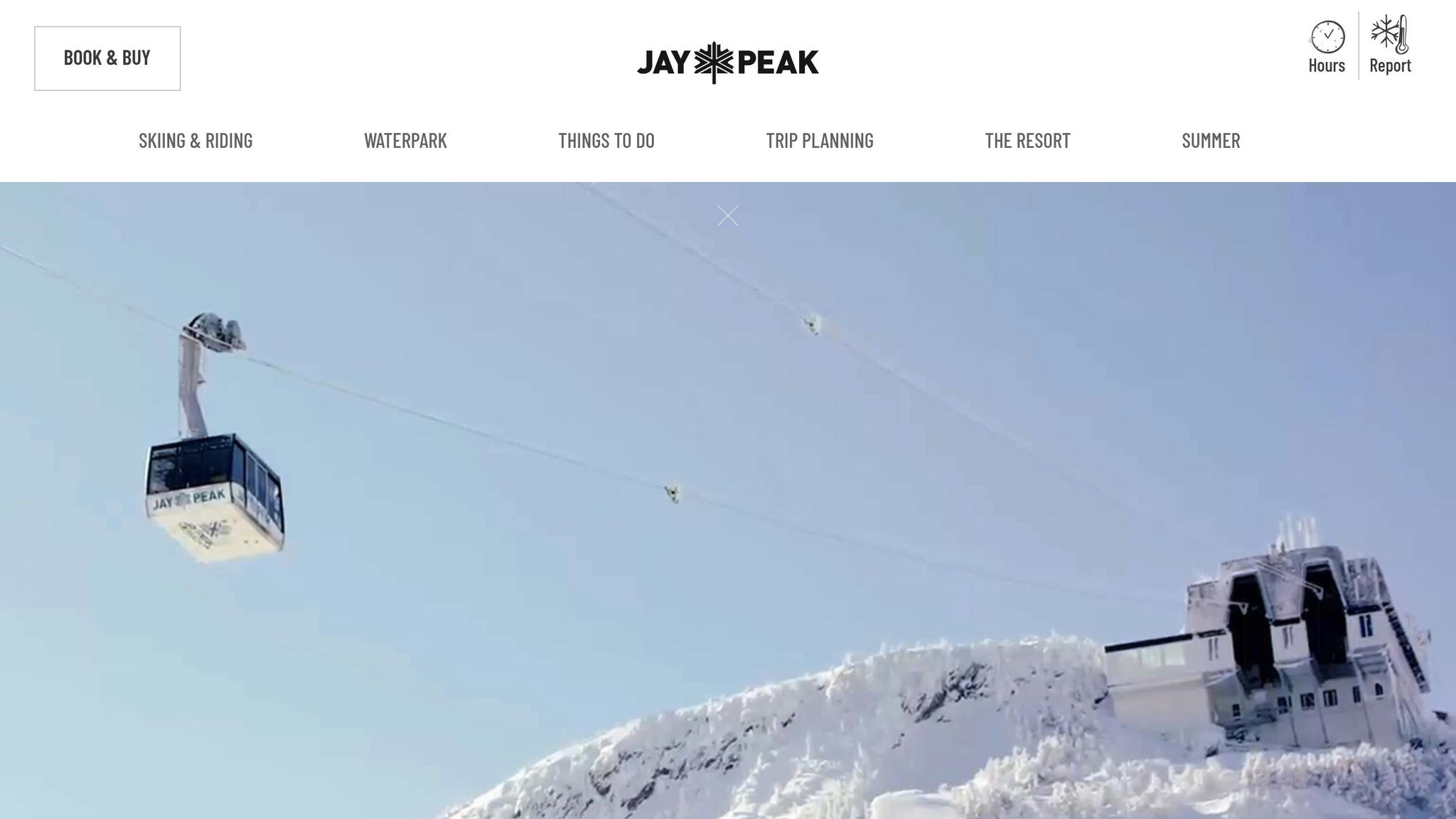
Tucked away in Vermont's Northeast Kingdom, Jay Peak is famous for being one of the chilliest ski spots on the East Coast. But it’s not just the cold that challenges visitors - this mountain’s diverse terrain and harsh winter weather make it a true test for any skier or snowboarder.
Winter Conditions
Jay Peak is no stranger to extreme cold. While detailed temperature stats are scarce, the bone-chilling winds are well-known. Thanks to its position along a northeast-southwest line, the mountain gets hammered by icy northwest winds that make it feel even colder. These conditions demand gear that’s quick to adapt and built to handle the elements.
Notable Weather Records
The summit of Jay Peak has seen temperatures plummet to a teeth-chattering -23°F in recent years. On top of that, it boasts the most snowfall of any ski area in the East, with totals that sometimes rival the snow-packed resorts out West. If you’re heading here, you’ll want equipment that can handle deep powder and icy blasts.
Terrain Features and Gear Considerations
One of Jay Peak’s standout features is the Green Mountain Flyer chairlift. Spanning 7,350 feet, it’s the longest detachable quad lift in the Northeast. But it’s also earned a less glamorous nickname: “The Freezer.” Why? The winds near the summit are so intense, they can actually push the lift chairs backward.
In these conditions, traditional long skis and snowboards can struggle against the wind, adding to the challenge. That’s where Snowfeet* gear shines. Its compact size and lightweight design reduce wind resistance and make it easier to maneuver, cutting down on fatigue. Whether you’re navigating gusty lift rides or carving through powder, Snowfeet* gear is built to thrive in Jay Peak’s tough environment.
2. Whiteface Mountain, New York
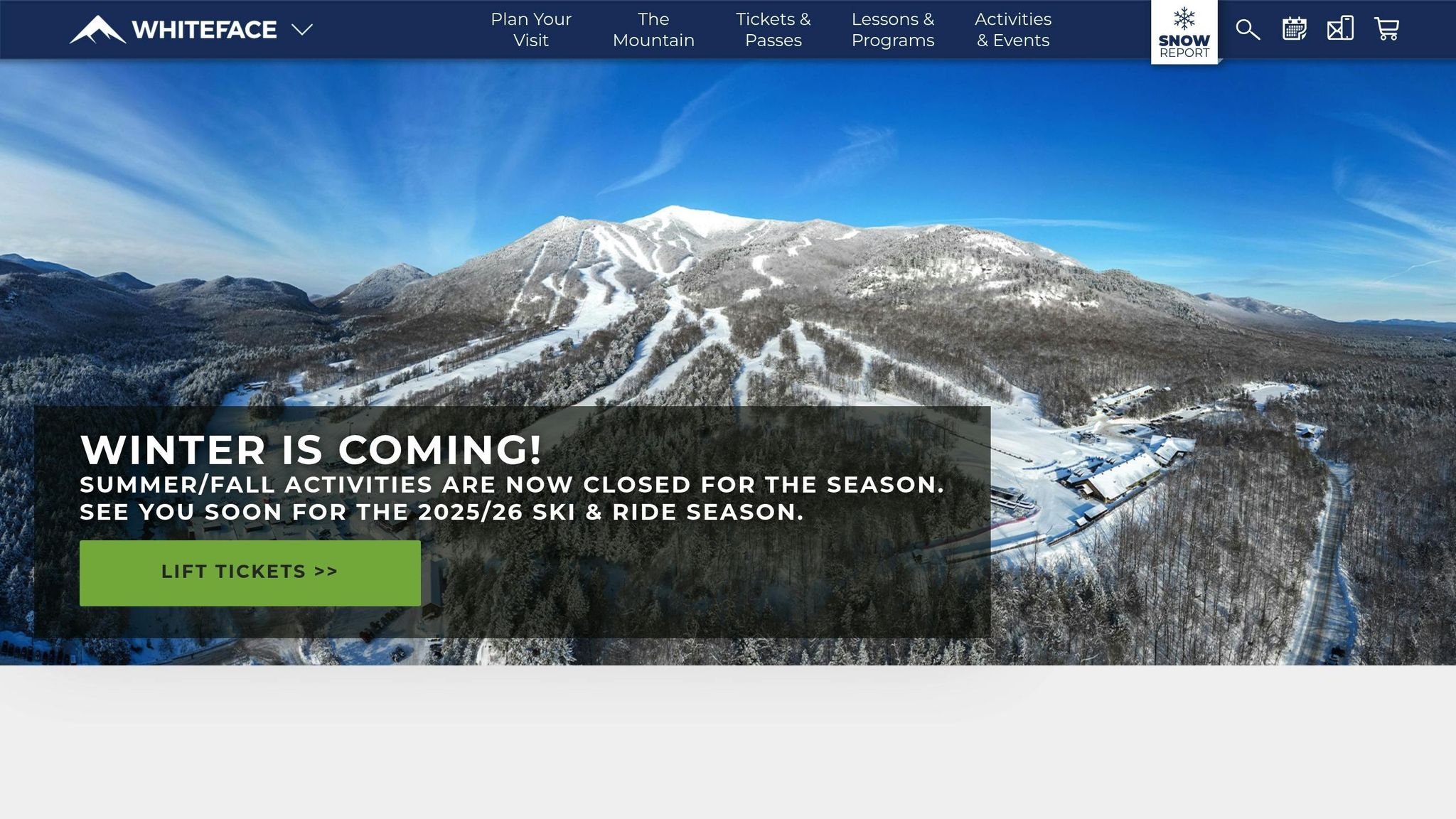
Whiteface Mountain, located in New York and known for hosting events during the 1980 Winter Olympics, is one of the coldest ski resorts in the Northeast. Its exposed location makes it particularly notorious for harsh weather, with temperatures dropping significantly as you ascend from the base to the summit. These extreme conditions make it the perfect testing ground for winter gear that can handle the toughest elements.
Notable Weather History
Whiteface has a reputation for bone-chilling cold, with historical records highlighting just how severe the weather can get. If you're heading here, being prepared isn't optional - it's essential.
Terrain and Gear Considerations
The mountain's steep, challenging terrain reflects its Olympic legacy, making it a favorite for experienced skiers and snowboarders. However, these conditions also demand gear that can keep up. Traditional skis and snowboards can struggle in such extreme cold, but Snowfeet* Skiblades and Skiskates stand out. Their compact design reduces wind resistance, making them a solid choice for navigating Whiteface's technical trails and braving those exposed lift rides.
3. Mont Tremblant, Quebec
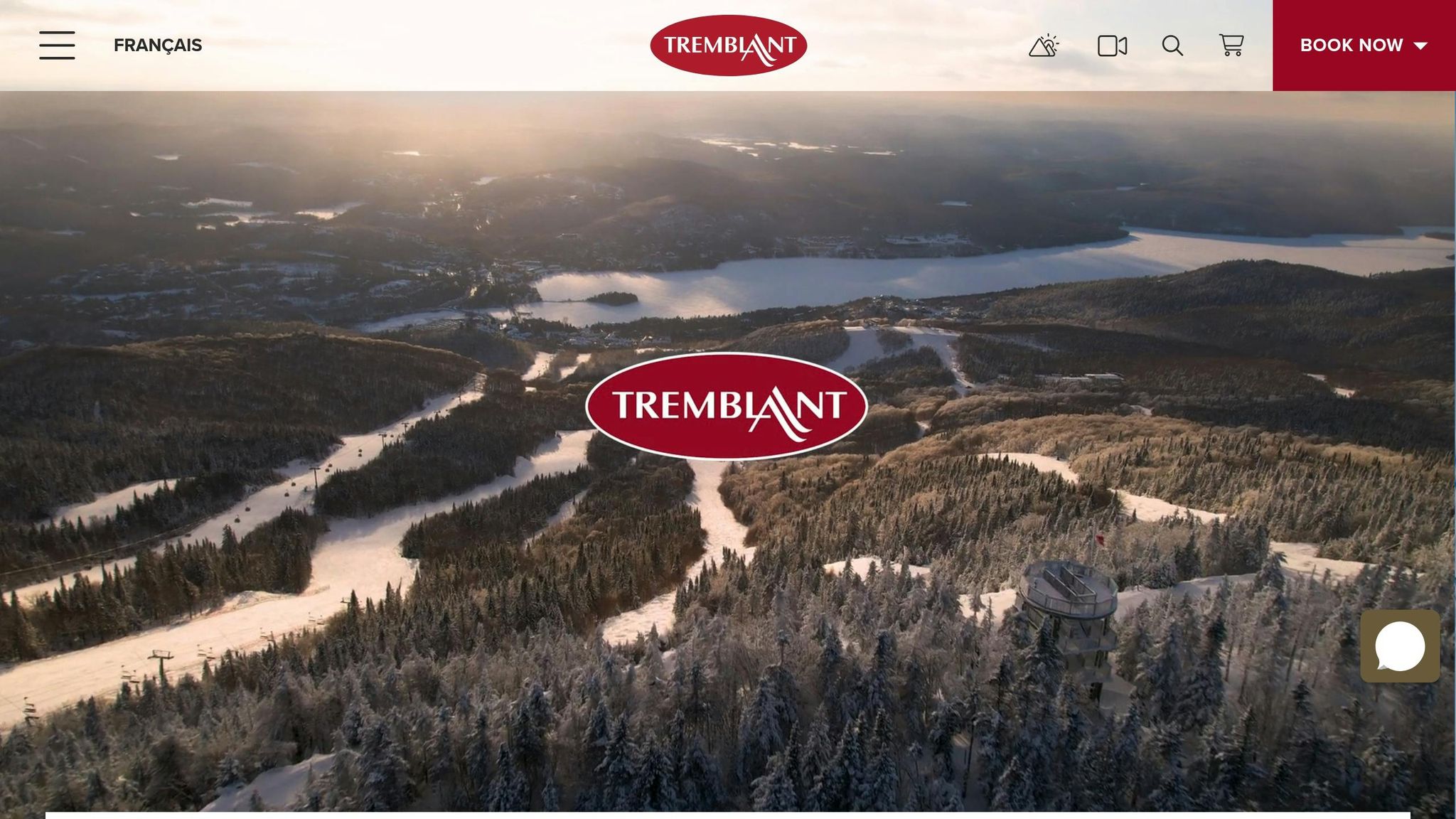
If you thought Whiteface was chilly, Mont Tremblant takes winter to a whole new level. Known as one of Canada's coldest ski destinations, this iconic Quebec resort pairs breathtaking alpine views with temperatures that test even the hardiest skiers. Winter here isn’t just cold - it’s seriously cold.
Average Winter Low Temperatures (°F)
Let’s talk numbers: in January, the average low dips to -1°F, February sticks around 0°F, and December hovers near 8°F. Overall, winter temps range between 10°F and 23°F. And if that doesn’t sound frosty enough, the lowest recorded temperature here is a bone-chilling -40°F (-40°C). While it’s rare for temps to drop below -24°F during normal operations, these extremes make it clear - Mont Tremblant is not for the faint of heart. Layering up is non-negotiable.
Terrain Challenges and Gear That Works
Mont Tremblant’s terrain is as demanding as its temperatures. The mix of steep runs and exposed slopes means you’re battling not only icy patches but also gusty winds - especially on open chairlifts. Traditional long skis or snowboards can feel clunky and hard to control in these conditions.
Here’s where Snowfeet* Skiblades and Skiskates become game-changers. Their compact size reduces wind resistance during chairlift rides, and their agility makes navigating icy stretches way easier. Unlike traditional skis, which can feel like a liability in harsh weather, Snowfeet* keep things nimble and responsive. When the conditions are tough, having gear that adapts to every twist and turn can make all the difference.
4. Red Lodge Mountain, Montana
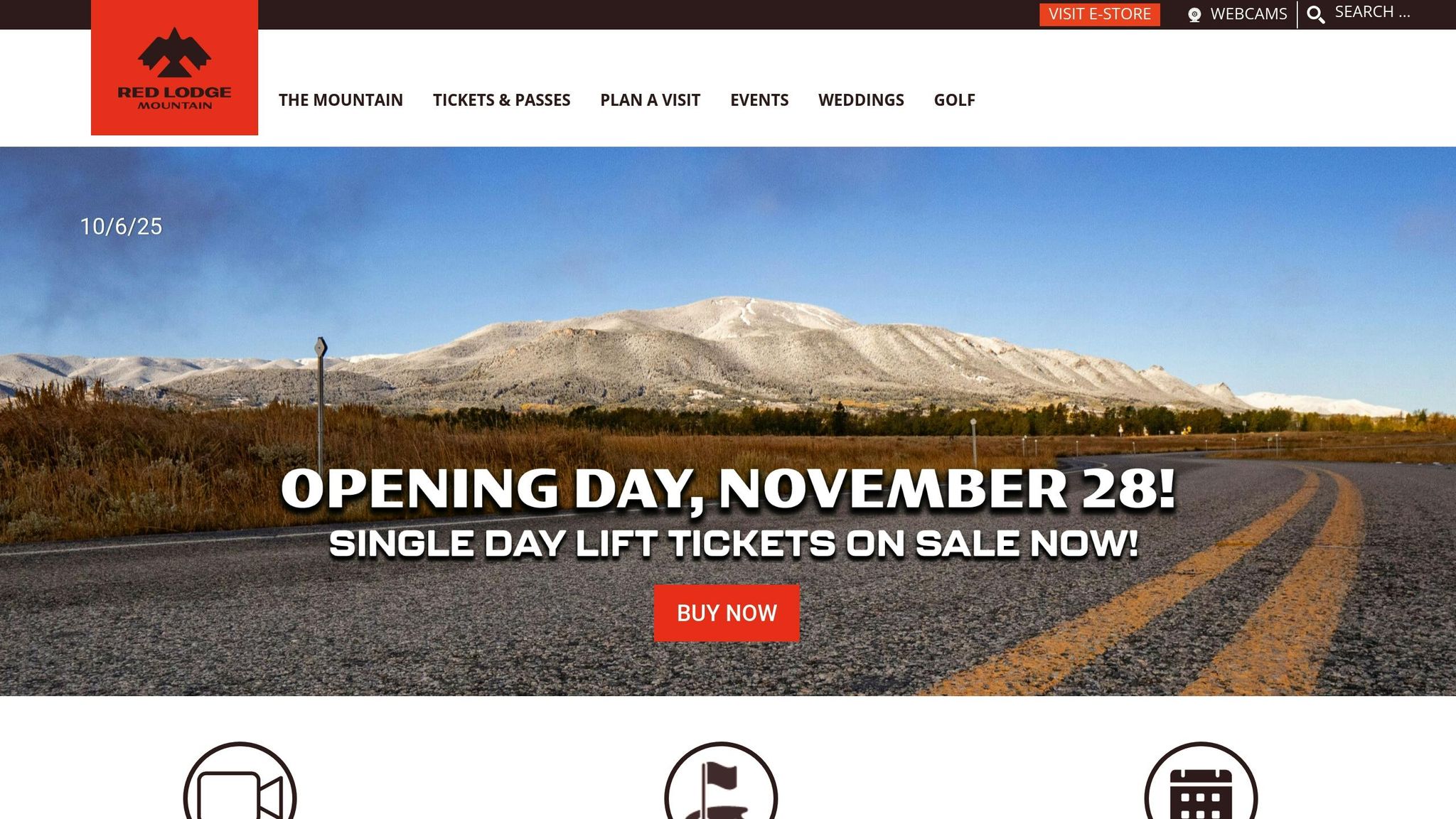
Red Lodge Mountain in Montana spans 1,635 acres and is known for its intense winter conditions. These extremes create the kind of powder that seasoned skiers dream about, making it a must-visit for thrill-seekers.
Average Winter Low Temperatures (°F)
In January, temperatures hover around 0°F (-17°C). This bitter cold is key to creating "cold smoke" snow - an ultra-light, fluffy powder that hardcore skiers absolutely love.
Notable Weather Records
Montana isn’t shy about its frigid reputation. Back in 1954, the state recorded a bone-chilling -70°F, the coldest temperature ever in the lower 48 states. These kinds of brutal cold snaps are common in Montana winters, making it essential to have gear that can handle the challenge.
Terrain Features and Gear Advantages
Red Lodge Mountain boasts a 2,400-foot vertical drop and 70 runs, offering a mix of terrain that demands quick, precise movements. That’s where Snowfeet* Skiblades and Skiskates shine - they’re built for speed and control, especially when compared to bulkier traditional skis. Plus, with affordable lift tickets and fewer crowds, you’ll have plenty of space to test your gear and adjust to the icy conditions. It’s the perfect playground for Snowfeet* enthusiasts who thrive in extreme cold.
5. Revelstoke Mountain Resort, British Columbia
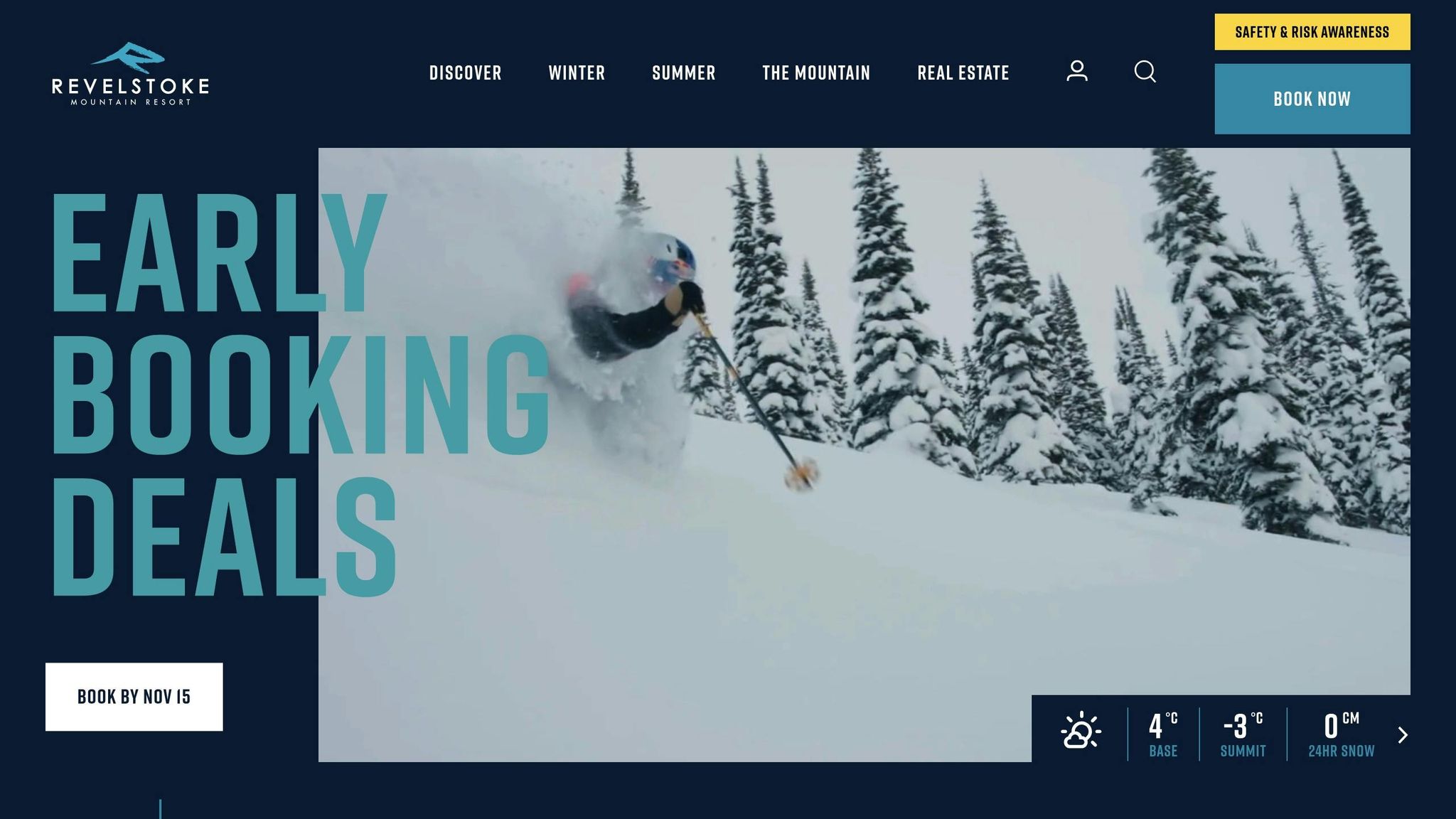
Revelstoke Mountain Resort is where serious skiers and snowboarders go to test their limits. Nestled in British Columbia’s Selkirk Mountains, this resort is famous for its steep terrain, deep powder, and bone-chilling temperatures. It’s not for the faint of heart - this is a place for those who thrive in the extremes.
Average Winter Low Temperatures
Revelstoke’s high elevation keeps the temperatures consistently low, creating the perfect conditions for powdery snow that lasts. But these chilly conditions mean you’ll need gear that can keep up with the cold.
Notable Weather Records
Revelstoke’s location in the Selkirk Mountains puts it in the path of Arctic air colliding with Pacific moisture. The result? Heavy snowfall that blankets the slopes and creates those legendary powder days. This unique weather mix also brings some of the most challenging skiing conditions around, making it a magnet for thrill-seekers.
Terrain Features Relevant to Gear Choice
Revelstoke isn’t just about the snow - it’s about the terrain. With one of the biggest vertical drops in North America, the resort offers everything from wide-open powder bowls to steep, icy chutes. North Bowl and Greely Bowl are standout areas, packed with tight tree runs and constantly changing snow conditions. This is where your choice of gear makes all the difference.
Traditional long skis can struggle in dense trees and tight spaces, but Snowfeet* Skiblades and Skiskates shine here. Their compact size makes them incredibly nimble, allowing for quick edge-to-edge transitions that are perfect for navigating gladed terrain. Snowboards, while great for powder, can feel clumsy in confined turns, but Snowfeet* gear stays responsive. Plus, its smaller design cuts down on wind resistance, keeping you warmer and more comfortable during those frigid Revelstoke days. When the winter weather gets intense, having agile and responsive gear like Snowfeet* is a game-changer.
sbb-itb-17ade95
6. Stowe, Vermont
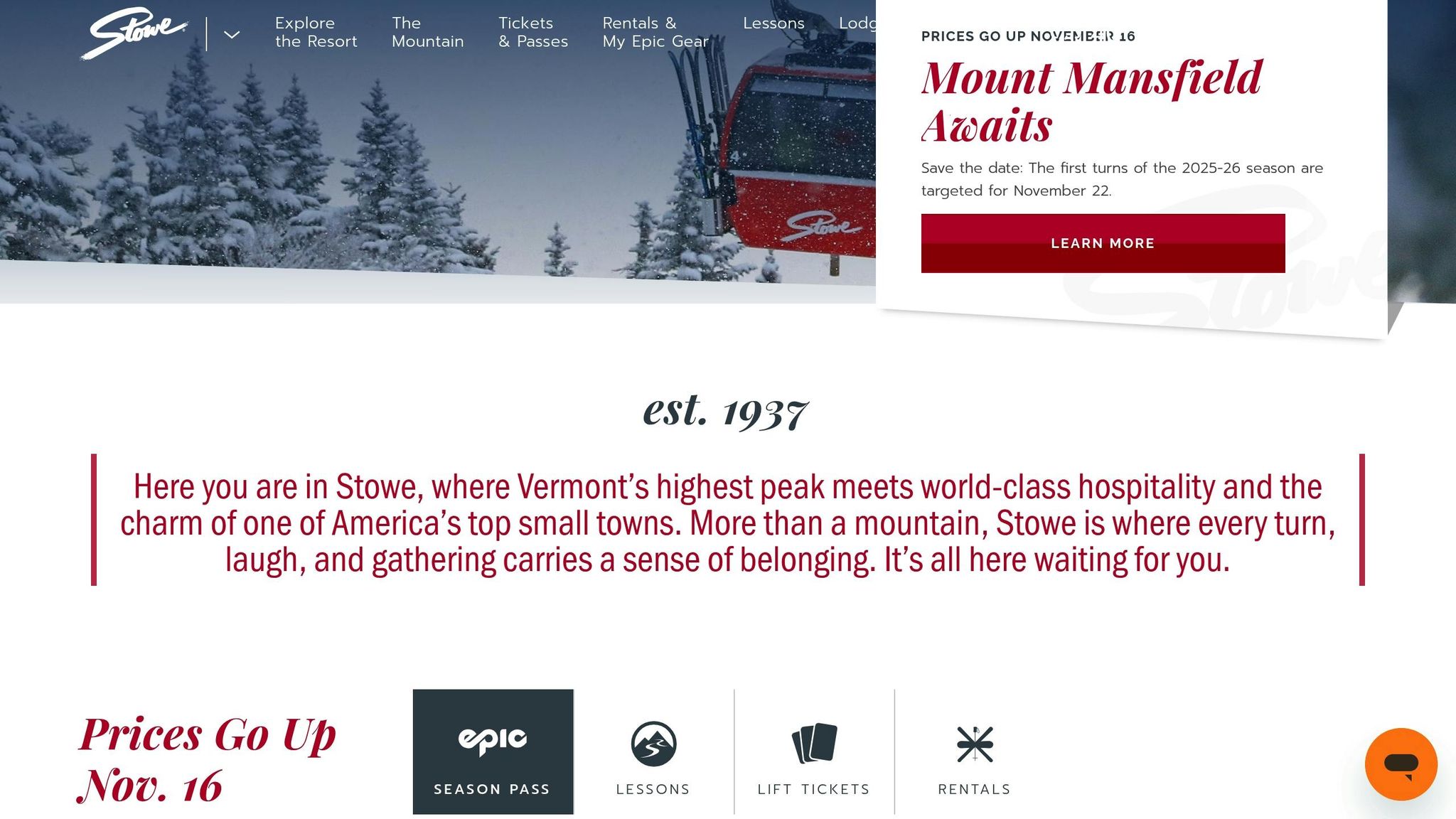
Stowe brings together classic New England charm and bone-chilling cold, making it a true test for even the most experienced skiers. Known for its consistently frigid winters, Stowe delivers a genuine winter adventure that's not for the faint-hearted.
Average Winter Low Temperatures
Vermont earns its spot as the seventh-coldest state in the U.S.. During winter, temperatures often dip to an average low of 2°F (-16°C), with the season's overall mean hovering around 22°F (-6°C). While these cold snaps help preserve top-notch snow conditions, they also make proper preparation and high-quality gear absolutely essential for long days on the mountain.
Notable Weather Conditions
Stowe might not hold records for extreme lows, but its unrelenting sub-freezing temperatures and sharp winds are no joke. These conditions demand respect - and the right gear to handle the cold.
Terrain Features Relevant to Gear Choice
Stowe’s diverse terrain keeps things interesting, with snow conditions that can shift dramatically as you move from base to summit. The steep and challenging Front Four trails, known for their mix of powder and icy patches, require equipment that can adapt quickly. This is where Snowfeet* Skiblades and Skiskates shine. Their compact design allows for precise edge control, making them perfect for navigating steep, exposed runs.
Another plus? Their small size means less surface area for ice buildup and cold exposure. In the resort's tree skiing zones, like those near Spruce Peak, the nimbleness of Snowfeet* gear really stands out. Whether you're carving through powder or tackling wind-packed snow, their agility helps maintain control and reduces fatigue, giving them a clear advantage over traditional skis.
7. Lake Louise, Alberta
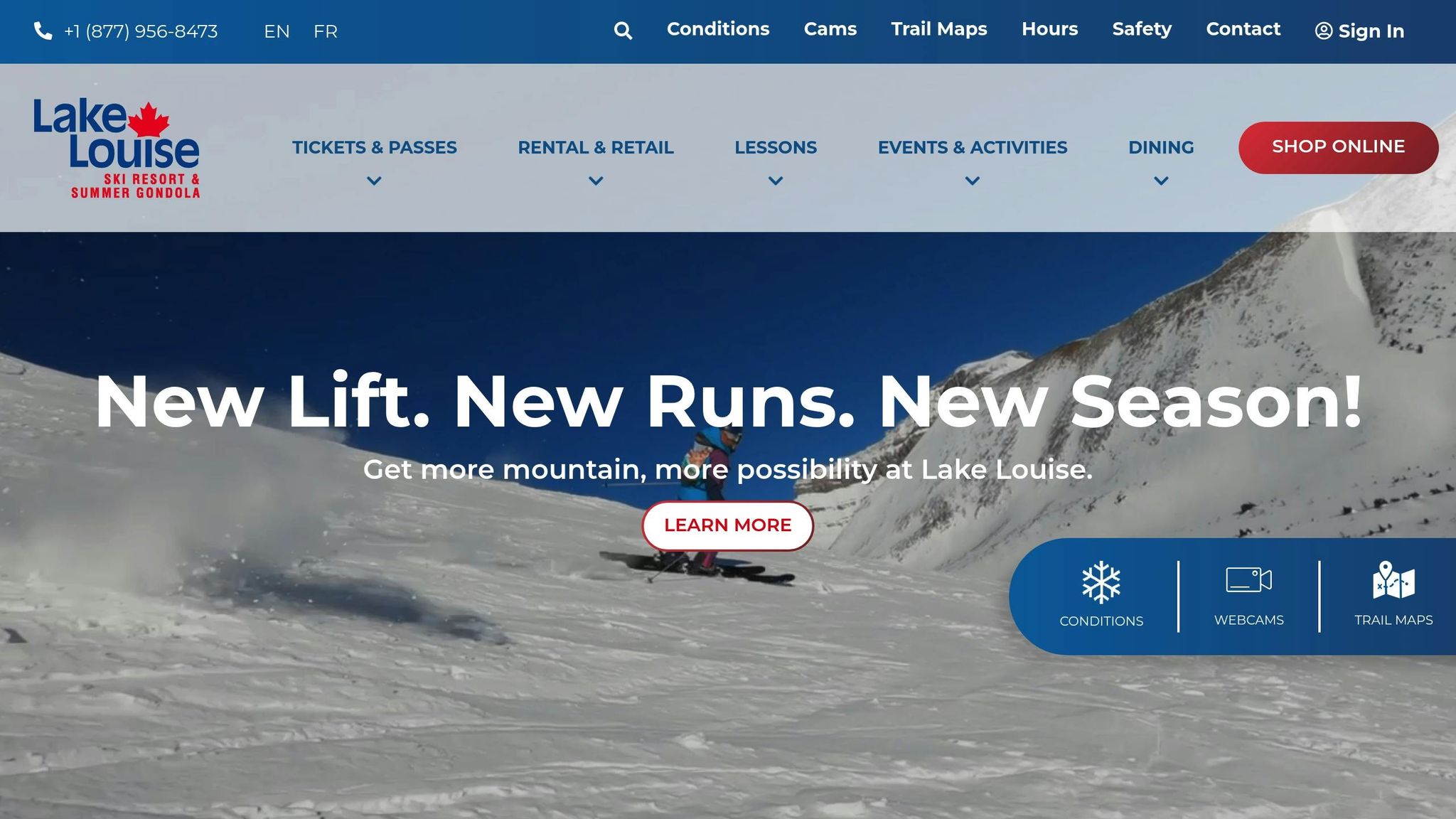
After tackling the challenges at Stowe, it’s time to venture into the rugged beauty of Canada’s alpine wilderness. Lake Louise, nestled in the heart of the Rockies, is where breathtaking scenery meets some of the harshest winter conditions in North America.
Average Winter Low Temperatures
December in Lake Louise isn’t for the faint of heart. The average daily low temperature hovers around –2.4°F (–19.1°C), but it doesn’t stop there. The resort has recorded a bone-chilling all-time low of –63.0°F (–52.8°C), placing it among the coldest ski destinations on the continent. With an elevation ranging from 5,200 to 8,650 feet, the higher altitudes amplify the cold, often bringing morning temperatures close to 0°F. It’s the kind of chill that tests even the most seasoned winter adventurers.
Notable Weather Records
Lake Louise doesn’t just bring the cold - it delivers snow, too. The resort averages 109.9 inches (279.1 centimeters) of snowfall annually. And with the addition of the Summit Chair in 2020 - the first Doppelmayr lift here in decades - skiers now have access to even more challenging terrain. But be warned: the exposed location of the resort means that even moderate winds can transform an already tough day on the slopes into a serious test of endurance.
Terrain Features Relevant to Gear Choice
When skiing at Lake Louise, having the right gear isn’t just helpful - it’s absolutely necessary. The Summit Chair opens up 480 acres of terrain, all above the tree line. Here, there’s no natural shelter to shield you from the cold, damp, and relentless wind. This is where Snowfeet* gear truly shines. Unlike traditional skis, Snowfeet* Skiblades and Skiskates are compact and designed to handle these extreme conditions. Their shorter length reduces wind resistance and prevents ice buildup, making quick transitions and precise movements much easier. Whether you’re navigating exposed ridges or racing to find cover, Snowfeet* gear’s agility can make all the difference, offering a safer and more controlled experience in Lake Louise’s unforgiving environment.
Why Short Skis & Skates Work Better in Extreme Cold
When temperatures plummet, having the right gear isn't just helpful - it’s essential. While traditional skis and snowboards still reign on the slopes, many winter sports enthusiasts are turning to Snowfeet*. These short skis and skates are designed with a compact build that makes them perfect for quick transitions. Whether you're heading from the slopes to a cozy lodge or just need to warm up indoors, their lightweight design makes it easy.
What’s more, they’re incredibly versatile. You can use them with ski boots, snowboard boots, or even your regular winter shoes. This flexibility means you’re not stuck lugging around bulky gear, which is a big win when you’re battling freezing winds or icy terrain. Snowfeet* gear keeps you nimble and in control, even in the harshest winter conditions.
Tips for Skiing in the Coldest Resorts
Skiing in freezing temperatures takes preparation, the right gear, and a bit of strategy to stay comfortable and safe.
Layer Like a Pro
Start with a moisture-wicking base layer to keep sweat off your skin. Add an insulating mid-layer for warmth and finish with a windproof, waterproof outer layer. Every inch of your body should be covered - yes, even your face! Harsh winds can sneak through any gap, so don’t skimp on full coverage. Back in the early 1980s at Killington, skiers had to be completely bundled up to endure the icy conditions. A good pair of ski goggles is also a must to protect your eyes from wind and snow.
Keep Your Hands and Feet Toasty
Your extremities are the first to feel the cold, so invest in high-quality, insulated boots and gloves. Toss in some hand warmers for extra heat. There’s even a story from Killington about a skier whose boots froze solid - imagine trying to ski like that! Proper gear isn’t just about comfort; it’s about staying safe out there.
Take Care of Your Snowfeet*
Snowfeet* gear is a great choice for icy adventures, but it needs a little TLC to stay in tip-top shape. Regularly wax your gear to keep snow from sticking, and use a sharpening stone to maintain those sharp edges. After each session, dry and oil your equipment to prevent rust. Thanks to their compact design, Snowfeet* are easier to maintain than traditional skis or snowboards, saving you time and effort.
Pick the Right Wax for the Job
Cold weather calls for temperature-specific wax. The wrong type can mess up your glide and make snow stick to your gear. A little attention here goes a long way in keeping your ride smooth.
Prepare for Gear and Weather Challenges
Extreme cold can be tough on your equipment. Bindings might crack, and metal parts can become brittle. Snowfeet* gear, with its lightweight and simple design, has fewer parts that could fail in harsh conditions - one less thing to worry about.
Don’t forget to keep your phone warm (cold temps kill batteries fast!), carry a thermos with something warm to drink, and pack water and headache relief if you’re skiing at high altitudes. If you’re tackling expert terrain like Whiteface’s "The Slides", make sure you’re carrying avalanche safety gear.
The beauty of Snowfeet* in these conditions is how low-maintenance and reliable they are. Unlike traditional skis or snowboards, which can require a lot of upkeep and have complicated bindings prone to failure in extreme cold, Snowfeet* keep things simple. With the right prep and gear, you’ll be ready to handle whatever the slopes throw at you. Stay warm and stay nimble!
Comparison Table
When winter gets extreme, having the right gear can make all the difference. Here's a side-by-side look at why Snowfeet* stands out compared to traditional skis and snowboards in tough conditions:
| Feature | Snowfeet* Skiblades & Skiskates | Traditional Long Skis & Snowboards |
|---|---|---|
| Portability | Compact and lightweight, often small enough to fit in a backpack for easy transport. | Larger and bulkier, usually requiring roof racks or additional storage solutions. |
| Footwear Compatibility | Works with regular winter boots, ski boots, or snowboard boots for added convenience. | Requires specialized boots and binding systems, limiting flexibility. |
| Ease of Use | Simple setup with a quick learning curve, so you can hit the slopes faster. | Often requires more technical skills and, in some cases, professional lessons. |
| Versatility | Designed to handle various terrains and conditions with ease. | Optimized for performance but less convenient for quick adjustments or portability. |
| Price Range | Priced between $250 and $775, offering options for different budgets. | Typically more expensive, especially when factoring in extra gear like boots and bindings. |
Snowfeet* shines in areas like portability and simplicity. Its compact design makes it a breeze to carry, and the ability to use regular winter boots saves both money and hassle - perfect for families who want to avoid investing in extra gear for everyone.
The streamlined setup is a game-changer on cold days, letting you make adjustments quickly without fumbling around. Plus, its versatility means you're ready for just about any slope or condition. Snowfeet* offers a modern, convenient alternative to traditional equipment, making winter sports more accessible and fun for everyone.
Conclusion
North America's coldest ski resorts promise unforgettable winter adventures. Whether you're carving through the legendary powder at Jay Peak or soaking in the breathtaking views at Lake Louise, these destinations challenge both your skills and your gear, especially when the thermometer plunges to -20°F or lower.
That's where Snowfeet* comes in. Designed with portability and ease in mind, these compact skis and skates are a game-changer for harsh winter conditions. Their lightweight design makes it easier to move between the slopes and the cozy warmth of a lodge, so you can focus on the thrill of the experience without the hassle of heavy equipment.
When you're taking on these extreme environments, having the right gear isn't just helpful - it’s essential. Snowfeet* offers versatility and control across changing terrains, giving you the confidence to tackle whatever the mountain throws at you. With gear like this, every run becomes an opportunity to enjoy the ride to its fullest.
FAQs
Why is Snowfeet gear ideal for extreme cold conditions compared to traditional skis and snowboards?
Snowfeet gear stands out as a game-changer for anyone braving extreme cold. Unlike traditional skis or snowboards, their products - like Skiblades and Skiskates - are compact and lightweight. This makes them super easy to carry around and a breeze to handle, even in freezing conditions. Imagine trekking through icy trails or deep snow without lugging around heavy, awkward equipment. Sounds great, right?
What’s more, Snowfeet gear is incredibly versatile. Thanks to their clever design, they handle all kinds of terrain and weather with ease. From steep slopes to flat trails, these little wonders deliver smooth performance even in subzero temperatures, where bulkier gear can feel more like a burden. Whether you're out for an adrenaline rush or just enjoying the winter landscape, Snowfeet gear keeps things fun, efficient, and comfortable - even when it’s bitterly cold.
What should I pack and how can I stay safe while skiing at icy cold resorts like Lake Louise or Jay Peak?
Skiing at bone-chilling destinations like Lake Louise or Jay Peak isn’t for the faint of heart. These spots are famous for their icy temperatures - Jay Peak can drop to a frosty -23°F, and Whiteface Mountain has been known to hit wind chills as brutal as -91°F. If you're planning to tackle these conditions, preparation is key.
Layering: Your Best Defense Against the Cold
When it comes to staying warm, layering is non-negotiable. Start with a moisture-wicking base layer to keep sweat off your skin. Add an insulated mid-layer for warmth, and top it off with a waterproof outer shell to block wind and snow. Don’t skimp on accessories either - invest in warm gloves, a snug hat, and a face covering to shield any exposed skin. Toss in some hand and boot warmers for an extra dose of coziness.
Gear Up for the Cold
For gear, check out Snowfeet Skiblades or Skiskates. These compact, lightweight options are perfect for frigid conditions. Unlike traditional skis or snowboards, Snowfeet products are portable and versatile, making them easier to manage when the weather gets harsh. Pair them with sturdy snow boots, and you’re set for an epic winter adventure!
What makes Snowfeet Skiblades and Skiskates a great choice for tackling extreme cold and varied terrain at North America's coldest ski resorts?
Snowfeet Skiblades and Skiskates are crafted to handle freezing temperatures and a variety of terrains with ease. They’re lightweight, compact, and simple to use, designed to fit snugly with regular winter shoes or snowboard boots. This means they’re way more convenient and portable than traditional skis or snowboards - perfect for tackling icy slopes or weaving through narrow trails.
What sets Snowfeet apart is how they blend the quickness of ice skates with the versatility of skis. Whether you’re gliding over snow, exploring cross-country routes, or charging down steep slopes, these skiblades and skiskates make it all feel effortless. Their smart design gives you incredible freedom to move without lugging around heavy, bulky gear - ideal for thrill-seekers who want to enjoy winter adventures without being weighed down.
If you’re heading to a resort with biting cold and challenging conditions, Snowfeet deliver both practicality and performance. They keep you light on your feet while letting you fully enjoy the excitement of extreme winter sports.












Leave a comment
This site is protected by hCaptcha and the hCaptcha Privacy Policy and Terms of Service apply.