
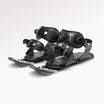
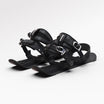
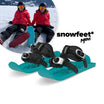
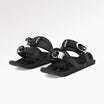
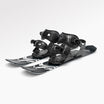
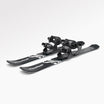
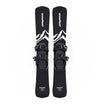
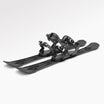
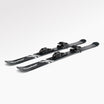
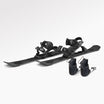
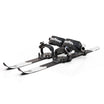
Short skis can carve, and they’re surprisingly fun to use. Whether you’re a beginner or a seasoned skier, shorter models like the 65 cm Skiblades or 120 cm Short Skis offer a unique mix of agility and control. Here’s the quick takeaway:
- 65 cm Skiblades: Great for tight turns and low to medium speeds. Perfect for groomed slopes and tricks but not ideal for powder or high speeds.
- 99 cm Skiblades: A step up in carving precision. Handles moderate speeds well and works across a variety of snow conditions.
- 99 cm POWDER: Designed for deeper snow with a wider profile. Still agile but better for backcountry runs.
- 120 cm Short Skis: The closest feel to longer skis. Stable at medium to high speeds while staying nimble for sharp turns.
These compact skis are lighter, easier to transport, and less tiring than longer ones. They’re perfect for groomed trails, moguls, and even tight spots like forest paths. But if you’re looking for high-speed stability or deep powder performance, longer skis might still be your go-to.
Quick Comparison:
| Model | Carving Ability | Speed Range | Turning Agility | Powder Performance | Portability |
|---|---|---|---|---|---|
| 65 cm Skiblades | High | Low–Medium | Excellent | Limited | Excellent |
| 99 cm Skiblades | Very High | Medium | Very Good | Moderate | Very Good |
| 99 cm POWDER | High | Medium | Very Good | Excellent | Very Good |
| 120 cm Short Skis | Excellent | Medium–High | Good | Good | Good |
In short, short skis are a blast for carving, especially if you value ease of use and portability. Let’s dive into the details of each model!
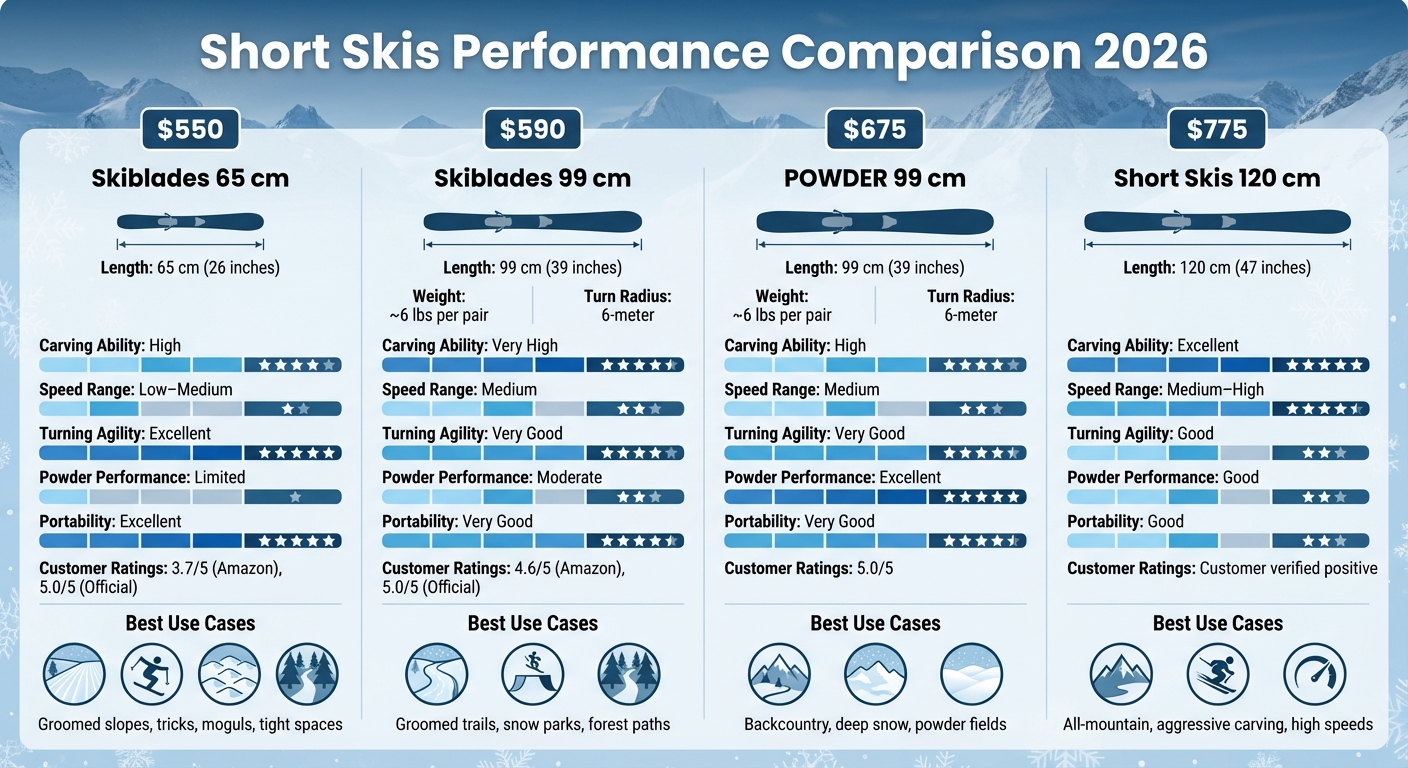
Short Ski Models Performance Comparison Chart 2026
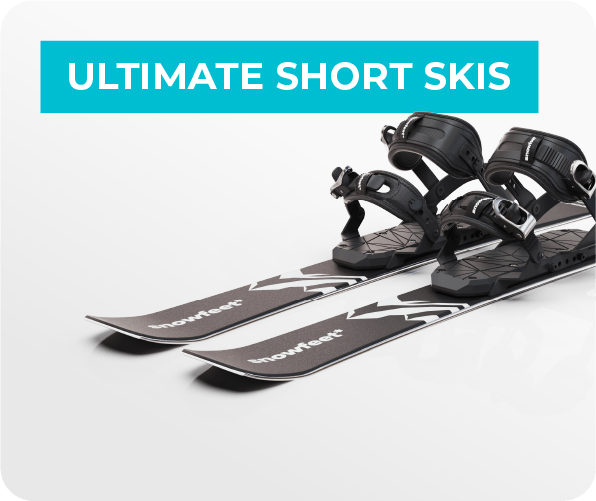
Ultimate Short Skis 🎿 Snowfeet* Skiblades 99 CM
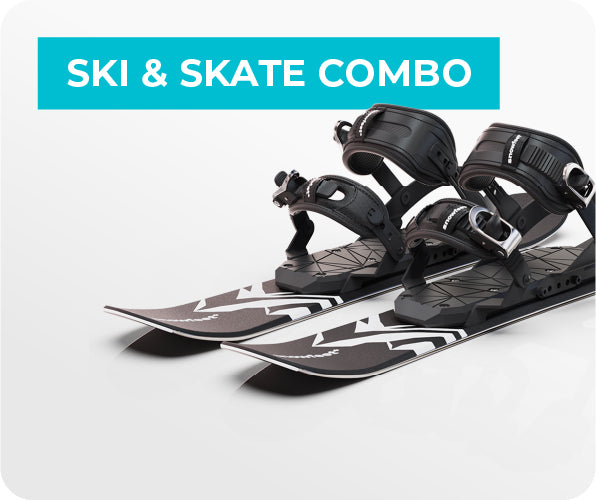
1. Snowfeet* Skiblades 65 cm
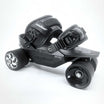
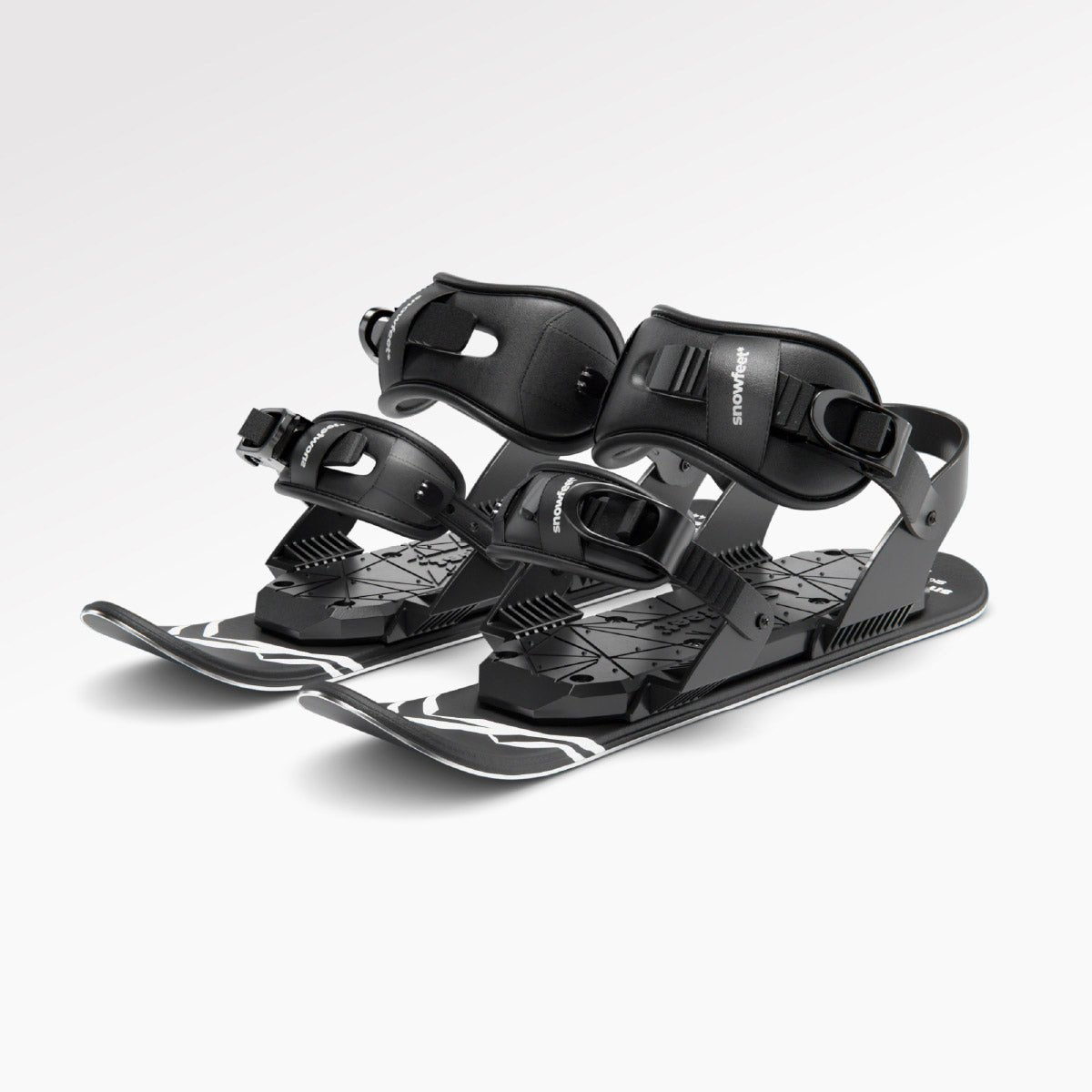
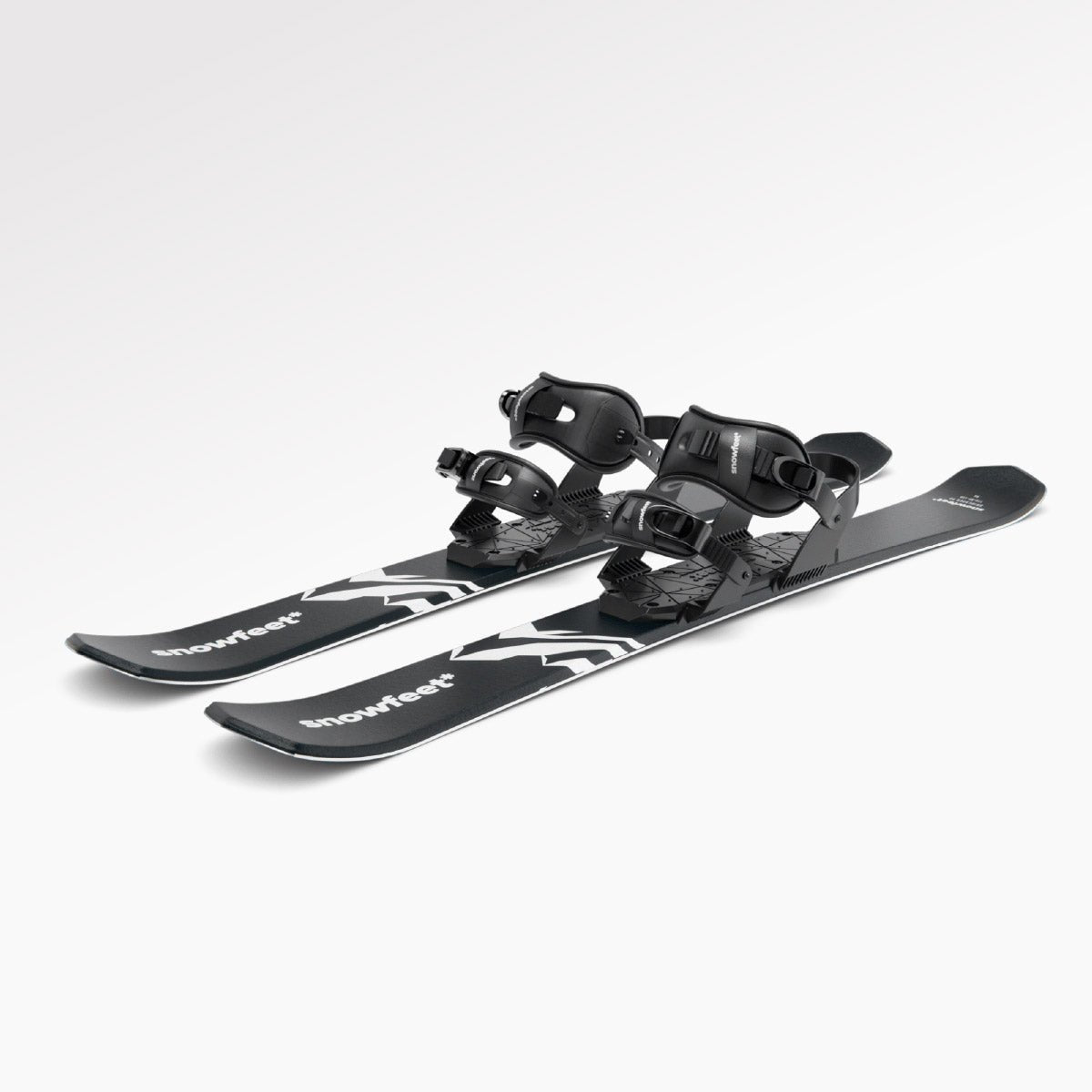
The 65 cm Skiblades from Snowfeet are the brand’s most compact option, measuring just 26 inches long - about a third of the length of traditional carving skis. Built with a wood core and metal edges, these ultra-short skis are designed for carving on groomed slopes, offering solid flex and grip. But their real advantage? Incredible maneuverability for quick, tight turns.
Best at moderate speeds, these skiblades are much easier to control than full-length skis, requiring less physical effort to engage the edges. This makes them a great choice for groomed runs, snow parks, and even narrow hiking trails where traditional skis can feel bulky and awkward. As the Snowfeet team explains:
When you are going for a fast experience and want to carve, ski boots and longer skiboards are your best possible choice.
The 65 cm model is perfect for specific snow conditions. It excels on groomed trails and moguls, where you can use skating movements and pull off tricks. However, they’re not suited for deep powder or high-speed carving. The short length doesn’t provide enough surface area for flotation or the stability needed at aggressive speeds. If those are your priorities, consider the 99 cm or 120 cm models instead.
On Amazon, these skiblades earn an average rating of 3.7 out of 5 stars from 31 reviews, with users loving their portability and skate-like feel. Over on the official Snowfeet store, they boast a perfect 5.0 out of 5 rating. That said, some reviewers highlight their reduced stability at high speeds and limited performance in powder - trade-offs that come with their compact design. Starting at $550, they’re clearly aimed at skiers looking for a fun, freestyle experience rather than traditional carving.
Practical features add to their appeal. The skiblades come with tool-free bindings that adjust to US boot sizes 4.5–14.5, compatible with both ski and snowboard boots. To keep them performing at their best, it’s important to regularly sharpen the metal edges and wax the base. This simple maintenance ensures smooth gliding and reliable edge grip on hardpack snow.
2. Snowfeet* Skiblades 99 cm
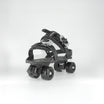
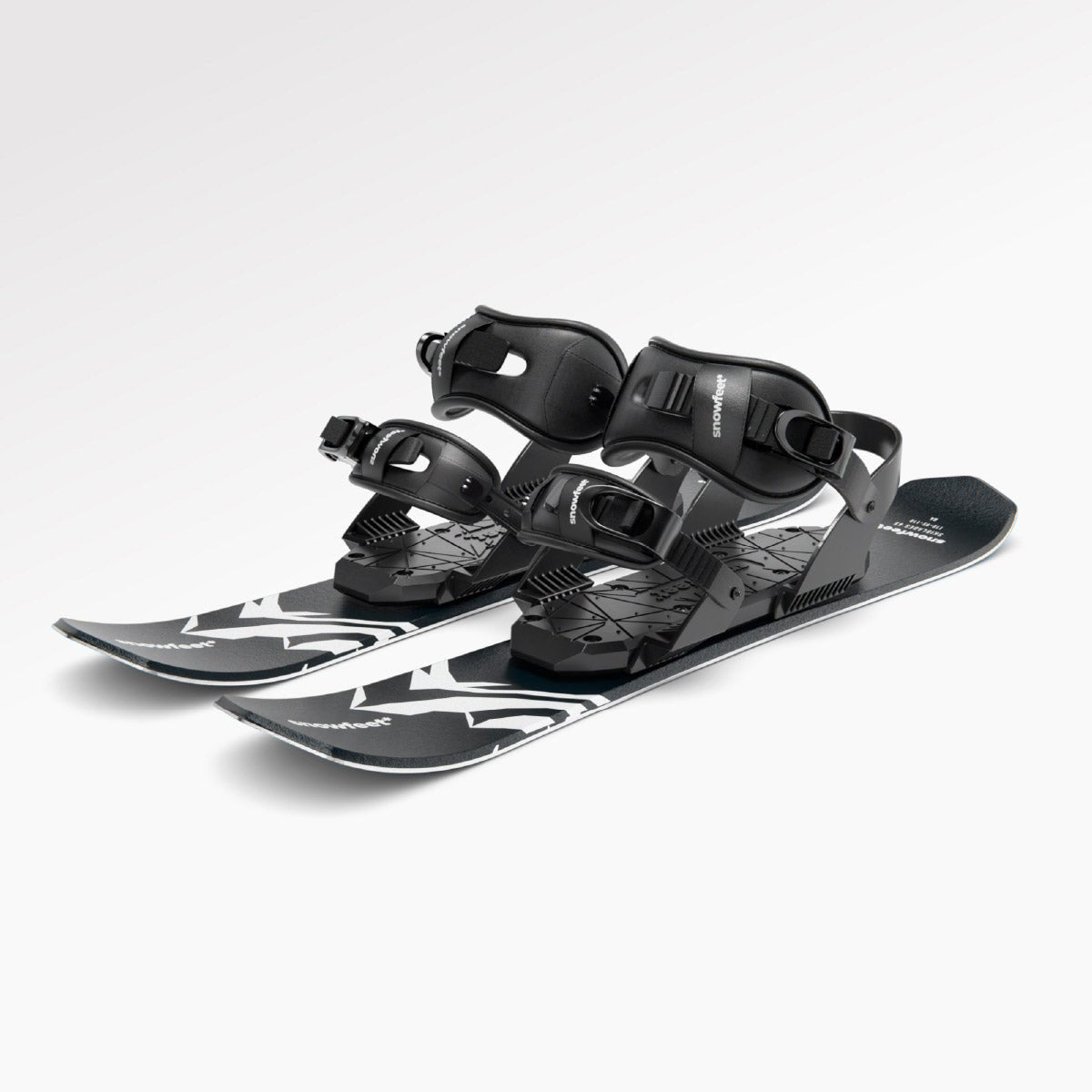
The 99 cm Skiblades strike a great balance between being compact and delivering solid carving performance. At about 39 inches long, they feature a premium wood core and metal edges, making them ideal for high-quality carving while staying light and easy to carry. Building on the agility of the 65 cm version, the 99 cm model steps up with better carving precision, allowing for smoother rides across a variety of conditions.
These skiblades are all about carving. With a tight 6-meter turn radius and a deep parabolic sidecut, they let you carve sharp, responsive turns that are tough to achieve with standard skis. One skier, John Mark, shared his experience:
It has been over 35 years since I last skied, and my 99 cm ski boards were the perfect entry back in. They made skiing, carving, maneuvering, and stopping so easy.
On groomed runs or packed snow, they offer excellent grip and respond quickly to even slight weight shifts.
While they shine at moderate speeds, hitting higher speeds requires a bit more finesse. Unlike traditional 182 cm skis, which are built for high-speed, aggressive turns with their powerful tails, the 99 cm skiblades focus more on agility. Verified customer Daniel Siouffi put it this way:
When going fast, I was in complete control of every move, turn, and stop.
To avoid shaking at higher speeds, it’s important to shift your weight slightly toward your toes. Weighing about 6 lbs per pair, they’re much lighter than traditional skis, which usually weigh over 4.5 lbs per ski - a clear nod to Snowfeet*’s focus on control and maneuverability.
These skiblades perform best on groomed trails, snow parks, moguls, and tight forest paths where longer skis can feel awkward. Thanks to their metal edges, they grip icy, groomed runs with ease. However, they’re not ideal for deep powder. If powder skiing is your goal, you might want to check out the POWDER 99 cm model, which features a wider profile (15-12-15 cm) compared to the standard 11.5-8.5-11 cm design.
Priced at $590, these skiblades come highly rated, boasting a 5.0-star average from 34 official reviews and 4.6 stars on Amazon. They’re compatible with ski boots, snowboard boots, and even winter shoes, and regular waxing and edge maintenance will keep them performing at their best.
3. Snowfeet* POWDER 99 cm
The POWDER 99 cm skis are tailor-made for backcountry adventures and powder-filled slopes, but they also hold their own on groomed trails. With a wider design, these skis provide excellent flotation in deep snow while keeping the agility that short skis are known for. At $675, they bring together powder-specific performance and all-mountain adaptability.
Thanks to their wood core and broader profile, these skis handle firm surfaces and carve clean turns, even in powder. Beginners can ease into skiing by starting on wide, gentle slopes and practicing "J-turns." This technique uses the natural arc of the skis to guide each turn.
To maintain control at moderate speeds, proper weight distribution is key - lean slightly forward to stay balanced. According to the Snowfeet team, these skis are "much shorter and lighter than traditional backcountry skis, making them easier to carry and control". While traditional long skis shine at high speeds on steep slopes, the POWDER 99 cm model is built for moderate speeds and excels in tight, tricky spots. This focus on agility makes them perfect for carving with precision.
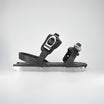
A standout feature of the POWDER model is its versatile binding system. The universal free heel binding offers four positions, supporting both uphill climbs and downhill runs. Plus, these bindings work with hiking boots, winter boots, or snowboard boots - no need for specialized ski boots. Add climbing skins for uphill traction, and you’ve got a setup that’s perfect for backcountry exploration, where long skis might feel like a hassle. Regular maintenance of the edges and base will keep these skis performing at their best.
Their compact size makes them ideal for narrow trails, moguls, and powder fields, where quick turns and nimble movements are a must. The shorter length also reduces the effort needed to initiate turns, helping to combat leg fatigue during long mountain days. With a glowing 5.0-star customer rating, the POWDER 99 cm skis deliver freedom and versatility across a variety of terrains. This balance of powder performance and maneuverability is a testament to why Snowfeet* remains a top choice for short ski enthusiasts.
sbb-itb-17ade95
4. Snowfeet* Short Skis 120 cm
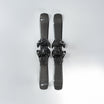
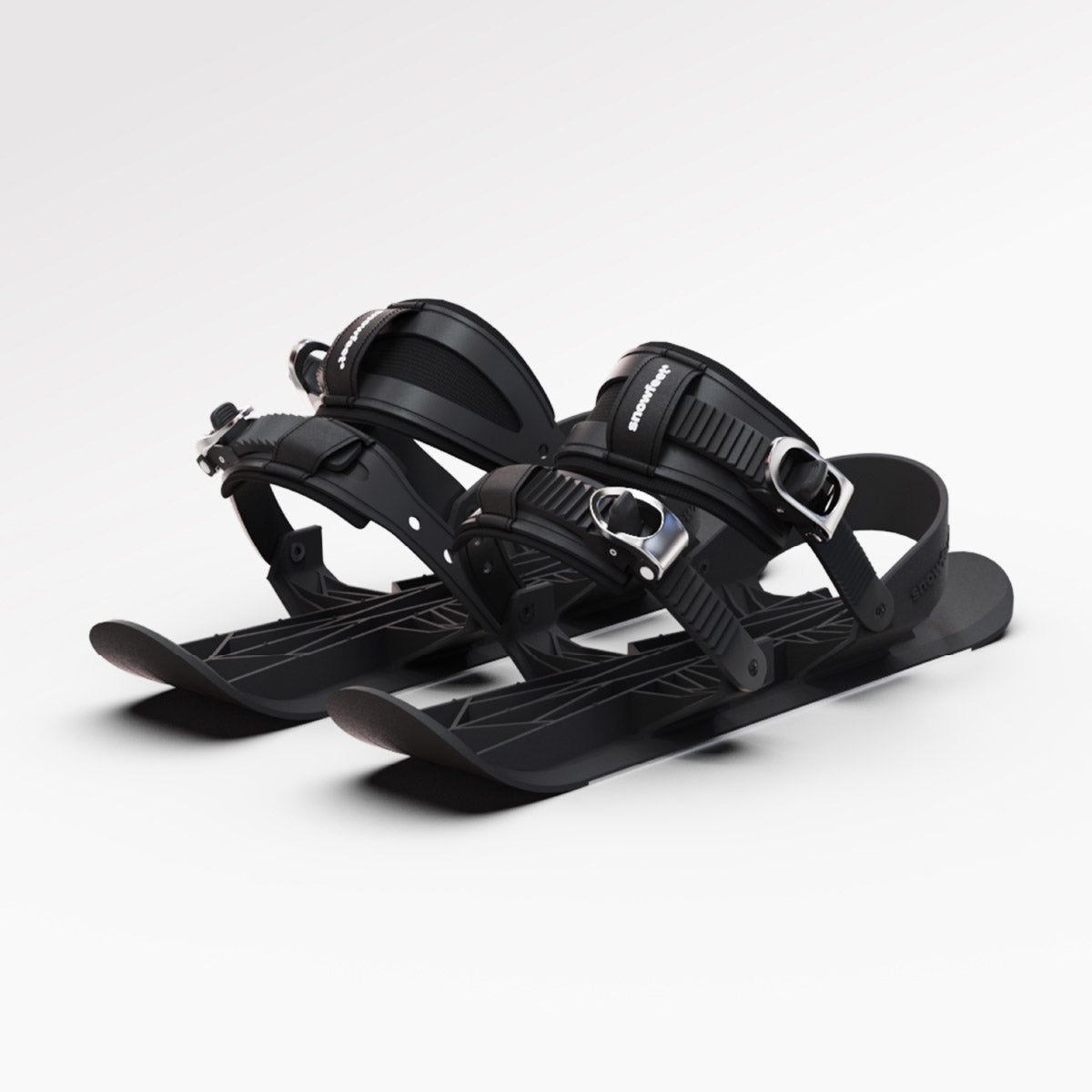
The 120 cm Short Skis from Snowfeet are their longest option, priced at $775. They offer the perfect mix of a traditional ski feel with the nimbleness of short skis. These skis strike a balance between the length of conventional skis (150–200 cm) and the ultra-compact skiblades, making them a great choice for experienced skiers who crave stability without giving up quick maneuvering.
With a wood core, these skis provide a natural flex and responsiveness that make carving clean, tight turns a breeze. They’re especially handy in tight spaces, moguls, or terrain parks. Unlike longer skis that require more effort to control, the 120 cm model reacts instantly to subtle movements. You’ll find yourself making sharper, faster turns compared to the wide, sweeping arcs typical of longer carving skis. This makes them a fantastic option for areas where longer skis can feel unwieldy. Plus, with the right technique, they transition smoothly from quick turns to stable, high-speed runs.
Speaking of stability, leaning forward and shifting your weight onto your toes is key. One customer, Daniel Siouffi, shared that while the skis initially felt shaky, leaning forward improved stability and control dramatically. This adjustment gave him precise control over every turn, stop, and move. The trick? Stay balanced forward - don’t lean back on your heels.
These skis also perform well across various snow conditions, from groomed trails to moderate powder. While traditional skis are built for high-speed runs, these shorter ones shine at medium speeds, where their quick edge control helps reduce fatigue. Their compact size means less effort when initiating turns, keeping your legs fresh for a full day on the mountain. And let’s not forget the convenience - no need for bulky ski bags or roof racks. Their small size makes transport a breeze compared to their 150–200 cm counterparts.
For skiers who want the stability of traditional skis paired with the agility of shorter ones, the 120 cm model offers a well-rounded experience.
Pros and Cons
Each Snowfeet model has its own perks, making it easier to find the perfect match for your riding style. Let’s break it down:
The 65 cm Skiblades are all about versatility. They’re quick and nimble for sharp turns but still stable enough for carving. A great balance if you want agility without sacrificing control.
If you’re after even more carving power, the 99 cm Skiblades are the way to go. These shine on groomed slopes, offering top-notch edge control and precision. Thanks to their wood core, they deliver a solid performance, though they do require a bit more finesse with front-to-back balance compared to traditional long skis. The 99 cm POWDER model, on the other hand, trades a little on-piste precision for excellent float in deep snow, making it ideal for backcountry adventures.
The 120 cm Short Skis strike a balance between traditional ski stability and the maneuverability of shorter skis. They’re fantastic for aggressive carving and hold steady at higher speeds. However, their longer length makes them less portable and a bit trickier to handle in tight spots.
Here’s a quick look at how each model stacks up:
| Model | Carving Ability | Best Speed Range | Turning Agility | Powder Performance | Portability |
|---|---|---|---|---|---|
| Skiblades 65 cm | High (Hybrid) | Low–Medium | Excellent | Limited | Excellent |
| Skiblades 99 cm | Very High | Medium | Very Good | Moderate | Very Good |
| POWDER 99 cm | High | Medium | Very Good | Excellent | Very Good |
| Short Skis 120 cm | Excellent | Medium–High | Good | Good | Good |
One thing all these models have in common? They’re lighter, more responsive, and easier to control than traditional long skis from brands like Rossignol, Salomon, or K2. Plus, users consistently rave about their maneuverability and ease of use, giving Snowfeet products an edge over the competition [2].
Conclusion
After diving into the performance of each Snowfeet* model, one thing is clear: carving on short skis is not just possible - it’s a blast. Every model in the lineup delivers solid carving capabilities, but the best fit for you depends on your skill level and what kind of day you’re after on the slopes.
If you’re just starting out, the 65 cm Skiblades are a fantastic choice. Their quick-turn design helps you build confidence fast, making edge control feel natural without the exhaustion that often comes with traditional long skis. Plus, they make progression smoother and faster.
For those who crave speed and precision, the 120 cm Short Skis are where it’s at. These skis offer unmatched stability for short skis, giving you a carving experience that feels almost like traditional skis. They’re perfect for slicing aggressive arcs on groomed runs.
What sets Snowfeet* apart is how light and responsive they feel compared to traditional long skis. And let’s not forget the convenience - they’re compact enough to fit in a backpack. That’s the real Snowfeet* edge.
FAQs
How do short skis perform compared to traditional skis?
Short skis, like those made by Snowfeet, are all about agility and precision. They’re perfect for sharp turns, carving, and weaving through tight or crowded slopes. Thanks to their compact size, they give skiers excellent control, especially on tricky terrain, and are easy to manage no matter your skill level.
Now, while traditional long skis might shine when it comes to stability at high speeds or floating through deep powder, short skis bring something different to the table. They’re lightweight, versatile, and just plain fun. If you’re after a lively, dynamic experience without the hassle of longer skis, short skis are a great pick. Snowfeet has taken this concept to the next level, creating gear that’s all about making skiing exciting and accessible in a whole new way.
Are short skis good for beginners, and what advantages do they offer?
If you're just starting out, short skis can be a fantastic option! Their smaller size makes them easier to handle, giving beginners more control and making it simpler to learn essential moves like turning and stopping.
Snowfeet gear, like Skiblades, is especially great for newcomers. These skis are lightweight and have a playful vibe, which helps reduce fatigue and takes some of the pressure off learning. They make skiing feel less daunting and more fun, so you can focus on improving your skills and enjoying your time on the slopes. With Snowfeet, you'll find an easy and exciting way to get hooked on skiing!
What kind of upkeep do short skis need to stay in top shape?
To keep your short skis in top shape, regular maintenance is a must. This means sharpening the edges, waxing the base, and giving them a once-over for any damage like scratches or dents. If you notice anything off, take care of it right away to prevent bigger issues down the line.
Snowfeet gear is built to be simple and long-lasting, so upkeep is pretty straightforward. After each use, give them a quick clean, check for wear and tear, and store them in a cool, dry spot to keep moisture and heat at bay. With just a little TLC, your short skis can keep performing season after season!


Leave a comment
This site is protected by hCaptcha and the hCaptcha Privacy Policy and Terms of Service apply.