



















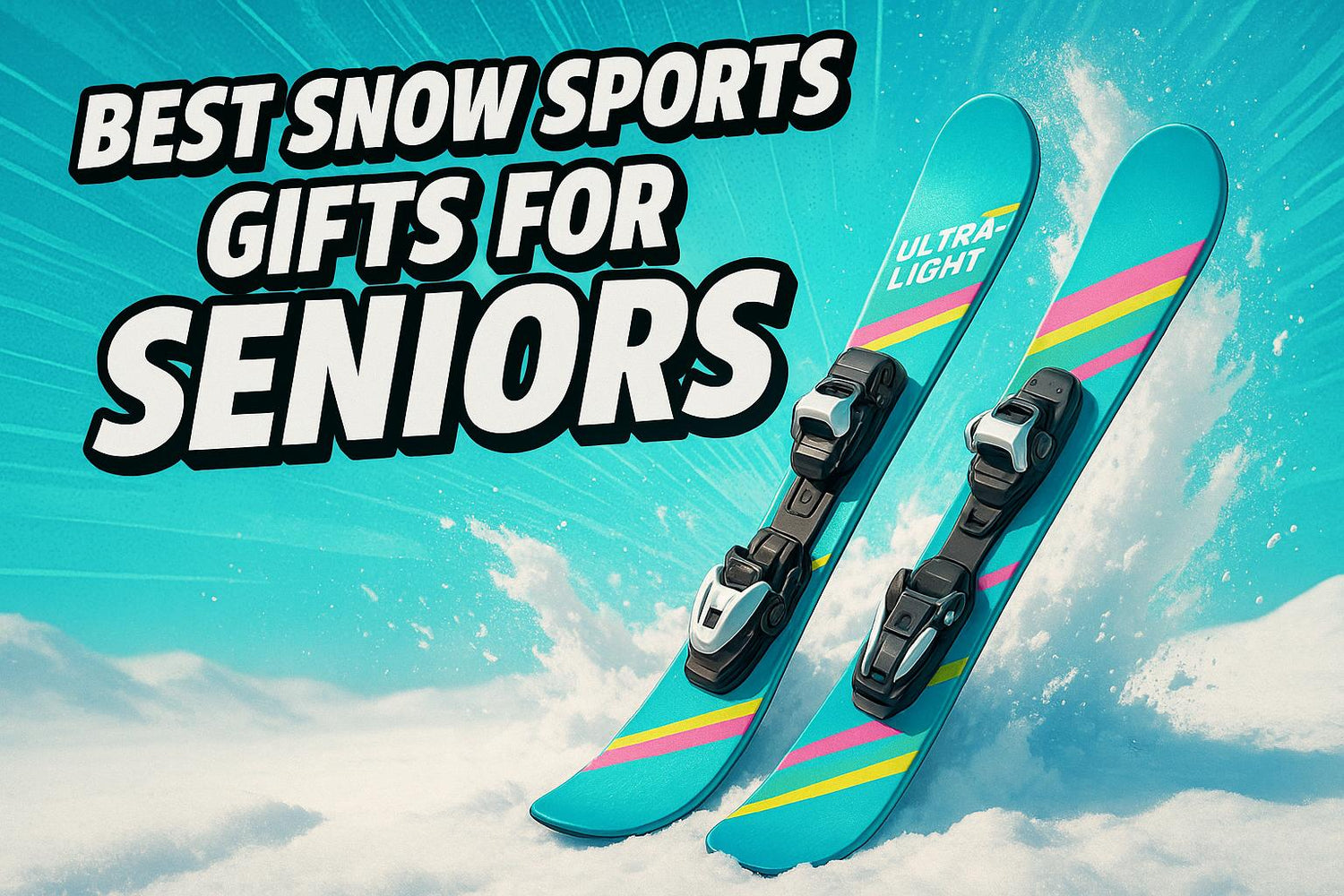
Looking for snow sports gear that’s easy to use, lightweight, and safe for seniors? Here’s the deal: shorter skis and compact snow gear are perfect for older adults who want to enjoy the slopes without the hassle or strain of bulky equipment. These options are ideal for reducing joint pressure, improving control, and making skiing more fun - even for beginners.
Key Takeaways:
- Short skis (44–120 cm) are lighter, easier to control, and gentler on joints compared to long skis.
- Snowfeet Skiskates (44 cm): Ultra-portable, beginner-friendly, and start at $440.
- Snowfeet Skiblades (65 cm & 99 cm): Offer more stability and versatility, priced from $635 and $675.
- Snowfeet Short Skis (120 cm): A compact option for experienced seniors, priced at $775.
- Assled Snow Sled: A low-impact, fun alternative for those who prefer sliding over skiing.
Why It Matters:
- Lightweight gear = less fatigue and more time on the slopes.
- Compact sizes make transportation and storage a breeze.
- Works with regular winter boots or snowboard boots, saving money and hassle.
Whether you’re shopping for yourself or a loved one, these options make snow sports accessible, safe, and enjoyable for seniors. Ready to hit the slopes? Let’s explore the best picks!
Best Skis for the Elderly? | Are Short Skis Better for Older Skiers?
Why Short Skis Work Better for Seniors
Short skis are a game-changer for seniors, offering a much more manageable and enjoyable skiing experience compared to traditional long skis. Let’s face it - long skis can be a hassle. They’re heavy, awkward to carry, and require a lot more effort to control on the slopes. For older adults dealing with issues like arthritis, reduced muscle strength, or balance challenges, these difficulties can quickly take the joy out of skiing.
Long skis are tough on your knees and hips. The longer the ski, the more work your body has to do with every turn. It’s like using a longer lever - more torque means more strain on your joints. As the Snowfeet Store puts it:
"Short skis are good for your knees. They're easier to control and turn compared to longer skis, which can be hard for older skiers. Longer skis need more effort to move and can put a lot of pressure on your knees. So, short skis are better, especially if you have knee issues or if you're older." - Snowfeet Store
This added strain builds up fast. After just an hour on traditional skis, many seniors start feeling the wear and tear in their knees and hips. That constant effort to manage long skis can leave you wiped out before you’ve had a chance to really enjoy your day.
Weight makes a big difference. Standard skis weigh around 10–15 lbs without bindings. Add boots and poles, and you’re lugging around quite a load before you even hit the slopes. Short skis, on the other hand, are much lighter, making them easier to carry from the car, simpler to handle on the lift, and far less cumbersome when walking around.
"Shorter length makes skis lighter so they're easier to carry and move around with. It makes skiing easier on the knees, less tiring and more fun." - Snowfeet Store
The lighter weight isn’t just about convenience - it’s about energy. Less weight means less effort, and that makes skiing feel less like a workout and more like a fun outing.
Control is night and day. Short skis are incredibly responsive. When you want to turn, they turn. When you need to stop, they stop. There’s no wrestling with your equipment. Long skis, designed for speed and stability at high velocities, are great for expert skiers tackling steep, challenging terrain. But for seniors cruising groomed runs at a relaxed pace, short skis are a much better fit.
Stability at slower speeds. Here’s something surprising: short skis are actually more stable when you’re skiing slowly. Long skis need momentum to perform well and can feel shaky and unpredictable at low speeds. Short skis, however, are steady and reliable at the speeds most seniors prefer.
Less fatigue, more fun. Skiing should be enjoyable, not a grind. Short skis reduce the physical effort needed for every aspect of the sport. You’ll use less energy controlling your skis, leaving you with more stamina to enjoy longer runs and extended time on the mountain.
Better balance, fewer falls. Short skis naturally keep your feet closer together, making your stance feel more natural. You’re not struggling to keep long skis parallel or worrying about catching an edge. This improved control lowers the risk of falls and injuries, giving you more confidence on the slopes.
And here’s another bonus: short skis are much easier to learn on. If it’s been years since you last skied - or if you’re trying it for the first time - you’ll find short skis much more forgiving. Their quick responsiveness helps you get the hang of things faster, so you can spend less time learning and more time enjoying.
All these benefits make short skis a fantastic choice for seniors. They’re lighter, easier to control, gentler on your joints, and more stable at slower speeds. Whether you’re shopping for yourself or a loved one, short skis can transform skiing into a low-effort, low-risk activity that’s accessible and fun. For seniors looking to stay active and enjoy the mountains, short skis are the smart way to go.
1. Snowfeet* Skiskates (44 cm)
If you're looking for a compact, easy-to-use alternative to traditional skis for seniors, Snowfeet* Skiskates might just be the perfect fit. At only 44 cm long, these skiskates are designed for portability and simplicity, making them a fantastic option for anyone who wants to enjoy the snow without the hassle of full-sized skis. With a 5.0 user rating and a price starting at $440 (down from $490), they combine performance with convenience.
Portability and Weight
Traditional skis can be a pain to lug around, especially for seniors. But at just 44 cm, Snowfeet* Skiskates are incredibly lightweight and easy to carry. As the Snowfeet Team puts it:
"Skiskates' main advantage is that they fit all sizes, they are due to their size easily portable and light, plus they provide a new way of fun on the snow." - Snowfeet Team
Their small size makes them not only more portable but also a great choice for seniors who may have reduced mobility. No more struggling with heavy, awkward gear - these skiskates are designed to make getting out on the snow a breeze.
Ease of Use and Learning Curve
One of the standout features of skiskates is how beginner-friendly they are. Thanks to their compact design, they respond instantly to your movements, making them much easier to control than traditional skis. This is especially helpful for seniors, whether they're new to skiing or getting back into it after some time away. As Snowfeet* explains:
"Shorter skis are easier to control which makes them perfect choice for older skiers." - Snowfeet*
The 44 cm length keeps your feet naturally close together, boosting stability while eliminating the need for the wide stance that longer skis often require. This makes them less intimidating and more comfortable to use, especially for those who may not have the physical strength or technical skills for traditional skiing.
Physical Strain Reduction
Long skis can take a toll on your body, especially on joints like the knees, hips, and lower back. Skiskates, on the other hand, are lightweight and require less effort to maneuver. This means you can enjoy more runs without feeling wiped out. Their design reduces physical strain, both on the slopes and when you're carrying them to and from the car.
Terrain Versatility
Don't let their size fool you - skiskates are surprisingly versatile. They perform well on groomed runs and gentle slopes, which are often the preferred terrains for seniors. Their agility also makes them great for tighter spaces, whether you're navigating a snowy hiking trail or even just having fun in your backyard. While they might not be ideal for deep powder or extreme conditions, they offer a flexible and enjoyable option for most recreational skiing needs.
2. Snowfeet* Skiblades (65 cm)
The Snowfeet* Skiblades, measuring 65 cm, are a fantastic step up from skiskates for seniors looking for a bit more length without sacrificing the portability and ease that make shorter skis so appealing. Priced from $635, these skiblades strike a balance between maneuverability and stability, offering older skiers more confidence and versatility on the slopes without the bulk of traditional skis. They’re a great option for those who want to enjoy a range of snow conditions with minimal hassle.
Portability and Weight
At 65 cm, these skiblades are longer than the skiskates but still a breeze to transport compared to standard skis, which often range from 150 to 180 cm. They fit easily in a car trunk, so no more wrestling with awkwardly long gear. Plus, they’re compact enough to stash in a closet at home - no need for special ski bags or dedicating an entire corner of your garage to storage.
Their lightweight design means you can carry them without strain, making them a practical choice for seniors who want to keep things simple and manageable.
Ease of Use and Learning Curve
The slightly longer length of these skiblades gives you more surface area, which translates to better float and stability on a variety of snow conditions. Yet, they remain incredibly responsive and easy to handle. This makes them perfect for skiers who want a familiar feel without the physical demands of full-length skis.
The tight turning radius is a game changer. You can make quick, controlled turns without needing strong leg muscles or perfect technique. This is especially helpful if you’re dealing with reduced flexibility or joint stiffness. The movements feel natural and intuitive, making skiing enjoyable rather than a chore.
Physical Strain Reduction
One of the biggest advantages of the 65 cm skiblades is how they reduce physical strain. Their design encourages a relaxed, natural stance that’s gentle on your knees and hips, so you can ski longer without feeling wiped out.
Since they’re lighter than traditional skis, turning requires less effort. This takes pressure off your joints, which is a big plus for seniors dealing with arthritis or recovering from injuries. The extra surface area provides stability for turns without demanding too much force, letting you ski comfortably and confidently.
Terrain Versatility
These skiblades shine on groomed runs, offering enough stability for moderate speeds while staying easy to control on crowded slopes. They’re ideal for green and blue runs - the sweet spot for many senior skiers.
The added length compared to the 44 cm skiskates also makes them better suited for light powder or slightly uneven snow. While they’re not built for deep backcountry adventures, they handle typical resort conditions with ease. And if you’re feeling adventurous, they’re even a blast in terrain parks. But for most seniors, their smooth and predictable performance on regular trails will be the real highlight.
3. Snowfeet* Skiblades (99 cm)
The Snowfeet* Skiblades at 99 cm hit that sweet spot for seniors who want a blend of performance and convenience. They’re long enough to handle various snow conditions but still compact enough to skip the usual hassles of traditional skis. Starting at $675, these skiblades offer more versatility than the shorter 65 cm model, while keeping the simplicity that makes Snowfeet* gear a favorite among older skiers. They also make a thoughtful gift for anyone looking to expand their skiing options without overcomplicating the experience.
These skiblades build on the stability and versatility of their smaller counterparts, giving you even more confidence on the slopes.
Portability and Weight
At 99 cm, these skiblades are much shorter than standard skis, which typically range from 150 to 200+ cm. That difference is huge when it comes to handling and storing your gear. You can easily fit them into a standard car trunk without sacrificing space for other equipment, and they won’t take over your storage area at home.
The weight is another big perk. Traditional long skis can be heavy and cumbersome, but these skiblades are light and easy to carry. That means less energy spent hauling your gear and more energy for skiing.
Even better, you don’t need those stiff, clunky ski boots that feel like you’re walking in bricks. These skiblades work with regular winter boots or snowboard boots, cutting down on both weight and hassle. Say goodbye to sore feet and ankles from rigid ski boots, and hello to a more comfortable day on the slopes.
This compact and lightweight design makes them a great choice for diverse terrains while keeping things manageable.
Ease of Use and Learning Curve
The 99 cm length provides a larger surface area compared to shorter models, giving you better stability as you glide down the mountain. This extra stability, combined with a tight turning radius, makes them easy to control with minimal effort.
For seniors dealing with reduced flexibility or joint issues, this is a game-changer. The movements feel natural, almost like walking, instead of requiring years of practice to master complicated techniques.
If you’re moving from traditional skis, you’ll notice how much easier these skiblades are to handle. And if you’re new to skiing, you’ll love how quickly you can get the hang of them. Either way, the gentle learning curve means you can focus on enjoying the ride instead of worrying about perfecting your technique.
Physical Strain Reduction
One of the best things about these skiblades is how they reduce strain on your body. Their lightweight design means less effort when carrying them, and on the slopes, turning requires far less force than traditional skis. This is a big relief for your knees and hips.
You’re not constantly battling heavy, unwieldy skis that seem to have a mind of their own. Instead, these skiblades allow for a more natural stance, which helps prevent fatigue and soreness. That means you’re more likely to enjoy a full day of skiing without paying for it the next morning.
For seniors managing arthritis or recovering from injuries, this reduced physical demand can make all the difference. It’s the kind of gear that lets you keep skiing comfortably without overexerting yourself.
Terrain Versatility
When it comes to terrain, the 99 cm skiblades truly shine. They’re excellent on groomed runs, offering stability at moderate speeds while staying easy to control. Green and blue runs are their comfort zone, but they can also handle more challenging terrain.
The added length improves their performance in light powder and uneven conditions. While they’re not built for deep backcountry powder, they handle typical resort conditions with ease. If the snow gets a bit choppy, you’ll still feel balanced and in control.
And let’s not forget the practical side. These skiblades are small enough to fit in most car trunks and take up minimal space in ski lockers. That means less hassle getting to and from the mountain, making your day on the slopes more about fun and less about logistics.
4. Snowfeet* Short Skis (120 cm)
The Snowfeet* Short Skis (120 cm), priced at $775, strike a perfect balance between the classic skiing experience and a compact, senior-friendly design. Inspired by the compact nature of Skiskates and Skiblades, these short skis deliver a familiar feel while adding enhanced stability and speed for seasoned skiers. Though shorter than traditional skis, they provide a stable ride at higher speeds without losing the ease of maneuverability. For experienced seniors looking for a smooth transition without giving up the skiing they love, these skis are a solid choice.
Let’s take a closer look at how these skis combine performance with features tailored for seniors.
Portability and Weight
At just 120 cm, these short skis are a breeze to handle compared to traditional skis, which typically measure between 150 and 200+ cm. That extra 30 to 80 cm makes a huge difference. They're easier to carry, fit comfortably in most car trunks, and are far less awkward to manage off the slopes.
Traditional skis can feel bulky and exhausting to transport, especially for seniors. These lighter, shorter skis conserve energy and reduce strain on your knees and joints, making them a more practical option for older skiers who want to enjoy the slopes without unnecessary hassle.
Ease of Use and Learning Curve
The compact size of these skis isn’t just about portability - it also makes them easier to use. Their 120 cm length provides a broader surface area for better stability and a tighter turning radius, allowing for precise, controlled turns.
Switching from full-length skis to these short skis is straightforward, with only a brief adjustment period. The movements feel familiar, but the skis respond with less effort, which is especially helpful for seniors who might have reduced flexibility or joint issues. Plus, the natural, upright stance these skis encourage means you can ski longer without the fatigue that often comes with heavier gear.
Reduced Physical Strain
Thanks to their lightweight and shorter design, these skis significantly reduce the strain on your joints, letting you enjoy longer days on the mountain. Every turn requires less effort, easing the pressure on your knees, hips, and lower back.
For seniors dealing with arthritis, recovering from injuries, or simply navigating the natural wear and tear of aging, these skis are a game-changer. The reduced leverage during turns and overall lighter weight allow you to focus on the joy of skiing rather than any discomfort or fatigue.
Terrain Versatility
These skis shine on groomed runs and handle a variety of conditions, from light powder to uneven snow. They offer excellent stability at moderate to faster speeds and are easy to control, making them a versatile choice for green, blue, and even black runs.
When the terrain gets tricky, the extra length helps stabilize your turns with less effort compared to shorter models. While they’re not ideal for deep backcountry powder, they’re more than capable of handling the typical conditions you’ll find at most resorts - offering reliable performance without unnecessary complexity.
sbb-itb-17ade95
5. Assled Snow Sled
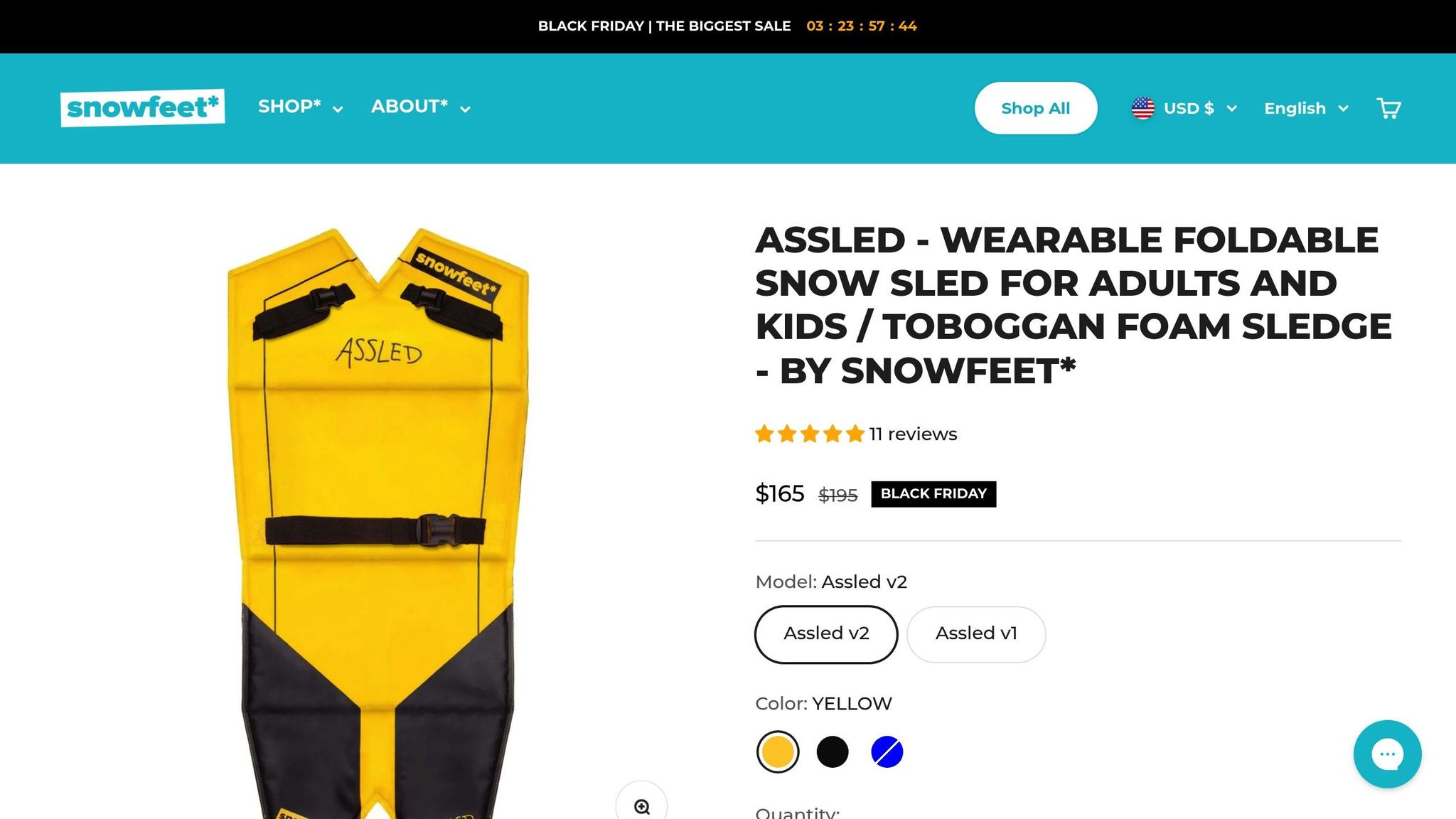
The Assled Snow Sled brings a fresh twist to winter activities, offering seniors a fun and low-impact way to enjoy the snow. Unlike traditional snow sports, this sled is designed to provide a gentler experience while still delivering plenty of enjoyment.
When deciding if this is the right fit, consider comparing it with other winter gear to find what suits your needs best. And before making a purchase, double-check the latest specs with the retailer to ensure it meets your expectations.
What to Look for in Snow Sports Gear for Seniors
When it comes to snow sports gear for seniors, the right equipment can make all the difference between a frustrating day on the slopes and one filled with fun and confidence. Seniors face unique challenges, so choosing gear that prioritizes safety, comfort, and ease of use is essential. Here’s what to keep in mind:
Weight matters. Traditional skis can weigh between 10-15 lbs per pair, which can be a lot to lug around and control. Lighter options, like Snowfeet* products, are easier to carry from the car to the slopes and far less tiring to use during a full day of skiing. Over multiple runs, that weight difference can save a lot of energy.
Shorter skis make skiing easier. Standard skis (150–180 cm) require more effort to turn and control, which can be tough on the body. Shorter skis, ranging from 44 to 120 cm, respond faster to your movements, making turns easier and more intuitive. This means less fighting with your equipment and more time enjoying the ride.
Flexibility is joint-friendly. Skis with moderate flex are much easier on the knees, hips, and ankles. Stiffer skis demand more strength and precision, which can be hard to maintain. Flexible skis absorb bumps better and reduce strain on your joints, making them a better choice for seniors.
Stability isn’t just about length. A wider ski profile can offer the stability you need without the extra length of traditional skis. The key is a well-balanced design, like those found in Snowfeet* products, which combine short lengths with wider proportions to provide a stable platform that’s still easy to maneuver.
Ease of control is essential. Complicated gear that requires advanced techniques or peak physical fitness isn’t practical for most seniors. Shorter skis naturally offer better control, turning more easily and responding quickly to weight shifts. This means you can enjoy the slopes without needing weeks of practice or intense conditioning.
Portability is often overlooked but crucial. Can you carry your gear without struggling? Will it fit in your car without a roof rack? Shorter skis, ranging from 17 inches to 4 feet, can fit in a standard car trunk and are much easier to handle, even when juggling other winter gear.
Check binding compatibility. Some skis require specialized ski boots, which can add extra costs and limit your options. Others work with regular winter boots or snowboard boots, giving you more flexibility and comfort while saving money.
Think about long-term value. The best gear is the kind you’ll actually use. Equipment that’s lightweight, easy to carry, and simple to control is more likely to see regular use. On the other hand, gear that’s cumbersome or difficult to handle is likely to gather dust in the garage.
Ultimately, the goal is to match your gear to your abilities and needs. Lightweight, shorter equipment can make snow sports more enjoyable while reducing physical strain, so you can focus on having a great time on the slopes.
Safety Tips for Seniors on the Slopes
Hitting the slopes should be about having fun, not worrying about injuries. A few smart precautions can mean the difference between a great day and an unexpected trip to the clinic. Here are some practical tips to help you stay safe while enjoying your time on the mountain.
Warm up before skiing. Cold muscles are more prone to strains and injuries, so take 10–15 minutes to loosen up before you start. Simple stretches focusing on your legs, hips, and lower back can do wonders. Try leg swings, knee circles, and hip rotations to get your blood flowing and prep your body for the day ahead.
Wear a helmet - always. Modern helmets, especially those with MIPS (Multi-directional Impact Protection System) technology, offer better protection by dispersing impact forces. If your helmet is old or has been in a crash, replace it. Make sure it fits snugly, sits level on your head, and the straps form a "V" under your ears. The chin strap should be tight enough that only one or two fingers can fit underneath.
Protect your eyes and face. Goggles are a must - they shield your eyes from wind, snow, glare, and harmful UV rays. If you wear glasses, consider investing in prescription goggles to avoid fogging and discomfort. On colder days, a balaclava or neck gaiter (around $25) can protect exposed skin and keep you warm.
Layer up with the right materials. Hypothermia is a real concern, especially for seniors. Dress in layers: start with a moisture-wicking base layer, add an insulating mid-layer, and finish with a waterproof, breathable outer shell (materials like Gore-Tex work well). Don’t forget weatherproof gloves or mittens with liners, and ski socks made from merino wool to keep your feet warm and dry while preventing blisters.
Carry an emergency whistle. For less than $10, you can get a whistle like the Fox 40 that could be a lifesaver if you’re injured or lost. Clip it to your jacket zipper for easy access.
Know your limits. Stick to slopes that match your current skill level, not the level you had years ago. Green (beginner) and blue (intermediate) runs are perfect for staying safe while still having fun. If a slope looks too steep or crowded, skip it. There’s no need to take unnecessary risks. As the Snowfeet Store wisely puts it:
"Yes, skiing in your 60s can be safe if you're careful. Wear a helmet and goggles, warm up before skiing, and ski on slopes that match your skill level. Take breaks when you need them and listen to your body. Following these tips can help you have a fun and safe time on the slopes even in your 60s."
Take breaks when you're tired. Resting for 15–20 minutes can help you maintain good form and avoid falls caused by fatigue.
Check the conditions before heading out. Icy slopes are harder to navigate and more dangerous, while high winds can make lifts and runs challenging. If the weather or conditions seem risky, it’s okay to call it a day or wait for better conditions. The mountain isn’t going anywhere.
Ski with a buddy or group. Having company means help is nearby if anything goes wrong - and it’s more fun! If you prefer skiing solo, let someone know your plans and when you expect to return.
The bottom line is simple: make smart choices to keep enjoying winter sports for years to come. With the right precautions and gear - like lightweight, easy-to-control options from Snowfeet* - you can have a fantastic time on the slopes well into your golden years.
Comparison Table: Snowfeet* Products vs. Traditional Snow Gear
When choosing snow sports gear as a senior, the differences between Snowfeet* products and traditional equipment can make a big impact on your time on the slopes. Factors like weight, ease of use, portability, and cost all play a role in ensuring comfort and confidence. Let’s break it down.
Weight and Portability
The Snowfeet Team sums it up perfectly: "Snowfeet aren't just good, they're amazing. They're super light and portable, so you can take them anywhere". Unlike traditional skis, which are often 160–180 cm long and a hassle to carry, Snowfeet* options range from just 44 to 120 cm. They’re compact enough to toss in a backpack or your car trunk - no need for special transport gear.
Footwear Requirements
Here’s where Snowfeet* really shine. Traditional skis demand specialized ski boots, but Snowfeet* work with your regular winter boots or snowboard boots. As the Snowfeet Team puts it, "But hold up, these Snowfeet got some fancy bindings that let you rock 'em on your regular winter kicks or snowboard boots, so say goodbye to lugging around those clunky ski boots!". This means less hassle and fewer expenses.
Physical Strain
Traditional skis require more leg strength and core stability, which can put extra pressure on your knees and hips. Snowfeet*, on the other hand, are more responsive and easier to maneuver. They demand less effort, making them a great option for seniors who want to enjoy snow sports without overexertion.
Cost Efficiency
Snowfeet* are a budget-friendly way to hit the slopes. Since they don’t require specialized ski boots, you’re cutting down on costs right from the start. This makes them especially appealing for beginners or anyone looking for an affordable gift idea.
Ease of Use and Storage
Traditional skiing involves mastering specific techniques for turning and stopping, which can take time. Snowfeet*, however, offer an intuitive experience that feels similar to ice skating, making it easier to pick up. Plus, their compact size means they can fit in a closet or travel bag, unlike traditional skis that often need a roof rack or extra storage space.
Here’s a quick comparison to sum it all up:
| Feature | Snowfeet* Products | Traditional Skis | Traditional Snowboards |
|---|---|---|---|
| Length | 44–120 cm | ~160–180 cm | ~150–160 cm |
| Weight | Super light | Heavier and bulkier | Heavier and bulkier |
| Footwear | Uses regular winter boots or snowboard boots | Requires specialized ski boots | Requires dedicated boots |
| Portability | Easily fits in a backpack | Needs roof rack or large vehicle space | Cumbersome to transport |
| Learning Curve | Fast and intuitive | Steeper; takes time to master | Moderate to steep |
| Physical Demand | Low to moderate | Higher due to length and leverage | Moderate to high |
| Cost Efficiency | Affordable (no extra boots needed) | Higher when extra gear is included | Higher when extra boots are needed |
| Storage | Minimal space required | Needs significant storage space | Moderate storage space |
Snowfeet* products offer a simpler, more accessible way to enjoy snow sports, especially for seniors or beginners. Their lightweight design and ease of use make them a standout choice for anyone looking for fun on the slopes without the fuss.
Conclusion
Finding the right snow gear for seniors doesn’t have to mean sacrificing fun or spending a fortune. Snowfeet* products bring a fresh twist to winter activities, offering older adults a way to stay active without too much hassle or expense.
What makes Snowfeet* stand out is their simplicity and practicality. Take the ultra-compact 44 cm Skiskates - perfect for a senior trying skiing for the first time - or the 120 cm Short Skis, ideal for those with a bit more experience. These products eliminate the need for bulky, expensive ski boots and those intimidating 6-foot-long skis. Plus, they’re easy to pick up, even for beginners.
For seniors who want to enjoy the snow without committing to traditional skiing, Snowfeet* gear is a game-changer. They’re simple enough to learn in just an afternoon, and since they work with regular winter boots, there’s no need to buy, store, or maintain extra equipment. Their shorter length gives better control, they’re less physically demanding (so less tiring), and they’re portable enough to take anywhere.
These products open up winter sports to seniors in a way that feels approachable and fun. Whether it’s someone who misses being outdoors in the winter or someone eager to try something new, Snowfeet* offers a safe and easy way to get started. Even the Assled Snow Sled is a great option for those who’d rather slide than ski. Every product is thoughtfully designed with seniors in mind.
Winter shouldn’t mean staying indoors for older adults. With gear built for ease, comfort, and enjoyment, seniors can keep enjoying snowy adventures for years to come. Whether you’re treating yourself or gifting to a loved one, Snowfeet* makes it possible.
FAQs
Why are Snowfeet products a better choice for seniors than traditional skis or snowboards?
Snowfeet products are a fantastic option for seniors who want to enjoy winter activities without the extra hassle or physical strain. They’re lightweight, easy to use, and designed with safety in mind, making snowy adventures more fun and accessible. Unlike traditional skis or snowboards, Snowfeet’s shorter design offers better control and easier maneuverability, which can help reduce the risk of falls - a big plus for older adults looking for a more relaxed and confidence-boosting experience on the slopes.
What’s more, products like Skiskates and Skiblades are compact and portable, so there’s no need to lug around heavy, bulky gear. This simplicity, combined with their versatility, makes Snowfeet a great alternative to traditional equipment. Seniors can stay active and enjoy the winter season without worrying about a steep learning curve or the physical demands of conventional snow sports.
Why are short skis and skiblades like Snowfeet a safer and easier option for older skiers?
Short skis and skiblades, like those crafted by Snowfeet, are built to be lightweight, compact, and simple to handle - qualities that make them an excellent option for older skiers. Their smaller size means less effort is needed to steer, which helps reduce physical strain and keeps fatigue at bay.
The shorter length also adds stability when skiing at slower speeds and makes turning quicker and smoother without requiring much energy. This balance of control and ease not only makes skiing safer but also adds to the fun, giving seniors a more relaxed and enjoyable time on the slopes.
Can Snowfeet products be used with regular winter boots, and why is this helpful for seniors?
Yes, Snowfeet products are made to work perfectly with regular winter boots or snowboard boots. This is a big plus for seniors because it eliminates the need to buy pricey, specialized ski boots. Not only does this help cut costs, but it also makes getting ready for snow activities a lot easier, making winter sports more approachable and fun for older adults.
On top of that, being able to use everyday footwear means less fuss and more comfort. Seniors can enjoy their time in the snow without stressing over complicated gear.













Leave a comment
This site is protected by hCaptcha and the hCaptcha Privacy Policy and Terms of Service apply.