




















Backcountry skiing is booming - and for good reasons. It offers freedom, untouched snow, and a break from crowded resorts. Plus, with lift ticket prices soaring past $200 a day, more skiers are ditching resorts for the peace of the backcountry. But it’s not all powder and solitude - backcountry skiing demands more planning, safety gear, and self-reliance.
Here’s the gist:
- Resorts: Convenient lifts, groomed trails, and safety patrols. Minimal planning needed.
- Backcountry: Hike up, ski down. No patrols, no avalanche control. You’re on your own.
Gear matters, too. Standard skis aren’t ideal for the backcountry’s tight terrain or long hikes. Lightweight options like Snowfeet’s short skis (44–120 cm) are shaking things up, making uphill climbs and tricky descents easier. But remember, safety is key - avalanches and hazards are real risks out there.
Ready to skip the lift lines and try something new? Let’s dive into why backcountry skiing is pulling more skiers off-piste.
Backcountry vs. Resort Skiing on the SAME DAY
Backcountry vs. Resort Skiing: Main Differences
The divide between resort and backcountry skiing goes well beyond location. These two styles of skiing provide vastly different experiences, each with its own set of demands, risks, and rewards.
Terrain and Access Differences
Resort skiing is all about convenience. You’ve got groomed trails, speedy lifts, and clearly marked paths - all maintained for easy access and a smooth experience.
Backcountry skiing, on the other hand, is the wild side of the sport. It takes you into unmarked, unmanaged terrain beyond the boundaries of ski resorts. Forget about groomed slopes or chairlifts. Instead, you’ll need to hike or use skins to climb uphill before making your descent. While some resorts offer access to backcountry areas through sidecountry gates, most of this terrain remains completely uncontrolled.
Traditional skis work great on groomed runs, but they can be a hassle for the long uphill climbs common in backcountry skiing. That’s where Snowfeet* gear comes in. With compact options like 44 cm Skiskates or short skis up to 120 cm, this lightweight, portable gear is easier to carry and handle, especially in tight or technical areas.
Safety Requirements and Risks
Resort skiing comes with built-in safety perks. You’ve got marked trails, avalanche control teams, and ski patrols ready to assist within minutes if something goes wrong.
Backcountry skiing? That’s a whole different story. You’re on your own - no patrols, no avalanche control, no immediate rescue. And the risks are real. Did you know that 93% of avalanche accidents are triggered by the skier involved or someone in their group? Avalanches are most likely to occur on slopes angled between 30° and 45°.
"Skills in the resort are not skills in the backcountry", says Dave Richards, Alta Snow Safety Director.
To stay safe, backcountry skiers need specialized gear like avalanche beacons, probes, and shovels - items you’d rarely need at a resort. But gear alone isn’t enough. Avalanche safety training is critical. You’ll need to know how to evaluate snow conditions, recognize dangerous terrain, and identify slope angles that could pose a risk.
The dangers aren’t limited to avalanches. Backcountry skiers also contend with hazards like tree wells, hidden rocks, open water, wildlife, and unpredictable weather. Self-reliance is key - you’re responsible for every decision and every emergency response.
"Backcountry skiing is different from resort skiing. It is slower. It takes a higher level of fitness... Having a mindset with the right objective for the day is important", explains Daryl Teittinen, a professor of Outdoor Adventure Leadership at Sierra Nevada University.
Planning and preparedness are non-negotiable when venturing into backcountry terrain.
Planning and Self-Reliance Needs
Resort skiing is pretty straightforward. Show up, grab your lift ticket, and you’re good to go. Maybe you’ll check the weather or snow report, but beyond that, it’s a low-effort day.
Backcountry skiing, though, is a whole different ballgame. It requires careful planning: checking snow conditions, weather forecasts, avalanche reports, and mapping out your route. Before heading out, skiers often have a morning discussion with their group to set goals, assess comfort levels, and plan for the day.
Self-reliance is the name of the game. You’ll need strong navigation skills, quick decision-making abilities, and basic first aid knowledge. Without resort staff or lift operators to rely on, every choice and action falls squarely on your shoulders.
Snowfeet* gear can ease some of these challenges. Its lightweight design and efficient performance make it a great fit for the demands of backcountry skiing.
| Aspect | Resort Skiing | Backcountry Skiing |
|---|---|---|
| Terrain Access | Lifts and groomed runs | Hiking/skinning required |
| Safety Support | Ski patrol and avalanche control | Complete self-reliance |
| Planning Required | Minimal | Extensive route and safety planning |
| Gear Weight | Less critical | Lightweight gear essential |
| Risk Level | Lower with safety measures | Higher due to natural hazards |
These contrasts make it clear why lightweight gear like Snowfeet* is such a game-changer for tackling the unique challenges of backcountry skiing.
Why Backcountry Skiing Appeals to More Skiers
Backcountry skiing fills a gap that resorts just can’t. It’s about solitude, untouched snow, and a closer connection to nature. More and more skiers in the U.S. are heading off the beaten path, drawn by the promise of a purer mountain experience. Here’s why backcountry skiing is capturing their attention.
Escaping Crowds and Chasing Fresh Powder
Resort skiing often comes with long lift lines and packed slopes, which can take away from the peaceful vibe of the mountains. Backcountry skiing, on the other hand, lets you leave the crowds behind. It’s just you, the snow, and the quiet beauty of the wilderness. After a storm, there’s nothing quite like carving through untouched powder in a pristine, unspoiled landscape.
"For anyone who gets into skiing, it's about freedom, and taking it into the backcountry is a continuation and a whole other level of that sense of freedom and discovery and exploration. There's also a lot more people in the world now, so it's harder to find that solitude at ski resorts. You're more corralled than you used to be", shares Steve Jones, co-founder of Teton Gravity Research (TGR).
At resorts, even fresh snow doesn’t stay fresh for long. Grooming and heavy traffic quickly strip away that powdery magic. Traditional skis can also feel clunky in deep snow. That’s where Snowfeet* gear shines - it’s lightweight and super maneuverable, making it perfect for navigating tight, powder-filled backcountry terrain.
Modern Gear Opens the Backcountry to More Skiers
The surge in backcountry skiing isn’t just a coincidence. It’s been fueled by advancements in gear that make the sport more approachable for all kinds of skiers. Recent stats show a noticeable uptick in sales of alpine touring and backcountry boots. These innovations have removed many of the hurdles that once made backcountry skiing feel like it was only for the pros.
One of the biggest game-changers? The skis themselves. Traditional setups often meant hauling heavy, cumbersome skis for hours before you even got to enjoy the downhill thrill. Snowfeet* products flip the script with their lightweight design, using durable plastic instead of the heavier wood cores found in standard skis. This means you can cover more ground without feeling drained. Plus, Snowfeet* gear works with regular winter boots, so you don’t need to invest in specialized equipment. Whether you’re exploring local hills or venturing into more challenging terrain, this setup makes it easier for newcomers to dive into backcountry skiing.
The Pull of Self-Reliant Outdoor Adventures
It’s not just about the gear - there’s a growing desire for self-directed outdoor experiences. Many skiers are looking to break free from the structured, commercial feel of resorts. They want something more personal, something that lets them rely on their own skills and instincts.
"As long as humans have been heading into the mountains and the woods, there have been those for whom the escape and the solitude is what matters most. Ski touring combines the best of the outdoor experience with the opportunity to separate yourself from society", says Cripple Creek Backcountry.
Backcountry skiing is the perfect fit for this mindset. There are no lift schedules, no marked runs, and no resort boundaries. Every run you take is one you’ve earned, from the uphill trek to the downhill reward. This craving for independence is even pushing ski resorts to open up their boundaries, making it easier for skiers to access off-piste terrain. For those just transitioning from the resort scene, Snowfeet* gear offers a great starting point. Its shorter, lighter design helps you nail backcountry techniques like kick-turns and powder skiing, so you can build confidence on easier slopes before tackling steeper challenges.
Snowfeet* vs. Standard Skis and Snowboards
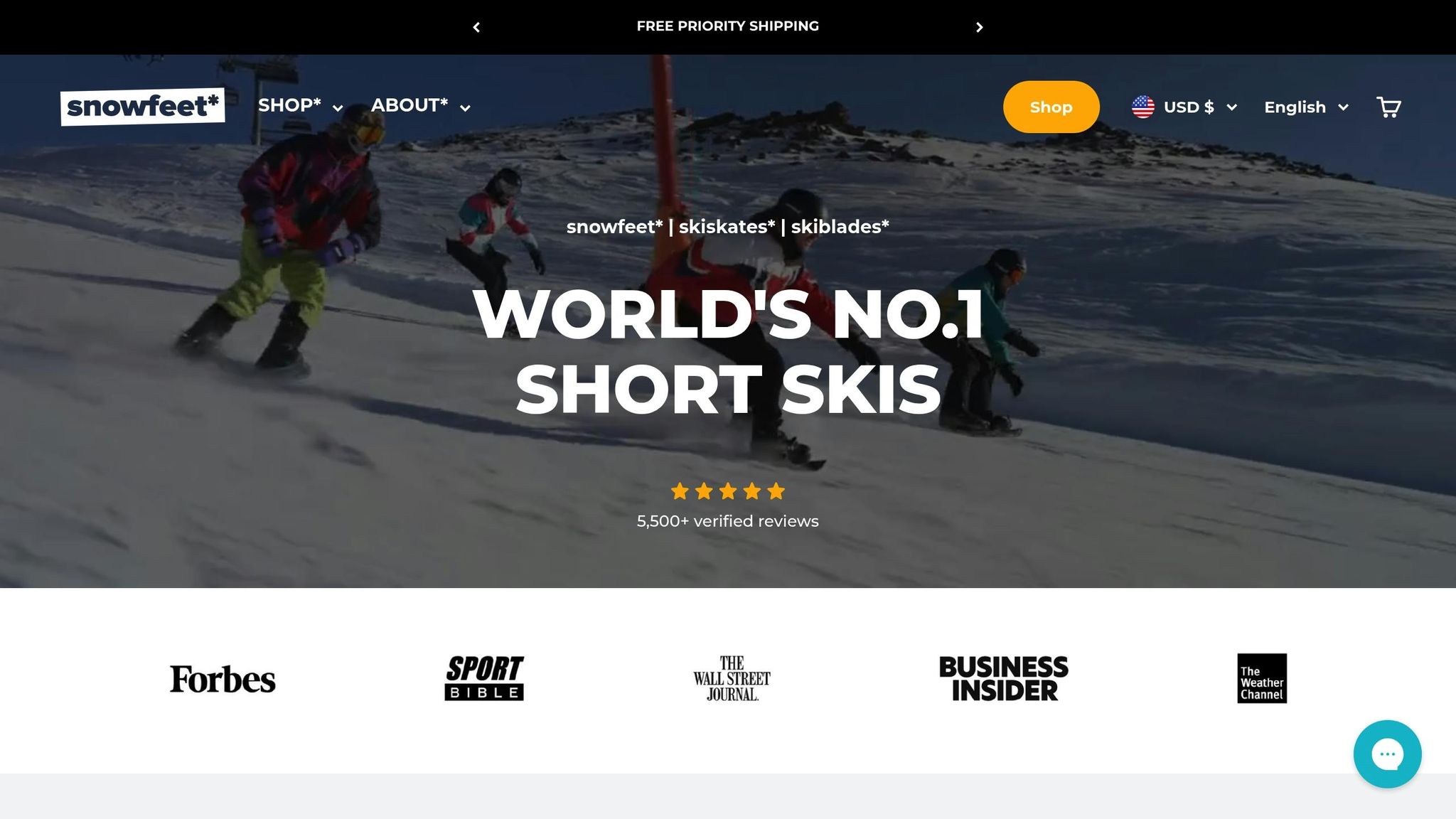
When you're gearing up for a backcountry adventure, your equipment can make all the difference. Traditional skis and snowboards are great for groomed trails, but they often fall short when you're tackling untouched terrain. That’s where Snowfeet* products come in. These lightweight, compact alternatives open up new ways to explore the backcountry.
Size and Weight Perks
One of the biggest differences between Snowfeet* and traditional gear is size. Traditional backcountry skis usually measure 160 cm or longer, while Snowfeet*’s longest model is just 120 cm. Their Skiskates, for example, are a compact 44 cm. This smaller size makes a huge difference when you're on the move. Traditional skis can feel bulky and sap your energy during long approaches, but Snowfeet*’s streamlined design is a breath of fresh air.
Because they’re so lightweight, Snowfeet* products are incredibly portable. You can toss them in a backpack, leaving your hands free and your balance intact - perfect for navigating rocky paths or weaving through dense trees. No more wrestling with oversized gear while trying to scramble up tricky terrain.
Easier to Learn, More Flexible to Use
Traditional skiing and snowboarding come with a steep learning curve, especially in the unpredictable backcountry. Managing different snow conditions and terrain can take years of practice. Snowfeet* products simplify things. Their shorter, lighter design works with standard winter, ski, or snowboard boots, making transitions between hiking and skiing a breeze. They’re forgiving for beginners but still deliver performance that seasoned skiers can appreciate.
Here’s a quick breakdown of how Snowfeet* stacks up against traditional gear:
Feature Comparison: Snowfeet* vs. Standard Gear
| Feature | Snowfeet* Products | Traditional Skis | Traditional Snowboards |
|---|---|---|---|
| Weight | Ultra-lightweight | Heavier due to extra components | Heavier with full bindings |
| Length | 44–120 cm | 160–190+ cm | 140–170 cm |
| Boot Compatibility | Works with regular winter, ski, or snowboard boots | Needs dedicated ski boots | Needs dedicated snowboard boots |
| Portability | Fits in a backpack | Requires external carrying systems | Requires external carrying systems |
| Learning Curve | Quick to pick up | Steep, often needs lessons | Moderate to steep |
| Terrain Flexibility | Great in tight spaces and consolidated snow | Best for wide-open terrain, less agile in tight spots | Less maneuverable in confined areas |
| Setup Time | Minimal setup | More involved setup | Takes time |
The agility of Snowfeet* products is a game-changer in the backcountry. Longer skis can feel clunky when navigating tight spaces, but Snowfeet* shine in tree lines, rocky sections, and tricky terrain. Their compact size gives you more freedom to choose your path down the mountain.
"One of the main advantages of short backcountry skis is their exceptional maneuverability... these skis provide the agility needed to conquer the backcountry with confidence." - Snowfeet Team
Another key benefit? Climbing efficiency. Short skis like Snowfeet* require less energy on the uphill thanks to their lightweight, compact design. This means you’ll save energy for the descent and feel less drained after a long day in the mountains.
For backcountry explorers, Snowfeet* deliver on portability, versatility, and ease of use. They’re not trying to replace traditional skis entirely - they’re offering a new way to experience the backcountry, opening doors to adventures that might have been too cumbersome with standard gear.
sbb-itb-17ade95
Why Snowfeet* Works Best for Backcountry Skiing
Backcountry skiing isn’t just about gliding down untouched snow - it's about tackling long hikes, unpredictable terrain, and quick transitions. Standard skis and snowboards often fall short here, but Snowfeet* are designed to meet these challenges head-on.
Lightweight for Long Hikes
When you're hiking uphill for hours, every ounce of gear matters. Traditional skis and boots can weigh you down, making the climb more exhausting. Snowfeet* solve this problem with their ultra-lightweight design. They're compact enough to fit in your backpack, so you’re not lugging around bulky gear or snagging on branches. This makes them perfect for multi-day adventures or long approaches where every bit of energy counts.
Quick Setup and Boot Compatibility
One of the standout features of Snowfeet* is their ability to work with the boots you already own. Unlike traditional backcountry setups that require heavy, specialized ski boots, Snowfeet* pair easily with your winter or snowboard boots. This flexibility means you can switch from hiking to skiing in no time, minimizing exposure to the elements and keeping things simple. Plus, this quick setup is a game-changer when you're trying to keep up with the unpredictable demands of backcountry terrain.
Agility in Tight Terrain
Backcountry skiing often means navigating dense forests, narrow chutes, and technical sections - not the wide-open runs of a ski resort. This is where Snowfeet* really shine. Their shorter length gives you better control and makes quick direction changes a breeze. Whether you're weaving through trees or tackling a steep, narrow couloir, Snowfeet* offer the responsiveness you need to stay safe and have fun.
As experienced skier cantunamunch puts it:
"They are adventure toys not skis as such."
In short, Snowfeet* turn tricky descents into enjoyable rides, letting you focus on the adventure instead of wrestling with your gear.
With their lightweight design, quick setup, and unmatched agility, Snowfeet* are a perfect fit for anyone looking to explore the backcountry with ease and excitement.
How to Use Snowfeet* for Backcountry Skiing
Ready to take your backcountry adventures to the next level with Snowfeet*? It all comes down to three key steps: choosing the right model for your terrain, staying safe, and making a smooth shift from resort skiing to the backcountry.
Picking the Right Snowfeet* Model
Snowfeet* offers different models tailored for specific backcountry conditions, so picking the right one is crucial.
- Snowfeet* Mini Ski Skates: These are perfect for mixed terrain that combines hiking and skiing. At just 38 cm long, they’re super portable and work with any winter shoes. They're great for groomed snow and powder up to 4 inches deep. But keep in mind - they’re not ideal for deep powder or steep slopes.
- Skiskates: Measuring 44 cm, these pack a punch on packed or groomed snow. They’re faster and more aggressive than the Mini Ski Skates, but they require ski or snowboard boots, which makes them less flexible for hiking. They shine when the backcountry feels more like a ski slope.
- Skiblades: If powder or carving is your thing, Skiblades are your best bet. Available in 65 cm, 99 cm, and 120 cm lengths, they offer better balance and performance in deeper snow. The 99 cm model is a sweet spot for portability and powder performance, while the 120 cm Short Skis give you a more traditional skiing vibe in a compact size.
For beginners venturing into the backcountry, the Mini Ski Skates are a great starting point. They’re lightweight, fit easily into your backpack, and work with your regular boots - no need for extra gear. Once you’ve chosen the right model, it’s time to focus on safety.
Backcountry Safety Basics
Safety in the backcountry isn’t optional - it’s essential. Here’s what you need to know:
- Get trained: Take an avalanche safety course. Knowledge is your best tool out there.
- Carry the essentials: Always have a transceiver, shovel, and probe, and practice using them regularly.
- Share your plans: Let someone know your route and when you plan to return.
- Be prepared: Bring a map, compass, and the Ten Essentials (like extra clothes, food, a first aid kit, and repair tools).
- Stay informed: Keep an eye on weather updates and conditions.
- Maintain your gear: Wax your Snowfeet* regularly for a smoother glide, especially in changing snow conditions.
Moving from Resort to Backcountry Skiing
Switching from resort skiing to backcountry requires more than just a gear upgrade - it’s a whole new mindset. Here’s how to ease into it:
- Start small: Practice on resort slopes with a weighted pack to simulate backcountry conditions.
- Learn the ropes: Take avalanche courses and go on guided trips to build skills like route-finding and decision-making.
- Work as a team: Backcountry travel is all about communication and collaboration. Speak up if you spot potential hazards.
Snowfeet* can help make this transition smoother. Their forgiving design helps you recover quickly as you develop your skills, making them a great choice for those learning the ropes of backcountry skiing.
Start Your Backcountry Adventures with Snowfeet*
Backcountry skiing gives you the freedom to explore untouched terrain, but traditional skis can make the journey uphill a real workout. They’re long - often 150–200+ cm - and heavy, weighing in at 8–12 lbs. That’s a lot of extra weight to carry when you’re climbing for hours. Snowfeet* products, on the other hand, offer a lightweight and compact alternative, making backcountry adventures much more accessible.
When you’re hiking uphill, every ounce matters. Snowfeet* models top out at just 120 cm in length and are significantly lighter, helping to reduce fatigue so you can focus on the thrill of the journey.
But it’s not just about weight. Snowfeet* shine in their ability to handle varied terrain. Traditional skis are great for speed and stability on wide-open slopes, but they can feel clunky in tighter, more technical areas. Snowfeet* are built for agility, letting you move with ease through challenging terrain where control and maneuverability are key.
Backcountry skiing is about more than just the downhill rush - it’s the whole experience of climbing, exploring, and escaping the busy resort scene. Snowfeet* gear makes this easier and more affordable. For beginners, the Mini Ski Skates work with your regular winter boots, so you don’t need to invest in pricey ski boots. As you gain confidence, the 99 cm Skiblades offer a great mix of portability and performance. And if you’re looking for something closer to the feel of traditional skis, the 120 cm Short Skis provide that, but in a more manageable package. With Snowfeet*, you can venture into areas that might be out of reach with bulkier gear.
Another thing to consider is flotation in powder. While long skis are often praised for their performance in deep snow, Snowfeet* short skis with a wider base deliver efficient flotation without the extra weight and hassle. They let you enjoy the powder without exhausting yourself on the way up.
Of course, backcountry skiing isn’t just about the gear. Safety is crucial. Pair your Snowfeet* with proper avalanche and backcountry safety training to ensure you’re ready for the challenges of the mountains. The wilderness is calling - Snowfeet* can help you answer, getting you there faster, lighter, and ready to explore.
FAQs
What safety gear and precautions are essential for backcountry skiing?
Staying Safe While Backcountry Skiing
Backcountry skiing is an incredible adventure, but staying safe out there requires the right gear and solid preparation. First off, avalanche safety equipment is non-negotiable. That means packing a transceiver, shovel, and probe - these tools can make all the difference in a rescue situation. For extra protection, consider an avalanche airbag or an Avalung.
Don’t forget the other essentials: a helmet, goggles, and climbing skins. Navigation tools are key too. A GPS device, or good old map and compass, will help you stay on track. And for signaling in emergencies, a whistle or mirror can be lifesavers.
When it comes to clothing, layering is your best friend. Wear layers to stay warm and dry, and always bring extras to guard against hypothermia if conditions take a turn.
Finally, knowledge is just as important as gear. Take the time to train in avalanche awareness and rescue techniques before heading off-piste. With the right preparation and skills, you can enjoy the thrill of backcountry skiing while keeping safety a top priority.
How does Snowfeet gear perform compared to traditional skis for backcountry skiing?
Snowfeet gear stands out as a game-changer for backcountry skiing thanks to its lightweight, compact design. Traditional skis, which typically measure between 150–190 cm, can be bulky and cumbersome. In contrast, Snowfeet offers a range of shorter, more portable options like Skiblades (65 cm, 99 cm, 120 cm) and Skiskates (44 cm). This makes them much easier to carry, pack, and navigate through tight or uneven terrain.
Another big plus? You don’t need specialized ski boots. Snowfeet gear works with regular winter boots, saving you both money and the hassle of hauling extra gear. Their shorter length and lightweight build make transitions a breeze and give you better control, which is perfect for backcountry adventurers who value flexibility and simplicity. Whether you’re gliding through deep powder or tackling off-trail routes, Snowfeet offers a fun and accessible alternative to traditional skis.
How can beginners safely and confidently transition from resort skiing to backcountry skiing?
To ease into backcountry skiing safely, the first step is taking an avalanche safety course. This will teach you how to evaluate snow conditions and manage potential hazards. Before heading off-piste, it’s also a good idea to build your fitness and sharpen your skiing skills on resort terrain to handle the physical challenges that come with backcountry adventures.
Start small - short, beginner-friendly trips are the way to go. Use this time to get comfortable with essential safety gear like avalanche transceivers, probes, and shovels. It’s also smart to ski with experienced friends or join guided tours. These options not only help you learn proper techniques but also boost your confidence in navigating backcountry terrain.
For a lightweight, portable alternative to traditional skis or snowboards, check out Snowfeet’s Skiblades and Skiskates. They’re a fun and versatile way to explore off-piste areas without the hassle of bulky equipment. By focusing on safety, preparation, and the right gear, you’ll set yourself up for an enjoyable and secure introduction to backcountry skiing.
Related Blog Posts
- Intro to Light Backcountry: Essential Gear for Exploring Beyond the Groomed Trails (Without the Pro Setup)
- How to Choose Skis for Backcountry Beginners (Safety First!) - 2025
- The Difference Between Sidecountry and Backcountry Skiing (Access & Risk)
- The Rise of Human-Powered Skiing: Why Touring Is the Future of the Sport












Leave a comment
This site is protected by hCaptcha and the hCaptcha Privacy Policy and Terms of Service apply.