
Quick Summary:
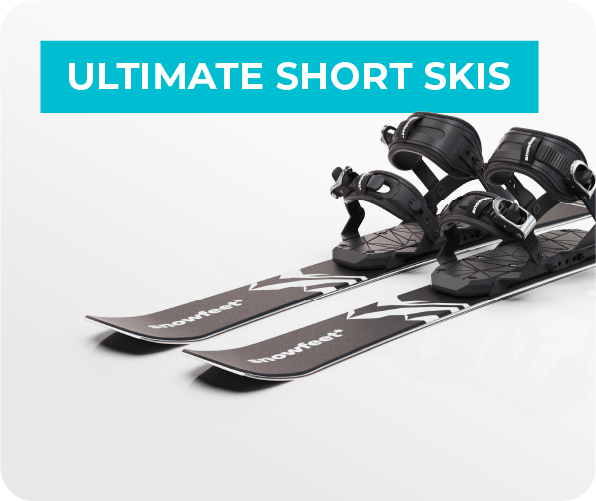
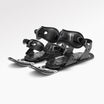
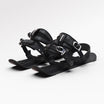
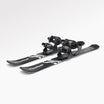
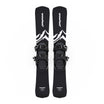
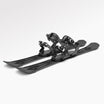
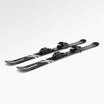
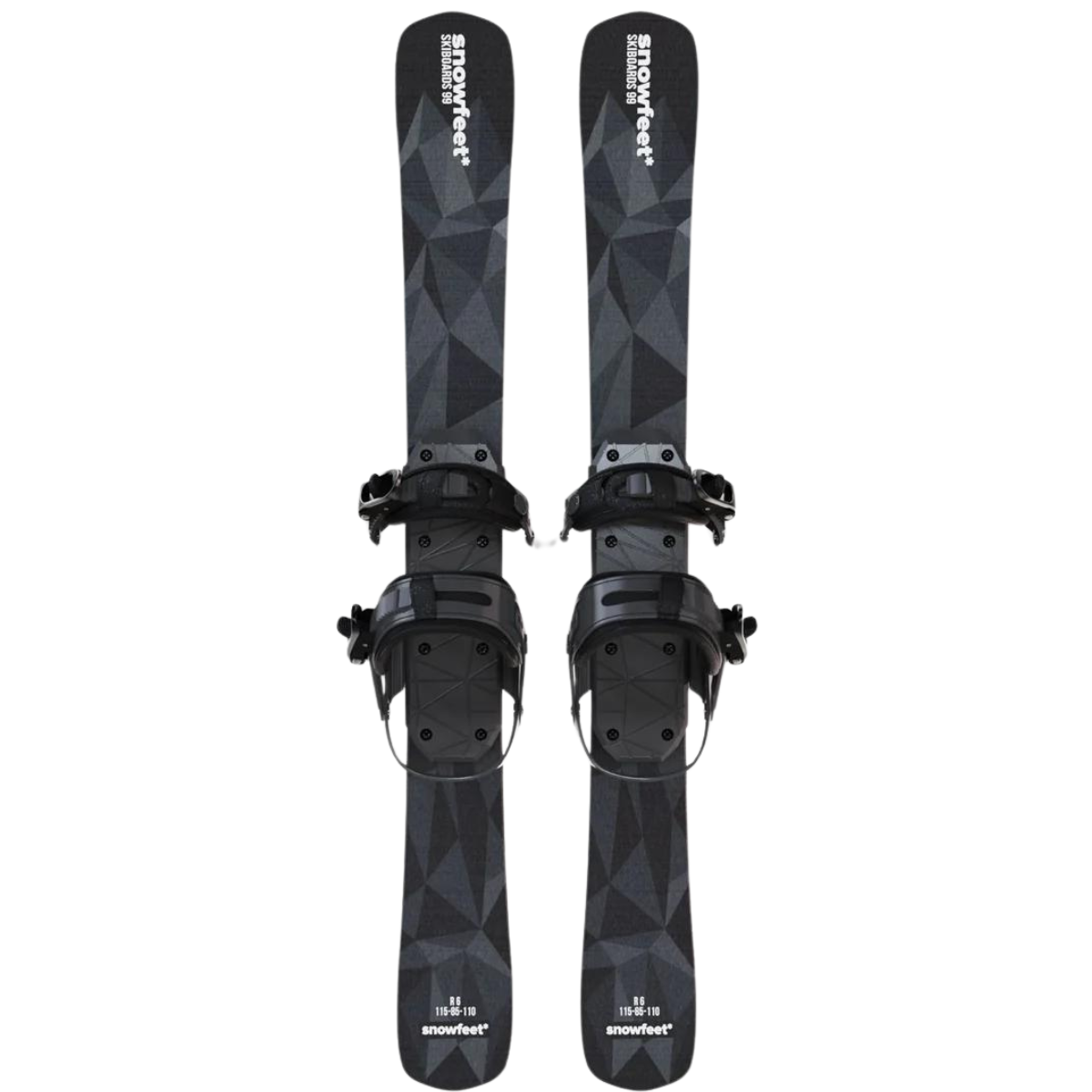
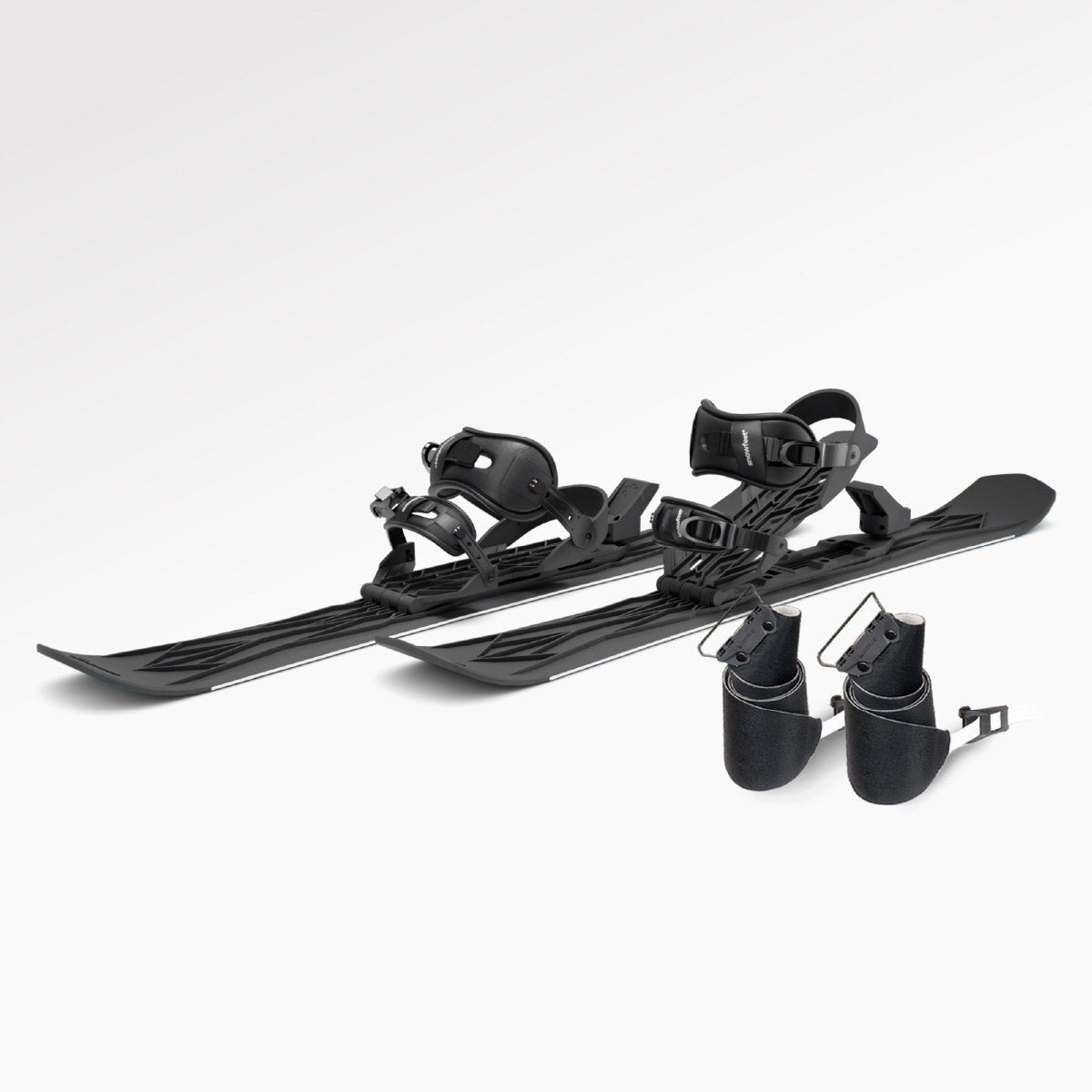
Skiboards—also known as snowblades or skiblades—are short, highly maneuverable skis ranging from 65 to 123 cm that offer an accessible, agile, and playful alternative to traditional long skis. Despite common myths labeling them as unstable or dangerous, skiboards are safe, beginner-friendly, and lightweight, allowing for intuitive edge control, effortless turns, and quick skill progression across various terrains. Suitable for all experience levels—from novices seeking an easy learning curve to pros looking to execute new freestyle tricks—they simply require basic safety precautions, proper binding setup, and a slight balance adjustment similar to ice skating.
Short skis, which you might know as skiboards, snowblades, or skiblades, have been around for ages but you don’t see them on the slopes as much as the traditional long skis. Why? Well, they’ve got a bit of a rep for being daredevil sticks that are tough to handle. But is that really fair? Let’s tackle some of those myths in today’s article and find out!
An honest opinion is sometimes more than a long article. Check out what Greg and Travis think about skiboards.
What are skiboards?
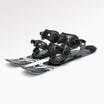
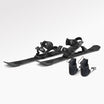
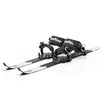
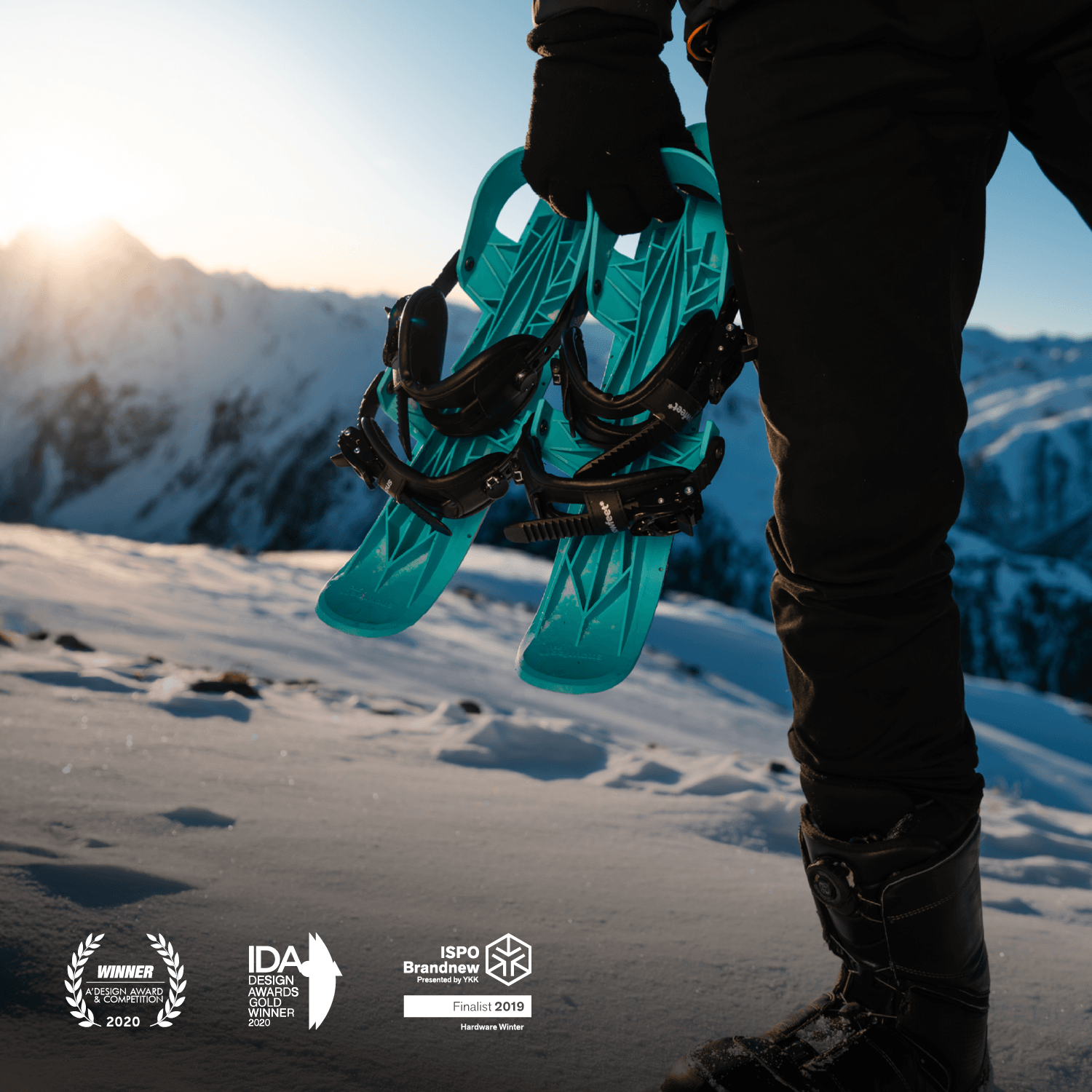
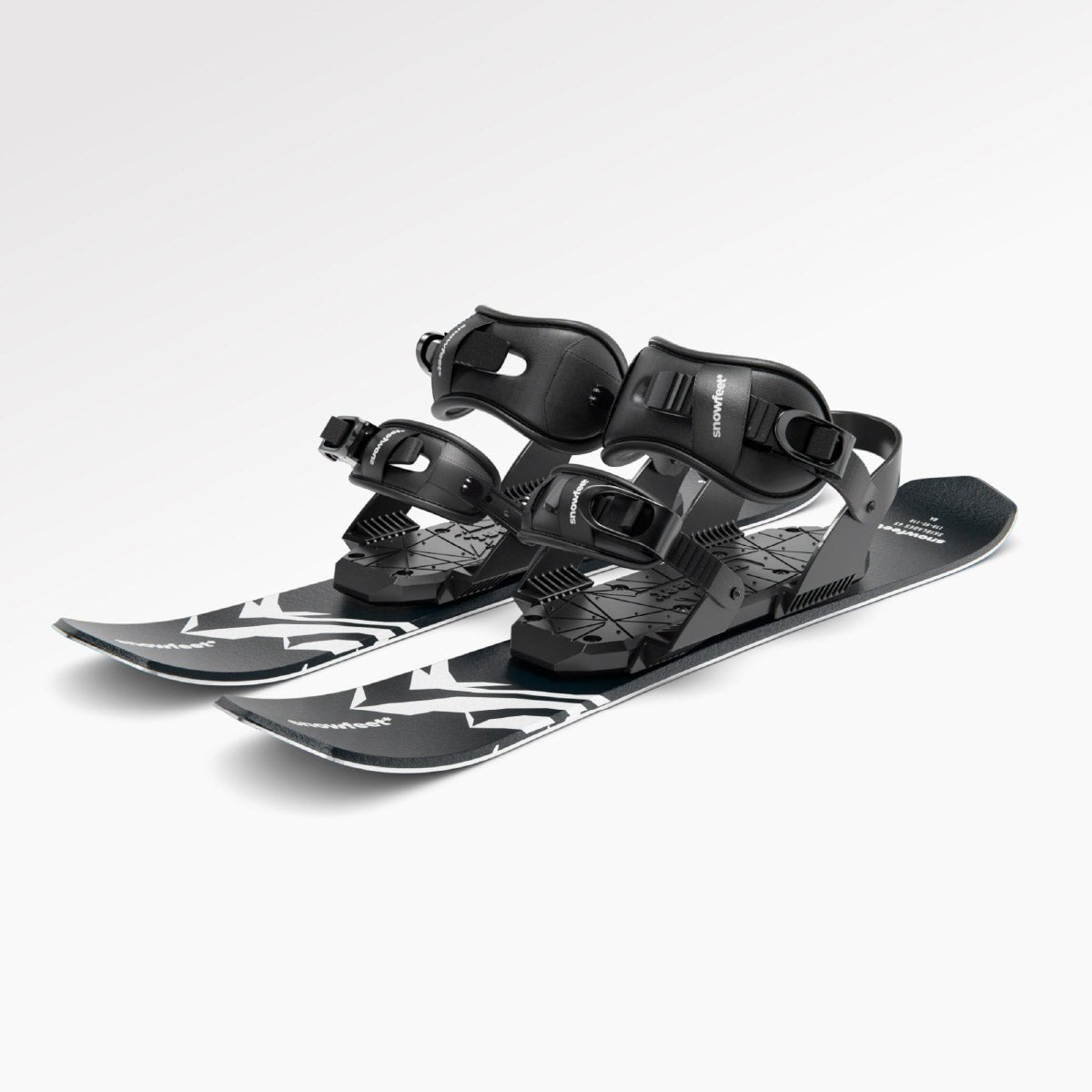
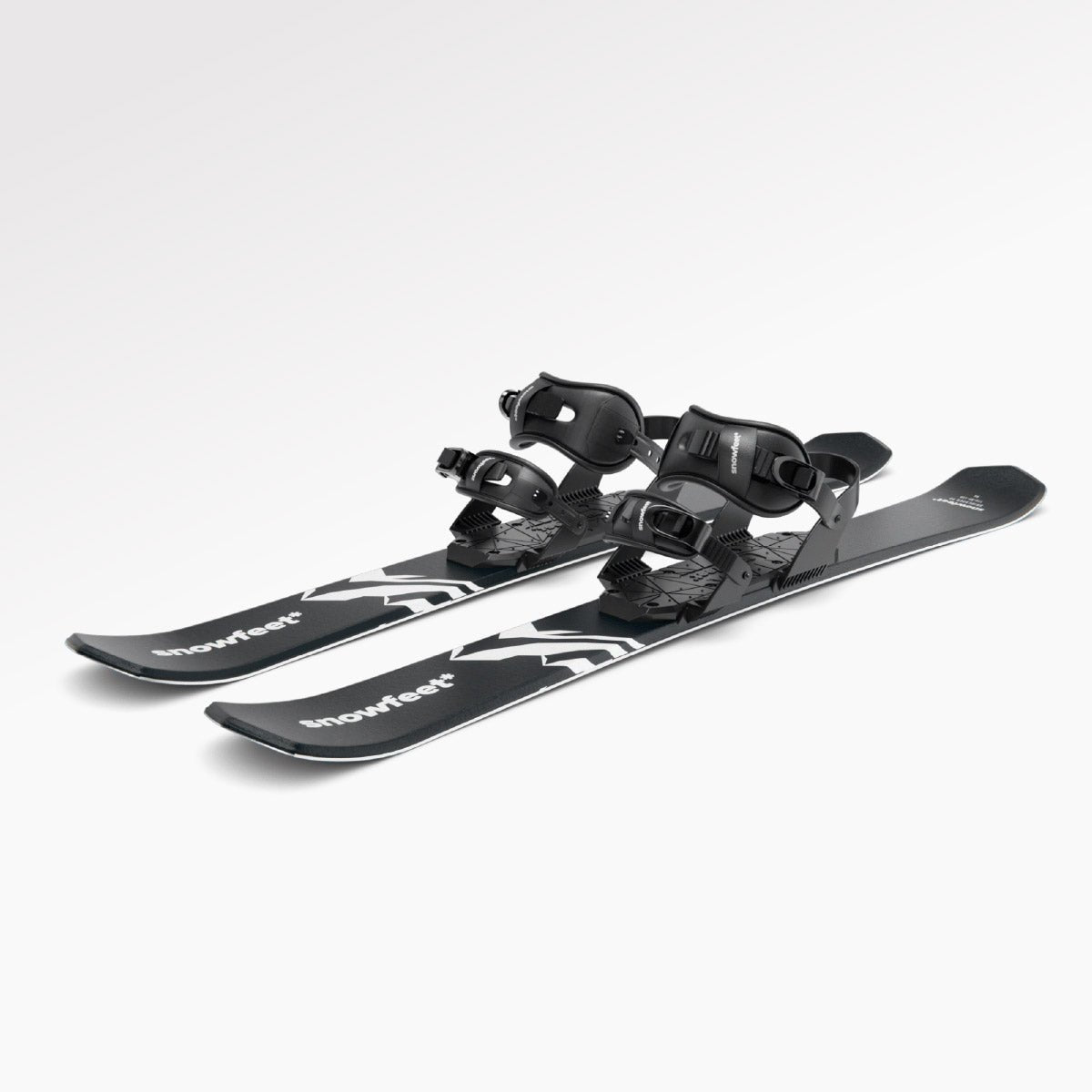
Skiboards have been in the spotlight of winter sports show for a few decades not, but they have been gaining popularity only recently. Skibaords are typically wider and have more pronounced sidecuts. Skiboards typically range from 70-100 cm, with options as short as 65 cm or as long as 123 cm.
Gear up for your next winter adventure

Can you switch to shorter skis than typically recommended?
Absolutely, you can! In fact, there are several compelling reasons to consider opting for shorter skis.
Short skis can be a lifelong choice. They offer advantages that can enhance your skiing experience at any skill level. Beginners might find them ideal as initial skis, continuing to use the same pair as they improve. For seasoned skiers, short skis provide a familiar comfort with added opportunities for trying new techniques and styles.
Let’s explore how short skis cater to different levels of skiing expertise:
Beginners: Short skis are a fantastic choice for your first foray onto the slopes. They are lightweight, easy to manage, and more forgiving than longer skis. This means they’re user-friendly and can help you recover smoothly from any minor errors.
Intermediates: If you’ve been skiing with traditional long skis and haven’t quite mastered them yet, consider giving short skis a try. You may find that they rapidly enhance your skiing skills.
Pros: For those who are proficient with long skis, short skis pose a new challenge. They might enable you to execute tricks and maneuvers that were previously out of reach, opening up a new dimension of skiing enjoyment.

How can you use skiboards?
Snowblades are incredibly versatile and can be used for various skiing styles and terrains. They are especially effective in:
- Alpine skiing
- Carving
- Mogul skiing
- Freestyle skiing
These short and wide skis are easier to maneuver than traditional skis and are known for their versatility and playfulness. However, with their increasing popularity, some concerns have been raised about their safety.
Benefits of Short Skis
Agility
Short skis excel in maneuverability, ideal for weaving through challenging spots like moguls or terrain parks. Their easy turning ability boosts confidence when tackling difficult areas.
Ideal for Beginners
For those new to skiing, short skis are a blessing. They are easy to handle, responsive, and less demanding in terms of control. They help novices quickly gain confidence and comfort on the slopes.
Fun Factor
Short skis are a top pick for freestyle enthusiasts and terrain park lovers. They allow for rapid transitions and offer a lively, dynamic ski experience unlike any other.
Wide Range of Sizes
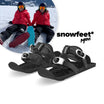
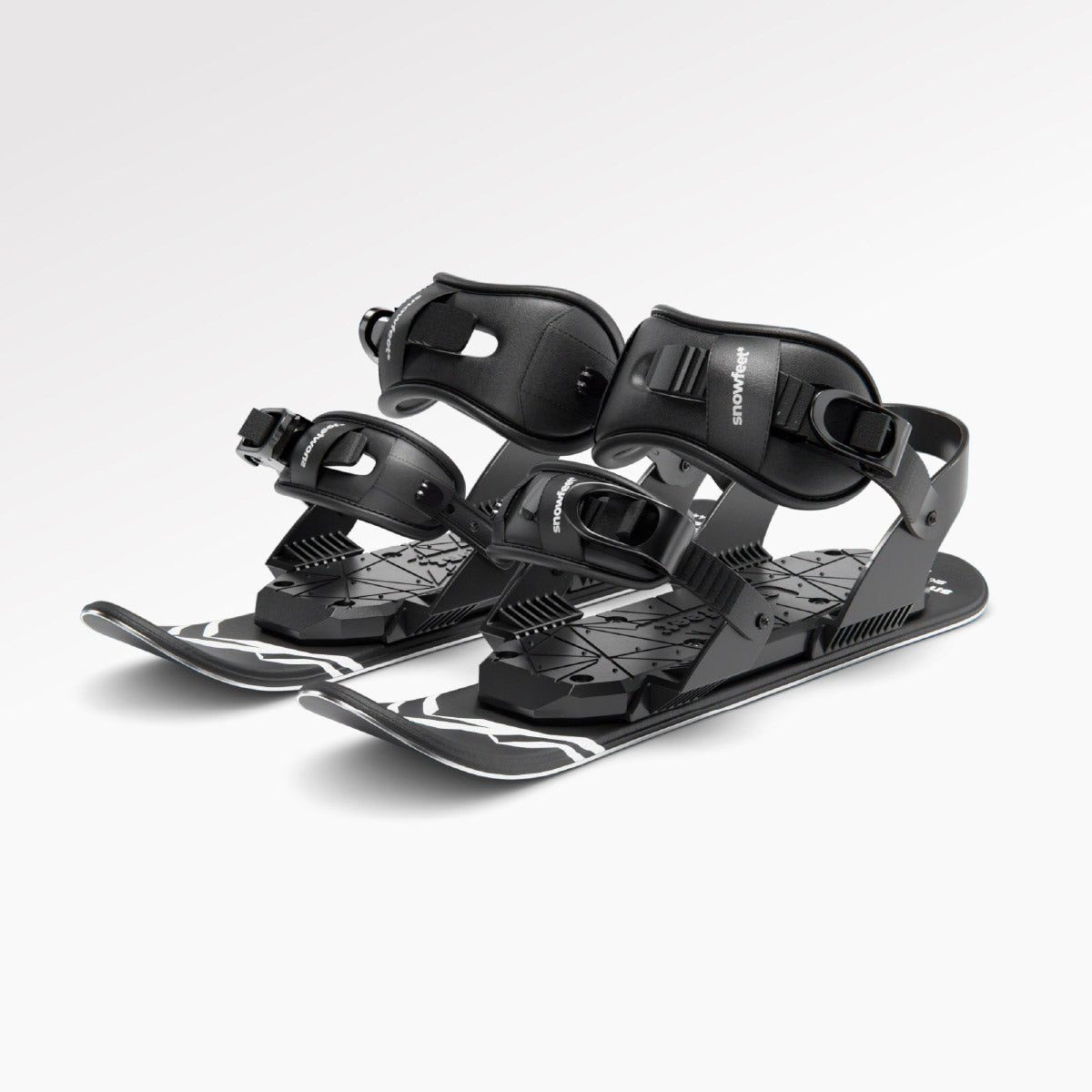
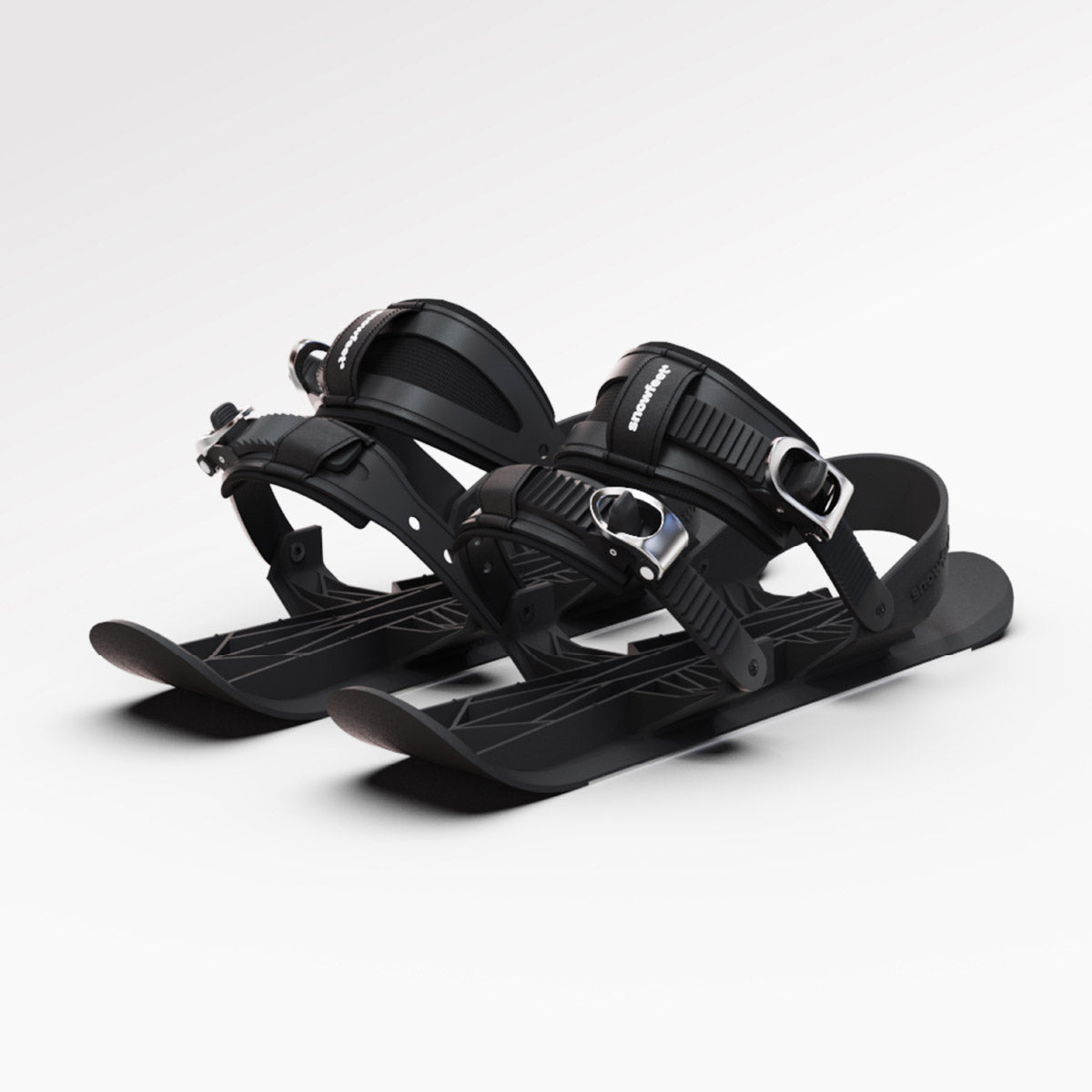
The selection of short ski lengths is vast, ranging from compact 65 cm Snowfeet to longer 123 cm Skiboards, catering to every preference and need.
Choose length that suits you best


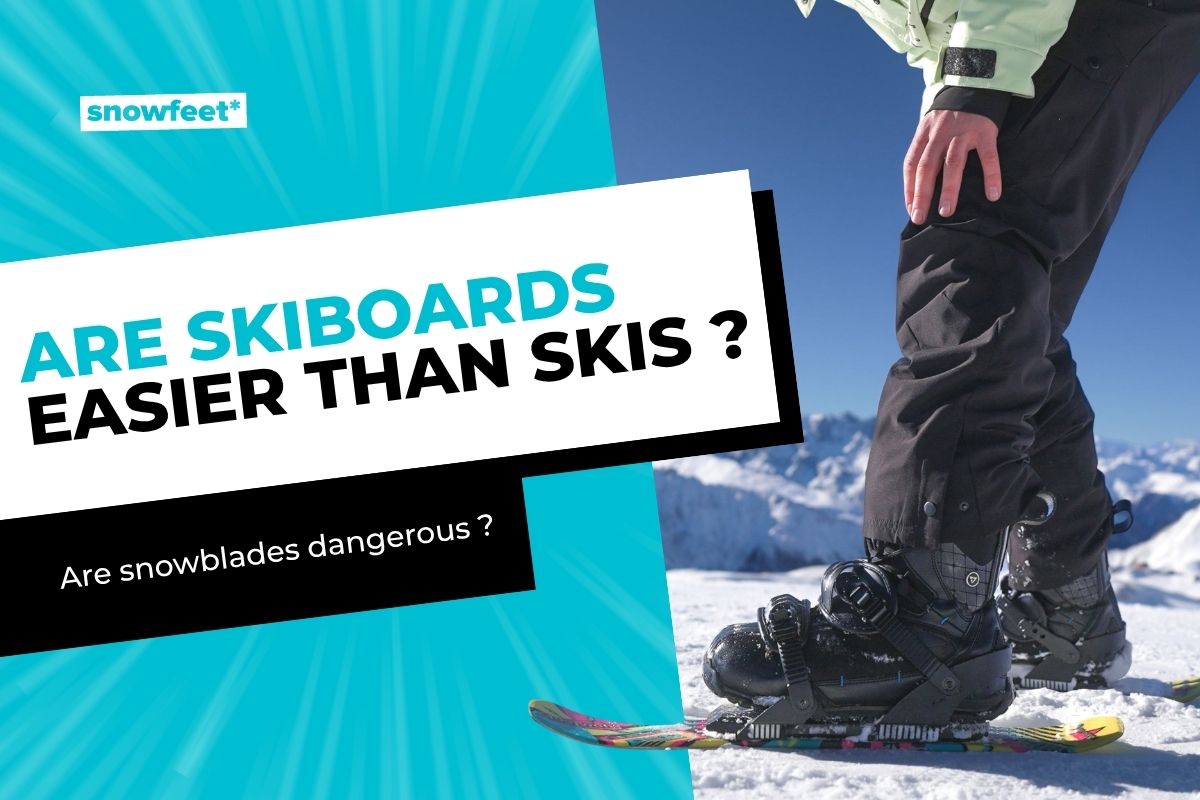
Are skiboards easier than skis?
Absolutely!
While traditional ski enthusiasts might beg to differ, skiboarding offers several advantages that make it more accessible for many winter sports aficionados compared to using conventional long skis. If you’re looking to dip your toes into the skiing scene, short skis could be an excellent starting point.
Like any sport, skiboarding does involve a learning curve. However, the upside is that mastering the basics are quicker and simpler than with long skis, making it easier for beginners to get up to speed.

What makes skiboarding easy?
Skiboards are known for their ease of control and high responsiveness. They don’t demand much physical strength for turning or stopping, which means even less experienced skiers can manage them well.
Unlike long skis, which can be cumbersome and restrictive, short skis allow for freer movement. This is a significant advantage, especially for beginners or when skiing on challenging terrains.
Moreover, skiboarding tends to be a very intuitive process. Most skiers find that they can get the hang of it after just a few tries or within their first day on the slopes.
So, are skiboards dangerous?

Skiboards are not inherently more dangerous than other snowsports equipment. As with skiing or snowboarding, it's important to take proper precautions and follow basic safety guidelines when using skiboards:
- wear helmet to prevent any unnecessary injuries
- use poles when feeling a bit unsure
- set your bindings to fit you perfectly and use safety elements (either leash with non-release ski bindings or use release ski bindings)
- choose terrain based on your skiing abilities

The matter of safety is always in the hands of the skiers themselves. Consider your abilities and the terrain, and if you take the necessary precautions, you will be alright.
One way of ensuring a safe ride is knowing how to handle short skis.
A few tips in conclusion
1. Start on Easy Slopes: Initially, it’s important to ski on gentle, well-kept slopes. This allows you to build your skills gradually and move to tougher terrains as you become more confident.
2. Modify Your Stance: Short skis might require you to tweak your stance a bit to stay balanced and in control. Aim to keep your weight evenly distributed across your skis and be cautious not to lean too much in any direction.
3. Leverage Your Edges: One of the strengths of short skis is their ability to make sharp, carved turns. Utilize the edges of your skis to steer and manage your speed effectively.
4. Consistent Practice: Mastery comes with practice. Dedicate time to practice on your short skis regularly, and you'll find yourself getting better and more confident with each session.

In conclusion, skiboards are easier to use than traditional skis and offer a unique and playful experience on the mountain. They are not more dangerous than longer skis or snowboards. As with any snowsports equipment, it's important to use skiboards responsibly and with respect for the mountain and other skiers.
What is your experience with skiboards?
Share with us in the comments!
FAQs:
What are skiboards and how long are they?
Skiboards (also called snowblades or skiblades) are short, wide skis designed with pronounced sidecuts to enhance maneuverability. They typically range in length from 70 to 100 cm, though options exist as short as 65 cm or as long as 123 cm.
Are skiboards easier to learn than traditional long skis?
Yes. Skiboards are lightweight, highly responsive, and require less physical effort to turn or stop. Because they offer freer movement and forgiving control, beginners often pick up the basics within their first day on the slopes.
Are skiboards dangerous or unstable compared to long skis?
No, skiboards are not inherently more dangerous. While their shorter length requires a slight adjustment to maintain front-to-back balance (similar to skating), stability—especially on longer models up to 123 cm—is comparable to traditional skis.
What skill levels and terrains are skiboards best suited for?
They cater to all skill levels across diverse terrains. Beginners benefit from their forgiving control, intermediate skiers can accelerate their skill progression, and experienced pros use them for freestyle tricks. They excel in alpine skiing, carving, terrain parks, and navigating tight spots like moguls.
Editor: Karolina R.
Last Update: September 18, 2024




2 comments
Karolina Snowfeet Team
Hi Daniel,
You nailed it: full-length skis are wildly overrated for anyone who just wants to have fun, save their knees, and actually enjoy the mountain without lugging around two wooden planks.
Short skis = max freedom. Keep shredding ! 🎿🔥
Karolina from Snowfeet Team
Daniel B.
HI, I spent years fighting with 170cm traditional skis, feeling like my knees were taking a beating on afternoon moguls. Switching to 99cm skiblades was a total game-changer! I got my confidence back on steep runs in a single morning, and I can actually keep up with my kids in the terrain park now without feeling like I’m going to snap an ankle. Don’t listen to the elitist snobs on the mountain—these things are pure fun.
Dan
Leave a comment
This site is protected by hCaptcha and the hCaptcha Privacy Policy and Terms of Service apply.