




















Skiblades, or short skis, have come a long way in terms of safety and performance. Modern models with releasable bindings have addressed past injury concerns, making them a safer option for winter sports enthusiasts. Here's the quick takeaway:
- Safety improvements: Releasable bindings drastically reduce ankle and tibia injury risks.
- Easier control: Their compact size makes turning and stopping simpler, especially for beginners.
- Resort-friendly: Most U.S. ski resorts allow skiblades, thanks to their adherence to safety standards.
- Versatility: They perform well on groomed trails, light powder, and varied terrains.
The 2026 models, like those from Snowfeet, include upgrades like powder-friendly designs, adjustable bindings, and compatibility with snowboard boots. Whether you're a beginner or an experienced skier, skiblades offer a fun, safe alternative to longer skis. Ready to hit the slopes? Let’s break it all down.
Snowfeet Skiblades vs Traditional Skis: Safety and Performance Comparison
Snowfeet* Snowblades | Skiboards | Skiblades | Short Skis - All you need to know
Safety Myths About Skiblades Debunked
Misinformation about skiblades has been around for years, often rooted in outdated gear or simple misunderstandings. Let’s clear the air by tackling some of the most common myths and shedding light on the real safety benefits of modern skiblades.
Myth: Skiblades Are More Dangerous Than Traditional Skis
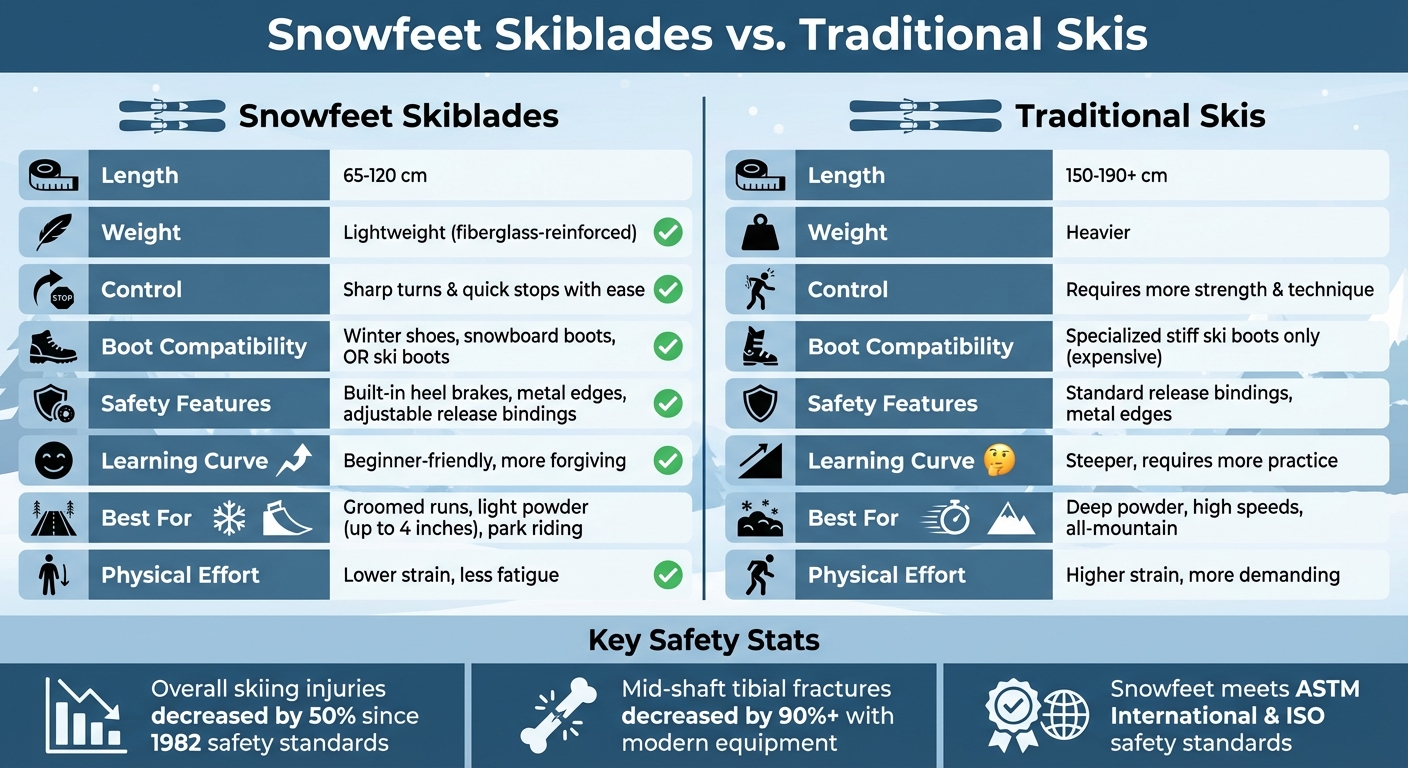
This myth often comes from concerns about control and maneuverability. But here’s the truth: skiblades are actually easier to control, turn, and stop than traditional skis, thanks to their shorter length. Their compact design makes quick, tight turns feel natural and effortless. For example, Snowfeet* skiblades are built for agility, offering instant stopping power and smooth handling. This makes them a great choice for beginners, kids, and older riders who might need a little extra control.
On the flip side, traditional long skis demand more strength and technique to maneuver. That’s why skiblades are often recommended as a learning tool - they let you focus on mastering control without the extra physical strain.
Myth: Skiblades Don't Meet Safety Standards
Some people assume skiblades are less safe because they look different from traditional skis. That’s simply not true. Snowfeet* skiblades, for example, conform to strict safety standards and are widely accepted at ski resorts across Europe and the U.S.. These standards include requirements set by ASTM International and ISO, covering everything from bindings and boots to helmets and testing methods.
Here’s a fun fact: since ASTM’s Subcommittee F08.14 started working on ski safety standards in 1982, overall skiing injuries have dropped by 50%, and mid-shaft tibial fractures have decreased by over 90%. Snowfeet* incorporates these safety advancements into their design, with features like metal edges for better grip, durable safety bindings, and built-in heel brakes for managing speed.
"Both Skiskates and Snowfeet have sturdy and safety bindings that allow firm hold on your boots, so you are in complete control of your skis. Additionally, Snowfeet have a heel brake that allow you to slow down." – Snowfeet Team
These thoughtful design elements make Snowfeet* skiblades a safe and reliable option for all kinds of riders.
Myth: Skiblades Are Only for Tricks and Parks
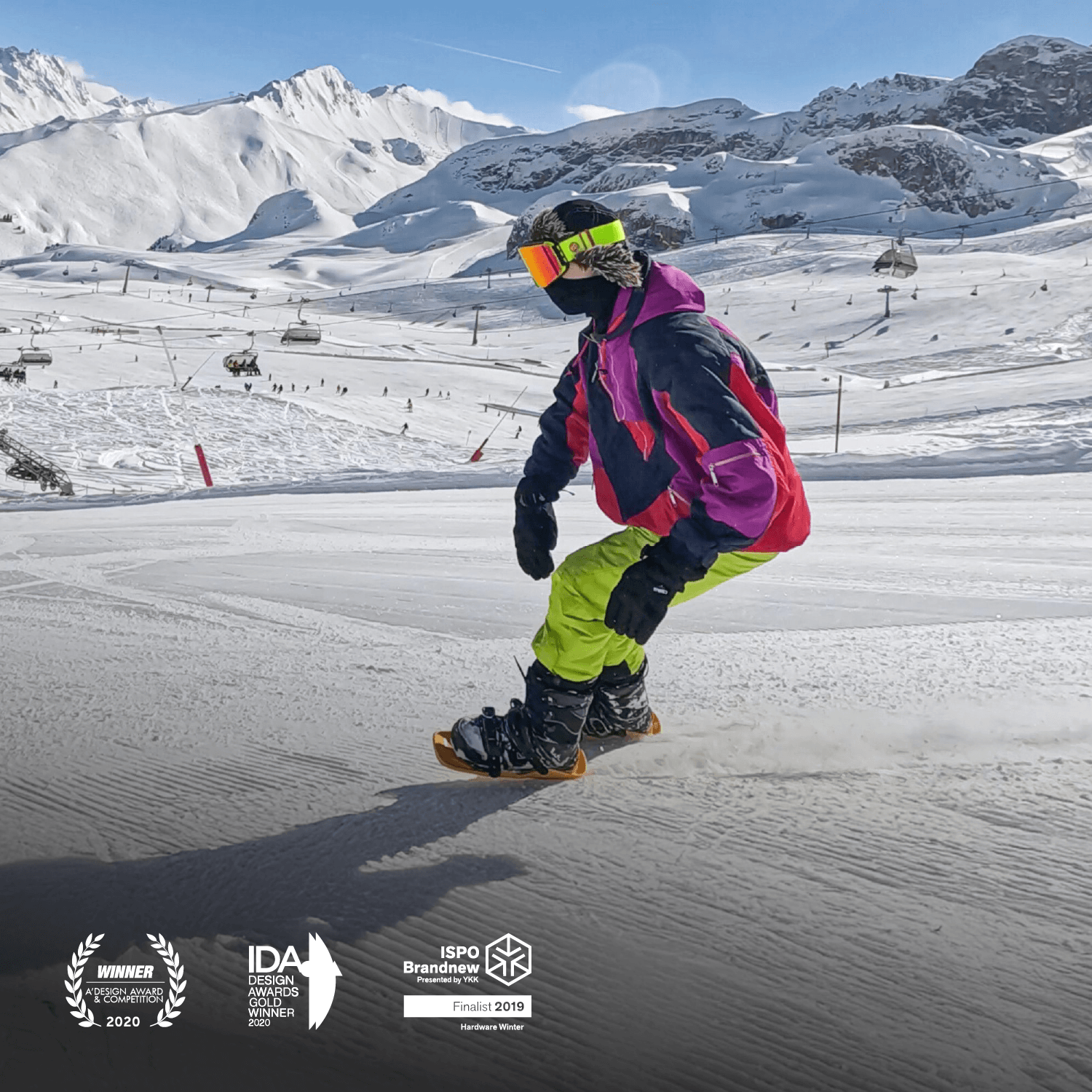
This one’s a throwback to the days when skiblades were mostly associated with freestyle skiing. But modern skiblades are far more versatile. Snowfeet* skiblades, for instance, shine on groomed trails, playful freeriding, and even in light powder or bumpy terrain. Whether you’re carving aggressively, cruising with family, or just learning the basics, they’ve got you covered.
While traditional park skis like the LINE Blade (with its 154-95-124 dimensions and 13.5m turning radius) have been praised for their versatility by publications like Blister Gear Review and Freeskier Mag, Snowfeet* takes it a step further. They make exceptional control and versatility accessible to everyone, not just park enthusiasts. So, no, you don’t have to be a trickster to enjoy the benefits of skiblades.
Myth: U.S. Ski Resorts Don't Allow Skiblades
This is flat-out wrong. Snowfeet* skiblades meet the same safety standards as traditional skis, including metal edges for control and durability. That’s why they’re accepted at most ski resorts in the U.S. and Europe. Their compact design also makes them easier to maneuver, which can help reduce collisions in crowded areas.
"Snowfeet and Skiskates, despite their compact size, are designed with safety in mind." – Snowfeet Team
So, when you hit the slopes at a U.S. resort with Snowfeet*, you’re using equipment that’s built to the same high standards as any other ski gear. The bonus? You’ll enjoy better control, easier turns, and a whole lot of fun on groomed runs - all while staying safe.
Proven Safety Facts About Skiblades
Now that we’ve busted some myths, let’s dive into what actually makes skiblades a safe and reliable choice. Modern skiblades are crafted with smart engineering and high-quality materials that focus on both performance and rider protection. Here’s what makes them stand out.
Equipment Design and Materials
Skiblades aren’t just shorter skis - they’re specifically designed to give you better control. Take Snowfeet* Skiskates, for example. With their cap construction and a 44 cm wood core, they’re built to maximize control and stability.
Every Snowfeet* model - whether it’s Snowfeet*, Skiskates, or Skiblades - comes with metal ski edges. These edges provide dependable grip, precise turning, and solid stopping power on groomed runs. The longer models, like the 99 cm and 120 cm versions, feature a parabolic shape with a narrow waist. This design makes turning feel effortless and delivers impressive carving performance.
For durability and lightweight performance, Snowfeet* Mini Skis are made from fiberglass-reinforced materials. Skiskates and Skiblades are equipped with graphite bases for speed and reinforced layers for extra toughness. Plus, they’re handcrafted from certified sustainable wood in Europe, making them lightweight enough to reduce leg fatigue during a full day on the slopes.
And the bindings? They take safety and versatility to the next level.
Bindings, Boots, and Compatibility
Snowfeet* has put a lot of thought into their binding system to ensure both comfort and safety.
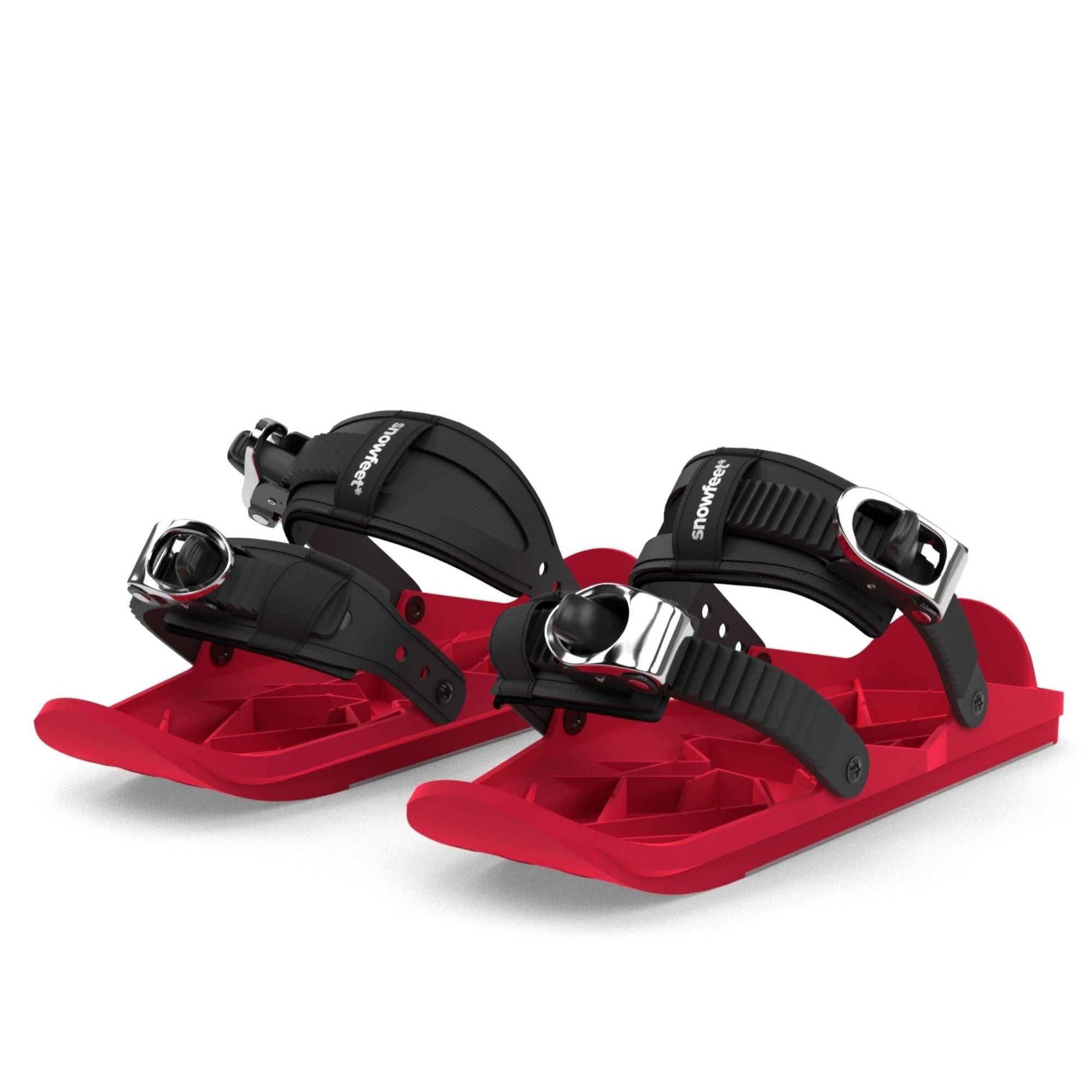
Their adjustable release bindings are designed to work with various boot types, including ski and snowboard boots. These bindings release under pressure during a fall, protecting your knees and ankles much like traditional ski bindings do. This feature significantly lowers the risk of injury.
"Snowblades are built with safety in mind, adhering to the same industry standards as longer skis." – Snowfeet Team
The bindings also come with advanced features like lateral release with 13 mm elasticity on each side and adjustable DIN settings for both lateral and vertical release. This fine-tuning ensures optimal protection in case of a fall.
Terrain Suitability and Performance
Thanks to their advanced materials and precision bindings, Snowfeet* skiblades perform exceptionally well on a variety of terrains. Their compact size allows for quick, sharp turns and excellent control on packed snow. They’re ideal for groomed slopes and can even handle light powder up to about 4 inches deep.
While traditional long skis may have an edge in deep powder or at very high speeds, most recreational skiers spend their time on groomed runs. For everyday resort skiing, skiblades provide easier maneuverability, require less physical effort, and offer better control. The wider base on Snowfeet* skiboards also gives beginners extra stability and reduces strain during turns compared to traditional skis.
sbb-itb-17ade95
Snowfeet* vs. Traditional Skis and Snowboards
Snowfeet* skiblades bring a fresh twist to hitting the slopes, offering a mix of safety, convenience, and performance that sets them apart from traditional skis and snowboards.
Compact Design for Better Control
Snowfeet* skiblades range from 65 to 120 cm, making them significantly shorter and lighter than standard skis. This compact size allows for sharp turns and quick stops with ease. Plus, built-in heel brakes add an extra layer of safety. Their smaller size also makes them incredibly versatile when it comes to gear and terrain.
Works with Different Footwear
One of the standout features of Snowfeet* skiblades is their compatibility with a variety of footwear. Whether you’re wearing winter shoes, snowboard boots, or ski boots, these skiblades are ready to go. This eliminates the need for specialized gear, making the sport more accessible to everyone.
Beginner-Friendly Learning Curve
The shorter length of Snowfeet* skiblades makes them more forgiving, especially for those new to the slopes. They reduce leverage, which lowers the chances of catching an edge and makes turning smoother. For example, the 65 cm Skiblades feature a wider waist, offering extra stability that helps beginners link turns and control their speed with confidence.
2026 Safety Updates and Riding Guidelines
2026 Design Improvements
Snowfeet* has rolled out some exciting upgrades for 2026, aimed at improving both safety and performance. First up, they’re introducing a 99 cm powder skiboard, designed with a wider shape to handle deep powder and off-piste adventures like a pro. For backcountry enthusiasts, the new 100 cm WALKSKI Backcountry Touring Skis promise stability and durability in rugged conditions [17].
Another standout is their adjustable snowboard bindings. These bindings are not only budget-friendly but also super versatile, working with any snowboard boots. They feature an anti-slip surface, offering excellent grip and flexibility - perfect for tricks or quick maneuvers [17]. Unlike traditional ski bindings that require stiff, pricey ski boots, these bindings let you ride in comfy snowboard boots instead. With all these advancements, picking the right model for your needs is more important than ever to get the most out of your gear.
Choosing the Right Size and Model
With these updates in mind, it’s time to find the model that suits your style. For beginners or park riders, the 65 cm Skiblades (starting at $635) are a great choice. They’re super agile and make quick turns a breeze on groomed runs. If you’re an intermediate rider looking to tackle varied terrain or pick up speed, the 99 cm models (starting at $675) offer more stability and versatility. Powder lovers? The 99 cm Powder Skiboards are built for deep snow, providing excellent float and control.
For advanced riders, there’s the 120 cm Short Skis (priced at $775) or the 100 cm WALKSKI Backcountry Touring Skis. These are perfect for backcountry adventures and touring, giving you the performance edge you need.
Safe Riding Practices for U.S. Resorts
Once you’ve got your ideal model, it’s all about riding smart. Most U.S. ski resorts allow skiblades, but it’s always a good idea to double-check the rules at your local resort. These compact models are designed for easy stopping and navigating tight spaces, which can help lower the risk of collisions.
Don’t forget the essentials: always wear a helmet and pair your Snowfeet* bindings with sturdy snowboard boots for better stability. If you’re new to skiblades, start on gentler slopes to get comfortable with their handling. And no matter your skill level, take the time to review your resort’s safety guidelines and collision prevention protocols. Stay safe, and enjoy the ride!
Conclusion: Skiblades Are Safe with the Right Equipment
Old myths about skiblade safety have painted an inaccurate picture. The truth? Skiblades can actually be safer than traditional skis or snowboards in many ways. Their compact design helps reduce the risk of injury during falls, offering more control and minimizing the impact of tumbles. Plus, the metal ski edges on Snowfeet* models provide stopping power that rivals full-length skis, while their shorter length allows for quick stops and sharp turns.
Snowfeet* has taken these safety benefits a step further with its latest updates. The 2026 models feature adjustable bindings and wider powder-friendly designs, showing their dedication to making skiblades even safer and more user-friendly. Unlike traditional ski gear that often requires stiff, pricey boots, Snowfeet* bindings work with comfortable snowboard boots, giving you flexibility without compromising security.
When paired with high-quality equipment and smart riding habits, skiblades are a safe and fun choice for winter sports. Snowfeet* proves that shorter skis don’t mean sacrificing safety. In fact, they offer benefits like easier handling, quicker learning, and better control when stopping.
So, gear up with proper safety equipment, pick your favorite Snowfeet* model, and hit the slopes with confidence. With thoughtful design, reliable safety features, and responsible riding, skiblades are a thrilling and secure alternative to traditional ski and snowboard setups.
FAQs
Are skiblades safer than traditional skis?
Skiblades are often seen as a safer option compared to traditional skis in some scenarios. Thanks to their shorter length and lighter build, they offer more control and easier maneuverability, which can be a big advantage on crowded slopes or narrow trails. This makes them a solid pick for beginners or anyone craving a more responsive and nimble ride.
On the other hand, traditional skis tend to shine when it comes to stability at higher speeds. But they can be trickier to manage in tight spots or during quick turns. Skiblades, like those offered by Snowfeet, are crafted to make learning easier and provide a smooth, enjoyable experience for skiers at any level. Whether you're just starting out or already a pro, skiblades bring a mix of safety and fun to the slopes that traditional skis can't quite replicate.
Are skiblades a good choice for beginners and children?
Sure thing! Skiblades are a fantastic choice for beginners and kids. Why? They’re lighter, easier to handle, and make learning to ski way less intimidating compared to traditional skis. Their shorter length gives you better control, which can really boost confidence when you’re just starting out.
For children, skiblades are especially helpful. They’re less physically demanding than longer skis, so kids can enjoy the slopes without feeling worn out or overwhelmed. Whether you’re taking your first run or introducing your little one to skiing, skiblades offer a fun and approachable way to dive into the sport.
Can I wear snowboard boots with skiblades?
No, snowboard boots won’t work with skiblades. The bindings for snowboards and skiblades are built differently, so they just don’t match up. To get the best performance and stay safe, Snowfeet skiblades need bindings that are compatible with standard ski or skiblade boots. Using the right equipment not only keeps things secure but also makes your time on the slopes way more enjoyable.











Leave a comment
This site is protected by hCaptcha and the hCaptcha Privacy Policy and Terms of Service apply.