




















Skiing can feel out of reach with costs piling up - gear alone can run you $600 to $1,200, plus lift tickets and lessons that easily add hundreds more. But there’s a simpler, cheaper way to enjoy the snow: Snowfeet*. These compact, strap-on mini skis start at just $170, work with your regular winter boots, and don’t require expensive lift tickets. You can use them on sledding hills, trails, or even your backyard.
Here’s why they’re a game-changer:
- Low Cost: Starting at $170, way cheaper than full ski setups.
- No Specialized Boots: Strap them onto your winter shoes or snowboard boots.
- Portable: Lightweight and small enough to fit in a backpack.
- Flexible Use: Skip resorts - use them anywhere there’s snow.
If you’re looking to dive into skiing without breaking the bank, Snowfeet* offers an easy, low-commitment way to start. Ready to hit the snow? Let’s dive into how they work and why they’re worth considering.
Budget-Friendly Gear Options for New Skiers

Snowfeet vs Traditional Ski Equipment Cost Comparison
Why Snowfeet* Is a Game Changer Compared to Traditional Skis and Snowboards
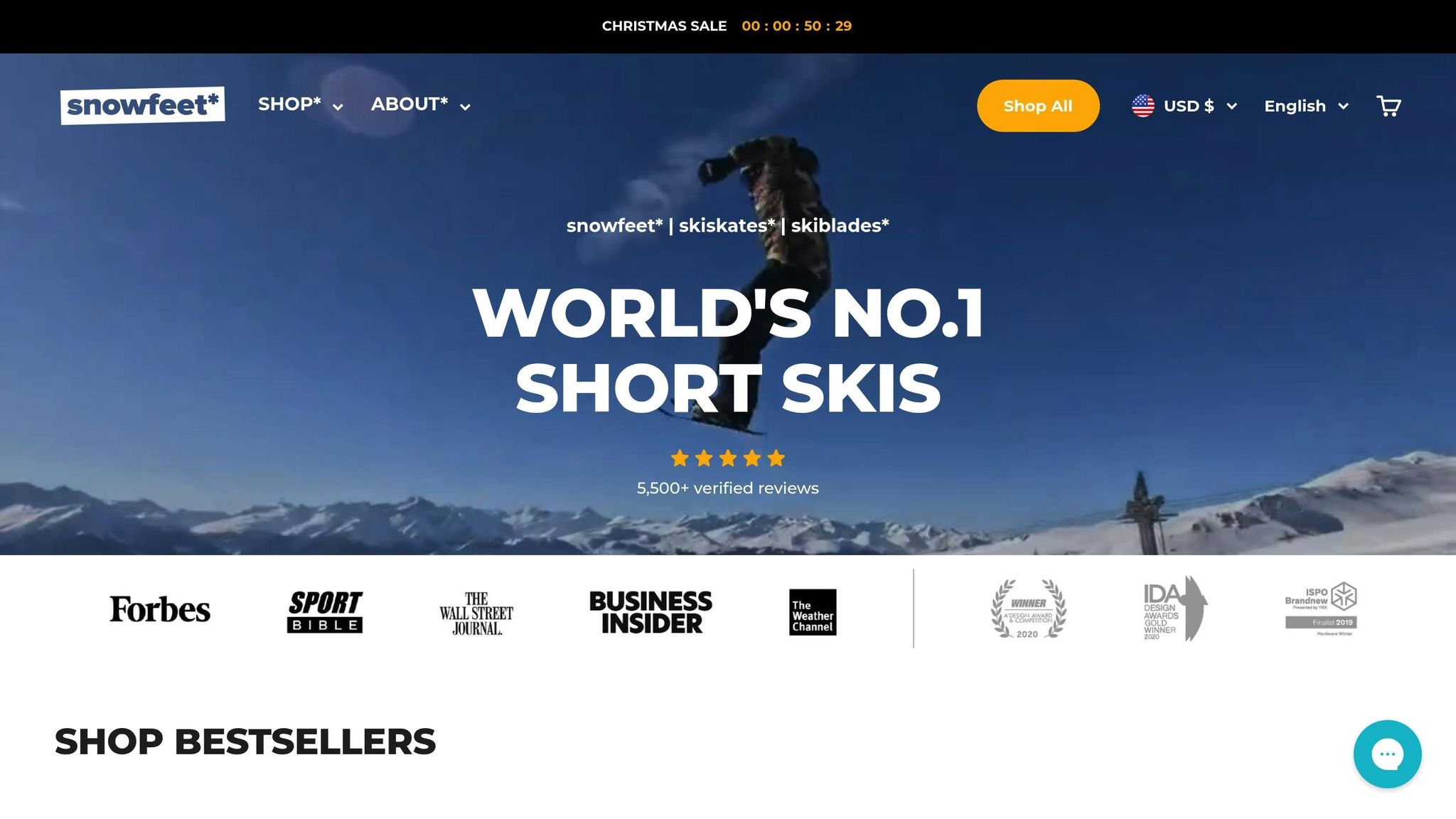
Getting into skiing can be expensive. For beginners, the basics - skis, bindings, and poles - can cost anywhere from $600 to $1,200. Add another $200 to $400 for specialized ski boots, and you're looking at a hefty price tag just to hit the slopes.
Enter Snowfeet*. With products starting as low as $170 for their Mini Ski Skates, they’ve turned the traditional model on its head. Here’s the kicker: you don’t even need specialized ski boots. According to the Snowfeet Team, "these Snowfeet got some fancy bindings that let you wear with standard winter shoes or snowboard boots, so say goodbye to lugging around those clunky ski boots!" That’s a huge cost-saving right there.
Another big win? Portability. Traditional skis are long, awkward, and require roof racks, special bags, or careful handling. Snowfeet* products, on the other hand, are "super light and portable, so you can take them anywhere". They’re compact enough to fit in a backpack, which means no extra gear hauling or rental fees.
And here’s the best part: you’re not tied to pricey ski resorts. While traditional skis limit you to groomed slopes (and the pricey lift tickets that come with them), Snowfeet* lets you explore sledding hills, hiking trails, snow parks, or even your own backyard. It’s skiing, but on your terms.
Ready to dive into the Snowfeet* lineup? Let’s see how each model matches different skiing styles and needs.
Snowfeet* Product Line and What Each Model Offers
Snowfeet* has five main models designed to suit a variety of skill levels and preferences:
- 38 CM Mini Ski Skates ($170): Compact, lightweight, and perfect for beginners. These are the most portable option and offer an easy learning experience.
- 50 CM Ski Skates (Snowfeet* II) ($199): A versatile choice for first-timers. Known for being durable and user-friendly, this model is a great balance of performance and affordability.
- 44 CM Skiskates ($460): Built with a wood core, this model provides more stability and works well on groomed slopes, making it ideal for those who want a bit more control.
- 65 CM Skiblades ($520): Designed for snow park enthusiasts, these offer extra control for carving and landing jumps.
- 99 CM Skiblades ($560): Perfect for light powder days, these deliver the maneuverability of short skis while handling snowy trails with ease.
Snowfeet* vs. Traditional Ski Equipment: A Cost and Feature Breakdown
Here’s a quick comparison to highlight why Snowfeet* stands out:
| Feature | Snowfeet* Products | Traditional Ski Equipment |
|---|---|---|
| Starting Price | $170 (Mini Ski Skates) | $600–$1,200 (skis, bindings, poles) |
| Boot Requirement | Regular winter shoes or snowboard boots | Specialized ski boots ($200–$400) |
| Total Entry Cost | $170–$560 (complete setup) | $800–$1,600+ (before clothing) |
| Weight | Super light; fits in a backpack | Heavy; requires special transport |
| Usage Locations | Ski slopes, snow parks, hiking trails, sledding hills, backyards | Primarily groomed ski slopes |
| Transport | Backpack-friendly | Roof racks, ski bags, bulky storage |
| Learning Curve | Easy to learn; often simpler than skiing | Often requires lessons ($100–$300) |
| Lift Ticket Needed? | Optional - works in any snowy area | Typically required for resort skiing ($150–$200/day) |
Snowfeet* makes skiing more accessible, affordable, and flexible. Whether you’re a beginner looking to test the waters or an experienced skier wanting something different, their lineup offers options that fit a variety of needs - all without breaking the bank.
Money-Saving Strategies for Beginning Skiers
Should You Rent or Buy Your First Ski Gear?
When you're just starting out, the big question is: should you rent or buy? Renting might seem like the cheaper option at first, but those fees can pile up fast - especially if you plan to hit the slopes more than a few times. That’s where Snowfeet* comes in. With prices starting at $170, you make a one-time investment and skip the ongoing rental costs. Plus, Snowfeet* works with your regular winter shoes, so you don’t have to spend extra on specialized boots. It’s a straightforward way to own your gear and save money in the long run, all while avoiding the hassle of rental returns.
Finding Cheap Places to Ski
Once you’ve got your gear, you don’t need to splurge on pricey resorts to enjoy the snow. Snowfeet* opens up a world of possibilities - local sledding hills, snow-covered hiking trails, city parks after a fresh snowfall, or even your backyard can become your personal ski spot. If you’re looking for more variety, consider multi-resort passes like the Indy Pass, which costs about $300 for the season and gives you access to smaller, independent ski areas. With Snowfeet*, you’re not tied down to big-name resorts, letting you pick affordable and accessible slopes that fit your budget.
Taking Care of Your Gear to Make It Last
Snowfeet* products are made in Europe and built to last, thanks to their fiberglass construction and metal ski edges. A little maintenance goes a long way in keeping your gear in top shape. Waxing the base regularly - whether at a shop or with easy-to-use liquid wax - keeps you gliding smoothly and prevents snow buildup. For the edges, use a sharpening stone (available from Snowfeet*) or visit a ski service shop to ensure they stay sharp for maximum control. After each trip, dry the edges thoroughly to avoid rust, and for long-term storage, a light coat of oil adds extra protection. The adjustable bindings are easy to tweak with just a screwdriver, and if the straps show wear, you can replace them without needing to buy a whole new pair. With proper care, your Snowfeet* gear will keep delivering fun for seasons to come.
sbb-itb-17ade95
Getting Started with Snowfeet* Products
How to Use Snowfeet*: A Beginner's Guide
Using Snowfeet* is much easier to pick up than traditional skiing. First, adjust the bindings to fit your winter boots securely. Grab a screwdriver, select the right strap holes for a snug fit, and swap out straps if needed. Once everything feels secure, fasten the bindings tightly.
Start out on flat ground or a gentle slope - think beginner-friendly ski runs or even a quiet park. Keep your knees slightly bent and your weight evenly distributed over your feet, just like you’re standing naturally. Begin by practicing straight glides on flat terrain until you’re comfortable. When you’re ready to tackle a slope, use a wedge position (toes together, heels apart) to control your speed. Shift your weight gently to practice turning. Keep your first few sessions short - 30 to 60 minutes is plenty. Snowfeet*’s compact size (38 cm or 44 cm) makes them easier to control than traditional skis, so turning and stopping are much simpler.
Once you’ve nailed the basics, you can explore different models to match your style and pace.
Best Snowfeet* Models for First-Time Users
The right Snowfeet* model can make all the difference for beginners. Here’s a quick guide to help you choose:
- Snowfeet* II (38 cm Mini Ski Skates, starting at $250): This is the go-to option for most beginners. It offers durable, textile-covered bindings and an integrated strap pocket, giving you the full Snowfeet* experience at a reasonable price.
- Snowfeet* Basic (starting at $170): Perfect for those on a budget or just testing the waters. It uses simpler materials but still gets you out on the snow without breaking the bank.
- Snowfeet* PRO (50 cm, $275): If you’re after better edge grip and more stability at higher speeds, this model is a great step up while still being beginner-friendly.
For maximum agility and confidence, stick to the 38 cm Mini Ski Skates when starting out. If you’re feeling more adventurous or have a bit more experience, the 44 cm or longer models (starting at $575) add extra stability but aren’t necessary for beginners.
Safety Gear and Accessories You'll Need
Safety gear is a must, but it doesn’t have to cost a fortune. Here’s what you’ll need to stay safe and comfortable while learning:
- Helmet: A snow sports helmet is essential to protect your head.
- Wrist Guards: These are especially helpful since falls on short skis often involve catching yourself with your hands.
- Knee Pads and Padded Shorts: These protect your joints and hips from bumps and bruises during those early practice runs.
For clothing, layer up with a moisture-wicking base layer, a warm mid-layer, and a waterproof outer shell. Look for versatile pieces you can use for other winter activities, and shop end-of-season sales to snag discounts of 30–50%. Snowfeet* also offers affordable winter apparel starting at $19, including jackets and hats that pair perfectly with their gear.
To keep your Snowfeet* in top shape, grab a sharpening stone and some liquid wax. These simple tools will help your gear perform smoothly for many seasons to come.
Conclusion
Hitting the slopes doesn’t have to break the bank. By opting for compact and versatile gear like Snowfeet* instead of traditional skis, you can skip the need for pricey ski boots - your regular winter boots will do just fine. Starting at just $170 for the Snowfeet* Basic model, this gear costs only a fraction of a full ski setup.
There are plenty of ways to keep skiing affordable. You can rent before committing to a purchase, stick to smaller local ski spots with cheaper lift tickets, and keep your gear in shape with simple maintenance like waxing and sharpening. Snowfeet* are super lightweight, fit easily in a backpack, and open up skiing opportunities beyond resorts - think hiking trails and even sledding hills.
With over 50,000 riders worldwide and an impressive 4.9 out of 5 rating from more than 5,500 verified reviews, Snowfeet* delivers excellent control and agility. Plus, they’re easy to learn, making every ride more fun and less intimidating compared to traditional skiing.
If you’re ready to hit the slopes without draining your wallet, Snowfeet* is a smart place to start. Whether you go for the $170 Basic model or the $275 PRO, you’re investing in a budget-friendly and accessible way to enjoy winter sports. The slopes are calling - why not answer without overspending?
FAQs
Are Snowfeet easier to learn than traditional skis?
Yes, Snowfeet are a breeze for beginners to learn compared to traditional skis. Their shorter length and lightweight build make them super easy to handle, giving you better control right from the start. Balancing and turning? Way simpler. This means you can skip the long learning curve and get straight to enjoying the slopes.
Unlike traditional skis that often demand hours of practice and pricey lessons, Snowfeet's compact and intuitive design makes them a fun and approachable option for newcomers. They're a great choice if you're eager to jump into skiing without the hassle of mastering bulky equipment.
Can you use Snowfeet on different types of snow?
Snowfeet are built to handle all kinds of snow surfaces - whether you're cruising on groomed trails, floating through powder, or tackling off-piste adventures. Their lightweight design makes them a solid choice for navigating different terrains with ease.
From smooth slopes to more rugged conditions, Snowfeet let you experience the thrill of skiing without the hassle of bulky skis or snowboards. Plus, they’re a budget-friendly way to add some fun to your winter outings.
How do I take care of my Snowfeet to keep them in great shape?
Taking care of your Snowfeet is pretty simple, but it makes a big difference in how they perform and last. Here’s what you need to do:
- Wax the base regularly: This keeps them gliding smoothly and stops snow from sticking.
- Dry the metal edges after use: Wipe them down to prevent rust from forming. If needed, sharpen them with an edge tuner or have it done at a ski shop.
- Store them properly: Keep your Snowfeet in a cool, dry spot. Check now and then for any rust or damage.
A little maintenance goes a long way. With these easy steps, your Snowfeet will stay fast, tough, and always ready for your next adventure!












Leave a comment
This site is protected by hCaptcha and the hCaptcha Privacy Policy and Terms of Service apply.