
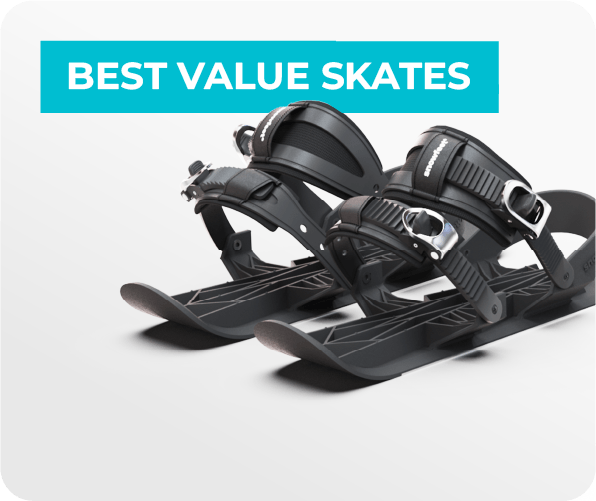
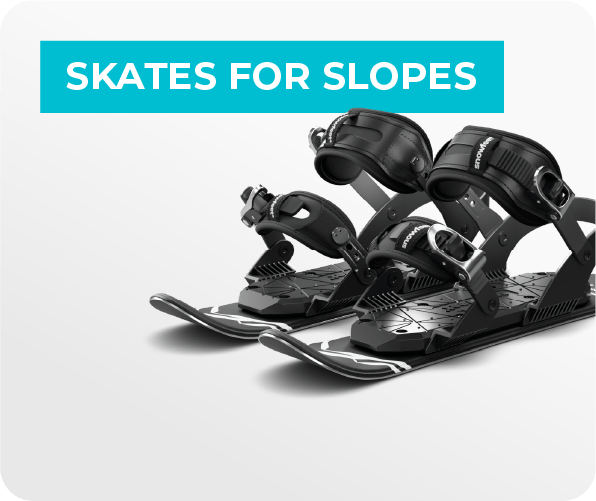
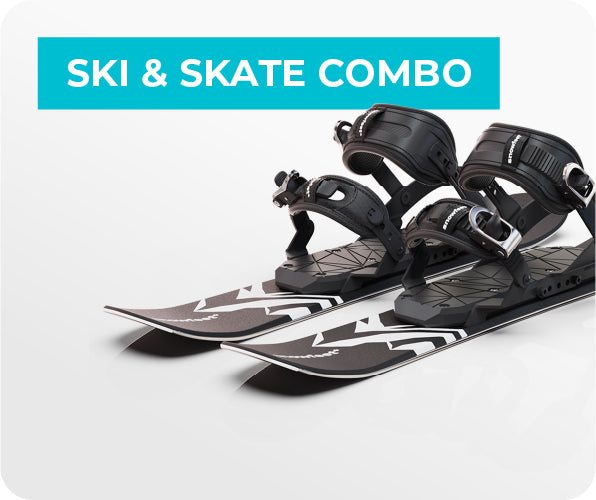
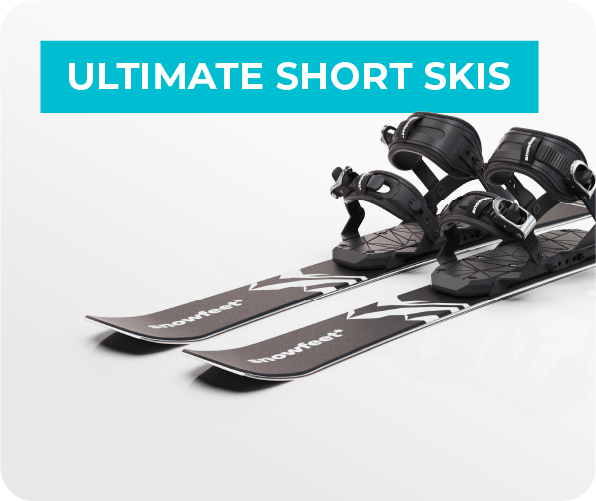
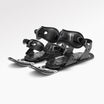
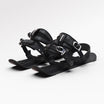
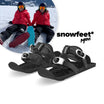
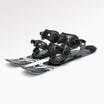
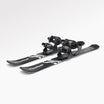
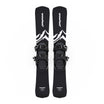
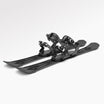
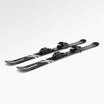
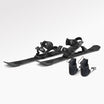
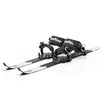
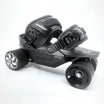

Yes, you can use snowboard boots on short skis - but only with bindings made for them. I’d start on a gentle, groomed slope, check that your boots fit snugly, and learn to stop before linking turns. Never put snowboard boots in standard alpine ski bindings.
Here’s how I’d sort your options:
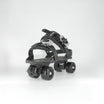
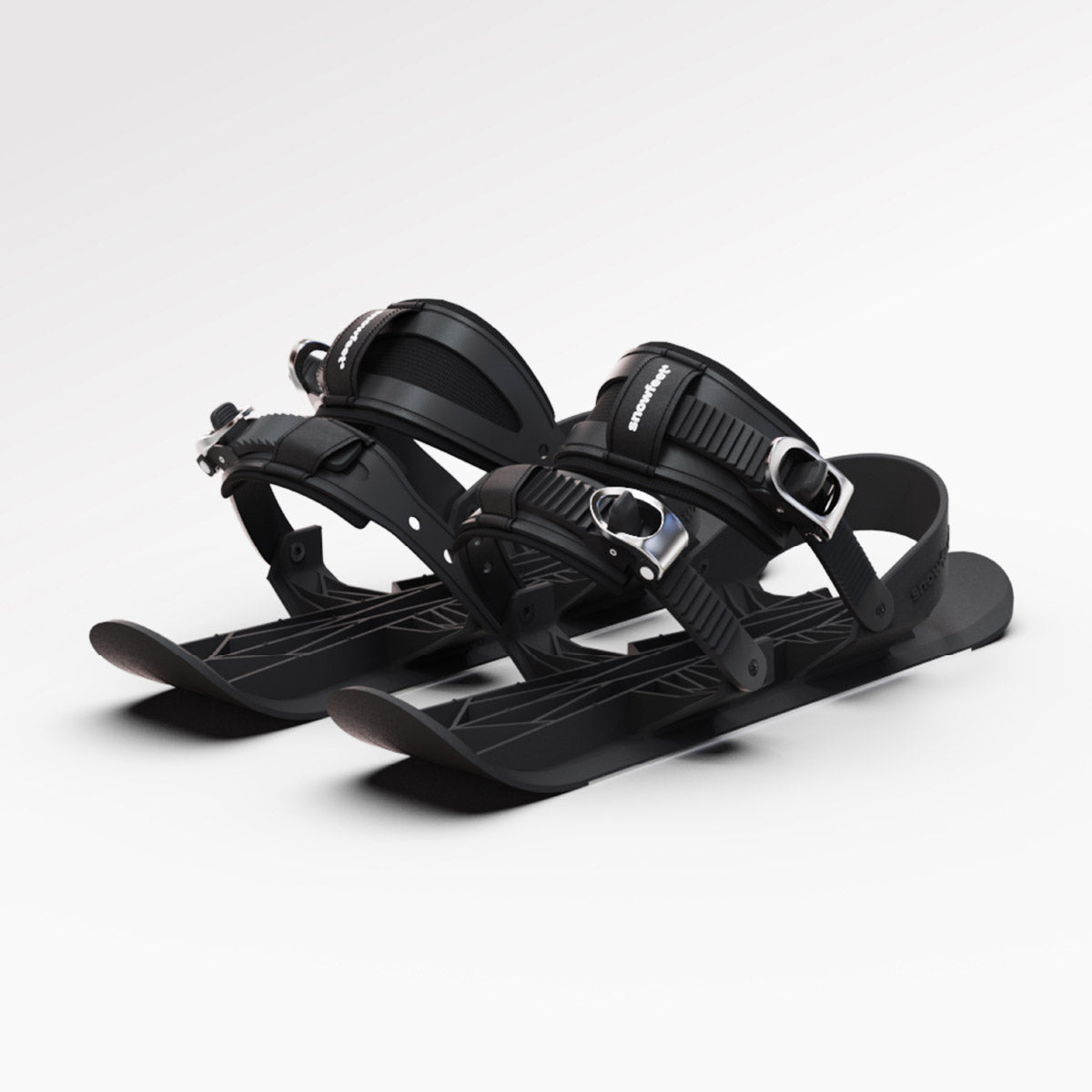
- 44 cm / 17.3 in Skiskates: Very short turns, with the least front-to-back support.
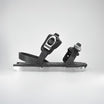
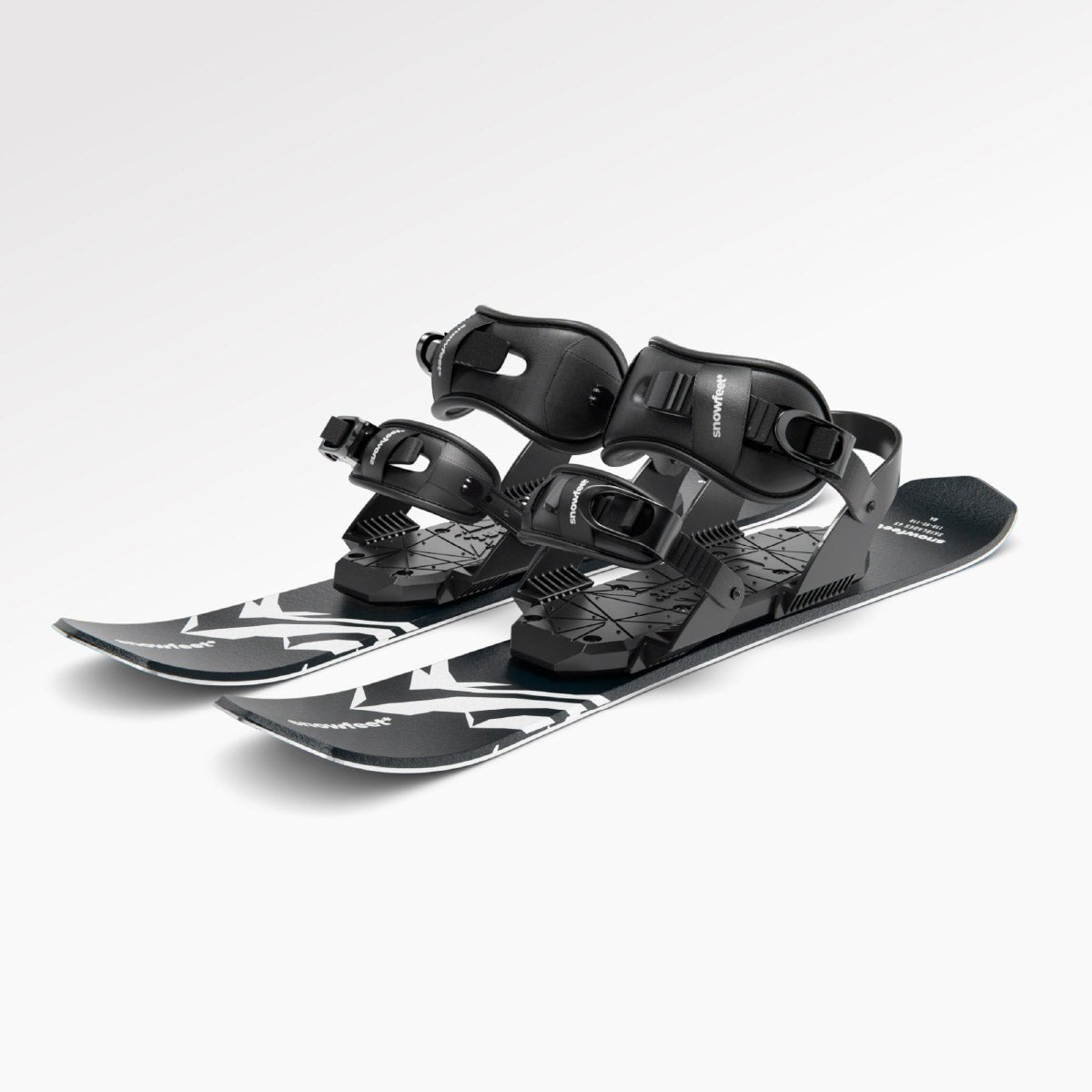
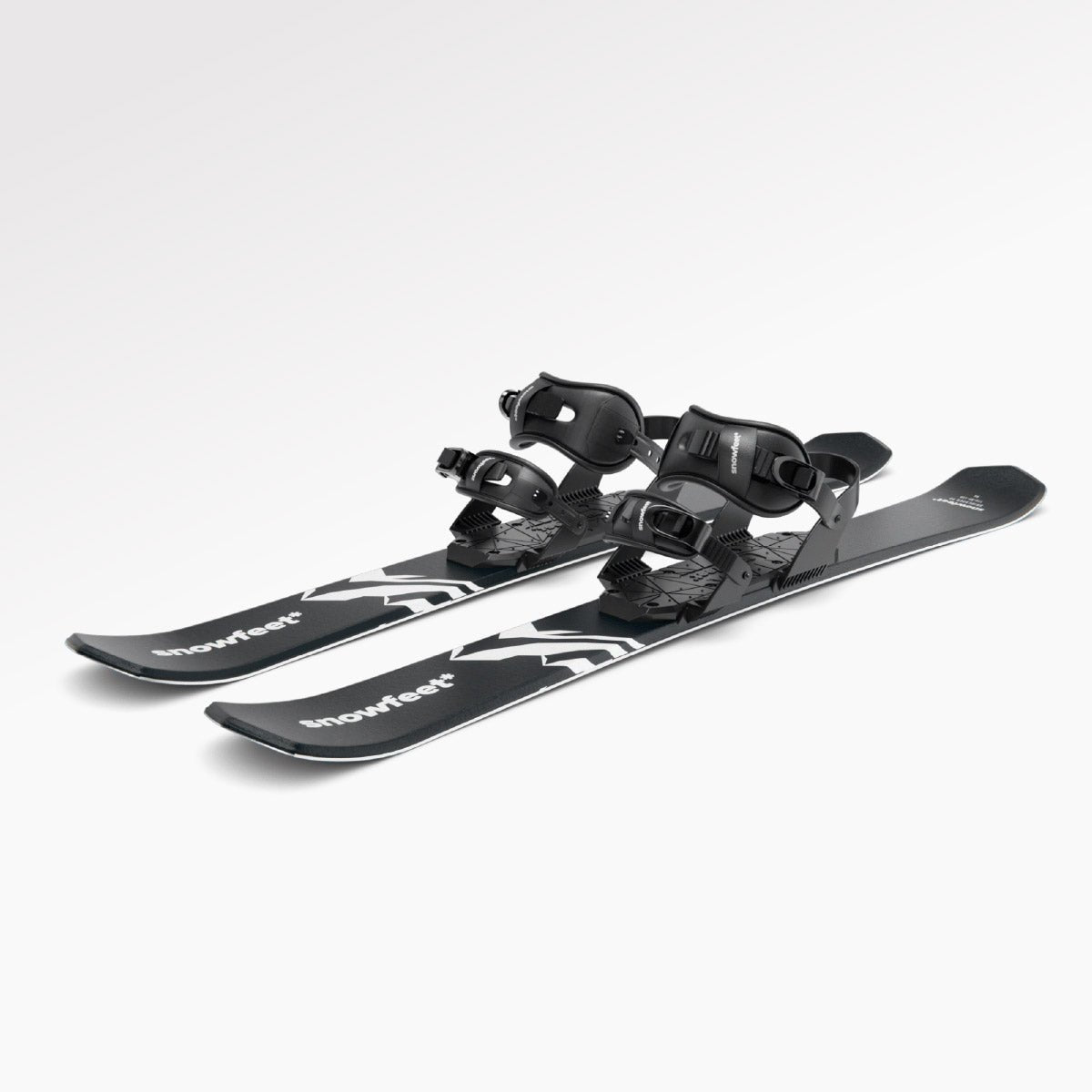
- 65 cm / 25.6 in Skiblades: Short turns and a playful feel, with more support underfoot.
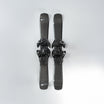
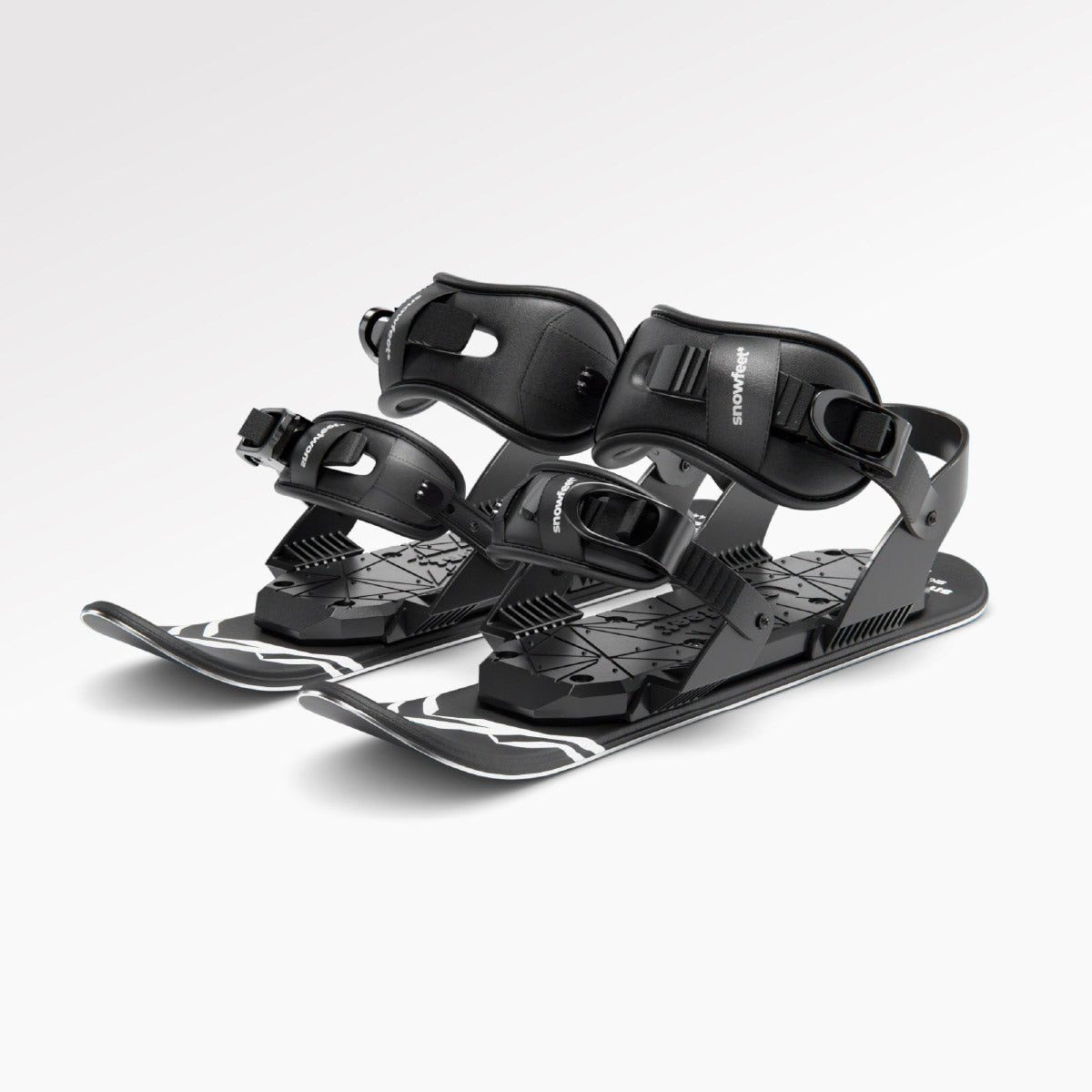
- 99 cm / 39 in Skiblades: Smoother linked turns and the most front-to-back support of these three.
The trade-off? Snowboard boots let your ankles flex, but ski boots give you firmer edge control. I’d choose snowboard boots for short turns at moderate speeds, not deep, fast carves.
Before heading out, check the exact binding version, boot-size range, straps, and hardware. <u>These snowboard-boot bindings don’t release in a fall.</u> Use leashes as directed, keep your hips centered, and skip ice, steep slopes, and rough terrain.
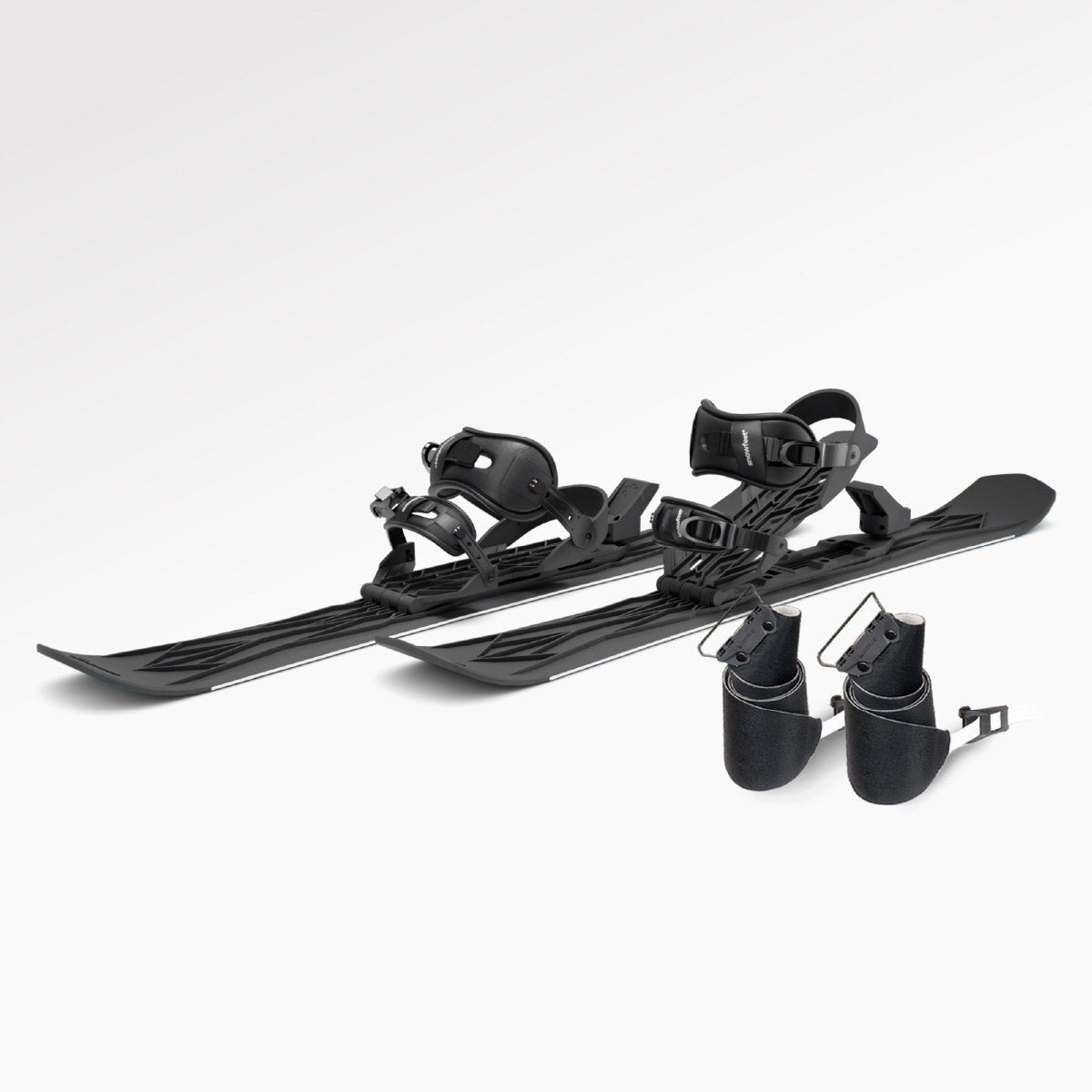
Ultimate Short Skis 🎿 Snowfeet* Skiblades 99 CM
Check Boot Fit and Binding Security
Once you’ve chosen a 44 cm, 65 cm, or 99 cm setup, check the fit and hardware first. Follow the binding’s instructions to confirm boot compatibility and the approved mounting system. Check screws and nuts before every ride. Don’t improvise the mount or use an unapproved binding. A secure boot-to-binding connection helps short skis respond more cleanly on edge.
Choose Snug, Supportive Boots
Snowboard boots should feel snug and supportive, without painful pressure points.
Seat Boots Fully and Check Closures
Clear snow and ice from the boot soles and binding platform. Seat each boot fully, then secure the closures as instructed. Check for heel lift and side-to-side play. Recheck after the first few minutes of riding. These bindings are non-releasable.
Resolve Loose Fit Before Riding
| Issue | Check or adjustment |
|---|---|
| Boot not seated / heel or toe play | Reseat the boot and confirm its size falls within the approved range. Adjust only within the binding’s specified range. |
| Side-to-side play | Clear the anti-slip surface and snug the straps using the specified adjustment mechanism. |
Stop if the boot still shifts or any hardware loosens. Loose fit weakens edge control. Don’t ride outside the binding’s adjustment range. Ask Snowfeet* or a qualified technician to fix fit or mounting issues that persist.
With the fit checked, turn your attention to balance and clean stops.
Find Your Balance and Learn to Stop
Once your fit is set, work on your stance and stopping. Start on a gentle, groomed run. Face the same direction as your skis, rather than standing sideways as you would on a snowboard. Each ski moves on its own, so let each leg work separately.
Center Your Hips and Flex Your Ankles
Keep your knees and ankles bent, your hips over your boots, and your weight even on both skis. Snowfeet* Skiskates 44 cm and Skiblades 65 cm need more active front-to-back balance. The 99 cm Skiblades give you more support in that direction.
Practice on flat, packed snow with your weight spread evenly over both feet. Feeling wobbly? Slide one ski a few inches ahead of the other, but keep your hips centered. Once you feel steady, use that stance to practice slowing down.
Compare Snowboard-Boot and Ski-Boot Support
Use these differences to choose how much flex and precision you want from your Snowfeet* setup.
| Feature | Snowboard boots | Alpine ski boots |
|---|---|---|
| Ankle movement | More room to flex | Less room to move |
| Support | Flexible; support varies by boot | Firmer forward and side-to-side support |
| Edging response | Smoother, but less precise input | More immediate edge input |
Control Speed Before Linking Turns
Practice speed checks and hockey stops on packed snow before linking turns. Use a hockey stop to control your speed. If you can’t stop cleanly, get instruction. Move on only when you can stop without help.
sbb-itb-17ade95
Engage the Edges and Link Short Turns
Traverse, Release, and Switch Edges
Once you can stop cleanly, try a shallow traverse on a gentle groomed slope. Tip your ankles and knees uphill to set your edges, and stay centered over your feet.
To turn, release the old edges, steer the skis through the turn, then roll onto the new edges. Keep your movements smooth and deliberate. Snowboard-boot flex slows edge response, so don’t force the skis sideways.
Link Short Turns Before Adding Edge Angle
Snowfeet* Skiskates 44 cm and Skiblades 65 cm change direction fast. The 99 cm Skiblades feel steadier between turns. Start by linking small, controlled turns before tipping the skis farther onto their edges. Add more edge angle only when the release feels stable.
Match Edge Pressure to Each Maneuver
Use light steering to control speed and build edge pressure gradually for short carved turns. Save hockey stops for when you need to scrub speed.
Long, aggressive carves need firmer support than snowboard boots provide. You’ll feel those limits first on firmer snow and at higher speeds.
Know the Limits and Choose Your Setup
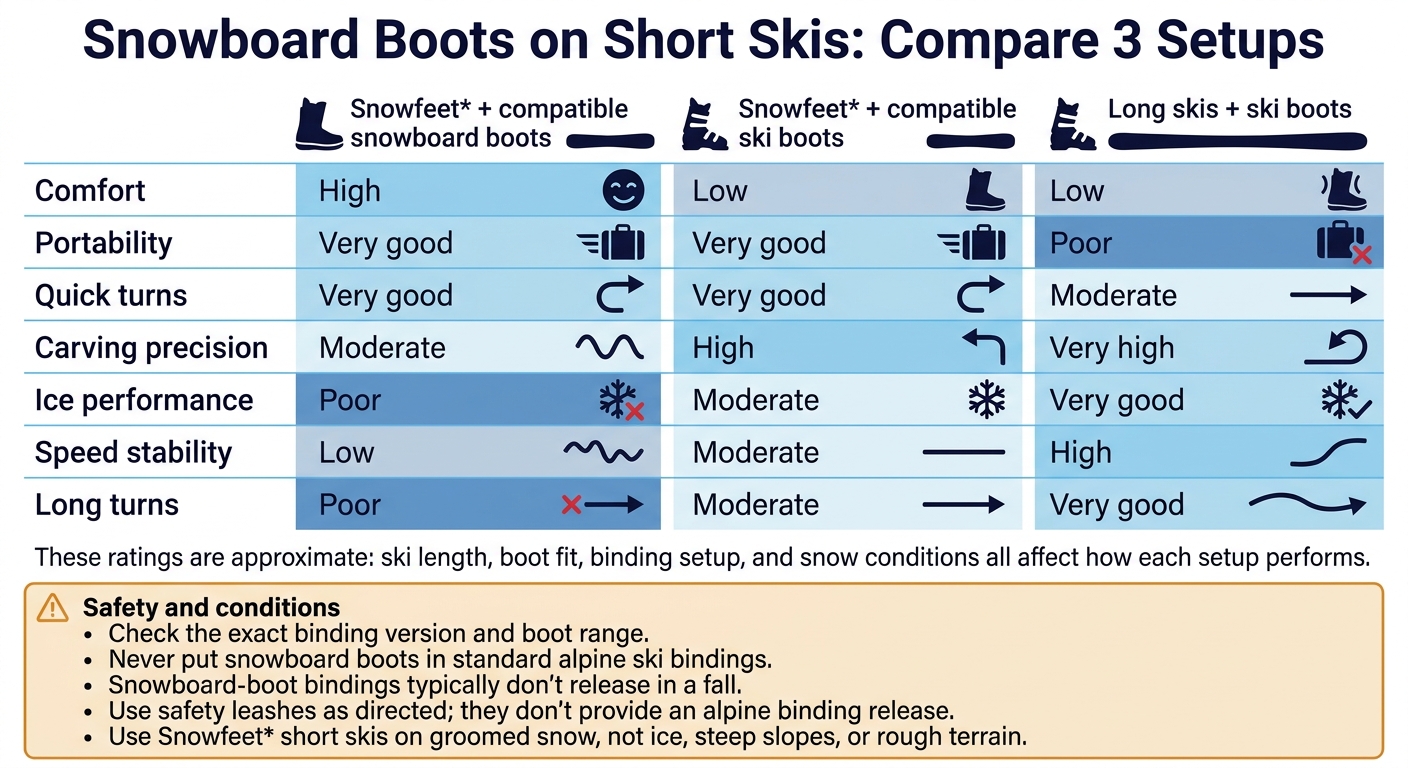
Snowboard Boots on Short Skis: Compare 3 Setups
Slow Down on Ice and Rough Snow
Once short turns feel steady, learn where snowboard-boot control reaches its limits.
Use Snowfeet* short skis on groomed snow, not ice, steep slopes, or rough terrain. Snowboard boots give you less precise edge control as speed builds. If you hit rough snow, stay low and keep turns short and controlled. Avoid deep ruts and large bumps. Deep powder needs more float than the shortest models offer.
Long skis paired with ski boots work better for sustained, high-speed carving. Don’t expect your bindings to release in a fall: snowboard-boot bindings typically don’t release. Use safety leashes as directed. They stop equipment from running away, but they don’t provide an alpine binding release.
Compare 3 Boot-and-Ski Setups
Match your setup to what matters most to you. These ratings are approximate: ski length, boot fit, binding setup, and snow conditions all affect how each setup performs.
| Feature | Snowfeet* + compatible snowboard boots | Snowfeet* + compatible ski boots | Long skis + ski boots |
|---|---|---|---|
| Comfort | High | Low | Low |
| Portability | Very good | Very good | Poor |
| Quick turns | Very good | Very good | Moderate |
| Carving precision | Moderate | High | Very high |
| Ice performance | Poor | Moderate | Very good |
| Speed stability | Low | Moderate | High |
| Long turns | Poor | Moderate | Very good |
Conclusion: Check Fit, Stay Centered, and Keep Turns Short
Before buying, check the exact binding version and boot range for your model. For most casual riders, Snowfeet* offers the best mix of easy carrying, a playful feel, and control.
FAQs
How can I check whether my snowboard boots fit Snowfeet* bindings?
Check that your boot size is US 6–14.5 (EU 38–49) and that your Snowfeet* model is made for snowboard-boot bindings.
Place your boot in the binding with your heel firmly against the highback. Tighten the ankle and toe straps for a snug fit. Before every use, check that all screws are tight and the binding holds your boot securely.
Which Snowfeet* length is best for my first linked turns?
For your first linked turns in snowboard boots, the 44 cm (17.3 in) Skiskates are the best starting point. Their nimble, skate-like feel gives you the fastest learning curve and helps you get a feel for the movements.
Want a more stable, planted, and forgiving ride? The 50 cm (19.7 in) Snowfeet PRO is the ideal all-around choice. Both options are playful and beginner-friendly, skip the bulky gear, and let you use your existing snowboard boots.
How can I tell if boot flex is limiting my edge control?
Notice how your gear feels as you turn. If your edges are slow to engage or turns take extra effort, your boots may be too soft, which can delay power transfer. If you struggle to shift your weight forward or feel stuck in a backseat stance, your boots may be too stiff for your weight or strength.
On short Snowfeet models, boots that restrict movement too much can limit the quick, precise adjustments you need for edge control.




Napíš komentár
Táto lokalita je chránená testom reCAPTCHA a vzťahujú sa na ňu pravidlá ochrany súkromia a podmienky poskytovania služby hCaptcha.