
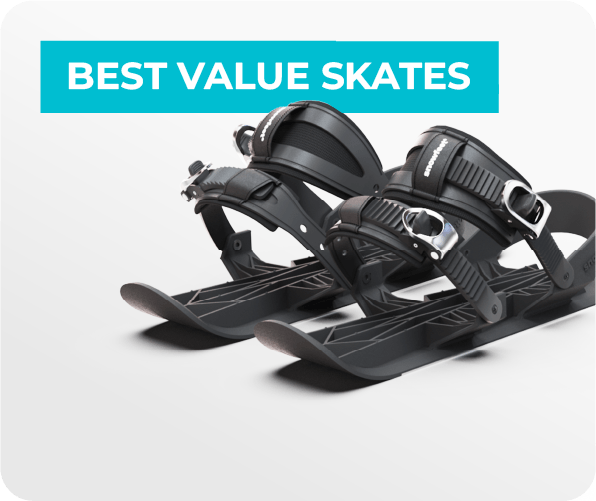
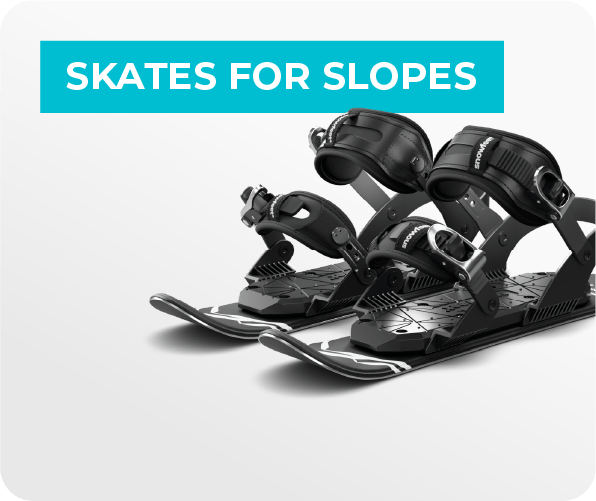
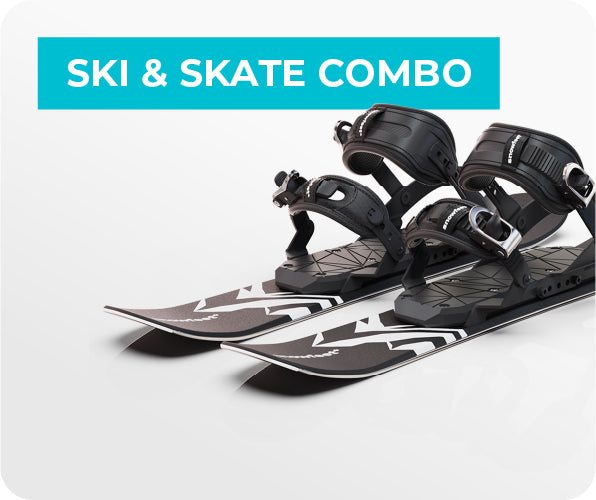
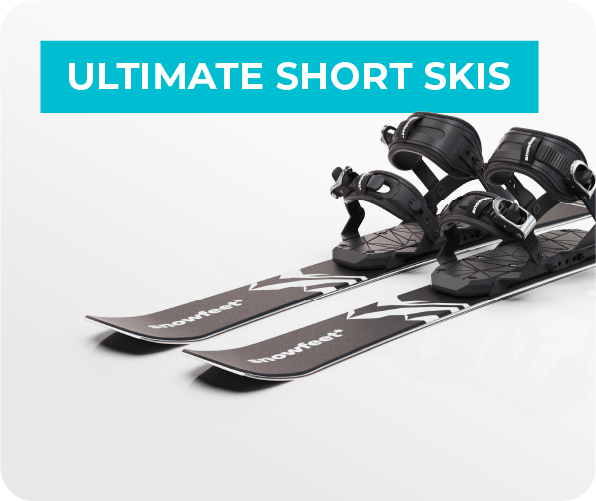
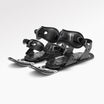
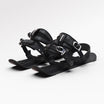
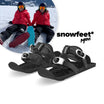
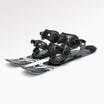
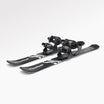
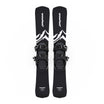
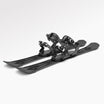
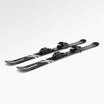
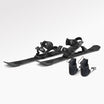
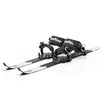
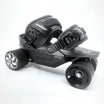
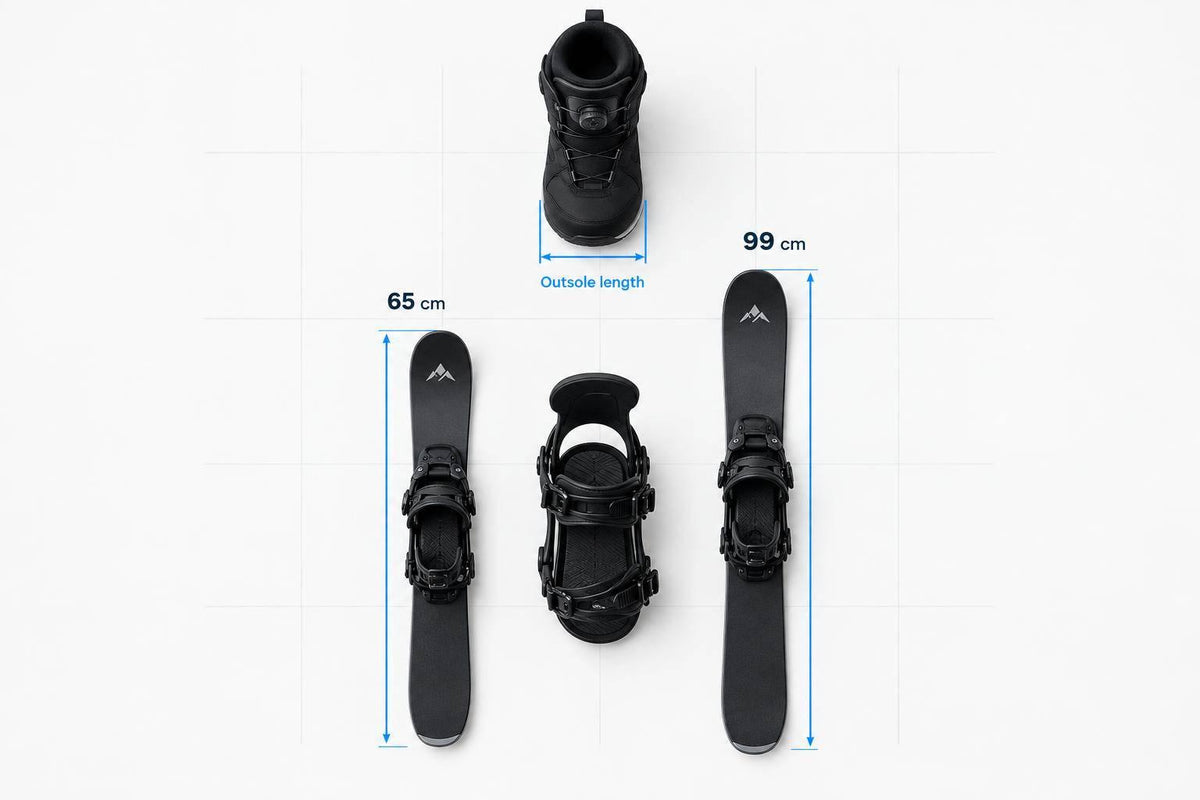
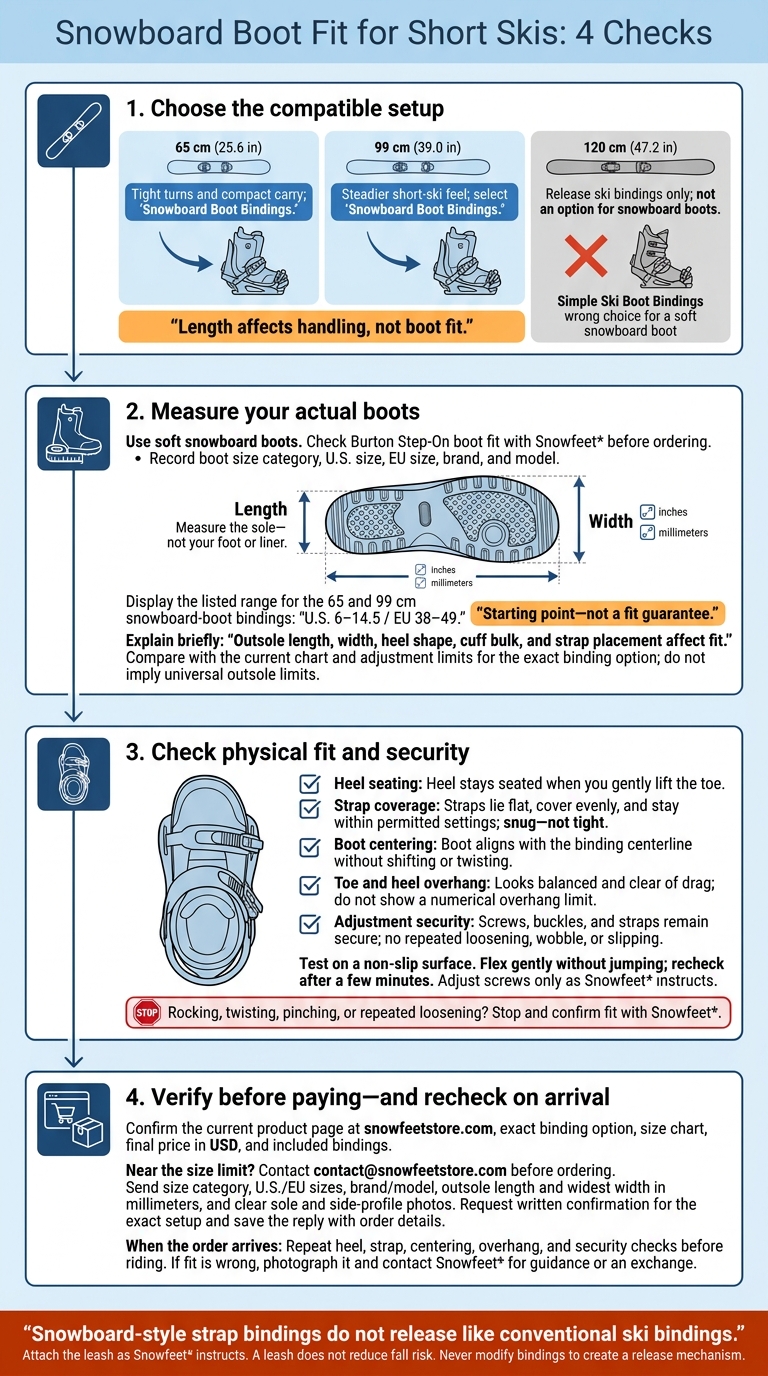
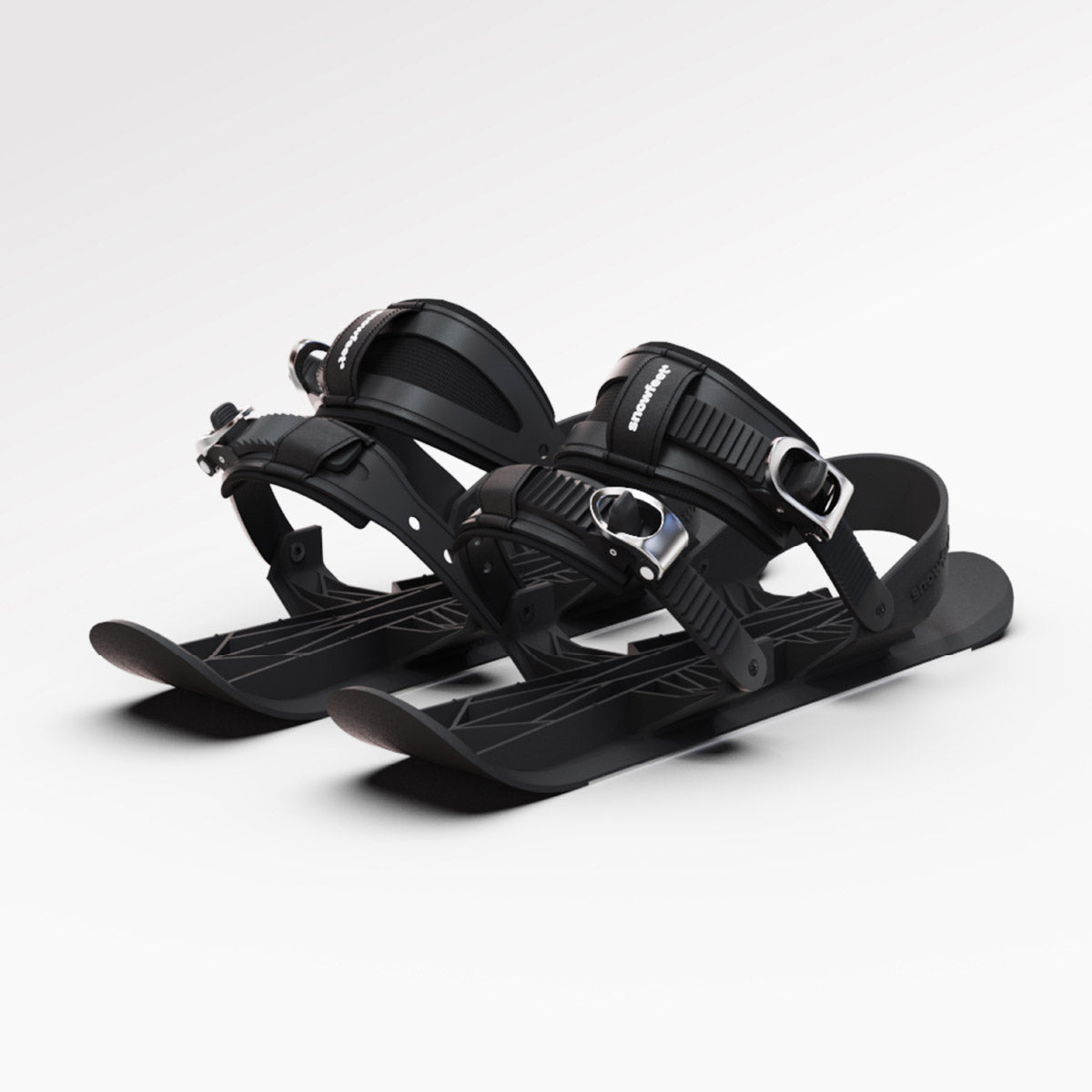
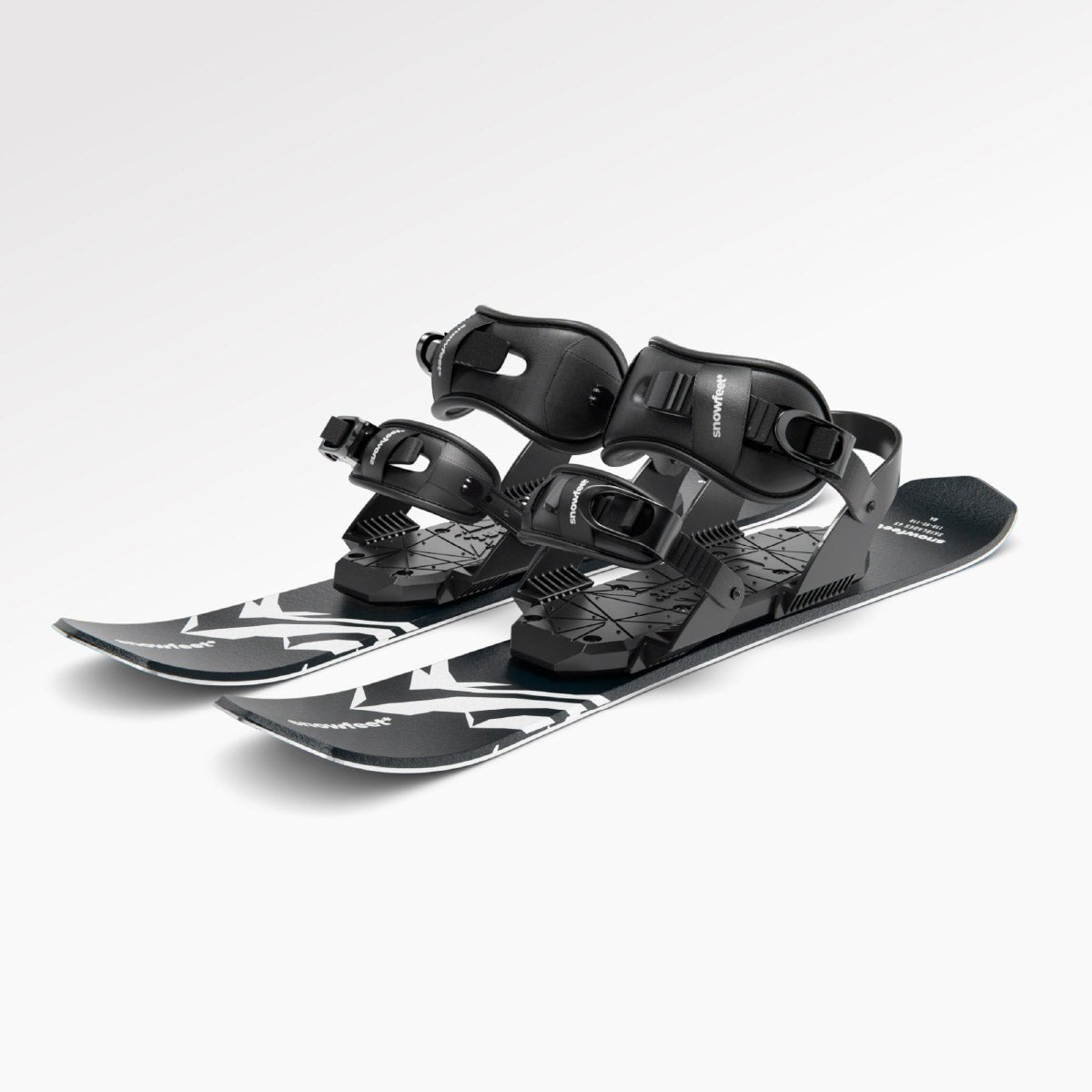
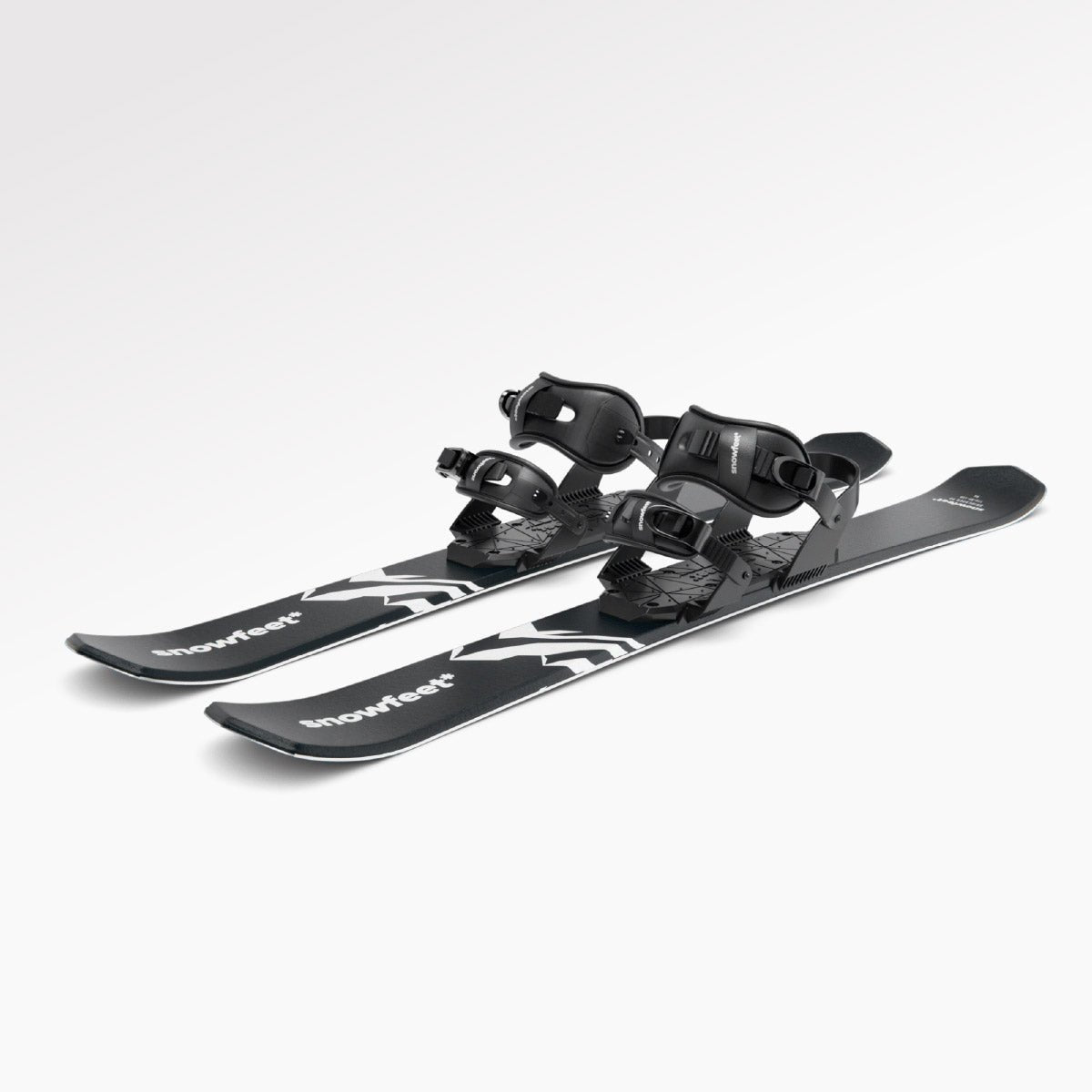
I’d check your bindings before picking your ski length. Snowfeet* 65 cm and 99 cm Skiblades offer snowboard-boot bindings listed for about U.S. sizes 6–14.5. That’s a starting point - not a fit guarantee.
Here’s my short checklist:
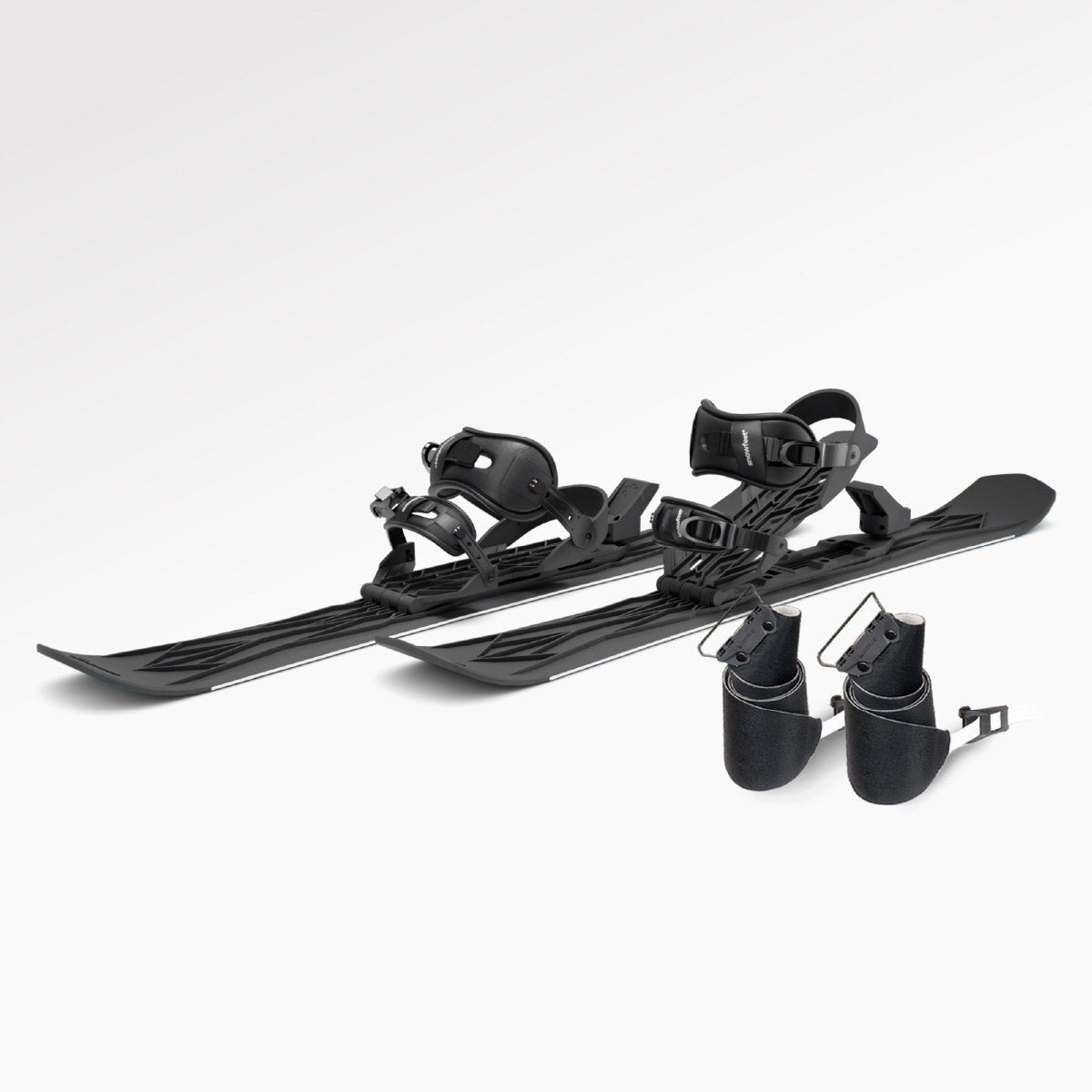
- Pick the right setup: Choose “Snowboard Boot Bindings.” The 120 cm model uses release ski bindings, not snowboard-boot bindings.
- Measure your boots: Check outsole length, width, and heel shape against the exact binding’s limits. Use soft snowboard boots; check Step-On boot fit with Snowfeet* first.
- Choose length for the ride: Go with 65 cm for tight turns or 99 cm for a steadier feel.
- Check before you ride: Your heel should stay seated, straps should hold without pinching, and toe and heel overhang should look balanced.
<u>Near the size limit?</u> I’d send Snowfeet* your boot model, measurements, and photos before paying. Check the final USD price and included bindings, too.
One safety point: snowboard-style strap bindings don’t release like ski bindings. Follow Snowfeet*’s leash instructions and repeat the fit check when your order arrives.
Snowboard Boot Fit for Short Skis: 4 Checks
These guys tried Snowfeet* Snowblades for the first time | Watch what they think | Short Ski Review
1. Choose Snowfeet* Bindings That Accept Snowboard Boots
Pick the option labeled “Snowboard” or “Snowboard Boot Bindings,” not “Simple Ski Boot Bindings.” “Adjustable” means the binding can move - not that a ski-boot binding will work with snowboard boots.
With the binding type sorted, compare how each model rides.
Compare 65, 99, and 120 cm Skiblades
Check the current setup options and package price at snowfeetstore.com before you buy.
| Skiblades | Handling | Compatible setup |
|---|---|---|
| 65 cm (25.6 in) | Fastest turns; easiest to maneuver | Select Snowboard Boot Bindings. Check that your boot falls within the binding’s listed size range. |
| 99 cm (39.0 in) | Balanced support for carving and casual riding | Select Snowboard Boot Bindings. Check that your boot falls within the binding’s listed size range. |
| 120 cm (47.2 in) | More ski-like stability and support, especially at speed or in softer snow | Release ski bindings only; not an option for snowboard boots. |
Choose Ski Length for How You Ride
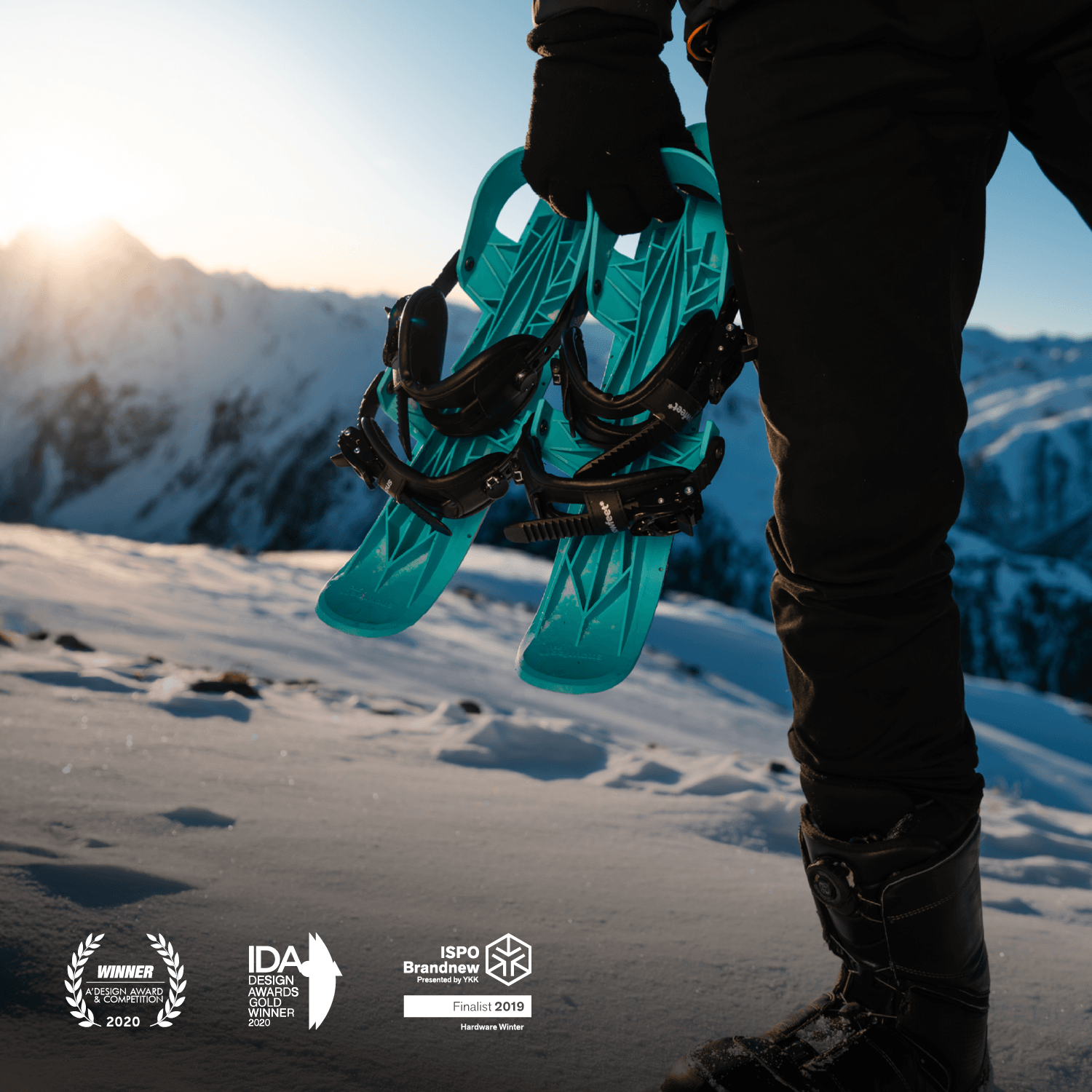
Go with 65 cm for tight turns and compact carry. Pick 99 cm for a steadier short-ski feel. Length affects handling, not boot fit.
Next, check your boots against the binding’s size limits.
2. Check Boot Size and Measurements Against Binding Limits
Record Boot Size, Outsole Length, and Width
Write down your boot’s U.S. size, category, EU size, brand, and model. Use only a soft snowboard boot. Burton Step-On boots often don’t fit these bindings, so check the sole shape before you order.
Set the boot on a flat surface. Measure the outsole from heel to toe, then measure its widest point. Record both measurements in inches and millimeters. Measure the sole - not your foot, sock, or removable liner.
If your boot is close to the size limit, take a photo of the sole next to a ruler. You can share it with Snowfeet* support to help check the fit.
Compare those measurements with the exact binding chart before buying.
Confirm Sizing for the Exact Binding Option
Snowfeet* lists U.S. 6–14.5 / EU 38–49 for the snowboard-boot bindings on its 65 cm (about 25.6-inch) and 99 cm (about 39-inch) Skiblades. Use the snowboard-boot size chart for these two models. The 120 cm (about 47.2-inch) model uses a different binding system.
Treat the listed range as a first check, not a fit guarantee. Check the current product page at snowfeetstore.com, and use only the chart for your exact Snowfeet* binding.
Boots with the same size label can have different outsole lengths, widths, and heel shapes.
If your boot sits near either end of the range, email contact@snowfeetstore.com before ordering. Include the size category, EU size, brand, model, outsole measurements, and side-profile photos.
If your boot matches the chart, move on to the physical fit check.
sbb-itb-17ade95
3. Test Boot Fit and Binding Security
If your boot matches the chart, test the fit before you buy. Set the Skiblades on a non-slip surface and wear the boots you plan to ride in. Open the straps so the boot slides in without force. Adjust screws only as Snowfeet* instructs. This checks the fit with your actual boot - not just its listed size.
Seat the Heel, Center the Boot, and Fasten Straps
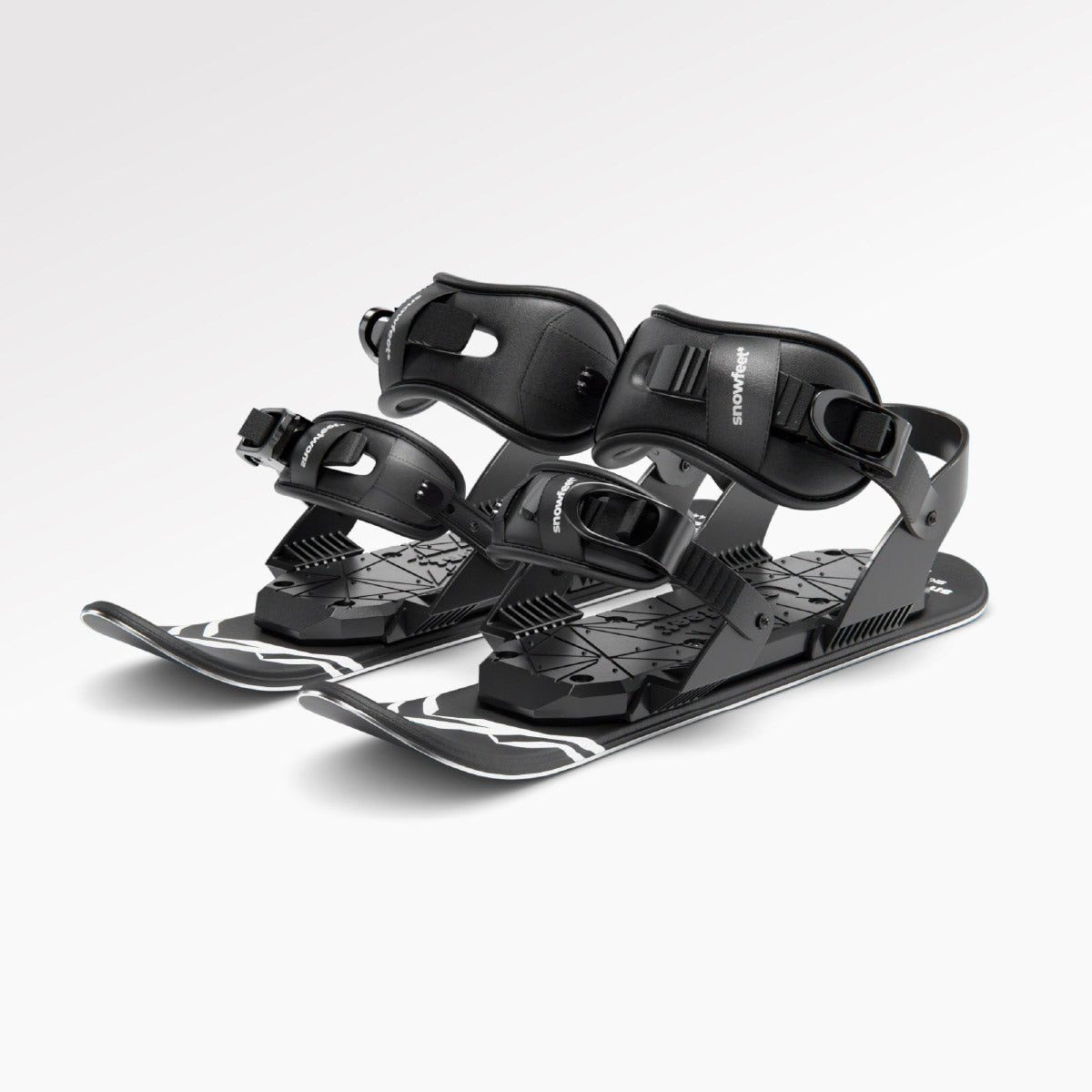
Place the heel against the rear support, with the sole flat on the platform. Look down to check that the boot lines up with the binding’s centerline. Then fasten the upper strap over the ankle or cuff and the lower strap over the forefoot.
The straps should lie flat, cover the boot evenly, and feel snug - not tight.
If the boot rocks, twists, or won’t center without making one strap too tight, stop. Confirm the binding’s fit range with Snowfeet*.
Check Overhang, Movement, and Loosening
Look at the toe and heel overhang from above and both sides. Don’t rely on fixed overhang numbers. Check that the extension looks balanced and unlikely to drag. Flex forward and side to side without jumping. After a few minutes, check again as the boot settles.
Stop if you spot any warning signs, and compare your boot with the exact binding chart.
- [ ] Heel seating: The heel stays seated when you gently lift the toe.
- [ ] Strap coverage: Straps lie flat and stay within permitted settings. Check for gaps or contact along only one edge.
- [ ] Boot centering: The boot lines up with the binding’s centerline without shifting or twisting.
- [ ] Toe and heel overhang: Overhang looks balanced and clear of drag.
- [ ] Adjustment security: Screws, buckles, and straps stay secure. Watch for repeated loosening, wobble, or slipping after you readjust them.
Snowboard-style strap bindings do not release like conventional ski bindings. Before riding, attach the leash as Snowfeet* instructs. It helps keep the Skiblades with you if a boot comes out, but it does not reduce fall risk. Do not modify the binding to create a release mechanism.
4. Verify Compatibility Before You Buy
Once you’ve measured your boot, confirm the exact product page before checkout. Select the 65 cm or 99 cm Snowfeet* Skiblades with Snowboard Boot Bindings, then check the current size range for that setup. The listed US/EU range is only a starting point. Outsole length, width, heel shape, cuff bulk, and strap placement all affect fit.
Compare your outsole measurements with the binding’s stated adjustment limits. Before paying, check the final price in USD and which bindings are included. Save the selected product details - the headline price may cover a different setup.
If your boots are near the size limit, email contact@snowfeetstore.com before ordering. Include the boot’s brand and model, US and EU sizes, outsole length and widest width in millimeters, plus clear photos. Ask them to confirm by email that the exact setup fits the heel, holds the boot securely with the straps, and matches the outsole dimensions. Save their reply with your order details.
When your package arrives, repeat the heel, strap, and overhang checks before riding. If the boots don’t fit, take photos of the fit and contact Snowfeet* with your order number for guidance or an exchange.
FAQs
Will my bindings still fit if I change snowboard boots?
Only if your new boots fall within your binding model’s official size range - typically U.S. 6–14.5 for Snowfeet snowboard bindings. The binding package determines compatibility, not ski length. Boots with specialized soles, such as Burton Step-On, often won’t fit.
Check that your heels sit firmly in place, the straps cover your boots evenly, and your toes and heels don’t hang too far over the edges. Your boots should stay secure without wobbling. If you’re unsure, confirm the fit with Snowfeet support before riding.
How can I tell if boot overhang will cause drag?
Before you hit the slopes, center your snowboard boot on the binding platform and fasten the straps. Stand up and check how far the boot extends past the ski’s edges. Wide boots or boots with thick padding may hang over far enough to touch the snow during deep carves.
If your boots look too bulky, contact Snowfeet* with your boot model to check compatibility before you ride.
How often should I recheck binding fit while riding?
Check your bindings before every ride. Make sure all screws are tight and your boots are held firmly in place before you head onto the snow.
If you feel any wobble while riding, stop right away. Readjust the straps or tighten the binding connections to stay in control and keep safe. Check them often - parts can wear down or loosen from vibration during use.



Napíš komentár
Táto lokalita je chránená testom reCAPTCHA a vzťahujú sa na ňu pravidlá ochrany súkromia a podmienky poskytovania služby hCaptcha.