


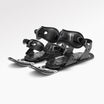
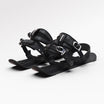
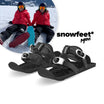
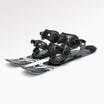
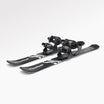
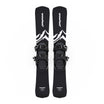
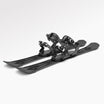
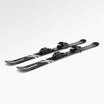
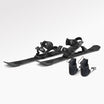
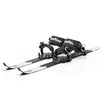
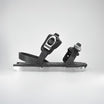
Yes, you can ski in snowboard boots - but only with bindings built for them. I’d start by checking boot fit and binding type. <u>Never put snowboard boots in standard alpine ski bindings.</u>
Here’s what I’d keep in mind before heading out:
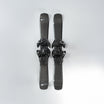
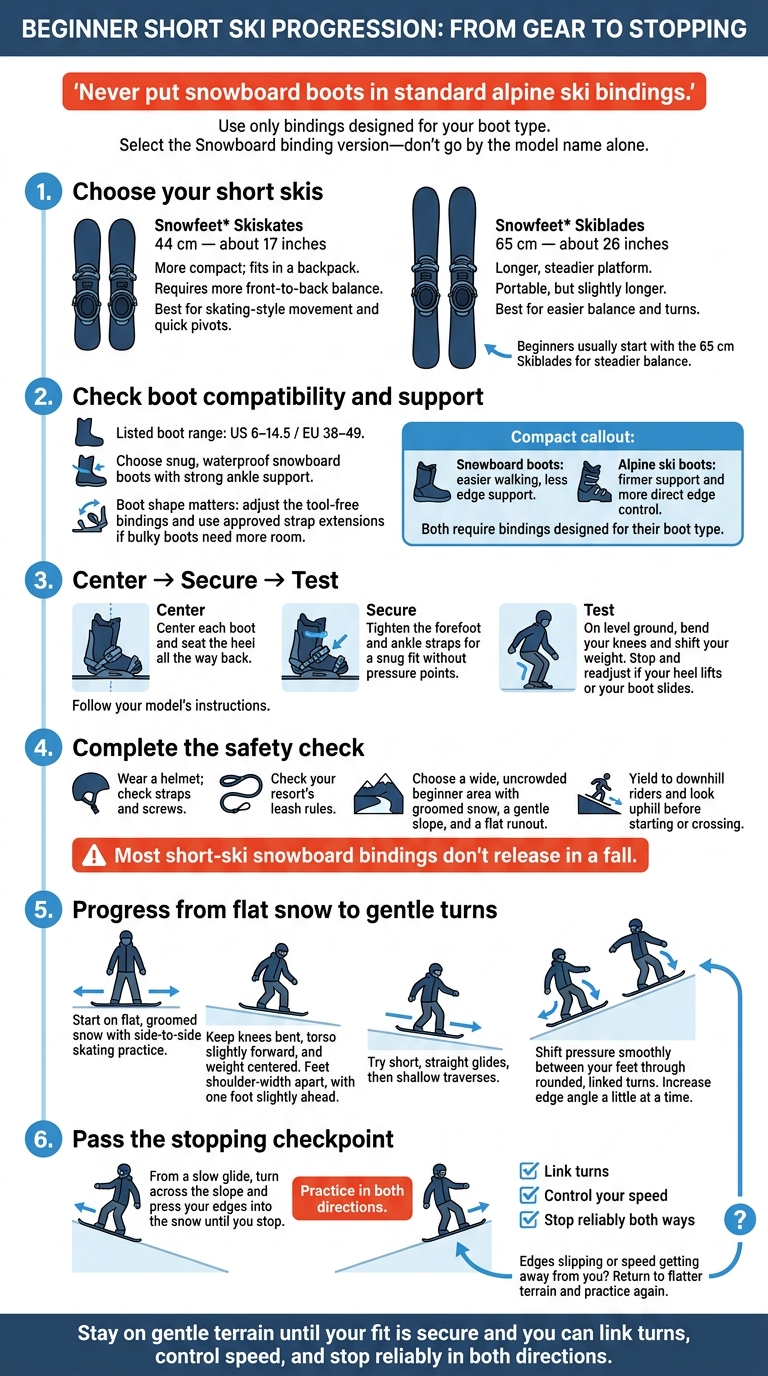
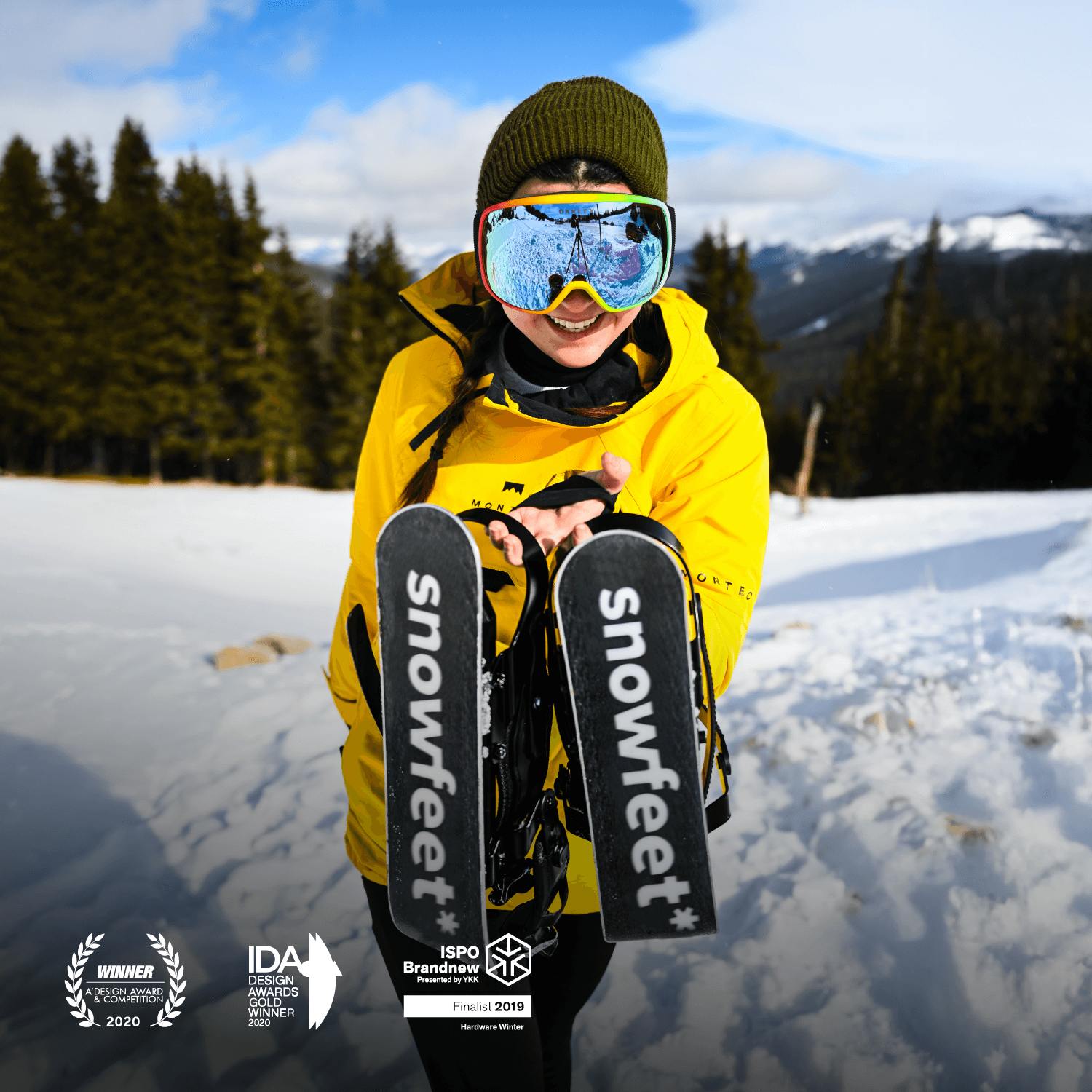
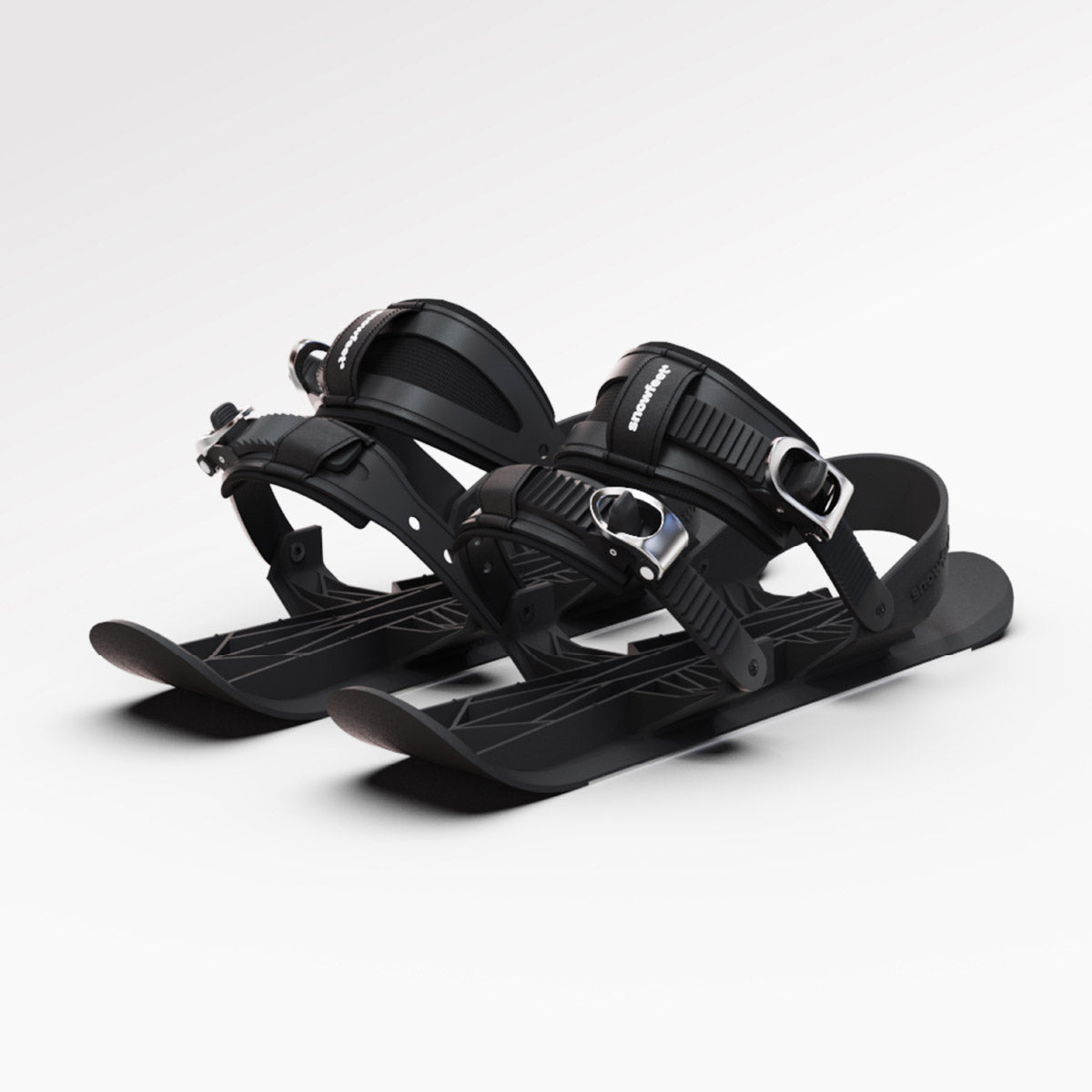
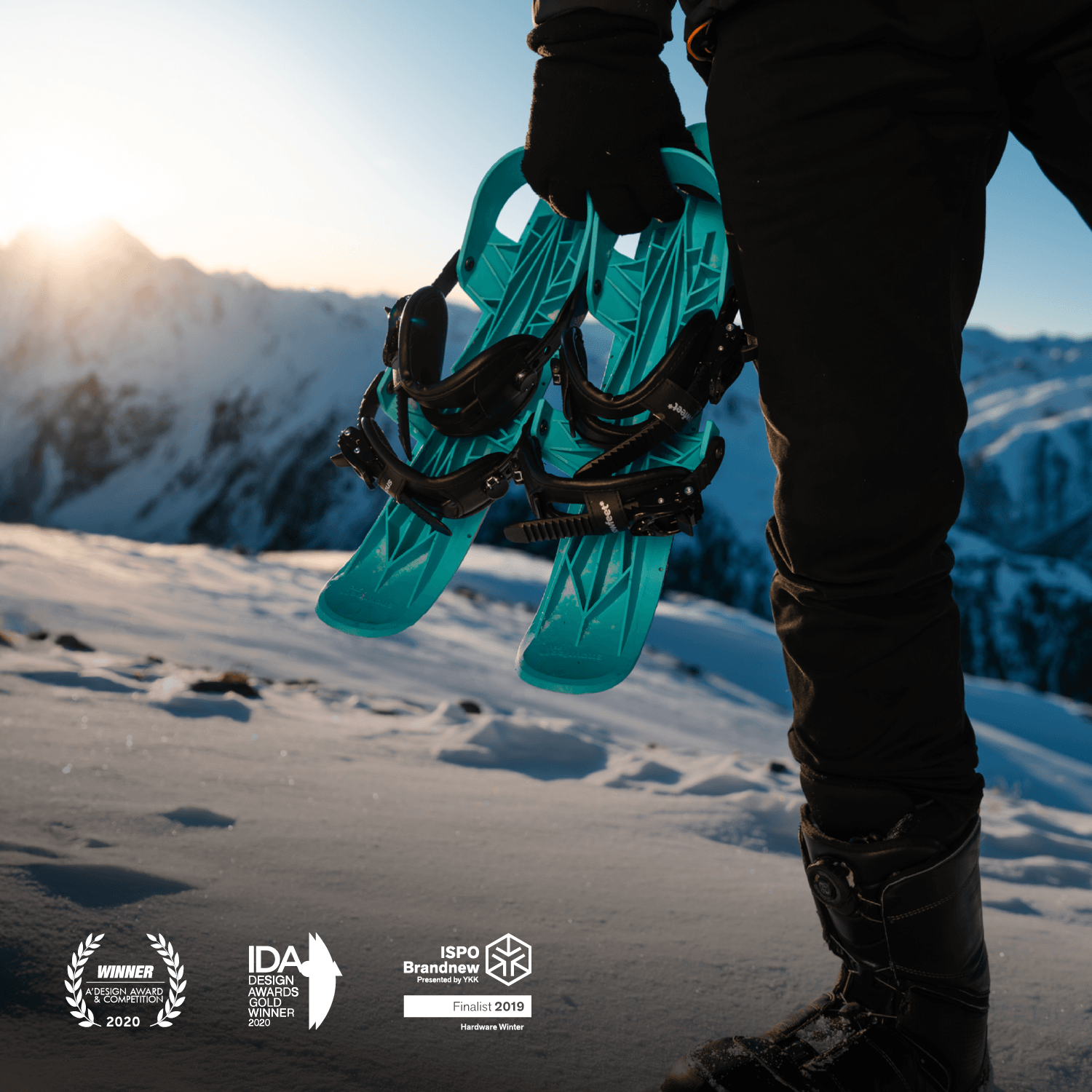
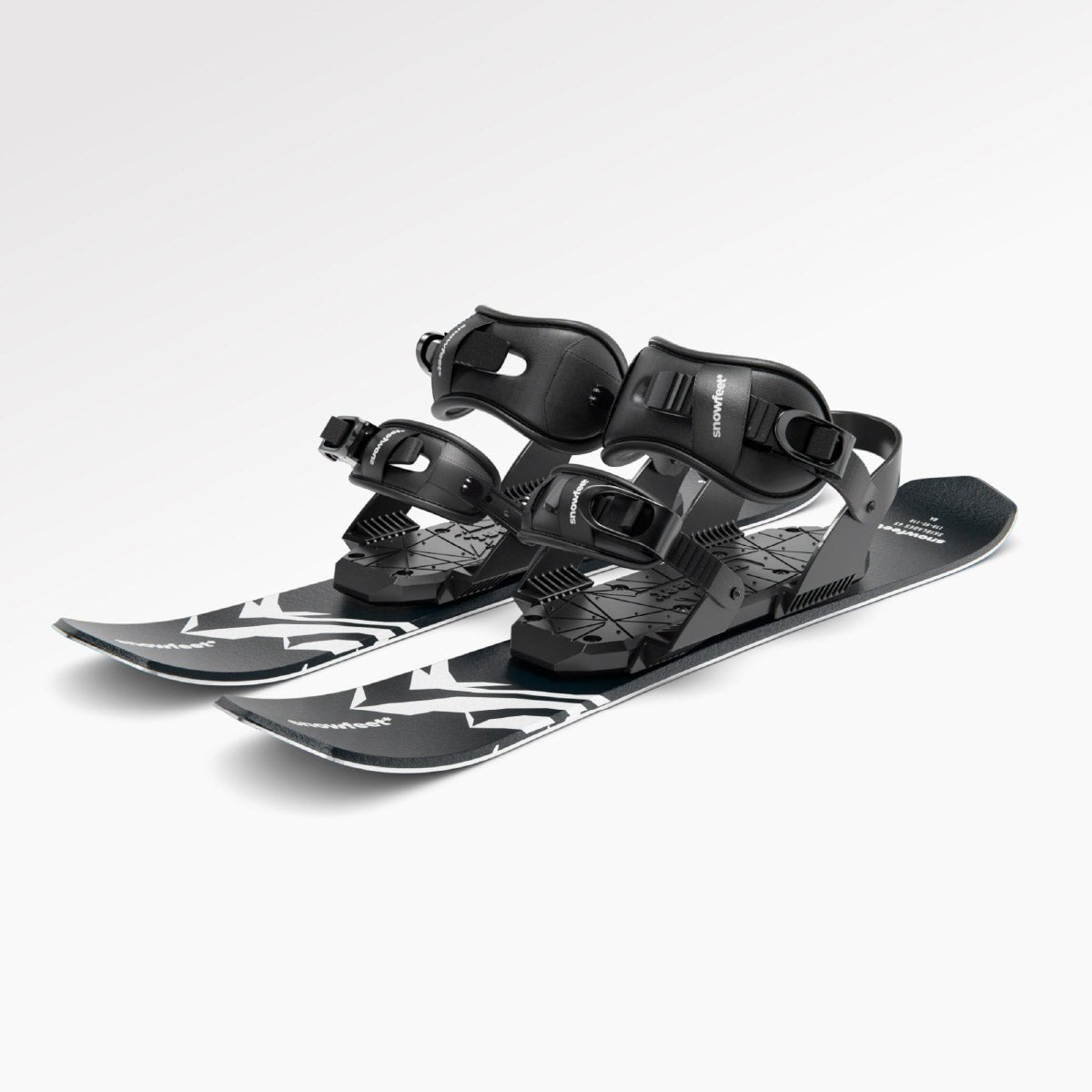
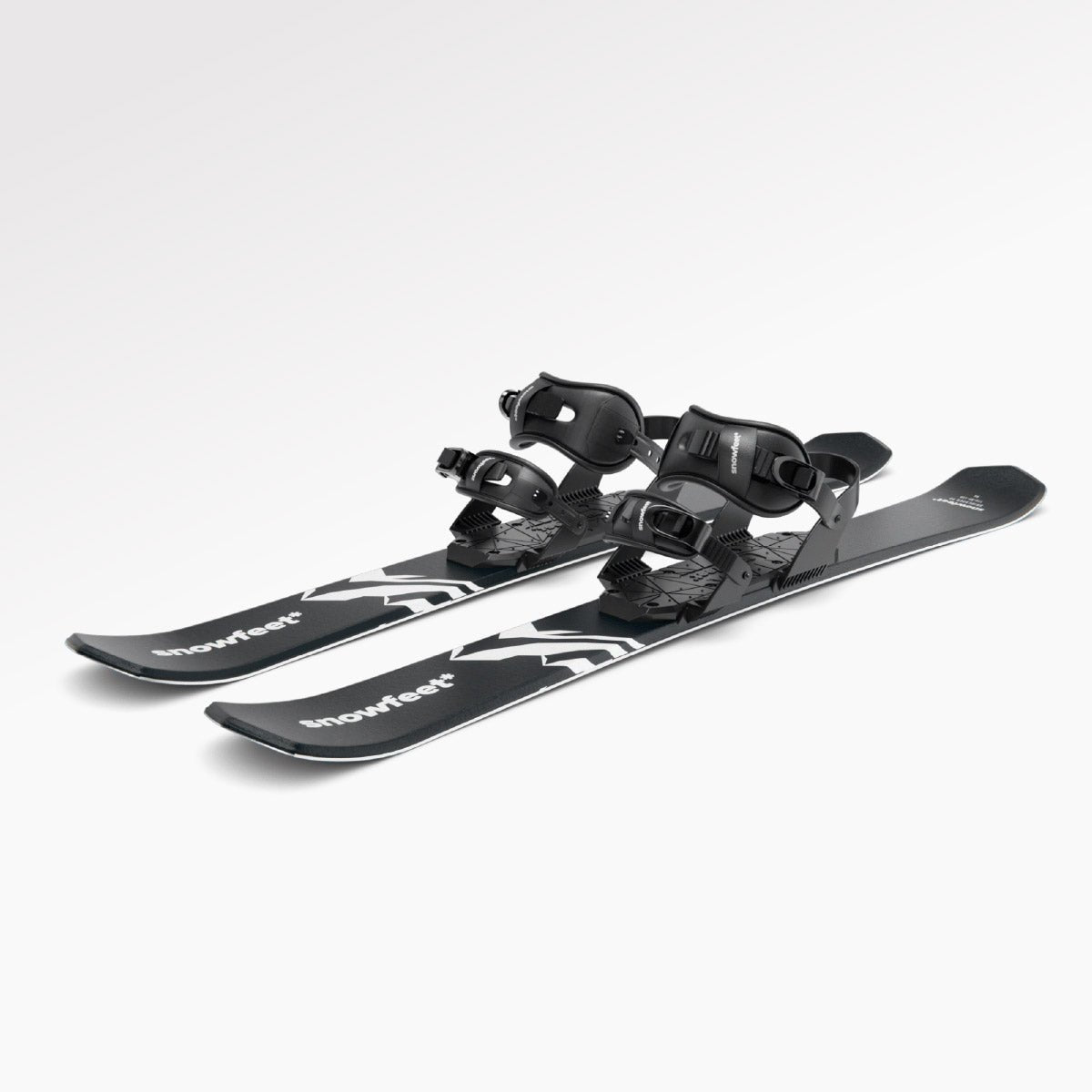
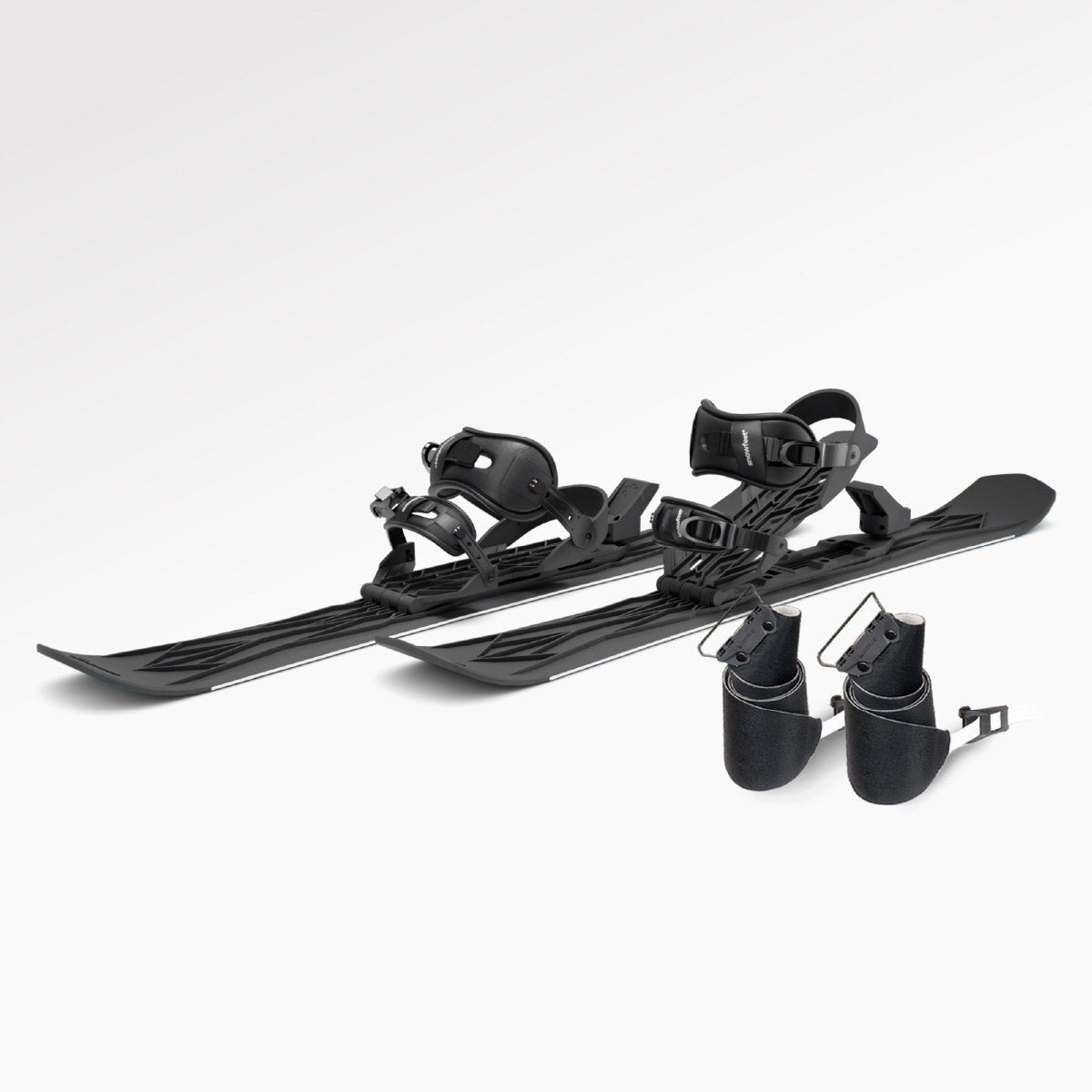
- Pick your length: Snowfeet* Skiblades 65 cm (about 26 inches) offer a steadier platform. Skiskates 44 cm (about 17 inches) suit skating-style moves and tight pivots.
- Check the fit: Choose the snowboard-binding version and check its listed US 6–14.5 boot range. Your heel shouldn’t lift or slide.
- Know the trade-off: Snowboard boots make walking easier. Ski boots offer firmer support and more direct edge control.
- Start small: Wear a helmet, check straps and screws, and practice on flat snow before a gentle slope. Most short-ski snowboard bindings don’t release in a fall.
My rule? Stay on gentle terrain until you can link turns, control your speed, and stop in both directions. Comfort is nice. Stopping is nicer. :)
Skiing in Snowboard Boots: Beginner Safety Checklist
1. Choose and Fit Your Snowfeet* Setup
Compare Snowfeet* Skiskates 44 cm and Snowfeet* Skiblades 65 cm
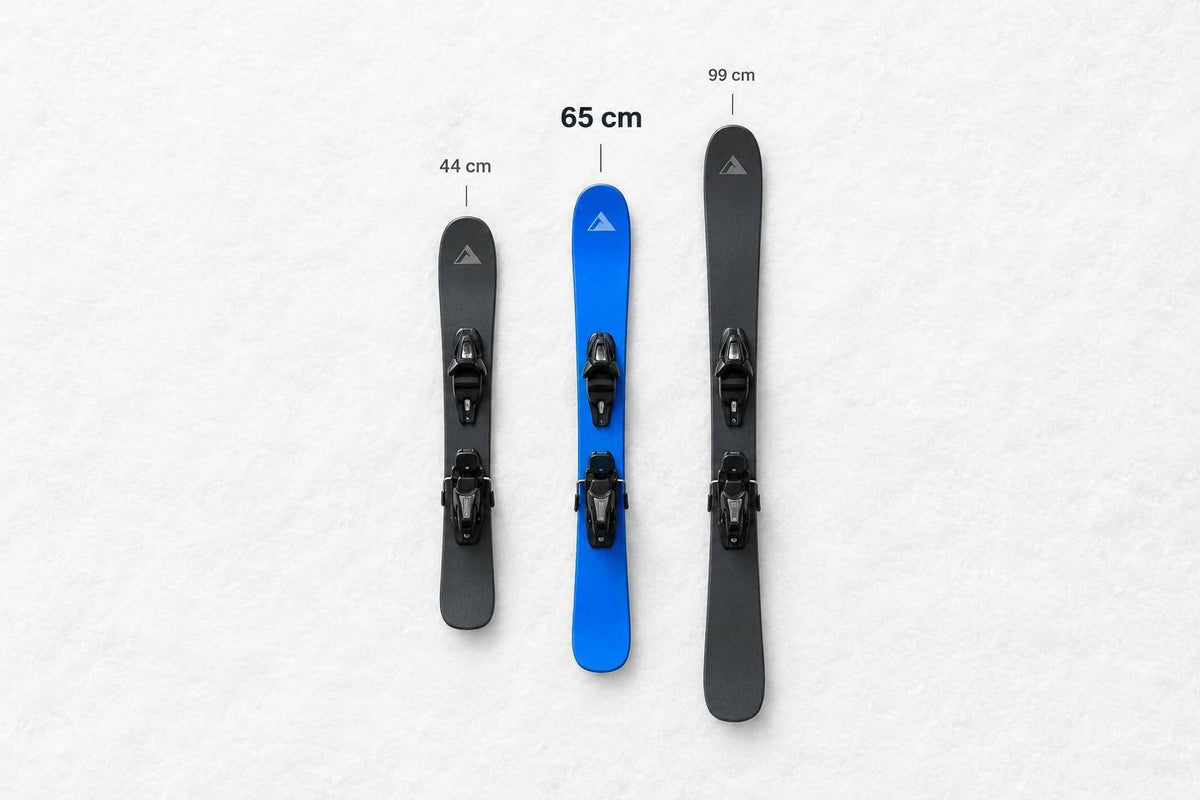
Once you’ve checked the binding type, choose your length. The 65 cm Skiblades give you steadier balance, while the 44 cm Skiskates let you pivot and move with more agility. Select the Snowboard binding version - don’t go by the model name alone.
| Feature | Snowfeet* Skiskates 44 cm | Snowfeet* Skiblades 65 cm |
|---|---|---|
| Length | About 17 inches | About 26 inches |
| Stability | Requires more front-to-back balance | Longer, steadier platform |
| Portability | More compact; fits in a backpack | Portable, but slightly longer |
| Best use | Skating-style movement and quick pivots | Easier balance and turns |
Beginners usually start with the 65 cm Skiblades for steadier balance. Once you’ve picked a length, get your boot fit sorted before you ride.
Check Boot Fit, Support, and Compatibility
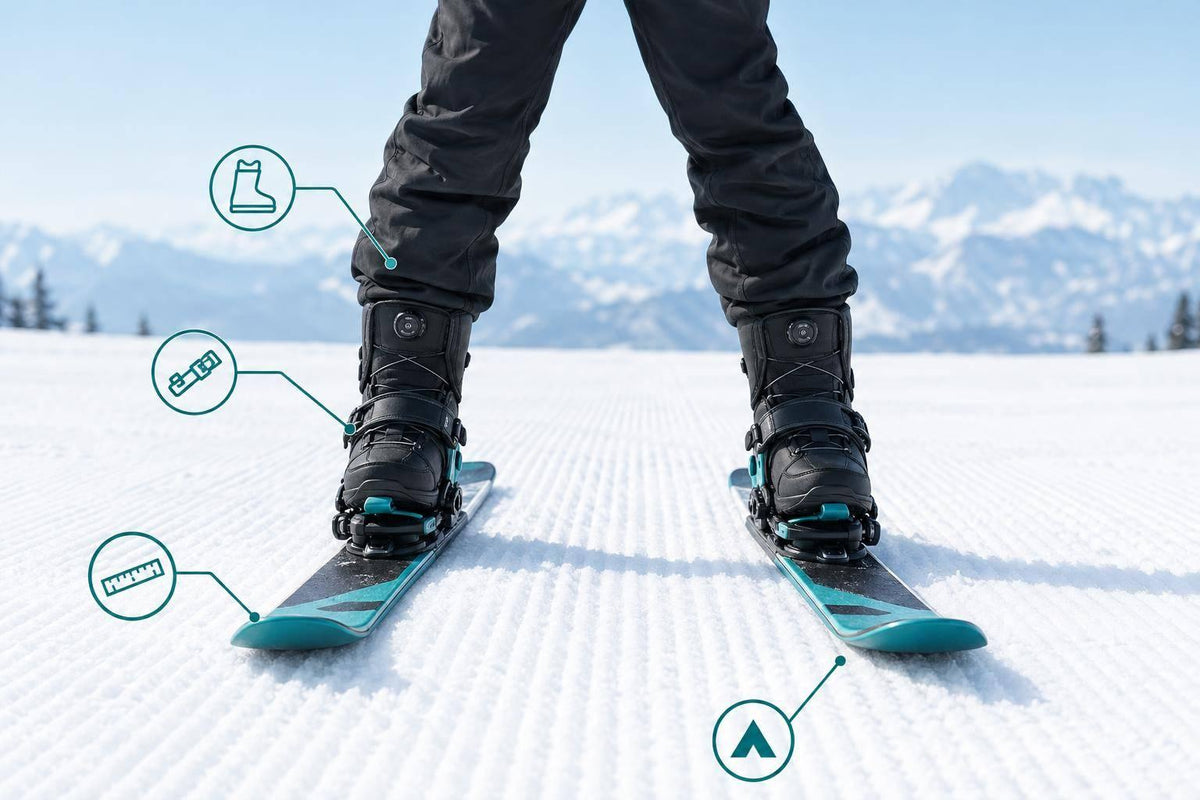
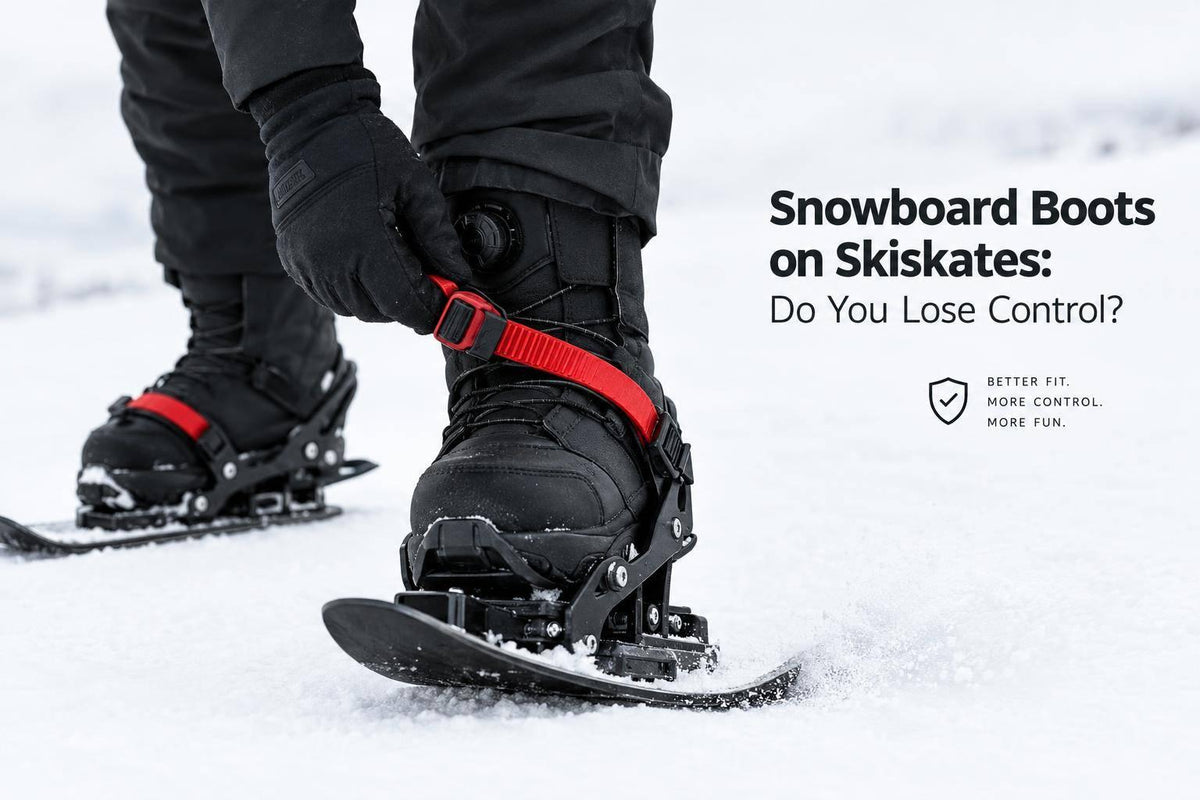
Snowboard-binding versions fit standard snowboard boots in the listed US 6–14.5 / EU 38–49 size range. Choose snug, waterproof boots with strong ankle support. Boot shape matters, too: adjust the tool-free bindings and use approved strap extensions if bulky boots need more room.
Snowboard boots feel more comfortable off-snow, while ski boots provide more edge support and control.
Secure Your Boots and Test the Fit
Tight straps alone don’t guarantee a snug fit. Follow your model’s instructions; the anti-slip base helps keep your boot steady.
- Center: Center each boot and seat the heel all the way back.
- Secure: Tighten the forefoot and ankle straps for a snug fit without pressure points.
- Test: On level ground, bend your knees and shift your weight. Stop and readjust if your heel lifts or your boot slides.
Check your resort’s leash rules before riding.
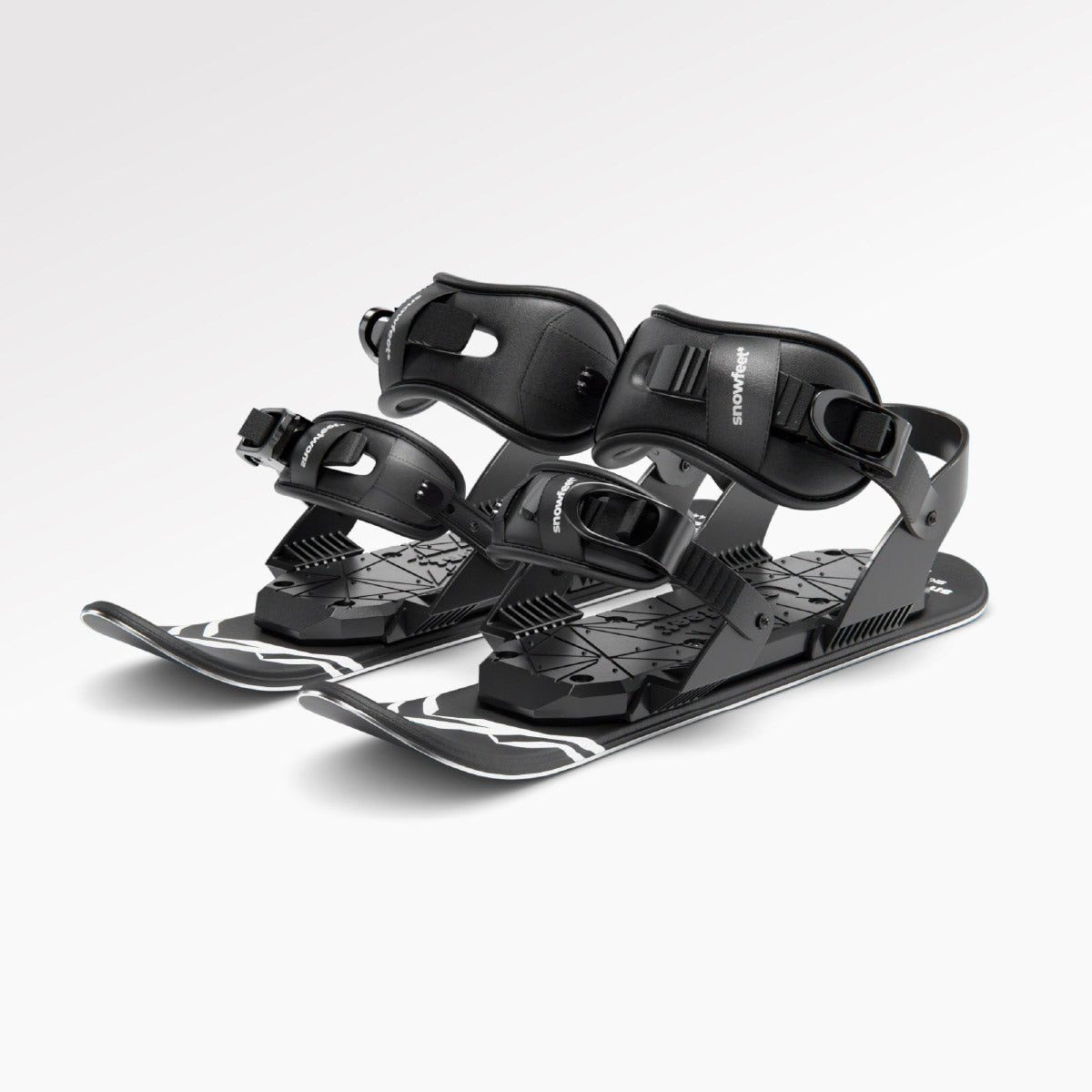
Ski or Skate on Snow? With Snowfeet 65 CM, You Can Do Both.
2. Learn Balance, Turns, and Stops on Gentle Terrain
With your boots fitted, start on flat snow before trying a slope. Choose a wide, uncrowded beginner area with groomed snow, a gentle slope, and a flat runout. Wear a helmet, yield to downhill riders, and look uphill before starting or crossing.
Practice on Flat Snow Before Gliding
On flat, groomed snow, practice a side-to-side skating motion. Keep your knees bent, your torso slightly forward, and your weight centered. Set your feet shoulder-width apart, with one foot slightly ahead.
Try short, straight glides before building speed. Once you feel steady, move to shallow traverses.
Link Gentle Turns to Control Speed
Shift pressure smoothly between your feet as you steer through rounded, linked turns. Increase your edge angle a little at a time.
Learn to Stop in Both Directions
From a slow glide, turn across the slope and press your edges into the snow until you stop. Practice in both directions.
Stay on short runs until you can stop reliably both ways. If your edges slip or your speed gets away from you, head back to flatter terrain and practice again.
sbb-itb-17ade95
3. Compare Snowboard Boots and Alpine Ski Boots
Once you’ve checked binding compatibility and fit, weigh the trade-off: easier walking or firmer support and control.
- Walking comfort: Snowboard boots flex more, making them easier to walk in. Rigid alpine ski boots are less comfortable off the snow.
- Ankle support and control: Snowboard boots let your ankles move more but offer less edge support. Alpine ski boots give you firmer support and more direct edge control.
- Binding compatibility: Both boot types need bindings designed for that specific type.
For casual beginners who already own suitable snowboard boots, a compatible Snowfeet* setup offers comfort, portability, and simplicity - without buying a second pair of boots.
Conclusion: Check Fit and Stopping Skills Before Moving On
Check the fit first. Then choose Snowfeet_ Skiskates 44 cm for easy carrying and quick pivots, or Snowfeet_ Skiblades 65 cm for more stability.
Reuse snowboard boots only with snowboard-boot-compatible bindings - not standard alpine bindings. Check the fit at home before you ride.
Once your setup is secure, stick to gentle terrain until you can link turns, control your speed, and stop reliably in both directions. Move to steeper slopes only when you can trust both your fit and your skills.
FAQs
How do I check my resort allows Snowfeet*?
Check your resort’s official website or contact guest services to confirm its current gear rules before you go. Nearly all ski resorts allow 44 cm (about 17.3-inch) Skiskates and similar Snowfeet* gear because they have metal edges and include the required safety leashes. Still, rules vary by location, so check ahead to avoid surprises.
How stiff should my snowboard boots be?
Choose snowboard boots with firm ankle support and side-to-side stiffness for your Snowfeet* Skiskates or Skiblades with snowboard-boot-compatible bindings. That support helps you engage the edges as you roll your knees, giving you precise, controlled turns on groomed terrain.
Skip soft boots that collapse at the ankle. They can make turning harder and put extra strain on your joints.
What should I know about non-release bindings?
Non-release bindings don’t automatically release your boots during a fall, so they offer less release protection than release bindings. They’re described as secure, beginner-friendly, and easier to set up, especially on shorter skis and skiblades.
For Snowfeet* Skiskates 44 cm (about 17.3 inches) and Skiblades 65 cm (about 25.6 inches), choose the snowboard-boot-compatible binding option, not the ski-boot version. Check boot fit and size, adjust the straps at home, and test the setup with your boots before riding.


Zostaw komentarz
Ta strona jest chroniona przez hCaptcha i obowiązują na niej Polityka prywatności i Warunki korzystania z usługi serwisu hCaptcha.