
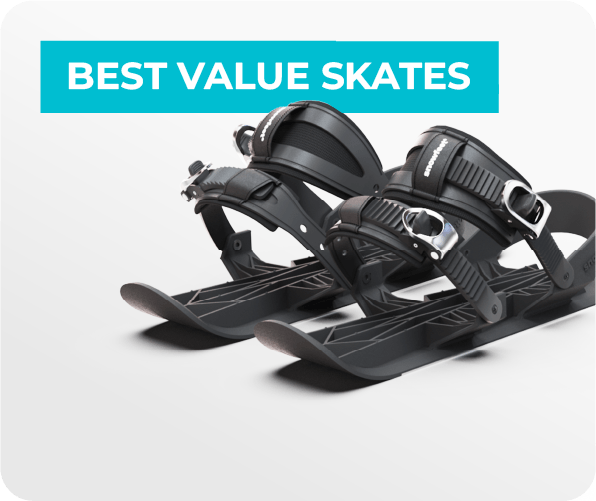
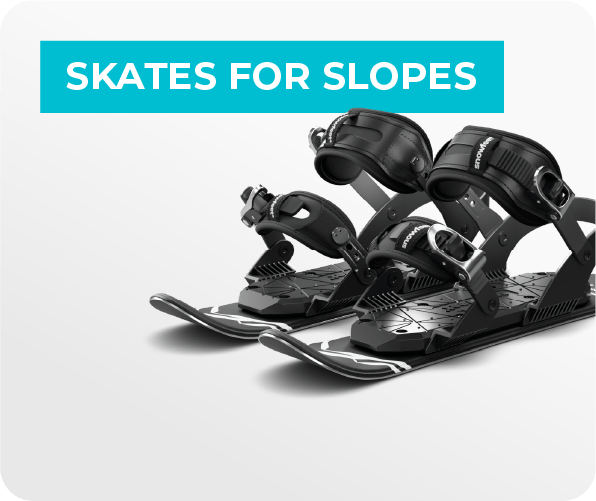
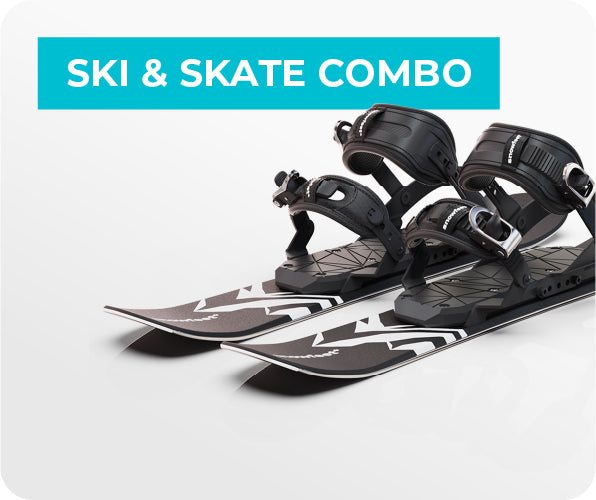
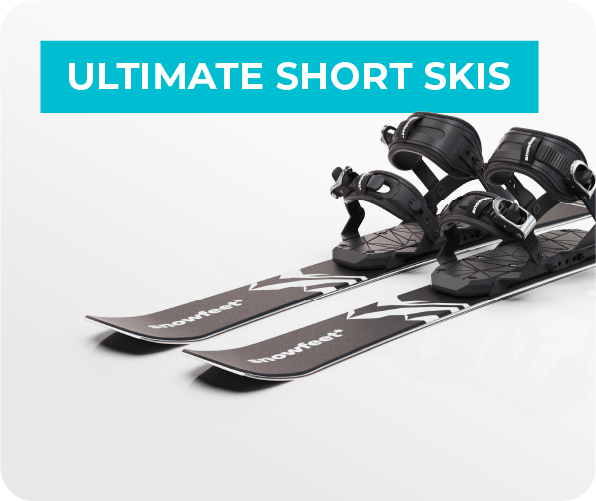
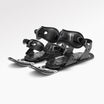
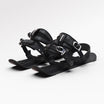
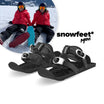
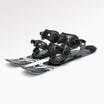
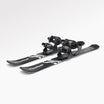
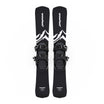
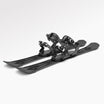
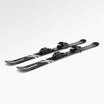
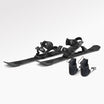
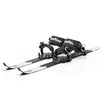
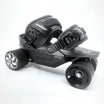
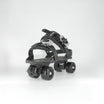
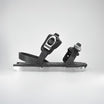
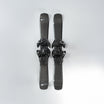

My advice: choose soft snowboard boots for flex and easier walking, or hard ski boots for firm support and more direct edge control. On 17.3-inch (44 cm) Skiskates, match your boots to the binding version before you ride.
Here’s how I’d narrow it down:
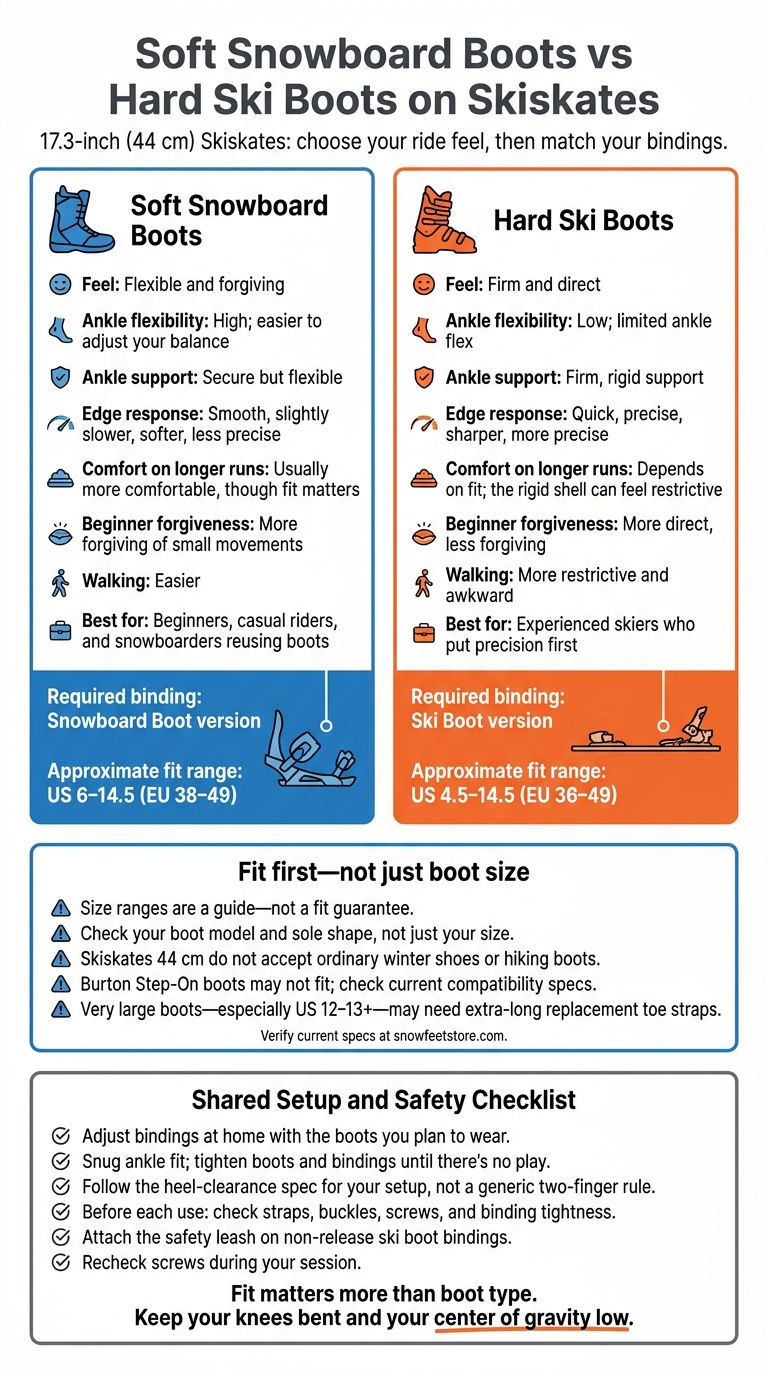
- Soft snowboard boots: More ankle movement and a forgiving feel for beginners and casual riders.
- Hard ski boots: Less ankle flex and sharper edge response for skiers who want precise control.
- Either setup: A snug fit, secure bindings, and bent knees matter more than a stiff shell alone.
Quick Comparison
| What matters | Soft snowboard boots | Hard ski boots |
|---|---|---|
| Feel | Flexible and forgiving | Firm and direct |
| Edge response | Softer, less precise | Sharper, more precise |
| Walking | Easier | More awkward |
| Fit range* | US 6–14.5 | US 4.5–14.5 |
| Required binding | Snowboard Boot version | Ski Boot version |
Size ranges are a guide - not a fit guarantee.
<u>Check your boot model and sole shape, not just your size.</u> These Skiskates don’t accept ordinary winter shoes or hiking boots, and Burton Step-On boots may not fit. I’d check the current specs, adjust the bindings at home, and inspect straps, buckles, and screws before each use. Use the safety leash with non-release ski boot bindings.
Soft Snowboard Boots vs Hard Ski Boots on Skiskates
All you need to know - Snowfeet* | Skiskates | Skiboards | Snowblades | Skiblades FAQ
How Boot Choice Affects Your Ride
Boot flex changes how Skiskates feel: softer boots favor comfort, while harder boots favor precision. The main difference is how each boot transfers your movements to the skates.
Soft Snowboard Boots: Flex and Walking Comfort
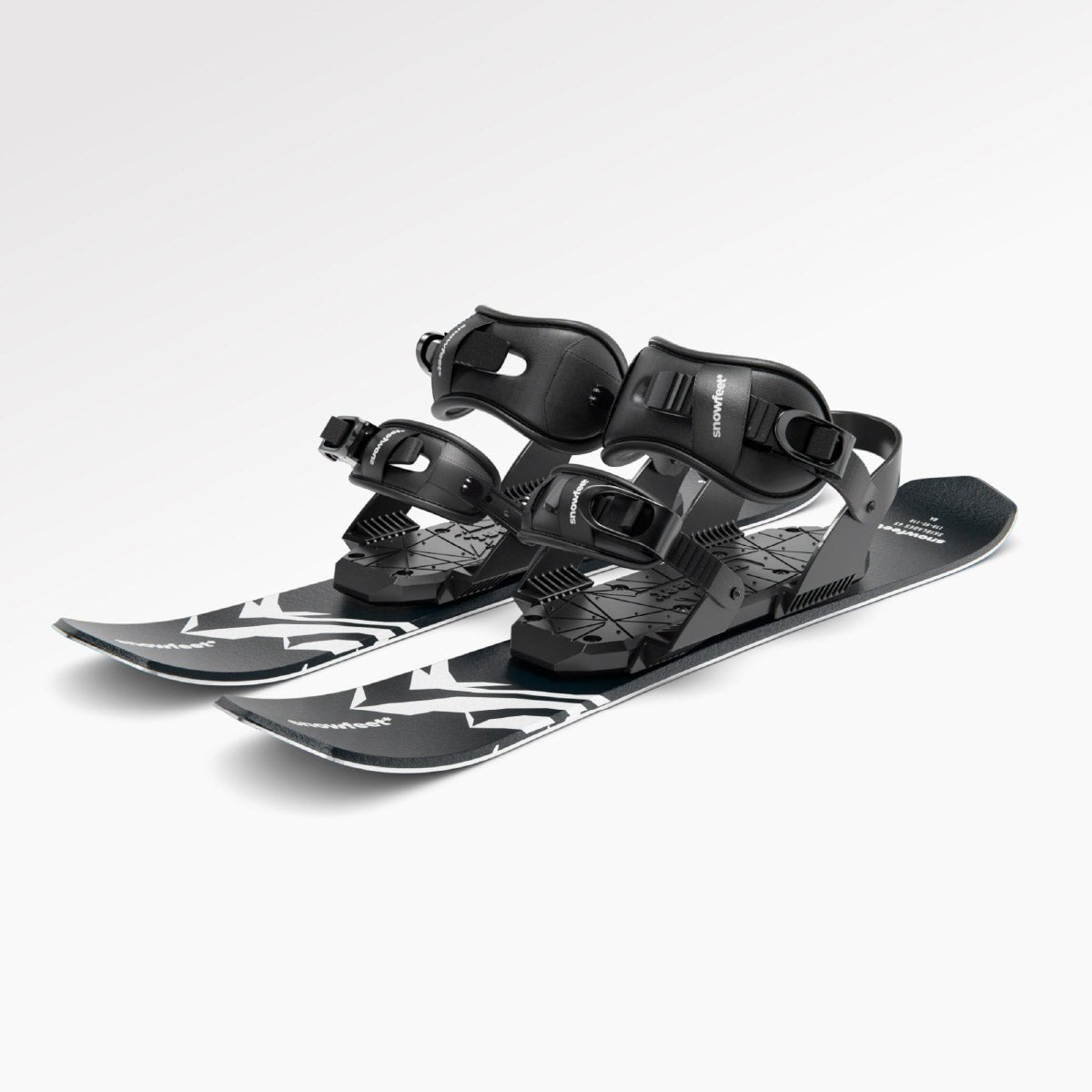
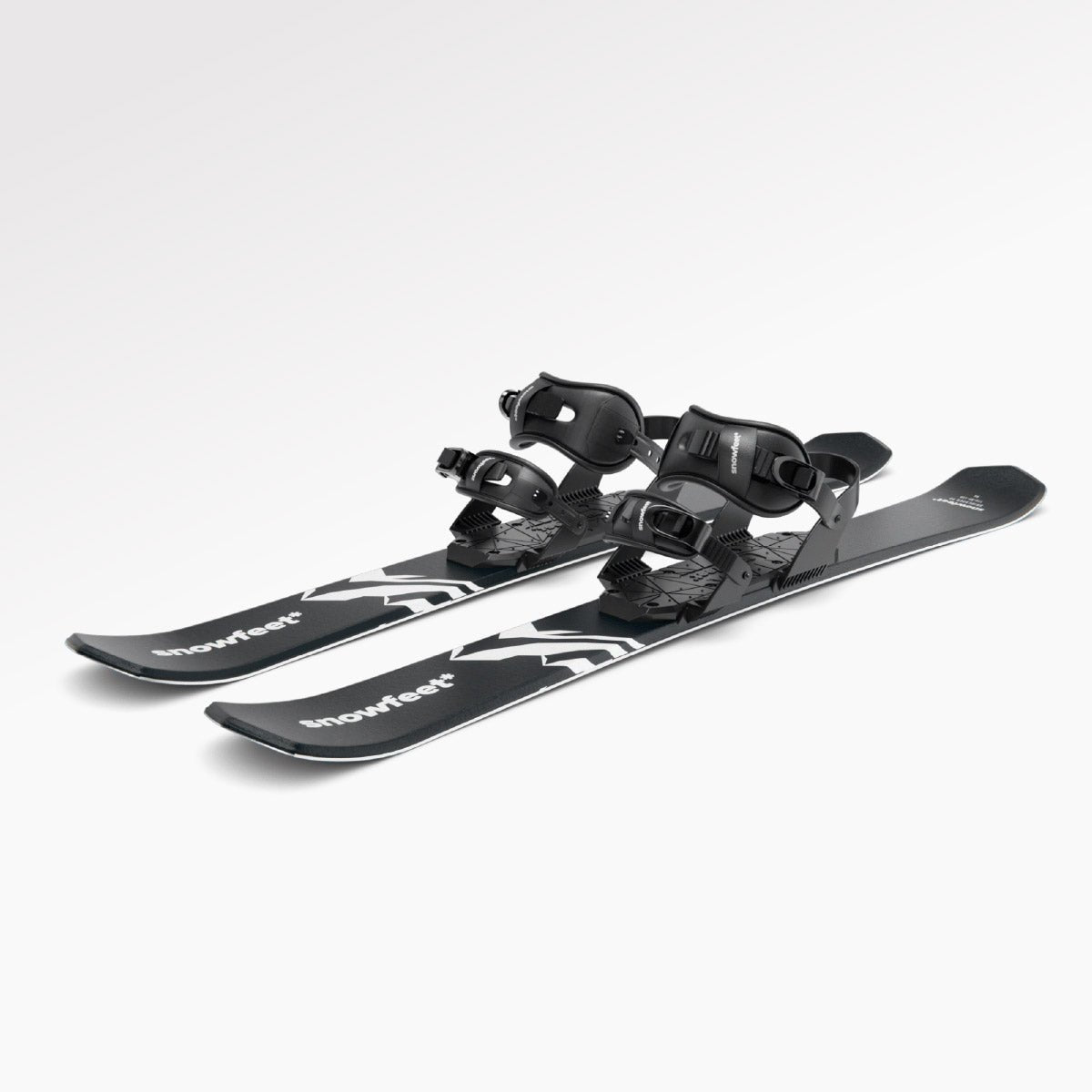
Pair soft snowboard boots with the snowboard-boot binding version.
These boots allow more ankle movement, so they’re easier to walk in between runs. But soft doesn’t mean loose. You still need a snug fit with secure ankle support to stay in control. The extra flex trades some edge precision for easier walking and a more relaxed feel.
Hard Ski Boots: Support and Edge Response
If you wear alpine ski boots, pair them with the ski-boot version before riding.
Hard ski boots have rigid shells that limit ankle movement. This gives you faster edge response and more precise control, but makes walking less comfortable. Fit and binding match matter just as much as that added precision.
Next, compare comfort, responsiveness, and walking ease side by side.
Soft vs. Hard Boots: Side-by-Side Comparison
With the right binding version, the choice comes down to feel and control.
| Feature | Soft snowboard boots | Hard ski boots |
|---|---|---|
| Ankle flexibility | High; easier to adjust your balance | Low; limited ankle flex |
| Comfort on longer runs | Usually more comfortable, though fit matters | Depends on fit; the rigid shell can feel restrictive |
| Ankle support | Secure but flexible | Firm, rigid support |
| Edge-to-edge response | Smooth, slightly slower | Quick and precise |
| Beginner forgiveness | More forgiving of small movements | More direct, less forgiving |
| Walking on snow and around the resort | Easier | More restrictive and awkward |
| Best for | Beginners, casual riders, and snowboarders reusing boots | Experienced skiers who put precision first |
These are general trends, not fixed rules. Fit matters more than boot type, and the boots must match the bindings. A rigid shell alone won’t make short Skiskates more stable.
On 17.3-inch (44 cm) Skiskates, pay attention to front-to-back balance. Keep your knees bent and your center of gravity low. Don’t rely on the boot shell to hold you steady.
Before riding, check that your boots fit well and work with your bindings.
sbb-itb-17ade95
Check Binding Compatibility and Boot Fit
Choose the Binding That Matches Your Boots
Once you’ve chosen flex or precision, match the binding to your boots:
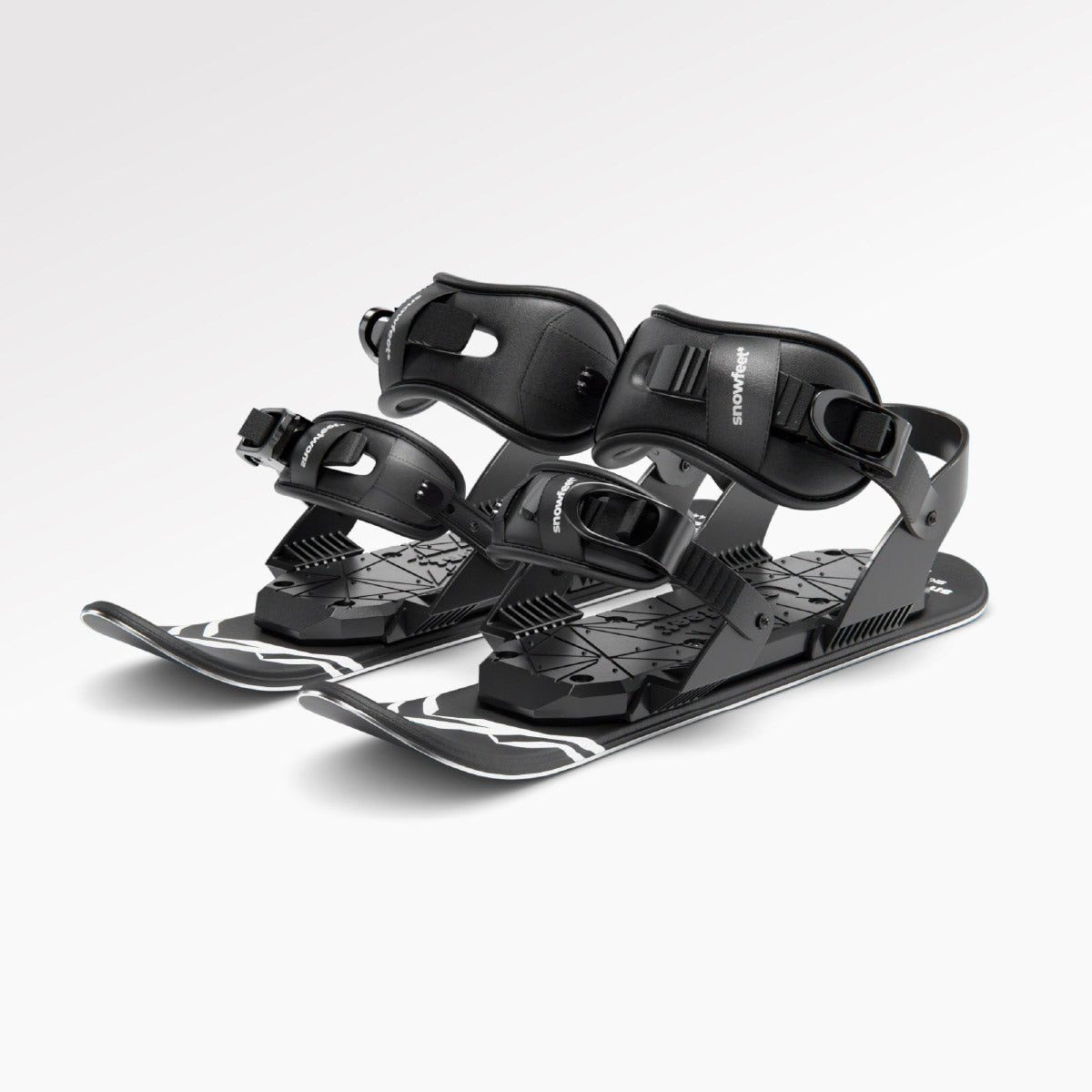
- Snowboard Boot bindings: For soft snowboard boots, about US 6–14.5 (EU 38–49).
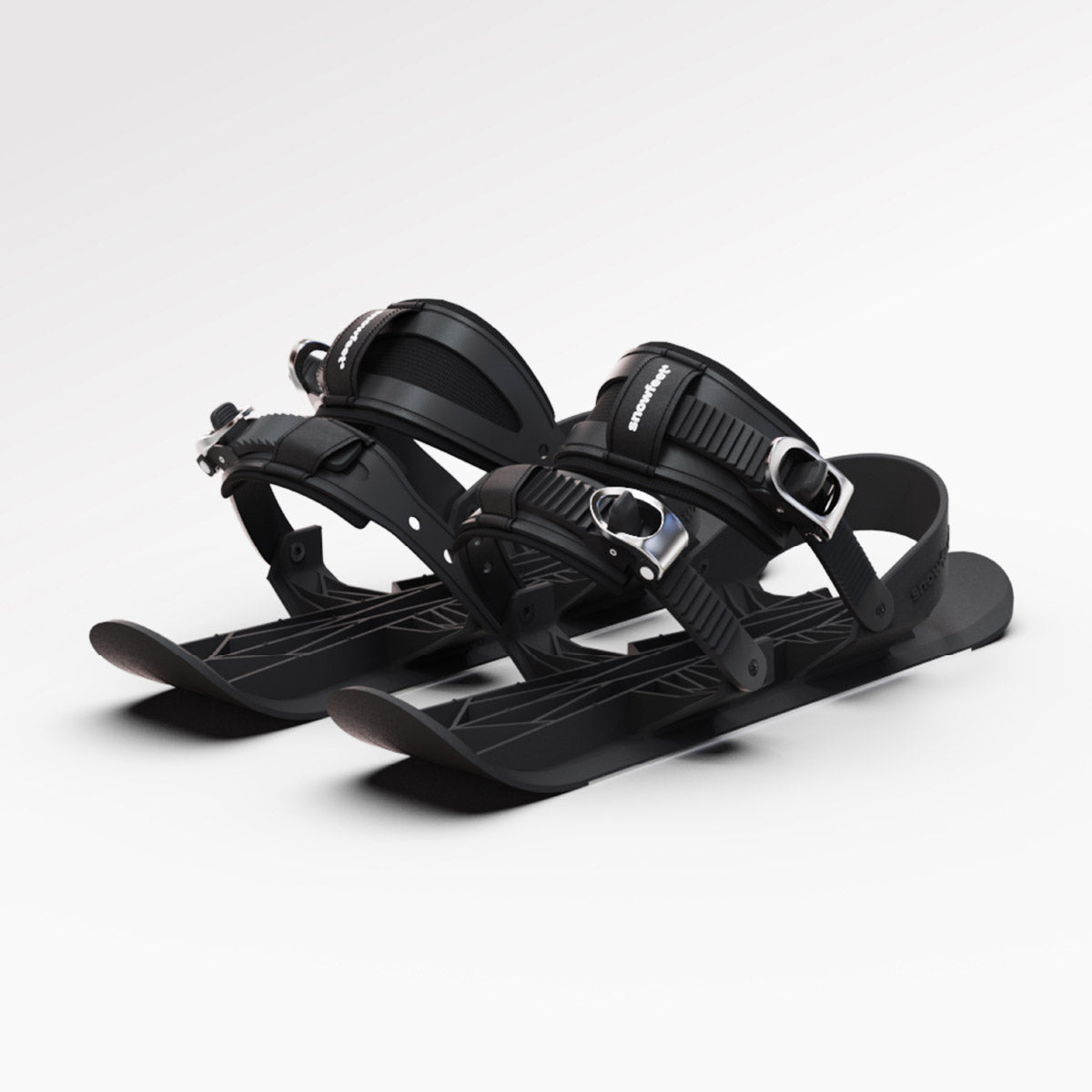
- Ski Boot bindings: For rigid alpine boots, about US 4.5–14.5 (EU 36–49).
Check the sole shape and boot model, too - not just the size. Skiskates 44 cm do not accept ordinary winter shoes or hiking boots.
Burton Step-On boots often don’t fit because of their sole shape. Check your boot model against the current specs on snowfeetstore.com, read the setup brochure, or email contact@snowfeetstore.com.
Adjust the Fit and Inspect Your Setup
Set up your bindings at home with the boots you plan to wear. Make sure the boots hold your ankles snugly, then tighten the boots and bindings until there’s no play.
You may need a screwdriver to adjust the strap holes. Very large boots - especially US 12–13+ - may need extra-long replacement toe straps to hold them securely without too much pressure. Follow the heel-clearance spec for your setup, not a generic two-finger rule.
Still feeling loose? Recheck the strap holes and compare your boot model with the current specs before riding.
Before each use, check the straps, buckles, screws, and binding tightness. Attach the safety leash on non-release ski boot bindings. Check the screws again during your session, since they can loosen.
Conclusion: Which Setup Fits Your Riding?
Choose by ride feel, not by which boot seems more advanced. Once you’ve compared flex, support, and walking comfort, pick the setup that suits how you ride.
| Rider profile | Recommended configuration | Main reason |
|---|---|---|
| Beginners and casual riders who want comfort | Snowboard boots + Snowboard Boot bindings | More forgiving flex and easier walking. |
| Snowboarders using boots they already own | Snowboard boots + Snowboard Boot bindings | Keeps familiar boots in use without extra gear. |
| Experienced skiers who want precision | Alpine ski boots + Ski Boot bindings | Firm support and more direct edge response. |
Treat this as a fit-and-feel guide, not a compatibility rule.
Snowfeet* Skiskates 44 cm are the better fit for most casual resort riders, as long as the boots match the binding version.
FAQs
How stiff should my snowboard boots be for Skiskates?
For 44 cm (17.3-inch) Snowfeet* Skiskates, snowboard boots are the preferred choice for most riders, offering a balance of comfort and mobility. Pick medium-stiff freestyle boots for a playful feel across different riding styles, or stiffer freeride boots for more stability at higher speeds.
Look for a snug, proper fit, firm ankle support, and waterproofing. Skip overly soft boots: they can let your feet slide or your ankles collapse, making it harder to control your edges.
Can I switch binding versions if I change boots?
No, _you can’t switch between the ski-boot and snowboard-boot versions of Snowfeet Skiskates after purchase._* Each version has its own binding system, built for that boot type and sole structure. Pick the version that fits the boots you plan to use when you buy.
How can I test my boot fit before riding?
At home, adjust your bindings with a screwdriver while wearing the boots you’ll use. Center the ball of your foot in the binding, fasten the toe strap over a sturdy part of the sole, and lock the heel piece. Then stand up and check for wobble in every direction.
Use matching settings on both bindings to keep your turns consistent. Before every run, check all straps and buckles for wear.




댓글 남기기
이 사이트는 hCaptcha에 의해 보호되며, hCaptcha의 개인 정보 보호 정책 과 서비스 약관 이 적용됩니다.