
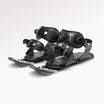
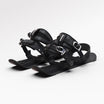
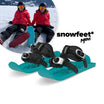
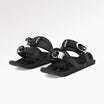
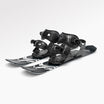
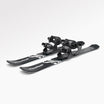
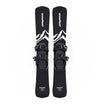
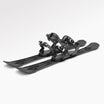
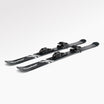
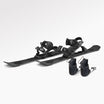
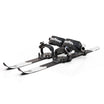
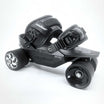
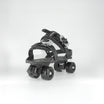
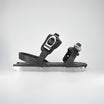
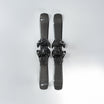
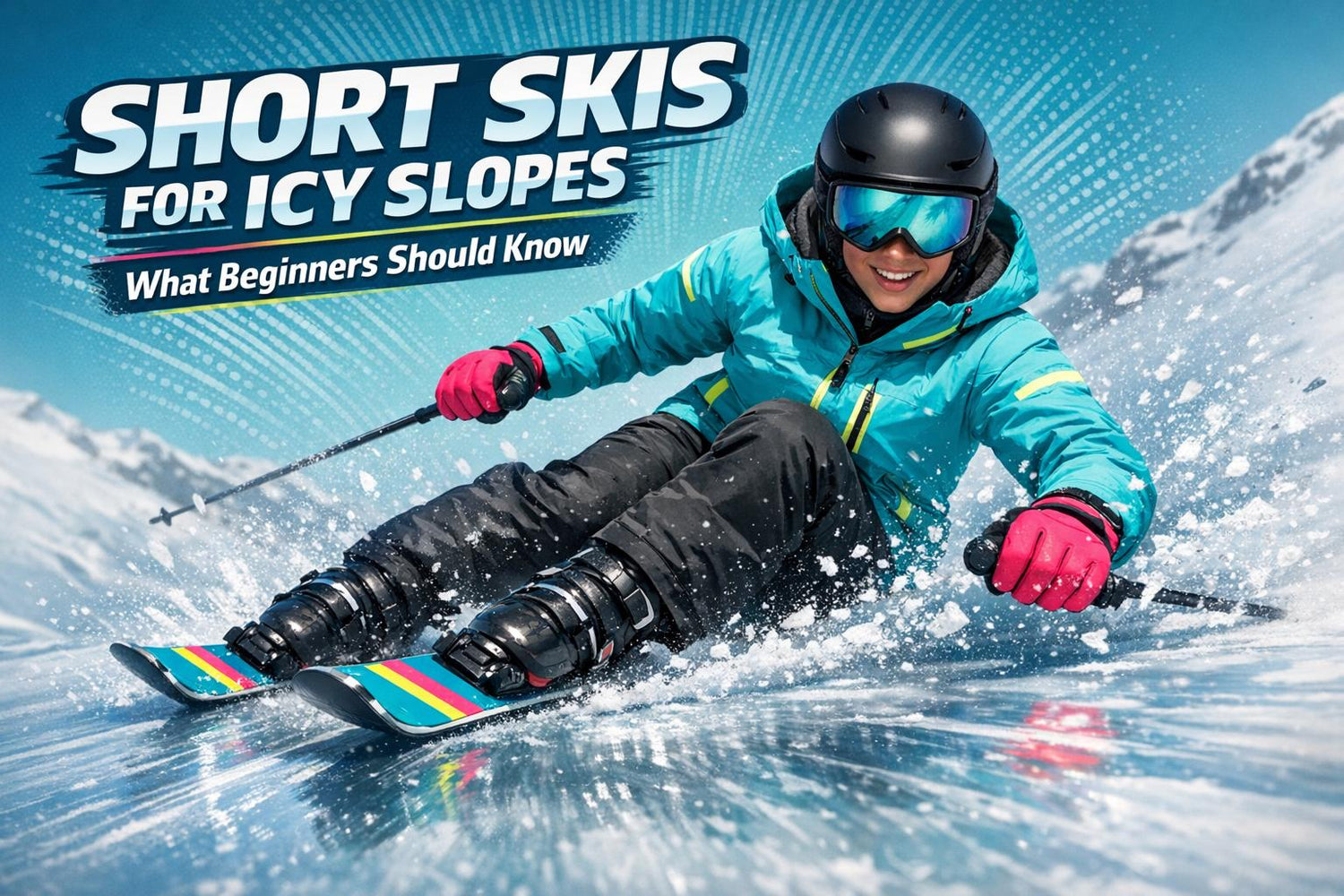
Looking to tackle icy slopes without the stress? Short skis, like Snowfeet Skiblades, might be your ticket to smoother runs. Unlike longer skis, short skis are easier to control, quicker to turn, and more forgiving - perfect for beginners on slick terrain. Plus, they’re lightweight and portable, fitting into a backpack or carry-on bag. Here’s what you need to know:
- Shorter Length = Easier Turns: Sizes range from 44 cm to 120 cm, making them great for tight turns and better edge grip at slower speeds.
- Lightweight & Portable: A pair of 65 cm Skiblades weighs just 3.79 lbs - no roof rack or oversized luggage needed.
- Beginner-Friendly: Master the basics in a few runs, thanks to their simple maneuverability.
- Boot Compatibility: Most models work with regular winter or snowboard boots, skipping the need for specialized gear.
If you’re nervous about icy slopes, the 99 cm or 120 cm models offer more stability for beginners. Ready to hit the slopes? Let’s dive into the details of why these skis are a game-changer.
HOW TO SKI ON ICE | 4 tips to tackle icy ski slopes
Benefits of Short Skis on Icy Slopes
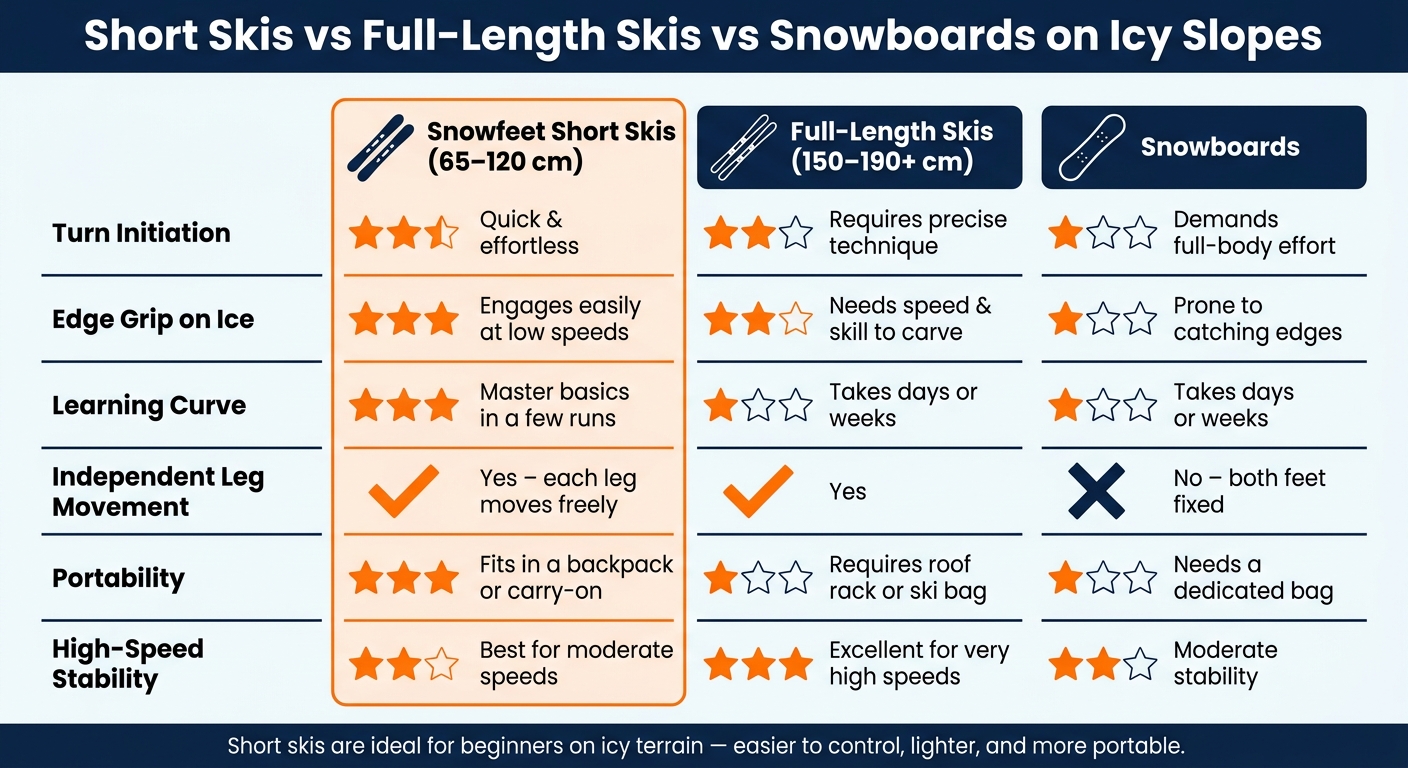
Snowfeet Short Skis vs Full-Length Skis vs Snowboards: Beginner Ice Performance Comparison
What Are Short Skis and How Are They Different?
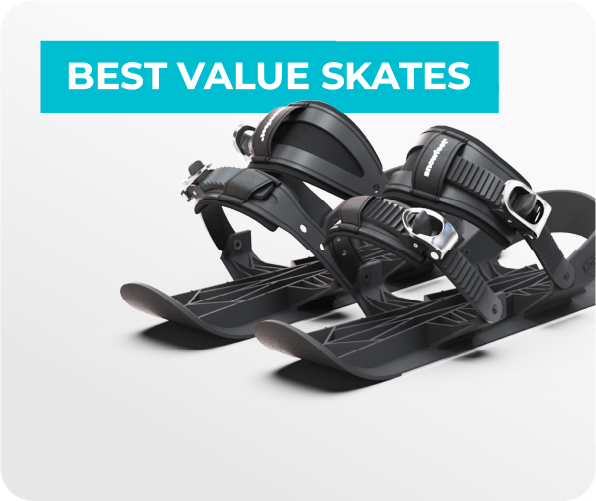
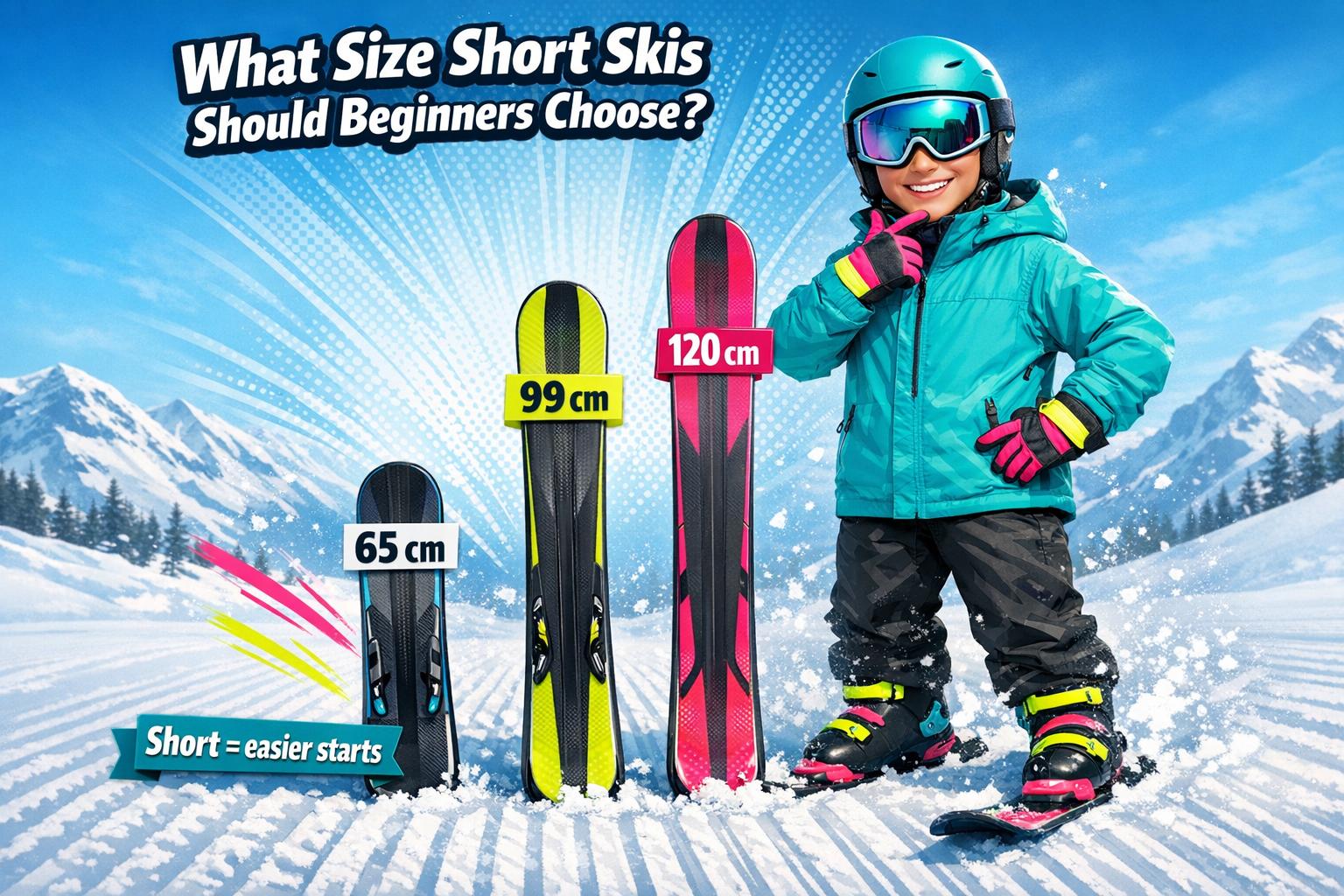
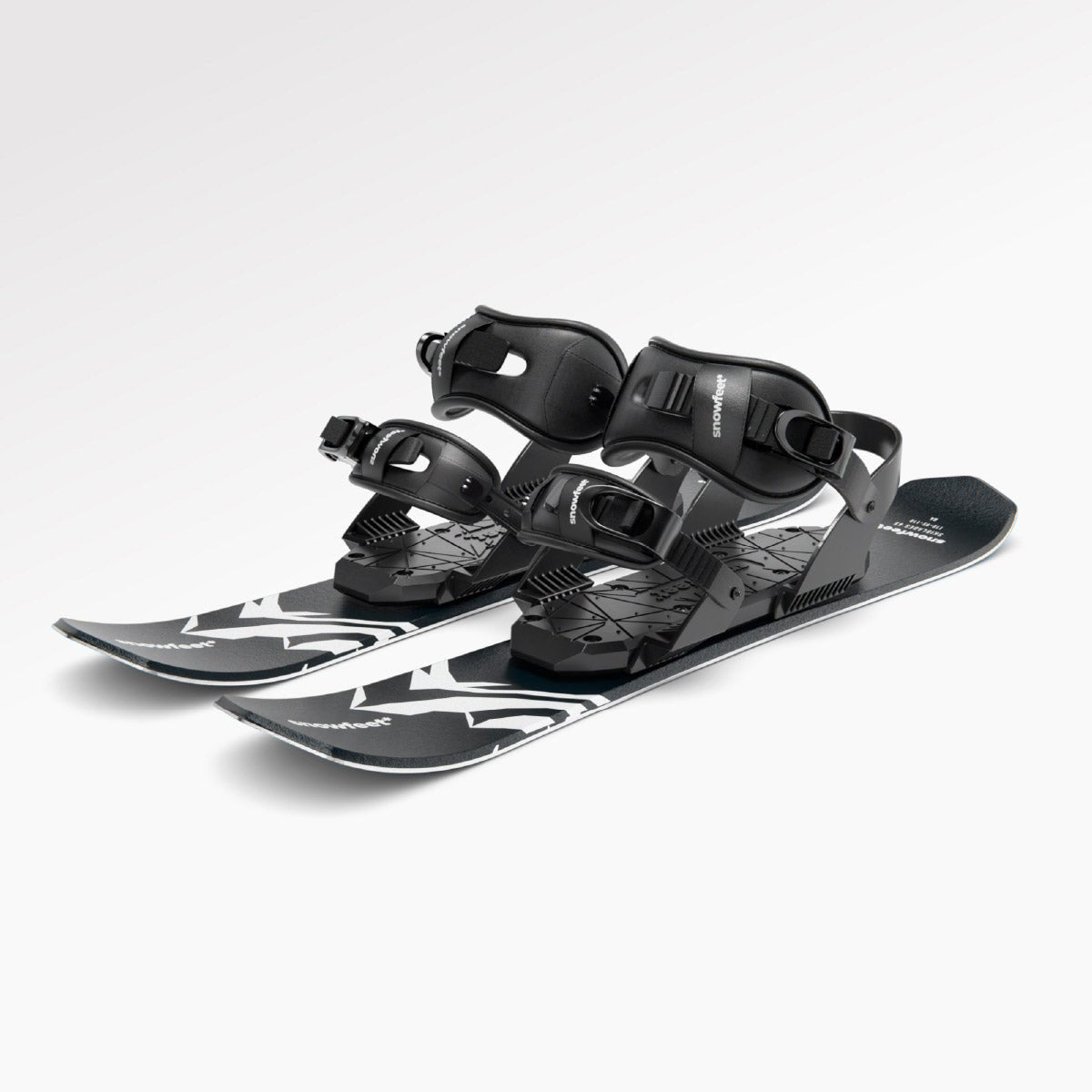
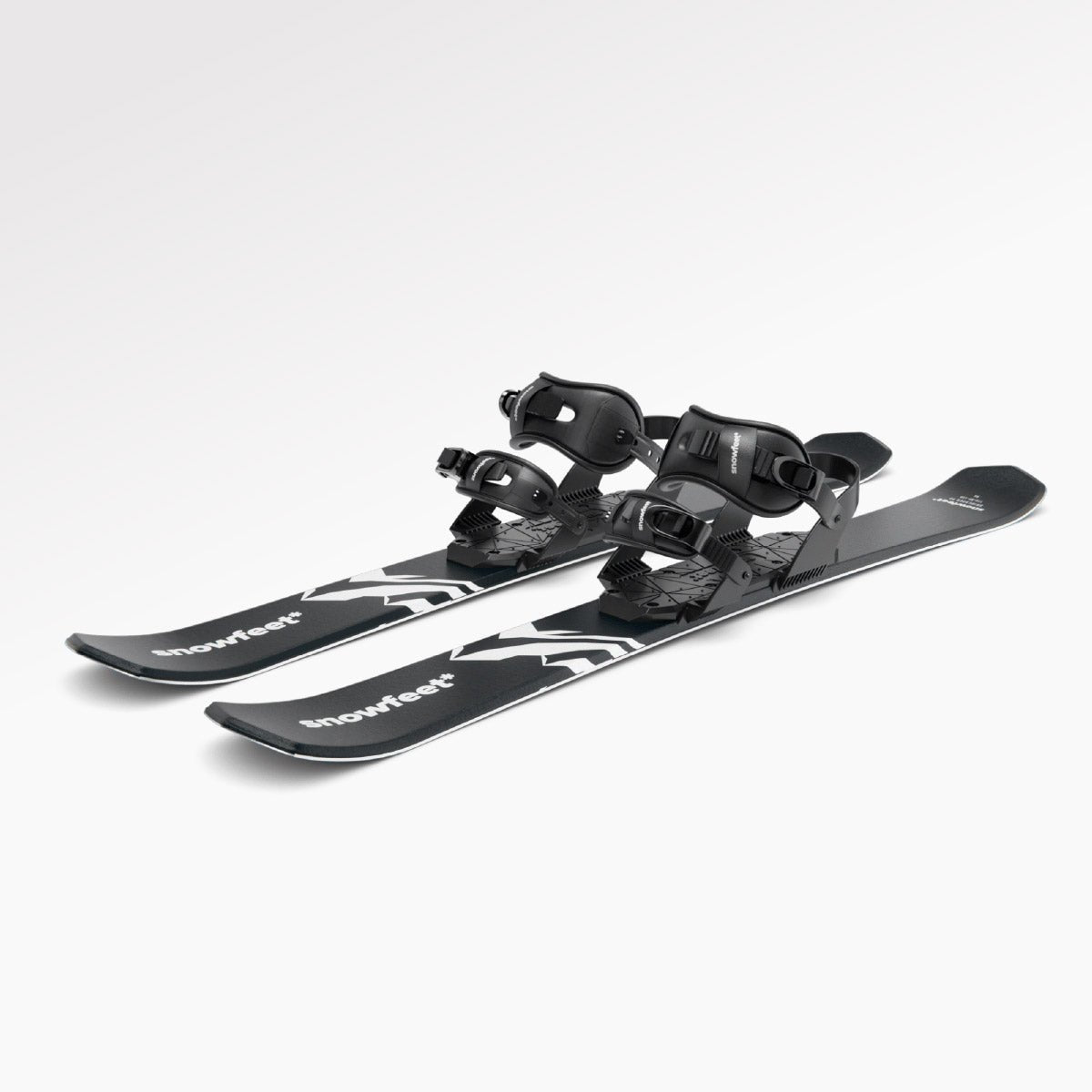
Short skis typically range from 44 to 120 cm, a far cry from the traditional 150–190+ cm skis. Within this category, Snowfeet* offers a variety of options. At the smaller end, Skiskates (about 44 cm) combine the feel of ice skates with skis. Moving up in size, Skiblades are available in 65 cm, 99 cm, and 120 cm lengths, with each size offering more glide and stability as you go.
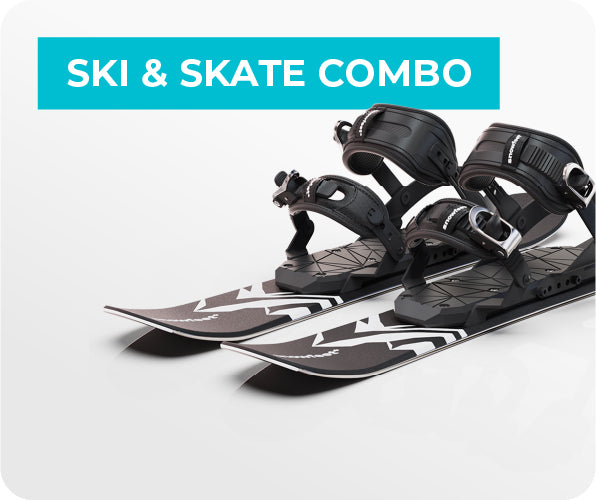
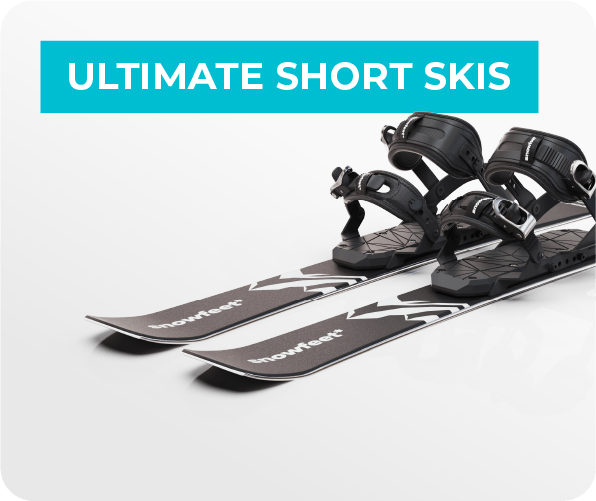
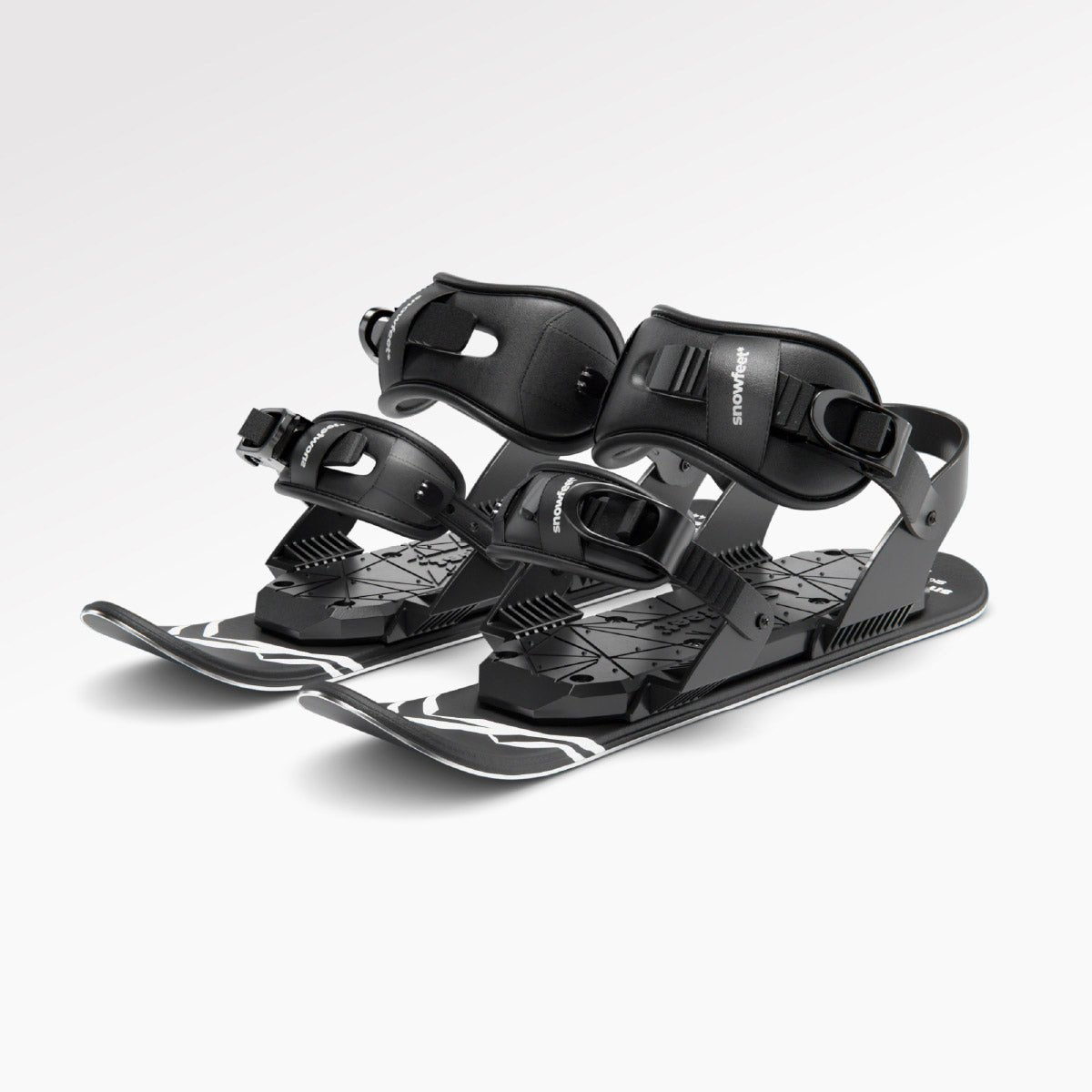
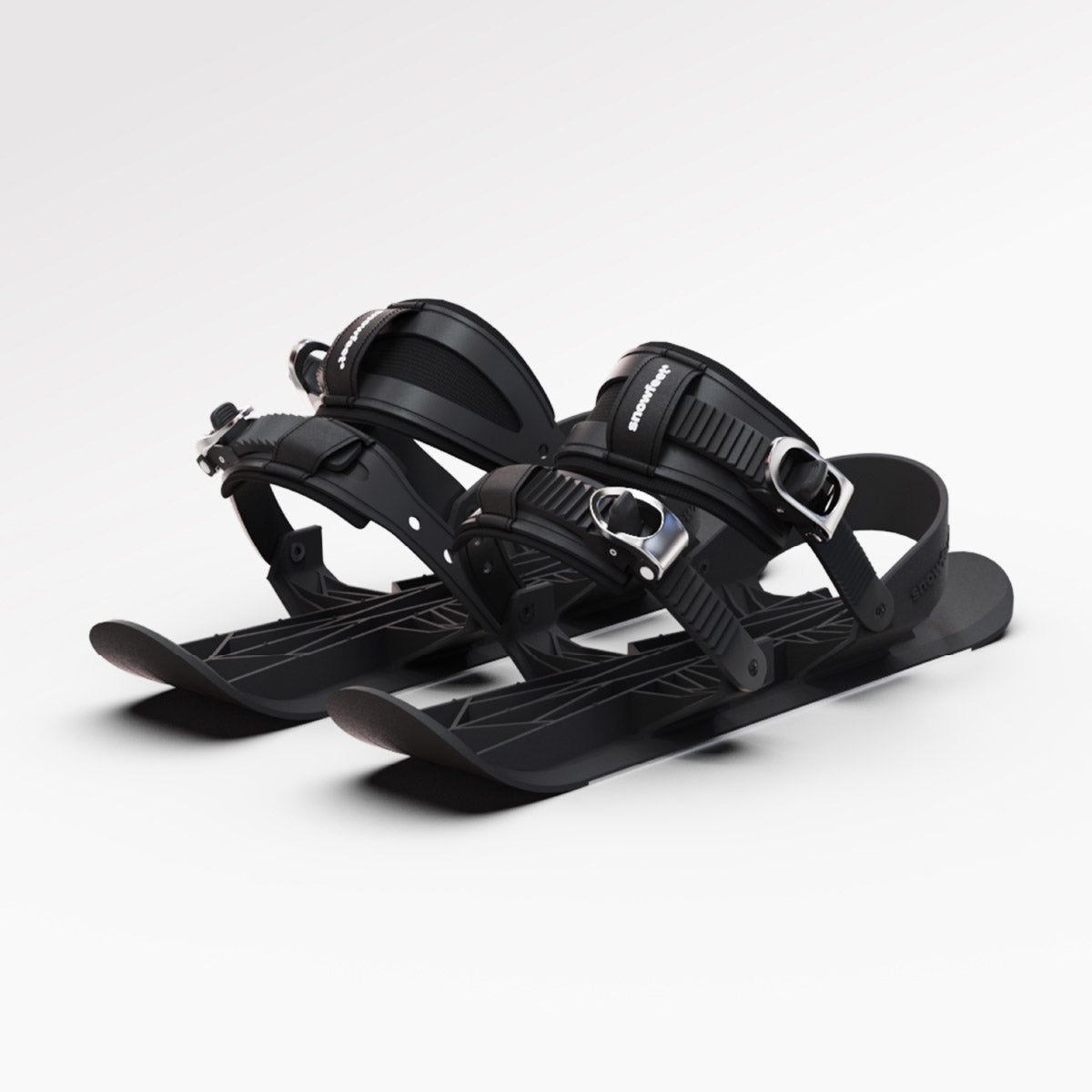
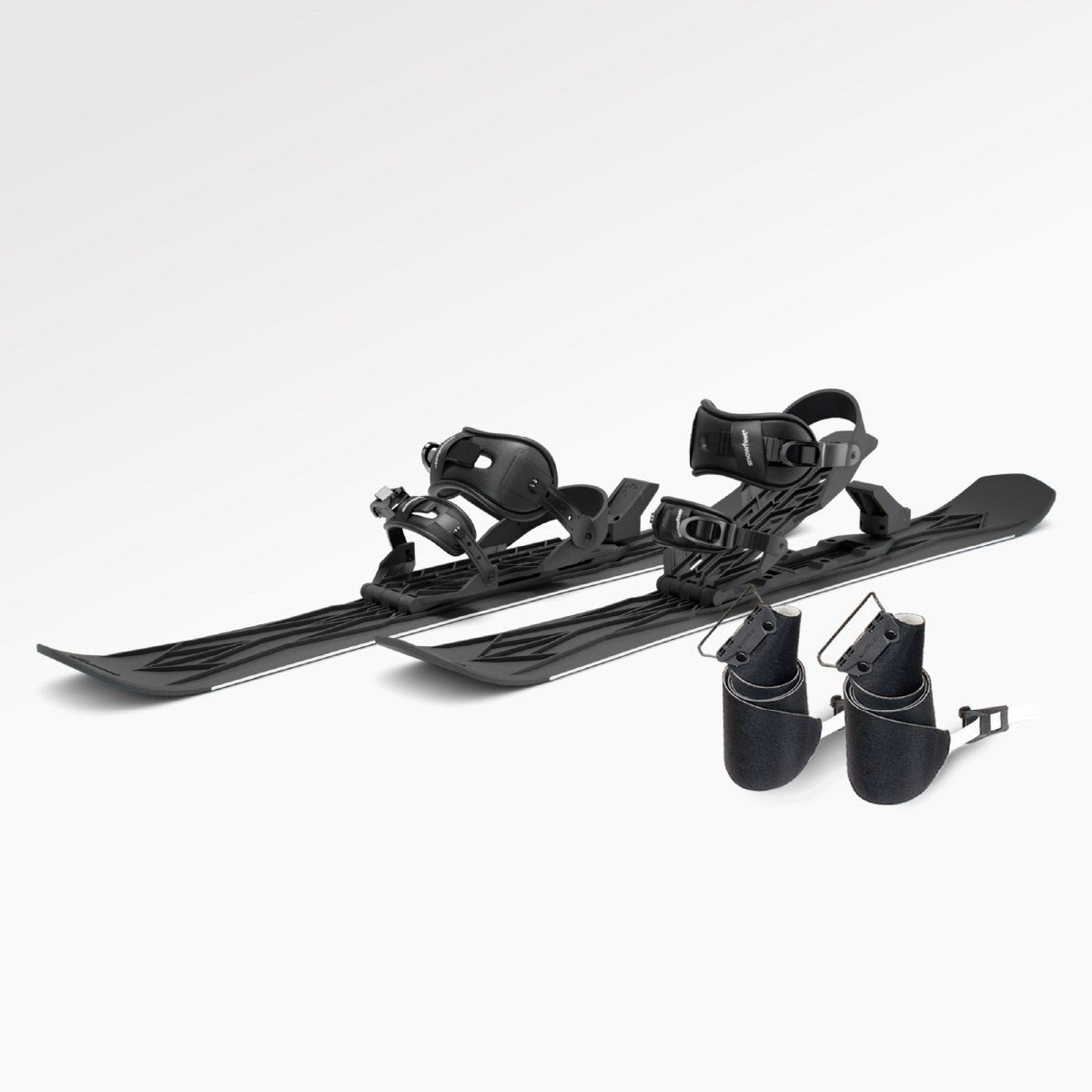
But don’t think of these as just mini versions of regular skis. Snowfeet* Skiblades are purpose-built with features like a narrow waist, deep parabolic sidecut, metal edges, and a camber shape - all packed into a compact frame. This design ensures that the edges engage quickly and evenly when tipped, making long, sweeping arcs unnecessary. Unlike snowboards, which require both feet to stay fixed sideways on one board, short skis allow for independent leg movement. This means each leg can react separately to icy patches, giving you better control. These unique design elements make short skis a standout option for icy conditions, as we’ll explore further.
Why Short Skis Handle Ice Better
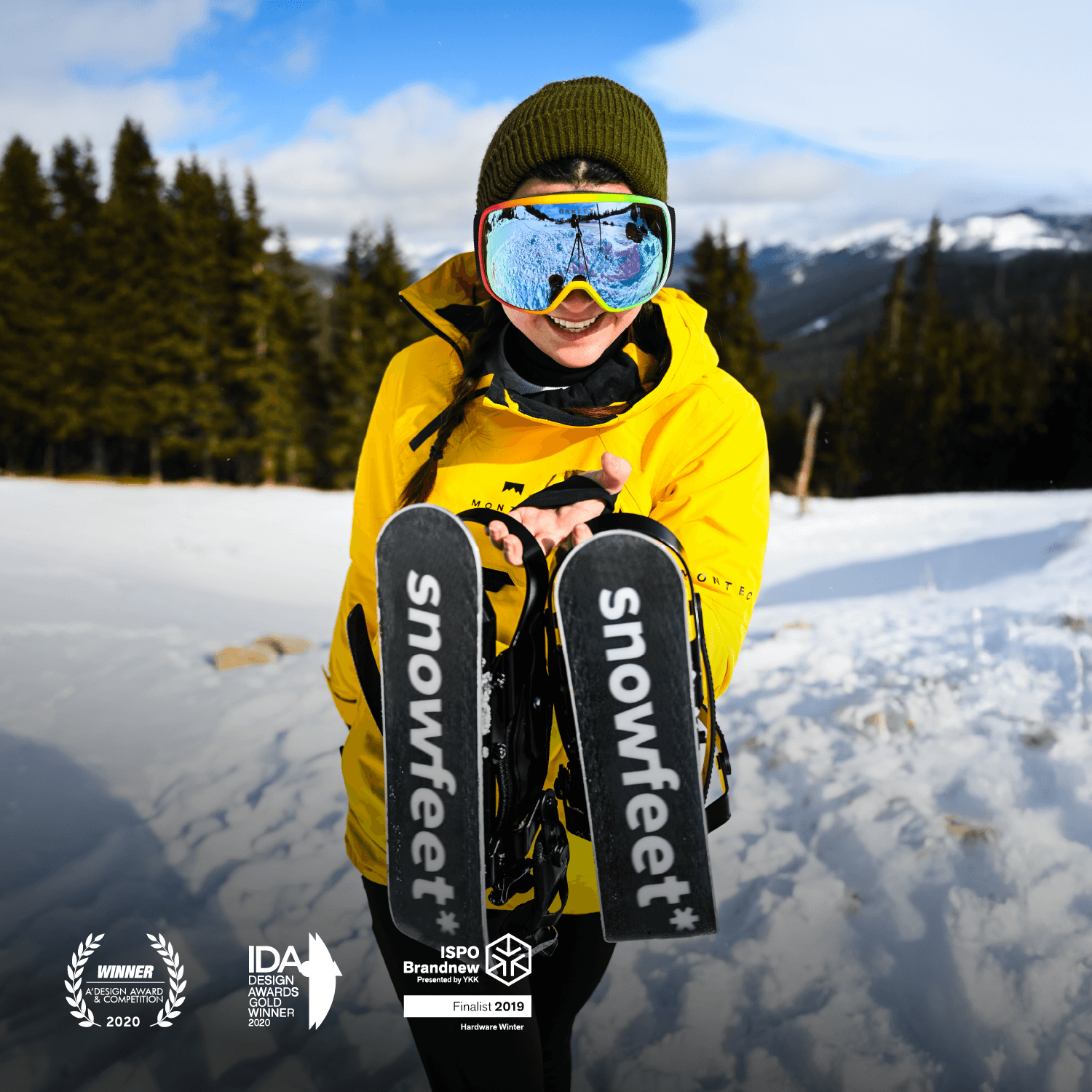
Short skis thrive on icy slopes, thanks to their compact length. With longer skis, even a small mistake - like leaning back too far or hesitating on a turn - can snowball into a bigger issue. But with 65 cm or 99 cm Skiblades, those errors are much easier to correct. Their shorter length means the edges engage more evenly at slower speeds, giving you quicker feedback. Plus, they’re incredibly lightweight - just 3.79 lbs per pair for the 65 cm Skiblades with bindings. This makes it easier to adjust your stance and regain control with just subtle movements, rather than needing a full-body shift.
"I was nervous about the boots not being stiff enough for skis but it was not an issue at all. SUPER comfortable, easy to control, very agile, easy on the knees and ankles because they are so light." - Mike E, Verified User
Now, let’s see how Snowfeet* short skis stack up against full-length skis and snowboards, especially for beginners.
Snowfeet* vs. Full-Length Skis and Snowboards
Here’s a quick breakdown of how Snowfeet* short skis compare to traditional skis and snowboards on icy terrain:
| Factor | Snowfeet* Short Skis (65–120 cm) | Full-Length Skis (150–190+ cm) | Snowboards |
|---|---|---|---|
| Turn initiation | Quick and effortless | Requires precise technique | Demands full-body effort |
| Edge grip on ice | Engages easily at low speeds | Needs speed and skill to carve | Prone to catching edges on ice |
| Learning curve | Master the basics in just a few runs | Takes days or even weeks | Also takes days or weeks |
| Independent leg movement | Yes, each leg moves freely | Yes | No, both feet are fixed |
| Portability | Fits in a backpack or carry-on | Requires a roof rack or ski bag | Needs a dedicated bag |
| High-speed stability | Best for moderate speeds | Excellent for very high speeds | Moderate stability |
For icy groomers in places like Vermont or Colorado, Snowfeet* short skis bring a huge convenience factor. Their compact size and lightweight design make them easy to carry - no need for a roof rack or oversized luggage fees. Whether it’s a quick weekend trip or a marginal snow day, these skis are ready to go without the usual hassle of bulky gear.
How to Prepare for Icy Slopes with Snowfeet*
Picking the Right Snowfeet* Model
When choosing your Snowfeet*, it’s all about balancing agility and stability. Shorter models, like the 65 cm Skiblades, are incredibly nimble. They’re perfect for quick, controlled movements and slower speeds, making them a great option for crowded or narrow icy runs. If you’ve got skating experience, you’ll feel right at home with the 65 cm model’s sharp responsiveness.
The 99 cm Skiblades strike a nice balance between edge hold and maneuverability. They’re versatile and handle icy groomers with ease, making them a solid all-around choice. For those who prioritize stability and maximum edge contact on hard-packed snow, the 120 cm Skiblades ($775) are the way to go. These longer blades are built for confidence on icy terrain.
"65 cm is the sweet spot - quick to learn, fast on groomers and super agile even between trees." - Jan, Representative, Snowfeet*
Beginners or anyone who feels a little nervous about icy conditions might find the 99 or 120 cm models more forgiving than the ultra-responsive 65 cm. Once you’ve picked your model, it’s time to make sure your gear is ready to tackle those icy slopes.
Gear You Need Before You Go
One of the best things about Snowfeet* is how simple the gear setup is. Unlike traditional skis, most Snowfeet* models work with regular winter boots or snowboard boots, meaning you can skip the hassle of renting or buying specialized ski boots.
However, on icy slopes, your boots matter more than you might think. Look for boots with a flat, stiff sole and strong ankle support. Snowboard boots are a top choice, but high-quality insulated winter boots can work too. Steer clear of boots that feel floppy or lack support - they’ll make it harder to control your edges and can leave you feeling unsteady on ice. Test the fit of your boots in your bindings at home to make sure they’re secure and wobble-free.
Besides boots, here’s what you’ll need:
- A certified snow sports helmet for safety
- A waterproof jacket and pants to stay dry
- Moisture-wicking base layers for warmth
- Goggles to protect your eyes from snow glare
- Sturdy gloves or wrist guards for extra protection
Ice days are often colder and windier than powder days, so dress for temperatures well below freezing (°F). Once you’ve got your gear sorted, it’s time to focus on ski maintenance.
Getting Your Skis Ready for Ice
Sharp edges are your best friend on icy slopes. Snowfeet* Skiblades are equipped with metal edges, but like any ski, they dull over time - especially after battling abrasive, icy conditions. Dull edges won’t grip properly, causing your skis to slide sideways, making turns feel sloppy, and stopping a real challenge.
Before hitting the slopes, check your edges for any damage. If you notice small nicks, smooth them out with a gummy stone. For a sharper, more precise edge, use a file guide. This will help your skis bite into the ice, giving you better control. For regular resort use, aim to tune your edges every 2–4 ski days. If your skis feel like they’re slipping during turns or stopping takes more effort than usual, it’s time to sharpen them again.
Keeping your edges sharp is key to getting the most out of your Snowfeet*. With properly maintained edges, your skis will grip firmly, carve cleanly, and stop with ease - even on the iciest terrain. The difference is night and day: sharp edges mean smooth and controlled runs, while dull edges can leave you struggling to stay in control.
sbb-itb-17ade95
Short Ski Techniques for Icy Slopes
With your gear prepped and ready, the next challenge is nailing your technique on those slick, icy slopes.
Stance and Balance on Ice
Your body position makes all the difference when skiing on ice. Start by keeping your feet at least shoulder-width apart, with your knees and hips bent into a low, athletic stance. This helps lower your center of gravity, giving you better stability and control.
Focus on centering your weight over your outside (downhill) ski. Your shins should press lightly against the front of your boots, and your hands should stay up and slightly forward. This positioning helps keep your shoulders aligned over your toes. Laurie Todd, a CSIA Level 4 instructor at AllTracks Academy, emphasizes:
"Any time the skis want to slide away from the body, bringing the weight over the outside foot means you simply slide with them."
If you're using Snowfeet* short skis, try staggering your feet slightly, with one foot positioned just ahead of the other for added stability. Once you've got your stance locked in, you can focus on refining your turns and stops.
How to Turn and Stop on Short Skis
When turning on icy surfaces, aim for smooth, controlled movements rather than quick, jerky ones. Gently roll your ankles and knees into the slope to engage the metal edges for a firmer grip. For stopping, shift your weight onto both edges and push your heels out to the side in a hockey stop. The compact size of Snowfeet* Skiblades makes these maneuvers easier and quicker to execute.
Regaining Control After a Slide
Sliding happens - it’s part of the game. If your skis start to slip, stay low, keep your weight over your outside ski, and let the skis track until they find firmer snow.
If the tail of your ski starts sliding downhill, move your weight slightly back toward your heels to regain balance. If the front slips out, pull your feet back under your hips and press your shins into your boots to get back in control. The shorter length of Snowfeet* short skis means these recoveries are quicker and require less effort compared to traditional long skis.
Which Snowfeet* Model Is Right for You?
Picking the right Snowfeet* model can make all the difference for beginners tackling icy slopes. It all comes down to your needs for maneuverability, speed, and terrain. Here's a breakdown of the options to help you choose the best fit.
Snowfeet Mini Ski Skates and PRO Models
Mini Ski Skates are the shortest option - about the length of your shoe - and feel similar to skating. If you're familiar with inline or ice skating, you'll feel right at home. They're great for navigating narrow resort paths, icy side trails, or busy base areas where longer skis can be a hassle. Picture East Coast hardpack or machine-made snow on a beginner slope, and you'll see where these shine. The design prioritizes agility and edge grip, especially on icy surfaces.
The PRO models take things up a notch. They feature stiffer bindings, better ankle support, and improved power transfer to the edges. That extra support is a game-changer on hardpack. For instance, a 180 lb beginner tackling a blue run with morning ice will feel much more stable using the PRO version. Another bonus? PRO models are compatible with snowboard boots and some ski boots, making them a smart upgrade if you already own compatible footwear. Pricing for Mini Skates ranges from $130 to $180, while the PRO versions run between $200 and $250.
If you're looking for something with more edge contact for icy groomers, keep reading to learn about Snowfeet Skiskates.
Snowfeet Skiskates for Resort Slopes
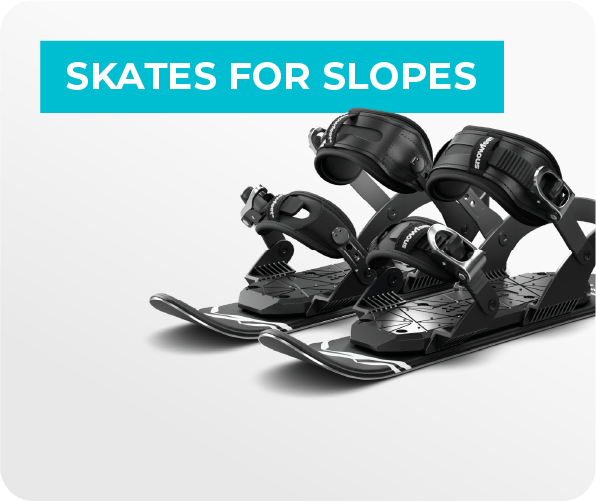
Skiskates offer a middle ground between Mini Skates and Skiblades. They're longer, attach to ski boots, and provide more edge contact, which translates to better grip and stability on icy terrain. These are perfect for a full day at the resort on groomed green and blue runs. They excel in conditions where the snow softens in the afternoon sun and refreezes into firm ice later in the day. Like the Mini Skates, Skiskates are designed to emphasize agility and edge grip on icy surfaces.
However, they do have their limits. Skiskates aren't ideal for deep powder or high-speed black diamond runs. But for most U.S. resorts - with groomed trails, moderate traffic, and chairlifts - they strike a great balance between control and maneuverability. Expect to spend around $200–$300 for a pair with bindings included.
For a ride that feels more like traditional skiing, the Skiblade lineup might be your best bet.
Snowfeet Skiblades: 65, 99, and 120 cm
The Skiblade lineup offers a more classic ski experience, with length playing a key role in how they handle icy conditions. Each size is designed to enhance agility and edge grip for beginners.
| Length | Best For | Ice Performance | Price from |
|---|---|---|---|
| 65 cm | Cautious beginners, low-speed fun, tight turns | Super agile, quick pivots, less stable at speed | $635 |
| 99 cm | Most adults on green/blue groomers | Balanced edge grip and quick turning | $675 |
| 120 cm | Heavier or athletic beginners, icy East Coast hills | Best straight-line stability and edge hold | $775 |
As Jan from Snowfeet* explains:
"65 cm is the sweet spot - quick to learn, fast on groomers and super agile even between trees."
That said, if you're over 200 lbs, skiing on consistently icy terrain (like many Northeast resorts), or planning to tackle faster blue runs, the 120 cm provides the stability and edge hold you need. For most adult beginners, the 99 cm is the go-to option. It offers reliable performance for all-day skiing without sacrificing the playful, easy turning that makes shorter skis so fun.
Next, we'll dive into how these models can complement your skiing technique for the best results.
Conclusion: Getting Started with Snowfeet* Short Skis on Ice
Icy slopes don’t have to be daunting when you’re using Snowfeet* short skis. These compact skis are designed to make turning, stopping, and correcting your movements much easier than traditional full-length skis or snowboards. Unlike those, which require more coordination and limit leg independence, Snowfeet* short skis let you move each leg freely, keep a lower center of gravity, and respond to icy terrain with better control.
Another big plus? Portability. A pair of Skiblades can fit right into a standard bag, sparing you the hassle of lugging around bulky ski equipment or paying extra for storage. For beginners still learning the ropes, this convenience is a game-changer. Combine that with the ease of control Snowfeet* offers on icy slopes, and you’ve got a winning combination.
Many users report feeling confident and in control after just a few runs, even on hard, icy surfaces.
Choosing the right model can make your experience even better. Each Snowfeet* option is crafted for different preferences, whether you’re drawn to the super-compact Mini Ski Skates, the adaptable Skiskates, or the longer Skiblades (available in 65, 99, or 120 cm lengths). If you’re unsure where to begin, the 99 cm Skiblades are a solid all-around choice for most adults, priced at $675. For those facing more challenging icy conditions, the 120 cm Skiblades at $775 provide extra edge grip for better stability.
With Snowfeet*, you can hit the slopes confidently and enjoy the ride from the start.
FAQs
Are short skis safe on very icy runs?
Short skis, such as Snowfeet* Skiblades, are a solid option for beginners, especially on icy slopes. They provide great stability and control when used properly. Thanks to their excellent maneuverability and quick responsiveness, they make navigating tricky conditions smoother and more manageable compared to traditional long skis.
Do Snowfeet* Skiblades work with my boots?
Yes, Snowfeet Skiblades work with both ski boots (sizes 36-49 EU / 4.5-14.5 US) and snowboard boots (sizes 38-49 EU / 6-14.5 US). They come with adjustable, tool-free bindings, making it easy to get a secure fit without any extra effort.
Which length should I get for my height and weight?
The perfect Snowfeet ski length varies based on your height, weight, and experience. If you're just starting out, shorter lengths (65–99 cm) are a smart choice - they're easier to control and handle, especially on icy terrain. For taller or heavier users, going up to 120 cm can provide extra stability. Thanks to their compact design, Snowfeet skis are lightweight and beginner-friendly, making quick turns and stops much simpler than with traditional long skis or snowboards.


コメントを残す
このサイトはhCaptchaによって保護されており、hCaptchaプライバシーポリシーおよび利用規約が適用されます。