
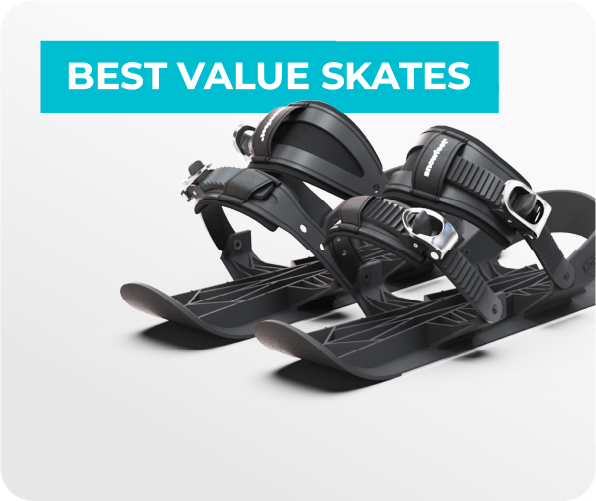
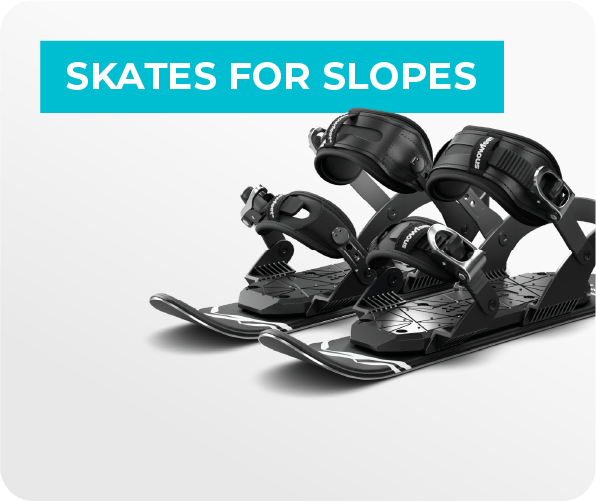
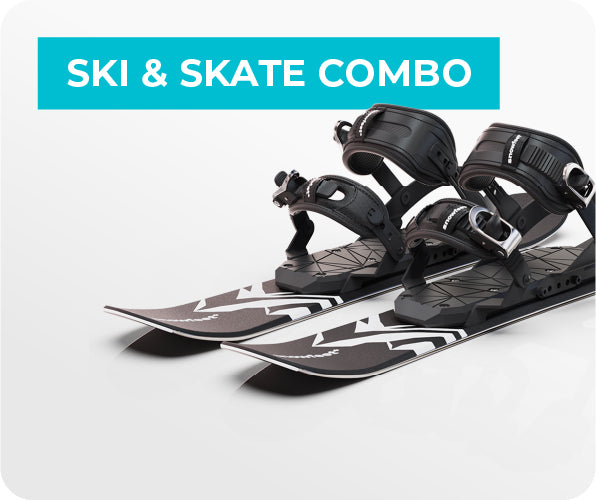
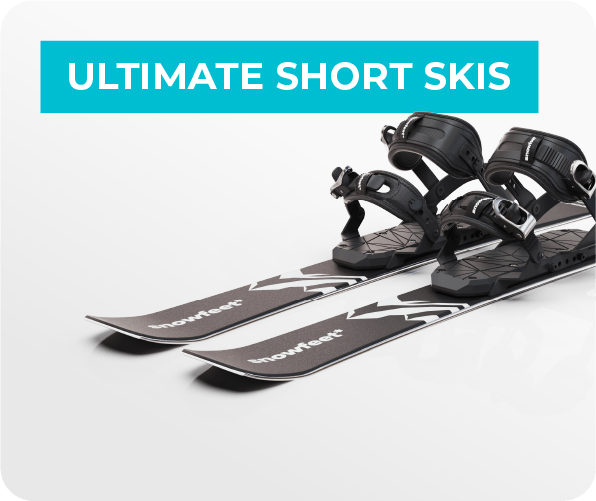
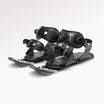
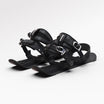
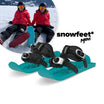
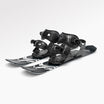
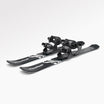
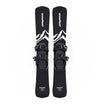
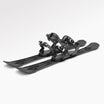
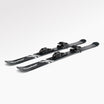
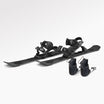
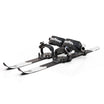
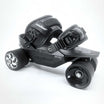
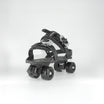
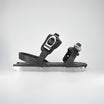
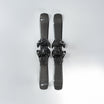
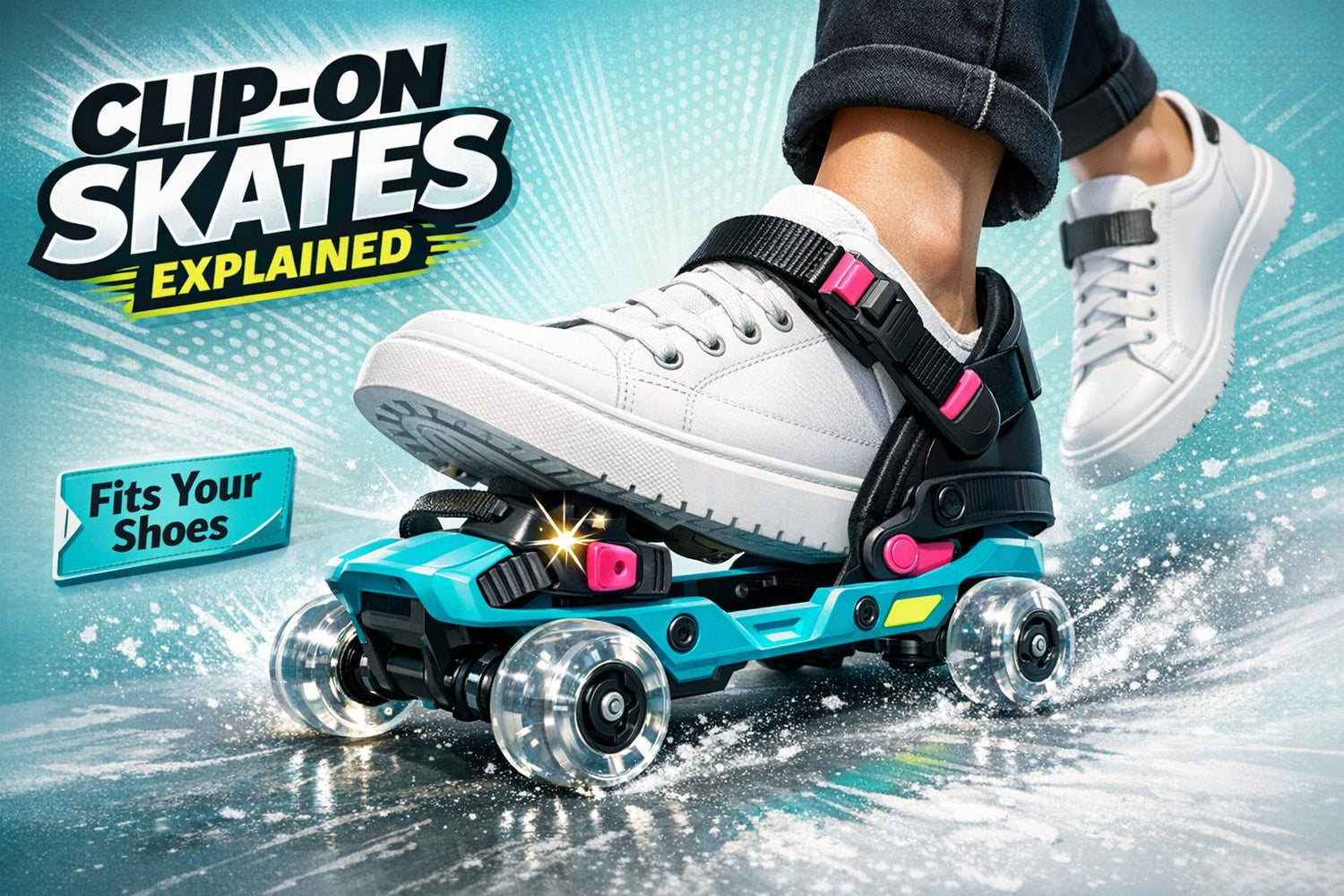
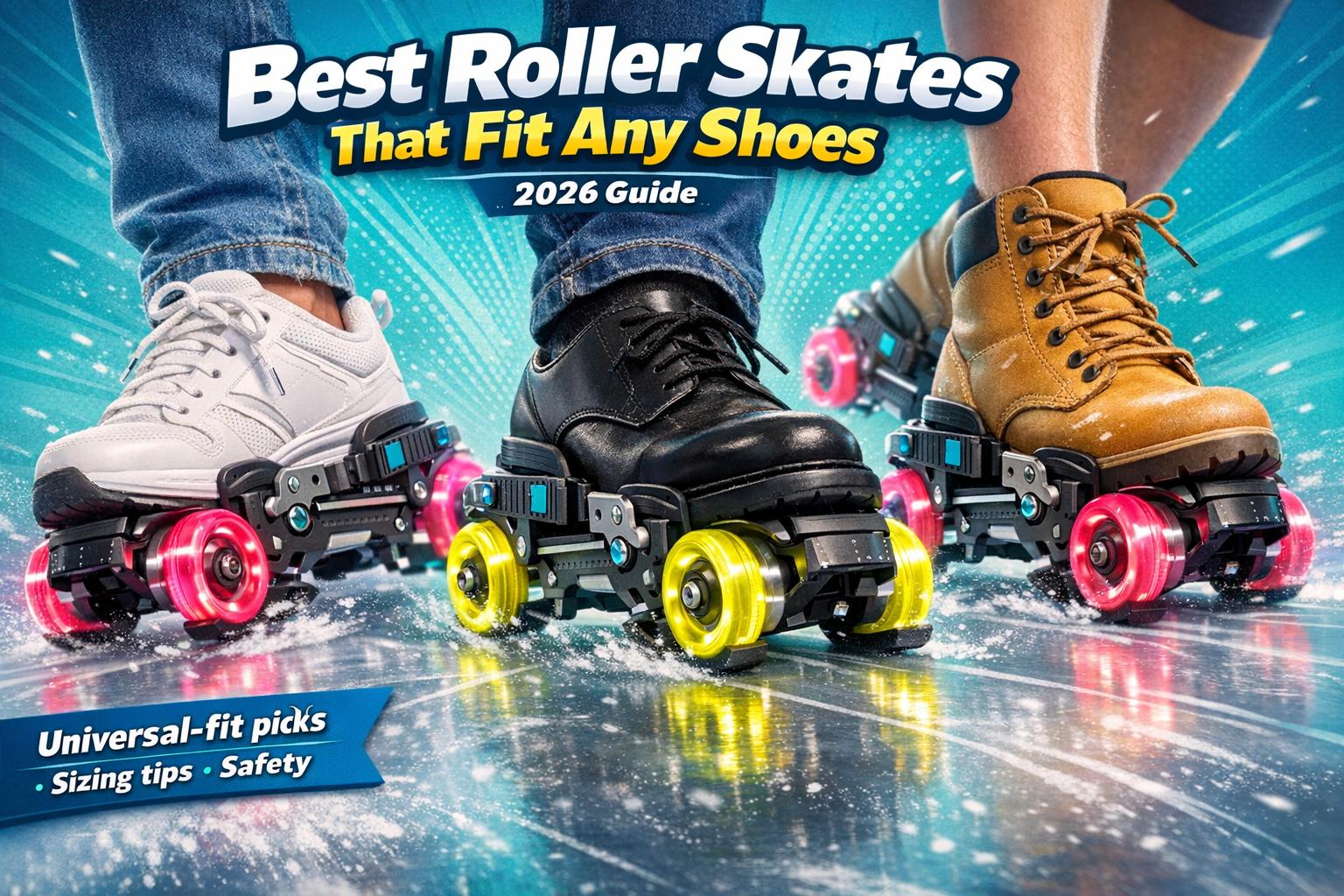
Clip-on skates let you skate without swapping out your shoes. Instead of using bulky boots, these skates attach directly to your everyday footwear. They’re lightweight, easy to carry, and work with most sneakers or sturdy shoes. Perfect for casual skaters or beginners learning to roller skate, clip-on skates are all about convenience and comfort. Want to skate in your favorite kicks? This might be your answer.
Key Points:
- What are they? Skates that clip onto regular shoes, no special boots needed.
- Why they stand out: Portable, simple to use, and no awkward rental skates.
- How they work: Adjustable bindings secure the skates to your shoes.
- Best for: Beginners, families, or anyone looking for easy skating fun.
If you’re tired of lugging around extra gear or uncomfortable boots, clip-on skates could be your go-to for hassle-free skating fun.
Review of Slades Detachable Rollerskates - Are they good for Street and trail skating?
sbb-itb-17ade95
How Clip-On Skates Work
Clip-on skates attach directly to your regular shoes using an adjustable mechanical system. This setup securely holds the frame and wheels in place, letting you skate without needing dedicated boots.
Key Components of Clip-On Skates
These skates have three main parts: the wheelbase, the shoe attachment system, and a locking mechanism.
- The wheelbase is the frame that holds the wheels. Aluminum frames are popular because they offer better power transfer and stability compared to nylon or composite materials.
- The shoe attachment system can vary. Strap-on systems, like Wheelfeet, use adjustable straps to secure the frame to your shoe. Meanwhile, integrated systems, such as those from Flaneurz, employ a mechanical plate and a release key for a snug, precise fit.
- The locking mechanism ensures the skates stay firmly connected to your shoes while you're moving.
Flaneurz describes their system as:
"The possibility of walking and rolling with the same pair of shoes becomes a reality thanks to the innovative mechanical system... a true French innovation."
The type of attachment system you choose can impact your skating experience, with some offering more flexibility and others focusing on precision.
Fit and Shoe Compatibility
Your choice of footwear plays a big role in how well clip-on skates perform. Compatibility depends on the skate system:
- Strap-on skates are the most versatile. For example, Wheelfeet models are designed to fit most sneakers, trainers, or sturdy boots, accommodating US sizes 6–13. The key is having shoes with decent heel support to keep your foot stable while skating.
- Integrated systems, like Flaneurz, are more specific. They require shoes with a flat rubber sole that's at least 7mm thick at the front and 13mm at the heel. The sole must also have minimal surface variation (no more than 5mm), which rules out thick platform soles, heavily textured treads, or overly worn shoes.
Traditional roller skates avoid these compatibility concerns because the boot and skate are combined. However, they’re bulkier and less convenient for everyday use. Clip-on skates, like flagship models from Snowfeet, solve this by offering portability and comfort, making them a strong alternative to standard skates.
Benefits and Limitations of Clip-On Skates
Portability and Ease of Transport
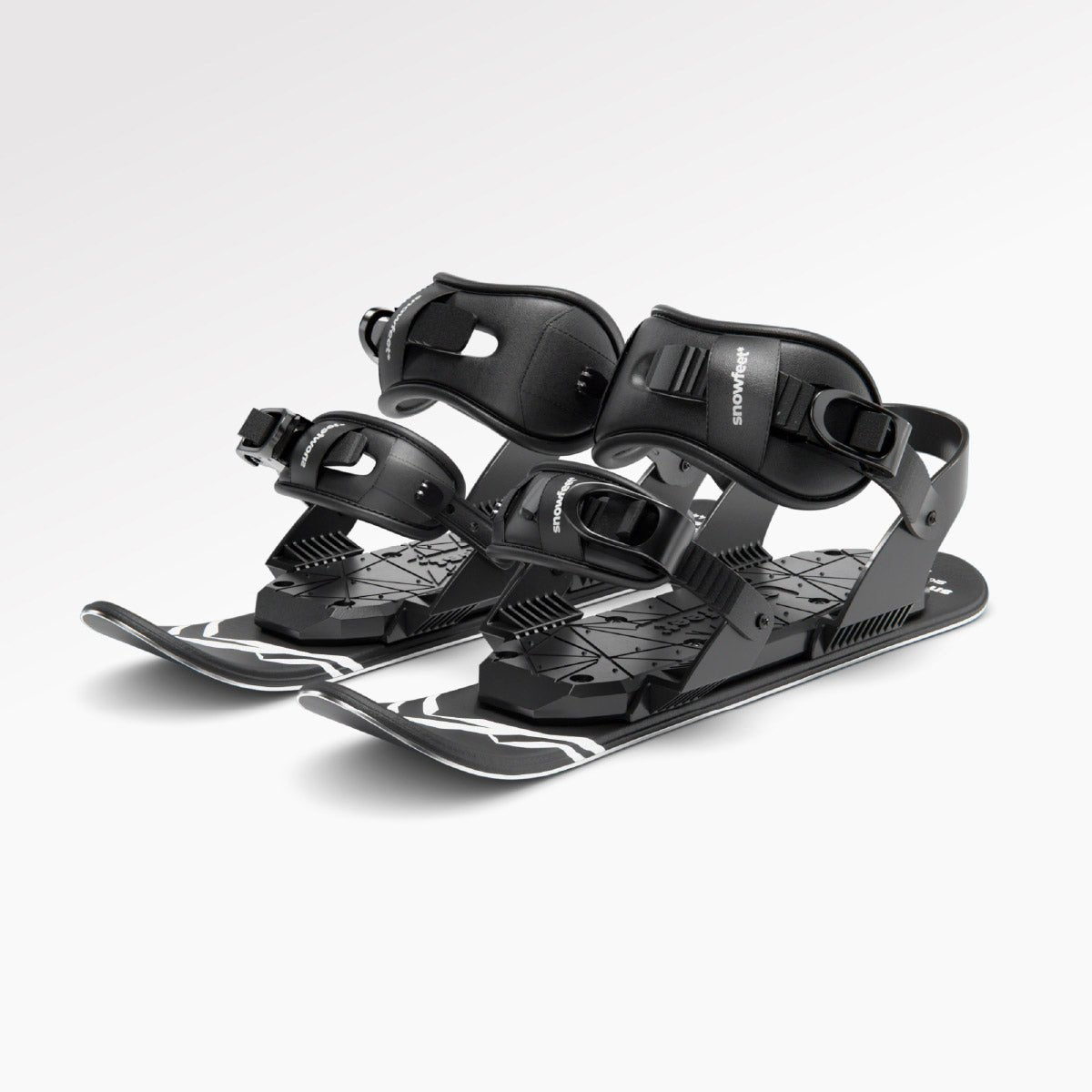
Clip-on skates are incredibly easy to carry around. Unlike traditional skis or snowboards that need special racks or oversized bags, these skates can fit snugly into a regular backpack. This makes them perfect for spontaneous outings. Take the Snowfeet PRO 50 cm, for example - it’s designed to cut out the hassle of bulky equipment entirely. Plus, you don’t have to worry about lugging around extra gear, making your setup much simpler.
Using Your Own Shoes
One of the best things about clip-on skates is that you can use your own shoes. Forget about stiff rental boots or the awkward break-in period that comes with new gear. Whether you’re wearing winter boots or sturdy sneakers, you’re already comfortable before you even start skating. Snowfeet has built their product around this idea, ensuring ease and comfort. As they put it:
"These are not just double blade ice skates with binding; they're your direct ticket to instant, uncomplicated fun and effortless gliding."
Trade-Offs Compared to Standard Skates
Of course, there are some trade-offs. The shorter blades on clip-on skates can’t match the stability of traditional skis or skates at high speeds. As Brad Tolin, a verified user, explains:
"Only trade-off is at higher speeds, where longer skis still feel more stable - but for overall fun and maneuverability, these are hard to beat."
For beginners or casual skaters, this isn’t a big deal. But if you’re someone who loves pushing limits with speed or aggressive carving, traditional skis or inline skates vs. strap-on skates are still the better choice. Clip-on skates shine when it comes to everyday fun, ease of use, and portability - they’re not designed for competitive performance, but they’re perfect for a laid-back, enjoyable experience.
Spotlight on Snowfeet PRO 50 cm
Clip-On Skates vs Traditional Skis vs Snowboards: Full Comparison
What Makes Snowfeet PRO 50 cm Different
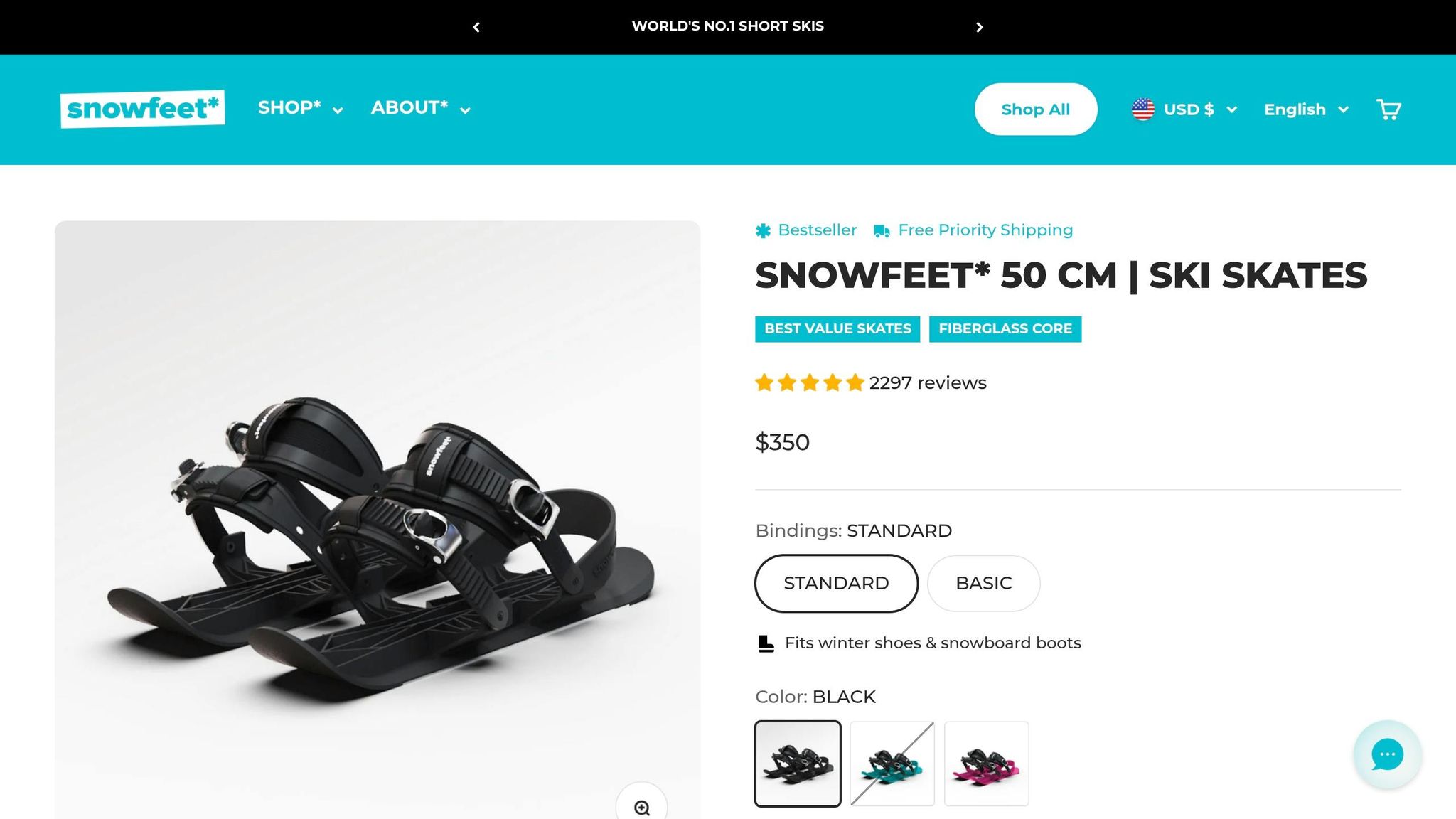
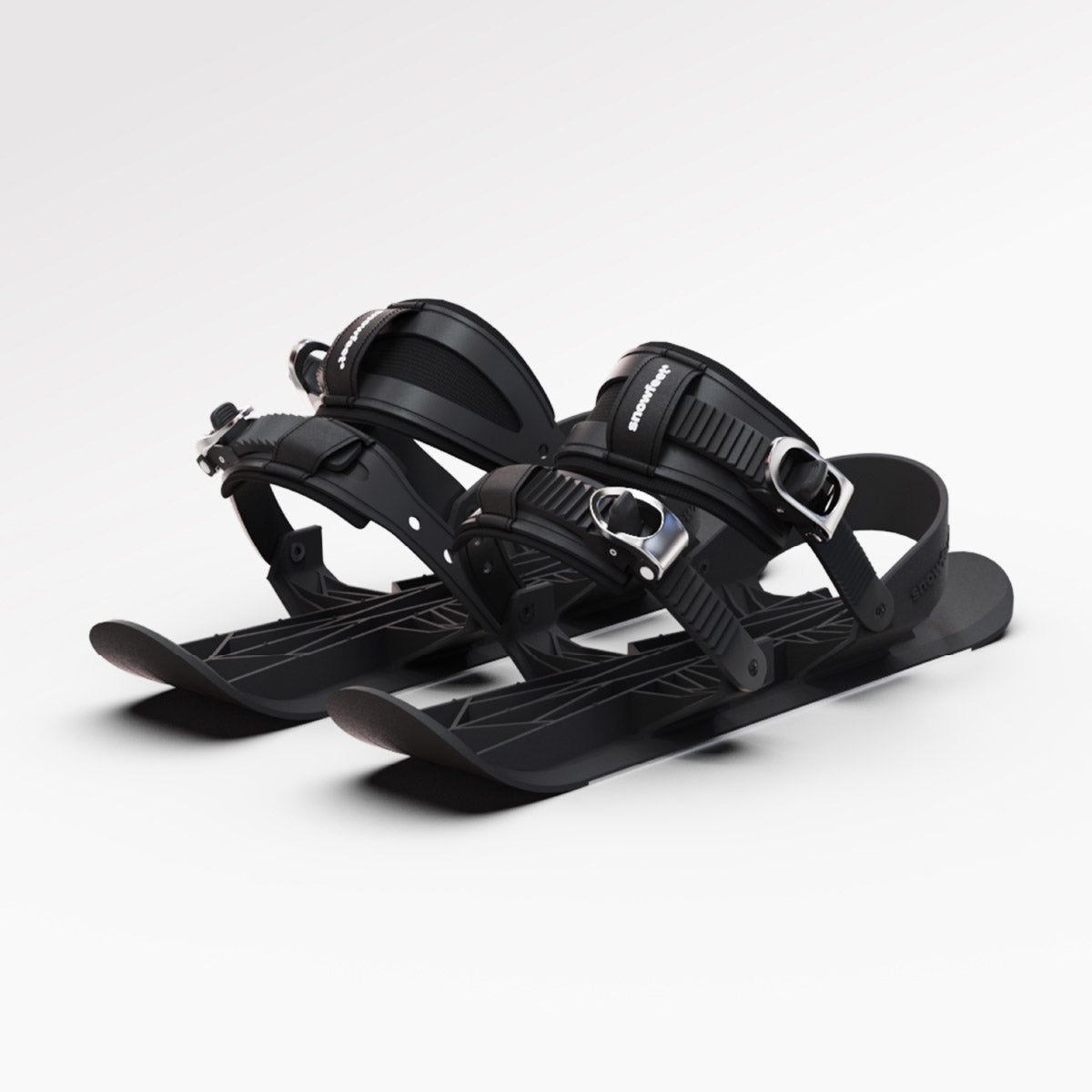
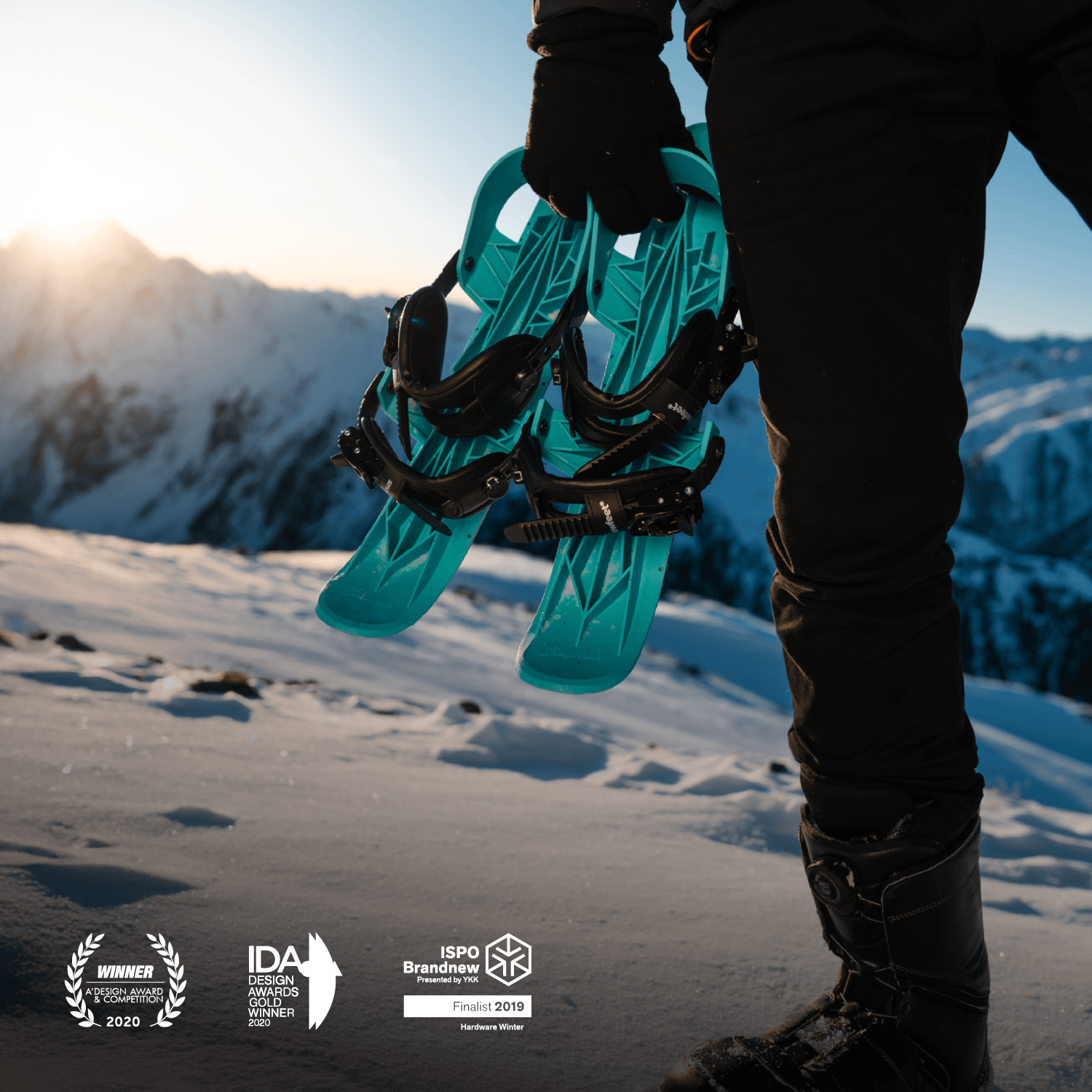
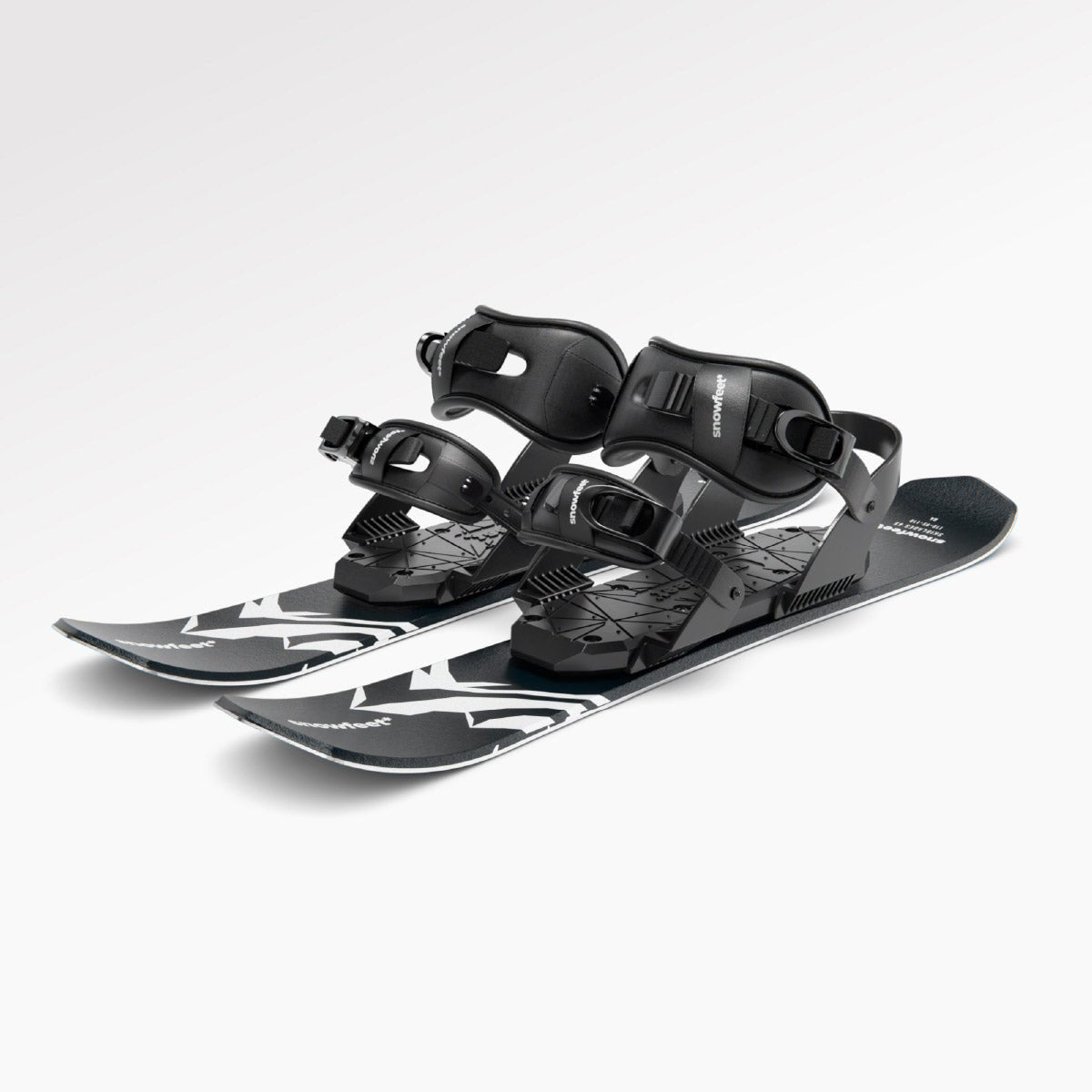
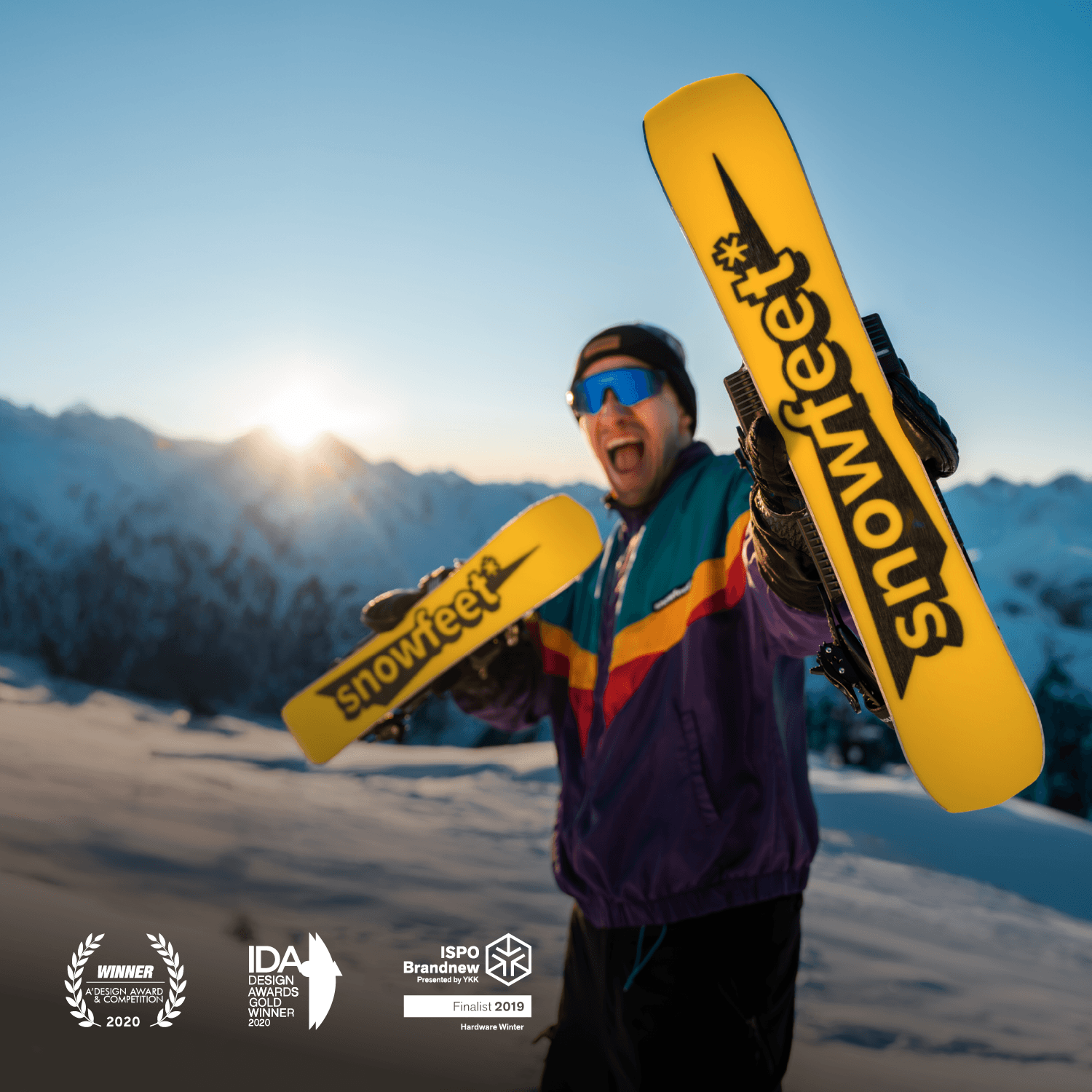
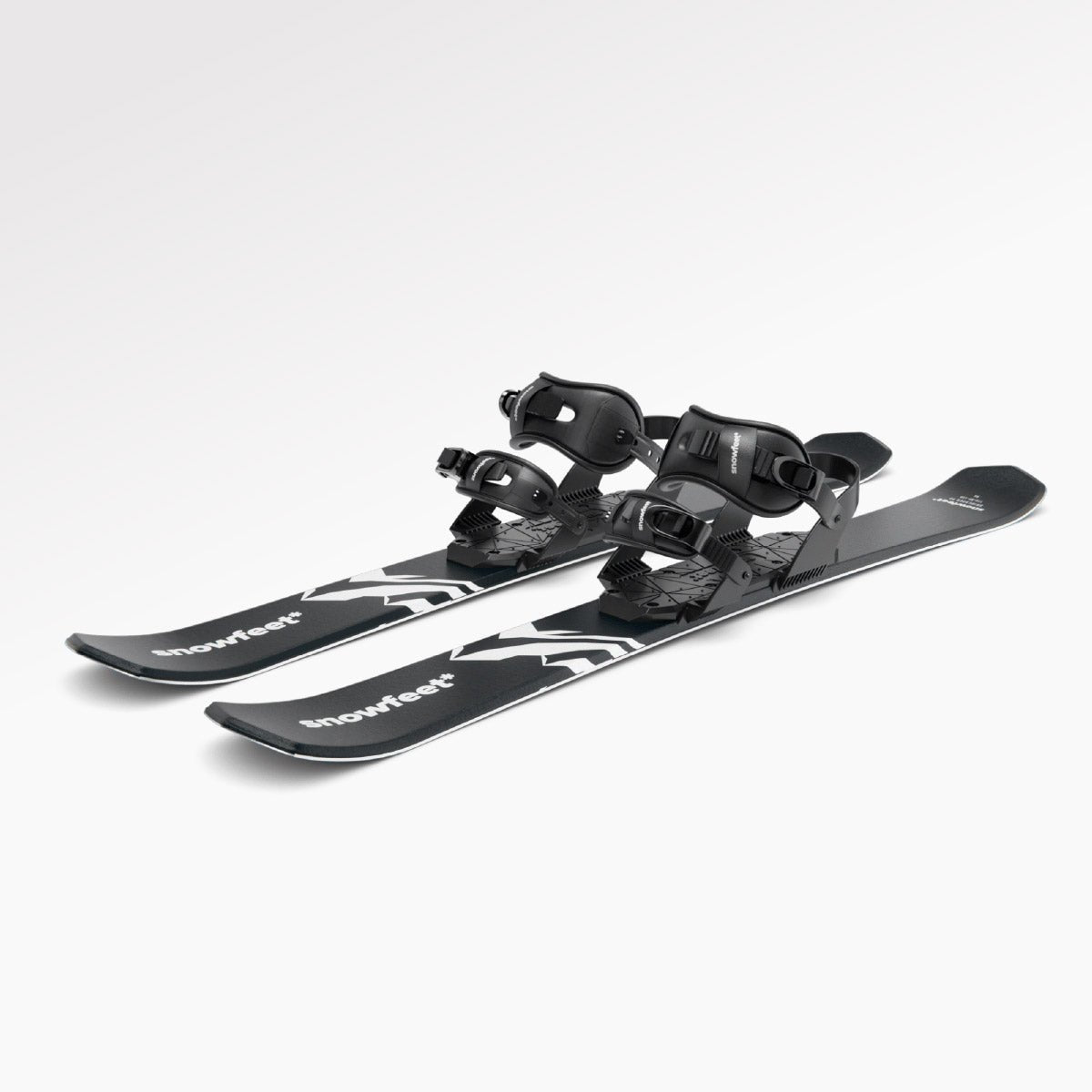
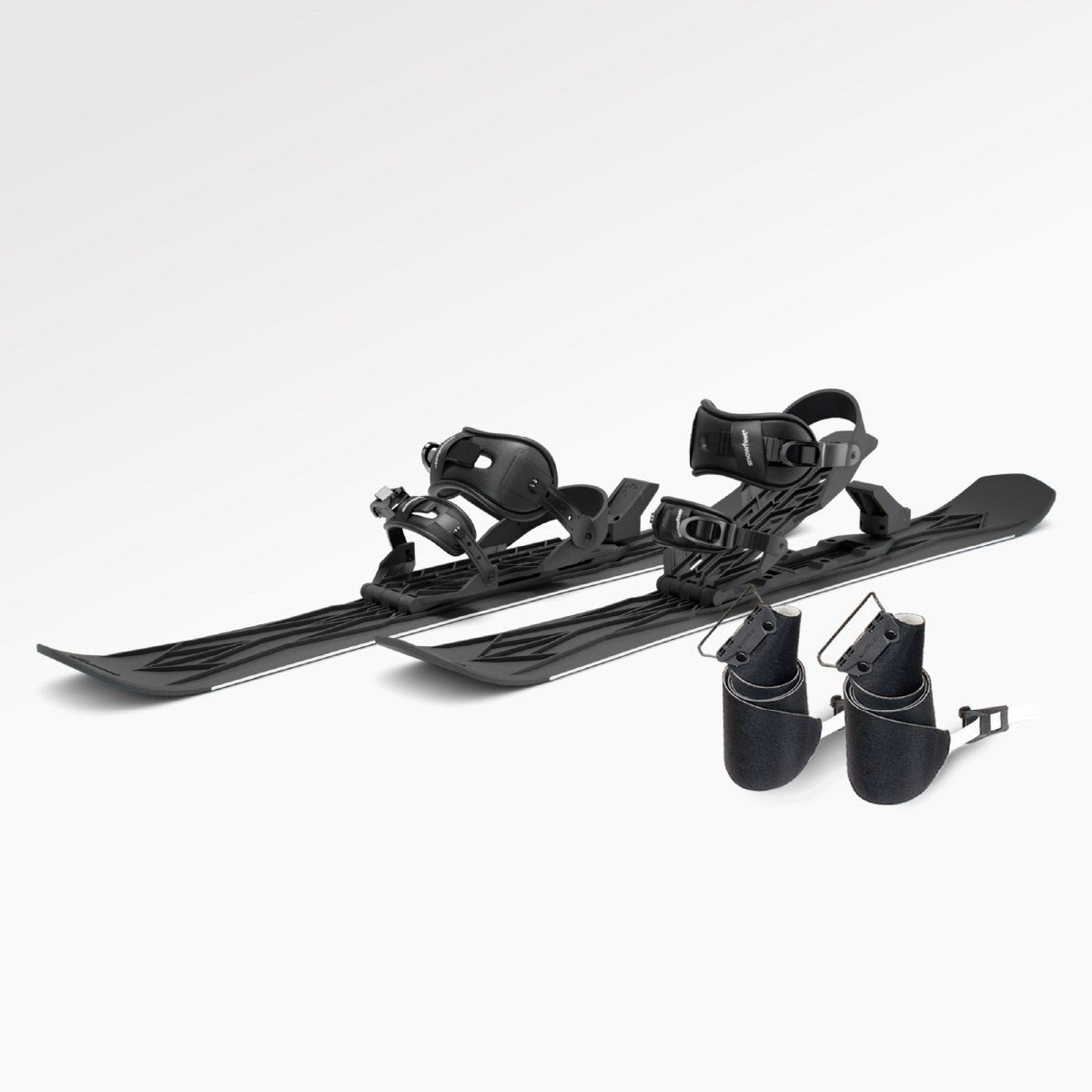
The Snowfeet PRO 50 cm brings a fresh twist to winter sports with its compact, clip-on ski design. At just 50 cm (20 in) long, it’s incredibly portable - perfect for tossing into a backpack. And with a price tag of $275, it’s a budget-friendly alternative to traditional skis that are often bulkier and more expensive.
One of its standout features? You don’t need specialized footwear. It works with regular winter shoes or sturdy boots, making it super convenient. Plus, it’s designed to fit a variety of shoe sizes, offering excellent grip and stability. Reviewer Nat summed it up perfectly:
"These mini-skis are light, stable and with excellent grip on every snow. Perfect for carving and smooth turns, they adapt to all levels."
This kind of feedback highlights why the Snowfeet PRO is a hit with both beginners and experienced skiers - it’s easy to control and quick to master.
Snowfeet PRO 50 cm vs. Skis and Snowboards
When stacked up against traditional skis and snowboards, the Snowfeet PRO stands out in both design and practicality. Traditional skis for adults are usually 150–180 cm long, while snowboards fall in the 140–165 cm range - making them significantly larger than the Snowfeet PRO. Beyond size, both skis and snowboards generally require dedicated boots, which adds to the hassle. In contrast, the Snowfeet PRO is all about simplicity and portability, making it ideal for quick turns and responsive stops. As Brad Tolin shared:
"Super easy to control, quick to turn, and way more forgiving than traditional skis."
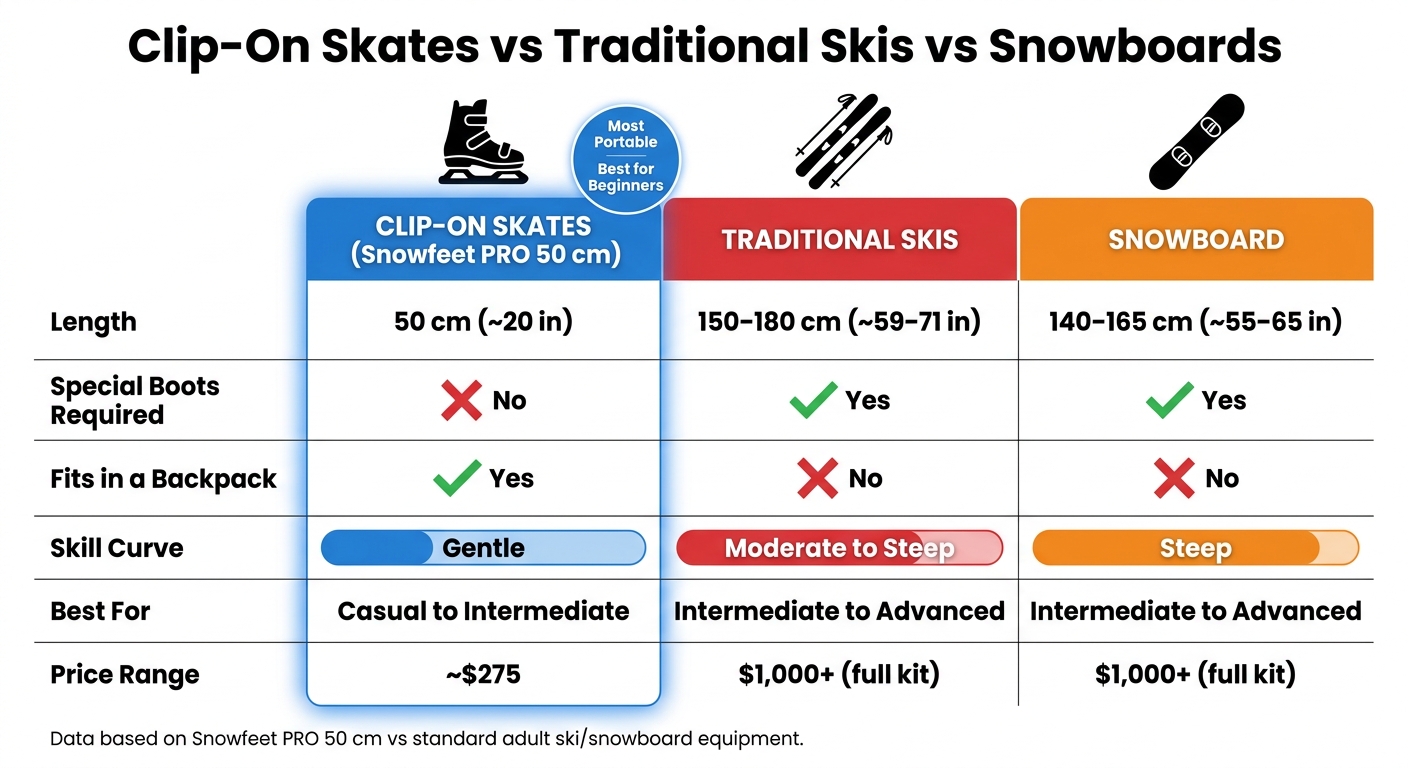
Here’s a quick breakdown of how they compare:
| Feature | Snowfeet PRO 50 cm | Traditional Skis | Snowboard |
|---|---|---|---|
| Length | 50 cm (~20 in) | 150–180 cm (~59–71 in) | 140–165 cm (~55–65 in) |
| Special boots required | No | Yes | Yes |
| Fits in a backpack | Yes | No | No |
| Skill curve | Gentle | Moderate to steep | Steep |
| Best for | Casual to intermediate | Intermediate to advanced | Intermediate to advanced |
This comparison makes it clear: the Snowfeet PRO offers unmatched convenience and versatility, especially for those looking for a lighter, more accessible way to enjoy the slopes.
How to Choose the Right Clip-On Skates
What to Look for Before You Buy
When picking clip-on skates, there are a few key things to check out to make sure you're getting the right pair.
Start with shoe compatibility. Most adult models fit shoe sizes ranging from US 6–13. For kids, look for Junior models, which typically fit EU sizes 27–36. Beyond size, the strap or binding system is super important. Adjustable straps are a must - they should hold your shoe snugly, even if you're rocking bulkier winter boots.
Next, consider the materials. Skates made from fiberglass-reinforced composites are way tougher than cheaper plastic ones, especially on rough terrain. Many users have noted that fiberglass-reinforced options feel much better compared to budget-friendly plastic models. If you're planning to hit the slopes, trails, or snow parks, snow-specific options like the Snowfeet* PRO are built to handle those conditions.
Once you’ve got these basics down, you’re ready to figure out when clip-on skates might be the perfect choice for you.
When Clip-On Skates Make More Sense
Clip-on skates shine when convenience is your top priority. They’re perfect for quick outings or day trips, cutting out the hassle of lugging around bulky gear. Most ski resorts allow them, and they’re just as fun for backyard snow adventures or casual trails.
Another big plus? They’re far easier on your wallet compared to traditional ski setups. A full ski kit - boots, bindings, poles, and skis - can easily cost over $1,000. Meanwhile, the Snowfeet* PRO, which costs $275, fits right into a backpack and doesn’t require any special footwear. If you’re just dipping your toes into winter sports, that’s a pretty big deal.
Who Clip-On Skates Are Best For
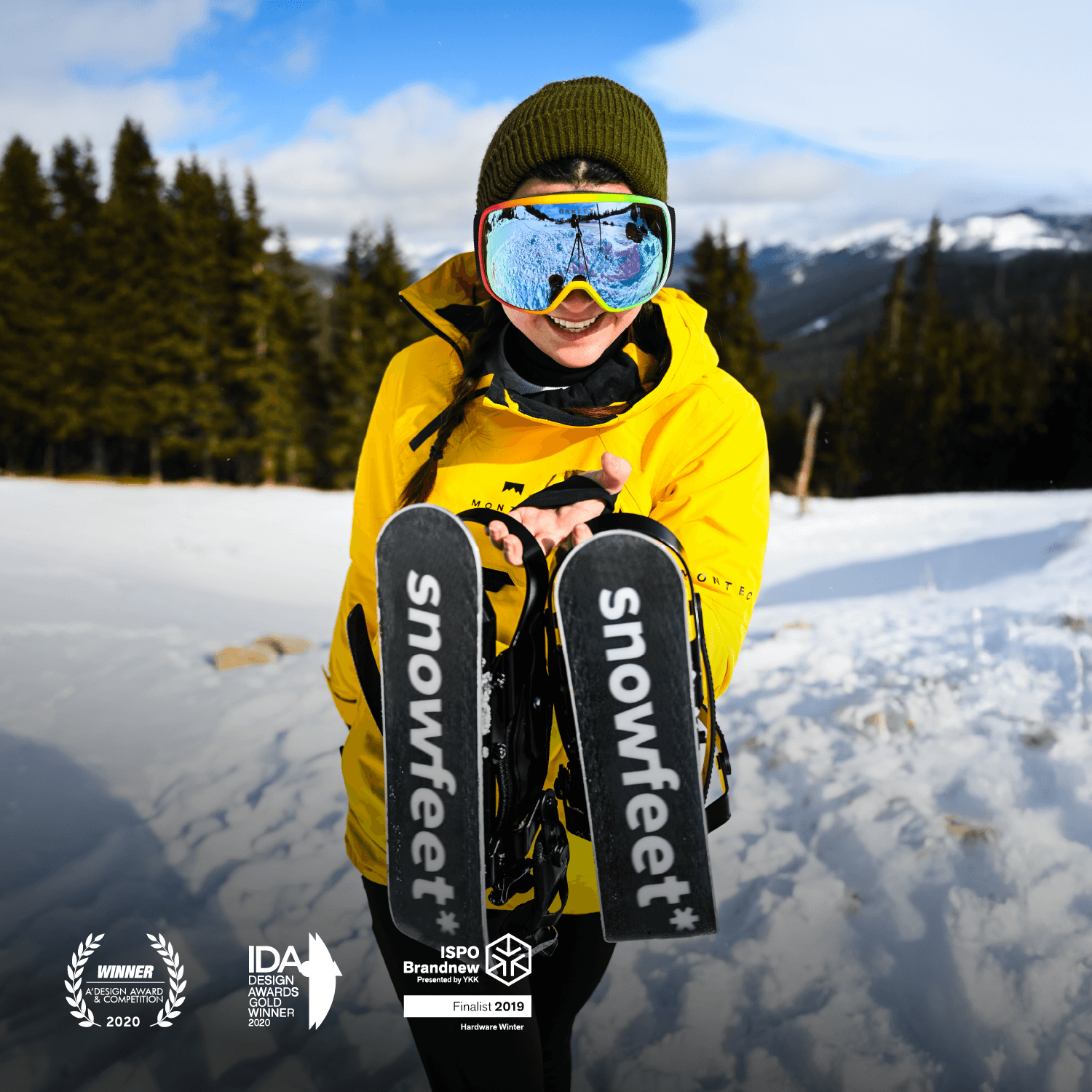
Clip-on skates are all about keeping things simple and fun. They’re great for beginners looking for easy winter sports, casual skaters, families, and even travelers who don’t want to deal with bulky gear. No lessons or pro skills are needed to get started. As Oliver Adams put it:
"I'm a beginner when it comes to skiing, but these mini ski shoes made it so easy for me to slide and have fun. No professional skills required!"
If you already have a solid pair of winter boots and want to hit the snow without committing to a full ski setup, clip-on skates offer a quick and easy way to get moving.
Conclusion
Clip-on skates are changing the way people experience winter sports by turning everyday shoes into functional skates. They solve a common issue: how to enjoy snow or ice without lugging around heavy, specialized gear. By using the shoes you already own, these skates make it easier for casual skaters and beginners to hit the ice or snow without hassle.
Take the Snowfeet PRO 50 cm for example. Priced at $275, this compact option fits easily in a backpack and works with standard winter boots (US sizes 6–13). Built with fiberglass-reinforced materials, it delivers better performance than cheaper plastic alternatives. Plus, its sleek design offers a level of convenience that traditional skis and snowboards just can't compete with.
The real draw? Less equipment, more time outdoors. If you're on the fence about winter sports, clip-on skates offer a simple, low-pressure way to dive in - no rental lines, no complicated gear, and no steep learning curve. If you want to understand the mechanics behind this ease of use, you can learn how skiblades work to simplify your first day on the slopes.
FAQs
Are clip-on skates safe on hills or at higher speeds?
Clip-on skates can be safe for hills or higher speeds, but only if you approach them with caution and control. Your skill level and the terrain play a big role here - steeper slopes and faster speeds naturally come with higher risks of falls or accidents. To stay safe, focus on practicing solid technique and always stay aware of your surroundings.
What shoes work best for clip-on skates?
The best shoes for clip-on skates are sturdy, everyday options like sneakers or athletic shoes. Look for footwear that fits snugly and provides solid support. Snowfeet skates are built to pair effortlessly with regular shoes, making them super convenient and versatile for all kinds of skating adventures.
Do I need lessons to use Snowfeet* PRO 50 cm?
Nope, you don’t need lessons to use Snowfeet* PRO 50 cm. These skates are made for easy use, so you can glide smoothly even if you’ve never tried skateboarding or skating before. They’re perfect for beginners and focus on being simple and accessible, making them great for anyone, no matter your skill level.


Lascia un commento
Questo sito è protetto da hCaptcha e applica le Norme sulla privacy e i Termini di servizio di hCaptcha.