
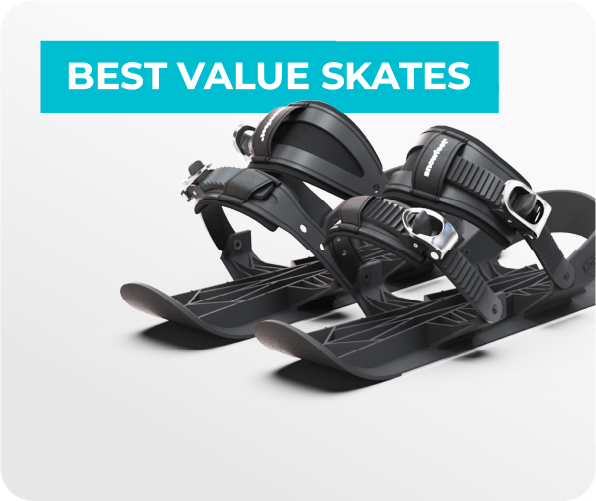
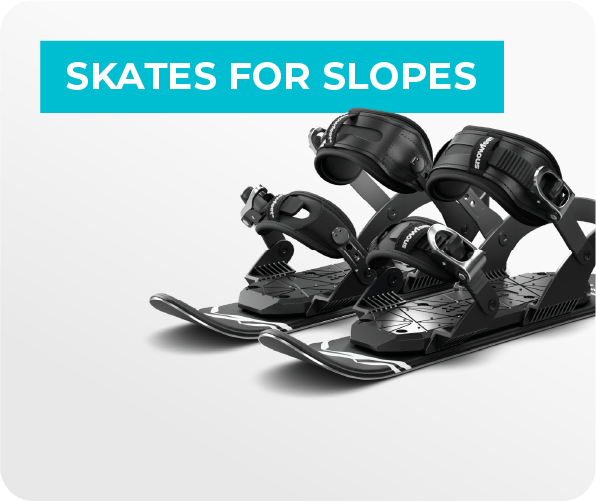
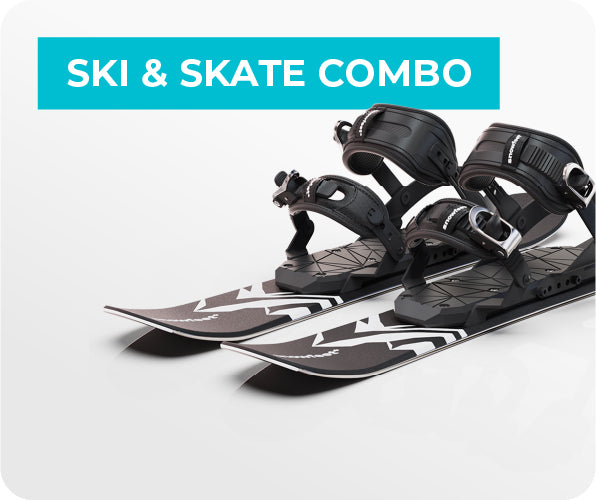
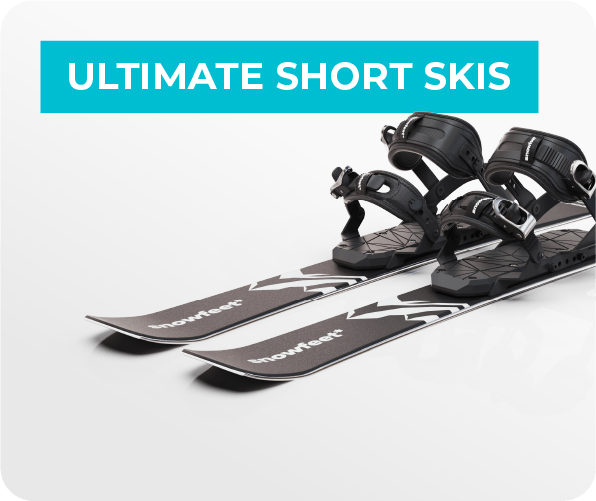
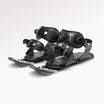
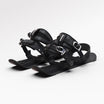
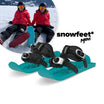
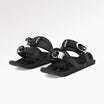
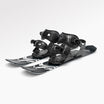
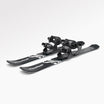
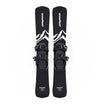
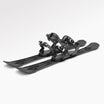
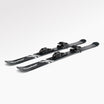
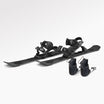
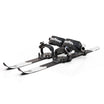
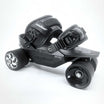
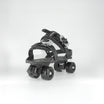
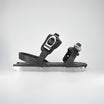
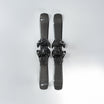
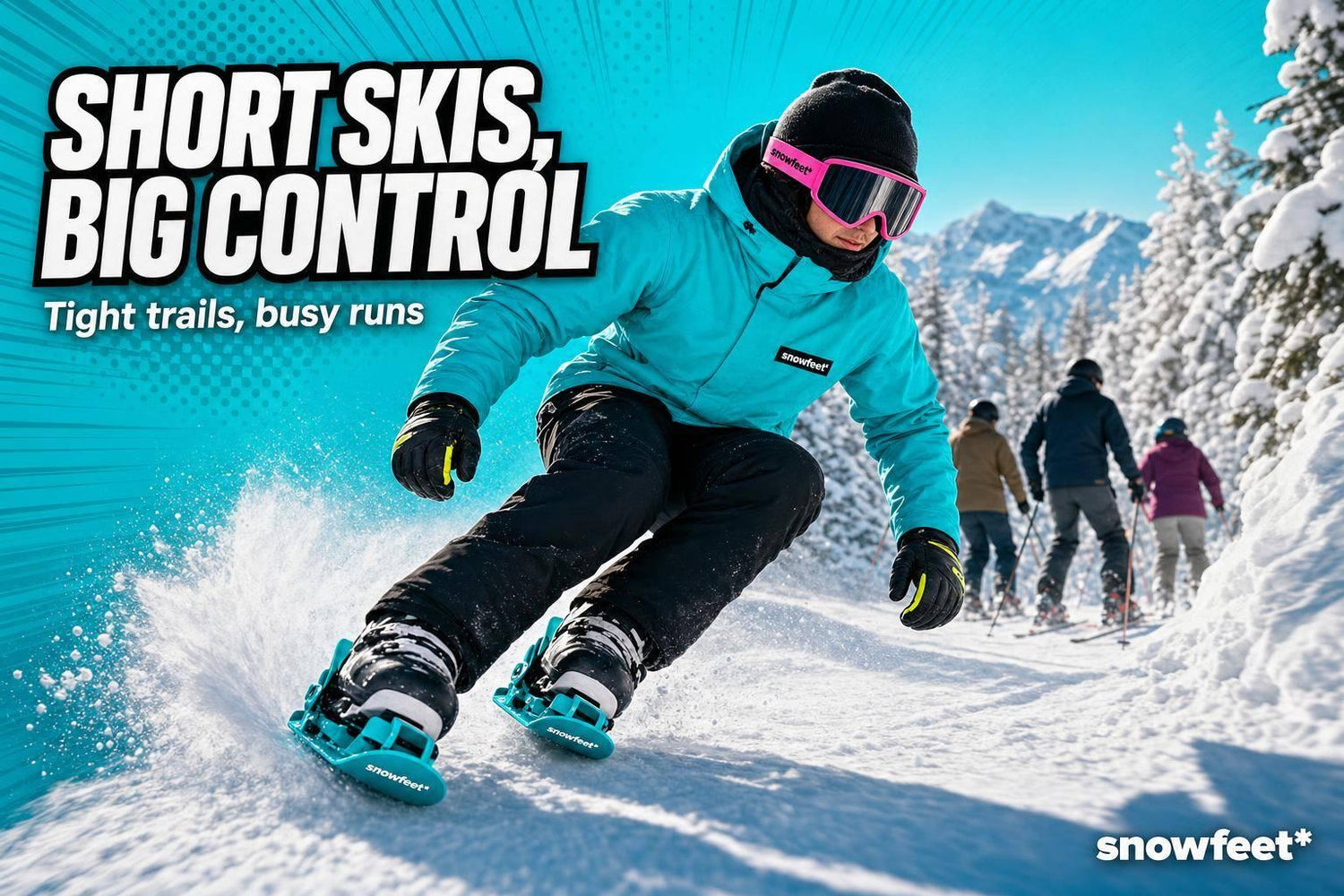
If you ski packed resort runs, shorter skis are often easier to control. Based on the options in this guide, I’d keep it simple: 44 cm (17 in) is best for ultra-tight turns, 65 cm (26 in) is the middle ground, 99 cm (39 in) is the best pick for most crowded groomer days, and 160–170 cm (63–67 in) skis still win when you want more calm at speed.
Here’s the short version:
- 44 cm Snowfeet* Skiskates: most nimble, low top speed, easy to carry
- 65 cm Snowfeet* Skiblades: a good mix of fast turning and added support
- 99 cm Snowfeet* Skiblades: best overall pick for crowded greens and blues
- 160–170 cm skis: smoother at about 15–30 mph, but take more room to turn and stop
If your day is mostly narrow trails, lift-line chaos, and crowded blue runs, I’d lean toward 99 cm. If you want the most playful, skate-like feel, go 44 cm. If you ski fast on open runs, stick with longer skis.
Snowboarder tries Snowfeet* | Which Snowfeet* Short Ski is the Best? | Snowblades 44, 65, 99 Review
Quick Comparison
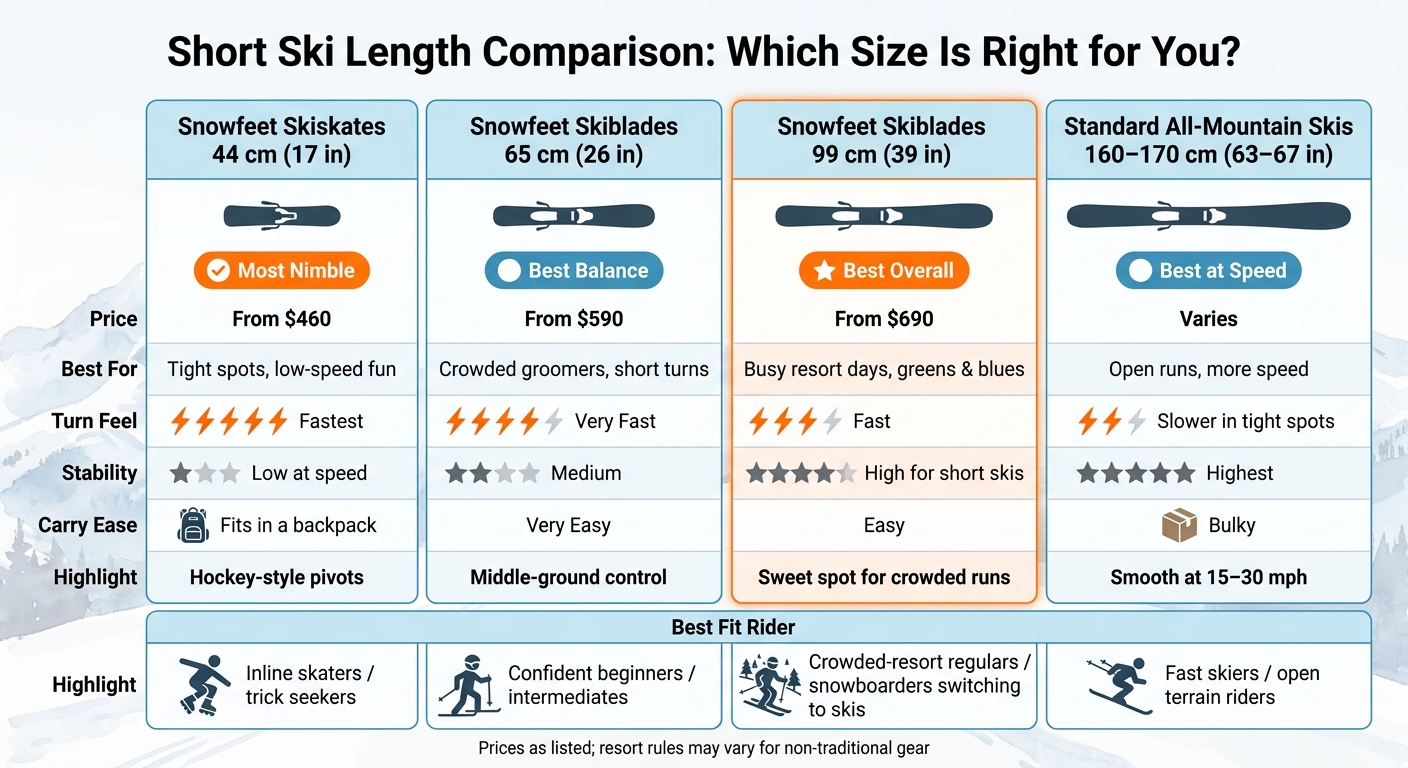
Short Ski Length Comparison: Which Size Is Right for You?
| Option | Best For | Turn Feel | Stability | Carry Ease | Starting Price |
|---|---|---|---|---|---|
| Snowfeet* Skiskates 44 cm (17 in) | Tight spots, low-speed fun | Fastest | Low at speed | Fits in a backpack | $460 |
| Snowfeet* Skiblades 65 cm (26 in) | Crowded groomers, short turns | Very fast | Medium | Very easy | $590 |
| Snowfeet* Skiblades 99 cm (39 in) | Busy resort days, greens and blues | Fast | High for short skis | Easy | $690 |
| Skis 160–170 cm (63–67 in) | Open runs, more speed | Slower in tight spots | Highest | Bulky | Varies |
Bottom line: for most casual U.S. resort skiers on busy days, short skis feel less stressful and more fun :) The rest of the article breaks down where each length works best, where it falls short, and who should buy what.
1. Snowfeet* Skiskates 44 cm
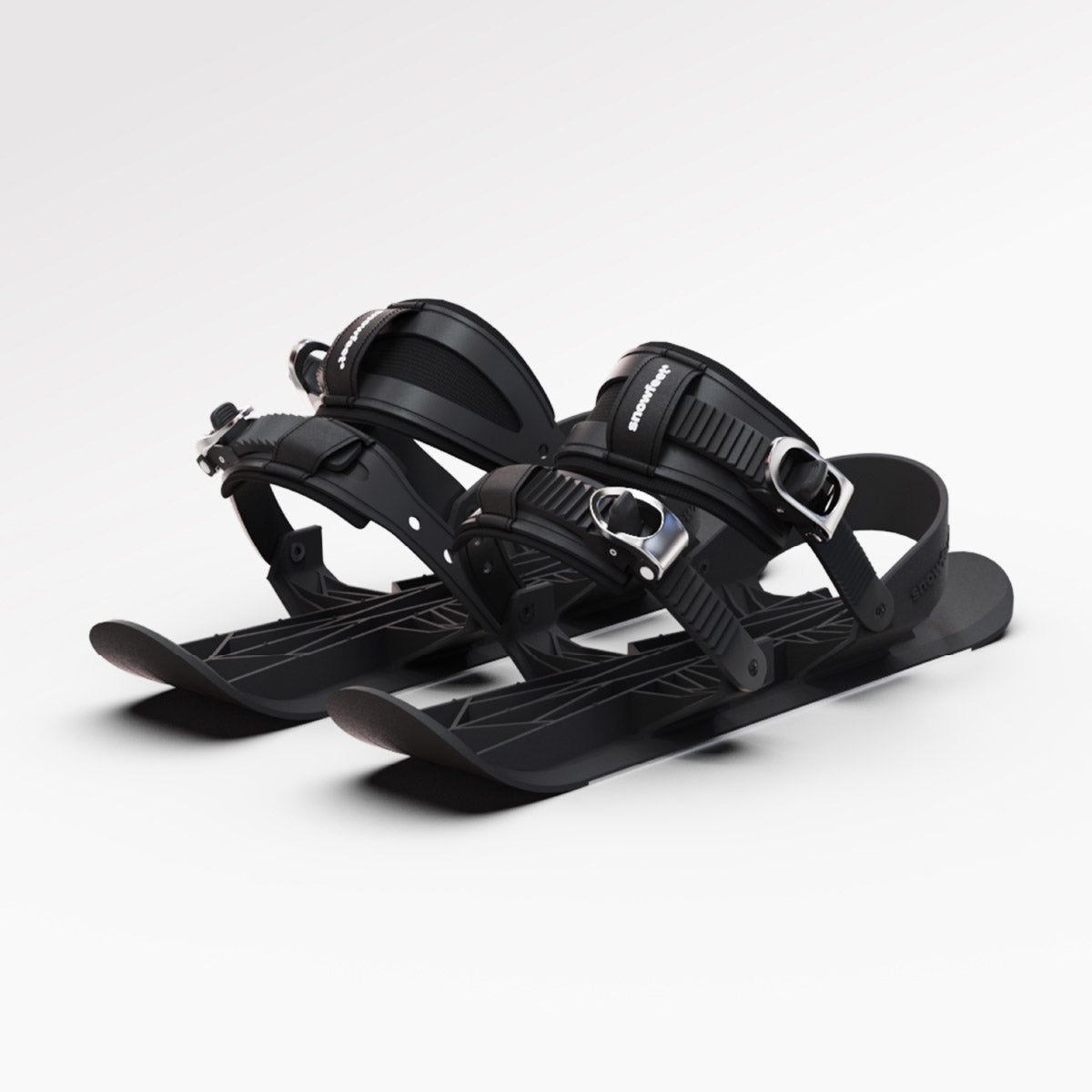
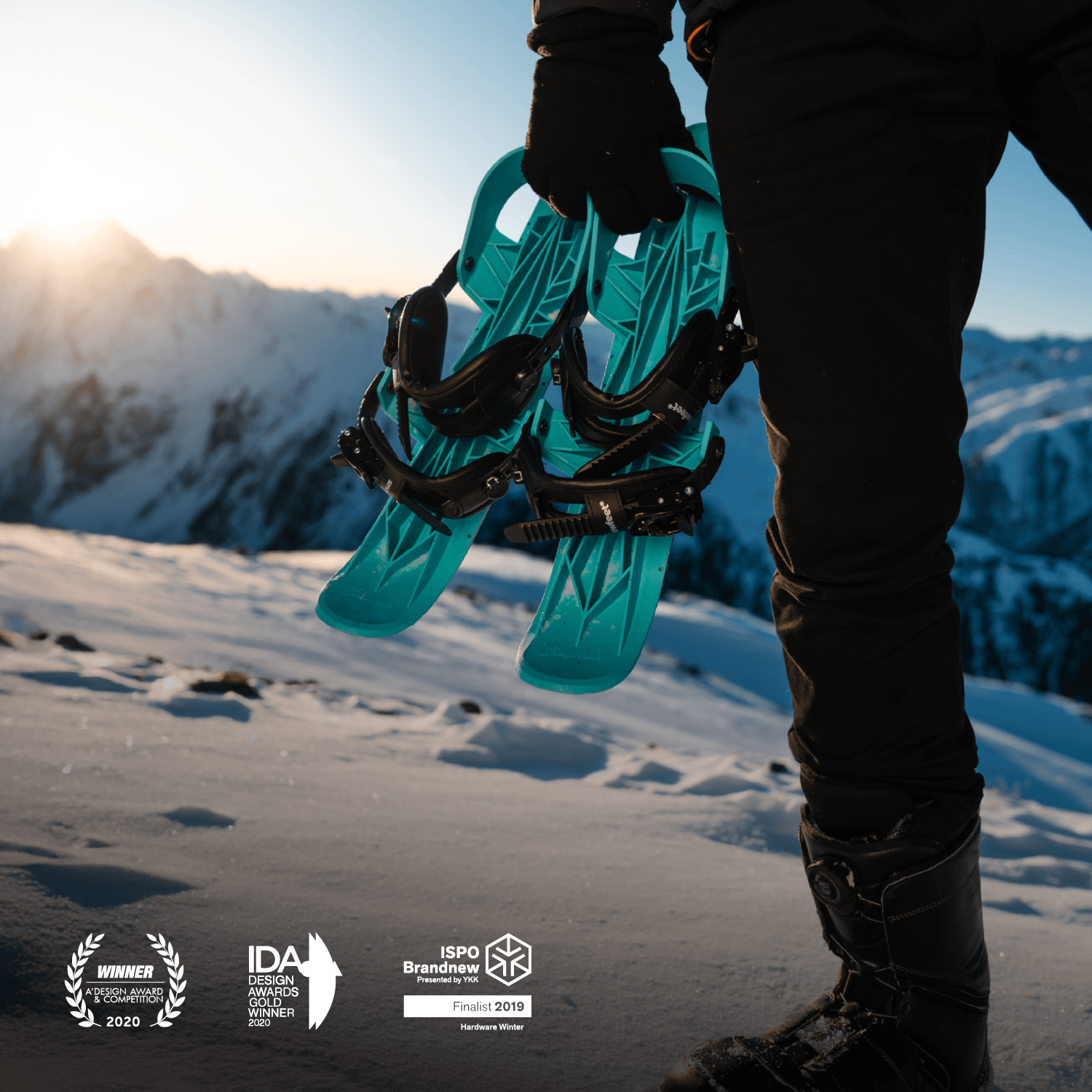
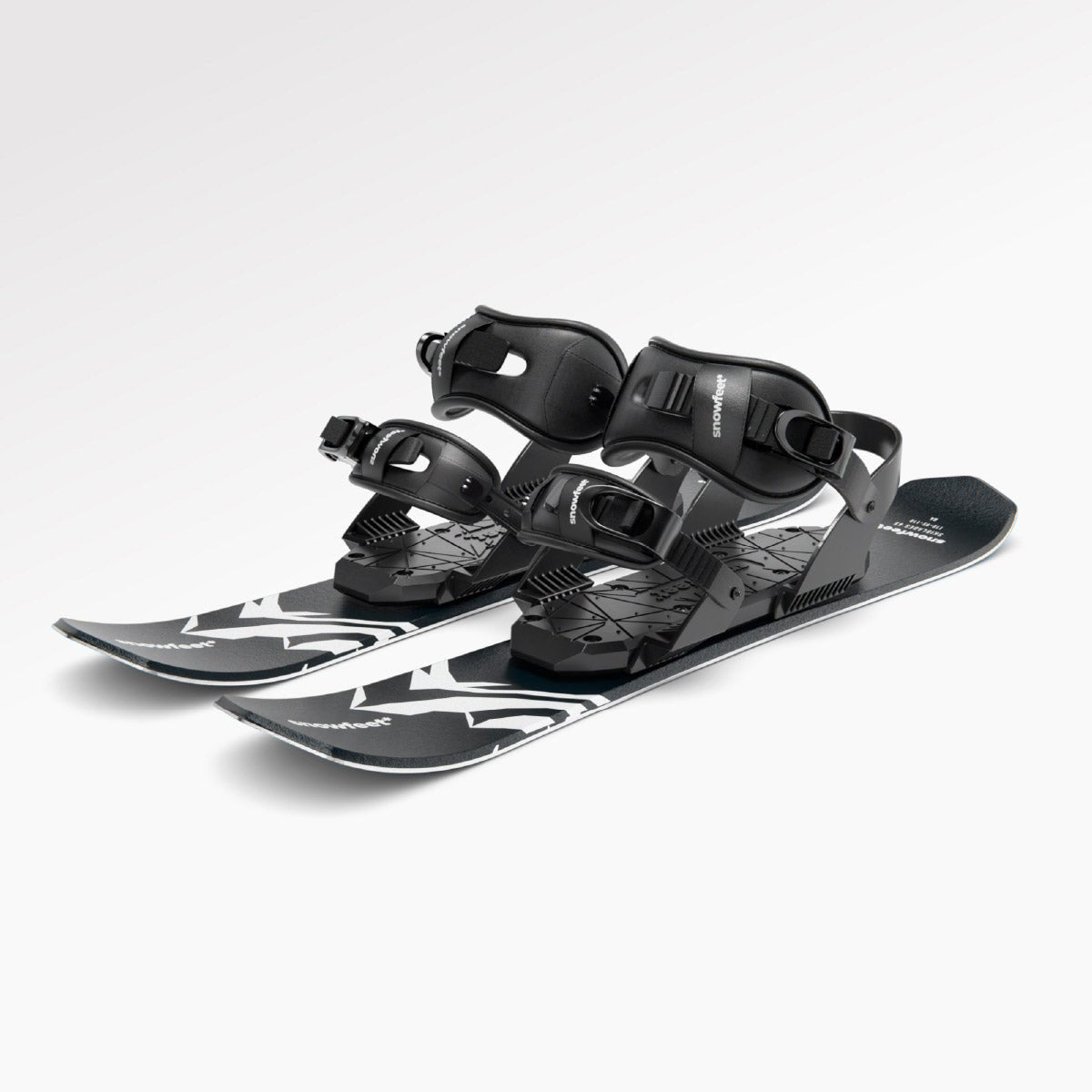
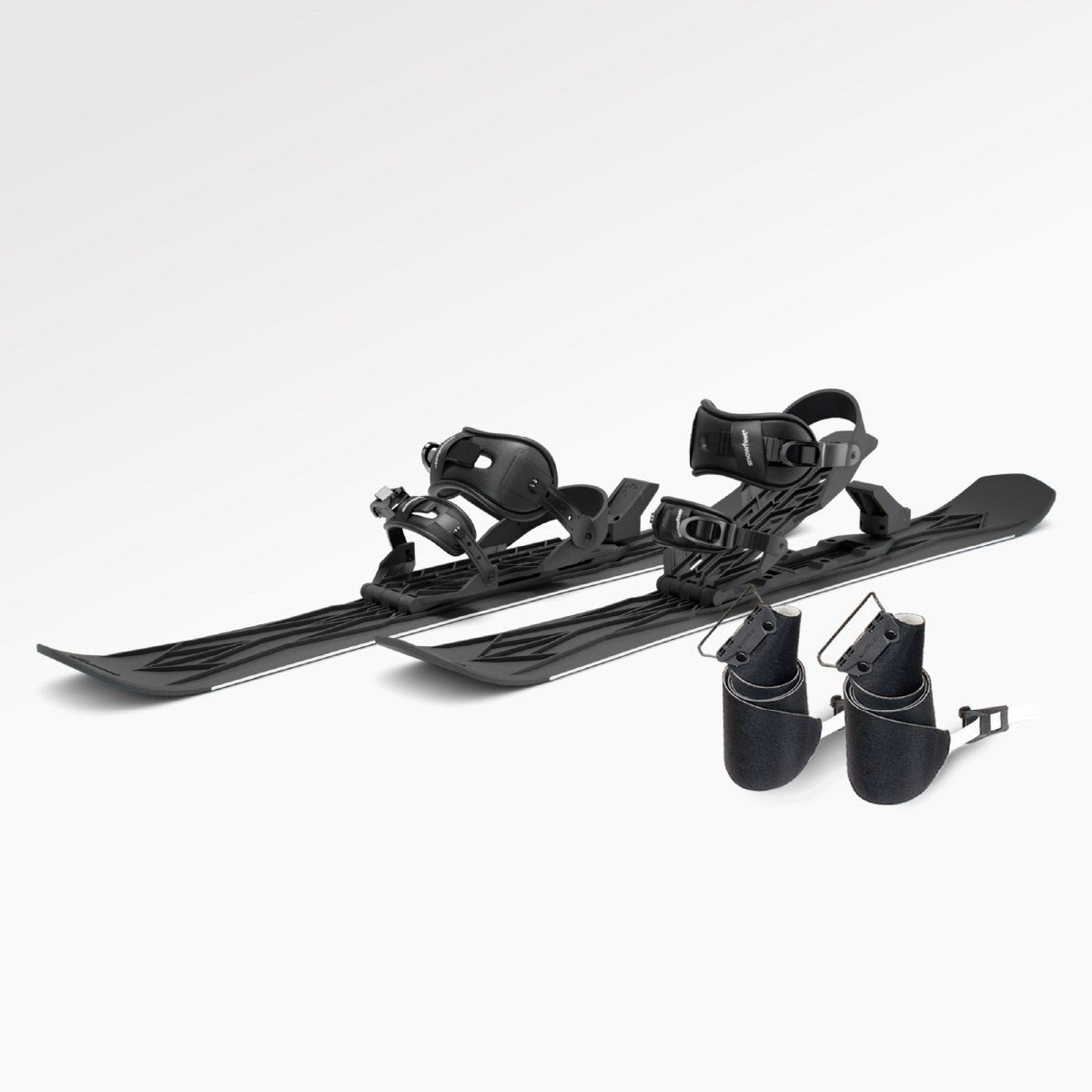
At 44 cm (about 17 inches), Snowfeet* Skiskates are the shortest pick in this group. That short length makes them easy to steer in tight spots. They come in both ski-boot and snowboard-boot versions, so they work for casual resort riders who want a simple setup.
Tight-Turn Agility
The 44 cm length helps you pivot with small ankle and knee movements. Think short, snappy moves instead of wide turns. Hockey-style pivots feel natural on these.
That comes in handy on narrow connectors, tree-lined cut-throughs, and crowded beginner runs. The shaped profile helps the edges switch fast, so the ride feels light on your feet. In busy areas, that quick response can make the whole descent feel less hectic.
Crowd Speed Control
These skates feel calmer in traffic than longer skis. They don’t build speed the same way, and for a lot of people, that’s a plus. As one reviewer said:
"Not as fast as regular skis, which might be a good thing as you get older." - heyjerz, Verified User
The catch? You give up some support when the slope gets steeper or the snow gets rough.
Moderate-Speed Stability
On greens and easy blues, the Skiskates feel steady at low to moderate speeds. Push them onto steeper, icy, or rutted runs, though, and they can start to feel twitchy. That’s the trade-off with a super short ski: tons of quickness, less calm when conditions get messy.
If you expect those tougher conditions, the 65 cm or 99 cm options will feel more planted.
Resort Practicality
One nice perk: they fit in a backpack. That makes them easy to carry through the base area and around lift lines. Kids can carry them on their own too, which is a small thing until you’re walking across a snowy parking lot :)
Before you go, check the resort’s rules. Some U.S. resorts limit non-traditional gear on certain lifts or runs.
If you like the quick-turn feel but want a bit more control and support, the 65 cm Skiblades are the next step up.
2. Snowfeet* Skiblades 65 cm
At 65 cm (about 26 inches), these Skiblades land right between the super-short 44 cm Skiskates and the longer 99 cm model. That gives them a nice middle-ground feel. They’re calmer than the 44 cm option, but they still keep most of that quick, playful steering. If the 44 cm Skiskates felt a bit too twitchy, this is the more forgiving step up.
Think of the short-ski lineup like this: 44 cm is the quickest, 65 cm is the balanced pick, and 99 cm is the most stable of the three.
Tight-Turn Agility
That extra length gives you more edge hold, which makes turns feel smoother and easier to control than on the 44 cm Skiskates. You can still pivot fast, but the ski holds its line better through the turn. And next to the 99 cm model, the 65 cm stays easier to steer and simpler to redirect in tight spots.
Crowd Speed Control
The 65 cm length is easy to slow down when the run gets packed. Quick pivots and side-slips make speed control feel natural in traffic, without the run-away feel that can come with longer skis. This is where the 65 cm size stands out: it’s quick enough to scrub speed fast, yet steady enough to stay in control while you do it.
Moderate-Speed Stability
On groomed green and blue runs, the 65 cm blades feel more planted than the 44 cm Skiskates. They’re comfortable at normal resort speeds, which is where a lot of people spend most of their day anyway. But once you get into steeper terrain, chopped-up snow, or icy patches, the 99 cm model and full-length skis do a better job.
Resort Practicality
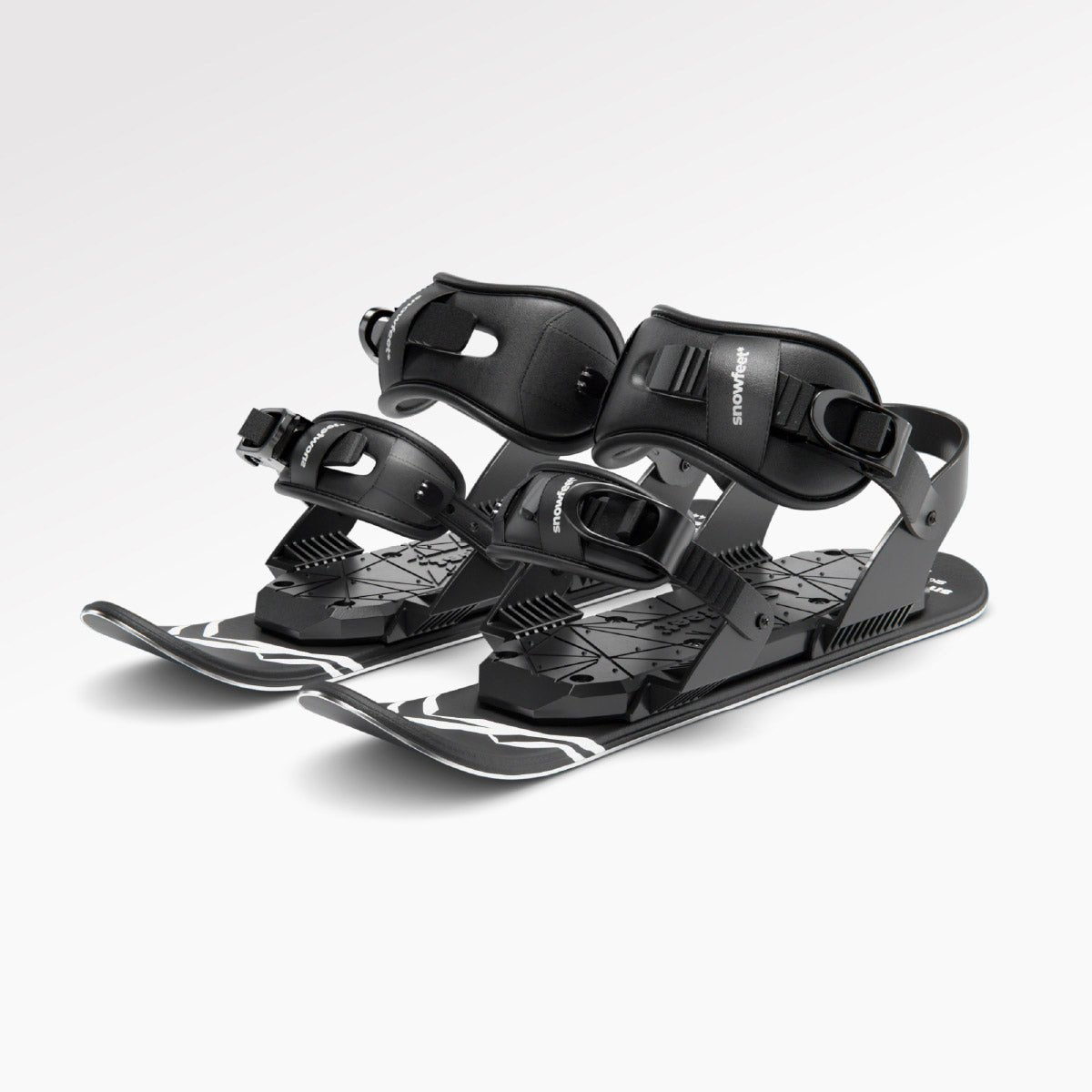
The short size makes these easy to carry, easy to stash, and way less awkward in lift lines or crowded base areas. That alone can be a small joy on a busy day :) Tool-free adjustable bindings fit both ski boots and snowboard boots.
For more stability while staying in the short-ski lane, the 99 cm Skiblades are the next step.
3. Snowfeet* Skiblades 99 cm
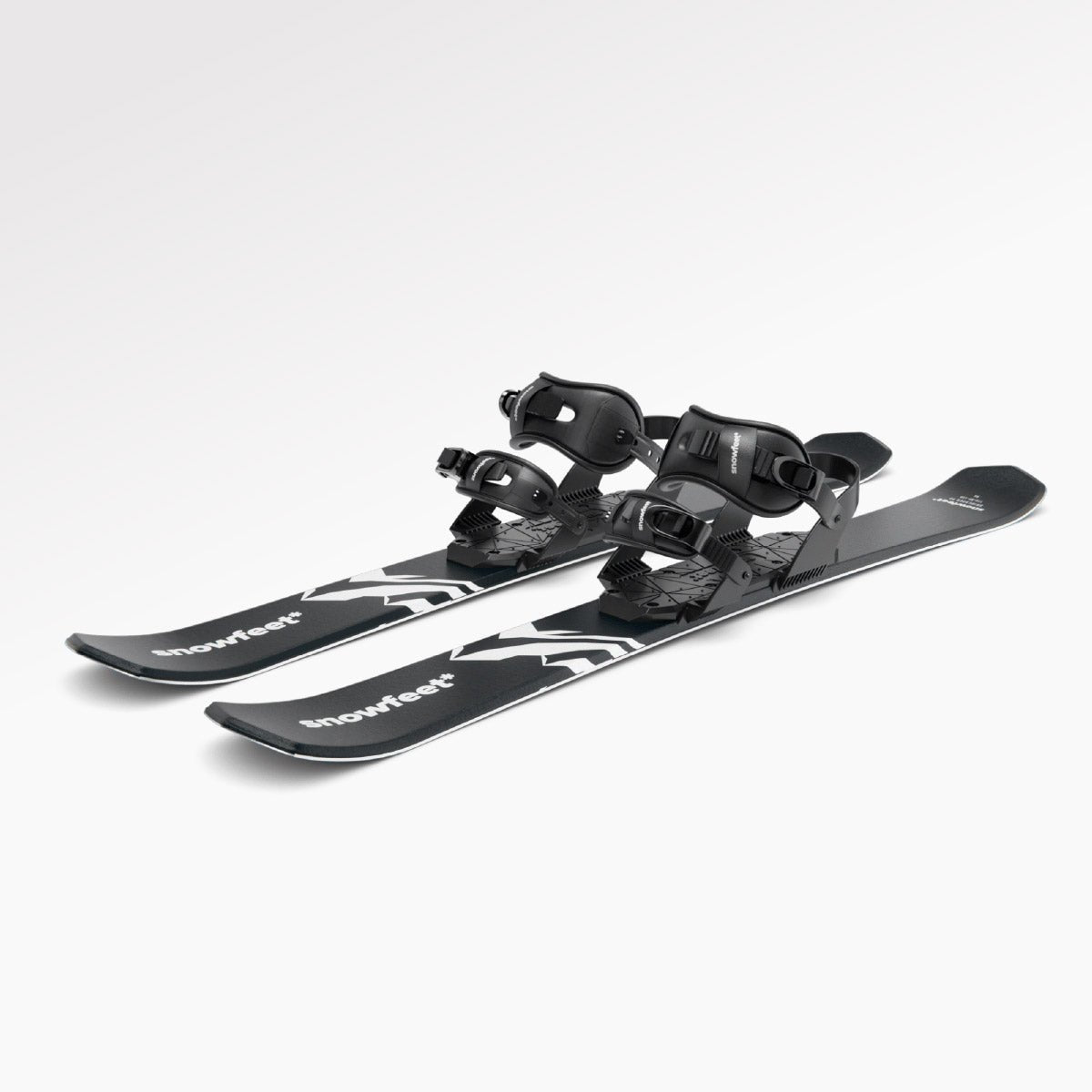
At 99 cm (about 39 inches), these are the longest Snowfeet* Skiblades in this comparison. So, they sit in a nice middle ground: more planted than the 65 cm model, but still much shorter than standard all-mountain skis. Pricing starts at $690, and you get a wood core, steel edges, and a sintered base.
Tight-Turn Agility
The 99 cm model feels calmer than the 65 cm version. Less twitchy. More settled. But it still pivots fast when you want to make short turns.
Put them next to 160–170 cm all-mountain skis, and the agility gap is hard to miss. They’re just easier to flick around, which matters a lot in tight spots.
As MindySue put it:
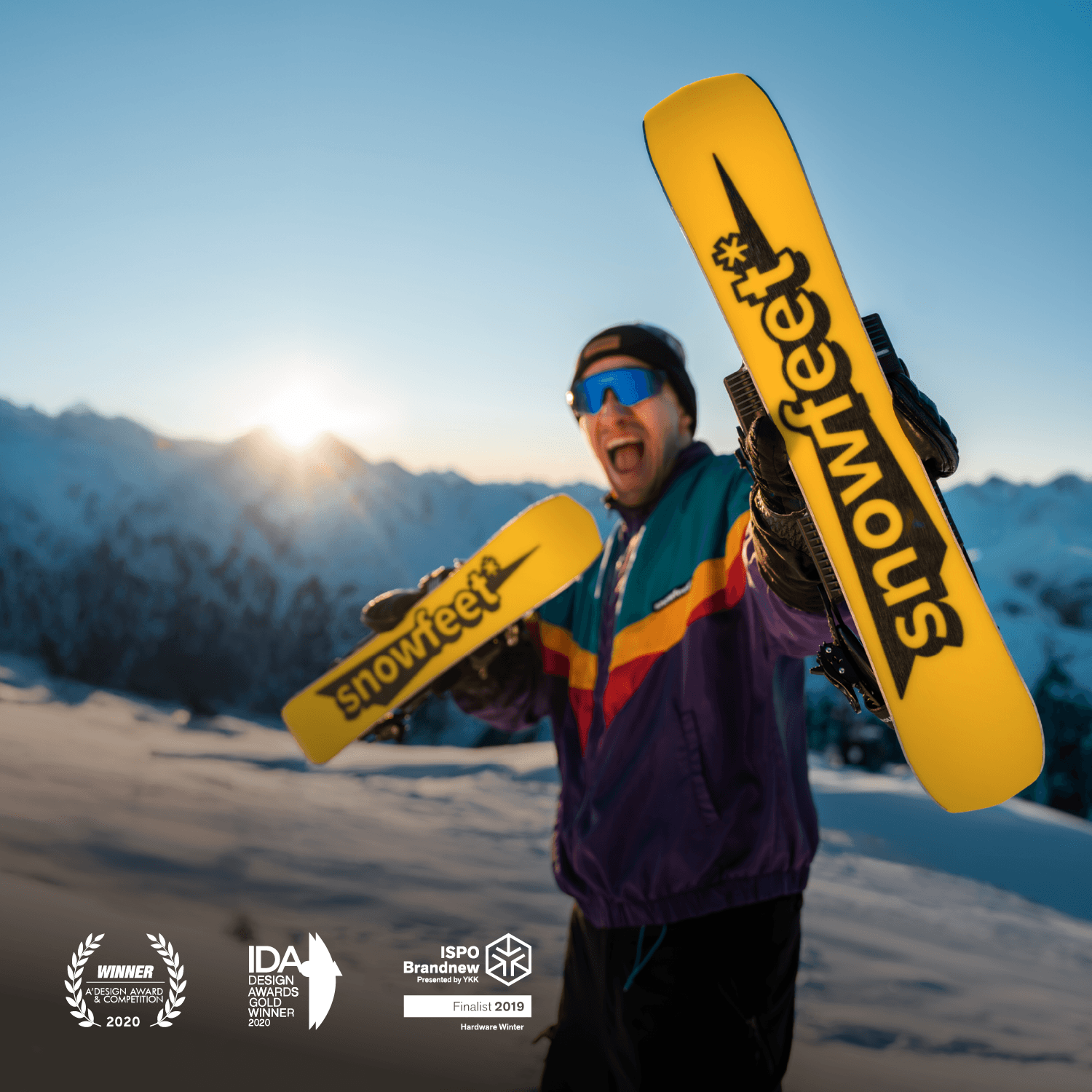
"I had a lot of fun with the 99s. They are easier to turn than skis."
Crowd Speed Control
The extra edge hold over the 65 cm model helps a lot when the slopes get busy. Speed control feels smoother, and weaving through afternoon traffic feels less tense. That’s a big plus when the mountain turns into a maze of skiers after lunch.
Moderate-Speed Stability
This is where the 99 cm model starts to shine. On groomed resort runs at moderate speeds, they feel composed and forgiving. You get more confidence than on the shorter 65 cm blades, without giving up that quick, playful feel.
There is a trade-off, though. Push the speed up, and longer skis still have the edge. As Brad Tolin noted:
"Only trade-off is at higher speeds, where longer skis still feel more stable - but for overall fun and maneuverability, these are hard to beat."
So yeah, at higher speeds, longer skis are still more stable.
Resort Practicality
At 99 cm, these are the longest Snowfeet* option that still feels easy to carry through base areas and lift lines. That’s a nice perk if you’ve ever done the awkward parking-lot shuffle with full-length skis. The tool-free adjustable bindings fit ski or snowboard boots.
Next, compare that stability with standard 160–170 cm all-mountain skis.
sbb-itb-17ade95
4. Standard All-Mountain Skis (160–170 cm)
Standard all-mountain skis in the 160–170 cm range are the default resort ski for a lot of U.S. skiers. They’re built to do a bit of everything: groomers, chopped-up snow after lunch, and mixed terrain. On narrow trails and packed runs, the big thing you notice is how fast you can redirect and slow down.
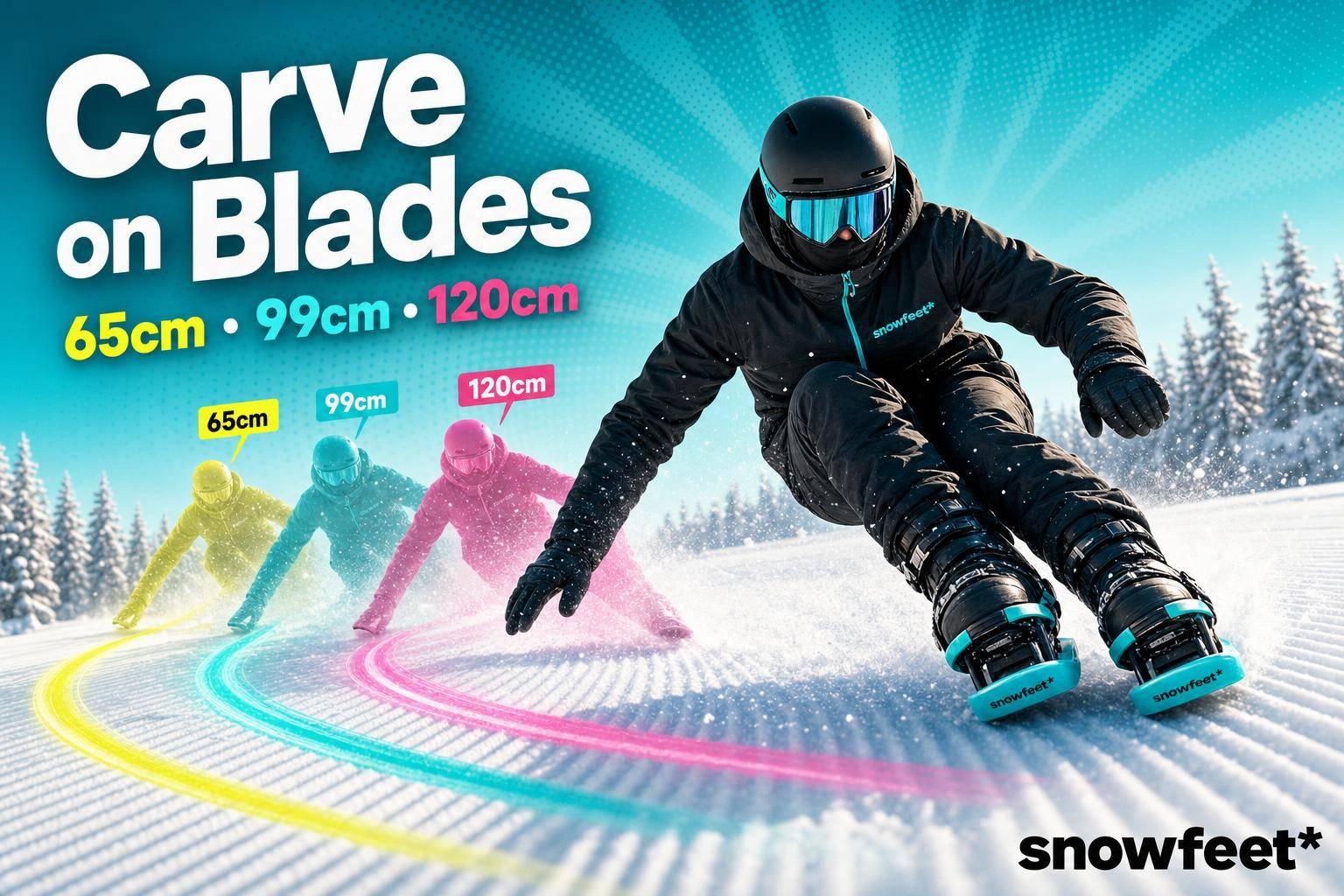
Tight-Turn Agility
On narrow trails and in busy traffic, fast redirection matters more than top speed. At 160–170 cm, these skis feel heavier to swing, and they put more ski on the snow. That means edge-to-edge moves take a bit longer. Compared with 44–99 cm Snowfeet-style options, they need more room and more deliberate technique in tight sections.
Crowd Speed Control
Longer skis give you strong edge grip and steady braking. A hockey stop on firm snow can feel very secure, which helps when the run gets crowded. The downside? Stopping takes more space and a bit more setup. You need more body rotation and more side-to-side room to bring the skis across the fall line. Strong skiers can handle that just fine, but it still feels slower and more work than the quick brake-and-go feel of shorter skis.
Moderate-Speed Stability
This is where standard all-mountain skis shine. At about 15–30 mph, they feel calm and predictable, with less chatter and vibration than short skis. When the snow gets roughed up or a little icy, that longer edge tends to hold its line with more control than ultra-short skis at the same speed. That’s a big plus on open groomers. In tight spaces, though, that same trait matters less.
Resort Practicality
For a full day at the resort, standard all-mountain skis are still the most versatile tool in the rack. Most U.S. resorts are set up around this size, and rentals are easy to find. The trade-off is portability. They’re bulkier to carry through the base area and less handy in tight lift lines. So, yeah, not the most fun pick for lift-line chaos or skinny traverses. That trade-off leads into the next section, where each length gets a clear use case.
Where Each Option Stands Out
Match the length to the terrain. Tight, busy runs favor quick pivots. Open slopes favor stability. So if you want a fast way to compare these options, focus on four things: agility, crowd control, stability, and how easy they are to carry.
| Criterion | Skiskates 44 cm | Skiblades 65 cm | Skiblades 99 cm | Standard All-Mountain Skis 160–170 cm |
|---|---|---|---|---|
| Tight-Turn Agility | Maximum - near-instant pivots, skating motion | Very high - almost as nimble, slightly more stable | High - short-radius carves, more traditional ski feel | Moderate - needs more space and technique |
| Crowd Speed Control | Excellent - low natural top speed, quick stops | Excellent - easy speed checks, great for dodging traffic | Very good - more momentum, still easy to scrub | Moderate - needs more room and better technique in traffic |
| Moderate-Speed Stability | Low - best kept slow; can feel twitchy at speed | Moderate - comfortable on greens and mellow blues | High - composed on typical blue-run speeds | Very high - smoothest ride at moderate speeds |
| Resort Practicality | Fits in a backpack | Very easy to carry | Easy to carry by hand | Needs more cargo space than Snowfeet* |
The 44 cm Skiskates are the most nimble of the bunch. They pivot almost like ice skates, which makes them a blast in tight spaces. You also get a low top speed and easy backpack carry. The trade-off? They can feel twitchy once you start pushing the pace.
The 65 cm Skiblades keep almost all of that quick feel, but give you a bit more support underfoot. Think of them as the middle ground between skate-like movement and ski-like balance.
The 99 cm Skiblades hit a sweet spot for many resort riders. They stay calm on crowded blue runs, but still feel quick when the trail opens up. If the hill is packed and you still want a setup that doesn’t feel nervous, this is where things start to click.
The biggest contrast shows up with traditional 160–170 cm skis. These are the pick when speed and mixed terrain matter more than tight movement. They feel the smoothest at moderate and higher speeds, and they hold an edge well on firm snow. But in dense crowds or narrow sections, they need more room and more deliberate technique. In plain English: great when you can let them run, less fun when the slope feels like a parking lot on a Saturday :)
| Rider Type | Best-Fit Length | Why It Works |
|---|---|---|
| Inline skaters / hockey players | 44 cm Skiskates | Natural transition; maximum agility and trick potential |
| Cautious or newer resort skiers | 99 cm Skiblades | Forgiving, easy to control in crowds |
| Crowded-resort regulars | 99 cm Skiblades | Nimble enough for traffic, stable enough for resort cruising |
| Fast resort skiers | 160–170 cm standard skis | Best choice for speed and mixed terrain |
Those trade-offs set up the pros and cons in the next section.
Pros and Cons
The side-by-side view above is useful, but this is where the trade-offs get plain and simple. If you want a fast read on speed, control, and stability, this table does the job.
| Option | Key Advantages | Key Drawbacks | Best-Fit Rider Profile |
|---|---|---|---|
| Skiskates 44 cm (from $460) | Maximum agility; fits in a backpack; easy transition for inline skaters | Least stable at speed; weak in deeper snow; fatigue on long days | Beginners, trick-seekers, inline skaters |
| Skiblades 65 cm (from $590) | Best balance of quick turns and control; lighter to carry than full-size skis | Less stable at higher speeds; less suited to aggressive carving | Confident beginners to intermediates; adults who want easy pivots on groomed runs |
| Skiblades 99 cm (from $690) | Most forgiving short option; handles moderate resort speeds well; better edge grip | Slightly less nimble than 44 cm in ultra-tight spots; not as stable as full-length skis at high speed | Best all-around choice for crowded greens and blues; snowboarders switching to skis |
| Standard All-Mountain Skis 160–170 cm | Best stability at speed; excellent edge hold on firm snow; better for skill progression at speed | Harder to pivot quickly in traffic; bulky in lift lines and base areas | Intermediates to experts who prioritize speed and open terrain |
Here’s the short version: Snowfeet* shines when you want quick handling and easy movement in tight spaces. Longer skis do better when speed climbs and the trail opens up.
For most resort riders dealing with narrow or crowded runs, the 99 cm Snowfeet* Skiblades hit the sweet spot between control and ease. They’re forgiving, easy to manage, and don’t feel like a lot to wrestle with at the end of the day :)
Conclusion
On narrow trails and packed runs, go with the shortest ski that still feels stable enough for how you ski.
- 44 cm Skiskates (from $460): Best for skate-like turns and super tight spots. A good match for green and easy blue runs.
- 65 cm Skiblades (from $590): The sweet spot for quick turns and solid control on crowded groomed blues.
- 99 cm Skiblades (from $690): The best all-around short ski for busy trails and faster groomers.
- Standard all-mountain skis (160–170 cm): Best for speed, carving, and rough, chopped-up snow. But they take more effort to redirect in tight, busy areas.
So, for most resort skiers who care more about quick control than top-end speed, Snowfeet* is the better pick.
Short skis give up some stability at high speed, but they’re much easier to handle. If you like to ski fast or spend a lot of time on open terrain, longer skis still win. But for most casual resort days on narrow or crowded runs, Snowfeet* is easier to use and a lot more fun than dragging full-length skis through packed resort areas.
For crowded U.S. resort days, Snowfeet* means easier turns, simpler handling, and less hassle than full-length skis.
FAQs
How do I choose between 44 cm, 65 cm, and 99 cm?
Choose based on your experience and goals:
- 44 cm Skiskates: best for quick turns, tricks, and easy packing.
- 65 cm Skiblades: a good pick for beginners and simple control in tight spaces.
- 99 cm Skiblades: the best all-around choice, with a nice mix of agility and stability for intermediate to advanced riders.
Are short skis good for beginners on crowded resort runs?
Yes. Short skis are a smart pick for beginners on crowded resort runs.
Compared with long, standard skis, Snowfeet short skis and skiblades are easier to control in tight, busy areas. They also make faster, more precise turns, which helps a lot when people are zig-zagging all over the place.
Their lighter, more forgiving build can help beginners:
- avoid obstacles with less stress
- build confidence faster
- learn to stop and turn with less effort
- ski longer with less fatigue
On a packed run, that kind of control can make a big difference :)
Can I use short skis at any U.S. ski resort?
Yes - at almost any U.S. ski resort.
Snowfeet products come with standard metal ski edges, so they meet the gear rules at most resorts.
Their short, nimble shape is also a nice fit for busy runs, tight trails, terrain parks, and beginner slopes. If long skis feel like too much, Snowfeet offer a fun, easy-to-turn option that can feel a lot less clunky.


Hagyj egy hozzászólást
Ezt a webhelyet a hCaptcha rendszer védi, és a hCaptcha adatvédelmi szabályzata, valamint szolgáltatási feltételei vonatkoznak rá.