



















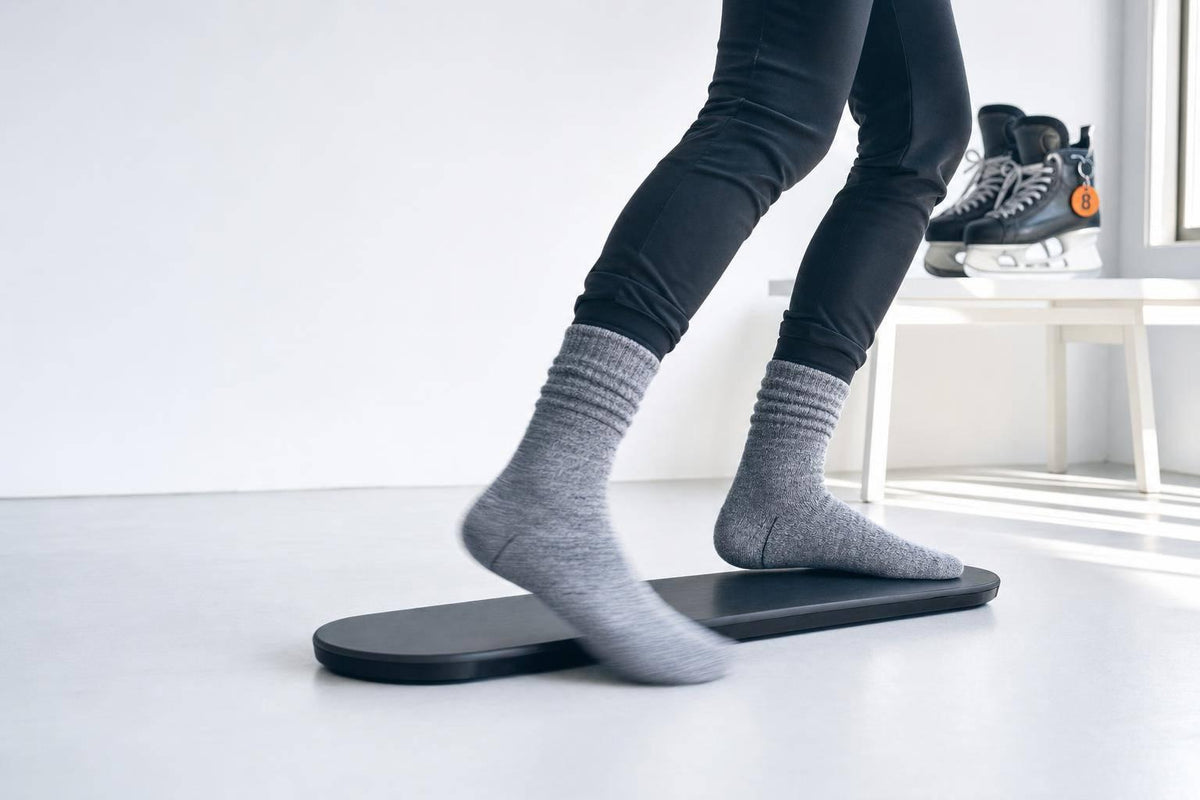
Yes - you can try skating without buying skates. In most of the U.S., the lowest-cost path is to rent at a public rink for about $15–$20 total, and in some places it can be around $10 or less during city sessions or beginner programs.
If I were helping a first-timer, I’d keep it simple:
- Want actual ice? Rent skates at a public rink.
- Want to spend $0 at home? Practice short glides in socks on a smooth floor.
- Want skating-style movement off the ice? Use a slide board.
- Want outdoor glide on snow? Try Snowfeet* instead of rink skates.
A few things matter right away: get a snug fit, wear one pair of thin socks, bend your knees, and don’t catch yourself with your hands if you fall. That last one saves a lot of “well, that was dumb” moments :)
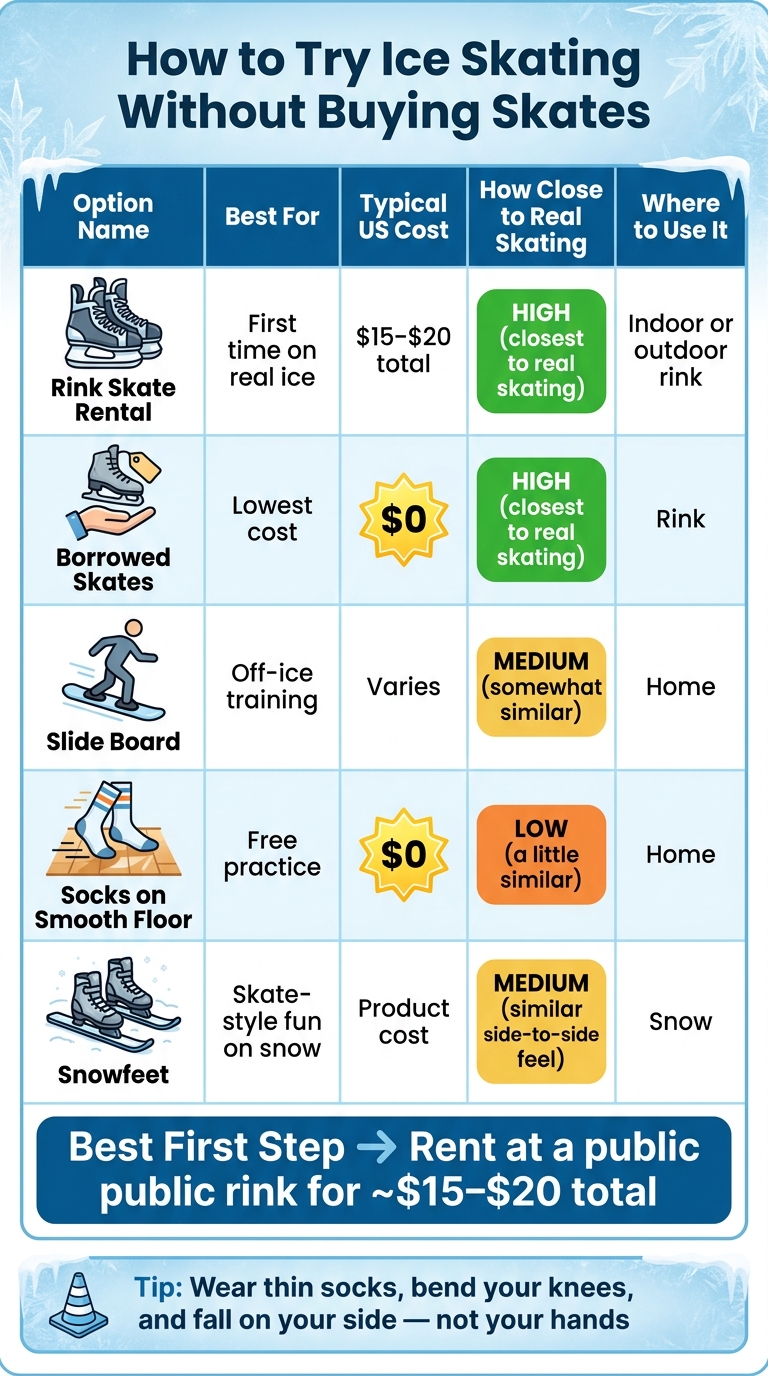
Ice Skating Without Buying Skates: Cost & Option Comparison
How to Use Snowfeet* Skiskates 44 CM | Skates for Snow | Mini Ski | Snowblades | Snowskates
Quick Comparison
| Option | Best for | Usual cost in the U.S. | Closest to ice skating? | Where to use it |
|---|---|---|---|---|
| Rink skate rental | First time on real ice | $15–$20 total | Yes | Indoor or outdoor rink |
| Borrowed skates | Lowest cost | $0 | Yes | Rink |
| Slide board | Off-ice training | Varies | Somewhat | Home |
| Socks on smooth floor | Free practice | $0 | A little | Home |
| Snowfeet* | Skate-style fun on snow | Product cost | No, but similar side-to-side feel | Snow |
So, if your goal is to test skating before you spend money, I’d start with rink rentals first, then use home drills or Snowfeet* if you want more time on the movement without buying skates.
Rent or borrow skates for the cheapest real ice experience
Rent skates at a public rink
The easiest path is a Public Skate, Open Skate, or Public Session at your local rink. Skip sessions set aside for things like Freestyle or Stick and Puck.
At most indoor community rinks, you’ll usually pay about $10 for admission, plus $5 to $10 for skate rentals. For beginners, figure skates can feel a bit more stable. That said, the toe pick can catch if you lean too far forward.
When you rent, give them your regular street shoe size. Rental skates often fit 1 to 1.5 sizes smaller. You want a snug fit, with your heel locked in place and almost no lift. Wear one pair of thin, mid-calf socks. And yes, it’s worth calling ahead to make sure the session is running and they have your size.
Borrow skates or visit pop-up rinks with rentals included
Borrowing skates is the cheapest move because, well, free is hard to beat. Just check them before you step on the ice. Pass on any pair with dull blades or weak ankle support. If the ankle folds inward when you stand, grab a different pair.
If borrowing isn’t on the table, seasonal pop-up rinks are often the next cheapest way to skate on real ice. Some include rentals, and some offer low-cost lesson sessions, but prices can vary. They’re handy when you want a simple, one-stop outing without buying gear.
How to stay safe on your first day
Before you start gliding, march in place with your knees bent and your hands out for balance. It may feel a little goofy, but it works. If you fall, drop your hips and land on your side instead of throwing your hands out. Your wrists will thank you.
To get back up, roll onto your hands and knees, plant one foot, and push up from that knee.
If you want the same skating feel without rink time, the next option is off-ice practice.
sbb-itb-17ade95
Off-ice options that copy skating movement at home
You can build a lot before you ever step onto the ice: balance, stride control, and leg strength. That way, when you rent skates, you’re not starting from zero.
Use a slide board for side-to-side glide practice
A slide board is a 5- to 8-foot glide surface with stops at each end. You wear slide-board booties or grippy socks, push off one side, and glide to the other.
This drill gives you a feel that’s close to skating. Keep a deep knee bend and hold your arms out in a T shape to help with balance. Want to make it tougher? Drop into a lower athletic stance or practice stopping motions just before you reach the end.
No slide board? No problem. You can still work on the same basic movement on a smooth indoor floor.
Practice gliding drills on smooth floors
Gliding in socks on a smooth, clean floor can help you get used to shifting your weight and staying balanced. Start with marching motions. Then move into short glides once that feels steady.
A quick safety note here: wear knee and elbow pads. If you fall, sit down onto your side or seat instead of throwing your hands at the floor. It’s not glamorous, but it beats sore wrists.
If you want a bit more control before your first rink visit, add some simple strength work next.
Build skating-specific strength and balance
Do squats, reverse lunges, and single-leg stands to build leg strength and ankle stability.
If you want skate-style glide outdoors instead of inside, the next option is Snowfeet* on snow.
Use Snowfeet* on snow when you want glide and agility without skates
If you want that same side-to-side feel outdoors instead of on a rink, Snowfeet* is the closest practical option for skate-style glide and quick turns on snow.
Why Snowfeet* fits casual riders
Some Snowfeet* models work with regular winter shoes. Others use snowboard boots. Either way, the setup is compact, easy to carry, and friendly for beginners.
How to choose between 38 cm, 44 cm, and 50 cm
- Mini Ski Skates (38 cm): The most portable option. Great for quick, playful sessions.
- Skiskates (44 cm): The best middle ground for control and agility.
- PRO (50 cm): The most stable of the three.
Snowfeet* vs. long skis, snowblades, and other short-ski brands
Long skis still win if you want the full ski experience. But Snowfeet* is easier to carry, easier to learn, and just more fun for casual skate-style riding.
Next, match the option to your budget, location, and how much stability you want.
Pick the best option for your budget, location, and goal
Use this quick guide to line up your goal with the right pick.
Best choice for real ice skating
If you want to skate on actual ice, renting at a local rink is usually the easiest path. Community rinks run by city park districts often cost about $10 total. That’s hard to beat.
Want to spend even less? Some rinks offer free beginner lessons with rentals included. Nice little bonus.
If you don’t have rink access and still want to train, the right pick changes.
Best choice for training without a rink
A slide board is the best at-home option for working on the push-and-glide motion and building skating-specific strength. It gets you closer to the movement pattern than most off-ice gear.
Not ready to spend money? Fair. Sock skating on a smooth hardwood or tile floor costs $0 and still gives you that gliding feel.
If what you want is more of a skate-style glide on snow, Snowfeet* makes more sense.
Best choice for skate-style fun on snow
For casual riders who want glide and skate-style agility outside, Snowfeet* is often the most practical option. It’s compact, easy to learn, and built for snow.
Here’s the short version:
- Real ice skating: Rink rentals or free beginner programs - cheapest and closest to actual skating
- Home training: Slide board for skating movement practice; socks on smooth floors for free
- Skate-style fun on snow: Snowfeet* - compact, beginner-friendly, and made for snow-based glide and agility
Choose the size based on how you plan to use it:
- 38 cm: best for portability
- 44 cm: best for balance
- 50 cm: best for stability
FAQs
Can I learn enough at home before going to a rink?
Yes - home practice can build muscle memory that carries over to the rink, even if ice still has its own feel. Inline skates or a slide board can help you work on balance, push mechanics, and leg strength without needing rink time.
If you want something that feels closer to the move from dry land to ice, Snowfeet products can help you practice stance, weight shifts, and gliding on snow or icy ground in short, repeat sessions. That kind of steady practice can make your first few laps at the rink feel a lot less shaky :)
Are rental skates good enough for beginners?
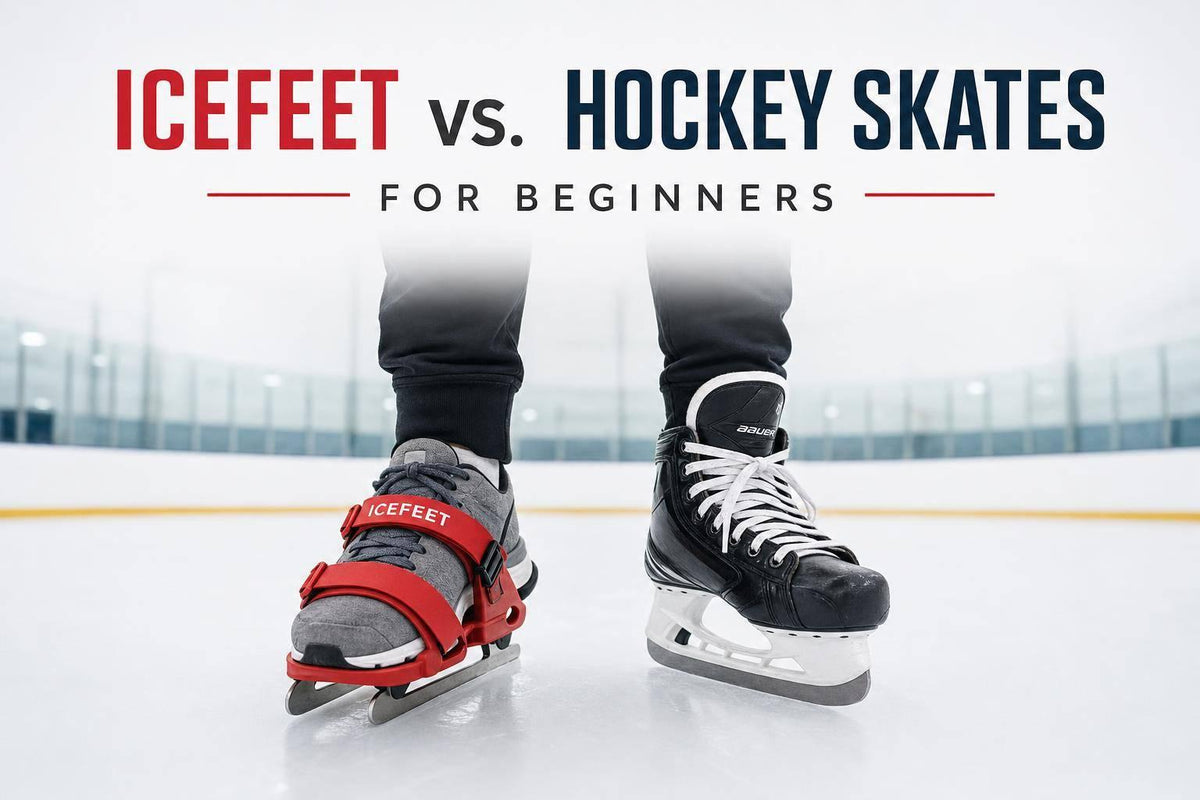
Yes. Renting is the smart move for beginners who want to try ice skating without spending money on gear they may not use much. Most rinks offer hockey-style or recreational rental skates, and those work well for first-time sessions. They’re forgiving, simple to get started with, and good for just getting out on the ice.
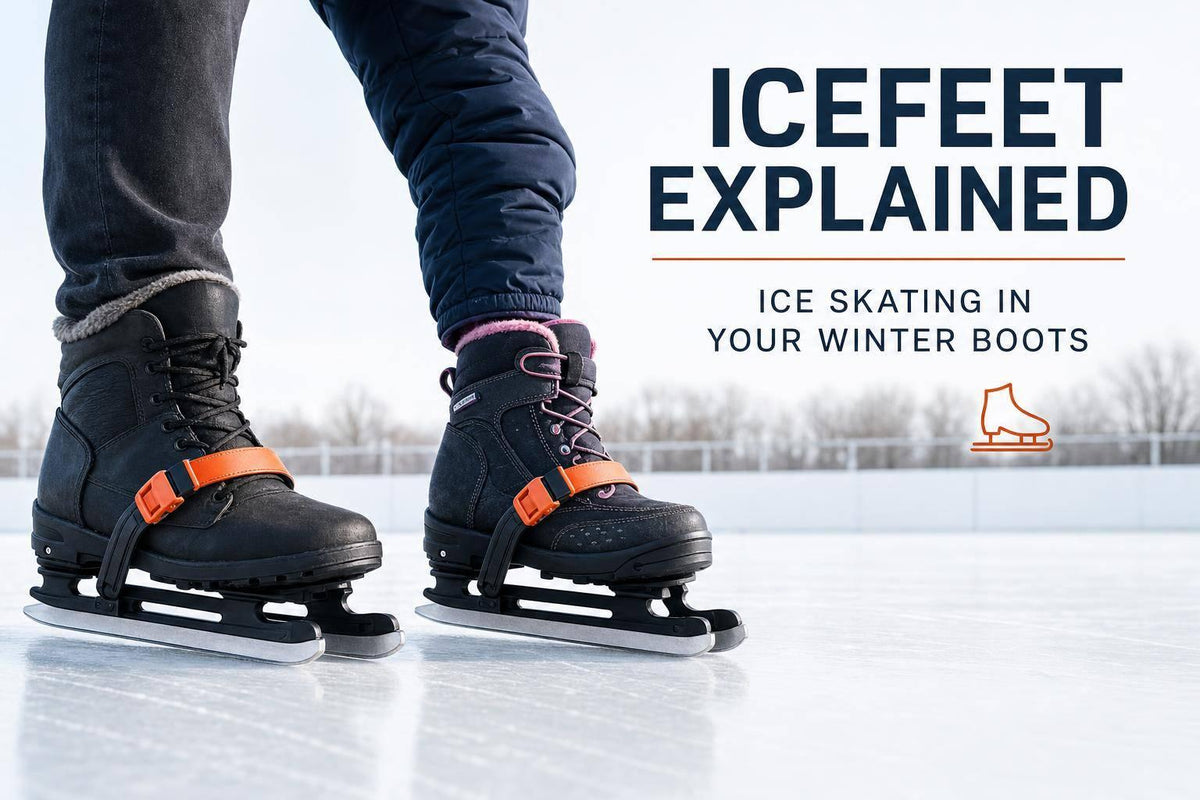
There’s also a more portable option: Snowfeet Skiskates. They work with your own winter boots, give you better stability thanks to a wider platform, and can be used on both ice and snow. That makes them handy if you want something easier to carry and more flexible than standard skates.
Which Snowfeet* size is best for me?
The best Snowfeet* model comes down to what you want to do and your shoe size.
The 38 cm Mini Skis are a great pick for beginners. They feel stable, they’re easy to handle, and they stay nice and compact. They fit US men’s sizes 6–9 and US women’s sizes 7.5–10.
If you want more speed, more stability, and more ways to ride, go with the 50 cm Snowfeet PRO*. They fit US sizes 6–13.
The 44 cm Skiskates sit right in the middle. They’re portable, stable, and easy to turn, which makes them a nice balance between the two :)











Efterlad en kommentar
Denne side er beskyttet af hCaptcha, og hCaptchas Politik om beskyttelse af persondata og Servicevilkår er gældende.