




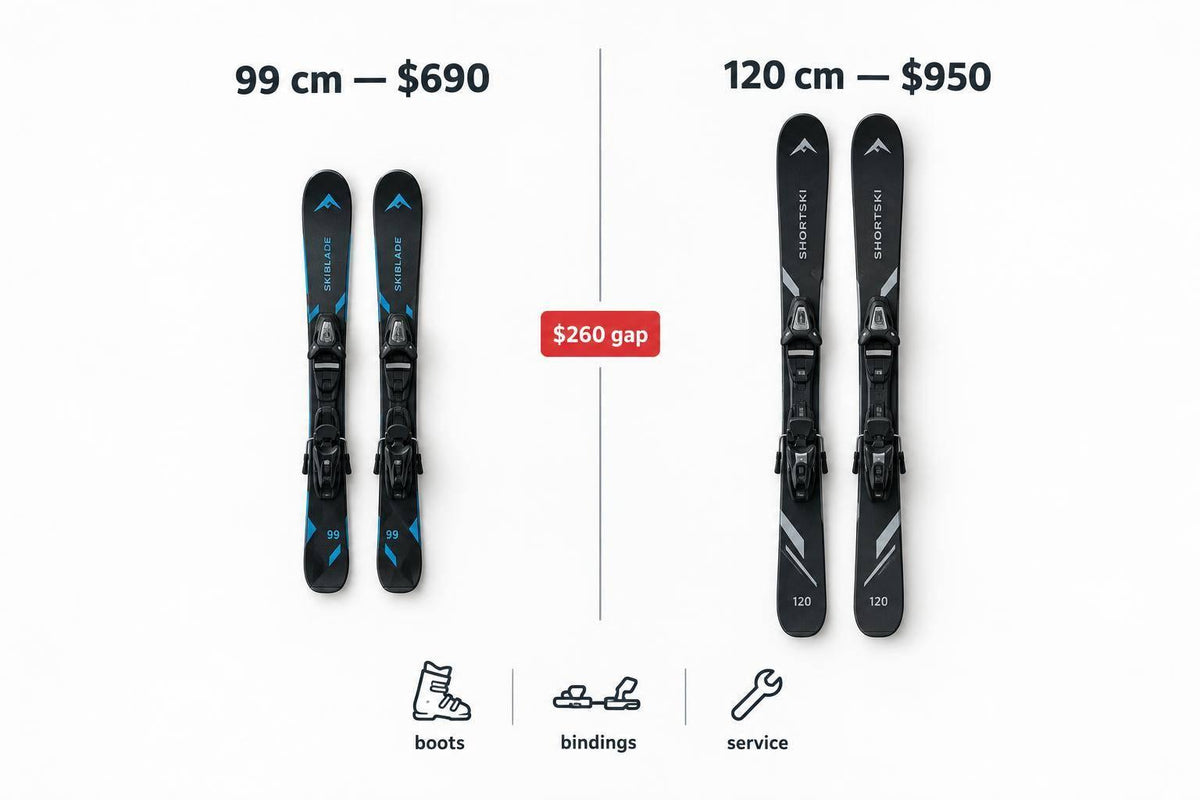
_Snowfeet 99 cm Skiblades cost about $690, while the 120 cm model costs about $950 - $260 more, or roughly 38%._* My advice: compare the cost with boots and binding service, not just the price tag.
I’d lean toward 99 cm for a lower price and tight turns, or 120 cm for more support and longer turns. Here’s the side-by-side:
Quick Comparison
| What I’d compare | 99 cm Skiblades | 120 cm short skis |
|---|---|---|
| Reference price | About $690 | About $950 |
| Length | 39 inches | 47.2 inches |
| Boots and bindings | Ski or snowboard boots, based on binding choice | Ski boots with release bindings |
| Ride | Easy to pivot; less support at speed | More stable; slower in tight turns |
| Carrying | Easier in small spaces | Longer, but still compact |
| Best fit | Beginners, casual riders, short turns | Confident skiers who prefer longer turns |
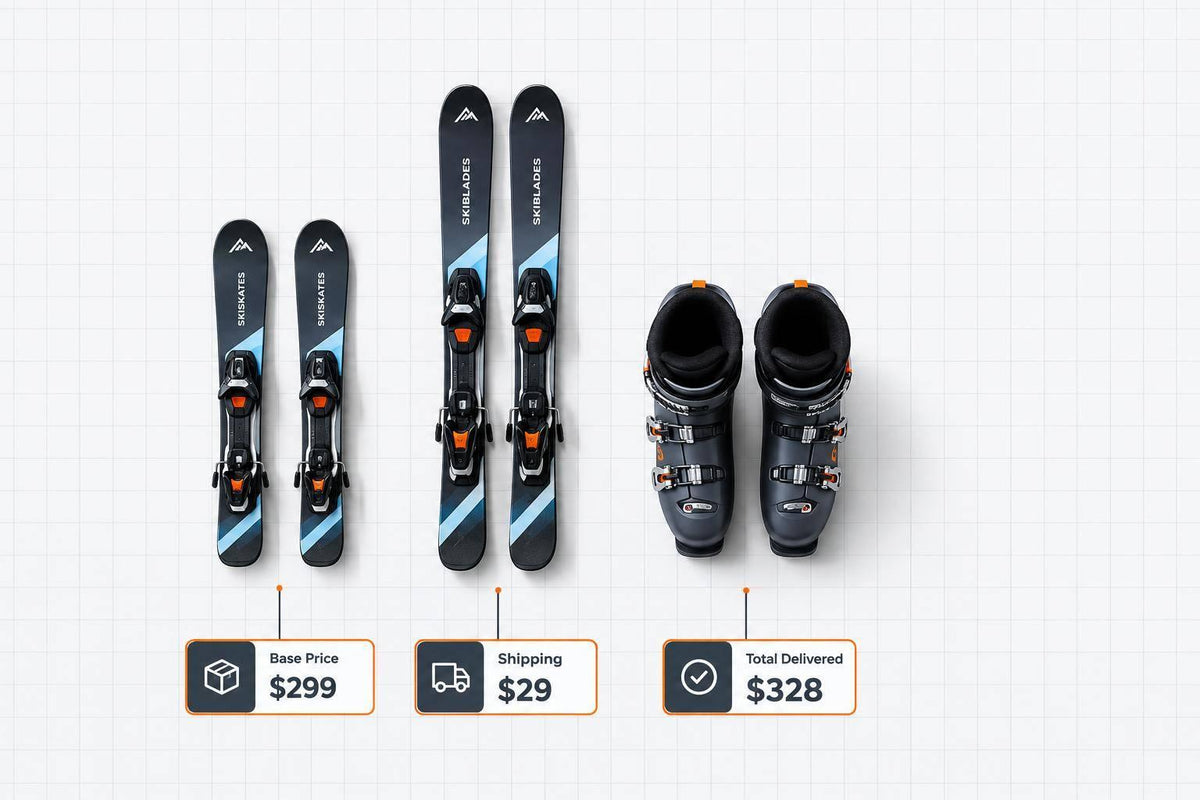
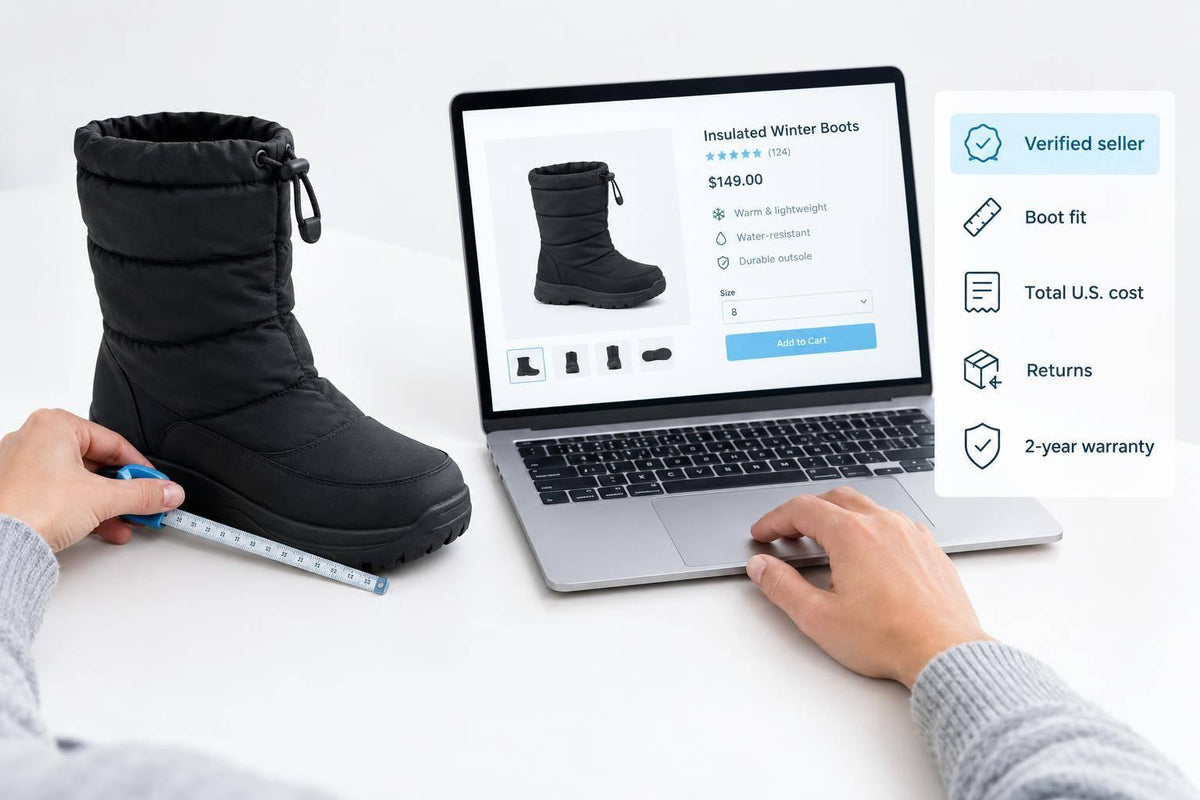
<u>Boot fit can change your total cost.</u> I’d check which bindings come with the package, confirm boot fit, and get a shop quote for setup. Add tax, shipping, and any boots you need before you choose.
These are reference prices, not confirmed current offers. I’d check the official product pages before buying. And if high speeds or deep powder are your goal, I’d also compare full-length skis.
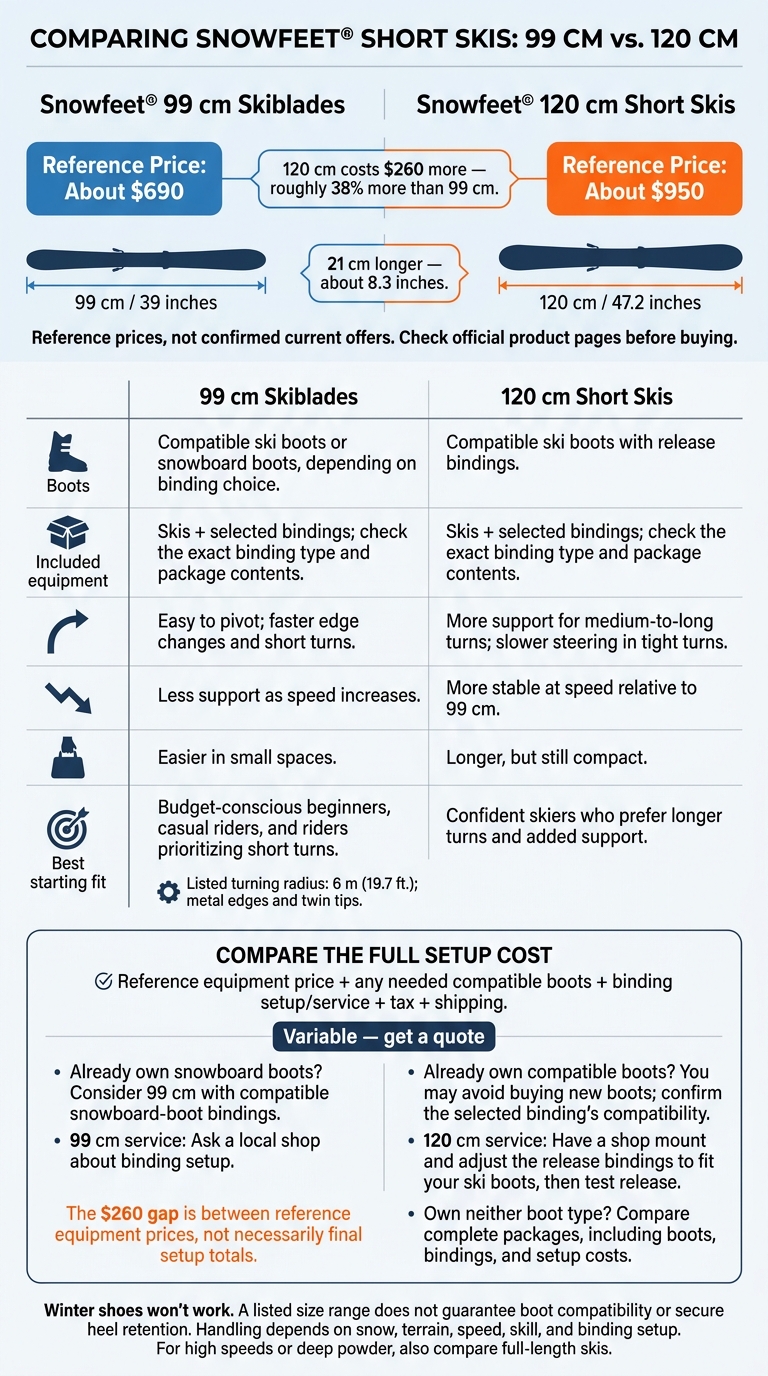
99 cm vs 120 cm Skiblades: Price and Fit
All you need to know - Snowfeet* | Skiskates | Skiboards | Snowblades | Skiblades FAQ
What’s Included and What Else You Need
| Cost item | 99 cm Skiblades | 120 cm Skiblades |
|---|---|---|
| Included equipment | Skis + selected bindings; check the exact binding type. | Skis + selected bindings; check the exact binding type. |
| Required boots | Compatible ski boots or snowboard boots, depending on your bindings. | Compatible ski boots. |
| Binding setup/service | Cost varies - ask a local shop about binding setup. | Cost varies - ask a local shop about mounting, adjustment, and release testing. |
The base price isn’t the full cost. Your choice of bindings and boots can change what you spend.
99 cm: Choose Ski-Boot or Snowboard-Boot Bindings
Pick bindings that work with boots you own, and you may skip buying new boots. Winter shoes won’t work. For casual riders, using existing boots keeps the starting cost down and makes setup simpler.
120 cm: Release Bindings Require Ski Boots
The 120 cm model uses release ski bindings. Have a shop mount and adjust them to fit your ski boots, then test the release. If you own ski boots and want more support, the extra cost may be worth it.
Setup Costs With and Without Existing Boots
- Already own compatible boots: The 99 cm model starts around $690; the 120 cm model starts around $950.
- Need boots too: Budget for compatible boots, binding service, shipping, and tax.
With those costs in mind, the next question is how the extra 21 cm - about 8.3 inches - changes the ride.
How the Extra 21 cm Affects Handling
The 120 cm model adds support and more contact with the snow. The 99 cm model favors agility. Snow, terrain, speed, skill, and binding setup all affect how they feel. That extra 21 cm (8.3 in.) also costs more. Whether it’s worth paying for depends on your preference: more stability or tighter turns.
| Handling factor | 99 cm Skiblades | 120 cm Skiblades |
|---|---|---|
| Short turns | Faster edge changes | Slower steering |
| Maneuverability | Easier to pivot in tight terrain | More platform to steer |
| Stability | Less support as speed increases | More stable at speed |
| Carrying | 39 in.; easier in tight spaces | 47.2 in.; still compact |
99 cm: Short Turns and Easy Carrying
The Snowfeet* 99 cm model is the most nimble option. It has a listed 6 m (19.7 ft.) turning radius, metal edges, and twin tips. Its short length makes it easy to carry and a strong pick for moguls, park features, and fast direction changes.
Learn edge control and stopping before heading into bumps or park features. Compact skis don’t replace instruction.
120 cm: More Support for Longer Turns
The 120 cm model feels more planted during medium-to-long turns, giving riders a calmer ride. Confident skiers who prefer those turns may find its full-length ski-like rhythm worth the added cost. The trade-off? Slower steering in tight turns.
Where Full-Length Skis Perform Better
Full-length skis still win for stability at top speeds and in deep powder. But their added size makes them less convenient to carry and handle.
sbb-itb-17ade95
Which Model Fits Your Budget and Riding Style?
Compare the full setup cost, not just the sticker price. The 99 cm model starts at $690. The 120 cm model starts at $950 - a $260 difference. Factor in boots, the binding package, mounting or adjustment, and safety gear. Before ordering, confirm the current price and what the package includes. Then weigh that price gap against how you ride.
| Your situation or priority | Better starting choice | What to check before buying |
|---|---|---|
| Budget-conscious beginner or occasional rider | 99 cm | Boot compatibility and full setup cost |
| Already own snowboard boots | 99 cm with snowboard-boot bindings | Binding fit and heel retention |
| Prefer short turns and easy carrying | 99 cm | Binding fit with your boots |
| Confident skier with compatible ski boots and longer turns in mind | 120 cm | Release-binding compatibility and service costs |
| Willing to pay more for added support | 120 cm | Whether the final price gap fits your budget |
| Own neither ski boots nor snowboard boots | Compare complete packages | Boots, bindings, and setup costs |
99 cm: The Lower-Cost Choice for Casual Riders
Snowfeet* 99 cm fits riders who want a lower price, short turns, and gear that's easy to carry. Its ski-boot and snowboard-boot binding options may let you use boots you already own, too.
Check the exact binding option and boot fit before paying. A listed size range doesn't guarantee compatibility or secure heel retention.
120 cm: When Added Stability Is Worth $260
Choose Snowfeet* 120 cm if you value added stability over easy carrying. It offers smoother, longer turns and more support for $260 more up front. It's best suited to confident skiers who already own compatible ski boots and want that extra stability.
Don't own ski boots? Add their cost and professional binding service to your budget. Those expenses push the price gap beyond $260. Get a quote for the full setup before deciding whether the handling you prefer is worth the extra money.
Conclusion: Compare Total Cost Before You Buy
Snowfeet* 99 cm starts at $690, while 120 cm starts at $950. That’s a $260 gap before boots, binding setup, and shop service. Compare the cost of a setup you can use - not just the price on the tag.
Choose 99 cm for lower total cost and quick turns. Choose 120 cm only if you’re willing to pay more for added stability on longer turns.
Boot compatibility affects your total cost. The 120 cm model requires alpine ski boots and proper shop adjustment. The 99 cm model supports ski-boot or snowboard-boot configurations, depending on the binding option.
Check these details before you order:
- Store price: model, binding option, and sale status
- Included parts: bindings, mounting hardware, and accessories
- Boot match: boot type and US size range
- Service: mounting, adjustment, and release testing
- Final total: tax, shipping, insurance, and return fees
FAQs
How can I check whether my boots fit the bindings?
Start by checking your Snowfeet model. The 65 cm and 99 cm Skiblades fit both boot types within these size ranges:
- Ski boots: U.S. sizes 4.5–14.5 (EU 36–49)
- Snowboard boots: U.S. sizes 6–14.5 (EU 38–49)
Make sure your boot type and size match before you strap in.
The 120 cm Skiblades require ski boots and use standard release bindings. They don’t support snowboard boots.
What should I budget for professional binding setup?
_Snowfeet includes bindings in the price of every pair of skiblades._* You won’t need to budget for professional setup, mounting, or assembly.
Just choose your binding type at checkout - such as ski boot or snowboard boot bindings - to fit the boots you already own. That keeps your total cost clear and easy on your budget.
Does my height or weight affect which length I should choose?
Your height and weight matter less when choosing Snowfeet* skiblades. They’re built for all body types. Focus on your skill level, skiing style, usual terrain, and how much stability you want.
If you’re taller or heavier, the 120 cm (about 47-inch) models may give you more control and leverage when you push your limits. But choose based on how you want your skiblades to perform - not just your size.











Efterlad en kommentar
Denne side er beskyttet af hCaptcha, og hCaptchas Politik om beskyttelse af persondata og Servicevilkår er gældende.