




















If you’re wondering whether short skis or long skis are better for you, here’s the quick answer: Short skis are easier to control, lighter, and great for beginners or freestyle skiing. Long skis, on the other hand, excel at high-speed stability and deep powder performance.
Key Takeaways:
- Short Skis: Less than 63 inches, easy to maneuver, beginner-friendly, portable (even fit in a backpack), and ideal for tight turns, moguls, and freestyle tricks.
- Long Skis: Over 67 inches, stable at high speeds, better for carving and floating on powder, but heavier and harder to control for less experienced skiers.
Quick Comparison:
| Feature | Short Skis (e.g., Snowfeet*) | Long Skis |
|---|---|---|
| Maneuverability | Excellent for tight turns and tricks | Less agile |
| Learning Curve | Easy for beginners | Requires more skill |
| Speed Stability | Decent, but less stable at high speeds | Very stable |
| Powder Performance | Limited | Outstanding |
| Portability | Fits in a backpack | Bulky, requires extra gear |
Short skis, like Snowfeet* models, are redefining skiing by offering lightweight, versatile options that are perfect for casual skiers and adventurers. Long skis still hold their ground for speed demons and powder enthusiasts, but for most recreational skiers, short skis are the go-to choice. Keep reading to see which ski type matches your style and needs.

Short Skis vs Long Skis: Complete Comparison Chart for 2026
Short Skis: Benefits and When to Use Them
What Makes Short Skis Better
Short skis bring some serious perks to the table that you just don’t get with traditional long skis. First up, they’re incredibly easy to control. Thanks to their compact size, they respond to your movements almost instantly, making them perfect for quick turns. Whether you’re zipping through moguls, threading between trees, or hitting the terrain park for jumps, short skis give you the agility to handle it all with ease.
They’re also a dream for beginners. Many people can pick up the basics of short skis in just a day, compared to the weeks - or even months - it can take to feel comfortable on longer skis. Plus, they’re less physically demanding, so you can focus on having fun and carving down the slopes without wearing yourself out. That means more runs and less fatigue.
Another big win? Portability. Snowfeet* models are so compact they can fit in a standard backpack. That means no lugging around bulky ski bags, no need for roof racks, and no extra luggage fees when you travel. Toss them in your car trunk, carry them on the subway, or check them as regular luggage on your next flight. Even storing them at home is a breeze - no more struggling to find space in your garage or apartment. Check out the Snowfeet* lineup below to see how these models deliver on all these benefits.
Snowfeet* Models and Sizes
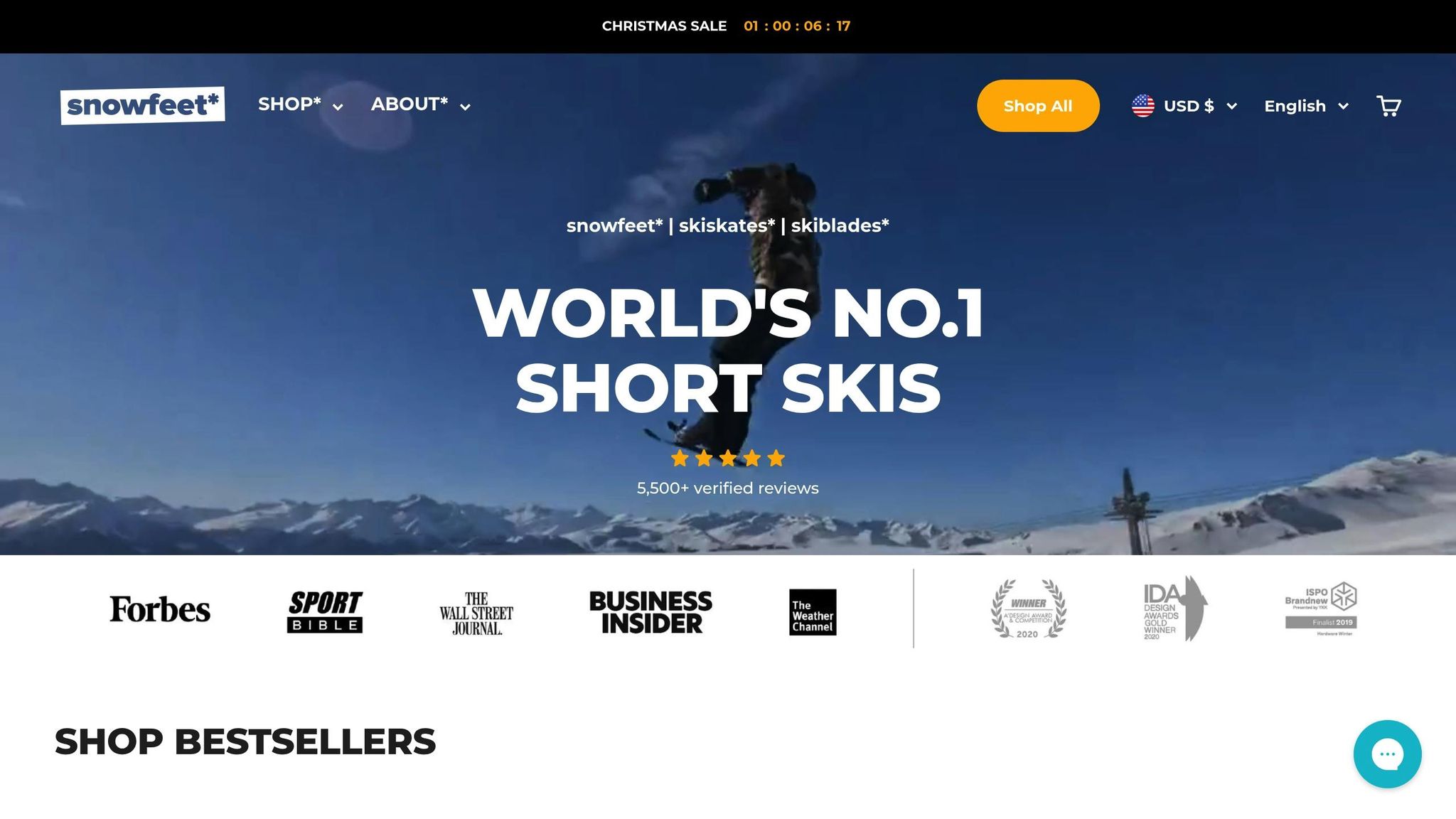
Snowfeet* offers a variety of models to suit different skill levels and terrain preferences. Here’s a quick breakdown:
- Mini Ski Skates (15 inches/38 cm): These are the smallest option, perfect for beginners and groomed trails. At $250, they’re lightweight, portable, and offer a skating-like experience that’s all about fun.
-
Skiblades: Available in three sizes to match your progression:
- 65 cm (26 inches): Priced at $635, this size is great for carving and hitting snowparks while keeping things super maneuverable.
- 99 cm (39 inches): At $675, this model offers more stability, making it ideal for moguls, light powder, and more aggressive skiing.
- 120 cm (47 inches): The longest option at $775, these short skis come closer to the feel of traditional skis but still retain the compact design benefits.
What sets Snowfeet* apart is their versatility. All models are compatible with regular winter boots, snowboard boots, or ski boots - no need for specialized gear. Unlike traditional setups from brands like Rossignol or Salomon, Snowfeet* keeps things simple and accessible while still delivering performance. Whether you’re a casual skier or looking for something more advanced, there’s a model that fits your needs.
Best Uses for Short Skis in the U.S.
Short skis shine in a variety of U.S. skiing scenarios, thanks to their portability and performance. For example, they’re perfect for groomed runs at top resorts like Vail, Park City, or Mammoth Mountain. These smooth slopes let you practice carving, nail tricks, or just cruise without worrying about catching an edge. In terrain parks, their compact size makes jumps, rails, and boxes way less intimidating compared to long skis.
Planning a quick weekend trip? Short skis are a game-changer. If you’re flying from New York to Colorado for a few days, you can pack your Snowfeet* in a backpack and skip the hassle of oversized luggage. They’re also great for backyard slopes or local hills, making it easy to squeeze in a quick session close to home.
And if you’re mixing skiing with other activities, short skis are a no-brainer. Whether you’re hiking to remote snow spots, exploring backcountry trails, or combining skiing with snowshoeing, their lightweight and portable design makes them easy to bring along. Essentially, they’re built for adventure - whatever that looks like for you.
Long Skis: Strengths and Drawbacks
Where Long Skis Perform Well
Long skis - those over 67 inches (170 cm) - are built for speed and stability. If you're flying down expansive slopes or carving up steep terrain, long skis shine. They minimize vibrations and feel rock-solid at high speeds, making them a favorite for advanced skiers. As Perty, a Ski Diva Extraordinaire, says:
"The moment you start to ski faster and more aggressively, longer skis are essential for high-speed stability".
Long skis also dominate in deep powder. Their larger surface area helps you float on top of soft snow instead of sinking into it [10, 12]. They're perfect for long-radius turns and fast descents, offering excellent edge grip and smooth energy transfer on groomed runs [10, 12]. For those who live for speed and powder days, long skis can deliver an unforgettable ride. But, they’re not without their challenges.
Problems with Long Skis
While long skis excel in performance, they can be a hassle in other ways. Unlike compact options like Snowfeet*, long skis sacrifice convenience for speed. Their size and weight can be exhausting, especially for less experienced skiers [15, 17]. Beginners often find them tricky to handle, which can make learning more difficult [10, 17]. They’re also not great for quick, tight turns, making them less effective in moguls, tree runs, or terrain parks [14, 16].
Transport and storage are another headache. Their bulk often requires roof racks or extra luggage space, which isn’t exactly travel-friendly. Even on the mountain, they have limitations. Pro skier Daron Rahlves points out:
"On firmer snow the wider skis make it more difficult to stay tipped up on edge, and I feel the strain on ankles is more if skiing on a 105mm+ ski".
The Snowfeet Team puts it bluntly:
"Long skis are for most skiers too clunky and heavy".
Unless you're consistently skiing big mountain terrain at high speeds, the downsides of long skis can outweigh their perks. Compact options like Snowfeet* short skis offer similar thrills without the hassle. Up next, we’ll see how these two designs stack up against each other.
Short Skis vs. Long Skis: Side-by-Side Comparison
Turning and Learning Ease
Short skis, like Snowfeet*, are all about agility and quick response. They make sharp turns a breeze, whether you're weaving through moguls, navigating tight trails, or hitting up the terrain park. Plus, they’re easier to control, which means less effort and less fatigue - perfect for beginners or anyone who likes a playful, dynamic ride.
Long skis, on the other hand, are built for speed and precision. They shine when carving on groomed runs, offering excellent edge grip on both hard and soft snow. However, they require more balance and effort to maneuver quickly, which might feel overwhelming for newcomers or those who prefer a lighter, more flexible experience.
| Feature | Short Skis (Snowfeet*) | Long Skis |
|---|---|---|
| Maneuverability | Extremely nimble and quick to turn | Less agile in tight spots |
| Learning Curve | Beginner-friendly and easy to control | Demands more balance and effort |
| Turn Style | Great for quick, tight turns and freestyle | Ideal for long, smooth carving |
| Effort Required | Lightweight and less tiring | Heavier, requiring more strength |
Of course, there’s more to skiing than just turning. Let’s dive into stability and how each ski type handles different terrains.
Stability, Speed, and Terrain Performance
If short skis are the sprinters of the ski world, long skis are the marathon runners. Long skis dominate when it comes to stability at high speeds and floating on deep powder. Their larger surface area keeps you steady on soft snow and helps maintain grip on icy patches. As expert skier Alex Cernichiari puts it:
"Insanely stable tips that don't even chatter over ice. This ski is a train on railroad tracks that rewards you with more than more you put into it".
Short skis, however, are all about versatility. They’re ideal for groomed runs, moguls, and terrain parks, where their agility really shines. While they might not match the stability of long skis at top speeds or provide the same float in deep powder, they’re stable enough for most recreational skiers.
| Feature | Short Skis (Snowfeet*) | Long Skis |
|---|---|---|
| High-Speed Stability | Agile but less stable at very high speeds | Extremely stable with proper technique |
| Powder Performance | Limited float in deep snow | Excellent for deep powder |
| Groomed Slopes | Fun and easy to turn | Great for precise carving |
| Moguls & Varied Terrain | Excels in tight, tricky spots | Less flexible in confined areas |
Transport and Storage
Let’s face it - hauling gear around can be a pain. This is where Snowfeet* short skis steal the show. Their compact size makes them easy to store in tight spaces, and you won’t need roof racks or oversized luggage. The Snowfeet Team sums it up perfectly:
"For the purpose of the recreational skiing, short skis are a better choice. They are easier to pack and carry around, you can choose what footwear do you prefer and finally, they are easy to ride, so you will not finish all drained up".
Long skis, in contrast, are bulky and require more effort to transport. Whether you’re packing for a road trip or flying across the country, their size can be a hassle. For skiers in the U.S. who value convenience, short skis are a no-brainer.
sbb-itb-17ade95
How to Choose Between Short and Long Skis
For Beginners and Casual Skiers
If you're just getting started or only hit the slopes a few times a year, Snowfeet* short skis are a fantastic choice. Why? They're easier to control and turn, which means fewer spills and more fun. The learning curve feels way less intimidating, so you can quickly get the hang of things and start enjoying yourself without wrestling with bulky gear.
Short skis are also more forgiving, which makes them a safer option while you're still finding your footing. And let’s not forget - they require less effort to maneuver, so you won’t feel wiped out after a long day on the mountain. The wide base of Snowfeet* Skiblades gives you solid support, which is especially helpful when you're just starting out. As your confidence grows, you can always adjust your gear to match your progress.
For Intermediate All-Mountain Skiers
Once you’ve nailed the basics and are ready to venture beyond the bunny slopes, Snowfeet* Skiblades in 99 cm or 120 cm are a solid upgrade. They strike a great balance between agility and performance, letting you handle groomed trails, moguls, and even terrain parks with ease - all without the bulk of traditional skis.
These skis let you carve smooth turns on packed snow and tackle moguls like a pro. Sure, long skis might still be an option if you're all about speed on wide-open runs, but for most intermediate skiers, short skis are the better fit. With prices at $675 for the 99 cm model and $775 for the 120 cm version, you get a versatile, all-mountain setup that’s compact yet capable. If you’re itching to take your skills to the next level, this might be your ticket.
For Advanced and Expert Skiers
For advanced skiers, it’s all about performance and style. If you’re into freestyle skiing, Snowfeet* gear is a game-changer. Both the Skiskates and Skiblades are lightweight and super responsive, making them perfect for pulling off tricks, jumps, and spins in the terrain park. They let you experiment with creative moves and techniques that might feel too restricted on long skis.
Of course, if you’re chasing top speeds or need stability in deep powder, long skis still have their advantages. But for everything else - especially if you want to keep things playful and dynamic - Snowfeet* short skis open up a whole new realm of possibilities on the slopes.
Short Skis vs. Long Skis
Conclusion: Why Snowfeet* Short Skis Are the Better Choice
The comparison above paints a pretty clear picture. Snowfeet* short skis bring a mix of versatility, control, and convenience that’s hard to beat. They’re lightweight, super easy to handle, and small enough to fit in a backpack - no need to deal with bulky ski bags or awkward roof racks. That’s a game-changer for anyone who values a hassle-free trip to the slopes.
Another big win? They’re quick to learn. Most people pick up the basics in no time, so you can spend less time figuring things out and more time enjoying the ride.
But here’s the real kicker: they’re just plain fun. Snowfeet* short skis are responsive and playful, perfect for tricks, jumps, and all the things that can feel clunky on traditional long skis. Whether you’re carving through groomed trails, tackling moguls, or hitting the terrain park, these skis bring the excitement. Plus, with a range of options in their lineup, there’s something for everyone.
Sure, long skis still have their place for those chasing top speeds or deep powder days. But when it comes to all-around versatility, ease of use, and sheer enjoyment, Snowfeet* short skis stand out. Once you try them, they might just become your go-to gear for the slopes.
FAQs
What makes Snowfeet short skis better than traditional long skis?
Snowfeet short skis are a game-changer for anyone looking to hit the slopes with ease and agility. Thanks to their compact and lightweight design, they’re incredibly easy to maneuver, making sharp turns and quick adjustments feel effortless. And here’s the kicker - they’re so portable you can toss them in a backpack without breaking a sweat. Forget lugging around heavy gear!
What really sets Snowfeet apart is their simplicity. You can wear them with your regular winter boots, skipping the need for pricey, clunky ski boots. They’re also beginner-friendly, so you don’t need to be a pro to have fun. Whether you’re cruising down groomed trails or testing out some light off-piste terrain, these short skis adapt beautifully to different conditions. If you’re after a fun, no-fuss way to enjoy winter sports, Snowfeet short skis might just be your new best friend.
Can advanced skiers achieve high-speed performance with short skis?
Short skis, like Snowfeet’s Skiblades, are built for agility and quick reactions, making them a great pick for experienced skiers. While long skis are known for their stability at high speeds, short skis shine in technical terrain. They let you make sharper turns and give you precise control without sacrificing performance.
If you’re someone who values flexibility and convenience, short skis bring something different to the table. Their lightweight design and easy maneuverability make them perfect for weaving through tight trails or taking on tricky slopes. They're a fun, portable option for anyone looking to add a little extra thrill to their runs.
How do Snowfeet short skis handle deep powder compared to traditional long skis?
Snowfeet short skis shine in deep powder, thanks to their wide, rocker-style design and light construction. These features help you stay on top of soft snow, making it feel like you're gliding effortlessly while still keeping control and agility in check.
Compared to traditional long skis, which can feel bulky and awkward in tight or uneven powder, Snowfeet short skis are much easier to handle. This makes them a fantastic option for skiers looking for a more playful and adaptable ride. Plus, their smaller size means less strain on your legs, so you can tackle longer runs without wearing yourself out.











Leave a comment
This site is protected by hCaptcha and the hCaptcha Privacy Policy and Terms of Service apply.