



















Quick Summary
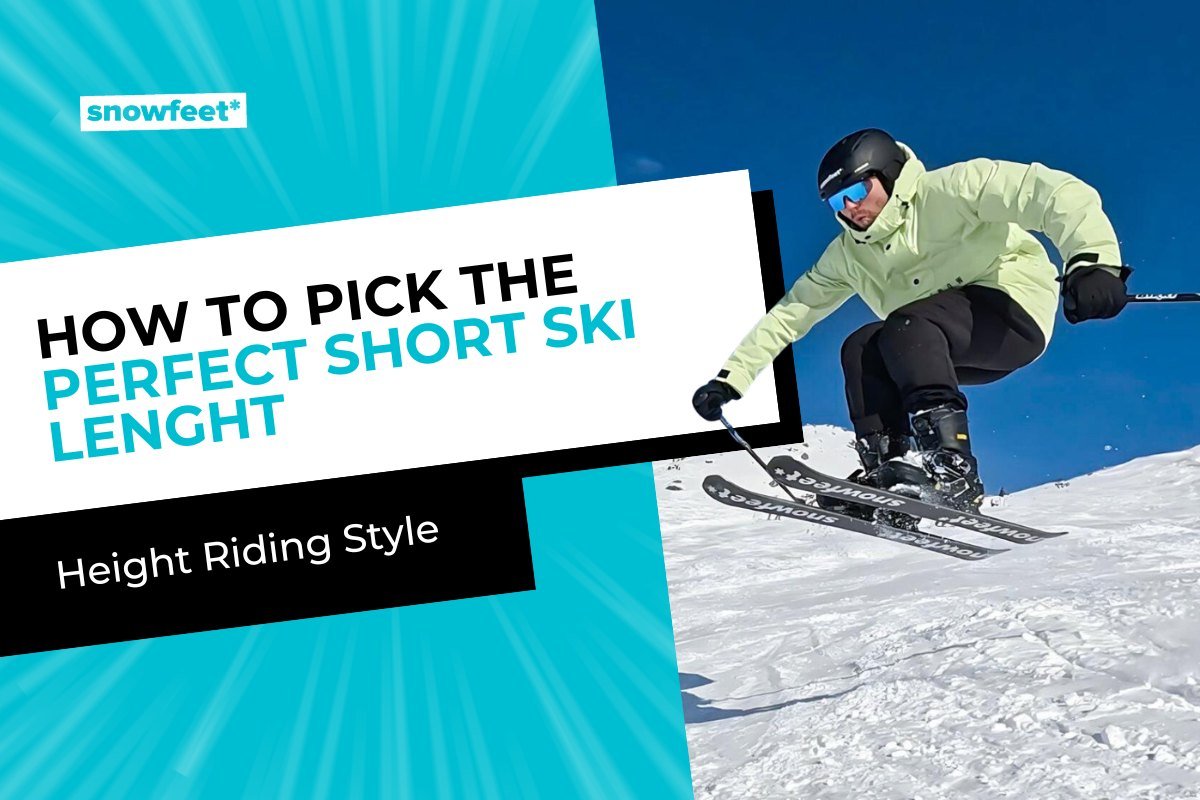
Choosing the perfect short ski length depends on your height, skill level, and preferred terrain. Shorter models (under 65 cm) are ideal for beginners, shorter riders, and terrain parks because they offer maximum agility and effortless control. Longer options (99 to 123 cm) are better suited for taller, heavier, or advanced skiers who require more stability for high-speed carving and light powder. Ultimately, the rule of thumb is simple: go shorter for a playful, easy-to-manage ride, or longer for increased speed and support.
Short skis are a game-changer for winter sports. They’re lighter, easier to handle, and perfect for skiers of all levels. But picking the right length depends on a few key factors: your height, weight, skill level, and how you like to ride. Whether you’re zipping through trees, hitting the terrain park, or cruising groomed runs, the right short ski can make all the difference.
Quick Tips to Choose the Right Short Ski:
- Height matters: Shorter skiers (under 5'3") should stick to 44–65 cm skis. Taller skiers (over 6'2") will feel more stable on 123 cm skis.
- Skill level counts: Beginners should go shorter (44–65 cm), while advanced skiers can handle longer options (99–123 cm).
- Riding style guides you: For tricks and terrain parks, shorter skis like 44–65 cm are ideal. For carving or powder, go for 99–123 cm.
In short: shorter skis mean more control and agility, while longer ones offer stability. Snowfeet’s lineup (44 cm Skiskates, 50 cm Skiskates, 65 cm Skiblades, 99 cm Skiblades, and 123 cm Short Skis) has something for everyone. Let’s break it down and help you find your match!
Key Factors for Choosing Short Ski Length
Choosing the right short ski length isn't just about grabbing the first pair that catches your eye. Your height, weight, skill level, and preferred riding style all come into play. The good news? Short skis are much more forgiving than their traditional counterparts when it comes to sizing. While standard skis demand precision in length selection to avoid a frustrating day on the slopes, short skis offer flexibility, giving you more room to enjoy your time out there. Let’s break it down, starting with how your body size influences ski performance.
Height and Build
Your body size directly affects how your skis handle. Taller or heavier skiers generally need more surface area for stability, while lighter riders do better with a smaller platform for better control. Snowfeet* products are designed with this in mind, offering lengths that cater to a variety of builds. For example:
- The 44 cm Skiskates (about 17 inches), 50 cm and 65 cm Skiblades are ideal for lighter skiers, offering excellent control without feeling overwhelming.
- Medium-sized riders might find the 99 cm Skiblades hit the sweet spot between stability and agility.
- Heavier skiers can rely on the 123 cm Short Skis (roughly 4 feet) for added surface area, which improves stability and flotation.
Weight distribution also plays a role. Two people of the same height might handle skis differently depending on their build. Thankfully, short skis are forgiving, allowing you to adjust your stance without requiring the precise weight shifts that traditional skis demand.
 Product Link: Snowfeet* 44 CM | Skiskates | Snowblades Skiboards Mini Skis
Skill Level and Learning Curve
If you’re new to skiing, traditional skis can feel like a handful because of their length and the precision they require. Short skis, on the other hand, are much easier to control, making them perfect for beginners.
- For first-timers, the 44 cm and 50 cm Skiskates and 65 cm Skiblades are a great starting point. They’re easy to maneuver, helping you build confidence quickly.
- Intermediate skiers might enjoy the 99 cm Skiblades, which are responsive enough for carving, small jumps, and tackling a variety of snow conditions.
- Advanced skiers will appreciate the performance of the 123 cm Short Skis. They’re agile and playful, perfect for groomed runs and sharp turns, without the bulk of traditional skis.
What’s more, Snowfeet* short skis are versatile. Instead of needing multiple pairs of skis for different conditions - like all-mountain, park, or powder - you can rely on a single pair that adapts as your skills improve or the terrain changes.
Riding Style and Terrain
Your riding style and the terrain you prefer also play a big role in choosing the right ski length. Whether you’re sticking to groomed runs, hitting the terrain park, or exploring backcountry powder, there’s a short ski option that matches your needs.
- Groomed Runs and Carving: The 99 cm Skiblades and 123 cm Short Skis are great for crisp turns and maintaining speed. Their shorter length makes it easier to adjust quickly on icy patches or in crowded areas.
- Terrain Parks and Freestyle: The compact size of the 44 cm and 50 cm Skiskates and 65 cm Skiblades is perfect for spins, jumps, and rail slides. Their smaller design makes them easier to manage during tricks.
- Powder and Backcountry: While longer skis are traditionally favored for deep snow, the 99 cm Powder Skiblades offer a practical alternative. They’re easier to maneuver in tight tree lines and variable conditions, providing control and agility for recreational powder days.
- Tree Skiing and Moguls: Short skis shine here. Their ability to make quick, consecutive turns gives you a major edge. Whether you’re using the 65 cm Skiblades or 99 cm Skiblades, navigating through dense trees or tackling moguls becomes a breeze.
Short skis bring a level of versatility and ease that traditional skis often can’t match. Whether you’re a beginner finding your footing or an advanced skier looking for something playful, there’s a short ski option that fits your style and needs.
 Product Link: Snowfeet* 65 CM | Skiblades | Skiboards Snowblades Short Mini Skis
How to Choose the Right Length for Your Height
Let’s figure out which Snowfeet* model works best for your height. Unlike traditional skis, short skis are designed to match your height directly, making it easier to find the perfect fit. The shorter models give you precise control, while the longer ones offer more surface area for stability. It’s all about finding that sweet spot based on your preferences.
Height-Based Recommendations
Here’s a breakdown to help you pair your height with the right short ski option:
Under 5'3" (160 cm): Go for the 44 cm and 50 cm Skiskates or the 65 cm Skiblades. If you’re just starting out, the 44 cm Skiskates are a great choice - they’re compact (about 17/20 inches) and easy to maneuver while you’re learning the basics. For a bit more stability, the 65 cm Skiblades (around 26 inches) provide extra surface area while still being easy to control.
5'3" to 5'9" (160-175 cm): You’ve got options! The 65 cm Skiblades are perfect for quick, agile movements, while the 99 cm Skiblades (about 39 inches) offer versatility. The 99 cm length is a favorite among intermediate skiers, handling groomed runs, light jumps, and varied conditions without feeling cumbersome.
5'9" to 6'2" (175-188 cm): Taller skiers often benefit from a bit more length. The 99 cm Skiblades are a solid all-around option for quick turns or terrain park fun. If you’re looking for more stability, especially at higher speeds or in deeper snow, the 123 cm Short Skis (roughly 4 feet) give you that extra platform without losing the playful feel of short skis.
Over 6'2" (188 cm): The 123 cm Short Skis are your best bet. They offer enough surface area to support your height and weight while staying agile and fun. Traditional skis for your height might be over 6 feet long, but these shorter skis keep things manageable while still delivering solid performance.
Keep in mind, factors like weight, skill level, and riding style also play a role. For instance, a 5'10" skier weighing 140 pounds might prefer the 99 cm Skiblades for agility, while someone the same height but weighing 200 pounds might opt for the 123 cm Short Skis for added stability.
Height vs. Snowfeet Ski Length Table
Here’s a quick reference guide to match your height with the right short ski model. While this table offers general suggestions, your personal preferences should always come first.
| Height Range | 44 cm Skiskates | 50 cm Skiskates | 65 cm Skiblades | 99 cm Skiblades | 123 cm Short Skis |
|---|---|---|---|---|---|
| Under 5'0" (152 cm) | Great for beginners/kids | Great for beginners | Good for playful riding | Too long for most | Not recommended |
| 5'0" - 5'3" (152-160 cm) | Great for tricks/parks | Top choice | Top choice | Good for intermediate+ | Possible for advanced |
| 5'3" - 5'6" (160-168 cm) | Good for freestyle | Top choice | Excellent for beginners | Top choice | Good for stability |
| 5'6" - 5'9" (168-175 cm) | Possible for advanced tricks | Good for park riding | Good for agility | Top choice | Good for varied terrain |
| 5'9" - 6'0" (175-183 cm) | Advanced riders only | Advanced riders only | Good for parks | Recommended | Best for stability |
| 6'0" - 6'2" (183-188 cm) | Not ideal | Not ideal (Experts only) | Possible for experts | Good for carving | Top choice |
| Over 6'2" (188 cm+) | Not recommended | Not recommended | Advanced only | Possible option | Top choice |
Bolded options highlight the most popular choices for each height range, but don’t feel boxed in. For instance, if you’re 5'8" and love doing tricks in the terrain park, the 65 cm Skiblades might be a better fit than the 99 cm option, even if the chart suggests otherwise. On the flip side, if you’re 5'5" and prefer more stability for groomed runs, the 99 cm Skiblades could be your go-to.
Unlike traditional skis, where being off by even a few inches can impact performance, short skis give you more flexibility. If you’re stuck between sizes, don’t sweat it - you’ll still have a blast.
sbb-itb-17ade95
Matching Ski Length to Skill Level and Riding Style
While your height serves as a good starting point, your skill level and riding style are what really determine the right ski length for you. A beginner cruising groomed trails has different needs than an advanced skier hitting terrain parks all day. Let’s break it down to help you find the perfect match.
Beginner, Intermediate, and Advanced Skiers
Beginners should look for skis that are easy to control. Shorter skis are ideal because they’re more forgiving and help you build confidence quickly. For example:
- The 44 cm Skiskates are lightweight, responsive, and forgiving, making them great for learning and even trying out some basic park tricks.
- The 50 cm model a best-value ski-skate model with extra balance, made for easy skiskating on groomed slopes, trails, sledding hills, and backyard snow. You can use them with your winter shoes.
- The 65 cm Skiblades provide a bit more surface area, which helps with balance while still being easy to maneuver.
Intermediate skiers who are ready to explore varied terrain will benefit from the 99 cm Skiblades. This size strikes a sweet spot between stability and agility, making it easier to handle faster speeds, carve smooth turns, and even tackle small jumps.
Advanced skiers have more specific needs based on their goals:
If you’re into tricks, spins, and park riding, the 50 cm model and 65 cm Skiblades are perfect for lightning-fast rotations and precise landings.
For high-speed carving or variable snow conditions, the 123 cm Short Skis offer a broader platform for stability without losing the playful feel of shorter skis.
Groomers, Parks, Powder, and Other Terrains
Once you’ve considered your skill level, the type of terrain you’ll be skiing on can fine-tune your decision. Snowfeet* designs skis to perform well across a variety of conditions:
- Groomed Runs: The 99 cm Skiblades and 123 cm Short Skis are a great choice here. They provide smooth carving and reliable edge control, whether you’re cruising leisurely or carving harder turns.
- Terrain Parks: In the park, compact skis shine. The 65 cm Skiblades are ideal for rails, boxes, and smaller jumps, while the 44 cm Skiskates and 50 cm Skiskates offer even quicker rotations and technical control for tight park features.
- Powder and Backcountry: Deep snow calls for more surface area. The 123 cm Short Skis handle powder beautifully, offering better flotation than shorter models. While standard 99 cm Skiblades work for light powder but may struggle in deeper conditions, there is a specialized Snowfeet POWDER 99 cm Snowblades option designed specifically to bridge this gap. This dedicated powder model offers a wider profile for better flotation and practical control in fresh snow, making it incredibly agile in tight tree lines. However, if deep backcountry powder is your absolute main focus, the 123 cm option remains your best bet for maximum float.
- All-Mountain Versatility: For those who like to mix things up, the 99 cm Skiblades are a versatile option that can handle groomers, parks, moguls, and light powder without needing to switch gear. For tougher terrain or higher speeds, the 123 cm Short Skis provide extra support while keeping things lively and fun.
Riding Style and Skill Level Matrix
Here’s a handy guide to match your riding style and skill level with the best Snowfeet* ski length:
| Riding Style | Beginner | Intermediate | Advanced |
|---|---|---|---|
| Groomed Runs (Cruising) | 65 cm Skiblades | 99 cm Skiblades | 99 cm or 120 cm Short Skis |
| Terrain Park (Jumps/Rails) | 44 cm, 50 cm Skiskates or 65 cm Skiblades | 65 cm or 99 cm Skiblades | 50 cm or 65 cm Skiblades |
| Carving (Aggressive Turns) | 65 cm Skiblades | 99 cm Skiblades | 120 cm Short Skis |
| Freestyle (Tricks/Spins) | 44 cm or 50 cm Skiskates | 50 cm or 65 cm Skiblades | 44 cm, 50 cm or 65 cm Skiblades |
| All-Mountain (Mixed Terrain) | 65 cm Skiblades | 99 cm Skiblades | 99 cm or 120 cm Short Skis |
| Powder (Deep Snow) | 99 cm Skiblades | 120 cm Short Skis | 120 cm Short Skis |
| Moguls (Bumps) | 50 cm or 65 cm Skiblades | 99 cm Skiblades | 99 cm Skiblades |
One thing to keep in mind: if you’re planning to spend a lot of time in deep powder, traditional skis or snowboards designed specifically for flotation might be a better fit. But for groomed runs, terrain parks, moguls, and mixed conditions, Snowfeet* short skis offer a lightweight, nimble, and exciting ride that’s hard to beat.
Snowfeet Short Skis vs. Traditional Skis and Snowboards
Traditional skis and snowboards can be heavy, cumbersome, and a bit of a workout to manage. Snowfeet short skis flip the script with their lightweight, compact design that’s all about ease and agility.
Short Skis vs. Traditional Skis
When it comes to traditional skis from brands like Rossignol, Salomon, or K2, the focus has always been on length. But if you’re after something more flexible and easier to handle, Snowfeet short skis are a game-changer.
Portability is one of their standout features. Long skis are notoriously bulky and awkward to transport. Snowfeet short skis, on the other hand, are compact and easy to carry. The 44 cm Skiskates can fit in a backpack, the 65 cm Skiblades slide neatly into a car trunk, and even the 123 cm Short Skis are far easier to manage than traditional options.
Maneuverability is another area where Snowfeet short skis shine. Traditional skis require wider turns and can feel clunky in tight spaces. Snowfeet short skis, with their smaller turn radius, make quick and responsive movements a breeze. The 65 cm Skiblades are perfect for carving through moguls, while the 99 cm Skiblades offer excellent control without putting extra strain on your knees.
The learning curve is also much more forgiving with Snowfeet short skis. Beginners often struggle with the demands of traditional skis, but Snowfeet helps newcomers pick up the basics faster, letting them enjoy their first runs with confidence.
Whether you’re a casual skier or someone who craves adventure, Snowfeet’s playful, skate-like feel offers an experience that’s hard to beat. And when comparing them to snowboards, they continue to hold their own.
Short Skis vs. Snowboards
Snowboarding has its perks, but it’s not without its challenges. Strapping and unstrapping bindings at every lift? Not fun. And don’t even get started on the struggle to move on flat terrain. Snowfeet short skis, like the 44 cm Skiskates and 65 cm Skiblades, combine the thrill of skating with the freedom of independent leg movement - no bindings to fuss with.
The skate-like design of Snowfeet short skis means you can make quick, sharp movements, much like skateboarding or inline skating. Plus, the independent leg motion eliminates the constant need to adjust bindings, which is a common snowboard annoyance.
Then there’s the portability factor. Snowboards are bulky and awkward to carry, while Snowfeet short skis are compact and lightweight. Whether you’re navigating a crowded parking lot or trying to fit your gear into a small space, Snowfeet makes life a lot easier.
For terrain parks, moguls, or weaving through tight tree runs, Snowfeet short skis offer unmatched precision and maneuverability. And you won’t have to deal with the repetitive hassle of strapping in and out like you would with a snowboard.
Snowfeet vs. Traditional Gear Comparison
Here’s a quick look at how Snowfeet short skis stack up against traditional skis and snowboards:
| Factor | Snowfeet Short Skis | Traditional Skis | Snowboards |
|---|---|---|---|
| Portability | Lightweight, compact, easy to carry | Heavy and bulky | Bulky and awkward to carry |
| Maneuverability | Quick turns, skate-like control | Requires wide turns, effort | Good flow, limited in tight spaces |
| Learning Curve | Beginner-friendly, fast progression | Slower learning process | Moderate, balance required |
| Terrain Versatility | Groomers, parks, moguls, light powder | Groomed runs, powder | Powder, less effective in moguls |
| Ease of Use | Minimal strain, intuitive | More physically demanding | Frequent strapping needed |
| Fun Factor | Playful and dynamic | Technical and rigid | Creative, flowy |
Snowfeet short skis stand out for their portability, ease of use, and fun, skate-like feel. While traditional skis and snowboards have their moments, Snowfeet delivers a hassle-free, exciting ride that’s perfect for groomed runs, parks, or moguls. It’s all about making skiing simple and enjoyable.
Conclusion
Finding the right short ski comes down to your height, skill level, and riding style. Snowfeet offers options tailored to different needs and preferences. For beginners, shorter lengths like the 50 cm model, 65 cm, or 99 cm Skiblades make balancing and turning much easier, with the 50 cm option providing a fantastic skate-like feel without sacrificing heel-to-toe support. On the other hand, advanced skiers might prefer the 120 cm model for better stability and performance. If you’re hitting the park or cruising groomed slopes, the ultra-compact and shorter models (50–99 cm) provide quick, precise control for tricks and fast rotations. Meanwhile, those venturing into powder or off-piste terrain will appreciate the added float and control of the 120 cm Short Skis.
Once you’ve figured out your size, it’s hard to ignore the unique perks Snowfeet brings to the table. Unlike traditional ski gear, these short skis are lightweight, compact, and incredibly easy to handle—with the 50 cm model offering the perfect sweet spot for those wanting maximum freedom of movement on the slopes. They’re perfect for riders who want to skip the bulk and hassle of standard equipment. Even experienced skiers will find that while the ultra-short models deliver pure fun and agility, the 120 cm Skiblades offer solid stability and float in powder while staying nimble enough for park tricks or weaving through tight trees.
FAQs
How can I choose the right short ski length if my height and weight are between the recommended sizes?
If you’re deciding between sizes, consider your skill level, riding style, and the type of terrain you love to explore. Shorter skis, like Snowfeet* Skiblades or Skiskates, are ideal for quick turns, playful rides, and easy handling. They’re perfect for zipping around with minimal effort.
On the flip side, slightly longer short skis offer more stability and control, especially at higher speeds or on uneven, bumpy terrain.
Here’s a simple rule of thumb: if you’re a beginner or prefer sharp, agile turns, stick with shorter skis. But if you’re more experienced or crave a stable ride across varied slopes, go for the longer option. Snowfeet* products are built with versatility in mind, so you’ll have a blast no matter what you choose!
Are short skis suitable for deep powder, or should I stick with traditional skis for that terrain?
Short skis, like the Snowfeet* Skiblades 99 POWDER, perform surprisingly well in powder conditions, especially when the snow is up to about 4 inches deep. Their compact size gives you great agility and control, making them a blast to use on tighter trails or mixed terrain.
That said, when it comes to really deep powder, traditional skis with a wider waist and a rocker profile take the lead. They offer better floatation and stability, which is exactly what you need for extreme backcountry adventures or heavy snowfall days. Snowfeet* short skis are a fantastic choice if you're after a fun, portable option for lighter powder and a variety of other conditions.
Why are Snowfeet short skis a better choice for beginners compared to traditional skis or snowboards?
Snowfeet short skis are a game-changer for beginners hitting the slopes. They’re lightweight, compact, and far easier to manage than traditional skis or snowboards. The best part? You don’t need to invest in bulky, expensive ski boots - Snowfeet work with most regular winter footwear, saving you both cash and hassle.
Their shorter design gives you better control and makes quick turns a breeze, which can really boost your confidence as you learn. And since they’re so small and easy to carry, you won’t be lugging around heavy gear all day. For anyone just starting out, Snowfeet short skis offer a fun and approachable way to dive into skiing or snowboarding.
Editor: Karolina R.
Last Update: July 7, 2026











2 comments
Karolina
Hi Jake!
We are glad that we could help you out! Let us know if you need any further advice.
Karolina from Snowfeet Team
Jake_Skates
Finally, a sizing guide that actually makes sense. I was torn between the 44cm and the 50cm model, but after looking at the height matrix, I went with the 50 cm option (I’m 5’5"). Thanks for this meaningful breakdown! Jake
Leave a comment
This site is protected by hCaptcha and the hCaptcha Privacy Policy and Terms of Service apply.