




















Skiboards are like a mix of ice skates and skis - short, wide, and easy to use. They’re designed for fun and simplicity, perfect for anyone who finds regular skis too bulky or hard to handle. Ranging from 15 to 47 inches long, skiboards are lightweight, portable, and work with boots you probably already own. Brands like Snowfeet make these compact boards for all skill levels, offering models that handle groomed slopes, powder, and even terrain parks with ease.
Why choose skiboards? They’re:
- Easier to learn than regular skis (most people get the hang of it in hours).
- Great for quick turns, spins, and creative riding.
- Affordable, since they don’t require expensive boots or gear.
- Small enough to fit in a backpack, making them hassle-free to carry and store.
Whether you're a beginner or a seasoned skier looking for something new, skiboards let you enjoy the slopes without the heavy equipment or steep learning curve. They're all about keeping it simple and fun while still delivering solid performance.
Snowfeet* Snowblades | Skiboards | Skiblades | Short Skis - All you need to know
Skiboard Design Basics
Skiboards stand out from traditional skis, thanks to their unique design and purpose. Every element - from their shorter length to their twin-tip shape - is crafted to make them easier to handle and more adaptable on the slopes.
Main Design Features
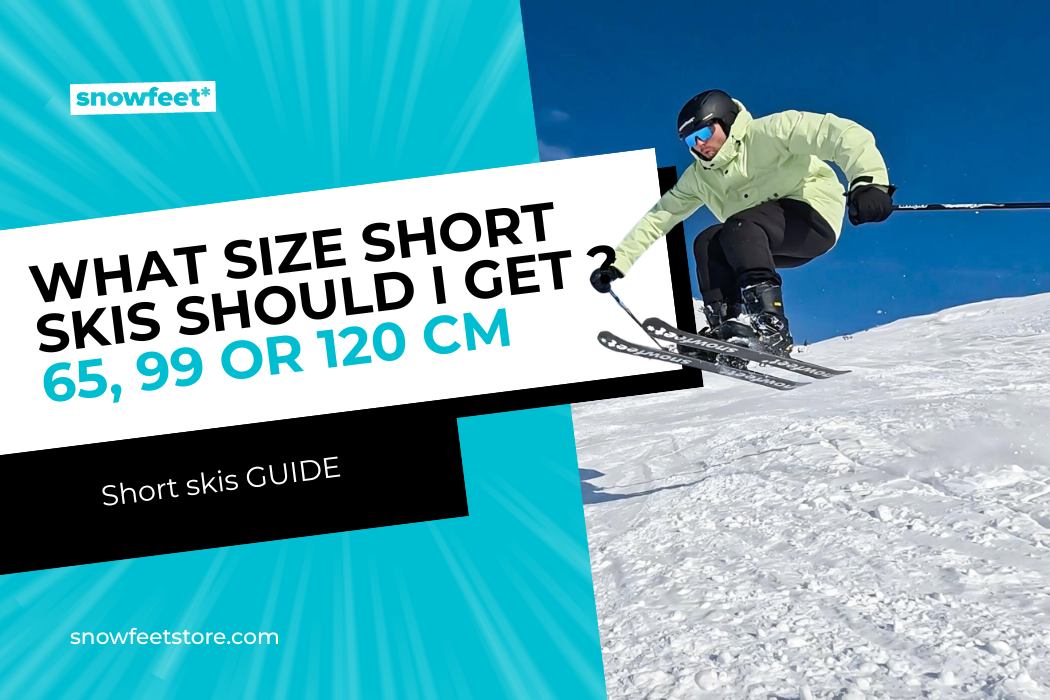
Snowfeet* skiboards come in three sizes: 26" (65 cm), 39" (99 cm), and 47" (120 cm). These are about half the length of standard skis, which typically range from 63–71" (160–180 cm). They’re also noticeably wider, giving you a more stable platform. Think of it like walking on a wide sidewalk versus trying to balance on a tightrope - wider means steadier.
The twin-tip design is another standout feature. It allows you to ride forward or backward without needing to adjust your stance. This opens up the door for spins, backward landings, and tricks. In contrast, traditional skis - like those from brands such as Blizzard or Head - usually have a single-directional tip, which limits your movement options. With Snowfeet* skiboards, you’re free to get creative and try things that might be tricky with conventional skis.
Snowfeet* skiboards also use a wood core, which strikes a balance between flexibility and durability. This material absorbs vibrations better than plastic, keeping the ride smooth while ensuring the gear stays lightweight.
When it comes to bindings, Snowfeet* keeps things simple and versatile. Their skiboards are compatible with regular winter boots, snowboard boots, or ski boots - no need to splurge on specialized footwear like you would with traditional setups from brands like Fischer or Nordica.
All these features combine to give you better control and an easier experience on the slopes.
Why Skiboards Are Easier Than Traditional Skis
Snowfeet* skiboards’ compact length and wide base make them inherently more manageable compared to traditional skis. With standard 67-inch (170 cm) skis, the extended tips can easily get misaligned, especially when you’re tired or just learning to turn. In contrast, a shorter skiboard - like the 26-inch (65 cm) or 39-inch (99 cm) models - reduces the chances of tip interference, helping you recover balance more quickly.
The wide base also provides immediate stability, while the shorter length lowers your center of gravity. This means less effort is required to stay balanced compared to longer skis. Snowfeet* skiboards respond directly to your body movements, making them easier to control. Beginners especially benefit from this design, as it eliminates the need to worry about which direction they’re facing.
The shorter length also makes quick turns and precise pivots a breeze. It’s similar to the agility you’d experience with ice skates - perfect for navigating crowded slopes, weaving through trees, or dodging other skiers at the last second.
Another big advantage? The learning curve is much gentler. Many riders find they can get comfortable on Snowfeet* skiboards within a few hours. Compare that to traditional skis, which often require several days of lessons before you feel confident. With skiboards, you’ll spend less time struggling with oversized gear and more time actually enjoying the ride.
How Skiboards Work: Mechanics and Control
Skiboards have a short length and a wide base, which makes them incredibly responsive. They react almost instantly to your movements. Shift your weight or change your stance, and the skiboard follows right away. This design makes learning quicker and the overall experience feel more natural. Let’s break down how these features improve turning, control, and safety.
Turning and Maneuverability
Turning on Snowfeet* skiboards is a completely different experience compared to traditional skis. On their 39-inch and 47-inch models, your feet are positioned closer together, which reduces the effort needed to initiate a turn. When you lean into a turn, the board’s edge catches the snow faster, letting you pivot without the long, drawn-out commitment that comes with longer skis.
The wider base on these skiboards spreads your weight evenly across the snow, creating a stable platform for carving. Traditional skis, with their narrower design, can sometimes feel less steady when carving through turns.
Snowfeet* skiboards are designed to make carving feel smooth and natural. The boards flex as you turn, creating a clean, fluid arc rather than a jerky pivot. By applying pressure to the inside edge, you increase the contact area with the snow, resulting in a controlled and almost gliding sensation.
The twin-tip design is another game-changer. It allows you to start turns in either direction without adjusting your stance, which is especially handy in tight spaces or terrain parks. This design makes maneuvering feel effortless.
If you’re into quick spins and fast pivots, the 26-inch (65 cm) model is perfect. Its short length minimizes resistance from the snow, making it easy to spin on a dime - similar to how a figure skater spins faster by pulling their arms in. Your body becomes the central pivot point, giving you excellent control.
Stopping and Safety
Stopping on Snowfeet* skiboards is straightforward, thanks to their shorter length and excellent edge control. A snowplow stop, for instance, takes less effort - you don’t need to spread your legs as wide, and engaging the edges is much easier.
The responsive design, combined with a lower center of gravity, keeps you stable even when you dig in hard to stop. The flexible construction also absorbs shocks without compromising stability, which is a huge plus for beginners still getting the hang of things.
Skiboards make it easier to recover from mistakes, too. If you start to lose control, the shorter board length allows you to regain your balance more quickly. Unlike traditional skis, where the long tips can cross or snag, skiboards keep your feet in a natural stance, making mid-run adjustments a breeze.
Their compact size also enhances safety by improving your awareness of the board’s position. This reduces the chance of accidentally hitting other skiers or obstacles, which is especially helpful on crowded slopes.
Another bonus: stopping distances are shorter compared to traditional skis at similar speeds. The combination of responsive edges and a stable base lets you slow down quickly, whether you’re avoiding an obstacle or adapting to sudden changes in snow conditions. All these features make Snowfeet* skiboards a safer, more intuitive option for skiers of all levels.
Performance Across Different Terrains
Snowfeet* skiboards shine whether you're cruising groomed runs, tackling moguls, floating through powder, or hitting terrain parks. They’re designed to handle a variety of conditions without sacrificing performance or portability.
How Skiboards Handle Different Snow Conditions
Groomed runs are where Snowfeet* skiboards really show off their carving skills. The 47-inch (120 cm) model glides effortlessly on hard-packed snow. Its edges grip firmly, and the wider base spreads your weight for smooth, controlled turns. Plus, the shorter length makes linking turns faster and more precise compared to traditional skis.
When it comes to moguls, the compact size of Snowfeet* skiboards is a game-changer. The 39-inch (99 cm) and 26-inch (65 cm) models are perfect for weaving through tight bumps. No long tips or tails to get in the way, and the closer foot placement helps absorb shocks better. The flexible construction also reduces impact, saving your legs from fatigue.
For powder skiing, the Snowfeet* POWDER model (99 cm) is built for the job. Its wider profile keeps you floating on top of deep snow, and the twin-tip design ensures the nose doesn’t dive under. You get the benefits of staying on the surface while still enjoying the agility of shorter boards.
In hard-packed or icy conditions, Snowfeet* skiboards offer dependable grip and control. Their edge design creates multiple contact points with the snow, giving you stability even on slick surfaces. The lower center of gravity keeps you balanced, and the responsive edges let you adjust quickly if you start to slide. Unlike traditional skis, which can feel unwieldy on ice, skiboards keep your weight centered for better handling.
In terrain parks, Snowfeet* skiboards are right at home. The twin-tip design across all models lets you ride switch (backwards) just as easily as forwards, which is essential for landing tricks. The 26-inch model is especially popular in parks - it spins quickly, lands predictably, and avoids the hassle of long tails catching on features. Plus, the shorter length absorbs impacts better, keeping your landings smooth and balanced.
These versatile capabilities make Snowfeet* skiboards a compelling alternative to traditional skis and snowboards.
Skiboards vs. Traditional Skis and Snowboards
Traditional skis are fantastic for groomed slopes but can feel cumbersome in tight or uneven terrain. Their longer length - typically 5 to 6 feet - makes quick direction changes more challenging and navigating bumpy terrain more tiring.
Snowboards excel in powder and freestyle riding, thanks to their wide surface area and sideways stance. They’re great for park tricks and floating in deep snow. However, they struggle on flat terrain (ever tried pushing a snowboard without unstrapping?) and can feel less intuitive on groomed runs if you prefer a forward-facing stance.
Snowfeet* skiboards, on the other hand, deliver across the board. The 47-inch (120 cm) model carves groomed runs almost as well as traditional skis but stays nimble enough for moguls and park tricks. The 39-inch (99 cm) model strikes a balance between powder performance and maneuverability, while the POWDER model adds extra float for deep snow without losing versatility. The 26-inch (65 cm) model focuses on agility and freestyle performance, yet still handles groomed runs with ease.
What sets Snowfeet* skiboards apart is their ability to adapt. You can start your day carving groomers, hit the terrain park after lunch, and finish with a mogul run - all without swapping gear or changing your technique much. Their compact size also makes them easy to transport, fitting into a regular backpack for backcountry adventures that would be tough with traditional skis or snowboards.
While traditional skis and snowboards have their strengths, especially for those who stick to one terrain type, Snowfeet* skiboards offer a versatile, easy-to-use option that transitions effortlessly between different styles and conditions. Whether you're a park enthusiast or a powder chaser, these skiboards let you enjoy everything the mountain has to offer - all in one compact, portable package.
sbb-itb-17ade95
Binding Systems and Boot Compatibility
One of the standout features of Snowfeet* skiboards is how flexible they are when it comes to bindings and boot compatibility. This makes hitting the slopes easier and more affordable, especially compared to traditional skis that often require specialized boots and binding systems. With Snowfeet*, you can use the boots you already own, making winter sports more accessible for everyone.
Integrated and Adjustable Bindings
Snowfeet* skiboards come equipped with built-in fixed bindings, designed to keep things simple. No need for complicated setups - just strap in, adjust as needed (even with gloves on), and you're good to go.
The bindings are adjustable, meaning they can fit a range of boot sizes across different models, including the 26-inch (65 cm), 39-inch (99 cm), and 47-inch (120 cm) skiboards. Adjusting is straightforward: slide the binding mechanism to match your boot length, lock it in place, and you're ready to ride. Unlike traditional ski bindings, which often require professional fitting and feature release mechanisms that can add complexity, Snowfeet* bindings are designed to keep your feet secure while still allowing natural movement.
The binding straps are made from tough, weather-resistant materials that hold up well in cold and wet conditions. They grip your boots firmly without cutting off circulation. And if a strap eventually wears out, replacements are available for just $6 - a simple and affordable fix.
This user-friendly design naturally leads to excellent boot compatibility.
Boot Compatibility Benefits
Snowfeet* skiboards are designed to work with the boots you already have, whether that’s regular winter boots, snowboard boots, or ski boots. This flexibility makes them a great option for everyone, from beginners to seasoned riders.
- Winter boots: Got a pair of sturdy winter boots for everyday activities? Perfect. You can hit the slopes without needing to splurge on specialized footwear. This is especially appealing for families or casual users who want to try the sport without a big upfront investment.
- Snowboard boots: If you own snowboard boots, you’re in luck. Their extra ankle support enhances control and responsiveness, which pairs wonderfully with the nimble feel of skiboards. Whether you’re carving down groomed trails or messing around in the terrain park, snowboard boots offer a comfortable and supportive ride.
- Ski boots: For those looking for precision and power, ski boots are the way to go. Their stiff design provides excellent support and transfers your movements directly to the skiboards, giving you maximum control for aggressive turns or high-speed runs.
This multi-boot compatibility means you’re not tied to one type of footwear. Whether you’re trekking to a backcountry spot in winter boots, spending a day at the resort in ski boots, or trying out tricks in snowboard boots, Snowfeet* skiboards adapt to your needs. It’s a level of flexibility that traditional skis and snowboards just can’t match.
Advantages of Skiboards Over Traditional Equipment
Snowfeet* skiboards bring a fresh twist to winter sports, offering benefits that make them a standout alternative to traditional skis and snowboards. Let’s break down why they’re worth considering.
Main Benefits of Skiboards
When compared to conventional skis or snowboards, Snowfeet* skiboards tackle some of the biggest pain points of traditional gear. They make getting out on the slopes easier, more affordable, and, frankly, more fun.
One of the best perks? Portability. Snowfeet* skiboards come in compact sizes - 26 inches (65 cm), 39 inches (99 cm), and 47 inches (120 cm). As the Snowfeet Team puts it:
"Snowfeet are very light and portable, so you can take them anywhere with you."
Even the smallest pair can fit neatly into a backpack. That means no wrestling with bulky gear on public transportation, no awkwardly cramming skis into your car, and no need for a storage overhaul at home. Plus, this convenience can save you money when traveling - no oversized baggage fees here.
Another big win is cost-effectiveness. Snowfeet* skiboards are priced between $250 and $775, depending on the model. But here’s the kicker: you don’t need specialized ski boots. According to the Snowfeet Team:
"Their fantastic feature is that you can put them on your regular winter shoes or snowboard boots."
No heavy, pricey boots to lug around. Maintenance is also a breeze - replacement straps cost just $6, and a quick wax keeps them running smoothly. Compare that to traditional skis, which often require frequent tuning and edge sharpening, and you’ll notice the savings add up fast.
On top of that, skiboards bring a playful vibe to the slopes. Their lightweight, agile design makes them perfect for quick turns and creative riding, keeping things fresh and exciting every time you hit the snow.
Comparison Table: Skiboards vs. Traditional Equipment
Here’s a quick side-by-side look at how Snowfeet* skiboards measure up against traditional skis and snowboards:
| Feature | Snowfeet Skiboards* | Traditional Skis | Snowboards |
|---|---|---|---|
| Learning Curve | Easy; many carve confidently on day one | Steeper; often requires lessons | Moderate; practice needed for control |
| Portability | Compact (26–47 inches); fits in backpacks or car trunks | Bulky; roof racks often needed | Larger; awkward to transport |
| Boot Requirements | Works with regular winter shoes, snowboard boots, or ski boots | Requires specialized ski boots | Requires specialized snowboard boots |
| Weight | Lightweight and easy to carry | Heavier and more tiring to carry | Moderate |
| All-Terrain Capability | Versatile on groomed runs, powder, and parks | Optimized for groomed runs | Good in powder; less versatile in tight spaces |
| Storage | Minimal; fits in closets or under beds | Needs dedicated storage space | Requires more space than skiboards |
| Price Range | $250–$775, no extra boot costs | Higher, with added boot expenses | Often includes extra boot costs |
| Maneuverability | Highly agile; quick turns and spins | Less nimble; wider turning radius | Maneuverable but needs full body rotation |
| Travel Friendliness | Airline-friendly; fits in standard luggage | May incur oversized baggage fees | Usually requires oversized luggage |
Why It Matters in Everyday Use
Think about this: planning a ski trip with traditional gear means juggling bulky skis, roof racks, and potential airline fees. With Snowfeet* skiboards, you just toss them into your regular luggage - no fuss, no extra charges. Heading out for a quick after-work session? You can keep them in your trunk without sacrificing space, unlike traditional skis that hog all the room.
And let’s not forget the flexibility. Snowfeet* skiboards work with different types of boots, so you’re not locked into one setup. Want to ride in your cozy winter shoes for a casual day? Go for it. Ready for some sharper carving action? Switch to ski boots. It’s all about adapting to your style without needing multiple pieces of gear.
Conclusion
Skiboards are changing the game when it comes to winter sports - making them easier, more budget-friendly, and, most importantly, more fun. If you’ve been frustrated by the bulk and hassle of traditional skis or snowboards, Snowfeet* skiboards offer a refreshing alternative.
What makes them stand out? For starters, they’re compact and versatile. Say goodbye to oversized gear, extra baggage fees, storage headaches, and constant maintenance. Plus, they’re much easier to learn. Many riders find themselves confidently carving turns on their very first day - something that usually takes weeks with traditional skis.
Snowfeet* has flipped the script on the old belief that longer skis are always better. Their lineup, ranging from the ultra-compact 26-inch (65 cm) Skiblades to the 47-inch (120 cm) Short Skis, shows that smaller gear can deliver big on maneuverability, adaptability, and sheer fun. Whether you stick to groomed trails, dive into fresh powder, or play around at the terrain park, these skiboards adjust to your style without locking you into rigid equipment choices.
But Snowfeet* isn’t just about selling gear - it’s about leading a movement. Founders Zbynek and Michael are on a mission to bring skiskating into the spotlight, challenging long-held traditions in skiing. Their vision is simple: strip away the unnecessary complications and bring the focus back to enjoying the slopes.
For anyone tired of lugging heavy equipment, breaking the bank on specialized gear, or spending endless hours just to feel at ease on the mountain, Snowfeet* skiboards offer a no-nonsense solution. They’re designed for people who want to have fun in the snow - without the barriers that have made winter sports seem exclusive or intimidating. It’s all about making the slopes more accessible and reminding us why we fell in love with winter in the first place. That’s the kind of change that sticks.
FAQs
How do skiboards perform compared to traditional skis on different terrains?
Skiboards, like Snowfeet Skiblades, are a game-changer for winter sports lovers. Their shorter length gives you incredible control, making sharp turns and smooth stops feel effortless. Whether you're just starting out or you've been hitting the slopes for years, skiboards offer a fun and manageable way to enjoy the snow.
One of their standout features is portability. Skiboards are lighter and more compact than traditional skis, which means they're easier to carry, store, and transport. Plus, their versatility is hard to beat - you can glide down groomed slopes, tackle moguls, or even weave through forest trails without feeling weighed down by bulky gear. If you're looking for a simpler, more dynamic way to experience winter sports, skiboards might just be your perfect match.
Can I use my regular winter boots with Snowfeet skiboards, and how do they impact the skiing experience?
Yes, you can use your regular winter boots with Snowfeet skiboards, which makes them super convenient and easy to use. These skiboards are built to work with most winter boots, so there’s no need to invest in special gear. That’s a win for both your wallet and your time.
If you’re looking for more options, Snowfeet also offers models with bindings that work with snowboard boots. This gives you the flexibility to choose what suits you best. Whether you're just starting out or you’ve been skiing for years, sticking with boots you already own means you’ll feel comfortable and confident. Plus, Snowfeet’s lightweight, compact design only adds to the fun, making them a great pick for anyone who loves winter sports.
Why are skiboards a better choice for beginners compared to traditional skis?
Skiboards are a fantastic option for beginners because they’re so much easier to pick up than traditional skis. Thanks to their shorter length and lightweight build, controlling your movements - like turning and stopping - feels almost second nature. Unlike the sometimes bulky and overwhelming feel of regular skis, skiboards are more approachable, helping you gain confidence quickly, even on steeper runs.
If you’ve got experience with snowboarding or skating, you’ll likely find skiboards a breeze to use. They’re incredibly intuitive, so you can skip the lessons and dive straight into the fun. Plus, their compact size makes them super portable and versatile, giving you the freedom to explore a variety of terrains without hassle. Whether you’re just starting out with winter sports or want an easy, enjoyable way to hit the slopes, skiboards are a great choice.












Leave a comment
This site is protected by hCaptcha and the hCaptcha Privacy Policy and Terms of Service apply.