




















When you're new to ice skating, picking the right skates can make or break your experience. Here’s the short answer: Choose skates that offer stability, comfort, and ankle support. For beginners, figure skates, hockey skates, and recreational skates are all solid options, each with its own perks. There’s even a quirky option called Snowfeet* Mini Ski Skates for those looking to try something different.
Quick Overview:
- Figure Skates: Great for balance and learning the basics. They’re stable but take some getting used to.
- Hockey Skates: Perfect if you want speed and agility. They’re snug with plenty of ankle support.
- Recreational Skates: Ideal for casual skaters. Super comfy and budget-friendly.
- Snowfeet*: A fun, all-in-one option for ice and snow. Works with your winter boots.
Your choice depends on your goals: casual fun, improving technique, or trying something new. Let’s break it down further!
Ice Skate Buying Guide - Which Ice Skates Should You Get?
1. Figure Skates
Figure skates are known for their long blades and the distinctive toe pick at the front. While they’re crafted for spins, jumps, and graceful movements, they’re also a solid choice for beginners learning basic skating techniques.
Stability
When you’re just starting out, stability is key. The blade on figure skates extends beyond the boot, giving you more contact with the ice and better balance. That toe pick? It’s great for advanced tricks, but beginners should avoid relying on it too much - it can snag unexpectedly and cause forward tumbles. The focus should be on smooth gliding, keeping the toe pick out of play.
Comfort
Beginner figure skates are built with comfort in mind. They come with padded interiors, soft fabric linings, and even ventilation systems for airflow. Getting the right fit is crucial - your toes should have just enough wiggle room, and the laces should be snug around the ankle.
"These beginner ice skates are durable and are architecture considering soft feet's in mind".
Gerry Lane, Director of Skating at South Suburban Parks and Recreation, offers this tip:
"Finger-width space under your laces at the ankle indicates a loose fit".
Ankle Support
Figure skates provide strong ankle support, which is especially important for beginners. The boots rise above the ankle bone to help prevent rolling or twisting. Reinforced ankle areas, paired with proper lacing, ensure a snug fit without feeling restrictive. Many beginner models even come with heat-moldable boots, allowing a custom fit that boosts both support and comfort.
Up next, we’ll see how hockey skates stack up in these key areas.
2. Hockey Skates
Hockey skates are a great choice for beginners, offering a mix of comfort and solid ankle support. Their design focuses on keeping your feet comfortable while providing the stability new skaters need to feel confident on the ice.
Comfort
These skates are all about keeping your feet happy. They come with thick padding, multi-density foam, and fleece-lined collars to keep you warm and irritation-free, even during longer skating sessions. The tongue is padded with extra foam, which helps spread out the pressure from the laces so you won’t feel any pinching or discomfort. Plus, the snug fit ensures your ankles stay secure while you glide around.
Ankle Support
Hockey skates are built with stiff boots and reinforced ankles, giving beginners the support they need. A snug fit reduces wobbling and helps lower the chance of injuries. Recreational models are often a bit more flexible, striking a balance between comfort and the structure needed to help new skaters focus on improving their technique.
3. Recreational Skates
Recreational skates strike a great balance between support and flexibility, making them a solid choice for beginners who are just getting into casual skating.
Stability
These skates are designed to provide reliable stability without feeling overly stiff. Their boot construction helps keep your ankles properly aligned, giving you the support you need as you learn the basics. At the same time, they allow enough freedom for natural movement, which is key for building confidence. This balance ensures you're not overwhelmed by a rigid boot, making it easier to focus on enjoying your time on the ice.
Comfort
Comfort is a standout feature of recreational skates. The boots are softer and more flexible, perfect for longer, laid-back skating sessions. Many models come with fleece or plush linings to add an extra layer of warmth - something you'll definitely appreciate if you're skating outdoors in chilly weather.
"Recreational ice skates are ideal for casual skaters. These models are designed to be comfortable, so you can spend hours gliding around without pain or blisters - just make sure they fit properly!" - Skating Boutique
Take the K2 F.I.T. skates, for example. They’re known for their padded linings and cushioned insoles, which users frequently praise for their comfort during extended use.
Ankle Support
Recreational skates also offer just the right amount of ankle support. They provide enough stability to prevent your ankles from rolling, yet they’re flexible enough to allow natural movement. This balance helps beginners develop proper skating techniques while staying safe and comfortable.
sbb-itb-17ade95
4. Snowfeet* Mini Ski Skates
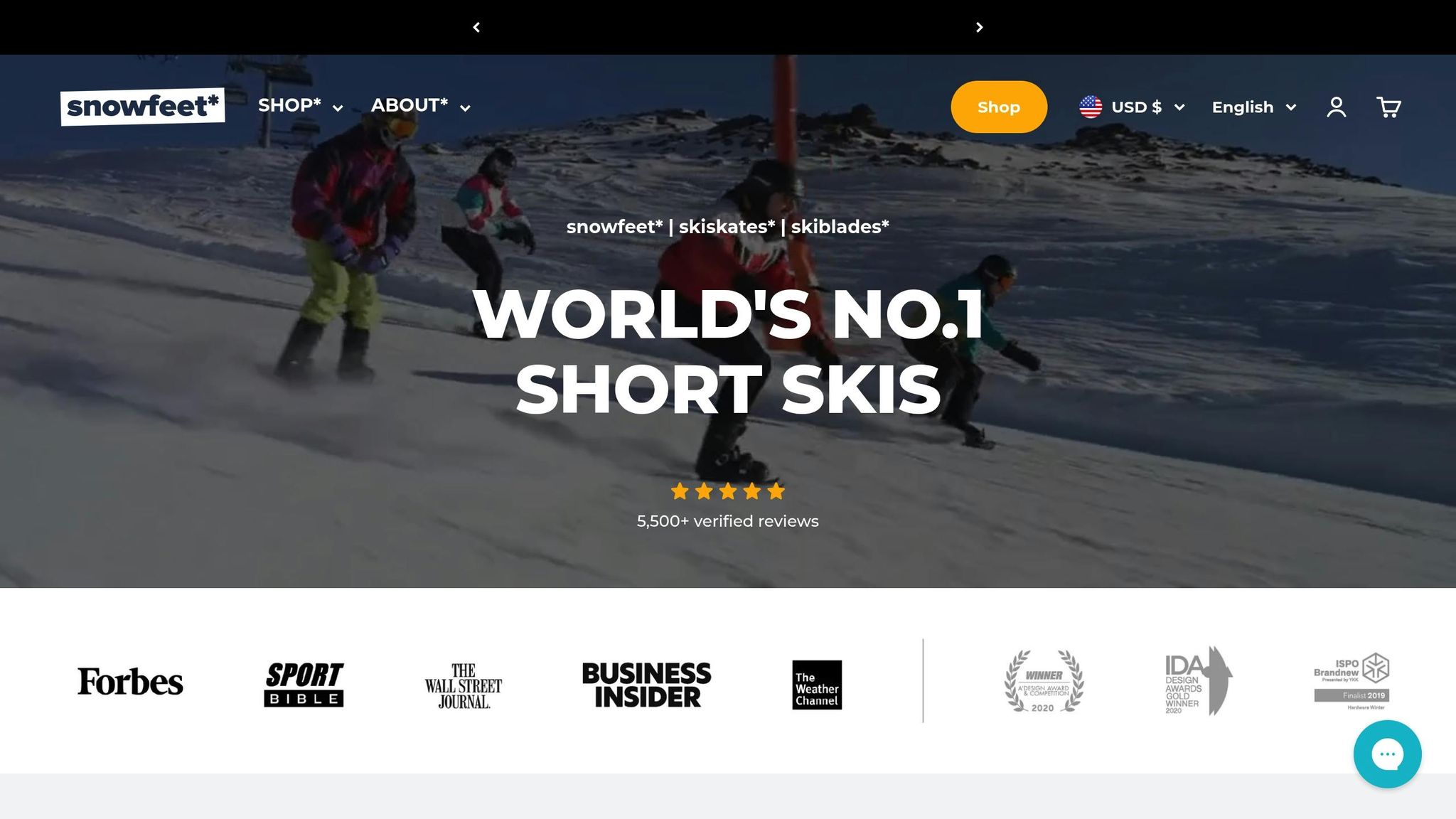
Snowfeet* Mini Ski Skates bring a fun twist to winter sports, especially for beginners. These compact skates are designed to work with standard winter boots, making them a practical and portable option for anyone looking to try something new on the slopes. They combine simplicity with clever design to provide a mix of stability and comfort.
Compact Design and Easy Portability
With their 15-inch size, Snowfeet* Mini Ski Skates are incredibly lightweight and easy to carry. You can toss them in a backpack or store them in a small space without any hassle. This makes them a great choice for those who like to travel light and keep things simple.
A Versatile Option
Priced at $250, these mini skates offer an affordable alternative to traditional skis or snowboards. What’s more, they’re designed to work on both ice and snow, giving beginners a chance to try out different winter activities without needing multiple pieces of gear. Plus, they skip the headaches of dealing with bulky equipment or worrying about finding the perfect size. Snowfeet* makes it easier to dive into winter fun without overcomplicating things.
Pros and Cons
Let’s break down the pros and cons of each skate type, focusing on what beginners might find helpful. Each option has its own strengths, so it’s all about finding the right fit for your needs.
| Skate Type | Stability | Comfort | Ankle Support | Price Range | Best For |
|---|---|---|---|---|---|
| Figure Skates | High – wide blade base | Moderate – requires break-in | Excellent – high boot design | $80–$300 | Beginners learning basic techniques |
| Hockey Skates | Lower – narrow blade | Good after break-in | Strong – reinforced construction | $100–$400 | Athletic beginners seeking speed and agility |
| Recreational Skates | High – forgiving design | Excellent – soft padding | Good – supportive yet flexible | $50–$200 | Casual skaters prioritizing comfort |
| Snowfeet* | Excellent – 15-inch platform | Outstanding – compatible with your boots | Superior – familiar boot fit | $250 | Versatile winter fun on ice and snow |
Key Takeaways
- Hockey Skates: These are built for speed and agility, thanks to their narrow blade and forward-leaning design. While they might feel a bit wobbly at first, they’re a great choice for athletic beginners who want to move fast. Just be prepared for a short adjustment period as you get used to the fit.
- Recreational Skates: If comfort is your top priority, recreational skates are hard to beat. With soft padding and an upright stance, they’re perfect for casual skating. They’re also budget-friendly, though you might find yourself upgrading if you start skating more seriously.
- Figure Skates: Known for their wide blade base, figure skates offer excellent stability, especially for beginners learning basic techniques. However, they do require some patience during the break-in period. If you’re looking for long-term value and want to focus on technique, these are a solid pick.
- Snowfeet*: These mini ski skates are a unique option, offering a shorter learning curve and compatibility with your own winter boots. They’re more expensive upfront but make up for it with versatility - you can use them on both ice and snow. If you’re after something different that combines fun and functionality, Snowfeet* might be worth the investment.
When it comes to cost, recreational skates are the most affordable entry point, making them ideal for casual users. On the other hand, figure and hockey skates come with a higher price tag but can serve as a long-term investment. Snowfeet* sits in the middle, offering multi-purpose use that may justify the higher cost for those who want flexibility.
Conclusion
Let’s wrap things up with a quick recap to help you decide. Your choice of skates really comes down to what you’re aiming for. If you’re all about casual, laid-back outings, recreational skates are a solid pick - they’re comfortable and easy on the wallet. For those looking to refine their technique, figure skates offer great stability and ankle support. And if speed and control are your thing, hockey skates are perfect for athletic beginners.
Now, if you’re intrigued by something a little different, Snowfeet* Mini Ski Skates might catch your eye. These nifty skates work with standard winter boots and feature a 15-inch stable platform. You can use them on both ice and snow without worrying about sizing headaches. Plus, they offer better stability than traditional skate blades and open up a whole range of winter fun.
Pick the skates that match your goals, and you’ll be gliding onto the ice with confidence in no time!
FAQs
What are the differences in stability and comfort between figure skates, hockey skates, and recreational skates for beginners?
For those new to skating, figure skates are often the go-to choice. Their longer, flatter blades provide extra stability, making it easier to stay balanced while learning the basics. This design is perfect for building confidence on the ice.
If you're looking at hockey skates, they’re built for speed and agility, thanks to their shorter, curved blades. While they’re great for making quick turns and sharp moves, they might feel a bit wobbly for beginners since they demand more control to stay steady.
Then there are recreational skates, which focus on comfort above all else. With padded boots and an easy-to-use design, they’re a solid pick for casual skaters who want to enjoy the ice without worrying too much about performance. They're like the comfy sneakers of the skating world - perfect for a relaxed, fun experience.
How are Snowfeet Mini Ski Skates different from traditional ice skates, and can they be used on both snow and ice?
Snowfeet Mini Ski Skates bring a whole new level of fun to winter sports by combining the best of skiing and skating. What sets them apart from traditional ice skates is their ability to glide not just on ice but also on snow. This opens up a world of possibilities, letting you explore snowy trails and slopes, not just the confines of an ice rink.
Another big advantage? They’re incredibly convenient. At just about 15 inches long and super lightweight, Snowfeet are easy to carry around. Plus, you can strap them right onto your regular winter boots - no need for clunky ski boots or specialized gear. Whether you’re new to winter sports or just want something portable and fun, Snowfeet make it easy to dive into snowy adventures without the usual hassle.
What should beginners think about when choosing between figure skates, hockey skates, and recreational skates?
When you're picking out ice skates as a beginner, think about what you want to do on the ice and how comfortable you want to feel. If you're drawn to graceful moves and artistic skating, figure skates are a solid option. Their flat, longer blades help with balance and stability, making them beginner-friendly. If speed and quick turns are more your style - maybe you're eyeing hockey - then hockey skates are the way to go. They're built for agility and fast movements. For those who just want to skate casually and prioritize comfort, recreational skates strike a nice balance, offering decent support and ease of use.
Whichever type you choose, make sure they fit snugly, provide solid ankle support, and come with sturdy blades. A good fit and reliable skates can make all the difference in enjoying your time on the ice as you learn the ropes.











2 comments
Tore Aasheim
F.eks. denne uten klapp: https://skoyteutstyr.no/en/products/viking-multi
Flere her, men med klapp: https://robito.no/collections/klappskoyter
Tore Aasheim
De enkleste skøytene å lære seg å gå på er hverken hockey eller kunstløpsskøyter. Det er lengdeløpsskøyter som ikke har runde stål som de to nevnte skøytene som er enklest å lære å gå på skøyter med!!! Tro meg, etter x antall år som instruktør på skøyteskole og som trener på hurtigløp, så har jeg sett flere tilfeller av dette. De som kommer med hockey/danseskøyter og begynner hos oss på lengdeløp bytter ikke skøyter igjen etter å ha prøvd det.
Leave a comment
This site is protected by hCaptcha and the hCaptcha Privacy Policy and Terms of Service apply.