
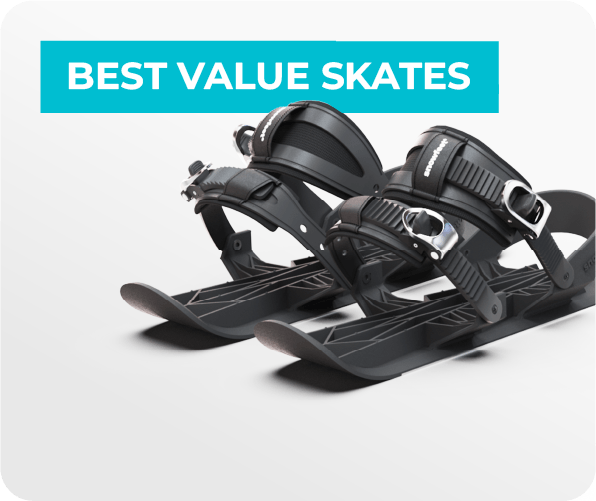
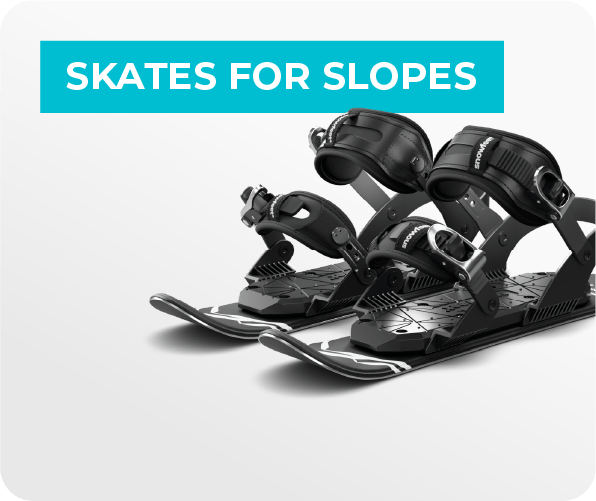
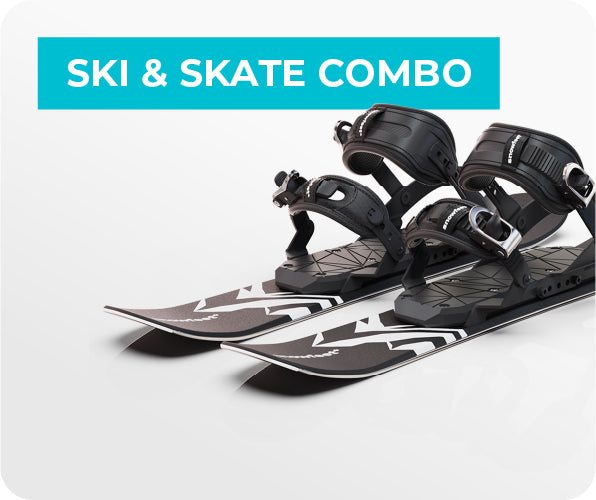
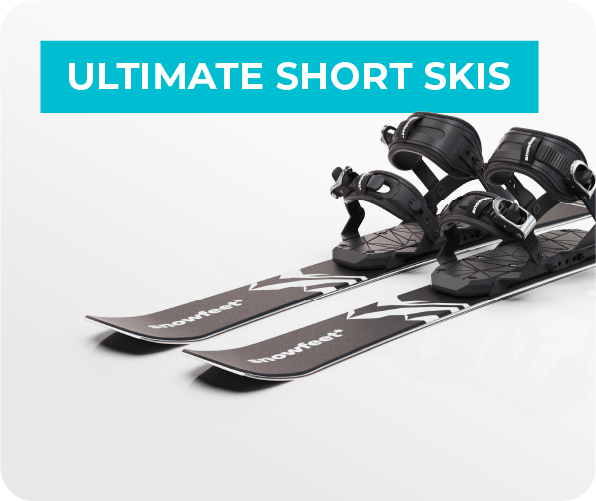
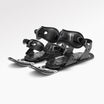
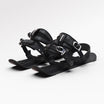
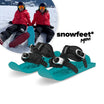
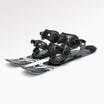
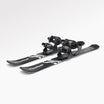
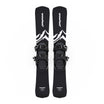
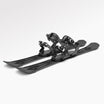
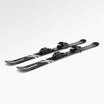
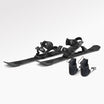
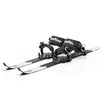
I start with boot fit - not age - when choosing short skis for a family. Check the exact model’s boot and binding limits first. Then match the length to each rider’s height, weight, skill, and plans on the slopes.
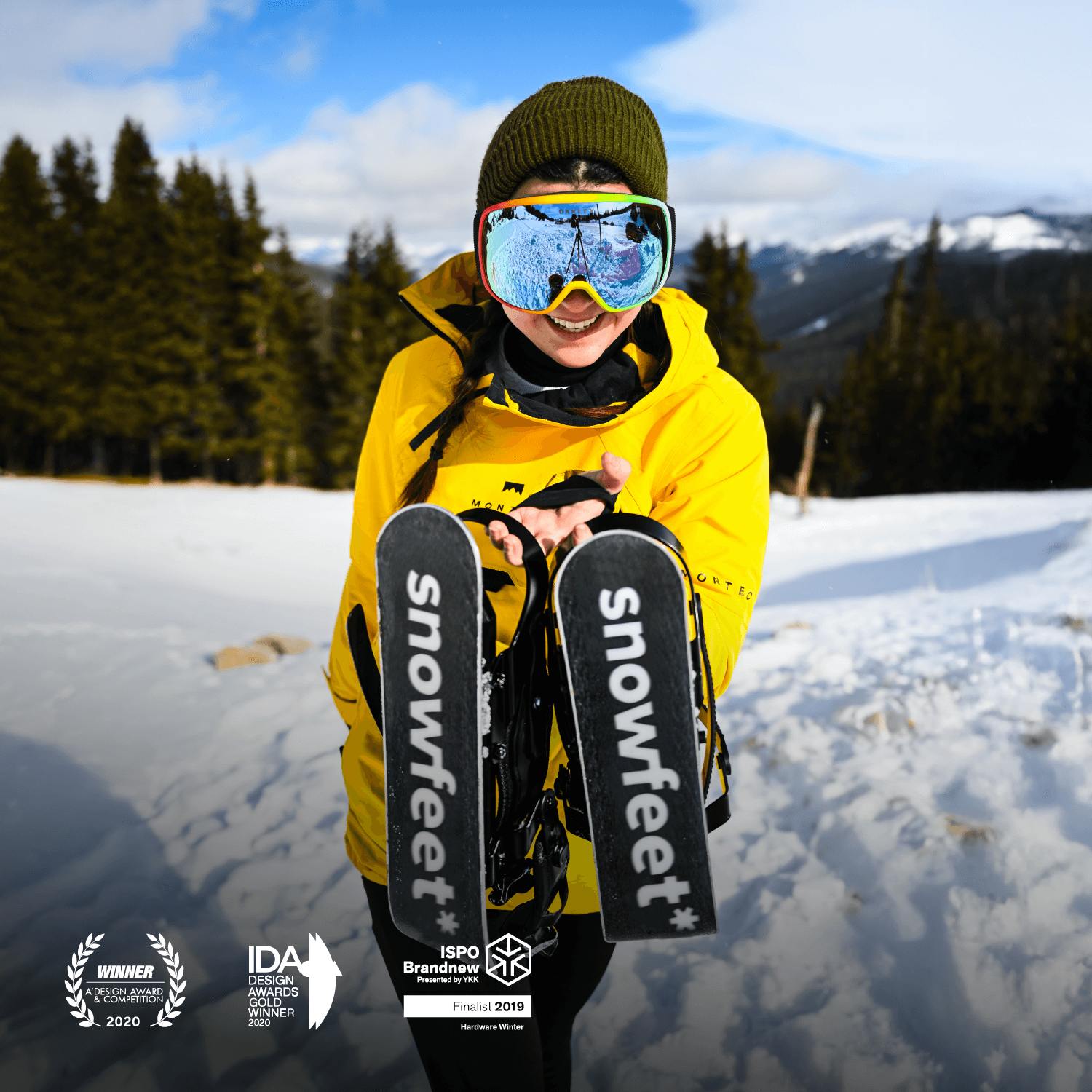
Here’s how I sort the four Snowfeet* lengths:
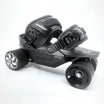
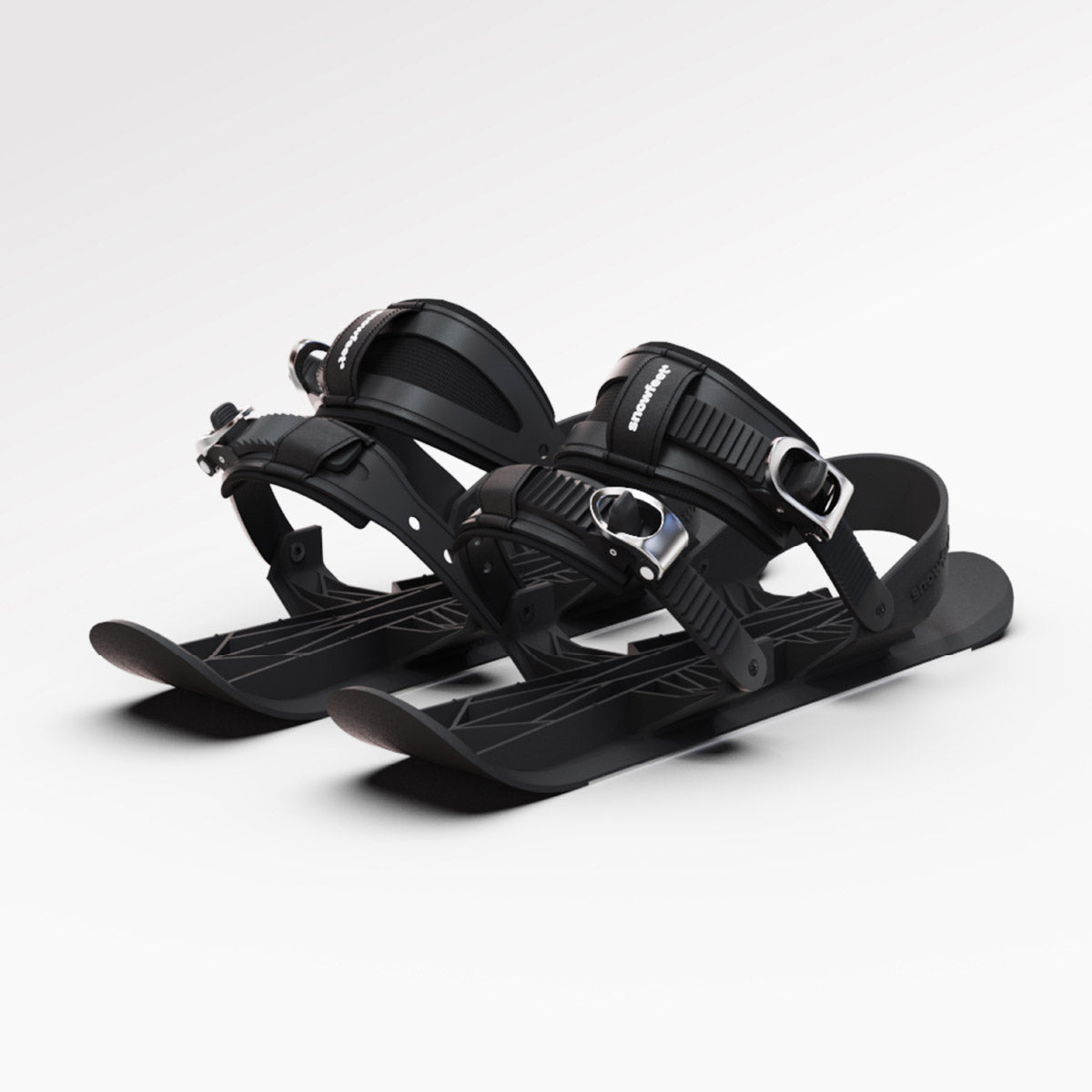
- 44 cm (17.3 in): Compact, skate-like riding; needs steady balance.
- 65 cm (25.6 in): Tight, low-speed turns with a more ski-like feel.
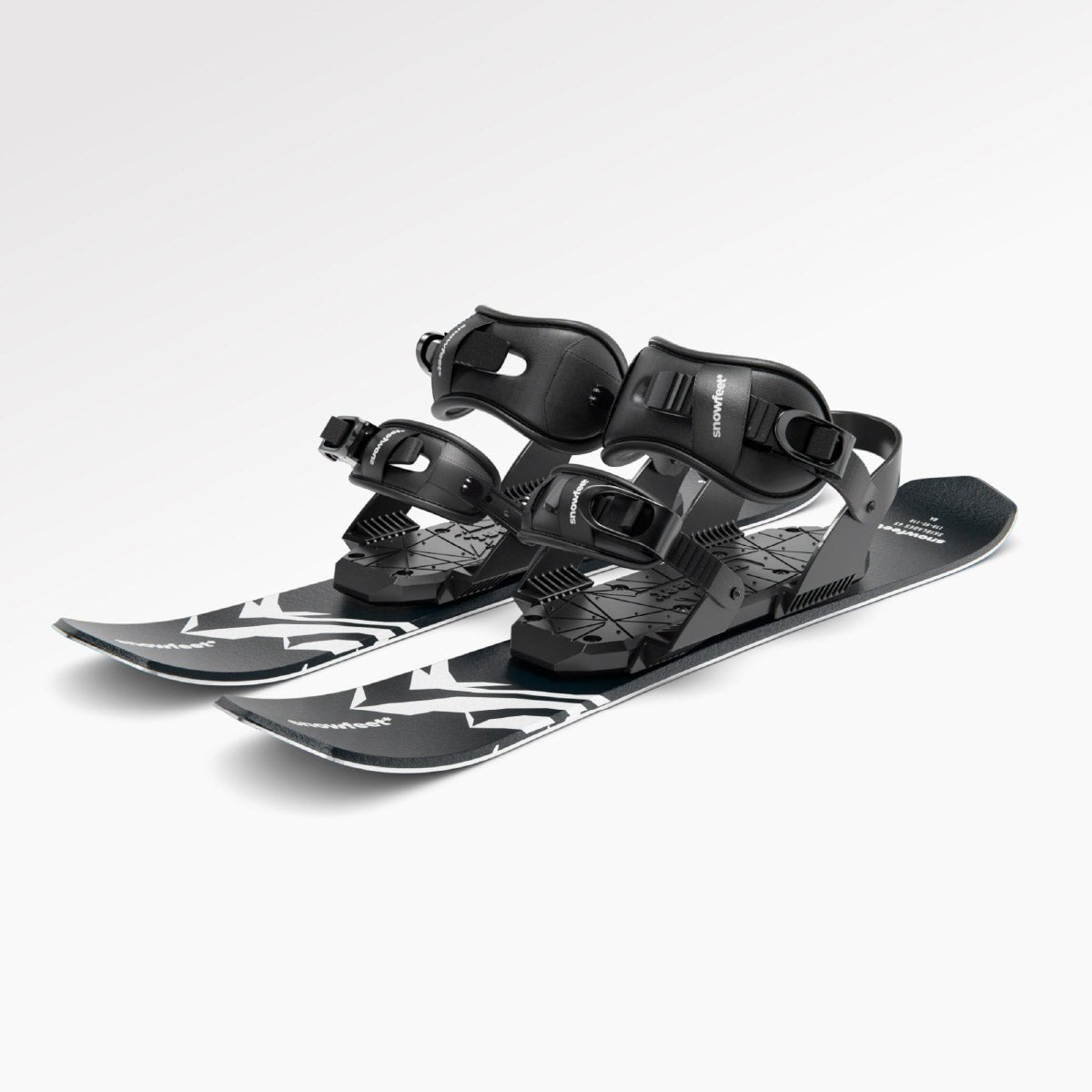
- 99 cm (39 in): More support for groomed runs and casual cruising.
- 120 cm (47.2 in): The steadiest of these four for resort skiing, but less compact.
My rule? Don’t assume smaller skis suit smaller kids. <u>Boot fit doesn’t mean a binding will release in a fall.</u> Check release behavior, resort rules, and each rider’s setup - even when sharing gear.
Snowboarder tries Snowfeet* | Which Snowfeet* Short Ski is the Best? | Snowblades 44, 65, 99 Review
Check Boot and Binding Fit First
Start with the exact model and binding version. Snowfeet* Skiskates and Skiblades need ski or snowboard boots - not regular winter boots. Check the boot type, size range, adjustment method, and release behavior. Binding versions aren’t interchangeable across models. Once you’ve confirmed the fit, use the family sizing chart to choose a length.
Confirm Boot Types and Fit Limits
For 44 cm Skiskates with ski-boot bindings, Snowfeet* lists a boot size range of US 4.5–14.5, EU 36–49, mondo 22.5–32.5. That range applies only to the listed model and binding. Don’t use it for snowboard-boot versions or other Skiblades.
Snowfeet* separately lists US 6–14.5 for snowboard-boot bindings. Check which model and binding that range covers.
Write down each rider’s boot type and size, then compare them with the product’s published range. If the fit is unclear or falls between sizes, ask Snowfeet* to confirm compatibility. For a child outside the listed range, choose gear with documented children’s sizing and the correct binding system.
Check Binding Adjustment and Release
An adjustable binding may not release in a fall. Some Snowfeet* setups have tool-free adjustable bindings that don’t release. Snowfeet* lists release bindings only on the 99 cm and 120 cm skiboards. Even a release binding needs the correct setup and isn’t guaranteed to release in a fall.
Before riding, check that the boot sits securely in the binding, the sole is compatible, and the boot sole length meets any stated requirements. Have a qualified ski shop set up bindings that need release adjustment.
Before buying, check resort rules for short skis, non-release bindings, leashes, and footwear. With fit confirmed, the sizing chart can help you choose between tighter turns and greater stability.
Family Sizing Chart: 44, 65, 99, and 120 cm
These examples are hypothetical - not manufacturer height or weight limits.
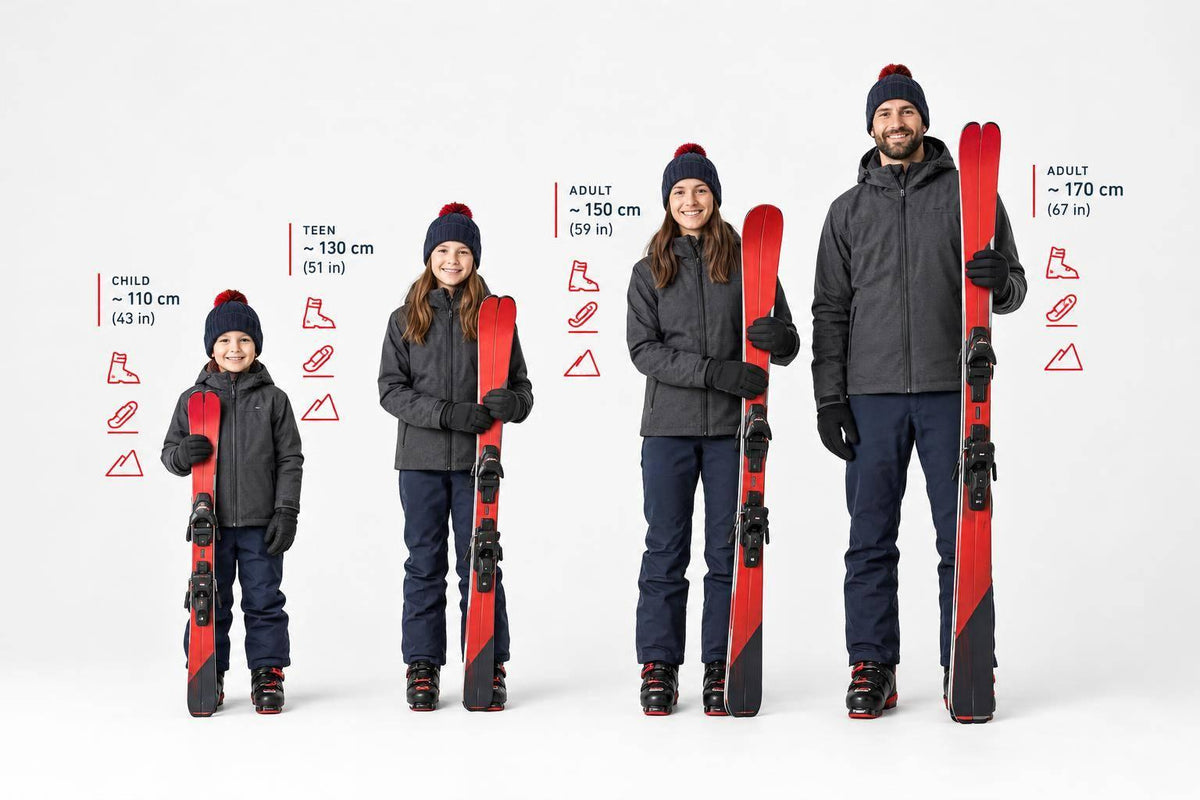
Riders of the same size may need different lengths based on their skill and how they plan to ride. Once you’ve confirmed boot fit, use this chart to narrow the options for each family member.
| Hypothetical rider profile | Height and approximate weight | Ability | Intended use | Suggested Snowfeet* length | Reason | Boot or binding requirement |
|---|---|---|---|---|---|---|
| Smaller beginner | 5 ft 2 in, 105 lb (157 cm, 48 kg) | New to skiing | Slow, ski-style turns on gentle groomed terrain | 65 cm (25.6 in) Skiblades; consider 44 cm (17.3 in) Skiskates only if already comfortable with skiskate-style riding | 65 cm is easier to pivot at slow speeds | Check exact boot compatibility and binding setup before buying |
| Progressing teen | 5 ft 2 in, 105 lb (157 cm, 48 kg) | Comfortable controlling turns and speed | Playful turns or steadier resort laps | 65 cm for agility; 99 cm (39.0 in) for stability | 65 cm makes quick turns; 99 cm feels steadier on resort laps | Verify exact boot compatibility and binding version |
| Lighter adult | 5 ft 2 in, 105 lb (157 cm, 48 kg) | Comfortable on groomed runs | Playful turns on groomed runs or regular resort laps | 65 cm or 99 cm | 65 cm suits tight turns; 99 cm offers a more ski-like platform | Confirm the exact boot and binding setup |
| Taller, heavier adult | 6 ft 1 in, 205 lb (185 cm, 93 kg) | Experienced and confident | Faster groomed runs | 99 cm or 120 cm (47.2 in) | Longer skis feel steadier as speed increases | Check boot compatibility. If the setup uses release bindings, have a qualified technician adjust them |
After confirming boot fit, think of 65 cm for quick turns, 99 cm for more stability, and 120 cm for the steadiest resort feel among these options. Treat this chart as a groomed-resort guide unless the product docs say otherwise.
Next, compare how 44 cm and 65 cm favor quick turns, while 99 cm and 120 cm add stability.
sbb-itb-17ade95
Compare Snowfeet* Models: Turning, Stability, and Use
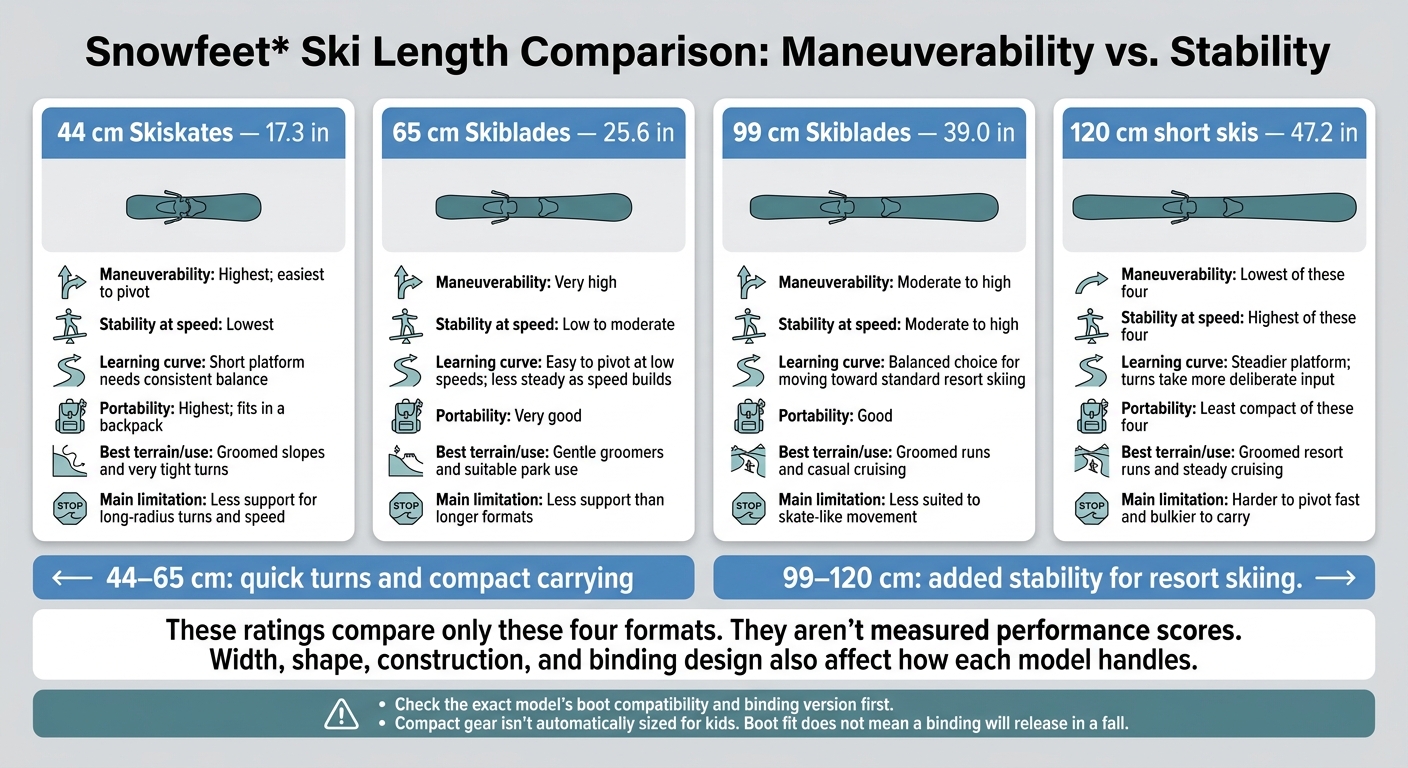
Snowfeet* Short Skis: Compare 44, 65, 99 and 120 cm
Once you’ve checked boot fit, compare the four formats to find the right balance of tight turns and stability.
These ratings compare only these four formats. They aren’t measured performance scores. Width, shape, construction, and binding design also affect how each model handles.
| Snowfeet* model | Maneuverability | Stability at speed | Learning curve | Portability | Best terrain/use | Main limitation |
|---|---|---|---|---|---|---|
| 44 cm Skiskates | Highest; easiest to pivot | Lowest | Short platform needs consistent balance | Highest; fits in a backpack | Groomed slopes and very tight turns | Less support for long-radius turns and speed |
| 65 cm Skiblades | Very high | Low to moderate | Easy to pivot at low speeds; less steady as speed builds | Very good | Gentle groomers and suitable park use | Less support than longer formats |
| 99 cm Skiblades | Moderate to high | Moderate to high | Balanced choice for moving toward standard resort skiing | Good | Groomed runs and casual cruising | Less suited to skate-like movement |
| 120 cm short skis | Lowest of these four | Highest of these four | Steadier platform; turns take more deliberate input | Least compact of these four | Groomed resort runs and steady cruising | Harder to pivot fast and bulkier to carry |
44 and 65 cm: Compact Options for Tight Turns
The 44 cm (17.3 in) Skiskates feel the most like skates and are the easiest to pack in a backpack. Choose the binding version that matches the rider’s boots.
The 65 cm (25.6 in) Skiblades offer nimble turns with a more ski-like feel. For smaller riders, check both boot fit and the manufacturer’s guidance. Compact gear isn’t automatically sized for kids.
99 and 120 cm: Added Stability for Resort Skiing
If the shorter options feel too quick to turn, these two lengths offer more support and can help build confidence at the resort.
The 99 cm (39.0 in) Skiblades sit in the middle: still compact, but more ski-like than the 65 cm model. The 120 cm (about 47 in) short skis are the steadiest of the four, though they turn more slowly and take more effort to carry.
Conclusion: Choose the Right Fit for Each Rider
Use the chart for one last fit check. Check each rider’s height, weight, ability, terrain, boots, and bindings. Then choose the shortest compatible length that gives them enough control. Size for the rider now - not for a child to grow into.
Check Each Family Member’s Setup Before Buying
Once you’ve confirmed the fit, weigh easy turns against stability. Choose 44 or 65 cm for quick turns and easy carrying, or 99 or 120 cm for more stability at the resort.
Before buying, check the current Snowfeet* specifications for your exact model. Review its boot-size limits, binding type, adjustment steps, and intended use.
Shared gear needs a new fit check for every rider. Make sure boots sit securely and straps are snug, where used. For release bindings, have the settings checked against each rider’s measurements, ability, and boot sole length. A boot that fits the binding does not mean the release setting is correct.
For most casual family riders, Snowfeet* can be the best fit when sized to the rider, boots, and intended use - offering control, easy carrying, and fun without buying more ski length than they need.
FAQs
What if my height and weight suggest different ski lengths?
Focus on weight and intended use - not just height. Riders who weigh 200 lbs or more often need 99 cm or 120 cm Snowfeet* models for support and stability.
If your weight points to longer skis but your height or skill level points to shorter ones, let the terrain guide you. Choose 44–65 cm for nimble turns on groomed runs, or 99–120 cm for more control in mixed snow and at higher speeds.
How can I tell if my child has outgrown their short skis?
Look at your child’s weight, height, and skill - not just age. If they often feel shaky or unsteady, or need more support, control, or flotation in mixed snow, it may be time for a longer model.
For example, a child who starts on 35 cm (about 14-inch) MINI KIDS may be ready for 44 cm (about 17-inch) Skiskates or 65 cm (about 26-inch) Skiblades as they grow, build skills, or ski faster.
Should I choose longer short skis for icy slopes?
Yes. The 44 cm and 65 cm models are easy to maneuver and fun to ride, while the 99 cm and 120 cm Snowfeet Skiblades offer more edge contact and stability*. That extra length helps the edges grip hardpack and ice, giving you more control and more precise turns than shorter models.


اترك تعليقًا
This site is protected by hCaptcha and the hCaptcha Privacy Policy and Terms of Service apply.