
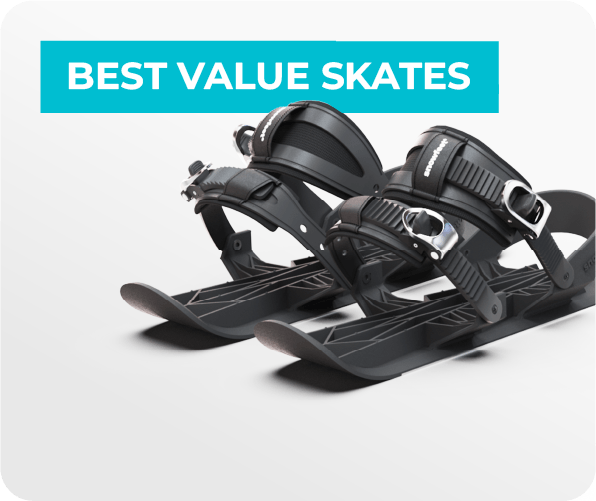
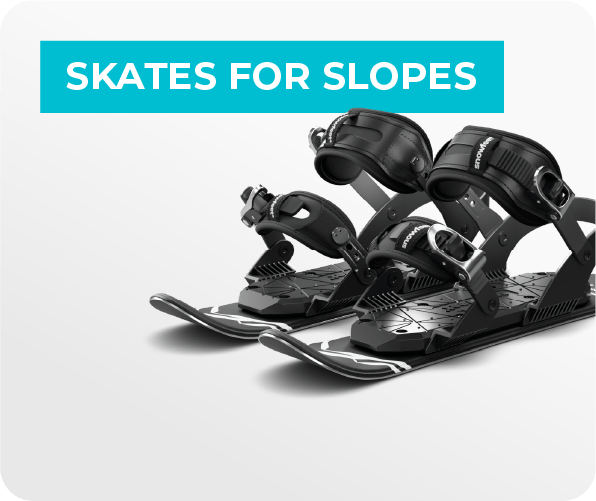
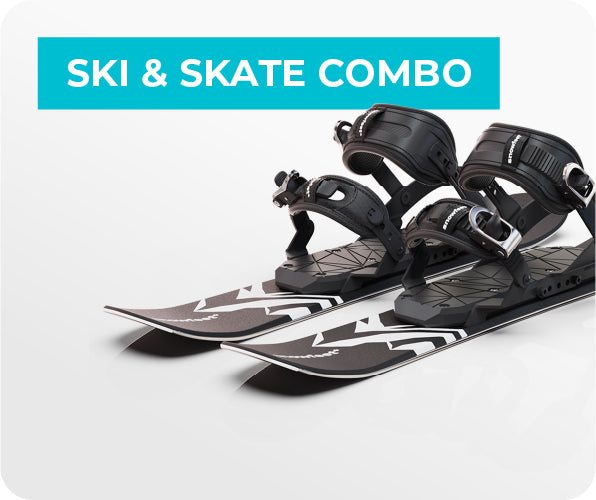
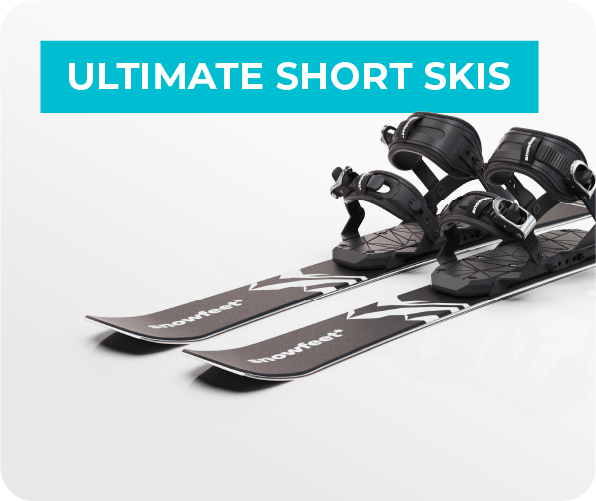
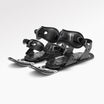
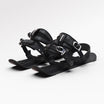
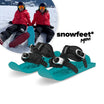
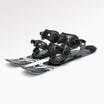
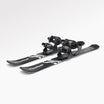
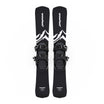
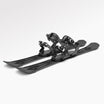
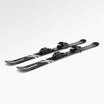
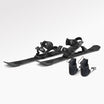
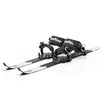
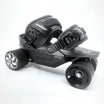
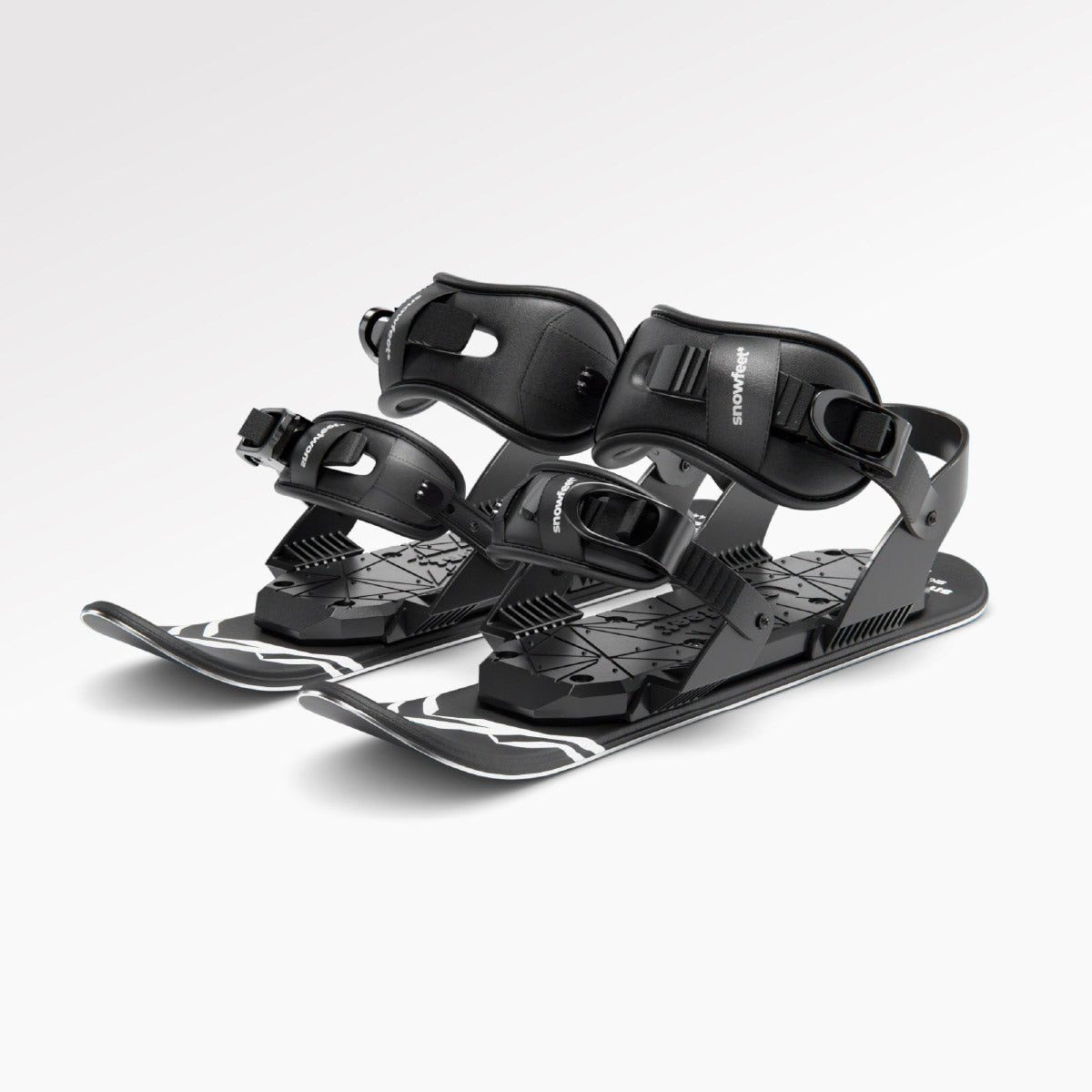
I’d use Snowfeet MINI KIDS only for short, slow glides on a gentle hill that allows them - not as a stand-in for ski gear or lessons. Snowfeet says they aren’t for children under 7, and boot fit matters as much as shoe size.
Here’s my checklist before heading out:
- Check fit: Follow the current sizing guide and test the exact winter boots your child will wear. Check straps and screws before each run.
- Check the hill: Get permission for ski skates, not just sleds. Choose smooth snow with a clear, flat runout, away from sledding traffic.
- Gear up and stay close: Use a fitted snow-sports helmet, warm clothes, and direct adult supervision.
- Start flat: Practice balance and stopping before trying a slope. The bindings don’t release, so keep speeds low.
- Know when to quit: Stop for loose gear, ice, crowds, cold, or tired legs.
My rule? <u>No downhill runs until your child can control speed and stop without help.</u> For resort skiing, I’d choose proper skis, boots, bindings, and instruction.
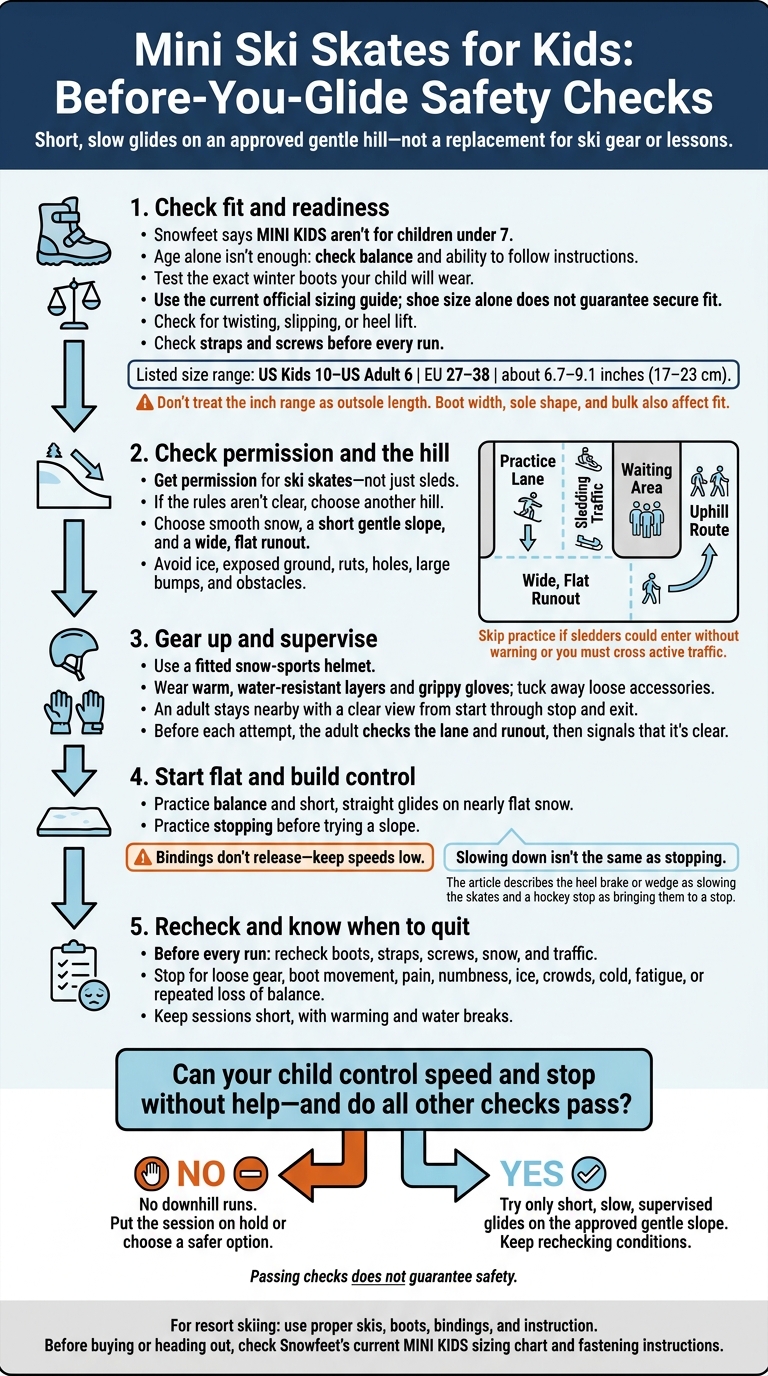
Mini Ski Skates for Kids: Before-You-Glide Safety Checks
Snowfeet* & Skiskates Tutorial - How to Become a PRO Skiskater
1. Check Snowfeet MINI KIDS Fit and Readiness
Start with your child’s boots, balance, and ability to follow instructions - not age alone. Snowfeet says MINI KIDS aren’t suitable for children under 7. Before trying downhill runs, your child should stay upright during slow glides and stop or fall safely on command.
Measure Winter Boots and Check Straps
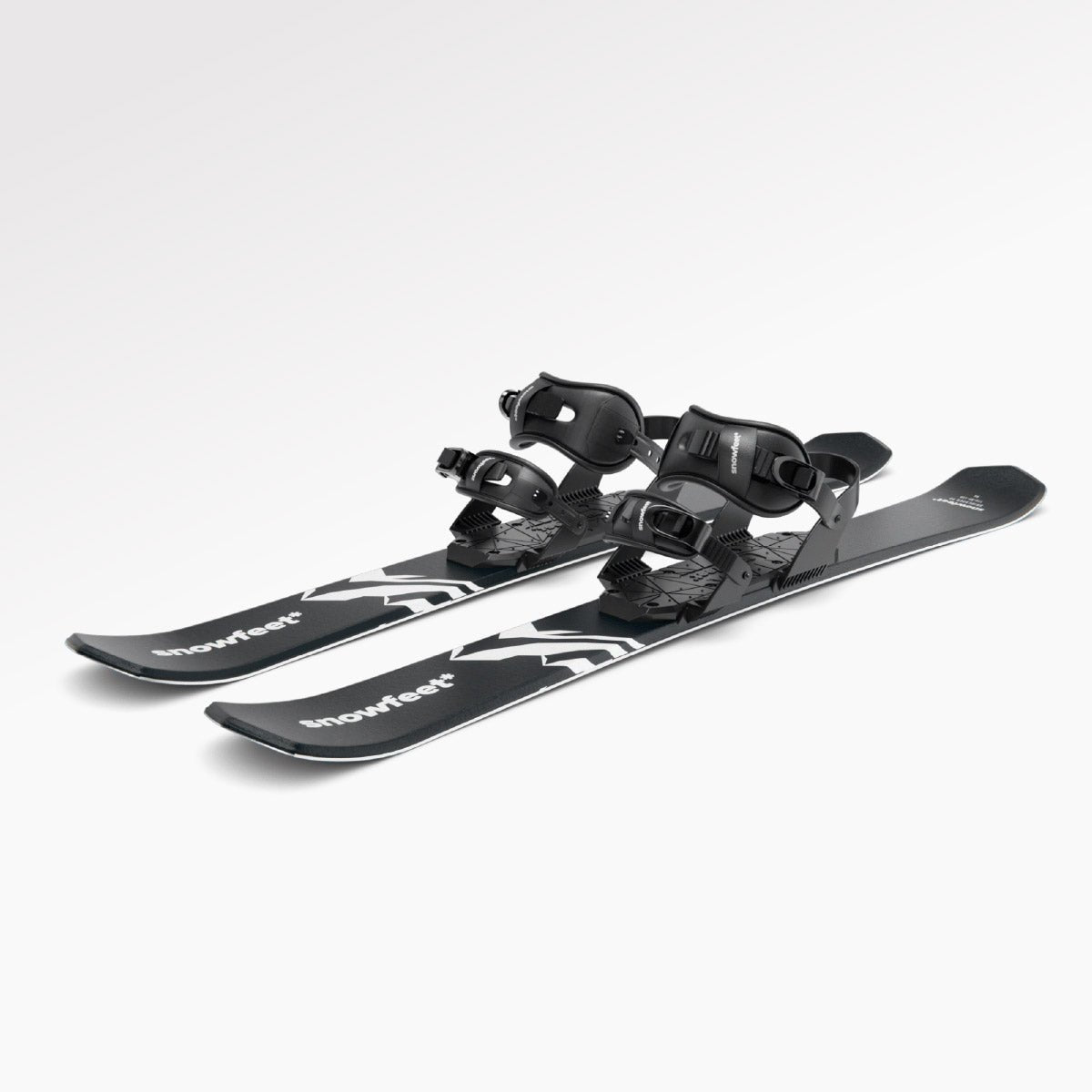
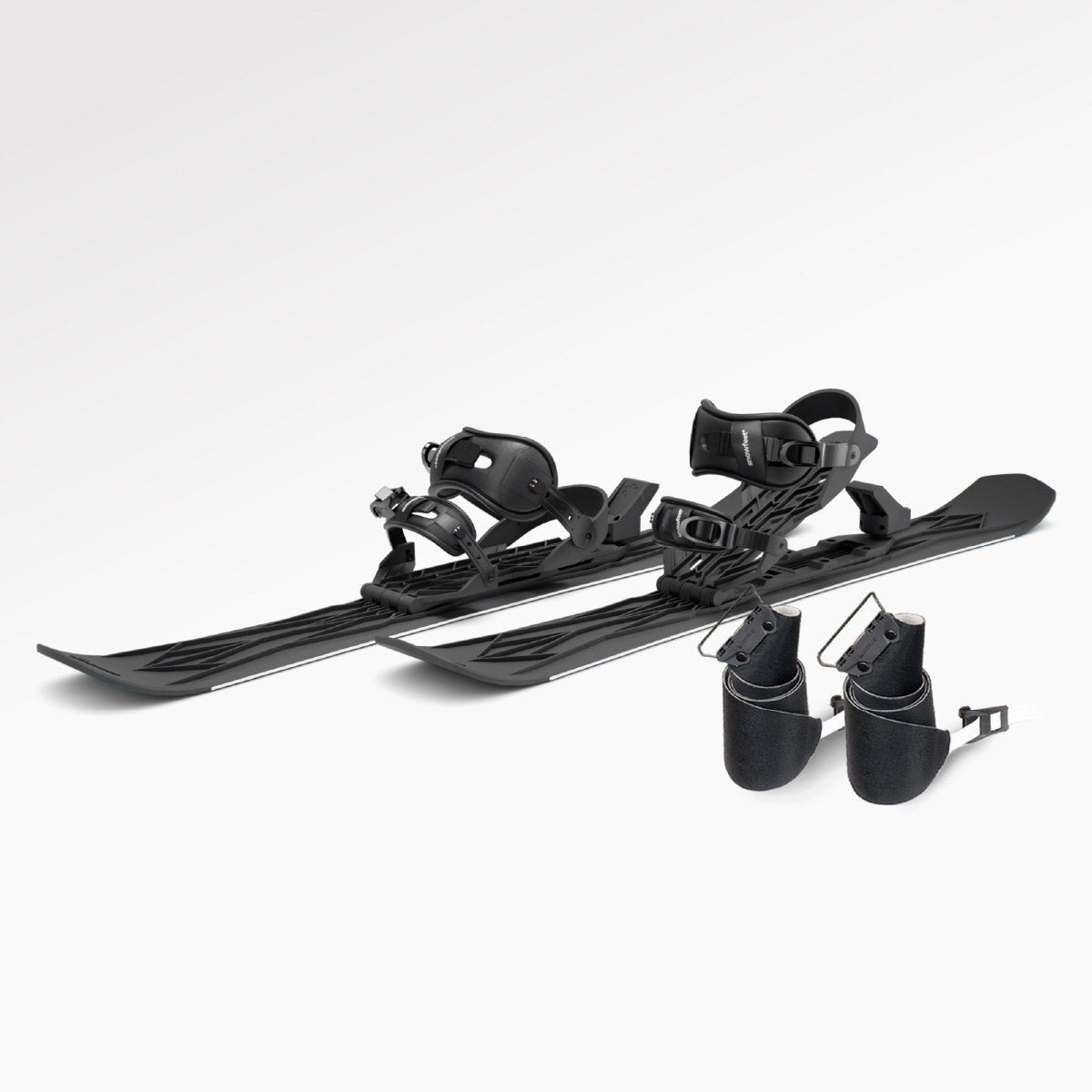
The listed MINI KIDS size range is US Kids 10 through US Adult 6, EU 27–38, or about 6.7–9.1 inches (17–23 cm). Use Snowfeet’s official sizing chart and follow its measuring instructions. Don’t treat the inch range as outsole length. Boot width, sole shape, and bulk also affect fit.
Test the exact boots your child will wear. They should support the ankles and sit snugly in the bindings. Fasten the bindings as Snowfeet directs, then check for twisting, slipping, or heel lift. The right shoe-size label alone doesn’t mean the boot fits securely.
Check straps and screws before every run. Remove the skates if a boot shifts, a strap loosens, or your child feels pain or numbness. Check the fit again after a fall or sock change.
Compare MINI KIDS With Long Skis and Sleds
Use this table to see how MINI KIDS compare with long skis and sleds for use on a local hill.
| Option | Best use | Main limitation |
|---|---|---|
| Snowfeet MINI KIDS | Portable, short glides with compatible winter boots on an approved gentle hill | Requires secure boot fit, standing balance, and stopping skills |
| Long skis | Structured instruction and sustained downhill control | Needs ski boots, bindings, and more setup |
| Sleds | Seated downhill play | Doesn’t train standing balance or ski-style stopping |
If your child passes the fit and readiness checks, MINI KIDS are the simplest choice for short, supervised glides on a local hill. Next, check the hill’s rules and find a separate practice area.
2. Check Hill Rules and Set Up a Safe Practice Area
Check Permission, Snow, and Runout
Before any MINI KIDS run, check posted signs, the parks department website, or onsite staff for rules on foot-mounted sliding equipment, hours, and restrictions. On private property, get the owner’s permission. If the rules aren’t clear, choose another hill.
Walk the whole practice lane and runout before putting on gear. Pick a short, gentle slope with smooth, packed snow and a wide, flat stopping area. Stay well away from roads, parking lots, ponds, fences, buildings, trees, rocks, posts, and drop-offs. Don’t use slopes with ice, exposed ground, deep ruts, holes, or large bumps. Check the surface again when sunlight, temperature, or traffic changes it.
Keep Practice Separate From Sledders
Pick a quiet lane away from active sledding paths. Set a waiting area beside the slope - not below it - and keep an uphill walking route along the edge.
Before each attempt, the adult must check the full lane and runout, then signal that it’s clear. Teach your child to look uphill, yield to anyone below, stay in the lane, and leave the runout after stopping or falling.
Skip practice if sledders could enter without warning or your child would need to cross active traffic. Pause if crowds grow. Cones, where allowed, don’t give your child priority.
Require a Helmet and Adult Supervision
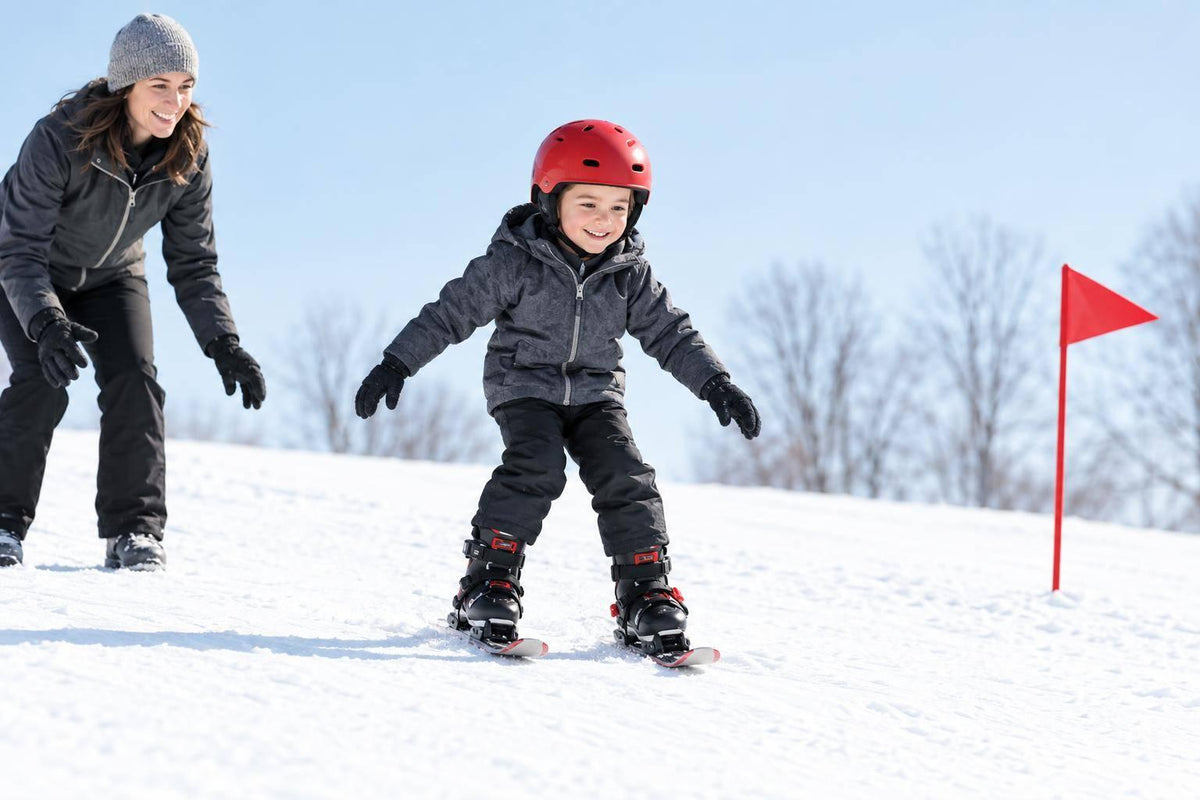
A snowsports helmet must fit well: it should sit level, cover the forehead without blocking sight, and stay put when your child shakes their head. Add warm, water-resistant layers, waterproof pants, grippy gloves, and boots that let your child stand and bend their knees. Tuck away loose scarves, strings, and dangling accessories.
An adult must supervise every attempt from nearby, with a clear view from the start through the stop and exit. Watching from a car or while checking a phone doesn’t count.
Keep the first session short, with breaks to warm up and drink water. Stop for shivering that won’t ease, numb or wet hands or feet, repeated loss of balance, fatigue, or frustration that disrupts the routine. Move somewhere warm. Don’t resume until your child is warm, alert, and coordinated.
Once the hill passes these checks, start on nearly flat snow before trying a downhill run.
sbb-itb-17ade95
3. Teach Balance, Gliding, and Stopping
Practice Balance on Nearly Flat Snow
Have your child stand with their weight even on both MINI KIDS, then try short, straight glides. Skating experience can help, but balance comes first. Once they feel steady, start working on braking and stopping.
Teach Stopping and Safer Falls
Slowing down isn’t the same as stopping. On Snowfeet, the heel brake or wedge slows the skates; a hockey stop brings them to a stop.
MINI KIDS bindings don’t release, so keep drills slow and controlled. Turning and stopping on Snowfeet can be harder than on regular skis. Give your child time to build control before trying longer runs.
Extend Runs Only With Independent Control
Try longer runs only when your child can balance, brake, and stop without help. Before every run, check boot fit, straps, screws, snow conditions, and traffic. While they learn, avoid jumps, steep slopes, ice, and sledding traffic.
Conclusion: Use MINI KIDS Only When Every Check Passes
Snowfeet MINI KIDS are a compact, fun choice for short, low-speed practice - not a replacement for resort skiing. Use them only when all the fit, hill, helmet, supervision, and stopping checks covered here pass. If any answer is no, put the session on hold or choose a safer option.
Before you buy or head out, check Snowfeet’s current MINI KIDS sizing chart and fastening instructions.
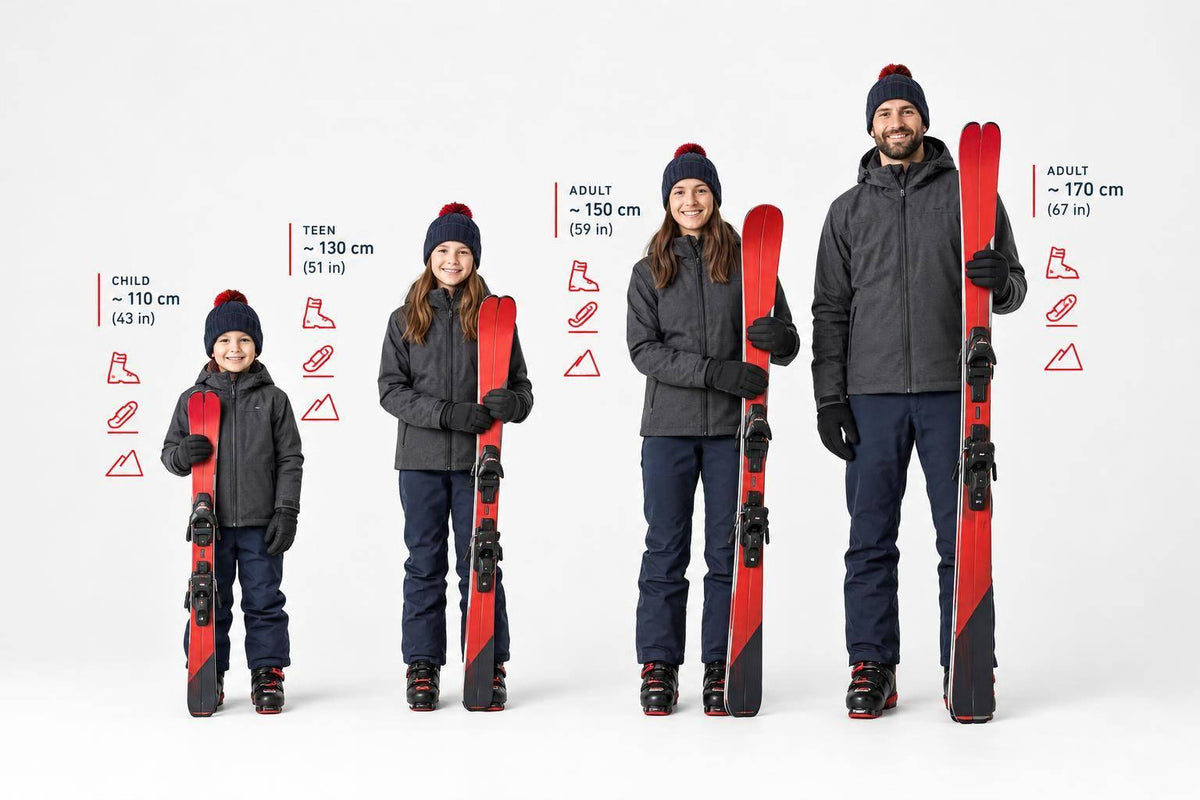
Moving from backyard-style practice to resort skiing? Switch to full ski gear. Use proper skis, boots, and bindings, with help from a rental shop or instructor. Keep MINI KIDS for the small, controlled practice sessions described here.
FAQs
How can I test my child’s stopping skills safely?
Start on flat, groomed snow or a gentle bunny hill before moving to steeper slopes. Snowfeet MINI KIDS are made for beginners and have a built-in heel brake to help kids control their speed.
Teach your child to use the heel brake to slow down. Then practice a hockey stop: turn both feet across the slope and press into the downhill edges to come to a full stop. Keep their weight centered over both skates.
What if my child’s boots fall between sizes?
Choose the shorter model that fits your child right now, not one they’ll grow into. With mini skis, control matters more than length, especially as kids learn to stop and turn safely.
Before you head to the hill, have your child clip in, flex forward, and push side to side. If the boot moves in the binding, adjust the straps until the fit is snug and secure - but not so tight that it cuts off circulation.
Can a ski instructor help my child learn MINI KIDS?
Yes, a ski instructor can help your child learn to use Snowfeet MINI KIDS, but lessons aren’t required. They’re made for beginners and often take less time to learn than standard skis.
Parents can supervise practice on gentle slopes or in the backyard. An instructor can teach safety, stance, controlled gliding, and stopping to help your child feel more confident sooner.


اترك تعليقًا
This site is protected by hCaptcha and the hCaptcha Privacy Policy and Terms of Service apply.