
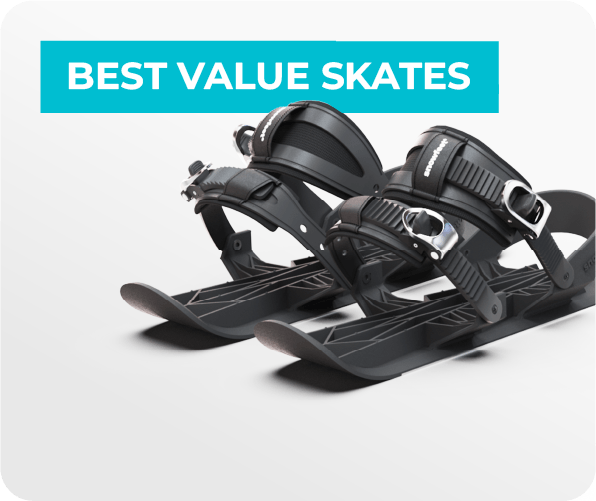
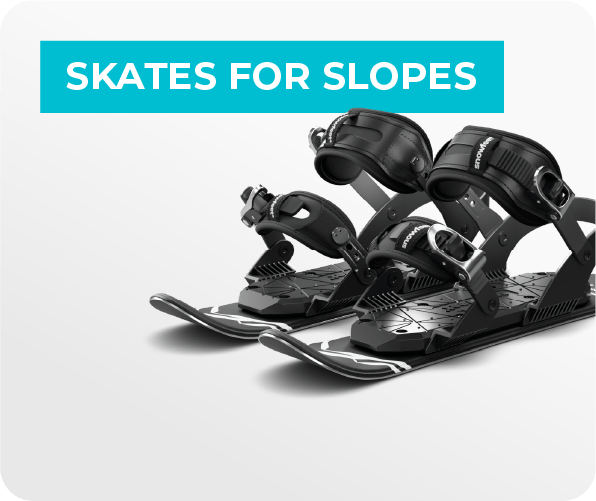
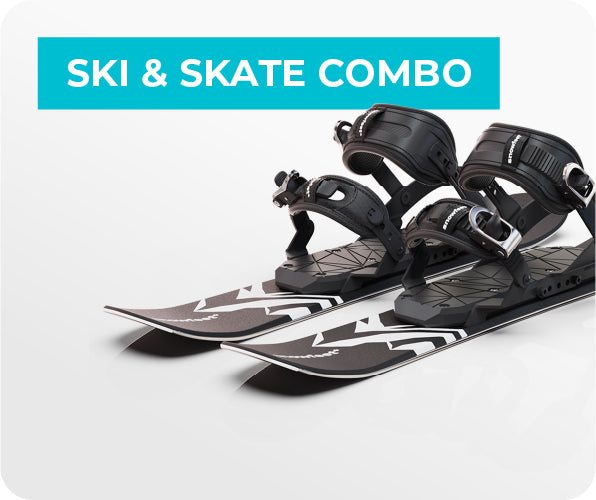
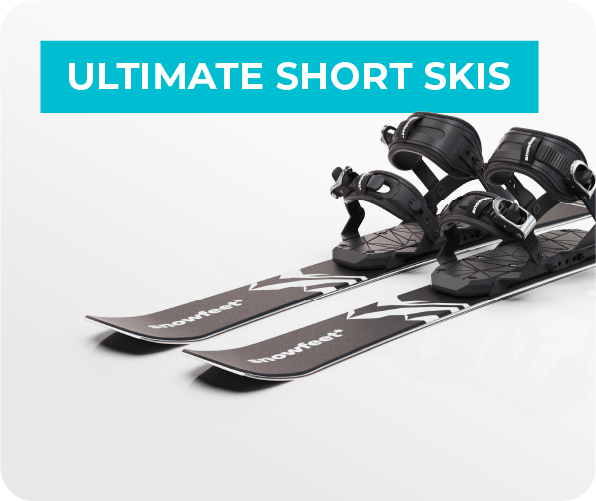
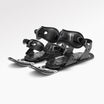
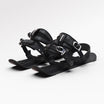
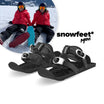
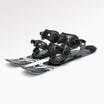
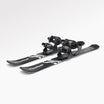
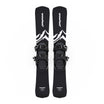
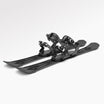
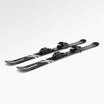
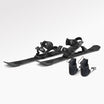
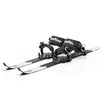
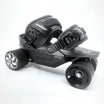
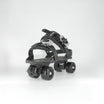
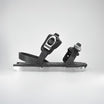
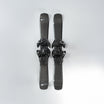

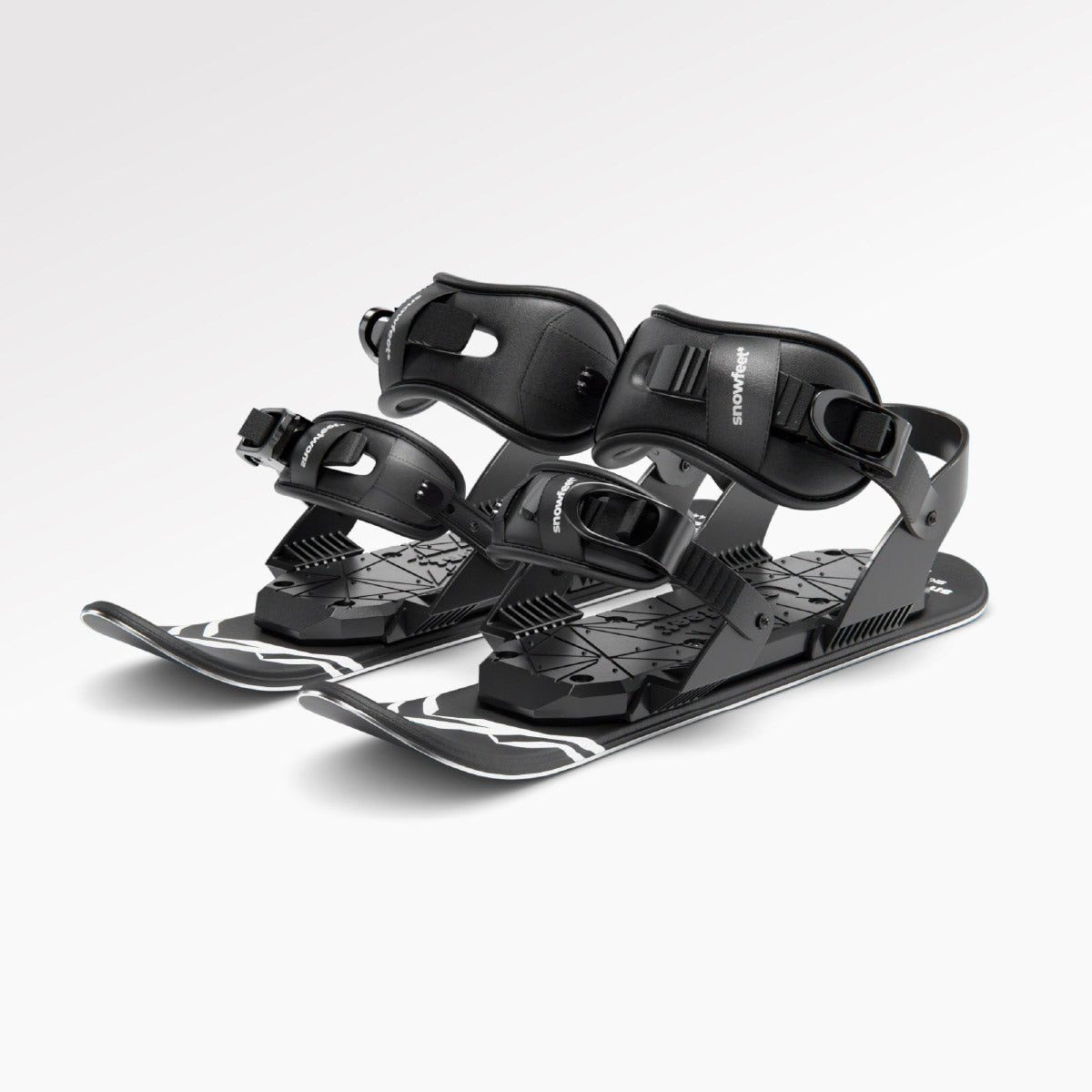
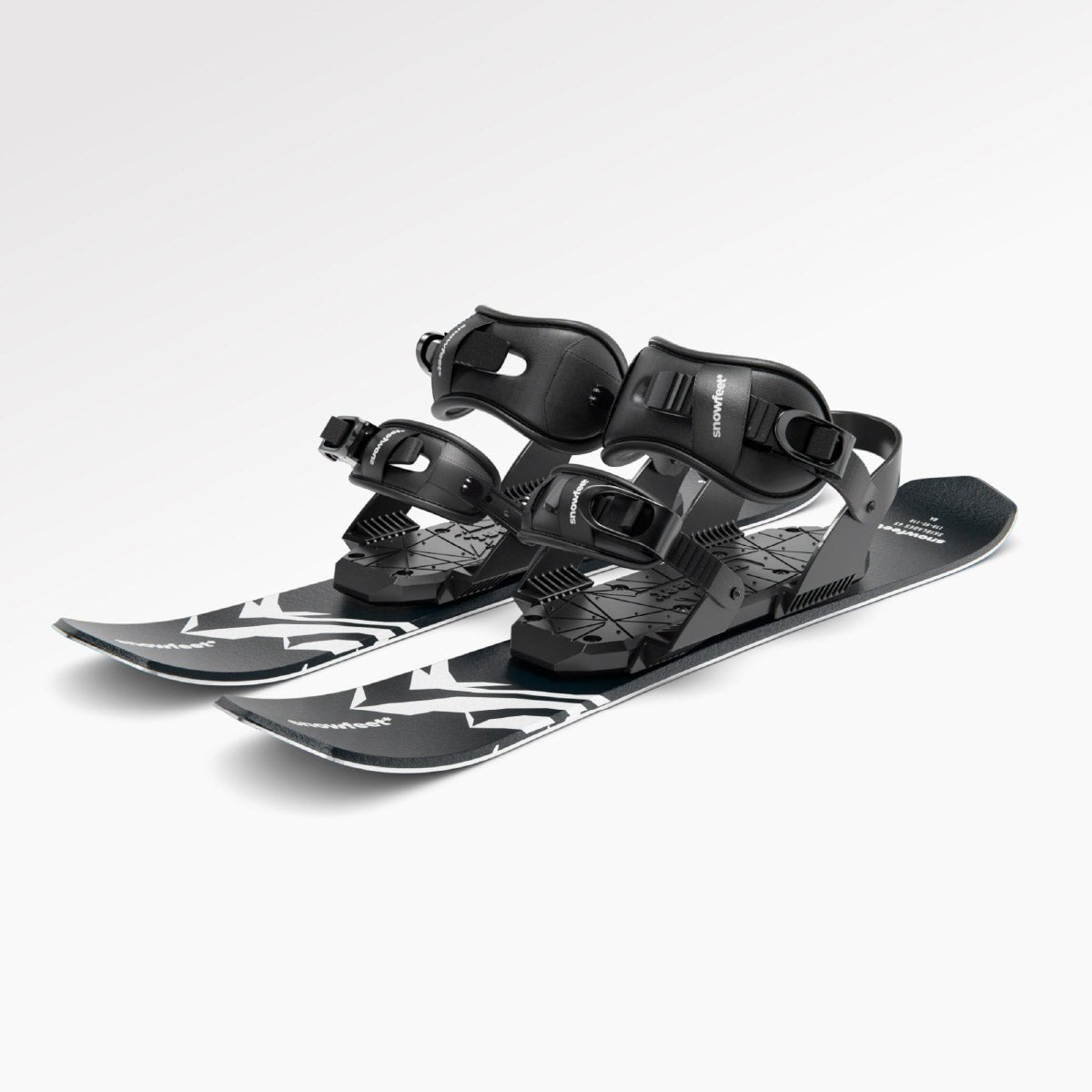
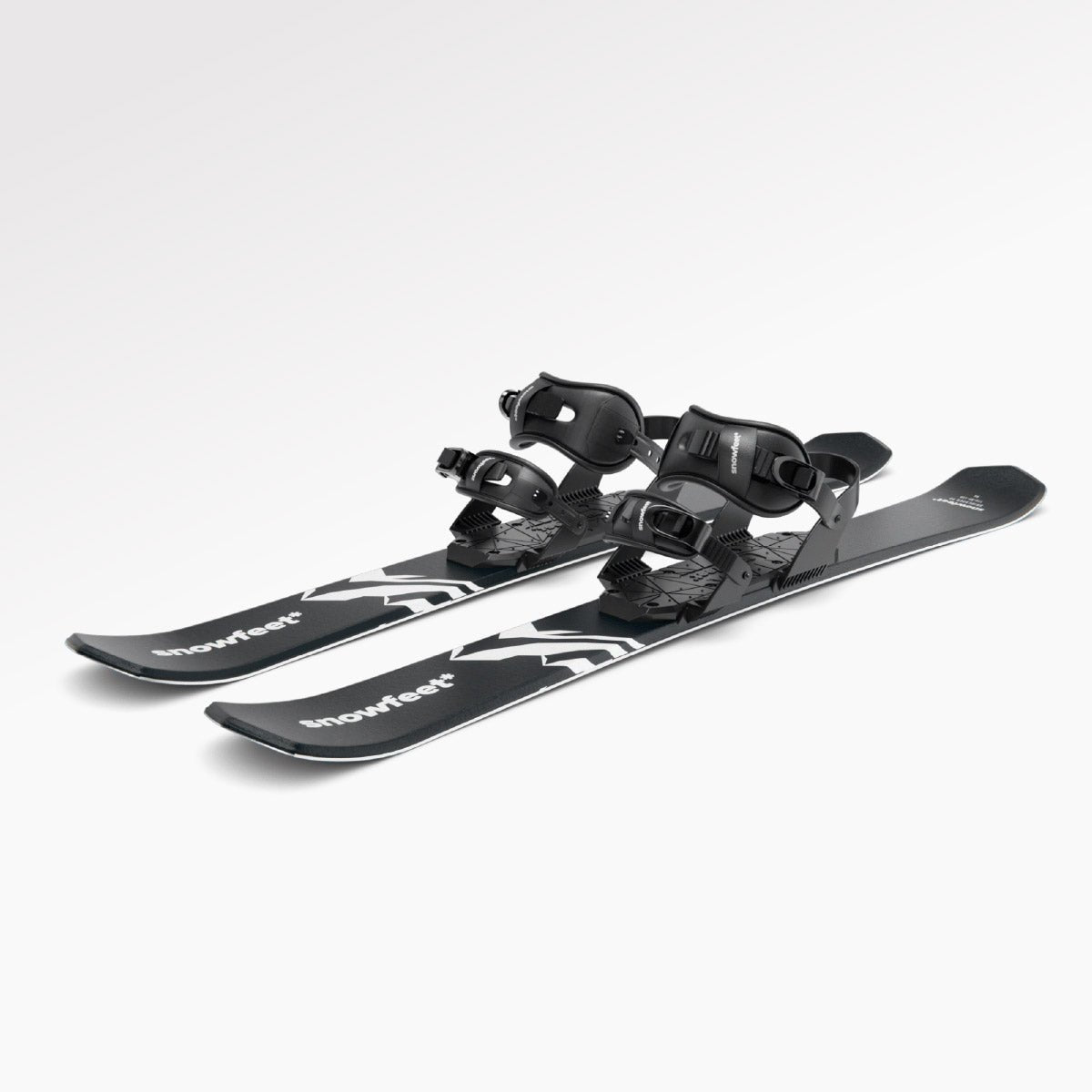
My starting point: snug boots, feet about hip-width apart, and weight centered over your feet. On 17.3-inch Skiskates, each foot moves on its own - so leave that sideways snowboard stance behind.
Here’s the setup checklist I’d use before a first run:
- Check the fit. Use the snowboard-boot binding model, confirm boot size, and check the screws and straps. Burton Step-On boots usually don’t fit.
- Face forward. Keep your knees soft, hips over your feet, and pressure even to start.
- Start small. Practice balance shifts and short glides on flat snow, then work on stopping before trying a gentle slope.
- Stop and recheck. If a boot shifts or the ride feels shaky, check your fit and stance before you keep going.
The goal isn’t speed. It’s <u>secure boots, steady balance, and a stop you can control</u>.
Skiskate Setup and Stance for Snowboarders
Snowfeet* & Skiskates Tutorial - How to Become a PRO Skiskater
1. Set Up Your Skiskates
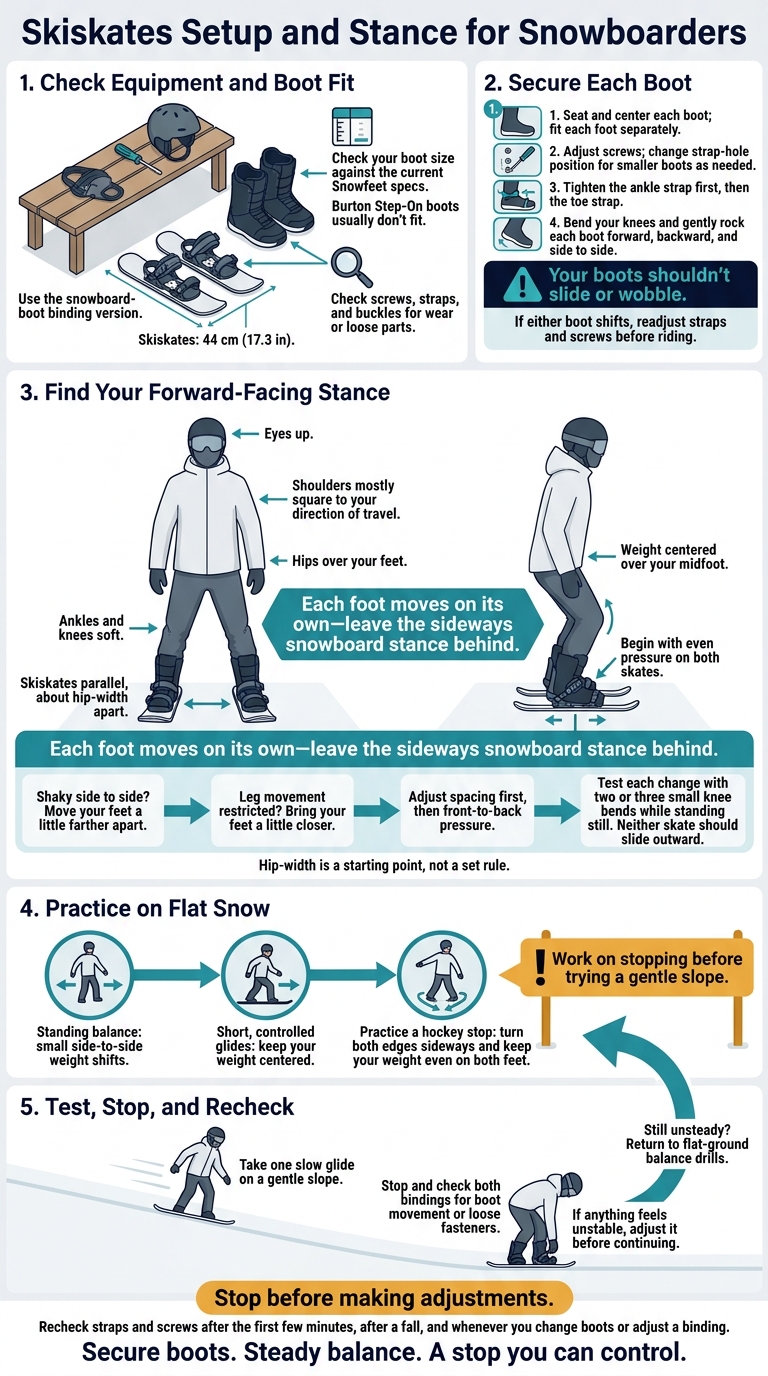
Gather both Skiskates, your snowboard boots, a screwdriver, and a helmet. Find flat, stable ground near a bench. Check the screws, straps, and buckles for wear or loose parts.
Check Boot Compatibility and Binding Type
For standard snowboard boots, use the snowboard-boot binding version. Burton Step-On boots usually don’t fit. Check your boot size against the current Snowfeet specs before you ride.
A snug fit helps each Skiskate respond to your movements without fighting your stance.
Center Your Boots and Fasten the Bindings
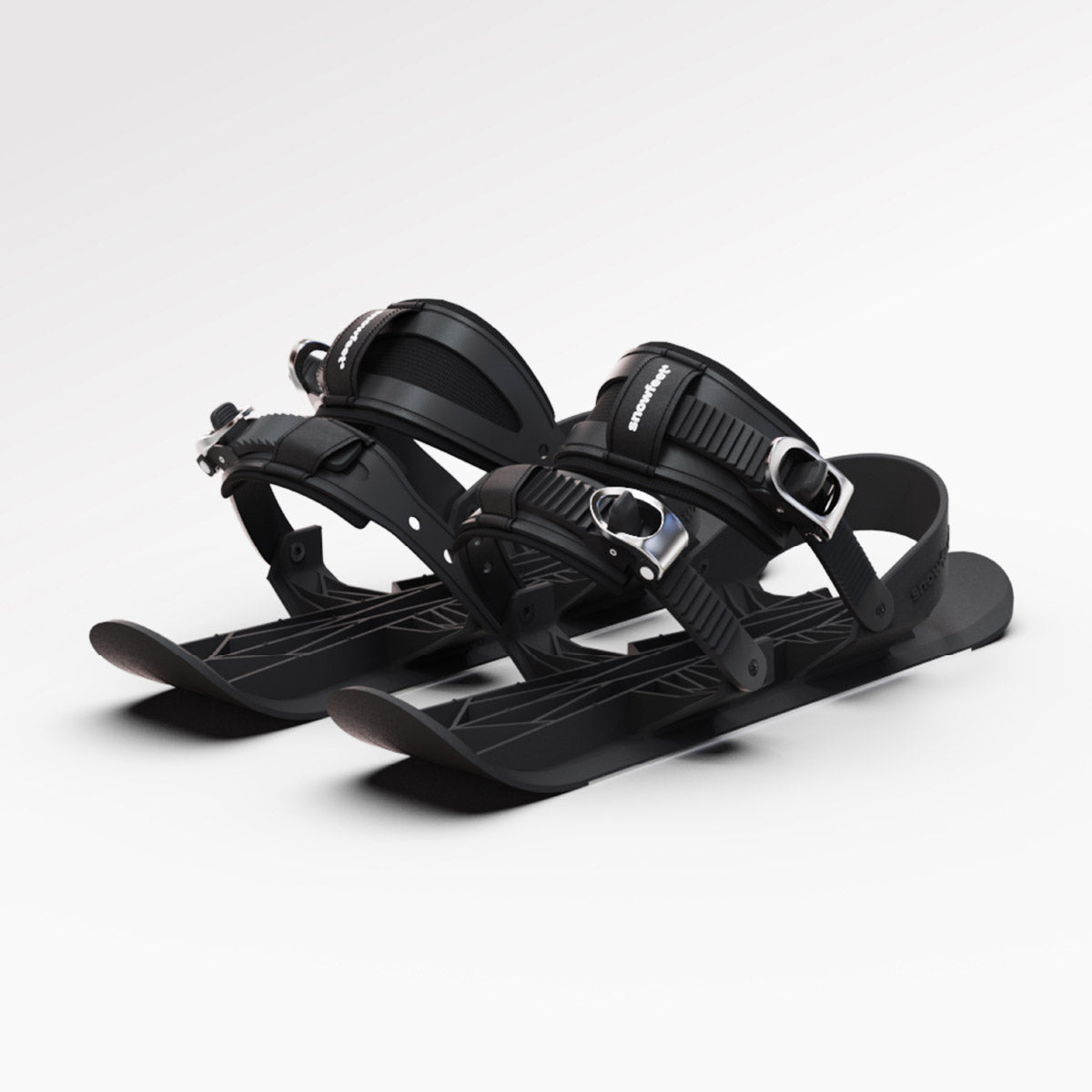
- Seat each boot. Slide it into the binding and center it. Fit each foot separately.
- Adjust the fit. Use the screwdriver to adjust screws. For smaller boots, change the strap-hole position as needed.
- Fasten the straps. Tighten the ankle strap first, then the toe strap. Each boot should feel snug and stay put.
Check for Boot Movement
On flat ground, bend your knees and gently rock each boot forward, backward, and side to side. Your boots shouldn’t slide or wobble. If either boot shifts, readjust the straps and screws before riding.
Check the straps and screws again after the first few minutes, after a fall, and whenever you change boots or adjust a binding.
Once both boots stay locked in, move to stance and balance drills on flat snow.
2. Find a Centered, Forward-Facing Stance
With your boots locked in, it’s time to focus on body position.
On flat or nearly flat snow, place both Skiskates parallel, about hip-width apart. Keep your ankles and knees soft, your hips over your feet, and your eyes up.
Once you feel centered, start trading your snowboard stance habits for separate control of each foot.
Change Your Snowboard Stance Habits
Each foot moves on its own, so begin with even pressure on both skates.
- Don’t favor your lead foot. Make small, controlled pressure shifts.
- Keep your shoulders mostly square to your direction of travel.
- Move through your ankles, knees, and hips while keeping your upper body quiet.
Adjust Foot Spacing and Front-to-Back Balance
Once you feel steady, fine-tune your foot spacing and front-to-back pressure.
Hip-width is a starting point, not a set rule. If you feel shaky from side to side, move your feet a little farther apart. If your stance limits leg movement or makes hip shifts awkward, bring your feet a little closer.
Adjust spacing first, then work on front-to-back pressure. If you feel too much pressure on the tips, ease off your forward lean. If you feel seated over your heels, bring your hips gently forward and keep your knees soft. Avoid big leans.
Test each change with two or three small knee bends while standing still. Neither skate should slide outward. If one foot takes over, return to even pressure and make your next weight shift smaller.
sbb-itb-17ade95
3. Practice Before Your First Run
Set the bindings with the boots you’ll ride in before you leave. Then test your setup on flat snow before heading onto a slope.
Start with Standing Balance and Short Glides
Stand still and shift your weight from side to side. Then try short, controlled glides on flat snow. Keep your movements small and your weight centered to get a feel for how the Skiskates respond.
Practice a hockey stop by turning both edges sideways and keeping your weight even on both feet.
Check Fit and Balance on a Gentle Slope
After the flat-snow drills, take one slow glide on a gentle slope. Stop and check both bindings for boot movement or loose fasteners. If anything feels unstable, adjust it before you continue.
Fix Stance and Binding Problems
If a boot shifts or a fastener loosens, stop before making adjustments.
| Symptom | Likely cause | Adjustment |
|---|---|---|
| Trouble controlling the ride | Legs spread too far apart | Bring your feet back to hip-width. |
| Instability or wobbling | Feet held too rigidly parallel | Try moving one foot a few inches ahead, but only keep this stance if it helps your balance. |
| Falling forward | Leaning too far forward like a skier | Stand tall and center your weight over your midfoot. |
| Boot shifts during the test glide | Straps have loosened or the fit is too loose | Retighten and recheck. If needed, use a screwdriver to move the straps to tighter holes. |
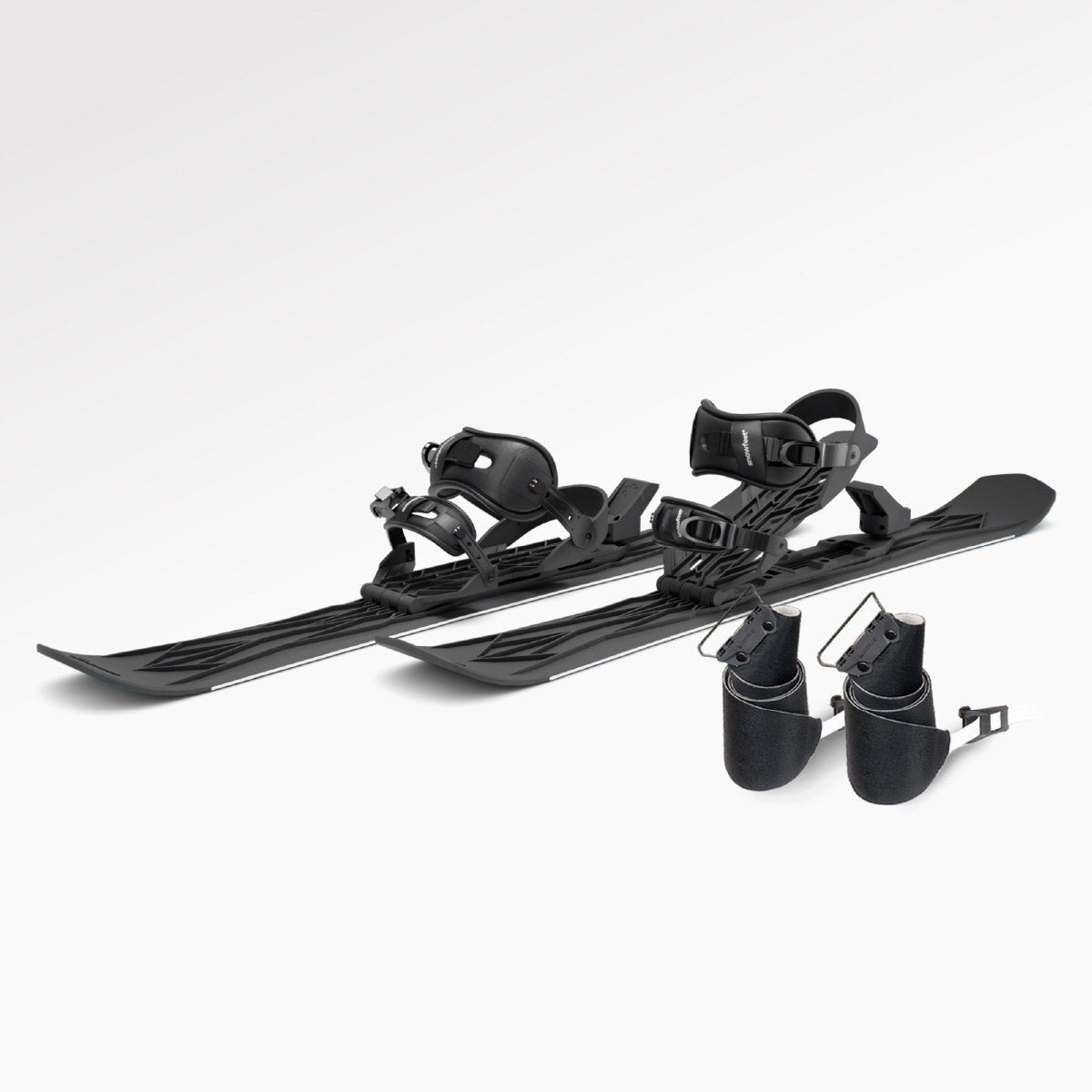
| Straps are too short to secure boots during the fit check | Not enough strap length | Swap in longer toe or ankle straps. |
| Braking doesn’t work well | Weight rests on one foot | Keep your weight even on both feet while edging. |
Conclusion: Check Your Setup Before a Longer Run
After your flat-ground and gentle-slope drills, check the current Snowfeet* specs for your binding version. Give each strapped-in boot a tug and make sure the screws are still tight.
Before your next run, check your stance: feet about hip-width apart, knees bent, and weight centered over your midfoot. If you still feel unsteady, go back to flat-ground balance drills before heading down another run.
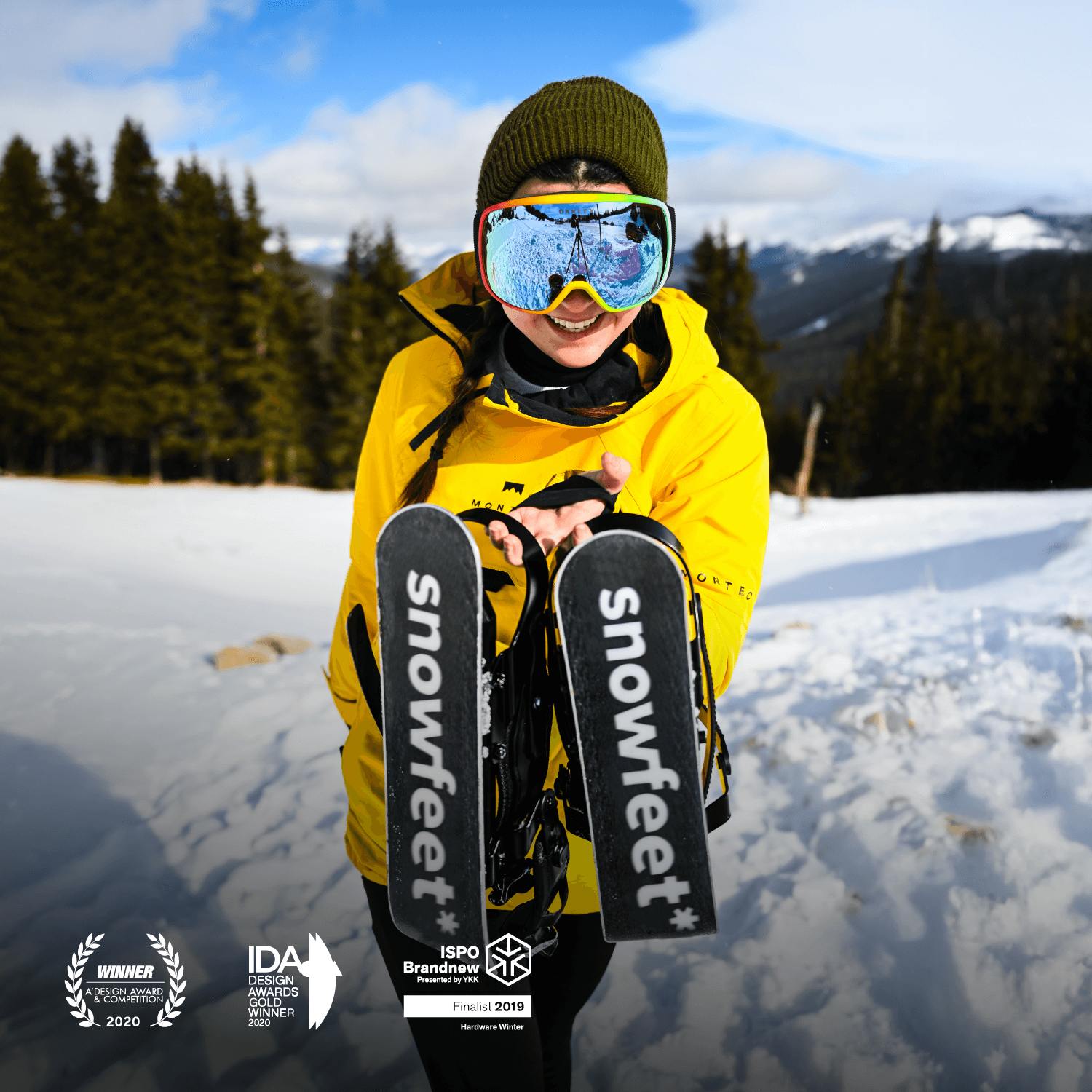
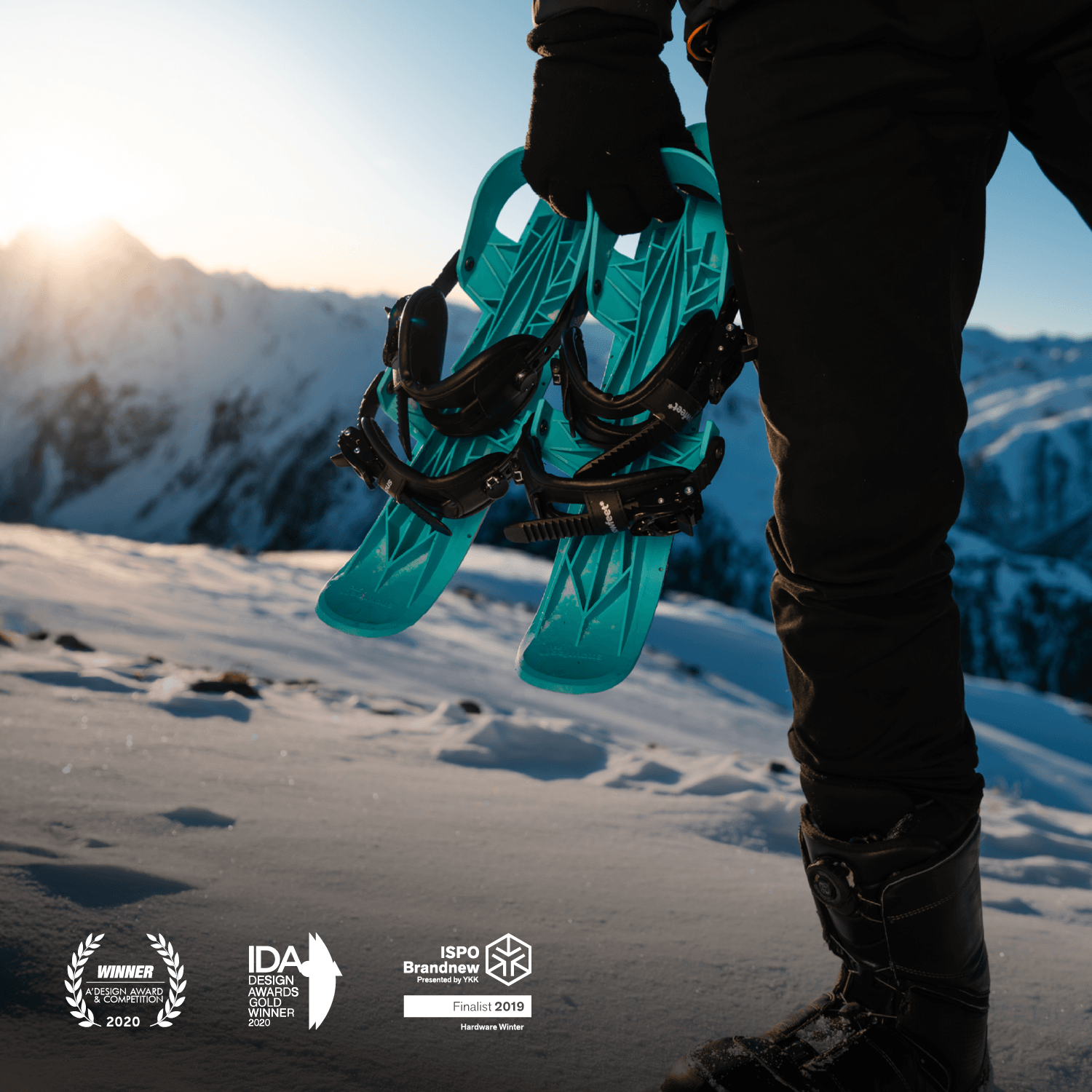
Snowfeet* Skiskates 44 cm (17.3 in) offer casual snowboarders a compact, boot-friendly option that’s easy to learn.
FAQs
How snug should my Skiskate bindings feel?
Your Snowfeet* Skiskate bindings should hold your boot snug and secure, with no side-to-side movement or wobble. Tighten the straps for firm support, but don’t cinch them so tight that they cut off circulation.
If your boot shifts, center it on the platform again and retighten the straps. For a better fit, use a screwdriver to move the straps to different holes. For bulky boots, try extra-long straps.
How can I stop reverting to a sideways stance?
Keep a forward-facing, athletic stance: feet about hip-width apart, knees and ankles bent, and hips centered over your feet. If you keep turning sideways, put one foot slightly ahead of the other to help you stay steady.
On flat ground, practice small, rhythmic shuffling steps. Keep your torso facing the direction you’re moving. Snug up your snowboard boots, especially around the heels, so your feet don’t shift inside.
How do I know I’m ready for a slope?
You’re ready for gentle green runs when you can skate, glide, turn, and control your speed with a hockey stop or snowplow on flat, packed snow. Practice shifting your weight until you feel steady in an athletic stance with your feet shoulder-width apart.
Before you head out, make sure your Snowfeet Skiskates* are fastened securely to your snowboard boots. Wear a helmet and stick to groomed snow.





發表留言
此網站已受到 hCaptcha 保護,且適用 hCaptcha 隱私政策以及服務條款。