
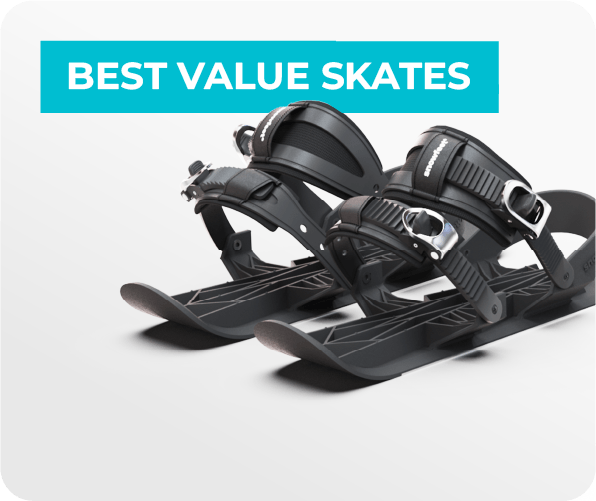
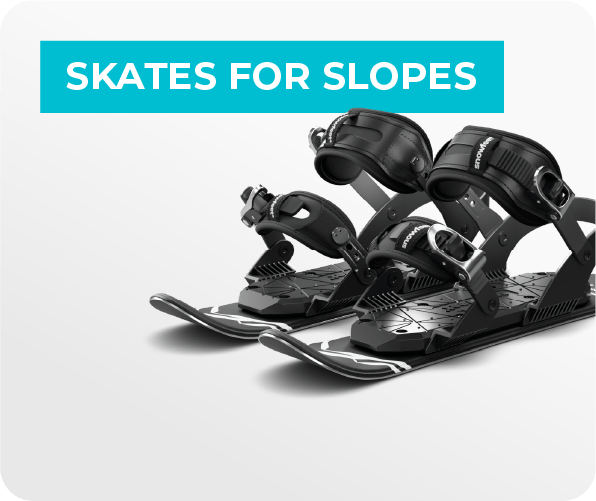
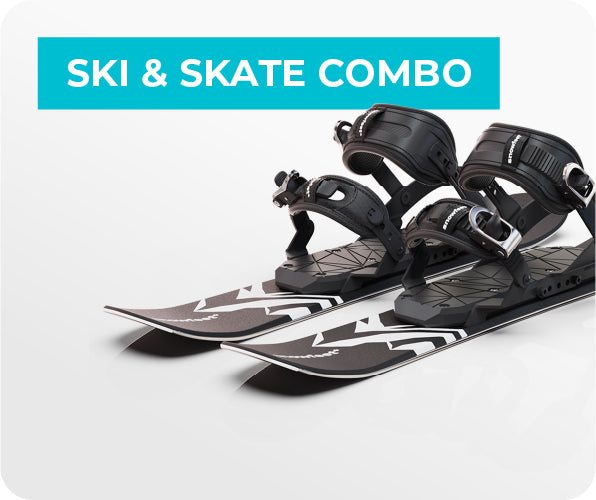
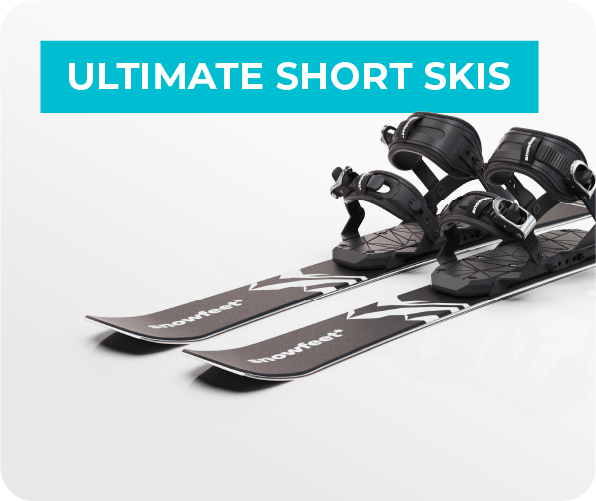
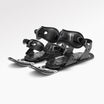
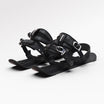
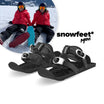
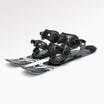
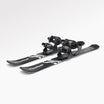
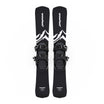
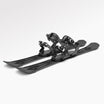
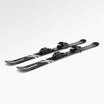
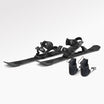
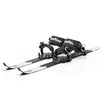
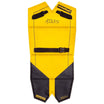
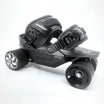
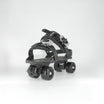
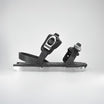
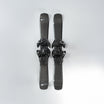

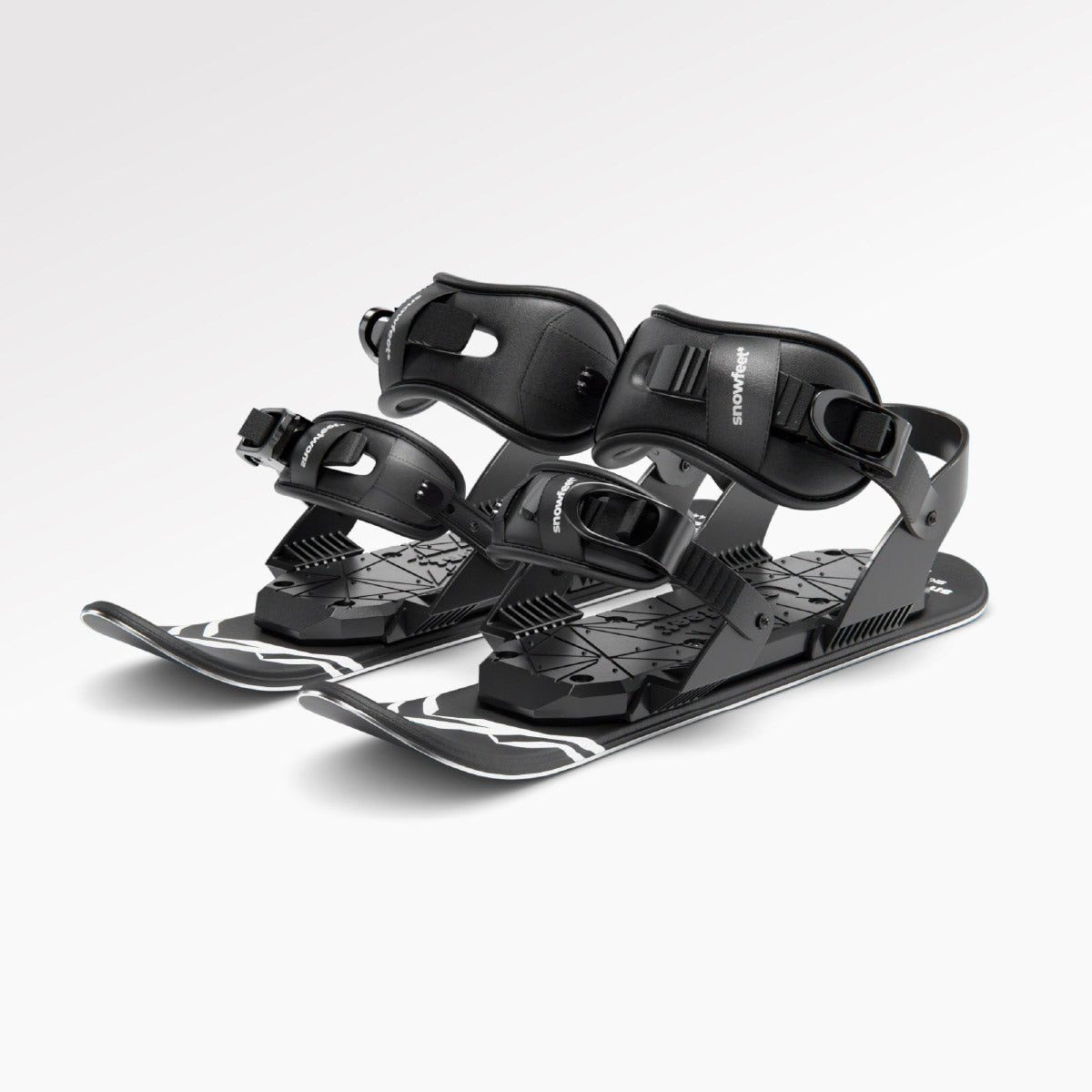
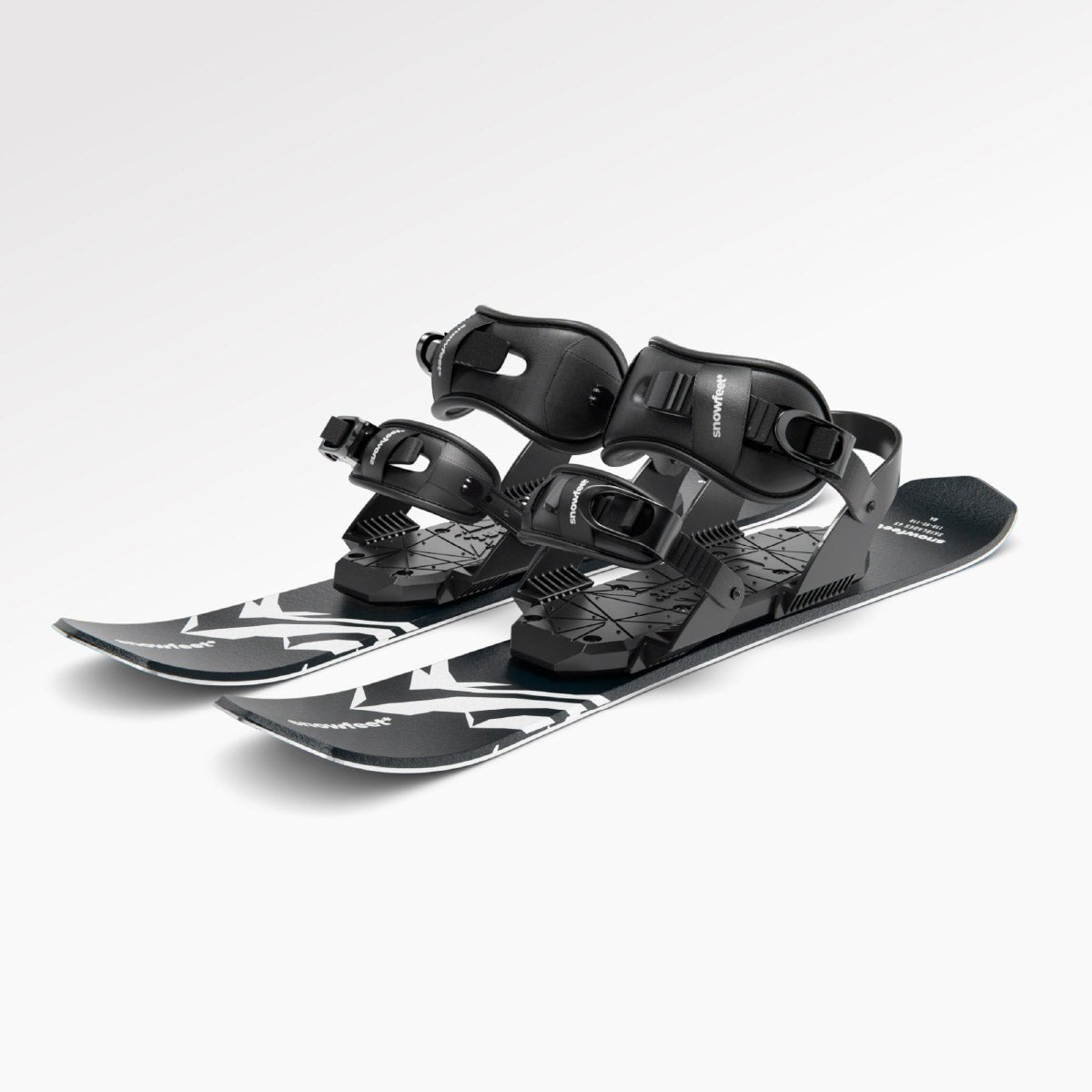
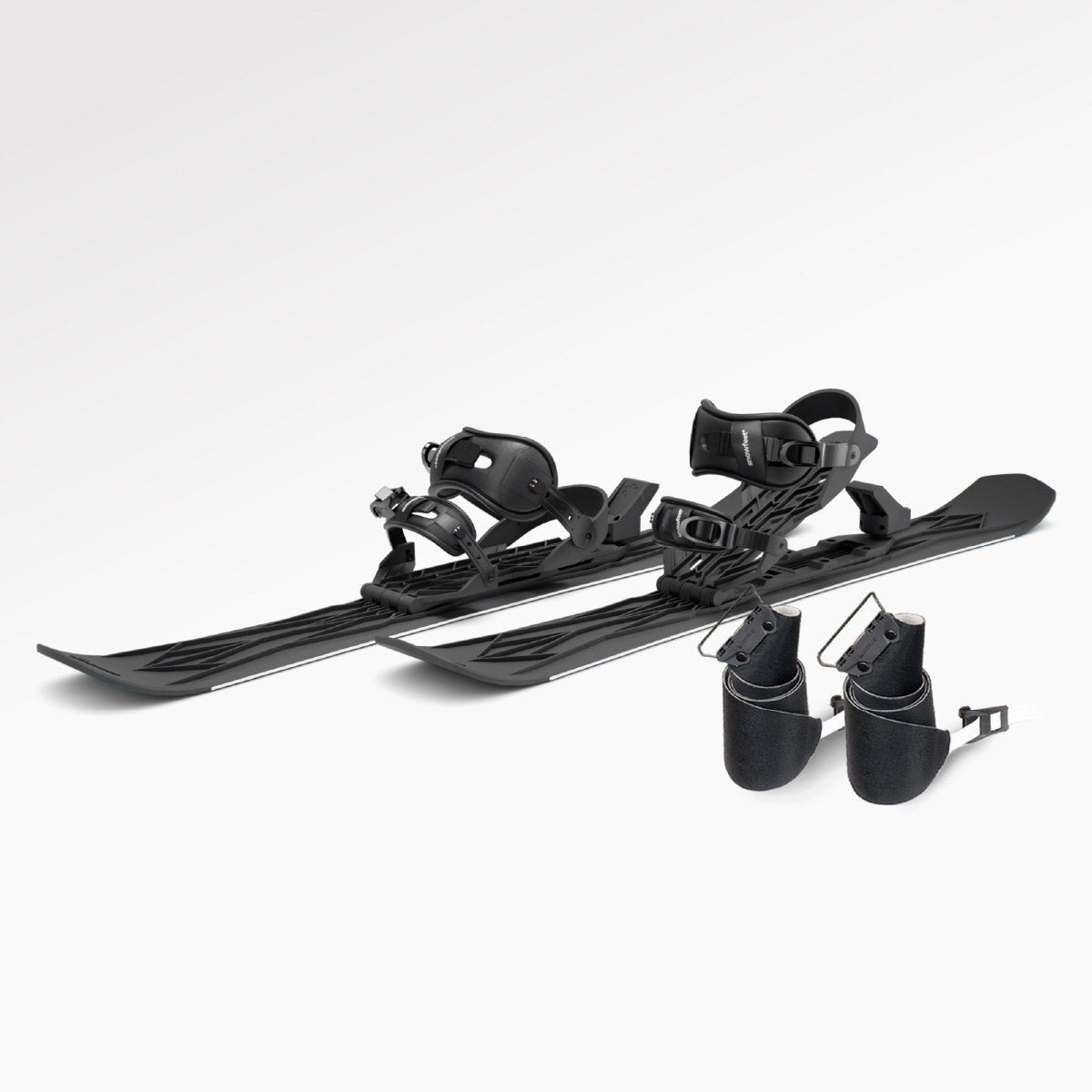
_You can keep your snowboard boots on Snowfeet 65 cm and 99 cm Skiblades - if you choose the snowboard-boot binding package._* I’d pick the 99 cm setup for most riders: it balances easy turns with more support than the 65 cm model.
Here’s how I’d narrow it down:
Quick Comparison
| Setup | Length | Best for | Boot requirement |
|---|---|---|---|
| 65 cm | About 26 in | Tight turns and easy carrying | Snowboard boots with snowboard bindings |
| 99 cm | About 39 in | A balance of turning and stability | Snowboard boots with snowboard bindings |
| 120 cm | About 47 in | Longer carved turns | Ski boots with the listed Pro Ski bindings |
My first check? <u>The exact binding package and boot fit</u>. Most standard snowboard boots fit the snowboard bindings in US sizes 6–14.5, but Burton Step-On boots may not. I’d confirm large boot sizes with Snowfeet* before ordering.
Keeping your boots doesn’t skip the learning curve. Start on a gentle groomed slope, use safety leashes with non-release bindings, and learn a repeatable stop before moving to steeper runs. I’d book a beginner lesson, too - two feet moving apart takes some practice. :)
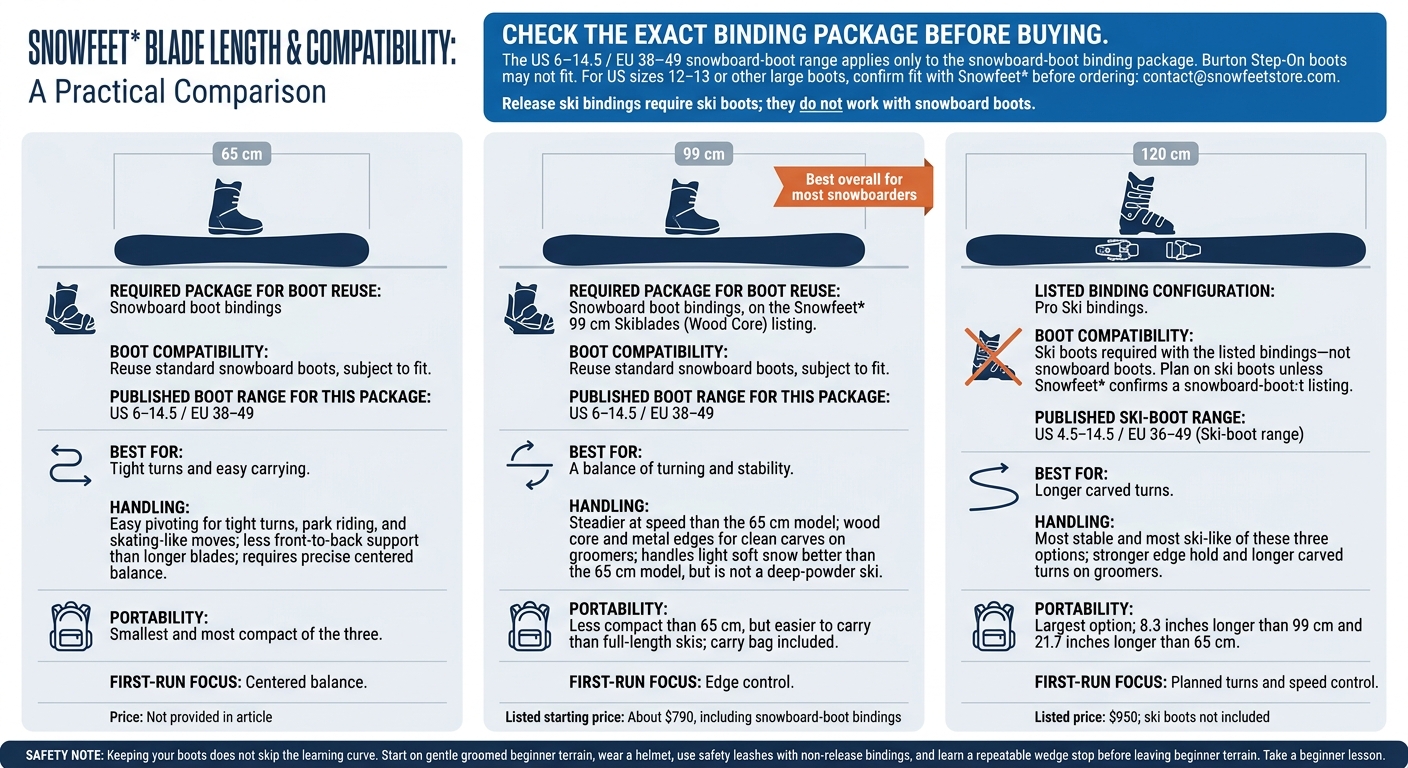
Snowfeet* Skiblades: 65 vs 99 vs 120 cm
1. Snowfeet* 65 cm Skiblades with Snowboard-Boot Bindings
Boot and binding compatibility
For the shortest, most playful option, choose the Snowboard boot bindings package on the Snowfeet* 65 cm Skiblades listing. It comes with Snowfeet* snowboard-boot bindings.
Most snowboard boots in U.S. sizes 6–14.5 / EU 38–49 fit, but Burton Step-On boots often don’t. If you wear U.S. size 12–13, email contact@snowfeetstore.com before ordering. Very large boots may not fit every model. Most adjustments need no tools, though you may need a screwdriver to tighten screws and remove wobble during the first setup.
Control and terrain suitability
At 65 cm (25.6 in), these blades pivot with ease for tight turns, park riding, and skating-like moves. The trade-off? They offer less front-to-back support than longer blades. Easy turning doesn’t always mean easy balance, especially on your first ride.
Portability
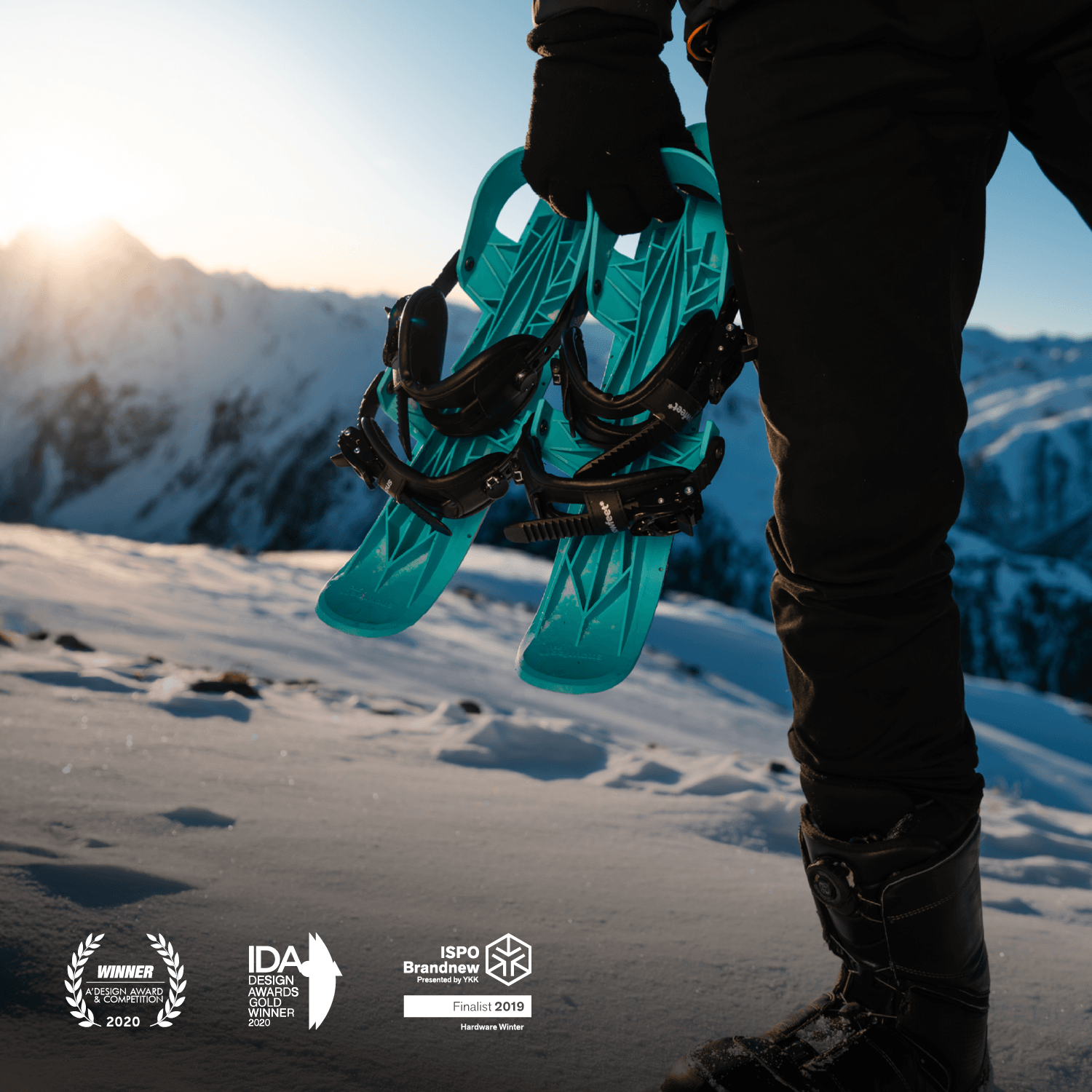
The 65 cm model is the smallest of the three lengths. It puts compact gear and playful handling ahead of the extra support you get from the 99 cm and 120 cm options.
For more stability while keeping your snowboard boots, the 99 cm setup is the next step.
2. Snowfeet* 99 cm Skiblades with Snowboard-Boot Bindings
Boot and binding compatibility
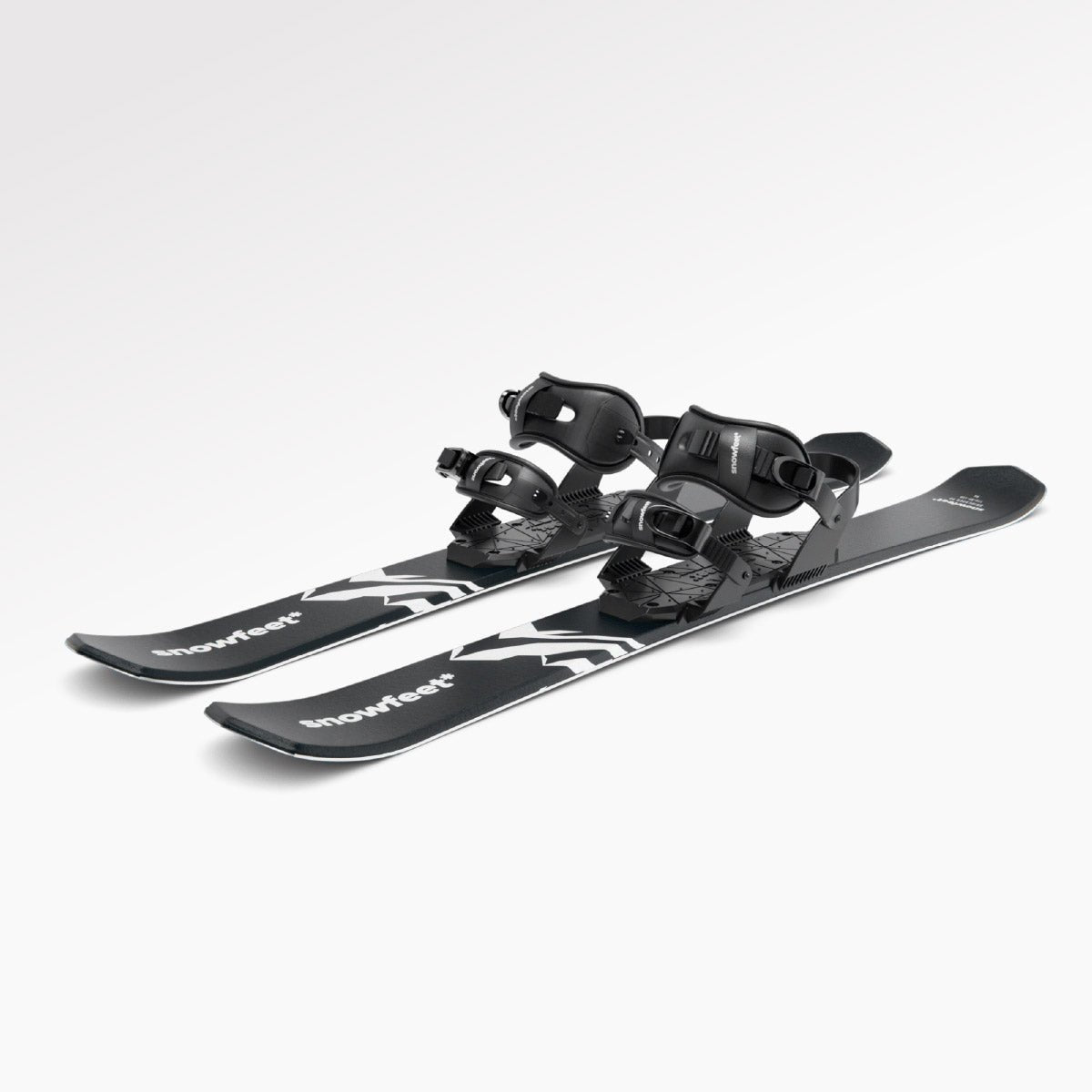
If the 65 cm model feels too twitchy, the 99 cm version adds stability - and you can keep your snowboard boots.
Choose the Snowboard boot bindings package for the Snowfeet* 99 cm Skiblades (Wood Core). It fits most snowboard boots in U.S. sizes 6–14.5 (EU 38–49), though Burton Step-On boots usually don’t fit. If you wear U.S. sizes 12–13, check the fit with Snowfeet* before ordering. You may need a screwdriver for the first screw tightening.
The setup starts at about $790, including the snowboard-boot bindings. Free priority shipping is listed for U.S. orders.
Control and terrain suitability
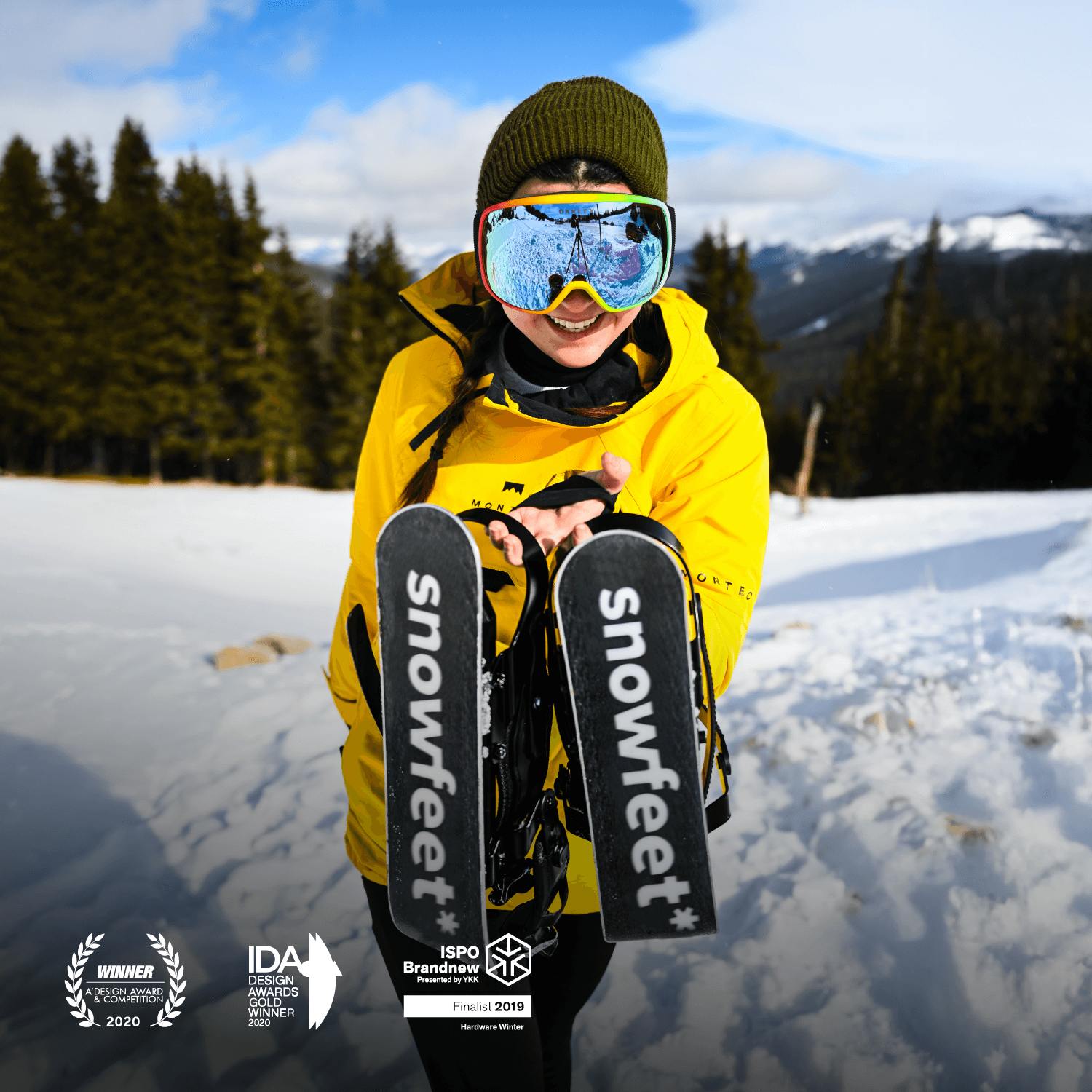
At 39.0 inches (99 cm), this wood-core model has metal edges for clean carves on groomers. It feels steadier at speed than the 65 cm model and handles light soft snow better, too. Just don’t treat it as a deep-powder ski.
Portability
It’s less compact than the 65 cm model, but still much easier to carry than full-length skis. A carry bag is included.
For more carving support than the 99 cm model offers, the 120 cm option is the next step.
These guys tried Snowfeet* Snowblades for the first time | Watch what they think | Short Ski Review
3. Snowfeet* 120 cm Short Skis: Confirm Snowboard-Boot Compatibility
The 120 cm model offers the most ski-like Snowfeet* ride of these three options. But check the binding package before you buy.
Boot and binding compatibility
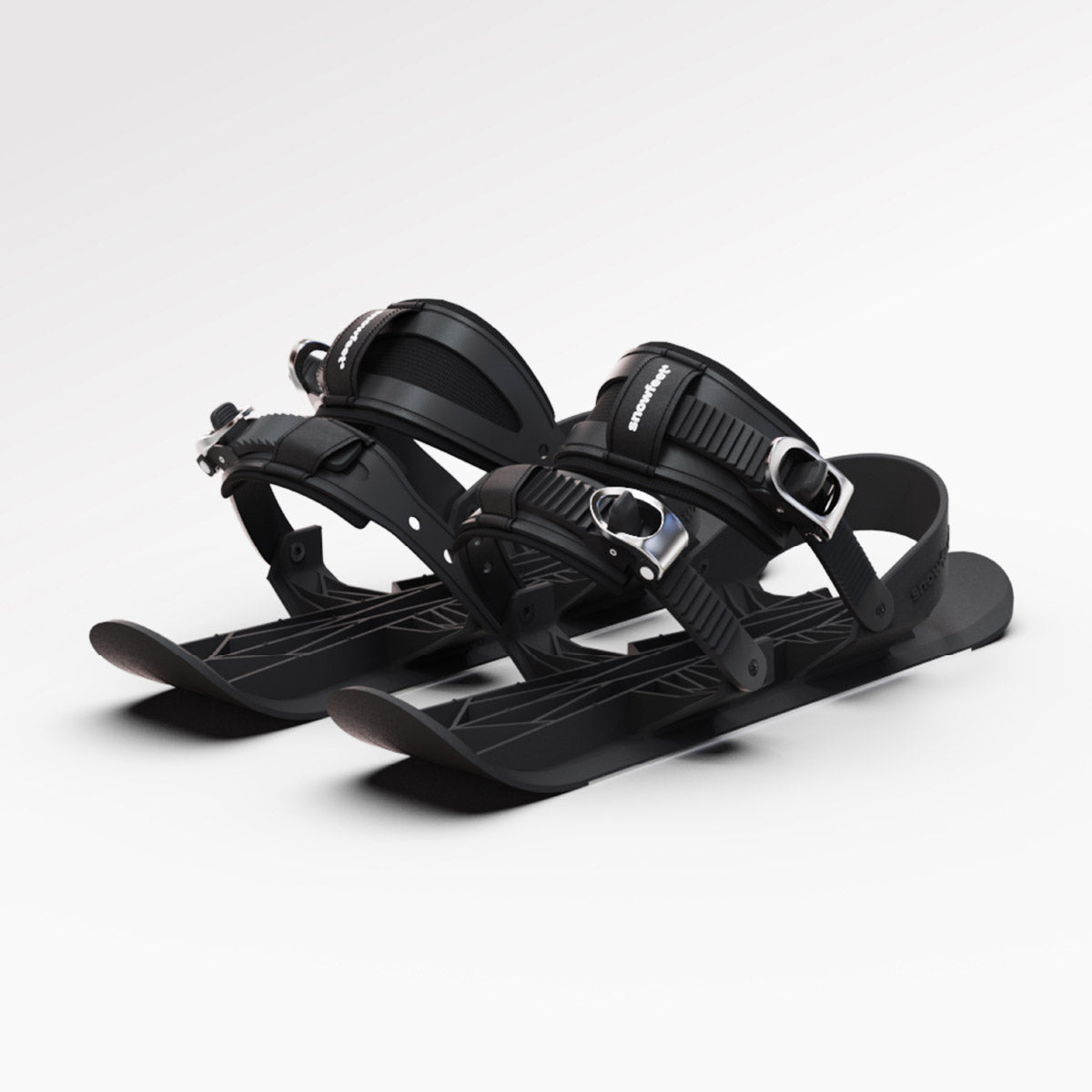
Don’t assume your snowboard boots will fit. Unlike the boot-reuse options above, Snowfeet* lists the 120 cm model with Pro Ski bindings. Plan on ski boots unless Snowfeet* confirms a snowboard-boot binding for your exact listing.
Once you’ve confirmed the binding, the main riding changes come down to stance and balance. The first-runs section covers both.
Price and boot requirement
Snowfeet* lists the 120 cm Short Skis at $950. That price doesn’t include any ski boots you may need.
Control and terrain suitability
At 47.2 inches (120 cm), this model is the most stable and most ski-like Snowfeet* option of the three. It offers stronger edge hold and longer carved turns on groomers. Snowfeet* recommends ski boots for this setup.
Portability
This model is 8.3 inches longer than the 99 cm model and 21.7 inches longer than the 65 cm model. That makes it less portable, and you’ll need more room to store it.
sbb-itb-17ade95
Check Boot Fit and Bindings Before Buying or Riding
Choose the “Snowboard Boots” package at checkout. The US 6–14.5 / EU 38–49 range applies ONLY to that package. Use this table to match your boots to the right bindings.
| Boot compatibility | 65 cm: snowboard bindings | 99 cm: snowboard bindings | 120 cm: ski bindings |
|---|---|---|---|
| Reuse standard snowboard boots? | Yes, subject to fit | Yes, subject to fit | No |
| Published boot range | US 6–14.5 / EU 38–49 | US 6–14.5 / EU 38–49 | US 4.5–14.5 / EU 36–49 (ski boots) |
Wear supportive, standard snowboard boots. Burton Step-On boots often don’t fit because of their sole shape. Check your exact boot with Snowfeet* before you order.
Release ski bindings require ski boots. They don’t work with snowboard boots.
Before your first run, check your fit, stance, and balance:
- Place each boot flat and centered. Tighten the straps evenly, and check that the heel and toe stay secure without wobbling.
- Check straps, buckles, and screws for damage or loose parts. Clip in the safety leashes on non-release bindings.
- While standing still, lean forward and backward to check that the bindings hold your boots securely. If anything is loose, damaged, outside the listed size range, or still unconfirmed, stop. Contact Snowfeet* with your boot model, size, and binding package, or ask a qualified ski shop for help.
With the fit checked, you can move on to stance, balance, and stopping on snow.
First Runs: Stance, Balance, and Stopping
Once you’ve checked your fit, head to gentle, groomed beginner terrain. On a snowboard, you stand sideways. On skiblades, you face forward, with each foot free to move on its own.
Keep your feet about hip-width apart, knees bent, hands forward, and hips centered over your feet. Start turns with small ankle and knee movements, not by leaning back or twisting your torso.
| Snowfeet* setup | First-run focus | What to practice |
|---|---|---|
| 65 cm (about 26 in) | Centered balance | Keep your weight centered and use small ankle movements. This shorter platform calls for precise balance. |
| 99 cm (about 39 in) | Edge control | Tip each ski onto its edge while keeping your upper body still. |
| 120 cm (about 47 in) | Planned turns and speed control | Use the added length for smoother, more controlled turns. |
Choose the 120 cm setup for smoother carved turns. The 65 cm and 99 cm setups let you learn the new stance in your snowboard boots.
Next, try short glides and gentle traverses across the slope. Learn a wedge stop you can repeat before leaving beginner terrain. Then work on linked turns and have an instructor teach you a hockey stop. Take a beginner lesson - snowboard edge control doesn’t transfer directly.
Wear a helmet, and skip jumps and steep slopes until you can stop and control your edges with confidence.
Which Snowfeet* Setup Should You Choose?
Once you’ve covered fit and first-run basics, pick a setup based on how you want to ride. For most snowboarders, Snowfeet* 99 cm with snowboard-boot bindings is the best overall choice.
Use this chart to match your setup to your top priority.
| Your priority | Best direction | Main trade-off |
|---|---|---|
| Portability | 65 cm with snowboard bindings | Smallest option; less stable at speed |
| Overall transition | 99 cm with snowboard bindings | Best balance of easy turns and support |
| Carving stability | 120 cm, after configuration checks | Most ski-like; usually needs ski release bindings, not snowboard-boot bindings |
Before you order, check the exact binding package and any other compatible gear you’ll need.
For most casual snowboarders, the snowboard-compatible Snowfeet* 65 cm and 99 cm setups offer a compact way to switch without buying new boots.
FAQs
Will my snowboard boots feel less responsive on skiblades?
Yes. Snowboard boots flex more than rigid ski boots, so they feel softer and give you less direct edge control. Ski boots respond more sharply when you’re carving hard.
For most casual riders, though, the difference is small. With Snowfeet-compatible snowboard bindings, you can keep your snowboard boots - and their comfort, warmth, and easy walking - for relaxed days on the slopes.
Can I rent Snowfeet* Skiblades before buying?
Snowfeet* doesn’t currently offer rental or demo programs for Skiblades or any other products. It also has no physical stores where you can test the gear before buying.
Snowfeet* has a 14-day return policy, but it’s not a trial period. To get a refund, your purchase must be brand-new and unused, with all original packaging intact.
Do resorts allow skiblades with non-release bindings?
Yes, most resorts allow skiblades with non-release snowboard-boot bindings. Modern Snowfeet models have metal ski edges and require safety leashes. These safety features help make them accepted on slopes and in snow parks.
Rules vary by resort, so check your destination’s policy before you arrive.




ฝากความคิดเห็น
เว็บไซต์นี้ได้รับการคุ้มครองโดย hCaptcha และมีการนำนโยบายความเป็นส่วนตัวของ hCaptcha และข้อกำหนดในการใช้บริการมาใช้