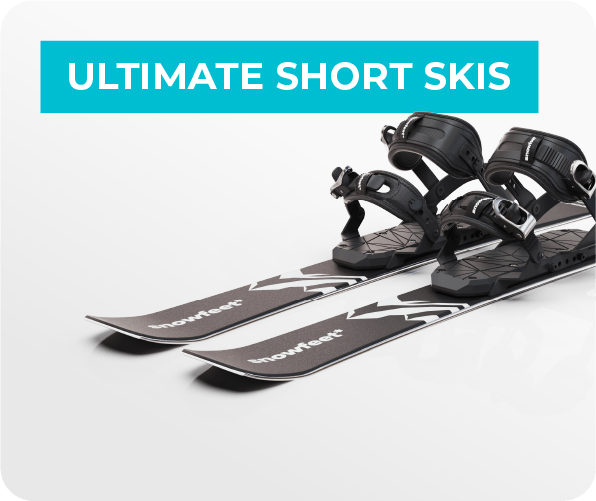
If I had to give one short answer: sledding is easiest on run one, but short skis give most people more fun after a few laps.
If you want zero learning, low cost, and a sit-down ride, a sled wins. If you want more control, more ways to ride, and more reason to keep going back up the hill, short skis win.
Here’s the whole call in plain English:
- Pick a sled if you’ve got very young kids, want the lowest cost, or just want to slide right away.
- Pick short skis if you want to turn, brake, change lines, and get more out of the same hill.
- On busy hills, control matters. The article notes that about 63% of sledding injuries come from collisions with objects, the ground, or other people.
- For gear:
Are Short Skis Better for Beginners?
Quick Comparison
| Option | Best For | Learning | Control | Repeat Fun | Price Range |
|---|---|---|---|---|---|
| Sled / Assled | Young kids, quick snow-day use | Easiest | Low | Lower on small hills | Under $50 to more |
| Skiskates 44 cm | Playful riders, skaters, light packers | Medium | High | High | $299 |
| PRO 50 cm | Beginners, families, mixed groups | Medium | High | High | $460 |
| Skiblades 65 cm | Adults who want more stability | Medium | High | High | $590 |
My take? Sledding is simple. Short skis keep the hill fun longer. On a short neighborhood slope, that difference shows up fast :)
If you’re choosing for a family, a trip, or a casual weekend hill, this article makes it pretty clear who should ride what.
How Short Skis Perform on a Small Hill
On a small hill, short skis make the same run feel a lot more playful. They do best on packed or groomed snow. Hardpack, light slush, and shallow powder are still fine. Deep powder? That’s not their thing.
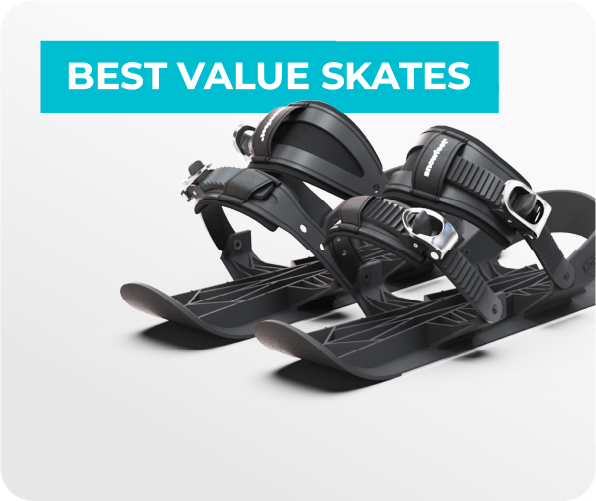
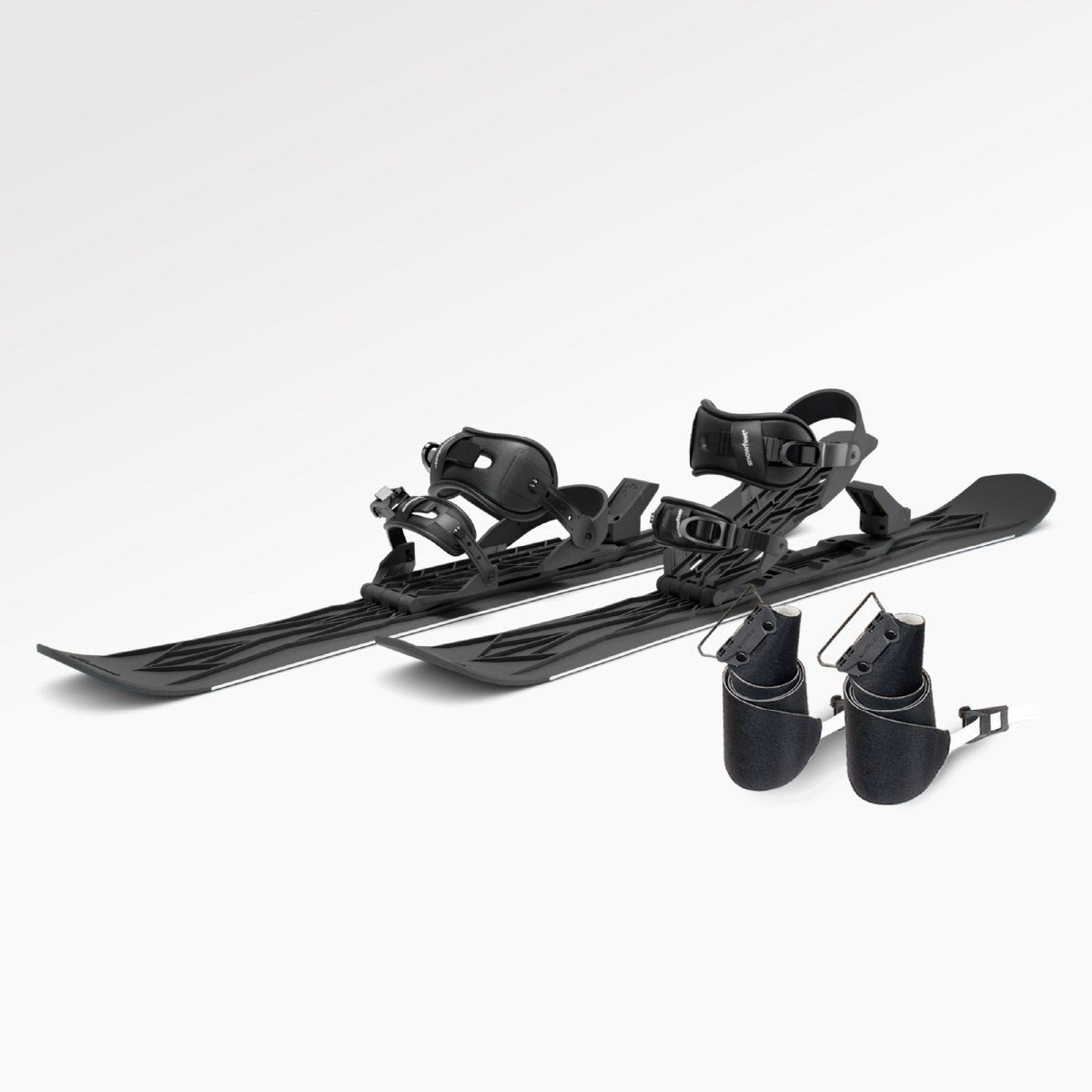
Snowfeet* Skiskates 44 cm: the most playful pick
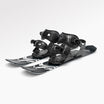
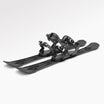
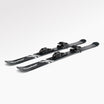
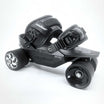
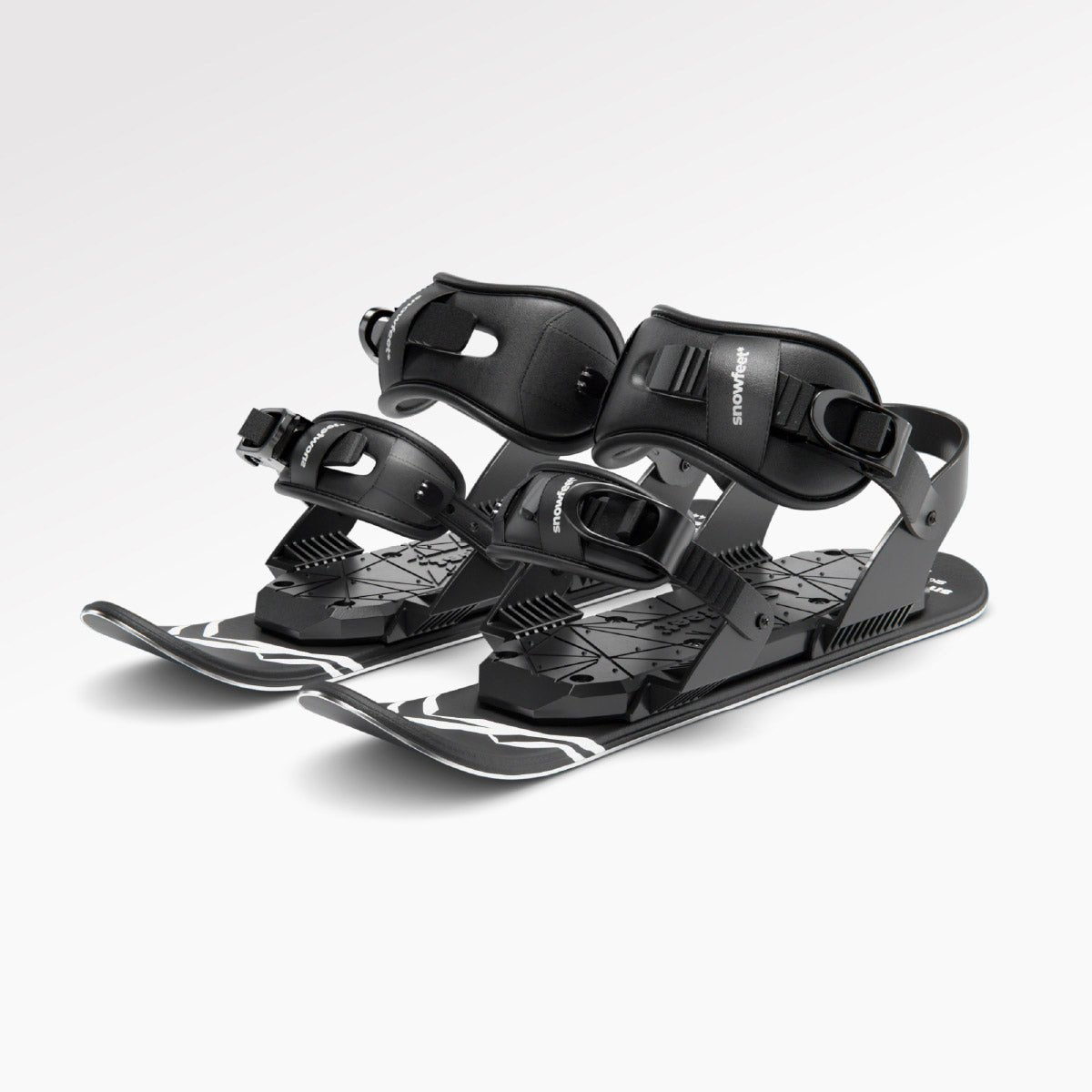
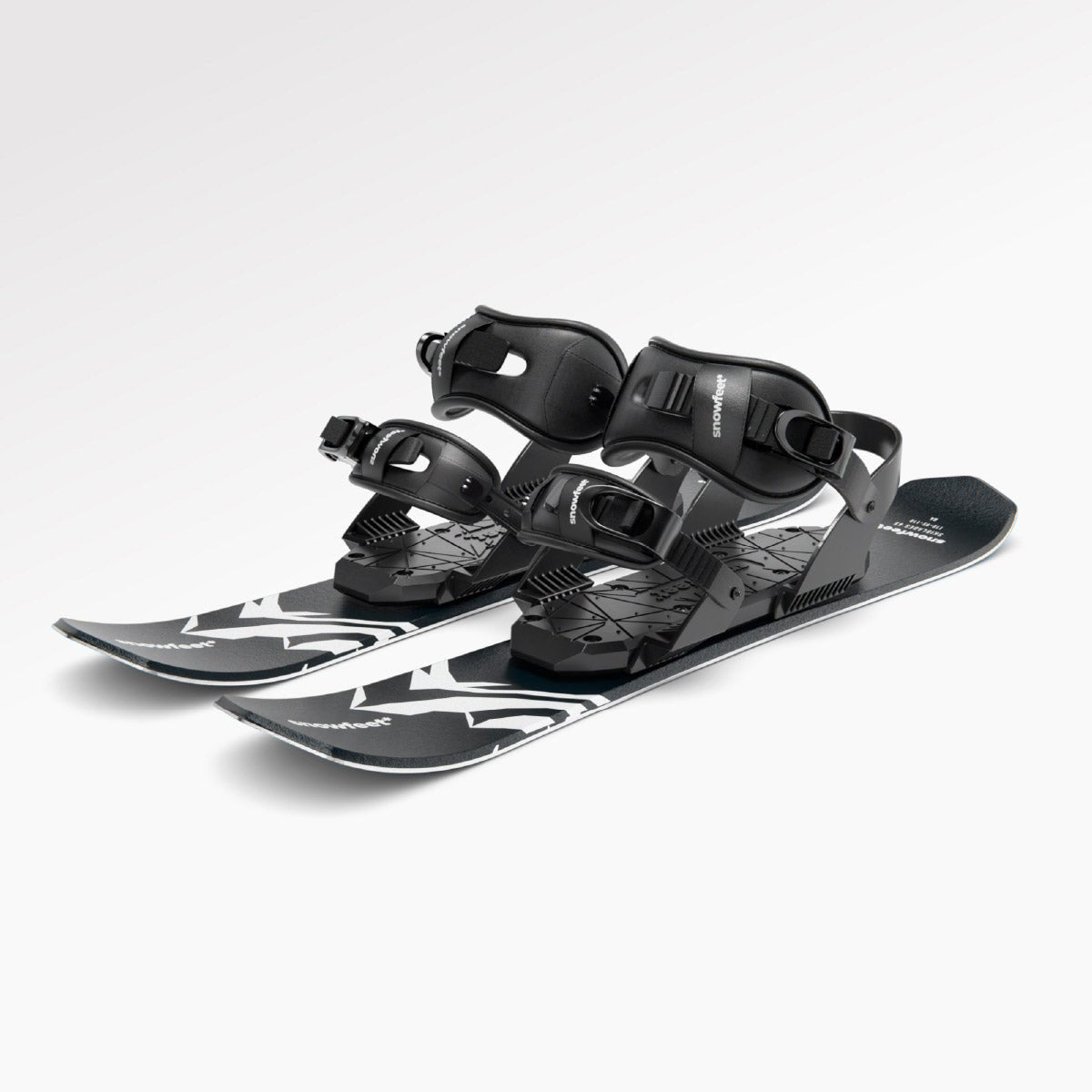
At just 44 cm (about 17 in), the Skiskates feel closer to skating on snow than standard skiing. On a small hill, they let you pivot fast, carve tight little arcs, and switch your line on every run. That matters more than it sounds. A hill that starts to feel stale on a sled can stay fun because you’re not locked into one path.
There’s a trade-off, though. Their short length is the least forgiving at higher speeds or on uneven snow. They work best when you stay in an active, athletic stance - knees bent, weight a bit forward, hips centered. If you skate already, or you’re an intermediate rider, the learning curve tends to feel smoother. If you’re more cautious, the longer models make more sense at first. At $299, they’re also the lowest-cost way into the Snowfeet* lineup.
Snowfeet* PRO 50 cm and Skiblades 65 cm: easier all-around options
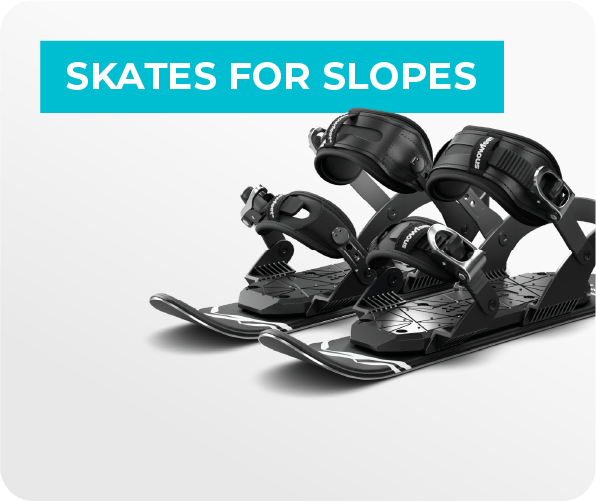
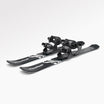
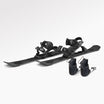
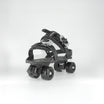
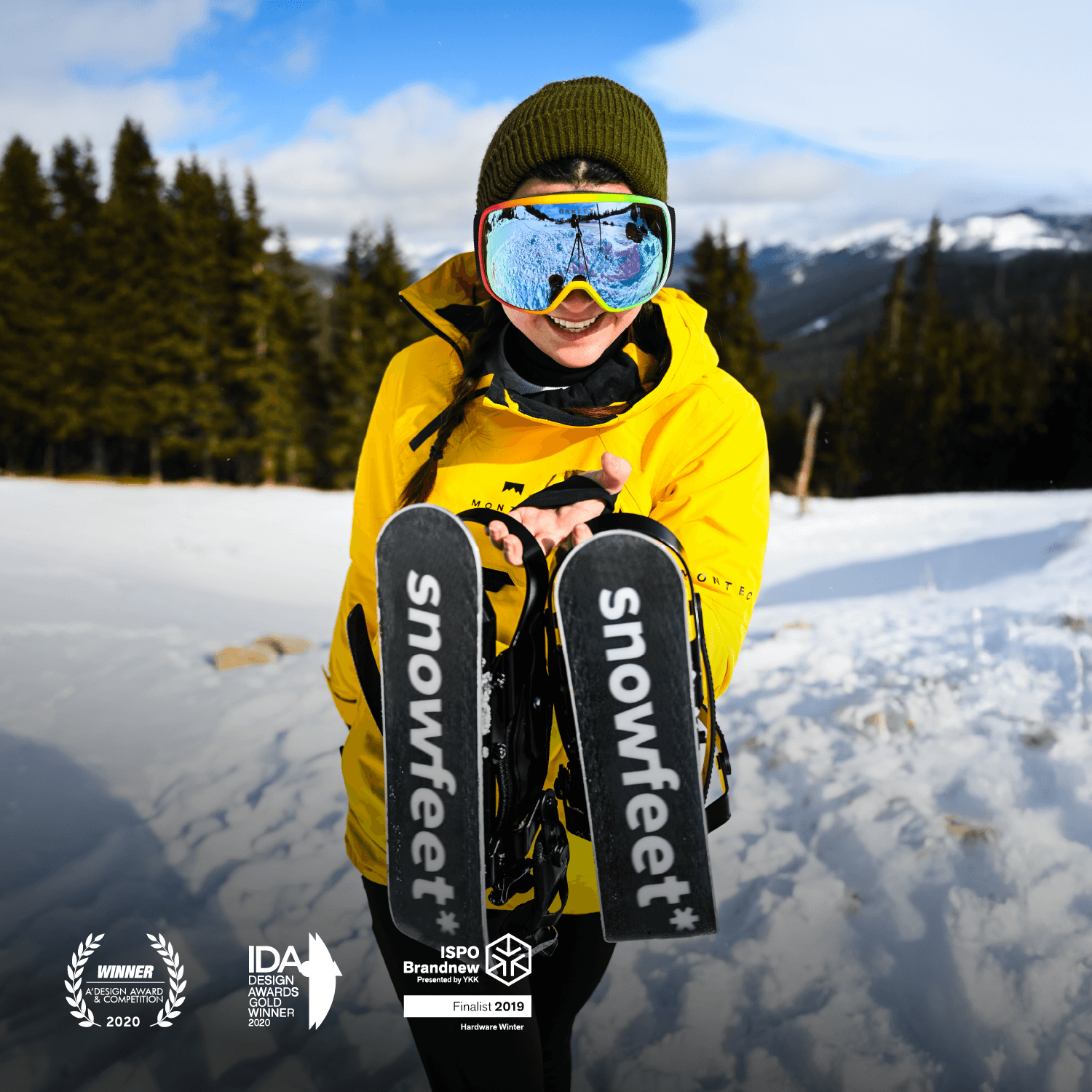
The PRO 50 cm ($460) adds 6 cm (about 2.5 in) over the Skiskates. That extra length gives you more stability, so straight glides and mellow turns feel easier to hold. It still stays quick and easy to carry, but it feels steadier underfoot. If you want one compact setup that can work for different riders and different moods, the PRO 50 cm hits a nice middle ground.
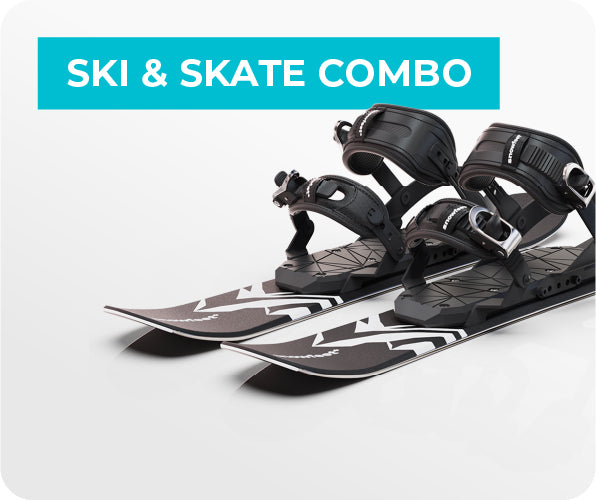
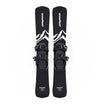
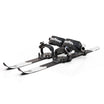
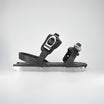
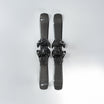
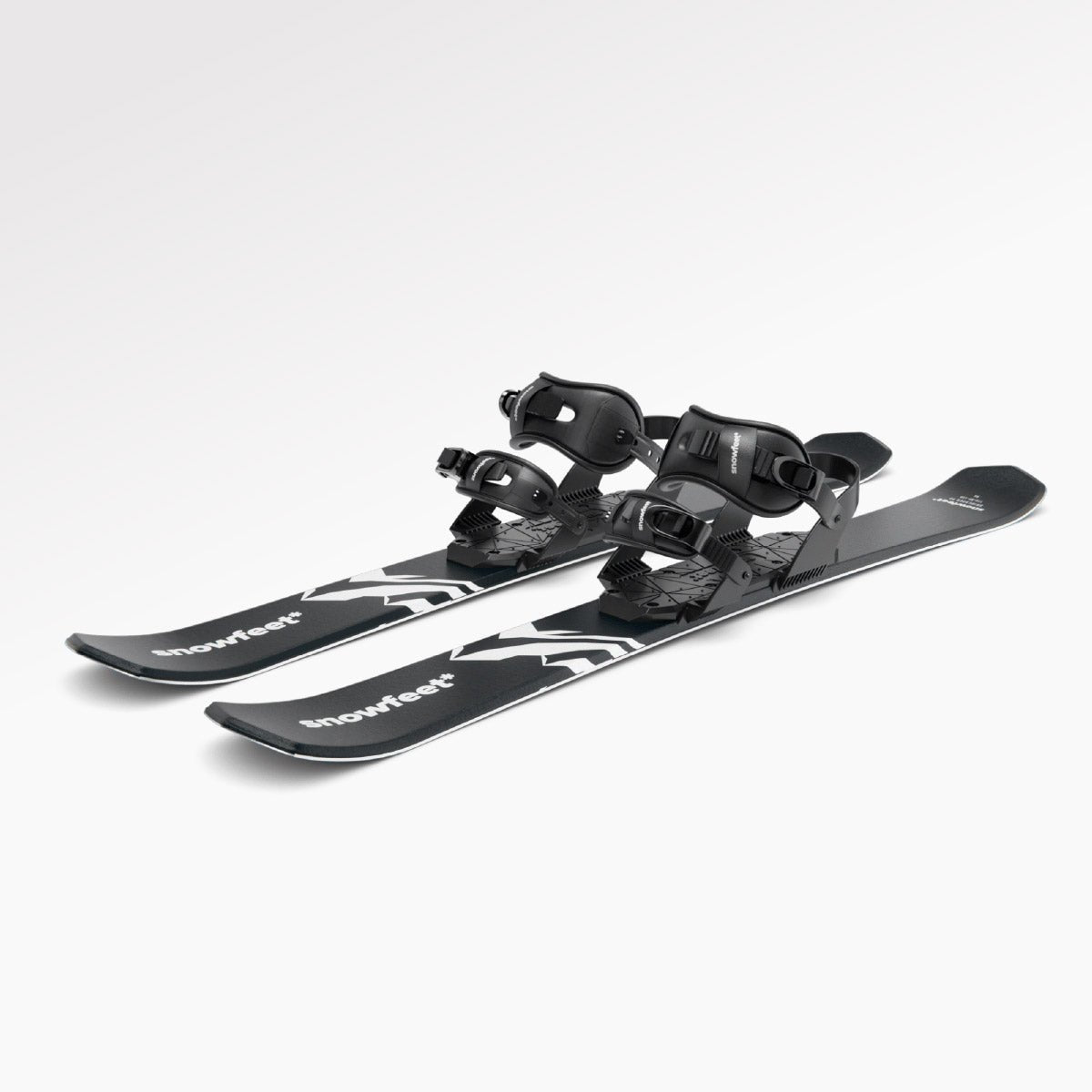
The Skiblades 65 cm ($590) go one step farther on stability. The longer platform suits resort skiers who want a more playful setup for a local hill. On packed snow, they carry a bit more speed while still staying in control. They also deal with slushy or mildly icy conditions better than the two shorter models. For cautious beginners, or adults who want more confidence on steeper sections, they’re the easiest fit. Next, compare that freedom with sledding's sit-and-go simplicity.
| Model | Length | Price | Best For | Best Snow Conditions |
|---|---|---|---|---|
| Skiskates | 44 cm (17 in) | $299 | Skaters, experienced riders, playful adults | Packed, groomed |
| PRO | 50 cm (20 in) | $460 | Beginners, families, casual riders | Packed, groomed, light slush |
| Skiblades | 65 cm (26 in) | $590 | Cautious beginners, resort crossover riders | Packed, groomed, light slush, mild ice |
That’s the short-ski case: more control, more line changes, and more fun on the same hill. Like getting a few extra trails out of one slope - without driving anywhere :)
sbb-itb-17ade95
How Sledding Compares on the Same Hill
Sledding is the easiest snow activity in the neighborhood. There’s no learning curve, no fancy setup, and no long checklist. You can be sliding in a few minutes.
Where sledding wins: simplicity and instant access
For very young kids and mixed-skill groups, sledding works right away. Everyone is doing the same basic thing, so it’s easy to join in and hard to feel left out.
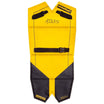
If your goal is just to get outside on a snow day without much prep, sledding has the edge. A basic plastic sled is light, cheap, and often costs under $50. It also works with regular winter clothes and boots. Assled pushes that ease even more: it’s a compact, wearable sled you can use in seconds.
Where sledding falls short: control and repeat fun
Here’s the catch: most sleds give you one way to ride and only a little steering. You can lean a bit or drag a foot, but you can’t carve a turn or switch to a new path halfway down. On a small hill, that lack of control can matter a lot. Around 63% of sledding injuries come from collisions with objects, the ground, or other people.
It can also get repetitive. On a short hill, the route stays mostly the same each run. Your body position stays the same too. After the first few rides, the novelty can wear off, most of all for older kids and adults. There’s not much to build on, tweak, or get better at. Compared with short skis, which let you change lines and build skill over time, the one-position sled setup can start to feel a bit one-note.
That’s where short skis begin to pull ahead on repeat runs.
Short Skis vs Sledding: Side-by-Side Comparison
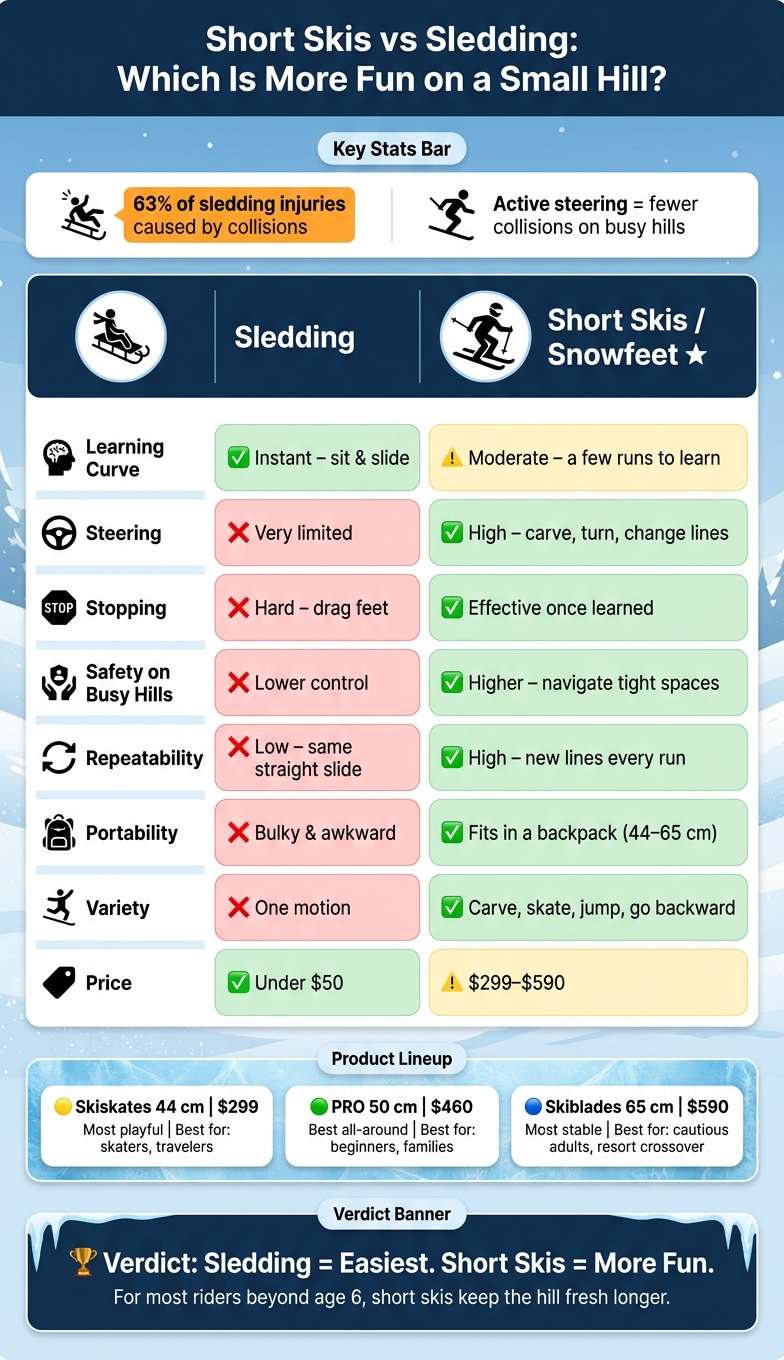
Short Skis vs Sledding: Which Is More Fun on a Small Hill?
Here’s how the two options compare on the stuff that matters most on a small local hill. The biggest gaps show up in control, repeat runs, and how much work each lap takes.
On a small hill, the fun usually comes down to one thing: how much control you have, and how different each run can feel.
Table 1: Learning curve, speed, control, and safety
The first big split is how each one handles the ride down.
| Factor | Sledding | Short Skis (Snowfeet*) |
|---|---|---|
| Learning curve | Instant - sit and slide, no practice needed | Moderate - balance takes a few runs, but manageable |
| Speed | Can get fast on steeper hills; rider control is limited | Variable; controlled more actively by the rider |
| Steering | Very limited; mostly a straight-line ride | High; riders can carve, turn, and change lines |
| Stopping | Hard to control; often means dragging feet | Effective; quick braking once learned |
| Safety on a busy hill | Lower; harder to steer around people and obstacles | Higher; active control helps navigate tight spaces |
Sledding wins on day one. You sit down, push off, and go. Easy.
But that same simplicity has a downside. You don’t get much control once you’re moving. Injury risk goes up when riders can’t steer or stop well, especially on steeper or icy hills. Short skis give riders more say over speed and direction, which starts to matter a lot when the hill is crowded.
Control is a big deal, sure, but carrying the gear back up the hill matters too. So does whether the next run feels any different from the last one.
Table 2: Repeatability, portability, and variety
The second difference is how much each run gives back over time.
| Factor | Sledding | Short Skis (Snowfeet*) |
|---|---|---|
| Repeatability | Low; the motion is mostly a straight slide | High; carving, turning, and new lines keep it fresh |
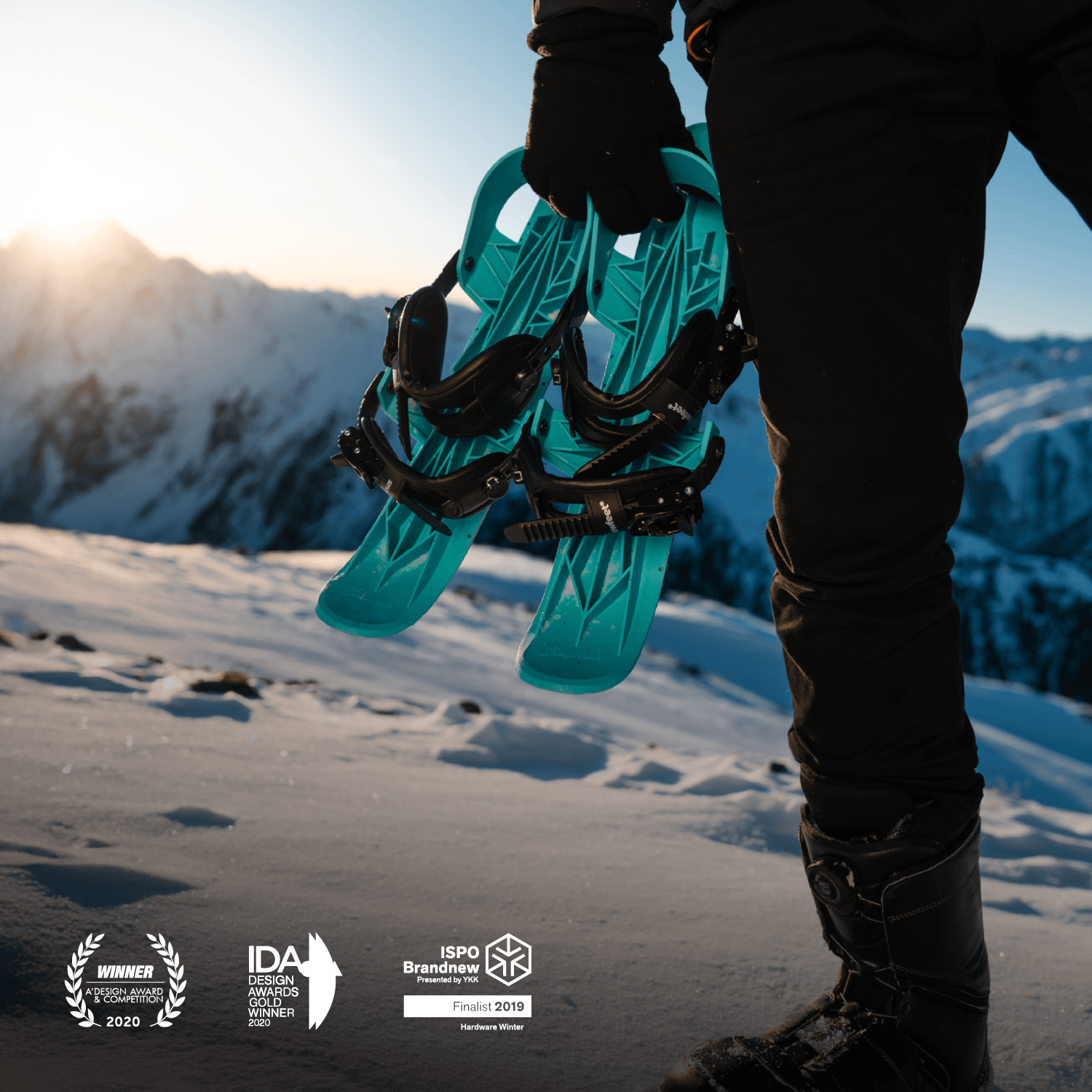
| Portability | Bulky; awkward to carry back up or fit in a car | Compact; the Skiskates (44 cm) and PRO (50 cm) fit in a backpack |
| Variety | Minimal; one motion: sit, slide, stop | High; skating on flat ground, jumps, backward riding |
| Equipment size | Large and rigid | 44 cm, 50 cm, or 65 cm options |
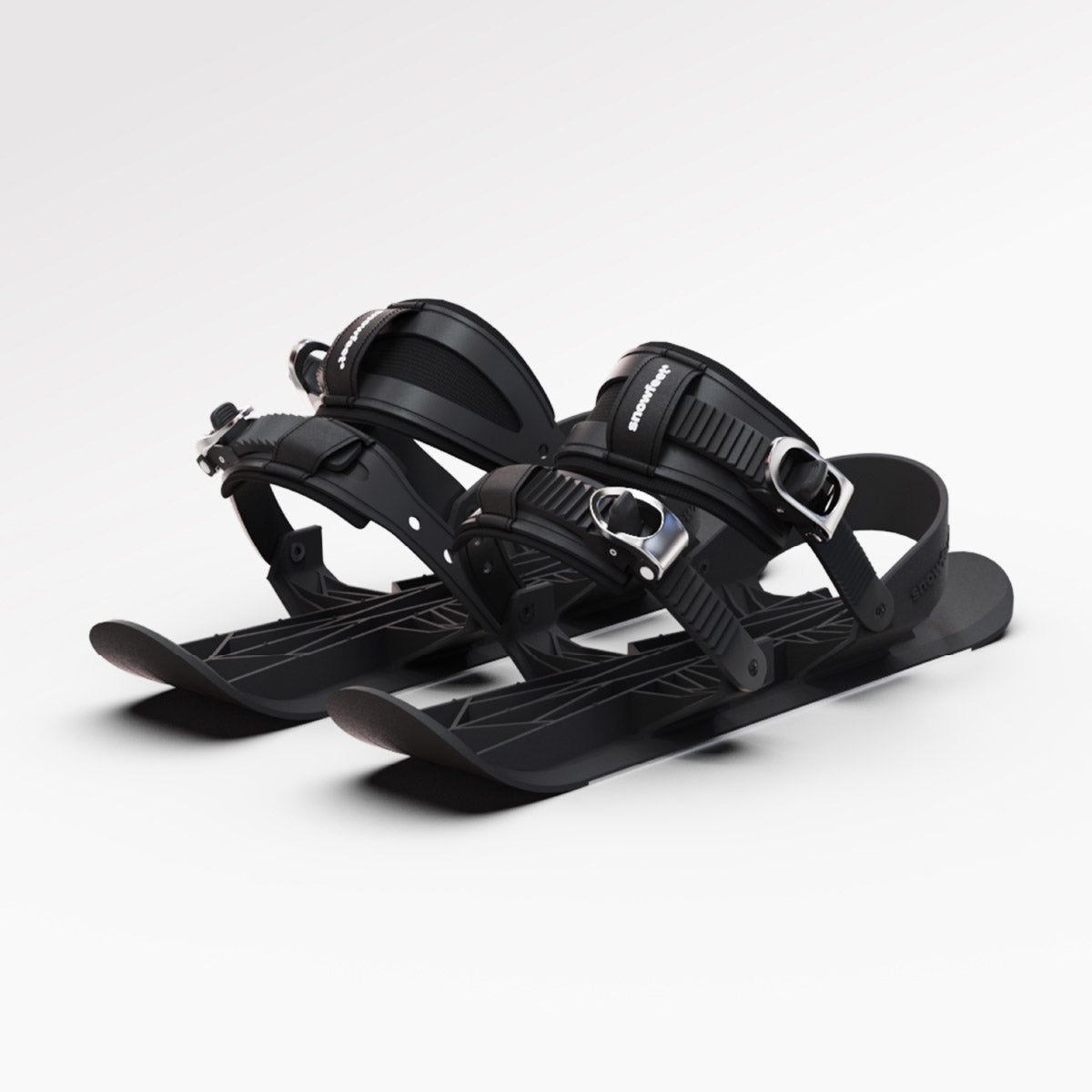
A standard plastic sled takes up space and can be a pain to haul around. By contrast, the Snowfeet* PRO at 50 cm and Skiskates at 44 cm are small enough to throw in a bag with your regular gear. The Skiblades at 65 cm are a bit longer, but they’re still easy to carry and pack.
Short skis also open up more ways to use the same hill. You can carve, skate across flat spots, and change lines from run to run. That’s the part that makes them feel less like a one-shot ride and more like something you want to keep doing.
Those trade-offs matter in different ways for kids, beginners, families, and adults.
Best Pick by Rider Type and Final Verdict
Best setup for kids, beginners, families, travelers, and adults
After looking at control, portability, and plain old repeat fun, here’s the fast way to pick.
The best option depends mostly on who’s riding and what they want from the hill.
Very young kids (around ages 3–6) should stick with a basic sled or the Assled. It keeps things simple and steady for small kids. Use it on mellow neighborhood hills where an adult can watch with ease. Short skis ask too much at this age.
Older kids and true beginners are a great match for the Snowfeet PRO 50 cm ($460). This is the best all-around pick for older kids, beginners, and families with mixed skill levels.
Travelers and anyone low on storage space should check out the Snowfeet Skiskates 44 cm ($299). At only 44 cm, they fit in a backpack and feel like the most playful option in the lineup.
Adults who want more stability should go with the Snowfeet Skiblades 65 cm ($590). That extra length feels closer to a ski and gives more stability than the shorter models, without the bulk of full-size skis.
Final verdict: sledding is easier, Snowfeet* short skis are more fun
When you stack up the trade-offs, one thing is pretty clear:
Sleds are the easiest way down the hill. But Snowfeet short skis are more fun on a small hill* because they give you more control and more ways to mix up each run. With a sled, it’s simple: sit down, push off, go. That’s hard to beat.
Still, for most casual riders, Snowfeet short skis are the better fun pick*. There’s a short learning curve, sure. But once it clicks, the hill feels less like a straight slide and more like a little snow playground.
Very young kids are still best on sleds or the Assled. Pretty much everyone else gets more out of Snowfeet* short skis.
FAQs
Are short skis hard to learn?
No. Short skis are usually easy to learn.
Most people can get the basics of Snowfeet* products in about 5 minutes. The compact shape tends to feel natural, especially if you’ve done ice skating or inline skating.
Their shorter length also helps with common beginner headaches, like crossed tips. That means they’re easier to control, easier to turn, and a lot less intimidating than 150 cm+ skis.
Which Snowfeet* model is best for beginners?
It depends on the rider’s age and what they need on the snow.
- Ages 2–6: Snowfeet MINI KIDS* ($199) is light, small, and built to help young beginners feel safe and steady.
- Older kids, teens, and adults: 44 cm Skiskates are the best pick. They’re easy to turn, help avoid crossed tips, fit in a backpack, and most people can learn the basics in just 5–30 minutes.
Are short skis safer than sledding on a busy hill?
Yes. Short skis like Snowfeet are often safer on a busy hill because they give you more control.
Unlike sleds, which often have little to no steering or braking, Snowfeet products come with metal edges for carving and stopping, plus heel brakes to help control speed.
Their shorter length also lowers the risk of tip crossing and makes them easier to handle. That means riders can make small, fast adjustments to avoid obstacles or other people.


ฝากความคิดเห็น
เว็บไซต์นี้ได้รับการคุ้มครองโดย hCaptcha และมีการนำนโยบายความเป็นส่วนตัวของ hCaptcha และข้อกำหนดในการใช้บริการมาใช้